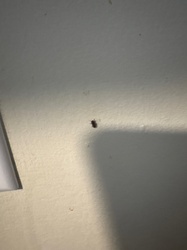
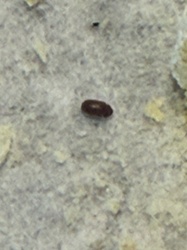
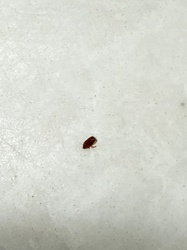
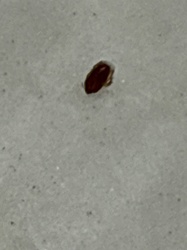
Drugstore Beetle Identification Guide
Distinguish the grooved-wing, club-antennaed drugstore beetle from its close lookalikes with this quick visual guide.
Read the full Drugstore Beetle encyclopedia entry →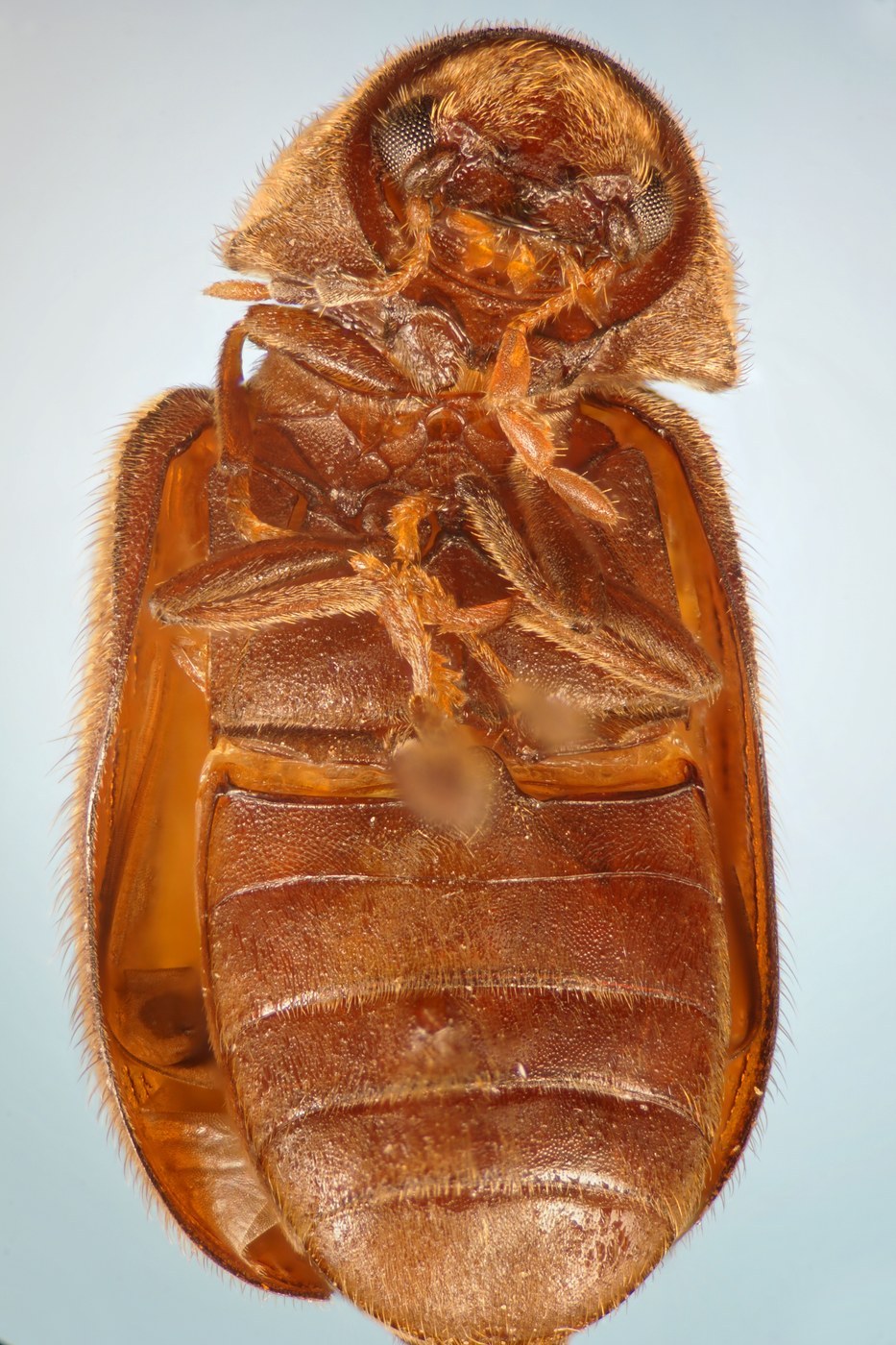
Key Visual Features
The drugstore beetle (Stegobium paniceum) is a small, cylindrical beetle roughly 2-3.5 mm in length, closely related to the cigarette beetle but with a few distinguishing traits.
- Size & shape: Small, oval to cylindrical, with a humped thorax that partly conceals the downturned head, similar in general silhouette to the cigarette beetle.
- Color: Uniform light to reddish-brown across the body, with no bold patterning.
- Wing covers: The elytra display fine, parallel longitudinal grooves (striations) running from front to back — a key feature separating it from the smooth-covered cigarette beetle.
- Antennae: End in a loose, three-segmented club that is noticeably wider than the rest of the antenna, unlike the evenly serrated antennae of the cigarette beetle.
- Legs: Short, often folded close to the body; the beetle can pull in its legs and antennae and remain motionless when threatened.
- Surface texture: Body appears finely pitted and slightly fuzzy under magnification due to short, fine hairs.
Where and When You'd See It
Drugstore beetles are indoor pests of stored dry goods, commonly found in pantries, cabinets, and storage rooms wherever dried starches, grains, spices, or dried plant material are kept. They are active throughout the year indoors, with adult activity often noticed more in warm months. Adults fly readily and are frequently seen near windows, drawn to daylight or indoor lighting. You may also spot small, round exit holes in packaging where beetles have chewed their way out.
Similar-Looking Bugs
- Cigarette beetle: Nearly identical size and shape, but its wing covers are smooth rather than grooved, and its antennae are serrated rather than clubbed.
- Spider beetles: Round-bodied but with noticeably longer, thinner legs and a glossier, more domed appearance.
- Weevils: Have an elongated snout projecting from the head, which drugstore beetles lack entirely.
Quick ID Checklist
- Small (2-3.5 mm), reddish-brown, cylindrical beetle
- Wing covers show fine, parallel grooves (use a hand lens if needed)
- Antennae end in a distinct three-segment club
- Head bent down and partly hidden beneath the thorax
- Found around stored dry goods, capable of flight toward light
Frequently asked questions
What is the easiest way to tell a drugstore beetle from a cigarette beetle?
Look closely at the wing covers with a hand lens: the drugstore beetle has fine parallel grooves, while the cigarette beetle's wing covers are smooth. The antennae also differ — clubbed in the drugstore beetle versus evenly serrated in the cigarette beetle.
Why is it called the drugstore beetle?
The name comes from its long history of turning up in stored dried goods historically kept in apothecaries and drugstores, since it feeds on a wide range of dried plant-based materials.
Can drugstore beetles fly?
Yes, adults have functional wings and are often seen flying toward windows or indoor light sources, especially in warm conditions.
Do drugstore beetle larvae look different from the adults?
Yes, the larvae are small, whitish, C-shaped grubs quite different in appearance from the hard-shelled, reddish-brown adult beetle.
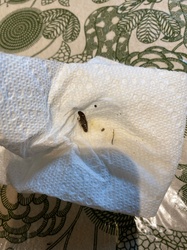
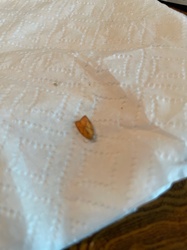
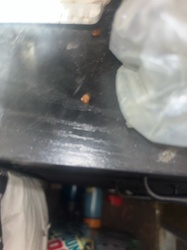
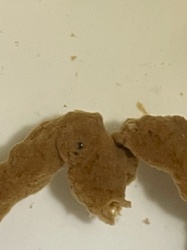
Drugstore Beetle identified by the community
Recent Drugstore Beetle finds identified with Bug Identifier.