
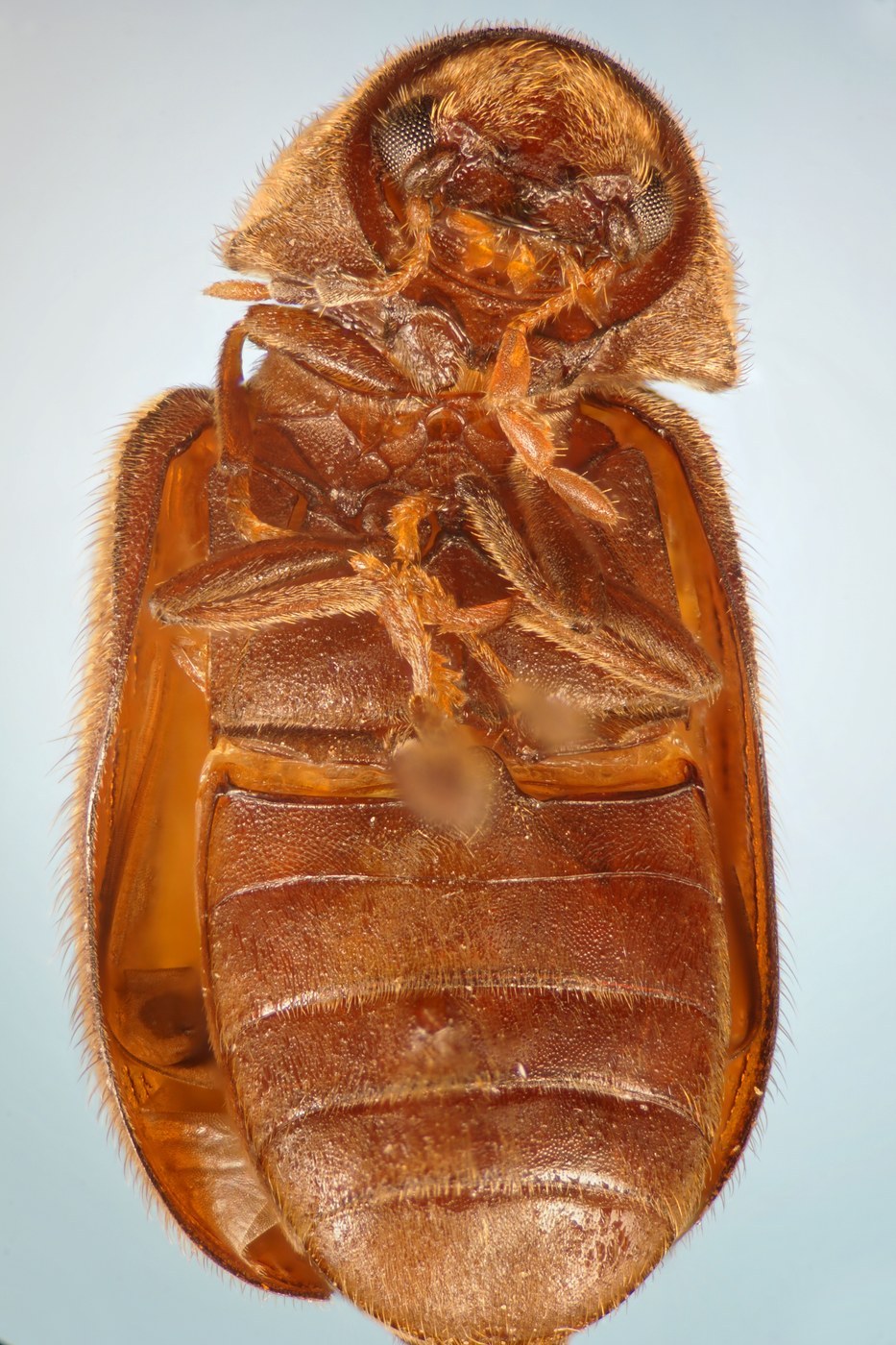
Drugstore Beetle
Stegobium paniceum
A tiny brown beetle with grooved wing covers that once earned its name by burrowing into dried herbs and medicines kept on pharmacy shelves.
- Size
- 2–3.5 mm long
- Habitat
- Stored dry goods and dried plant material worldwide
- Danger
- Nuisance pest
Spotted a bug like this?
Identify any bug or insect from a photo, free.
Overview
The drugstore beetle is a small, oval, reddish-brown beetle in the family Ptinidae, closely related to the cigarette beetle and named for its historical habit of infesting dried herbal remedies and other stock kept in old-fashioned apothecaries. Today it remains a broadly generalist feeder found wherever dry, starchy, or dried plant-based goods are stored.
This beetle is remarkable for the sheer range of dry materials its larvae can develop in, from cereal products and dried pasta to books, dried flowers, spices, and even some non-food items containing traces of starch-based adhesive. This dietary flexibility, combined with a global distribution tied to human trade and storage of goods, has made it one of the most widespread small stored-product beetles.
Adults and larvae both tend to shun bright light, so infestations are often first noticed when adults appear flying near windows or light fixtures rather than through direct observation of feeding damage.
How to Identify
- Small, oval, convex body about 2–3.5 mm long
- Uniform reddish-brown to light brown coloring
- Head is bent down and tucked beneath the pronotum, similar to the cigarette beetle
- Wing covers (elytra) are marked with fine longitudinal rows of pits or grooves, unlike the smooth elytra of the cigarette beetle
- Antennae end in a loose three-segmented club rather than being serrate along their full length
- Larvae are small, curved, whitish grubs with a sparsely haired body
Habitat & Range
Drugstore beetles are found nearly worldwide, thriving in both warm and temperate climates as long as suitable dry storage conditions exist. They are typically encountered in pantries, kitchens, warehouses, herbaria, and old book collections, wherever dried plant-based or starchy materials accumulate. Populations tend to be most active and reproduce fastest during warmer months or in consistently heated indoor spaces.
Behavior & Diet
Adults are active fliers, often drawn to light sources at dusk, and can squeeze into tightly sealed containers through very small gaps. Larvae do the majority of feeding, tunneling through dry goods and leaving behind fine powdery frass as they consume a remarkably broad diet of starchy and dried organic materials. As generalist decomposers of dry plant matter, drugstore beetles play a minor ecological role in breaking down dried organic debris, though in stored settings this same feeding habit makes them a widespread nuisance pest of dry goods.
Life Cycle
Females lay small eggs loosely among suitable dry food material, and eggs hatch within one to two weeks depending on temperature. The whitish, C-shaped larvae tunnel and feed through the material, growing through several instars over roughly four to five weeks under warm conditions, though development can take much longer in cooler settings. The mature larva constructs a small cocoon-like case from silk and food fragments in which it pupates for one to three weeks before the adult emerges. Multiple overlapping generations can occur per year indoors where temperatures remain warm and food is continuously available.
Frequently asked questions
Why is it called the drugstore beetle?
It gets its name from its historical association with infesting dried herbal remedies and other goods once commonly kept on pharmacy shelves.
How can I tell it apart from the cigarette beetle?
The drugstore beetle has grooved, pitted wing covers and clubbed antennae, while the cigarette beetle has smooth wing covers and saw-toothed antennae.
What kinds of materials do the larvae feed on?
Larvae feed on a wide variety of dry, starchy, or dried plant-based materials, including cereal products, dried herbs, spices, and old books.
Are drugstore beetles good fliers?
Yes, adults fly readily and are often attracted to light, which is frequently how an infestation is first noticed.
Drugstore Beetle guides
In-depth guides for identifying, understanding, and living alongside Drugstore Beetle.
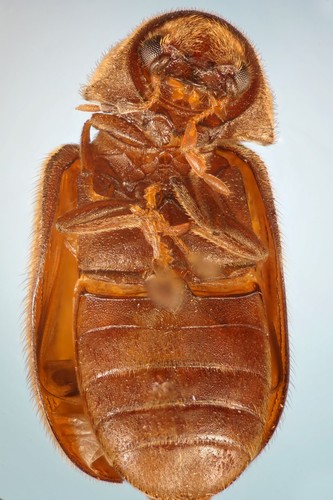
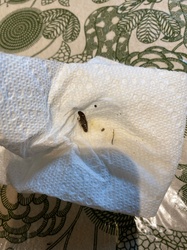
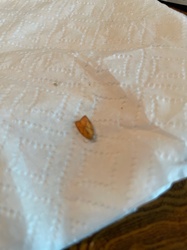
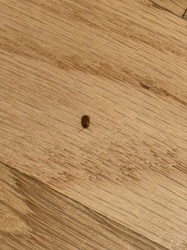
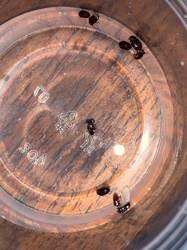
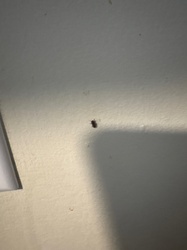
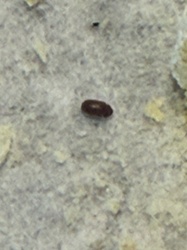
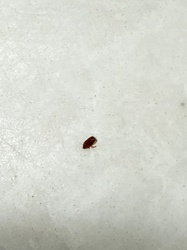
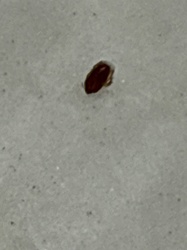
Drugstore Beetle identified by the community
Real finds identified with Bug Identifier.
Other bugs you may enjoy
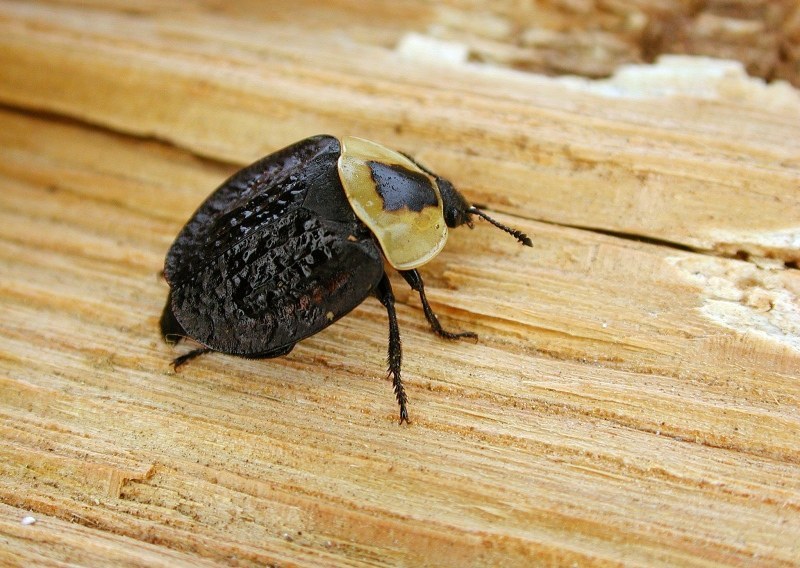
American Carrion Beetle
Forests, fields, and roadsides across North America, near decaying animal carcasses
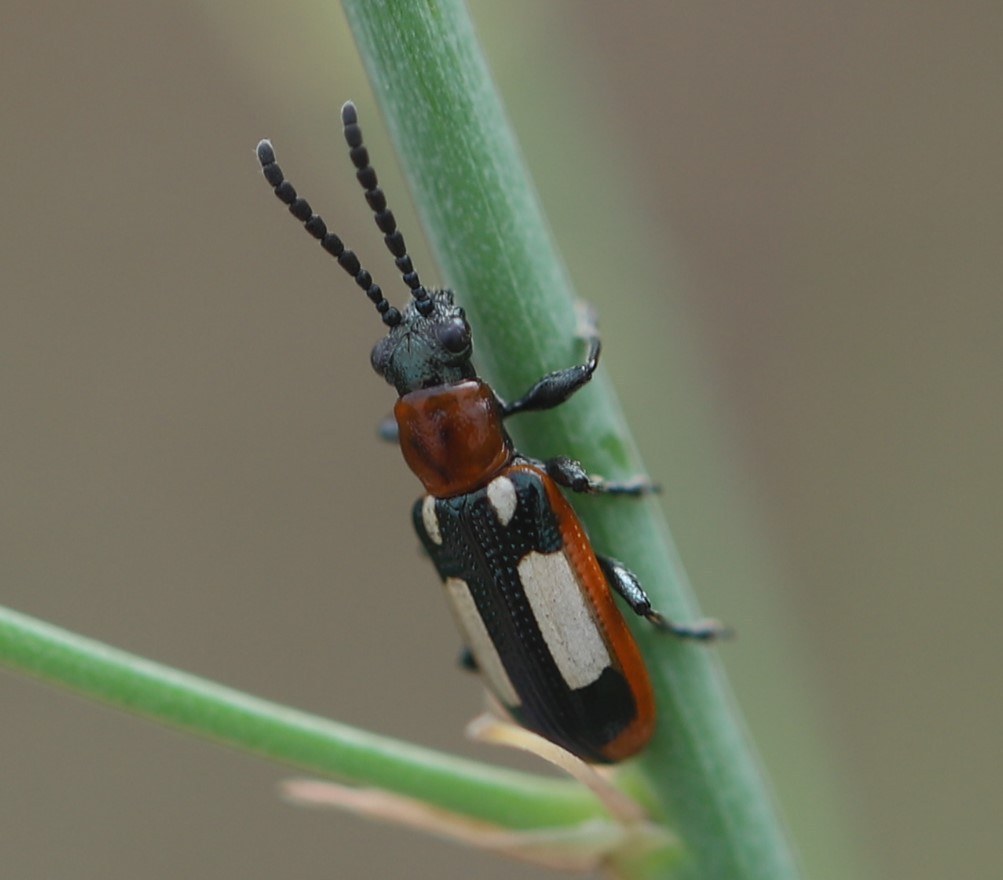
Asparagus Beetle
Asparagus patches, gardens, and farm fields
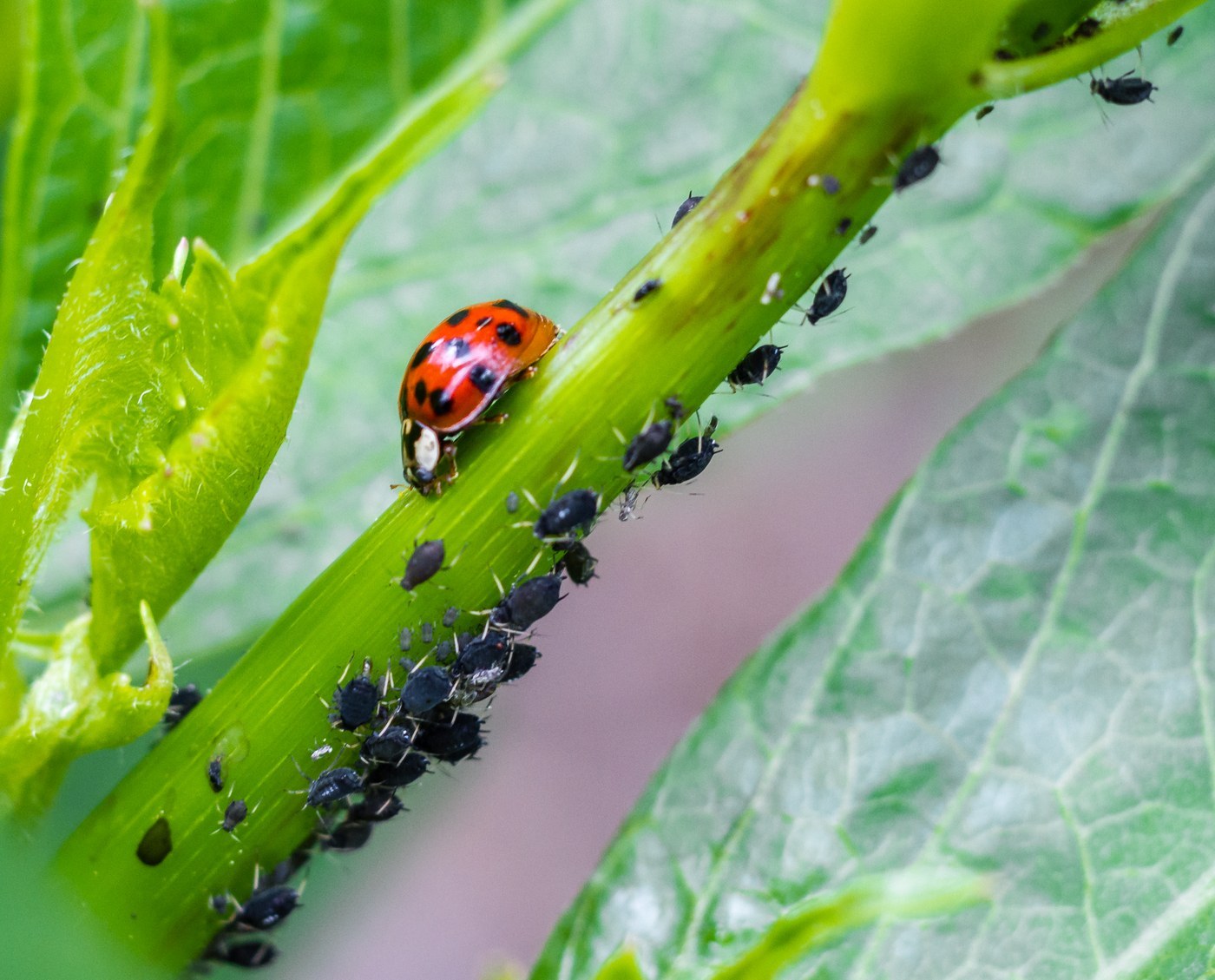
Asian Lady Beetle
Gardens, crop fields, woodlands, buildings
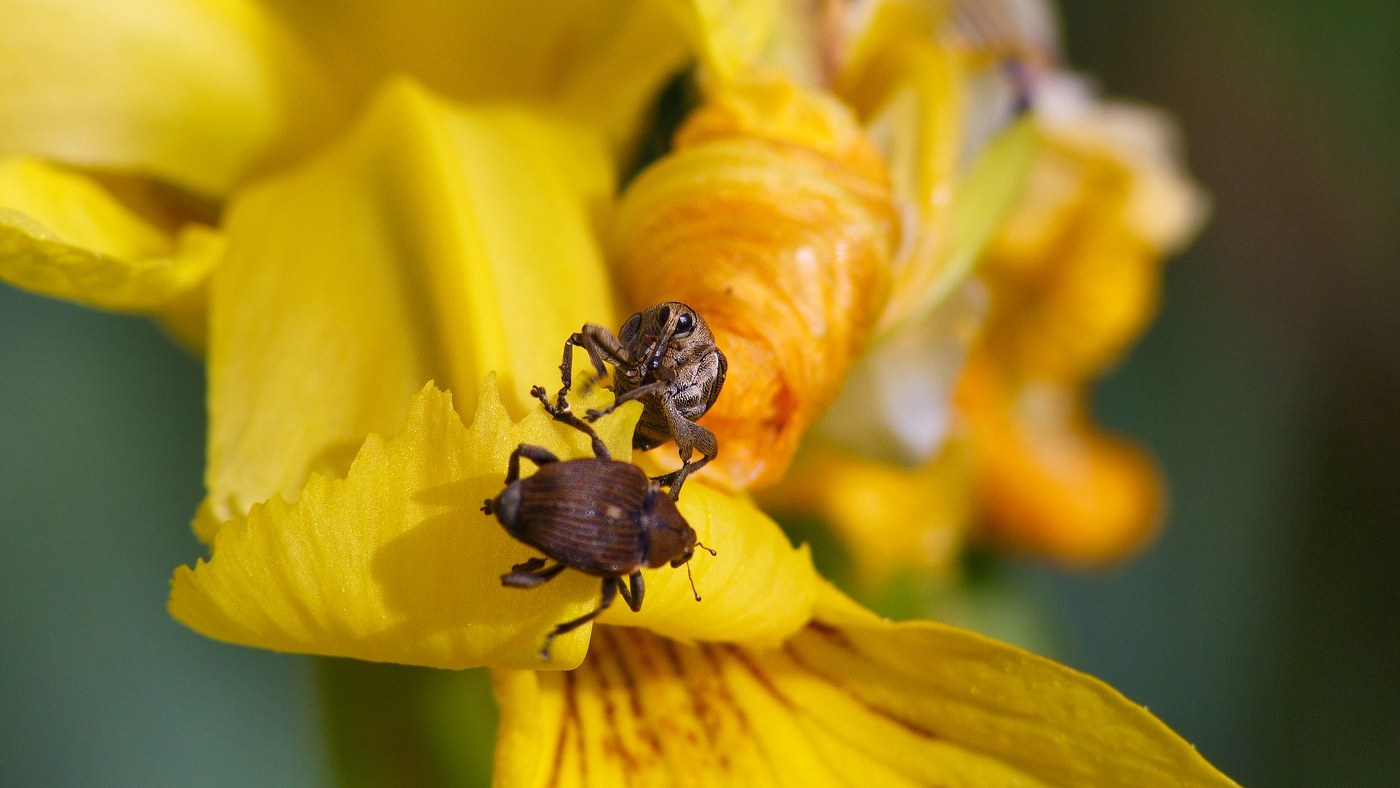
Acorn Weevil
Oak woodlands and forests, on and beneath oak trees
Wireworm
Soil of grasslands, gardens, and cultivated fields worldwide
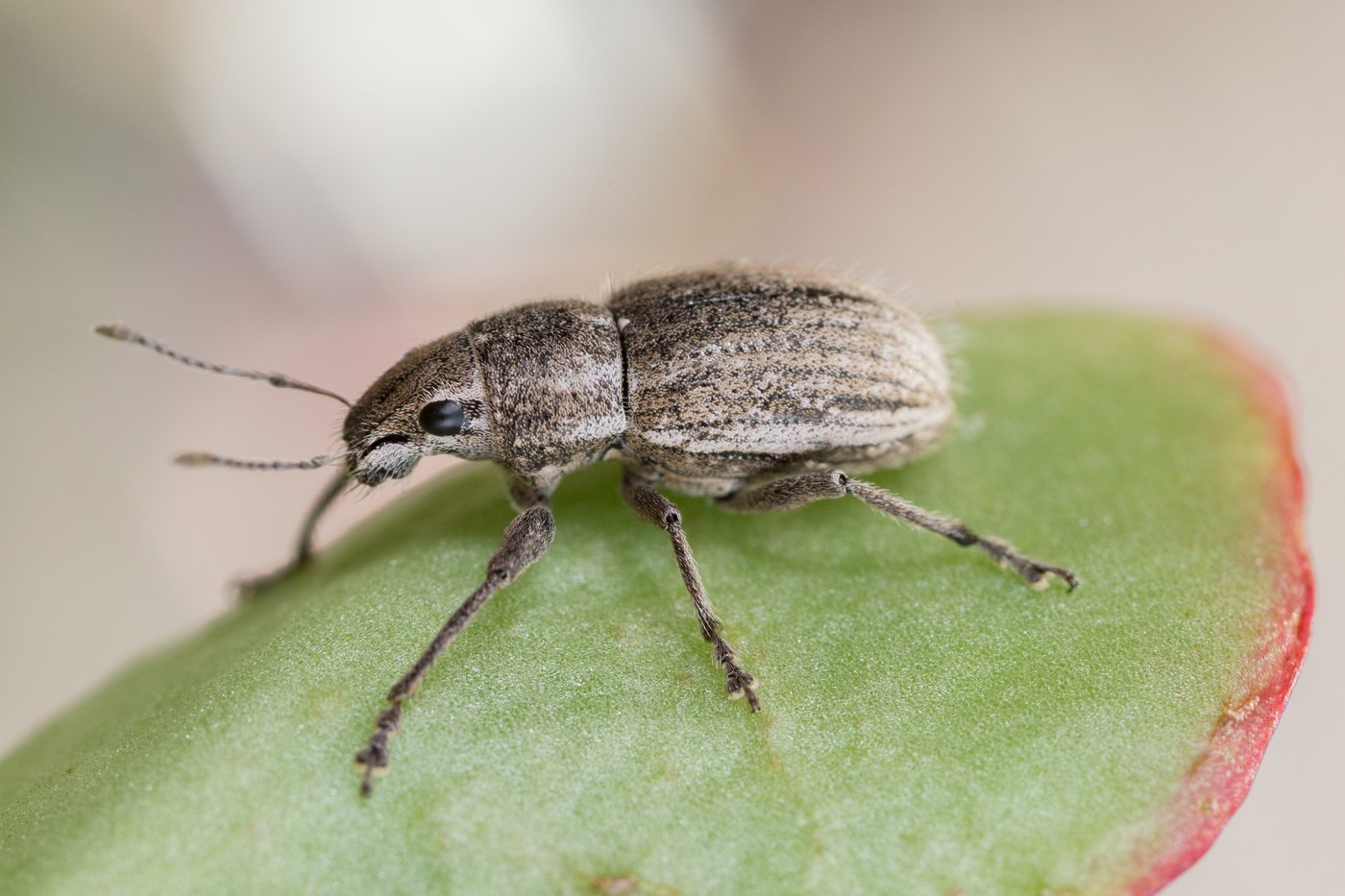
Whitefringed Beetle
Pastures, row crops, lawns, disturbed soils
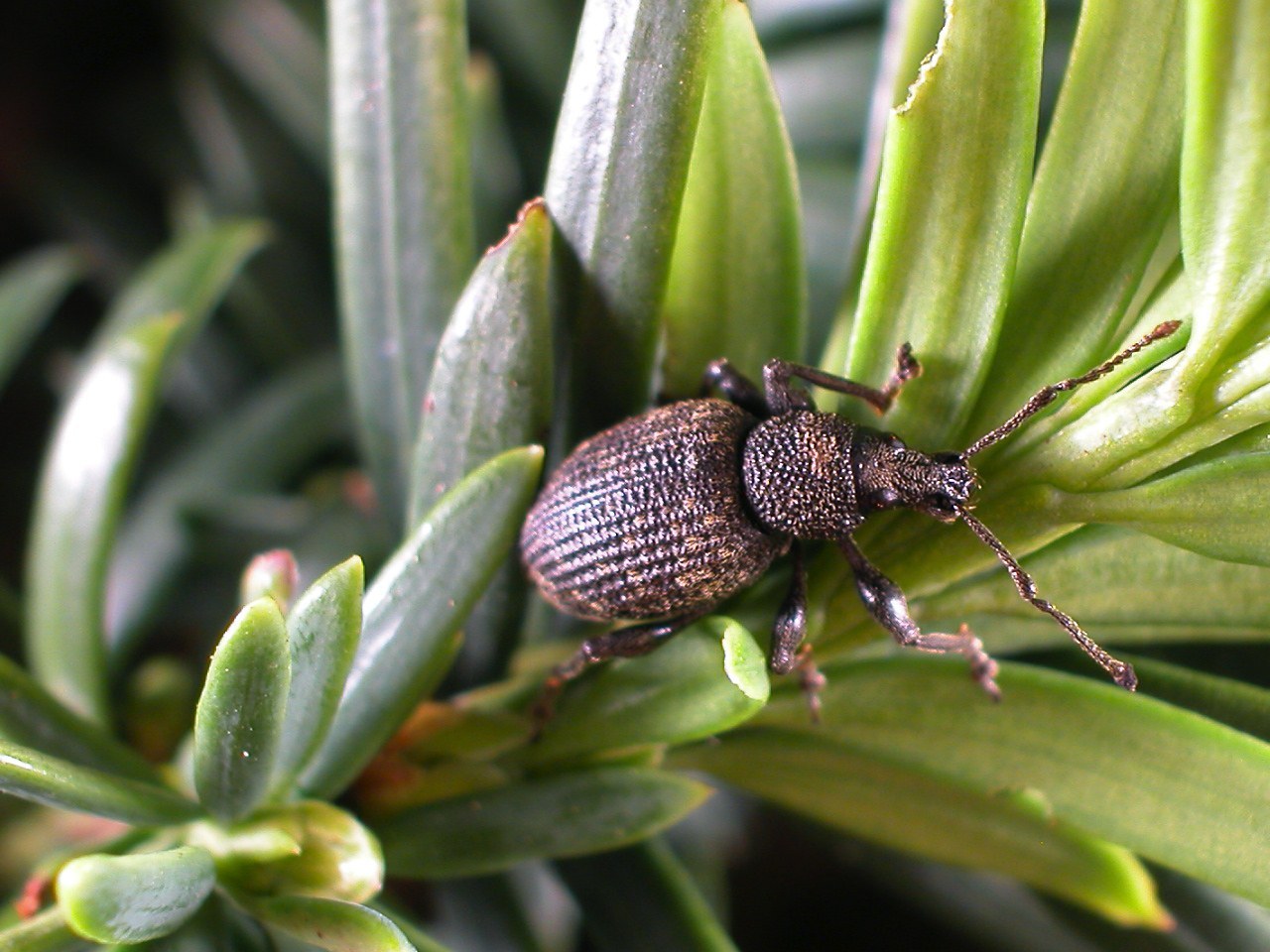
Vine Weevil
Gardens, nurseries, greenhouses, and container plantings
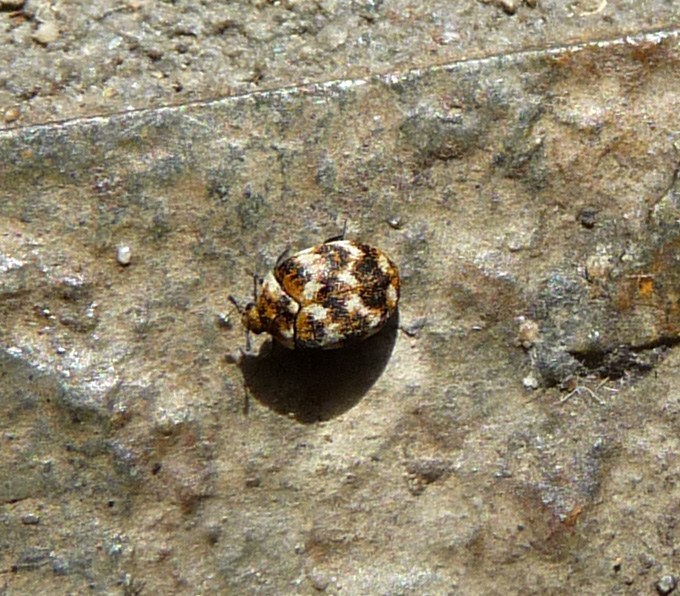
Varied Carpet Beetle
Homes, nests of birds and mammals, and flowers outdoors
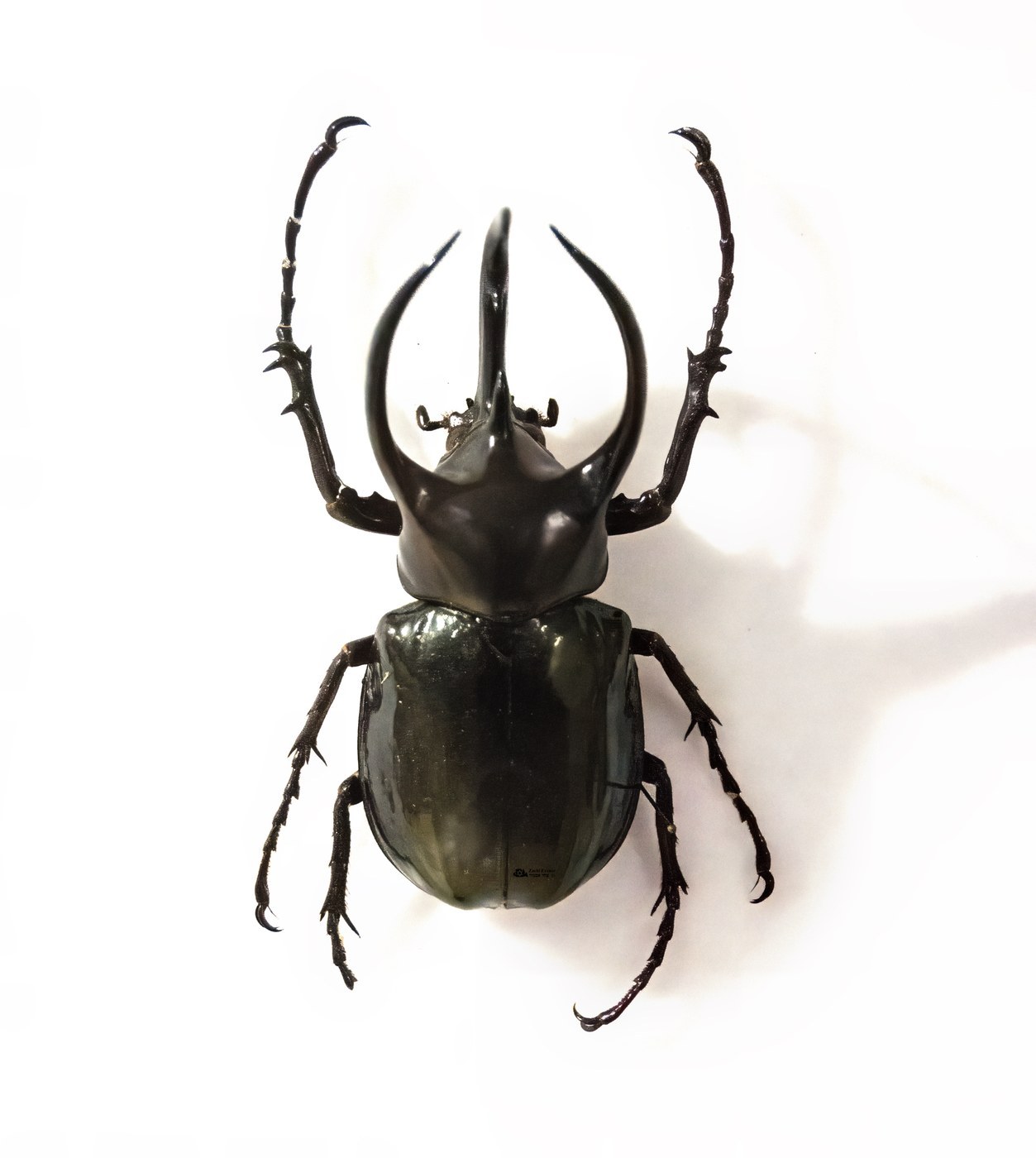
Atlas Beetle
Tropical forests of Southeast Asia
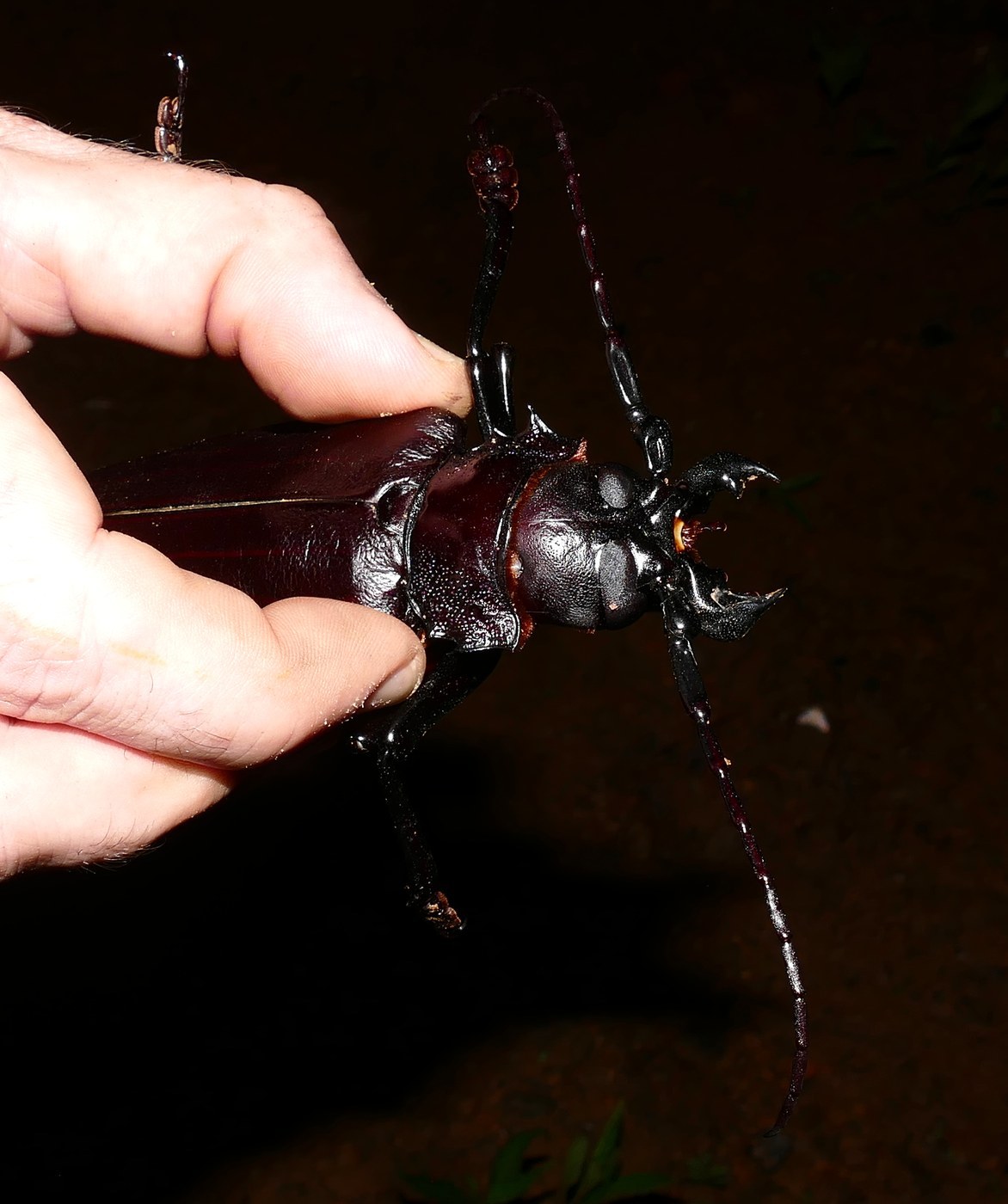
Titan Beetle
Amazon rainforest of South America
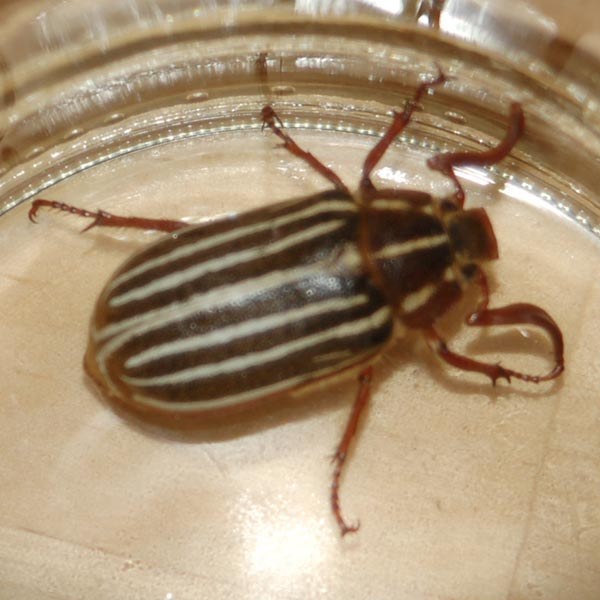
Ten-lined June Beetle
Sandy soils, pine forests, and orchards of western North America
Squash Beetle
Vegetable gardens and fields growing squash, pumpkin, and other cucurbits