Pill Bug Identification Guide
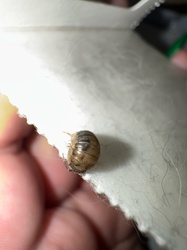
Identify a pill bug by its segmented, armor-like gray body and its signature ability to roll into a tight ball.
Read the full Pill Bug encyclopedia entry →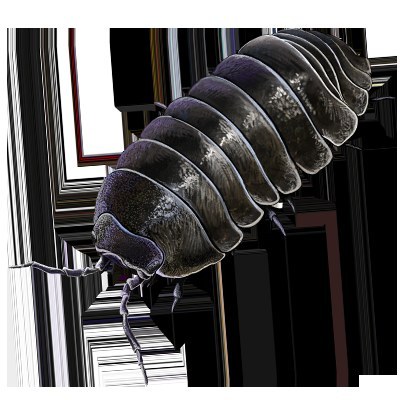
Key Visual Features
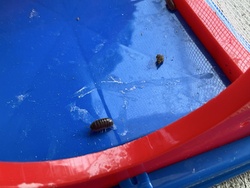
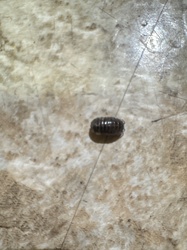
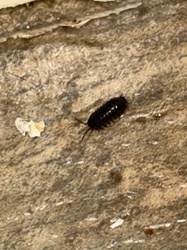
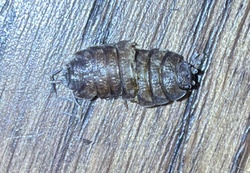
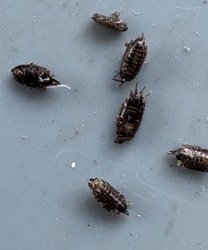
The pill bug, sometimes called a roly-poly, is a small terrestrial crustacean easily recognized by its plated body and rolling behavior.
- Size: About 1/4 to 3/4 inch (7–19 mm) long.
- Color: Slate gray to dark gray-brown, occasionally with a slightly mottled or speckled pattern.
- Body shape: Oval and convex, made up of several overlapping hardened plates (segments) that form a protective shell-like covering.
- Legs: Seven pairs of short legs (fourteen total) tucked beneath the body — a trait shared with all pill bugs and their close relatives, since they are crustaceans rather than insects.
- Antennae: Two short, visible antennae at the front of the head.
- Distinctive behavior: Can roll into a tight, complete ball when disturbed — a defining trait that separates true pill bugs from similar-looking relatives.
- Underside: Segmented plates meet cleanly to form a smooth ball shape when curled, with no gaps.
Where and When You'll See Them
Pill bugs are found in damp, dark environments with organic matter to feed on, such as under rocks, logs, mulch, leaf litter, potted plants, and garden beds. Because they breathe through gill-like structures, they need consistent moisture and are most active at night or in shaded, humid conditions. They are seen most often in spring through fall in temperate climates and remain active year-round in warmer regions, sheltering more deeply during dry or cold spells.
Similar-Looking Bugs
- Sow bugs: Nearly identical in size, color, and habitat, but sow bugs cannot roll into a full ball and instead have two small tail-like appendages (uropods) visible at the rear.
- Pill millipedes: Also roll into a ball and can superficially resemble a pill bug, but have many more, thinner legs and a more cylindrical, less plated segment pattern.
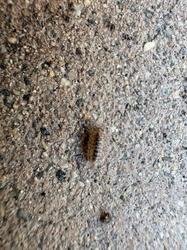
- Beetle larvae (grubs): Soft-bodied and C-shaped rather than plated and hard-shelled, and do not roll into a tight ball.
Quick ID Checklist
- Oval, gray, armor-plated body about 1/4–3/4 inch long
- Seven pairs of short legs (crustacean, not insect)
- Rolls into a complete, tight ball when disturbed
- No visible tail appendages when curled
- Found under rocks, logs, mulch, and damp garden debris
Frequently asked questions
How is a pill bug different from a sow bug?
The clearest difference is that pill bugs can roll into a tight, complete ball, while sow bugs cannot and instead show two small tail-like appendages at the rear of the body.
Is a pill bug an insect?
No, pill bugs are actually terrestrial crustaceans, related more closely to shrimp and crabs than to true insects, which is why they have seven pairs of legs instead of the insect standard of three pairs.
Why do pill bugs need damp environments?
They breathe using gill-like structures that require moisture to function, so they seek out damp, shaded spots like under rocks or mulch and avoid dry, exposed areas.
What does it mean when a pill bug rolls up?
Rolling into a ball is a defensive posture that protects the softer underside of the body behind the hardened plated shell, and it's a reliable identifying behavior for this species.
Pill Bug identified by the community
Recent Pill Bug finds identified with Bug Identifier.