
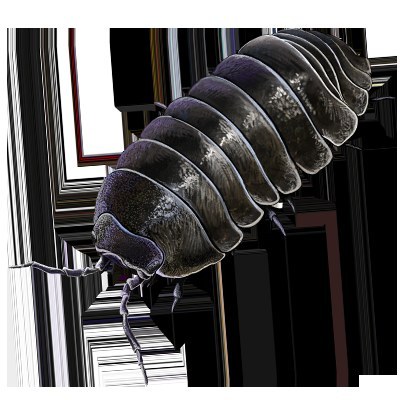
Pill Bug
Armadillidium vulgare
A gray, segmented, armor-plated crustacean that curls into a tight ball when disturbed, commonly found under rocks, logs, and damp garden debris.
- Size
- 9–17 mm
- Habitat
- Damp soil, leaf litter, under rocks and logs, garden beds
- Danger
- Harmless
Spotted a bug like this?
Identify any bug or insect from a photo, free.
Overview
The pill bug, Armadillidium vulgare, is a terrestrial isopod crustacean in the family Armadillidiidae, meaning it is more closely related to shrimp and crabs than to true insects. It is one of the few crustacean groups that has successfully adapted to life fully on land, though it still requires humid conditions to survive.
This species is especially notable for its conglobation behavior, rolling into a tight, armored ball when threatened, a trait shared with its lookalike cousin the sowbug, though sowbugs cannot roll up completely. Its segmented, plated exoskeleton resembles miniature armor.
Pill bugs serve an important decomposer role in the soil ecosystem, breaking down decaying plant matter and contributing to nutrient cycling and soil health in gardens and woodlands.
How to Identify
- Oval, convex body composed of overlapping armored segments (tergites), giving a plated, armadillo-like appearance.
- Coloration typically slate gray to brown, sometimes with lighter mottling.
- Seven pairs of legs, all roughly equal in length, and two short antennae.
- Ability to roll into a tight, complete ball (conglobation) when disturbed.
- Lookalikes: the sowbug is very similar but flatter, with two small tail-like appendages (uropods) visible at the rear, and cannot roll into a full ball as pill bugs can.
Habitat & Range
Pill bugs are found across temperate and subtropical regions worldwide, having spread widely from their Mediterranean origins. They live in damp soil, leaf litter, under logs, rocks, and mulch, and are most active during humid conditions, often at night or after rainfall, retreating into moist shelter during dry periods.
Behavior & Diet
Pill bugs are detritivores, feeding primarily on decaying plant material, fungi, and organic debris, which they help break down into finer particles usable by other soil organisms. They breathe through gill-like structures and must stay in moist environments to avoid drying out. When disturbed, they roll into a tight defensive ball, protecting their softer underside with their armored plates.
Life Cycle
As crustaceans, pill bugs develop without the egg-larva-pupa stages of insects; instead, females carry fertilized eggs in a fluid-filled brood pouch (marsupium) on their underside until they hatch into miniature juveniles resembling small adults. Juveniles molt in two halves as they grow, gradually maturing over several months. Pill bugs can live for two to three years under favorable moist conditions, with multiple broods possible per year in warm climates.
Frequently asked questions
Is a pill bug an insect?
No, pill bugs are terrestrial crustaceans (isopods), more closely related to crabs and shrimp than to insects.
What is the difference between a pill bug and a sowbug?
Pill bugs can roll into a complete tight ball and lack visible tail appendages, while sowbugs are flatter, cannot fully roll up, and have two small tail-like uropods at the rear.
Why do pill bugs roll into a ball?
Rolling into a ball, called conglobation, is a defensive behavior that shields their softer underside using their armored back plates.
Where are pill bugs typically found?
They favor consistently damp, shaded spots such as under rocks, logs, mulch, and garden debris.
Pill Bug guides
In-depth guides for identifying, understanding, and living alongside Pill Bug.
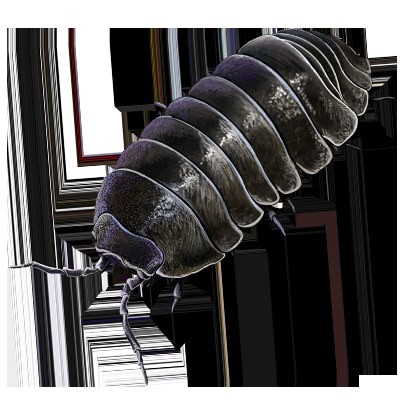
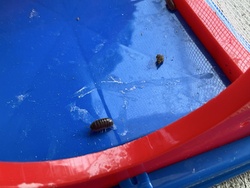
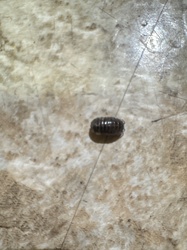
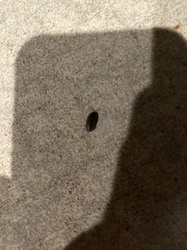
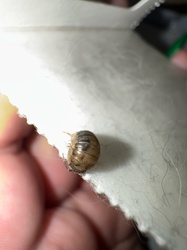
Pill Bug identified by the community
Real finds identified with Bug Identifier.
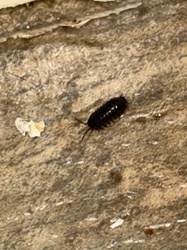
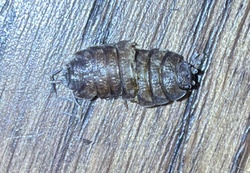
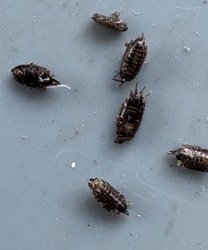
Other bugs you may enjoy
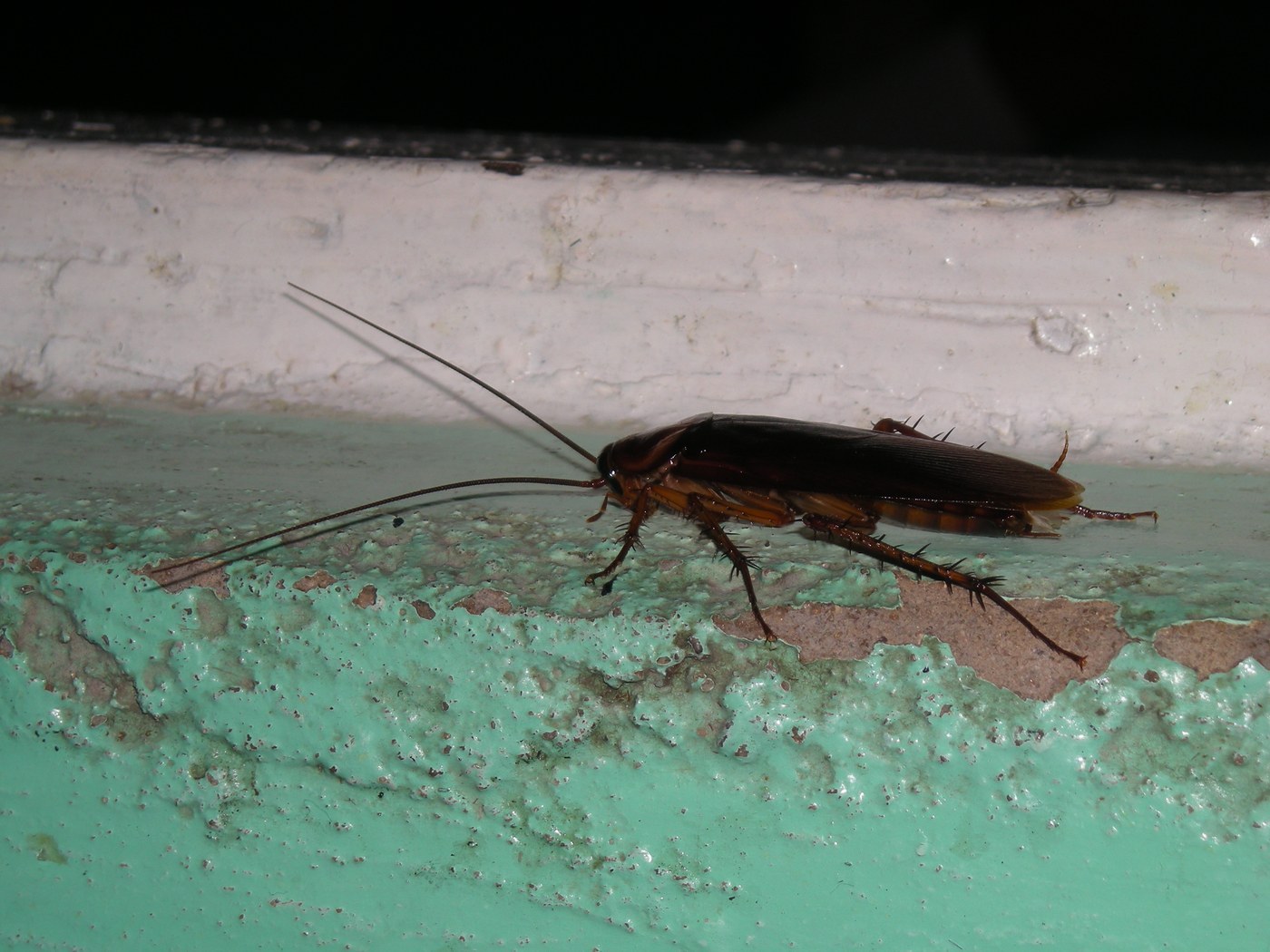
American Cockroach
Warm, humid environments such as basements, sewers, drains, and tropical outdoor settings
Thrips
Flowers, foliage, gardens, greenhouses, crop fields
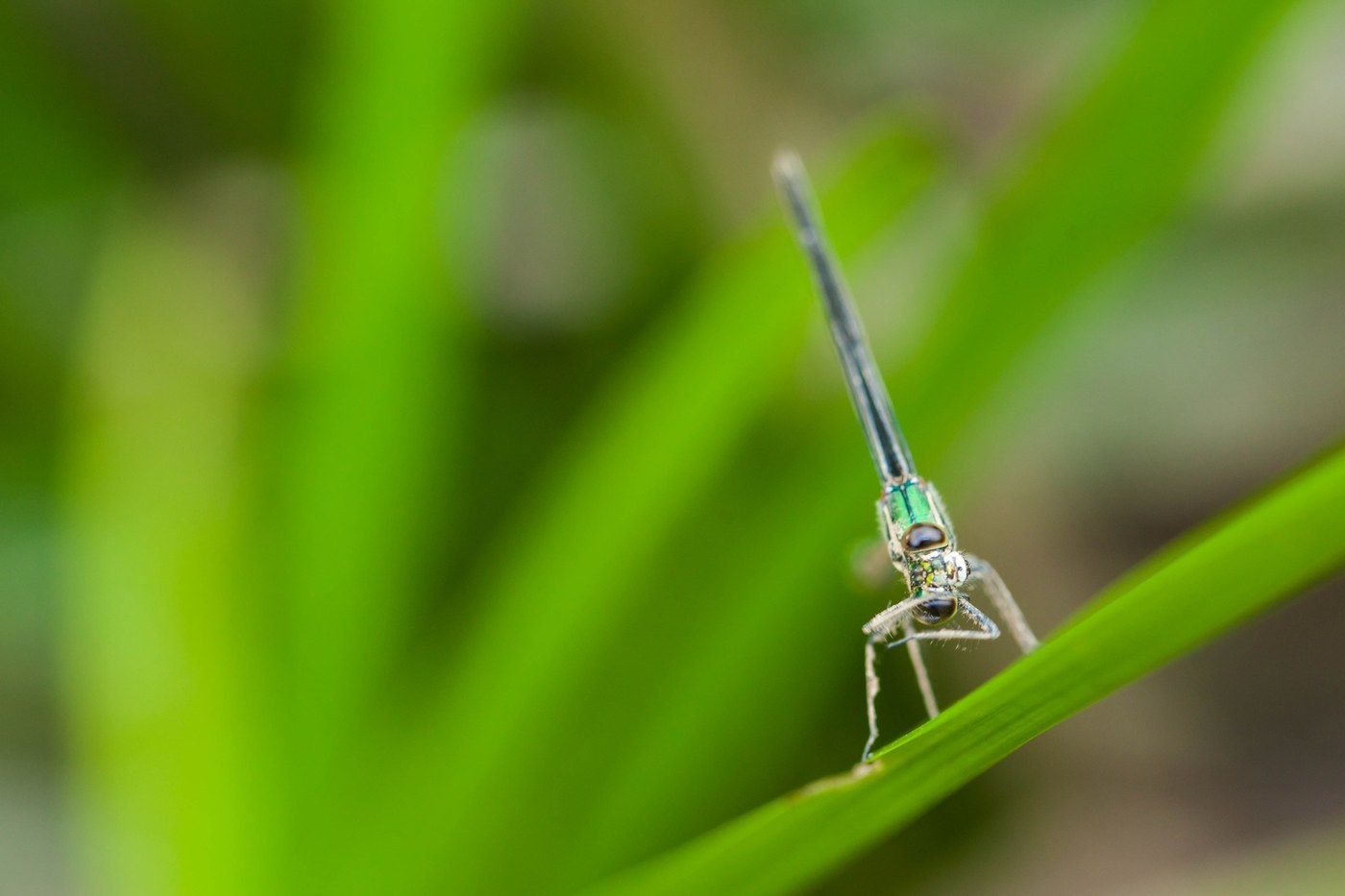
American Rubyspot
Sunny rivers and streams with moderate current
Springtail
Moist soil, leaf litter, decaying organic matter, and damp indoor areas
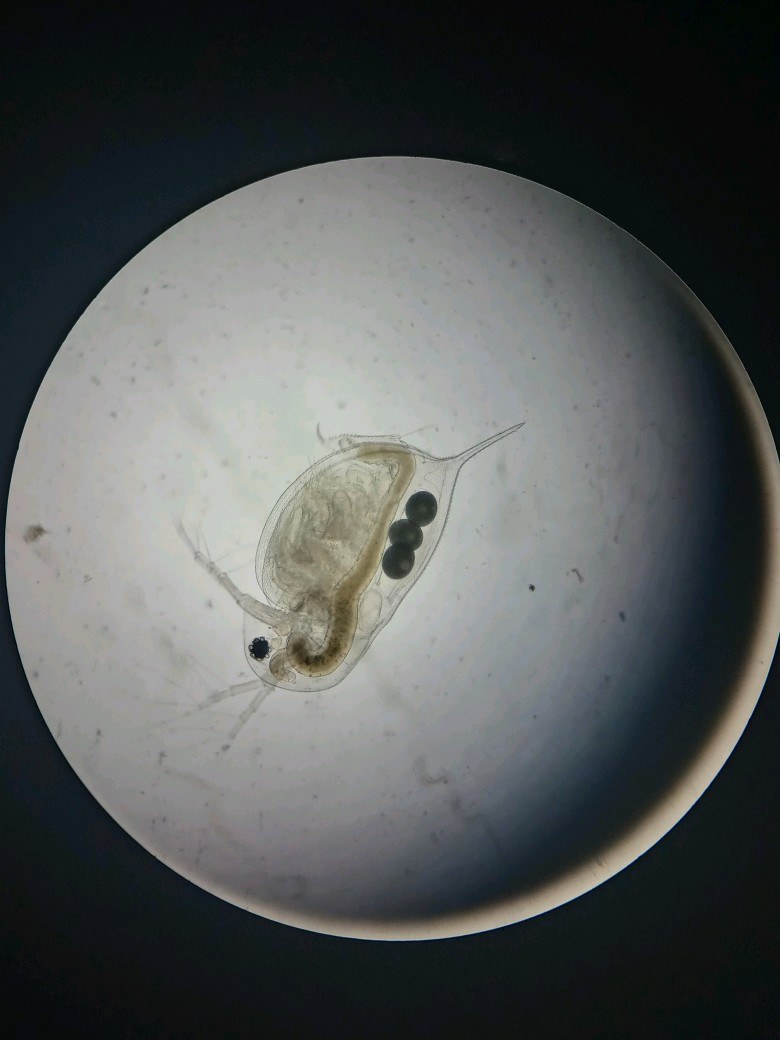
Water Flea
Ponds, lakes, and slow streams as free-floating plankton
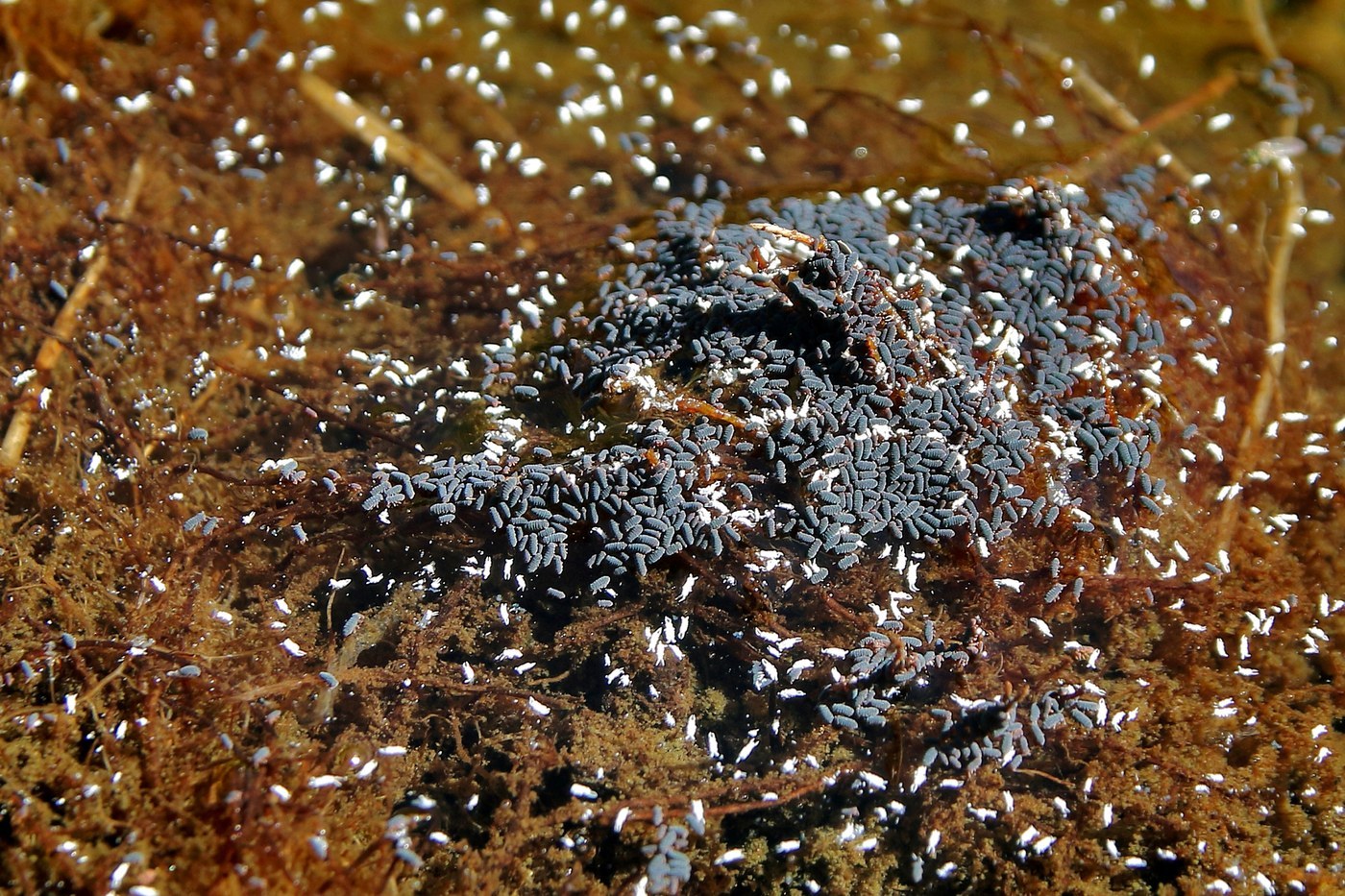
Water Springtail
Surface film of ponds, puddles, and slow ditches
Slug
Gardens, damp soil, leaf litter, greenhouses
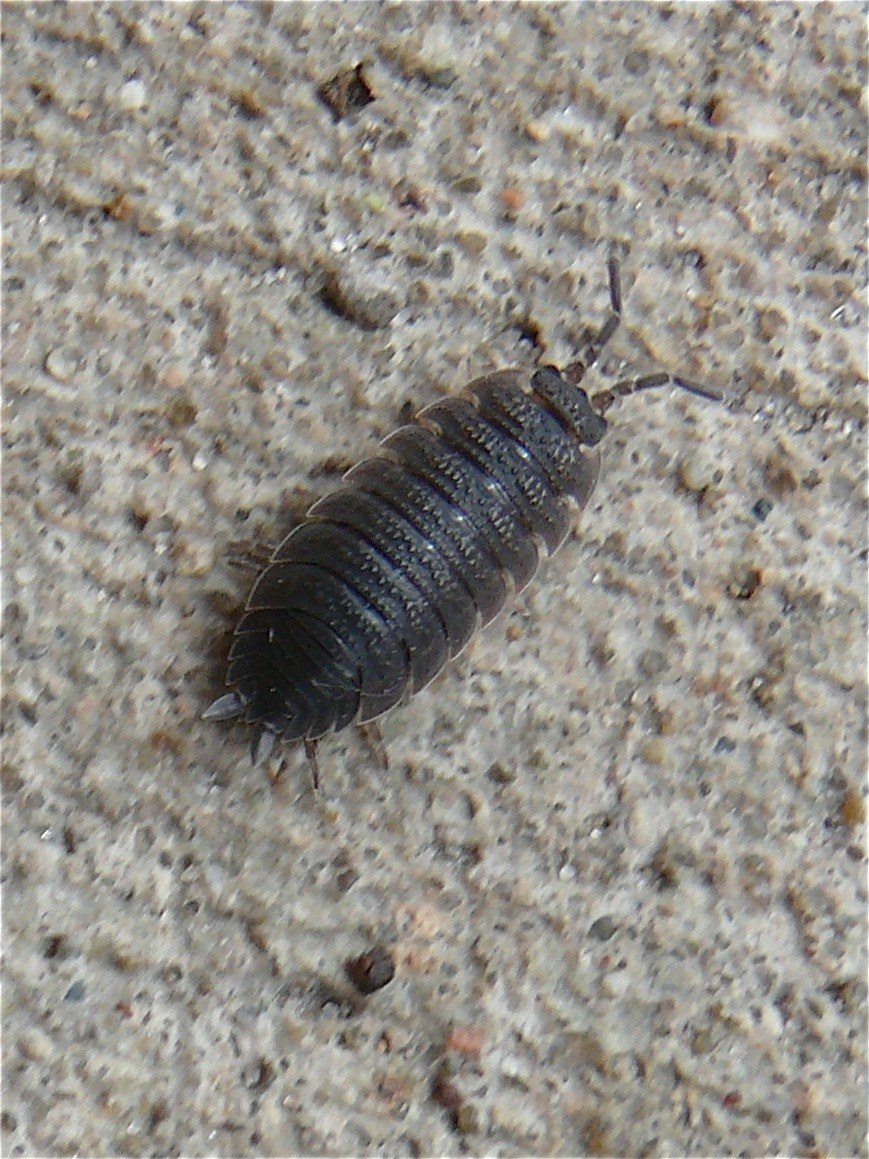
Sowbug
Leaf litter, under rocks/logs, damp garden soil, basements
Termite
Soil, decaying wood, tree stumps, and wooden structures
Termite Swarmer
Emerges from underground or wood-nesting colonies, often near structures and moist soil
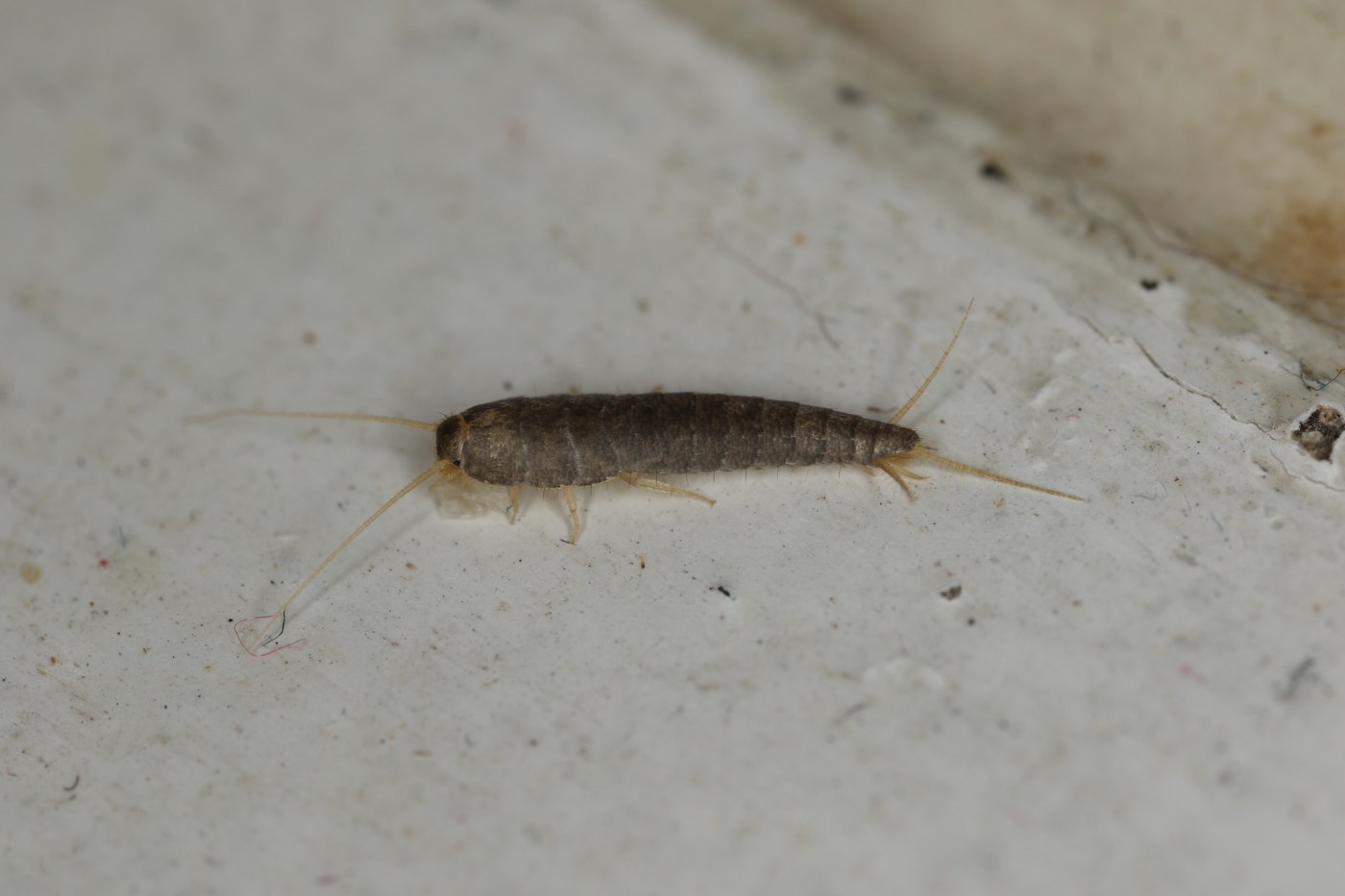
Silverfish
Damp basements, bathrooms, closets, and dark indoor crevices
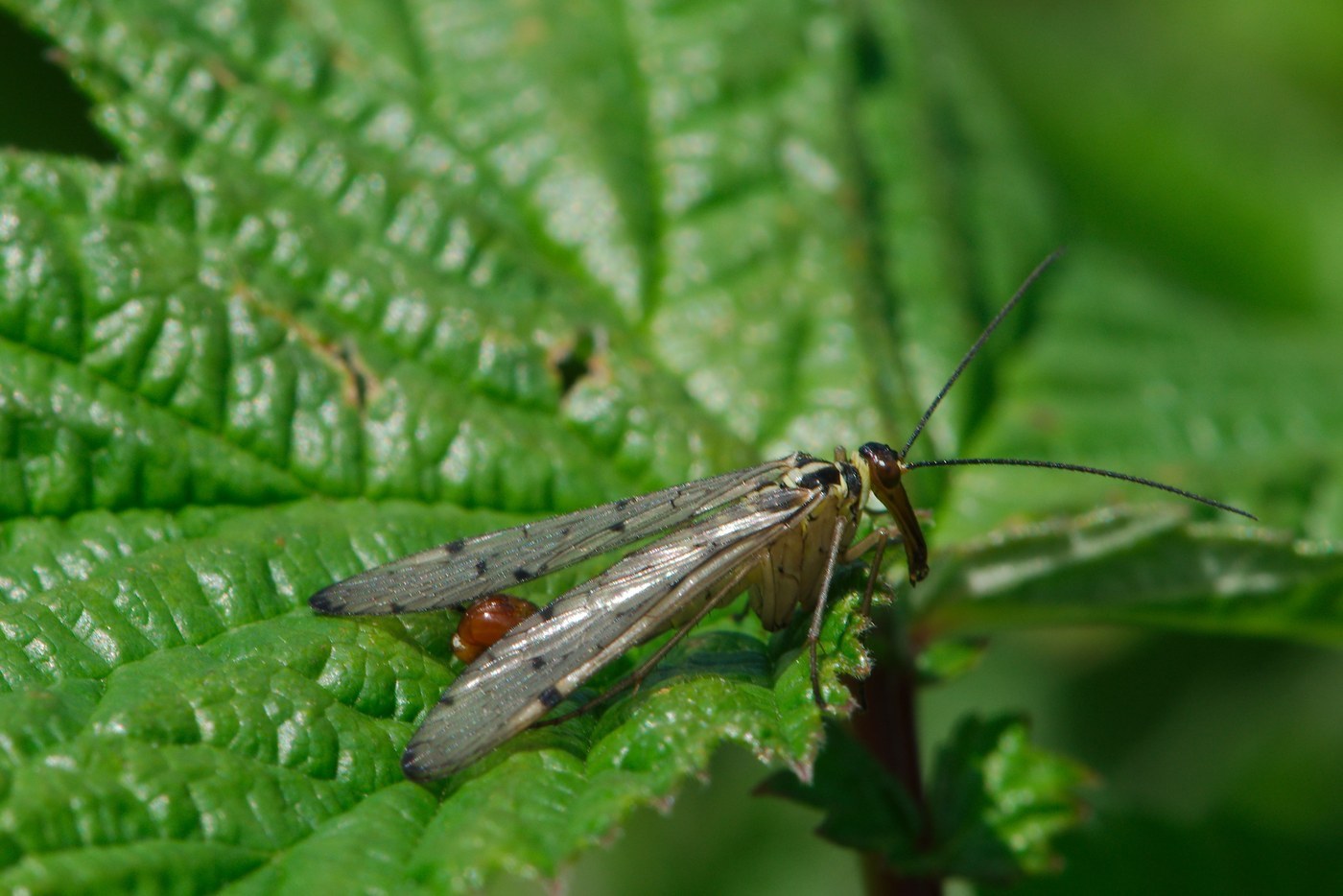
Scorpionfly
Moist woodlands, hedgerows, and shaded undergrowth