Vine Weevil Identification Guide
Identify the vine weevil by its dull black body, short snout, and the notched leaf-edge damage it leaves behind.
Read the full Vine Weevil encyclopedia entry →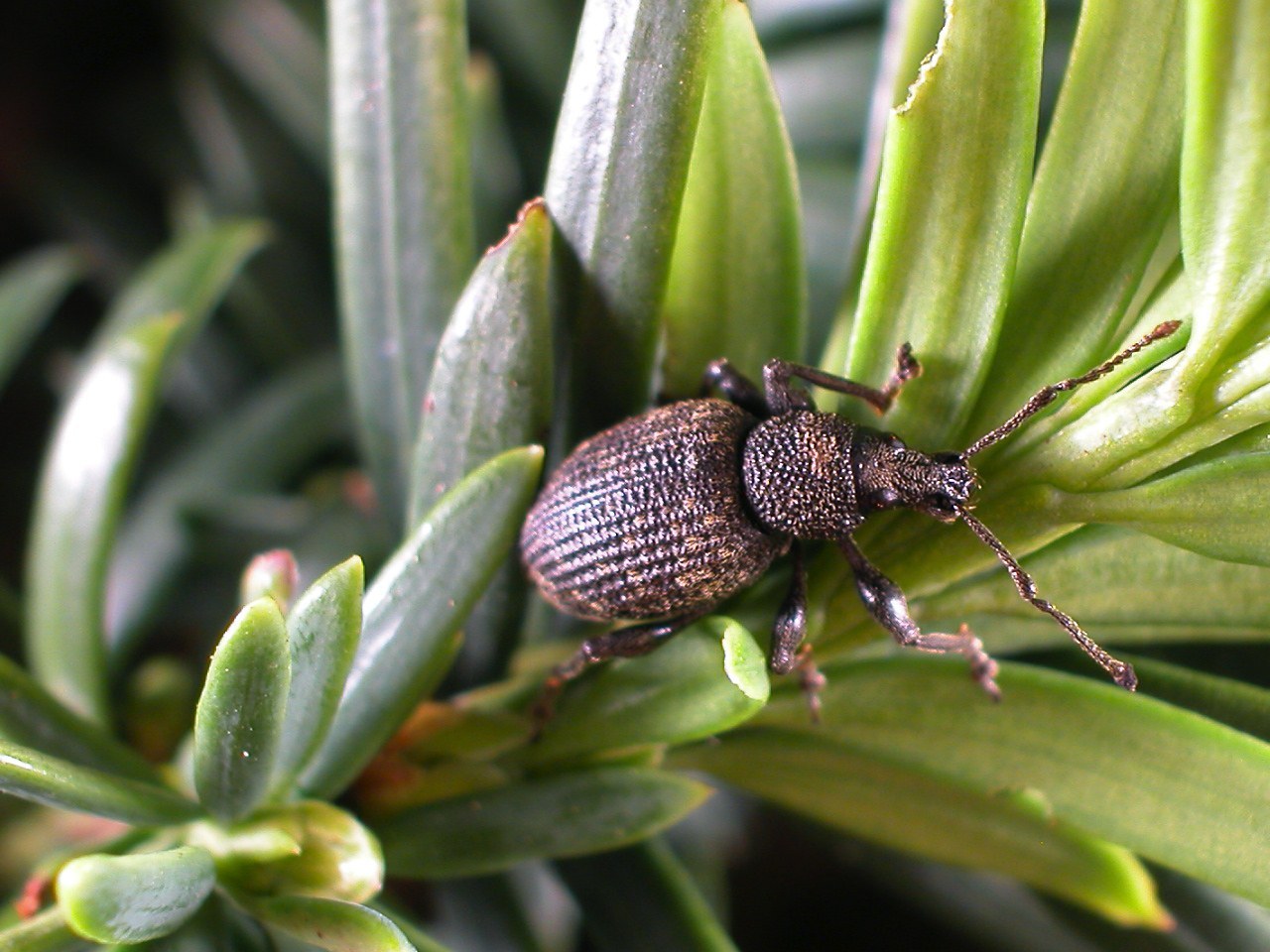
Key Visual Features
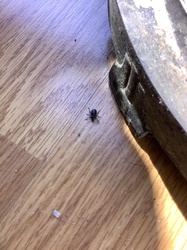
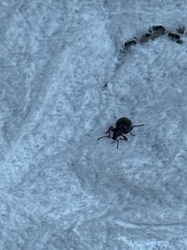
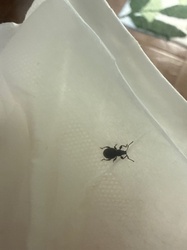
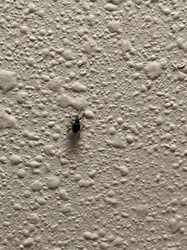
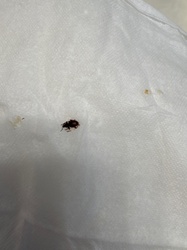
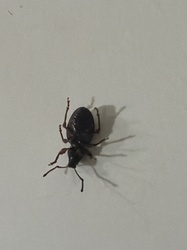
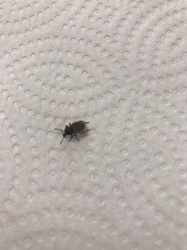
The vine weevil (Otiorhynchus sulcatus), also known as the black vine weevil, is a flightless beetle recognized by its dull, matte-black armor and pear-shaped body.
- Size: Adults measure roughly 8-11 mm long, a fairly substantial size compared to many household beetles.
- Body shape: Broad and slightly pear-shaped, wider toward the rear and tapering somewhat at the front, with a hardened, rounded profile.
- Color: Dull, matte black to dark grayish-black, sometimes with small patches of fine yellowish or coppery bristle-like scales scattered unevenly across the wing covers.
- Wing covers (elytra): Fused together and roughened with rows of pits, giving a bumpy, textured surface; the fused elytra mean this species cannot fly.
- Snout: A short, broad snout projecting from the head, typical of weevils, with the antennae attached partway along its length and bent at a distinct elbow joint.
- Legs: Sturdy and somewhat spiny, ending in claws suited for gripping stems and leaf surfaces.
- Larvae: Plump, creamy-white, legless grubs with a light brown head, typically found curled in a C-shape in soil rather than on foliage.
Where and When You'd See It
Adult vine weevils are nocturnal, hiding in soil, mulch, or leaf litter during the day and emerging at night to feed on foliage, which is when they are most likely to be directly observed. They are found in garden beds, container plantings, and greenhouses, particularly around a wide range of ornamental shrubs and potted plants. Adult activity is typically concentrated in the warmer months, while larvae remain in the soil and can be present across a longer season. Distinctive notched or scalloped chewing patterns along leaf edges are a strong sign of adult feeding activity nearby, even when the weevil itself is hidden.
Similar-Looking Bugs
- Other weevil species: Many share the characteristic snout and elbowed antennae, but often differ in size, color, or the presence of more defined scale patterns; overall dull black coloring and the pear-shaped body help narrow it down to this species.
- Ground beetles: Also dark and hard-shelled, but lack the projecting snout and elbowed antennae unique to weevils.
- Click beetles: Narrower and more elongated, without a distinct snout, and capable of flight, unlike the flightless vine weevil.
Quick ID Checklist
- Dull matte-black, pear-shaped body about 8-11 mm long
- Short, broad snout with elbowed antennae
- Fused wing covers with pitted texture; unable to fly
- Nocturnal, hiding in soil or mulch by day
- Notched, scalloped leaf-edge feeding marks nearby are a strong clue
Frequently asked questions
How can I tell a vine weevil from other black beetles in the garden?
Look for the short, broad snout with elbowed antennae attached partway along it — this weevil feature, combined with the dull matte-black, pitted wing covers, helps distinguish it from smoother ground beetles that lack a snout.
Why is the vine weevil hard to spot during the day?
Adults are nocturnal and typically hide in soil, mulch, or leaf litter during daylight hours, only emerging at night to feed, which makes direct daytime sightings less common.
Can vine weevils fly?
No, their wing covers are fused together, which means adult vine weevils are flightless and move entirely by walking or climbing.
What does vine weevil feeding damage look like on leaves?
Adult feeding typically produces distinctive notched or scalloped marks along the edges of leaves, which can be a helpful sign of their presence even if the weevil itself is hidden nearby.
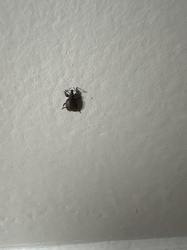
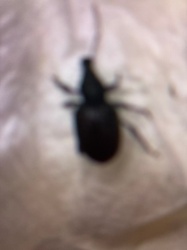
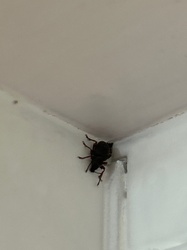
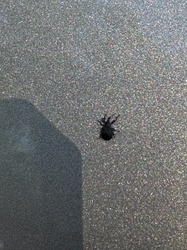
Vine Weevil identified by the community
Recent Vine Weevil finds identified with Bug Identifier.