
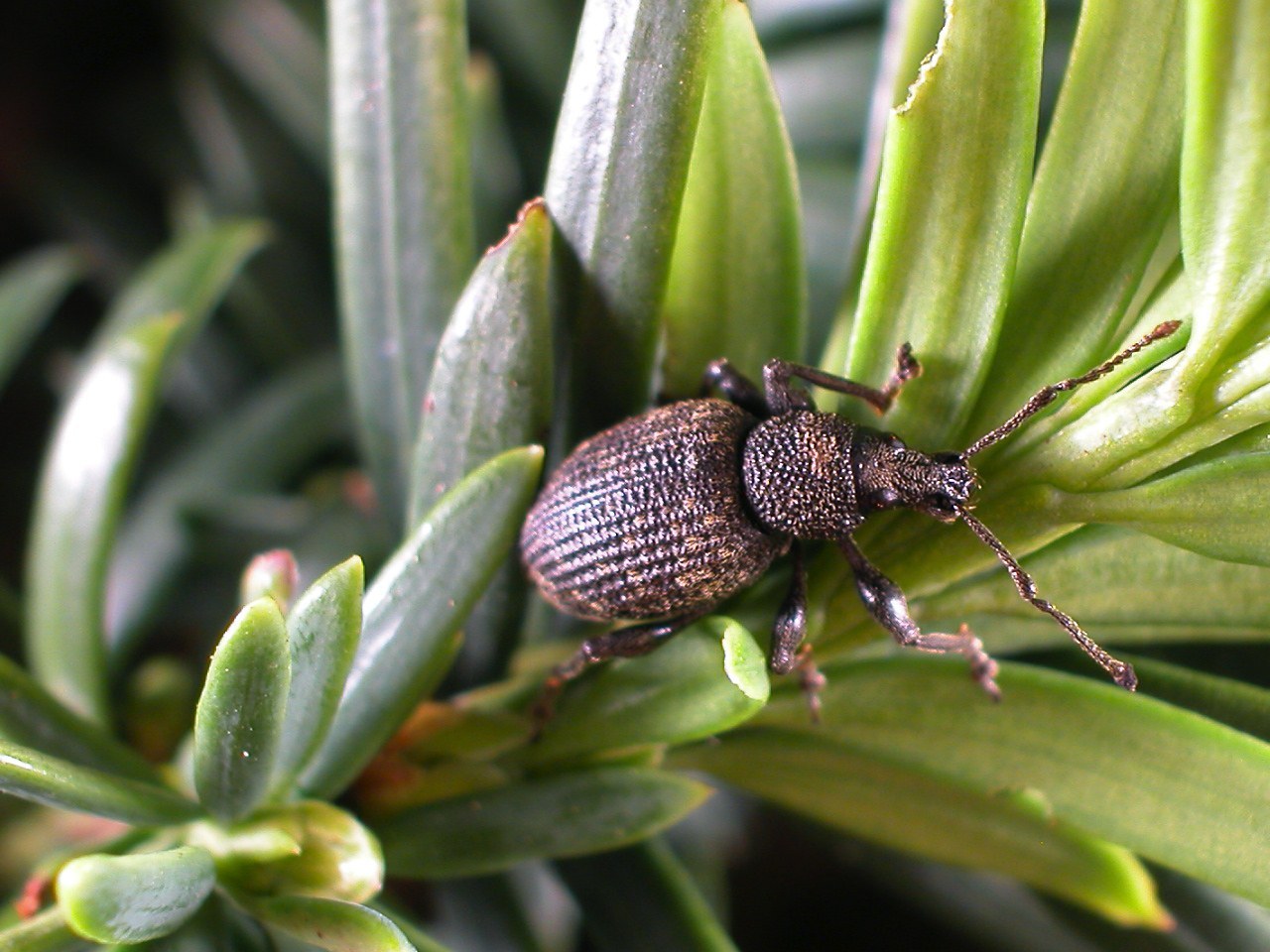
Vine Weevil
Otiorhynchus sulcatus
A slow, flightless, matte-black beetle that hides by day and emerges at night to notch neat semicircular bites from the edges of leaves.
- Size
- 1/3–1/2 in (8–12 mm)
- Habitat
- Gardens, nurseries, greenhouses, and container plantings
- Danger
- Harmless
Spotted a bug like this?
Identify any bug or insect from a photo, free.
Overview
The vine weevil is a broadly distributed beetle recognized by gardeners for two very different kinds of damage: adults chew distinctive notches from leaf margins at night, while their soil-dwelling larvae feed on plant roots, sometimes causing more significant harm to potted and container-grown plants. It is especially well known as a pest of ornamentals such as rhododendron, camellia, yew, strawberry, and a wide range of nursery stock.
All known adult vine weevils are female; the species reproduces by parthenogenesis, meaning females lay fertile eggs without mating. This allows a population to expand from very few founding individuals, and it is one reason the species has spread so widely through the horticultural trade.
Adults are nocturnal and secretive, hiding in soil, mulch, or plant debris during the day and climbing onto foliage after dark to feed, which often makes the beetle itself hard to spot even when its leaf-notching damage is obvious.
How to Identify
- Body dull black to grayish-black, roughly 1/3–1/2 in (8–12 mm) long
- Wing covers (elytra) fused together and pitted with rows of small tufted spots, rendering adults flightless
- Short, elbowed antennae arising from a stout snout typical of weevils
- Legs relatively long, allowing a slow, deliberate walk rather than quick movement
- Larva is a plump, legless, C-shaped white grub with a tan head, found in soil around plant roots
- Distinctive notched, semicircular chew marks along leaf edges are a strong sign of adult feeding, even without seeing the beetle
Habitat & Range
Common in temperate gardens, nurseries, and greenhouses across Europe and introduced to North America and other regions through the nursery trade. Adults are most active from late spring through summer, sheltering by day in soil, mulch, leaf litter, or dense foliage and climbing plants to feed after dark.
Behavior & Diet
Adults are nocturnal leaf feeders, chewing characteristic notches from leaf margins of a wide range of woody and herbaceous ornamentals without typically threatening the overall health of an established plant. The more consequential feeding is done by larvae, which live in soil and consume fine roots and can girdle the base of stems or larger roots, particularly in container-grown or newly planted stock. As a root feeder and general herbivore, the species interacts mainly with garden and nursery plants rather than playing a notable role in wild ecosystems.
Life Cycle
Development is complete metamorphosis. Eggs are laid in soil near host plants and hatch into legless white grubs that feed on roots through late summer, autumn, and into the following spring, typically overwintering as larvae or pupae in the soil. Pupation occurs in an earthen cell, and adults emerge in late spring to early summer, live several months, and lay eggs continuously without needing to mate, usually producing one generation per year in temperate climates.
Frequently asked questions
Why don't I ever see a male vine weevil?
Adult vine weevils reproduce by parthenogenesis, meaning all individuals are female and lay viable eggs without mating, so males are essentially unknown in the species.
Why do I see notched leaves but never catch the beetle?
Adults are nocturnal and spend the day hidden in soil, mulch, or dense foliage, only climbing up to feed on leaf edges after dark, which makes them easy to miss despite obvious feeding damage.
Which stage causes more plant damage, the adult or the larva?
Adult leaf notching is mostly cosmetic, while the root-feeding larval stage tends to cause more significant harm, especially to container-grown or young plants.
Can vine weevils fly to new locations?
No, their wing covers are fused shut, making adults flightless; they spread mainly by walking or through the movement of infested soil and container plants.
Vine Weevil guides
In-depth guides for identifying, understanding, and living alongside Vine Weevil.
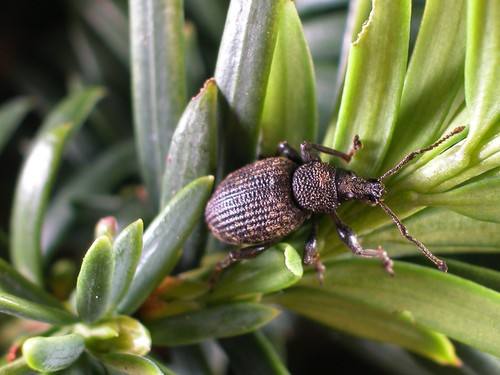
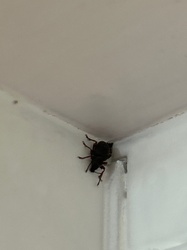
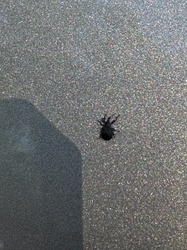
Vine Weevil identified by the community
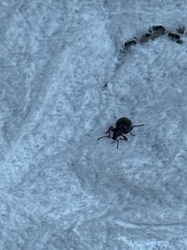
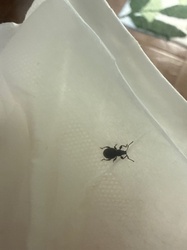
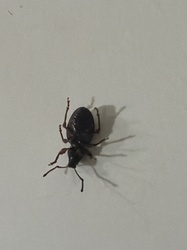
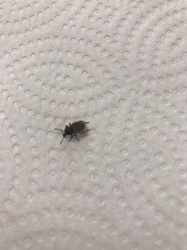
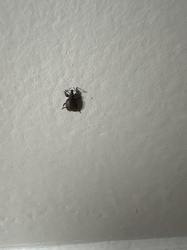
Real finds identified with Bug Identifier.
Other bugs you may enjoy
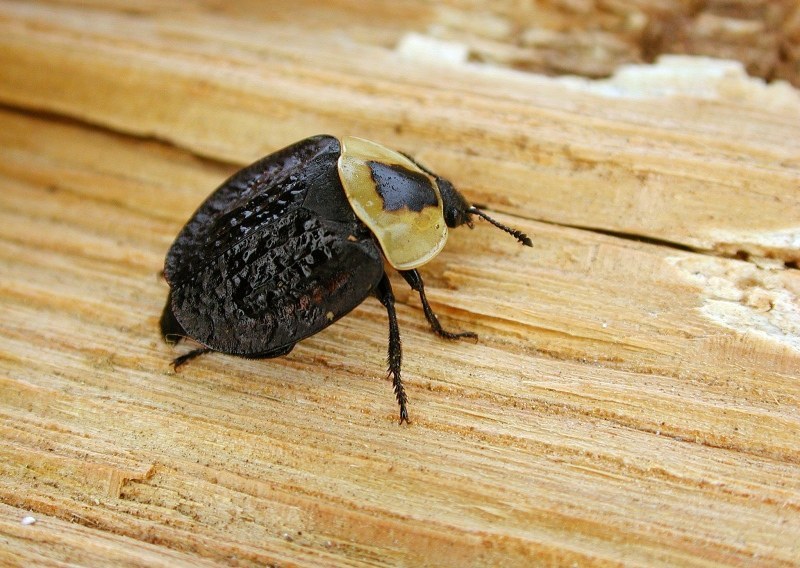
American Carrion Beetle
Forests, fields, and roadsides across North America, near decaying animal carcasses
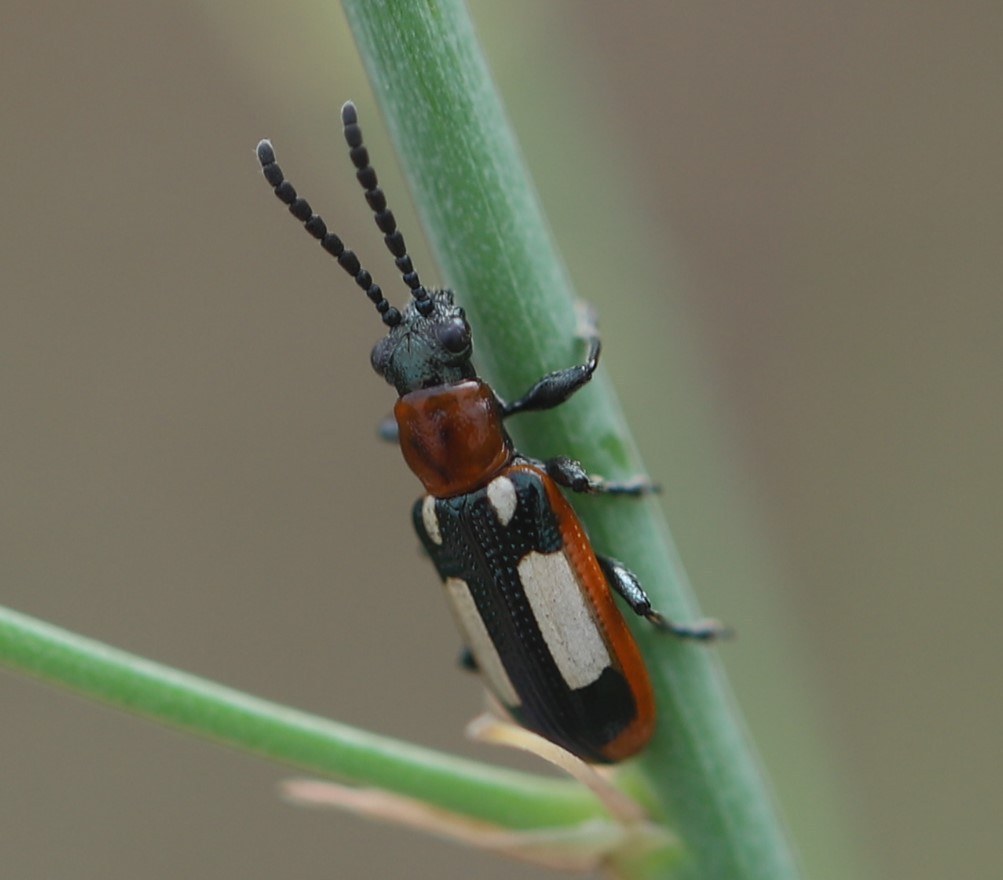
Asparagus Beetle
Asparagus patches, gardens, and farm fields
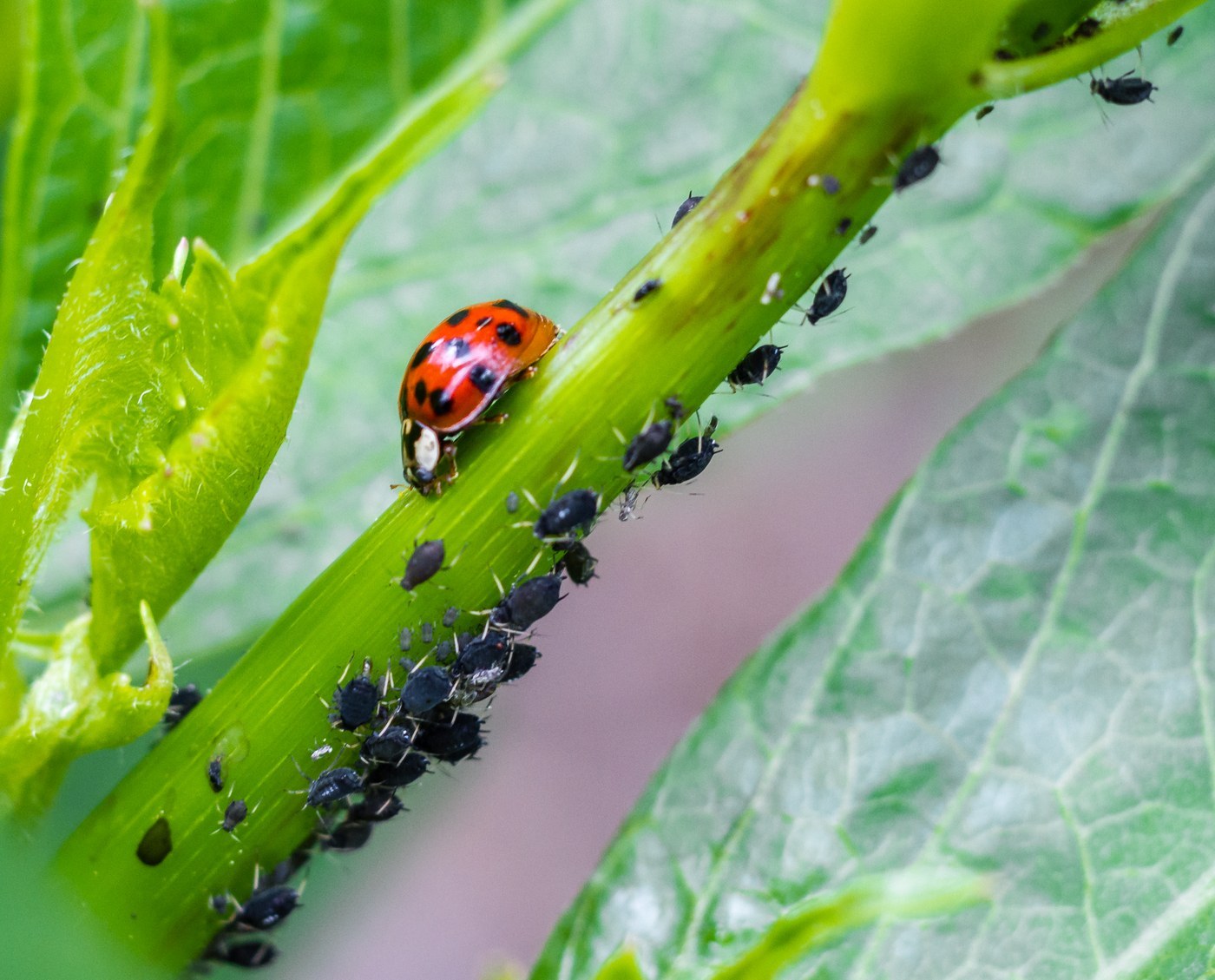
Asian Lady Beetle
Gardens, crop fields, woodlands, buildings
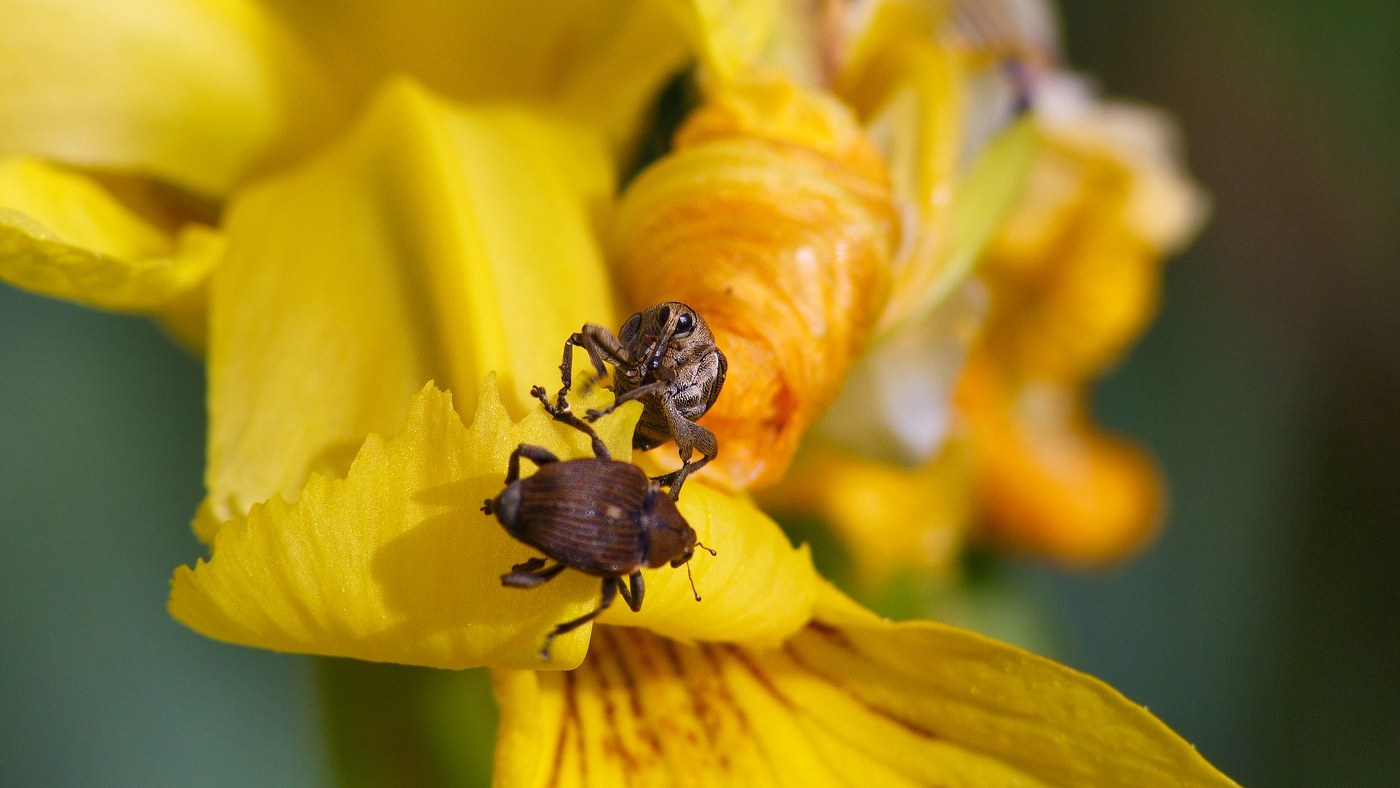
Acorn Weevil
Oak woodlands and forests, on and beneath oak trees
Wireworm
Soil of grasslands, gardens, and cultivated fields worldwide
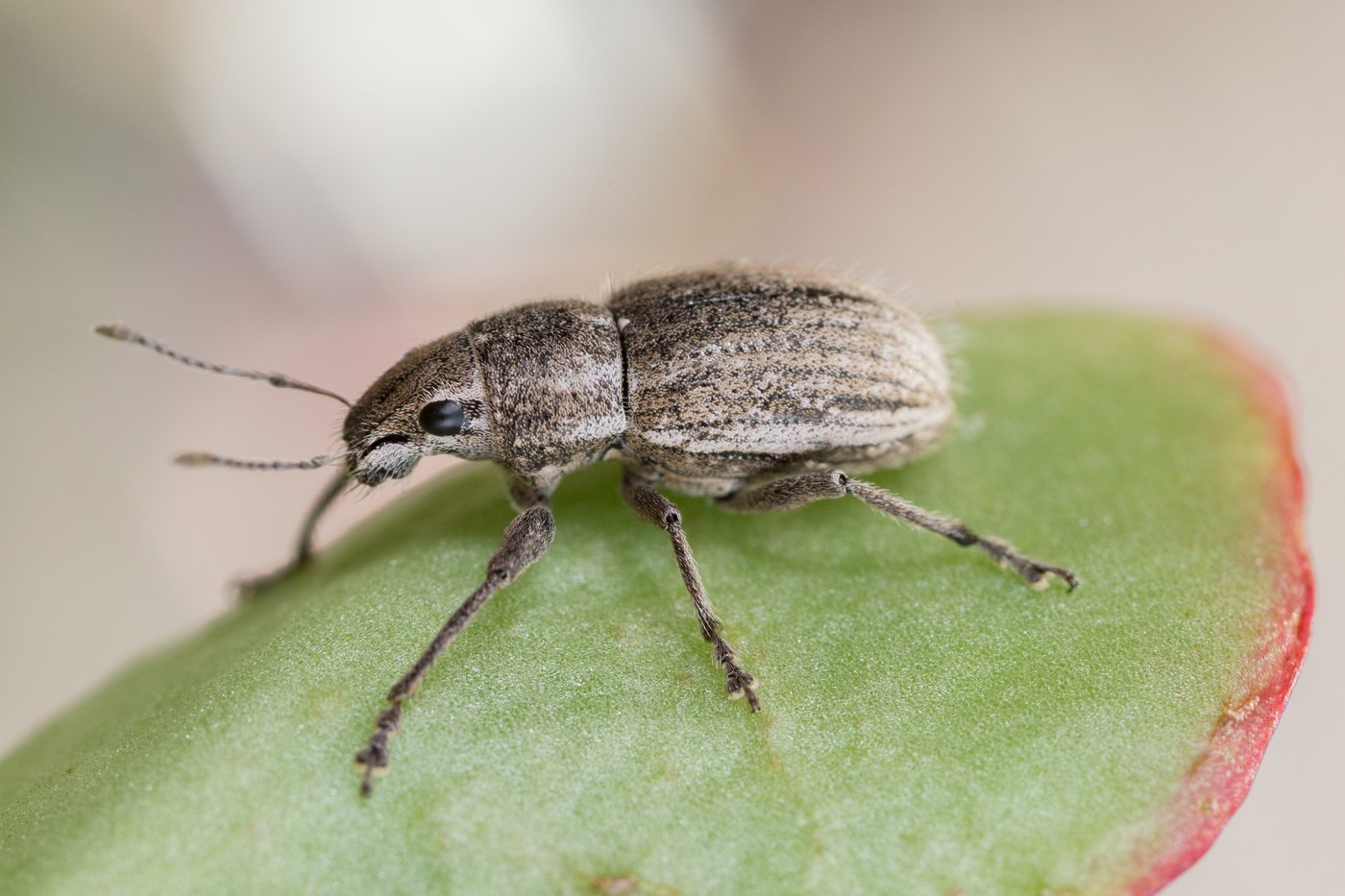
Whitefringed Beetle
Pastures, row crops, lawns, disturbed soils
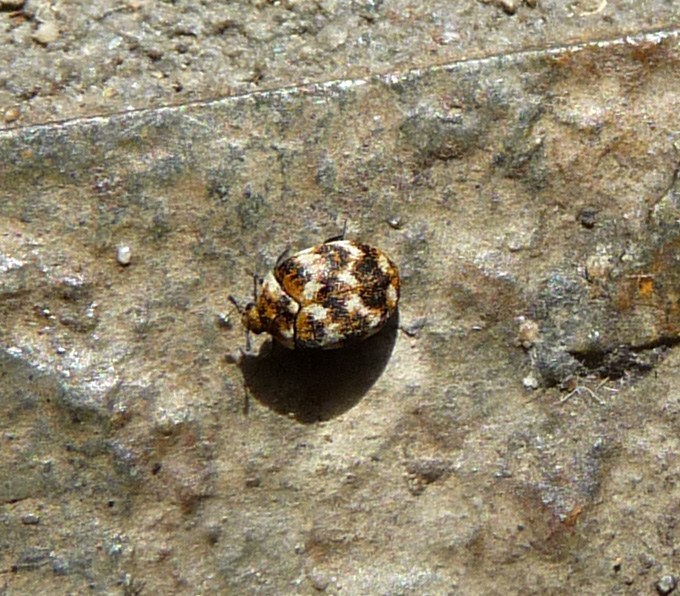
Varied Carpet Beetle
Homes, nests of birds and mammals, and flowers outdoors
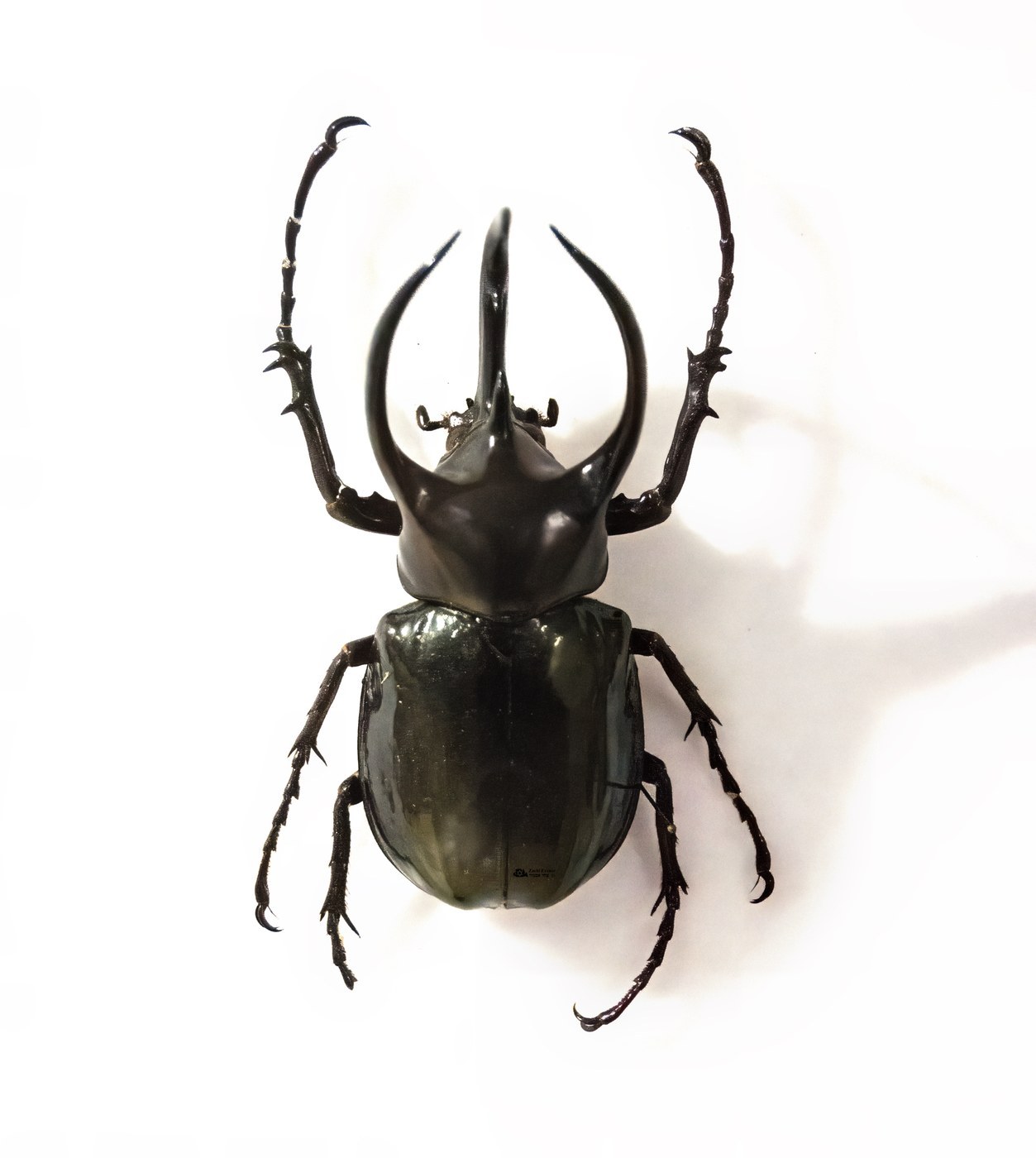
Atlas Beetle
Tropical forests of Southeast Asia
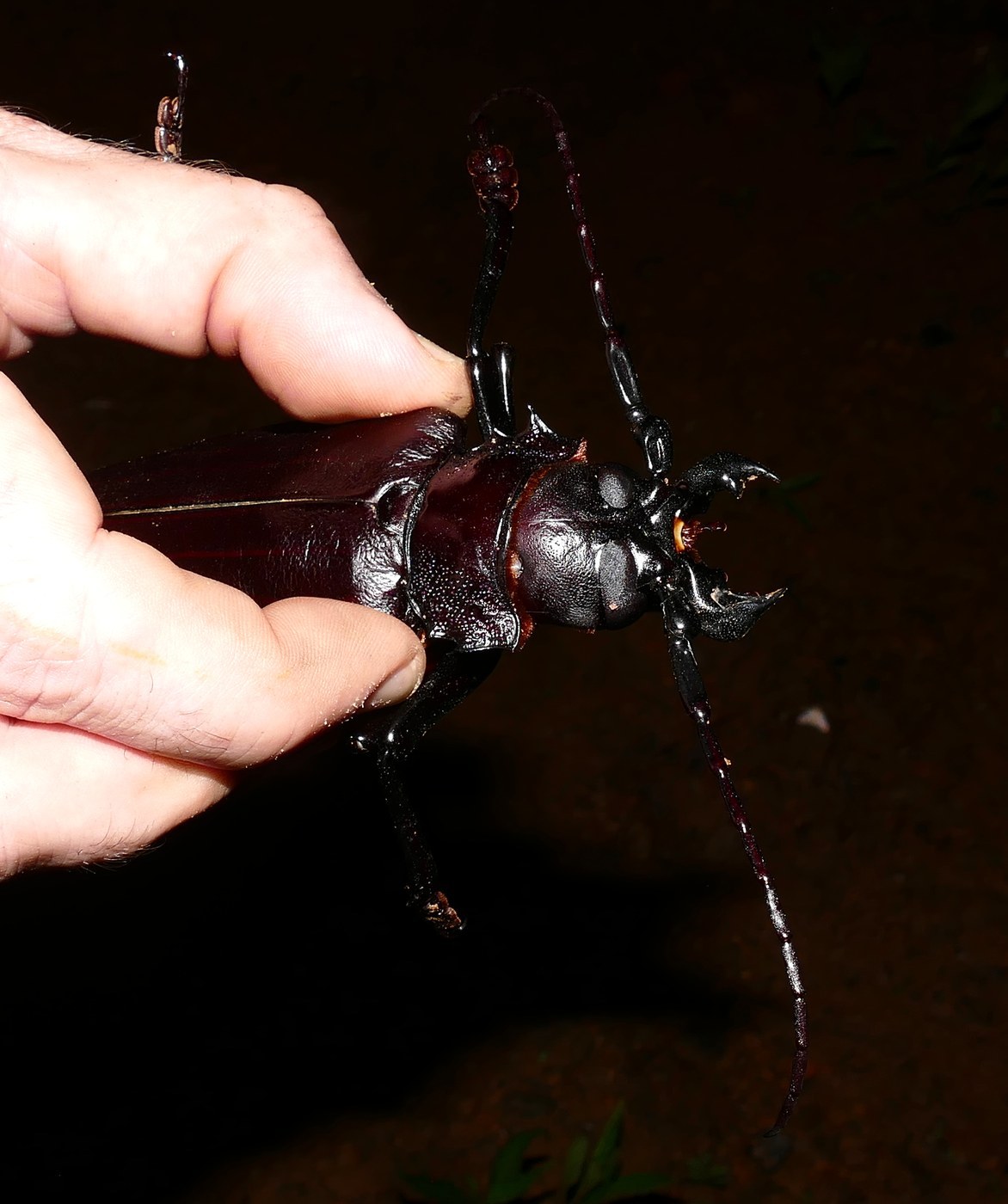
Titan Beetle
Amazon rainforest of South America
Ten-lined June Beetle
Sandy soils, pine forests, and orchards of western North America
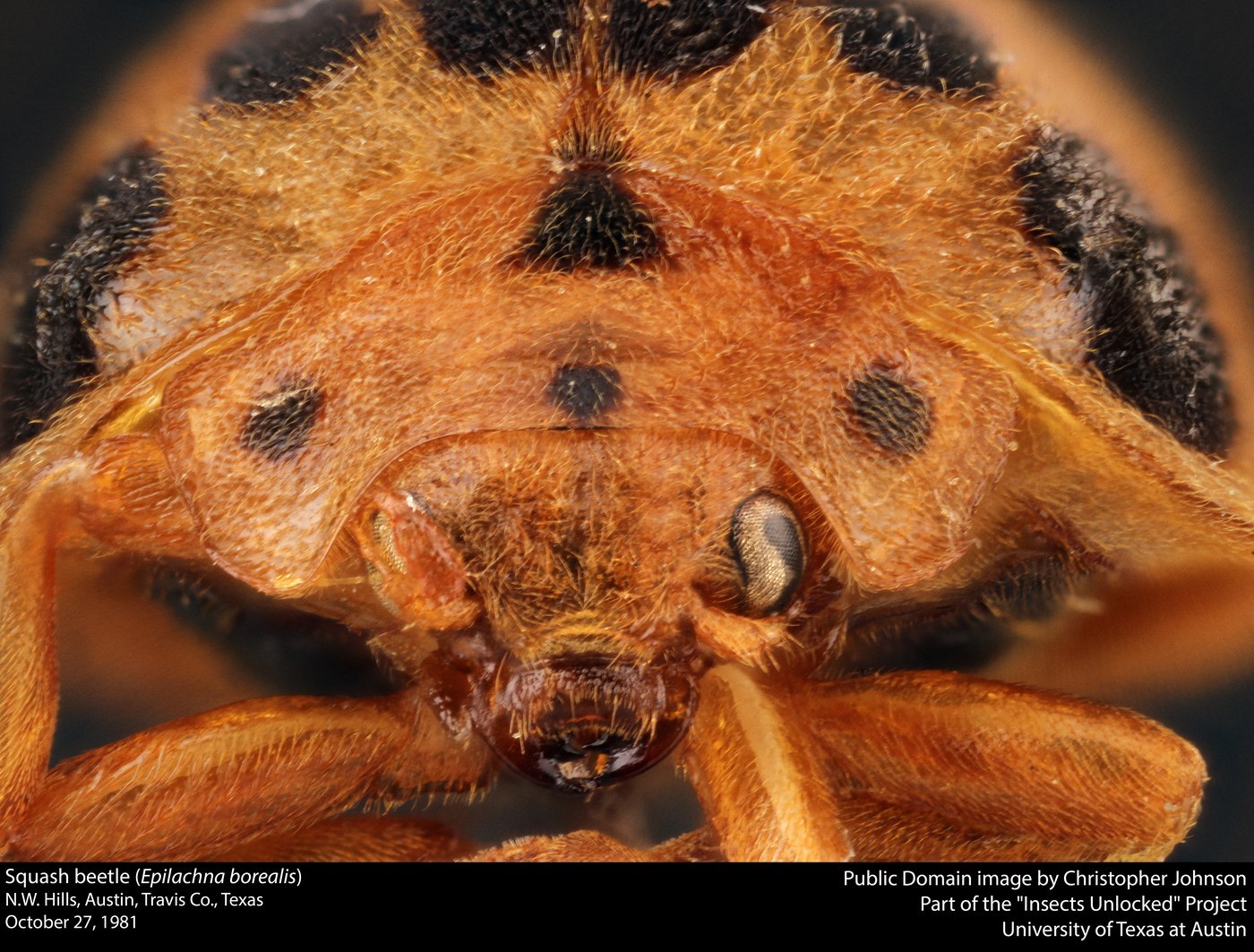
Squash Beetle
Vegetable gardens and fields growing squash, pumpkin, and other cucurbits
Red Flour Beetle
Stored grain, flour, and dry food products in mills, warehouses, and pantries worldwide