
Bug Encyclopedia
Search and identify bugs & insects — beetles, butterflies, moths, ants, bees, spiders and more — with size, habitat, danger, behavior, and how to tell them apart.
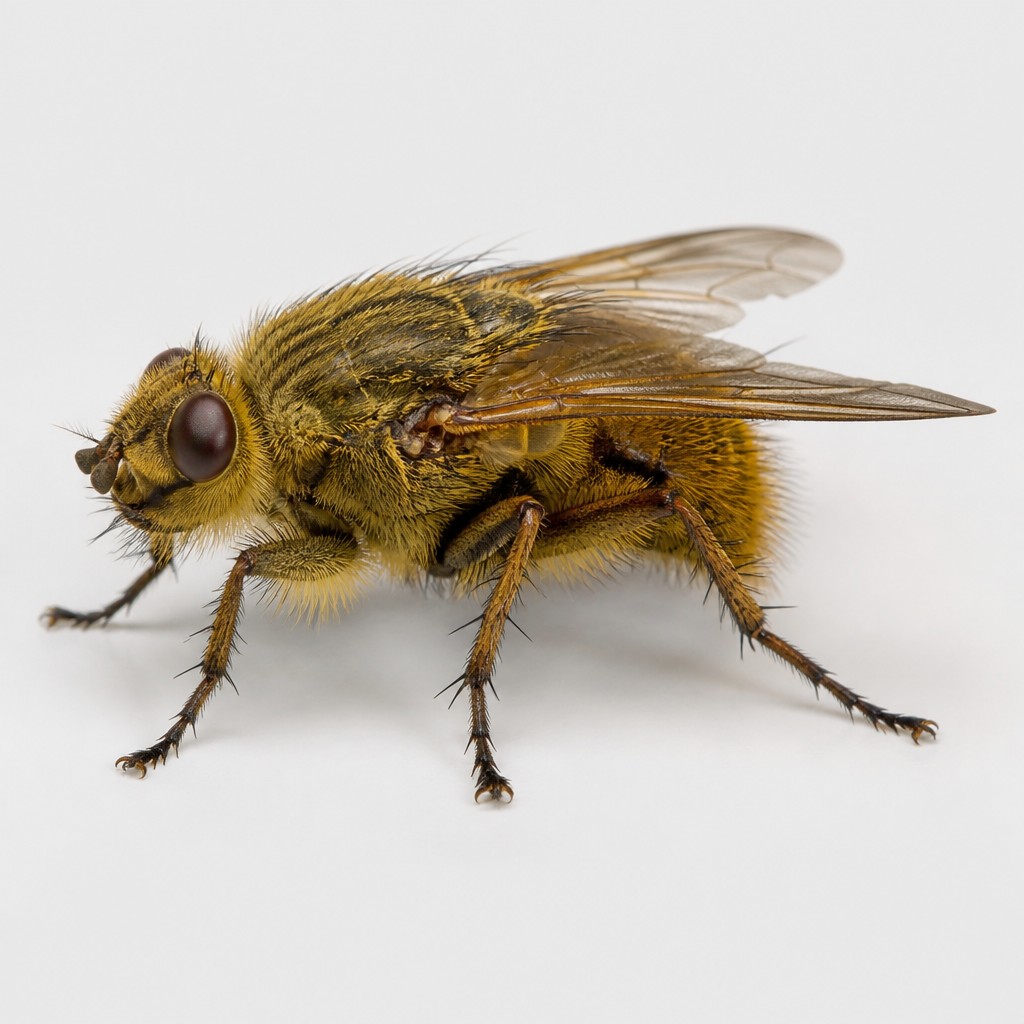
Dung Fly
A hairy, often golden-hued fly commonly seen perched on fresh manure in pastures, where it hunts smaller insects as an adult while its larvae develop within the dung itself.
fly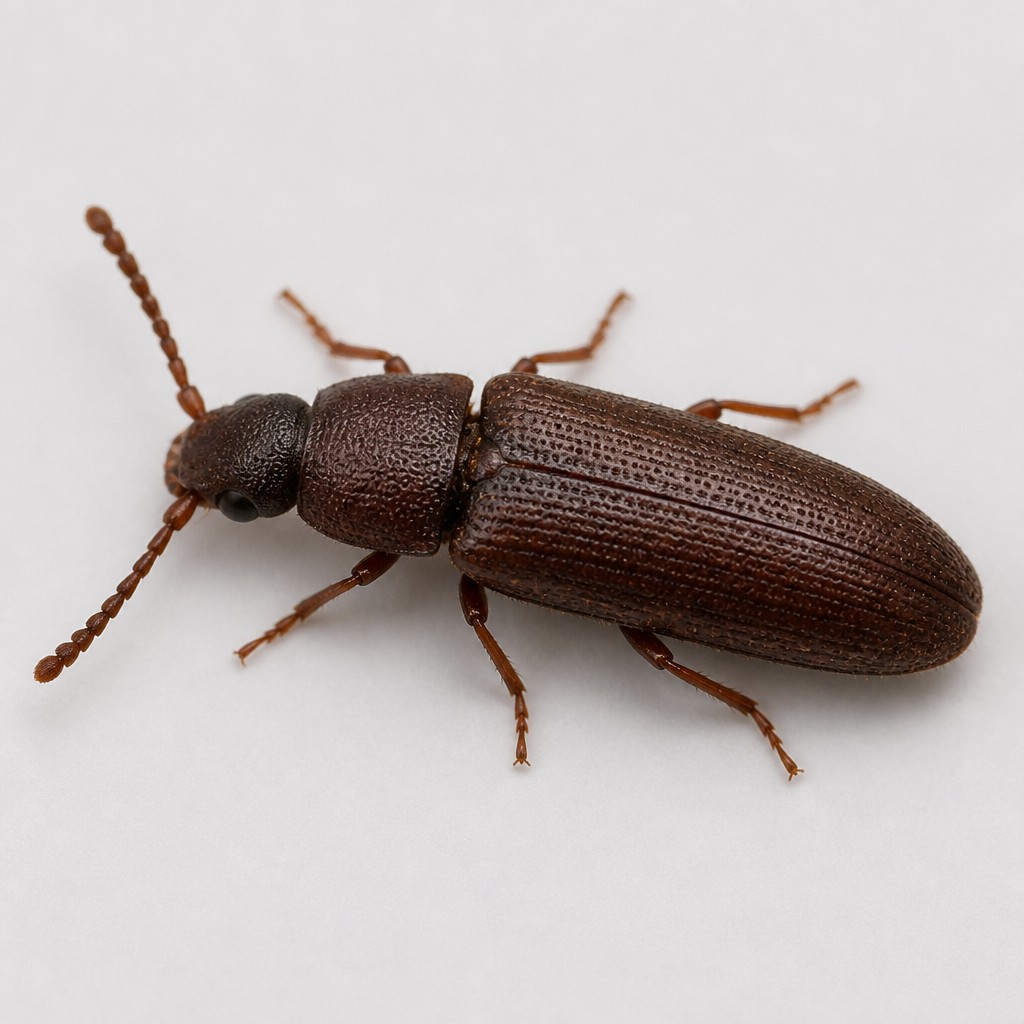
Powderpost Beetle
A small, slender reddish-brown to dark brown beetle whose larvae tunnel through seasoned hardwood, reducing it internally to a fine, powdery frass.
beetle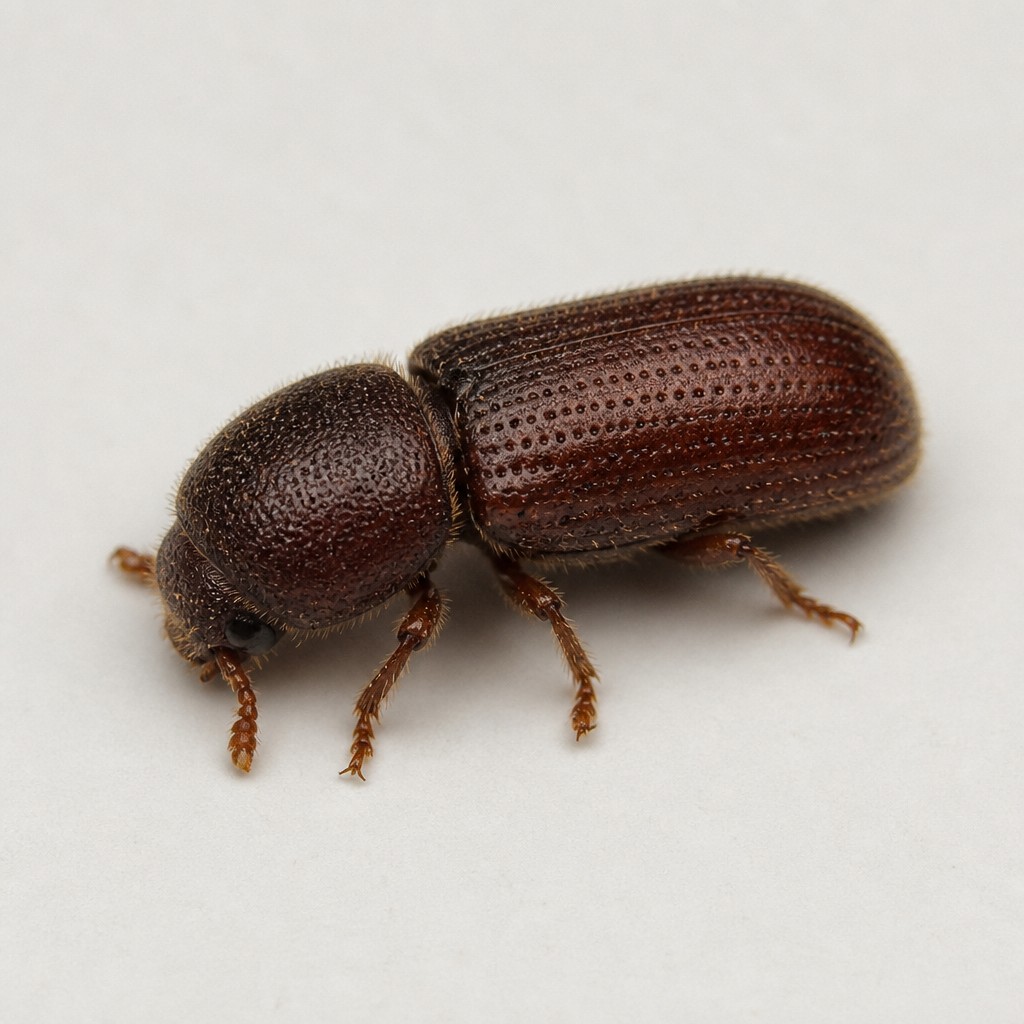
Furniture Beetle
A tiny, reddish-brown to dark brown cylindrical beetle whose larvae, commonly called 'woodworm,' bore small round tunnels through seasoned furniture and timber.
beetle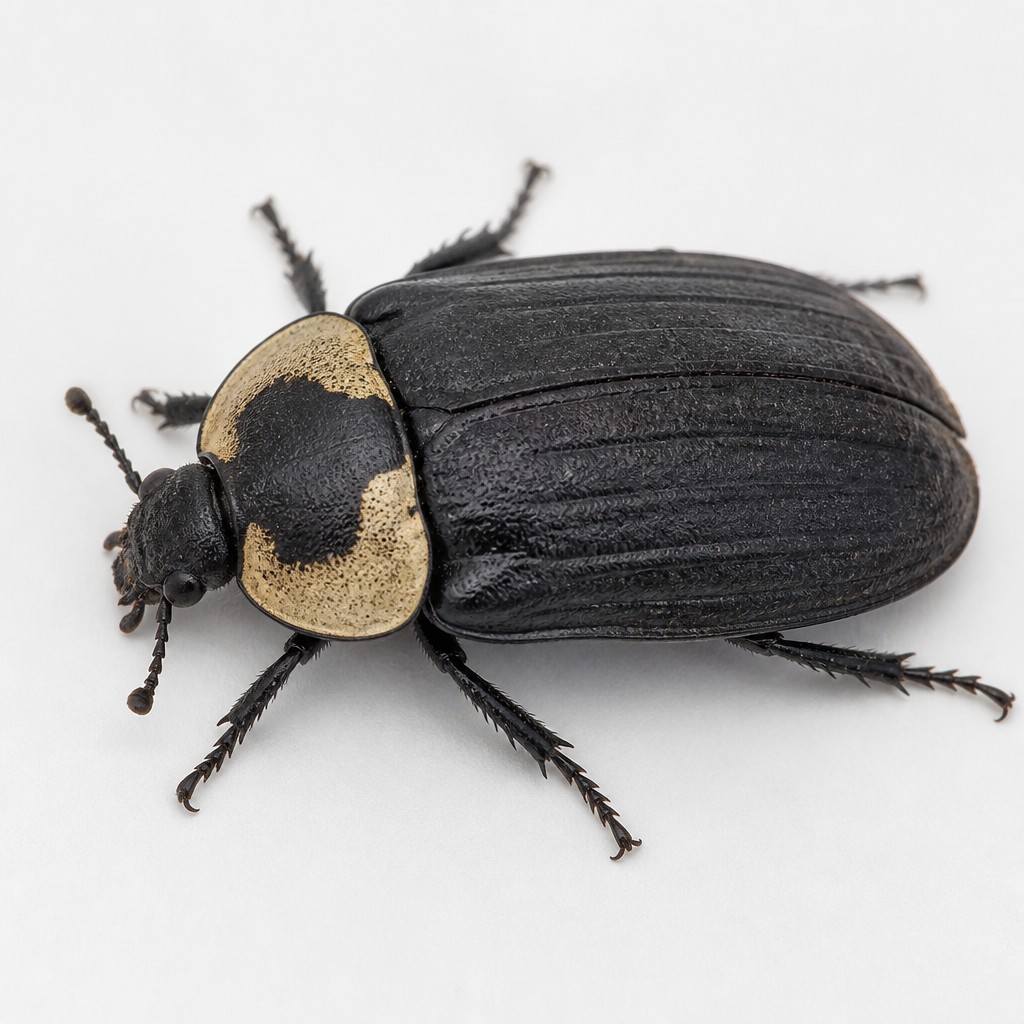
American Carrion Beetle
A broad, flattened black beetle with a striking pale yellow shield behind its head, commonly found on and around small animal carcasses where it feeds alongside fly larvae.
beetle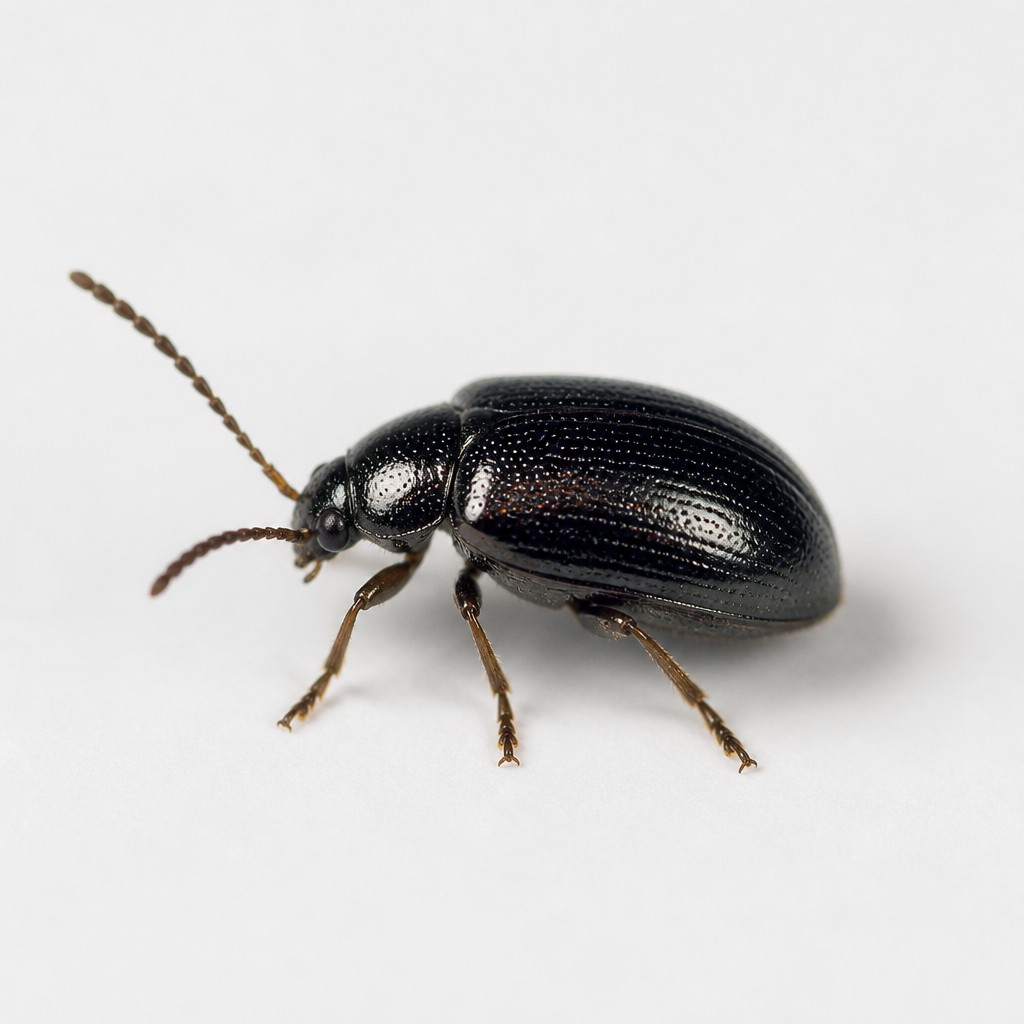
Flea Beetle
A tiny, shiny beetle that springs away like a flea when disturbed, leaving characteristic small round holes peppered across the leaves it feeds on.
beetle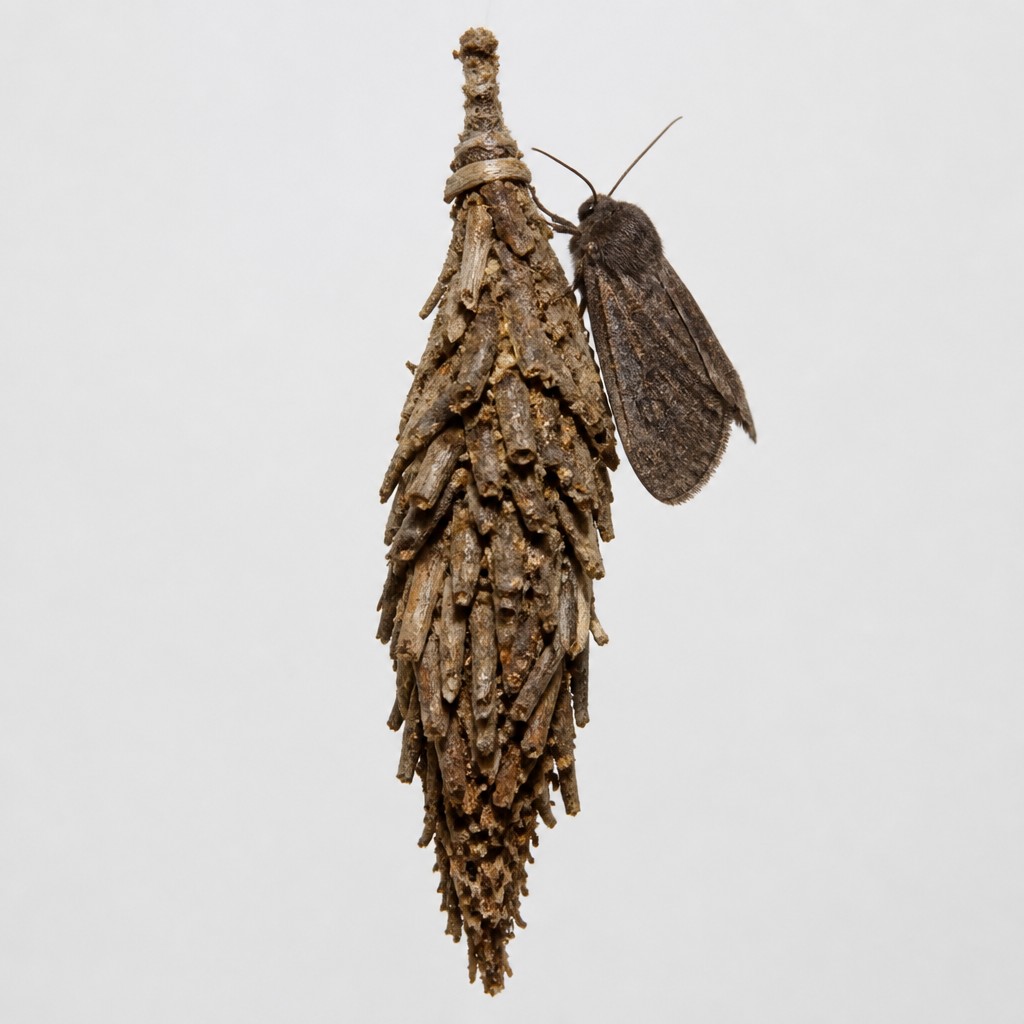
Bagworm Moth
A moth best known for its larva's habit of constructing and living inside a spindle-shaped case of silk and plant debris that hangs from twigs, with adult males a plain sooty-winged moth and females remaining wingless and grub-like inside the bag for life.
moth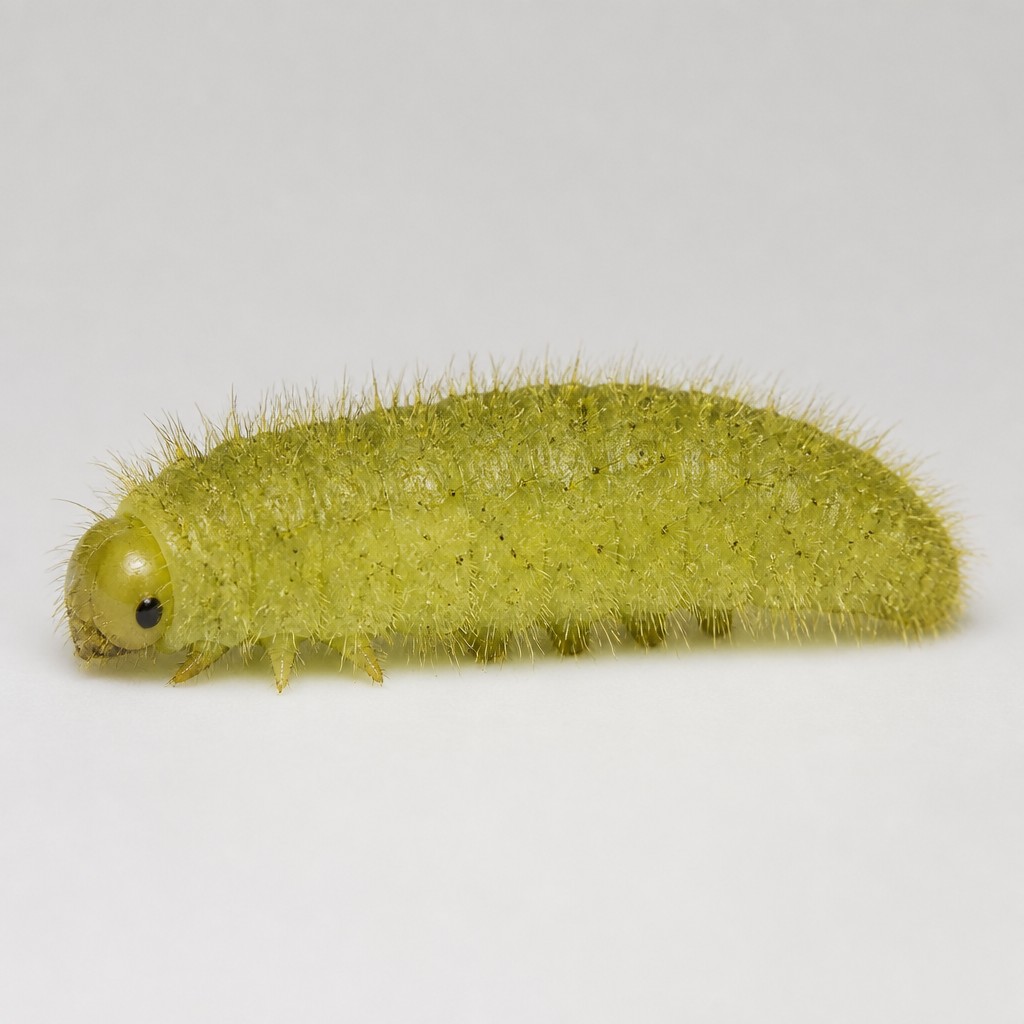
Bristly Rose Slug
Despite its caterpillar-like, slug-shaped body covered in fine bristles, this pale green larva is actually the offspring of a small sawfly and feeds on rose leaves by skeletonizing them from the underside.
caterpillar-larva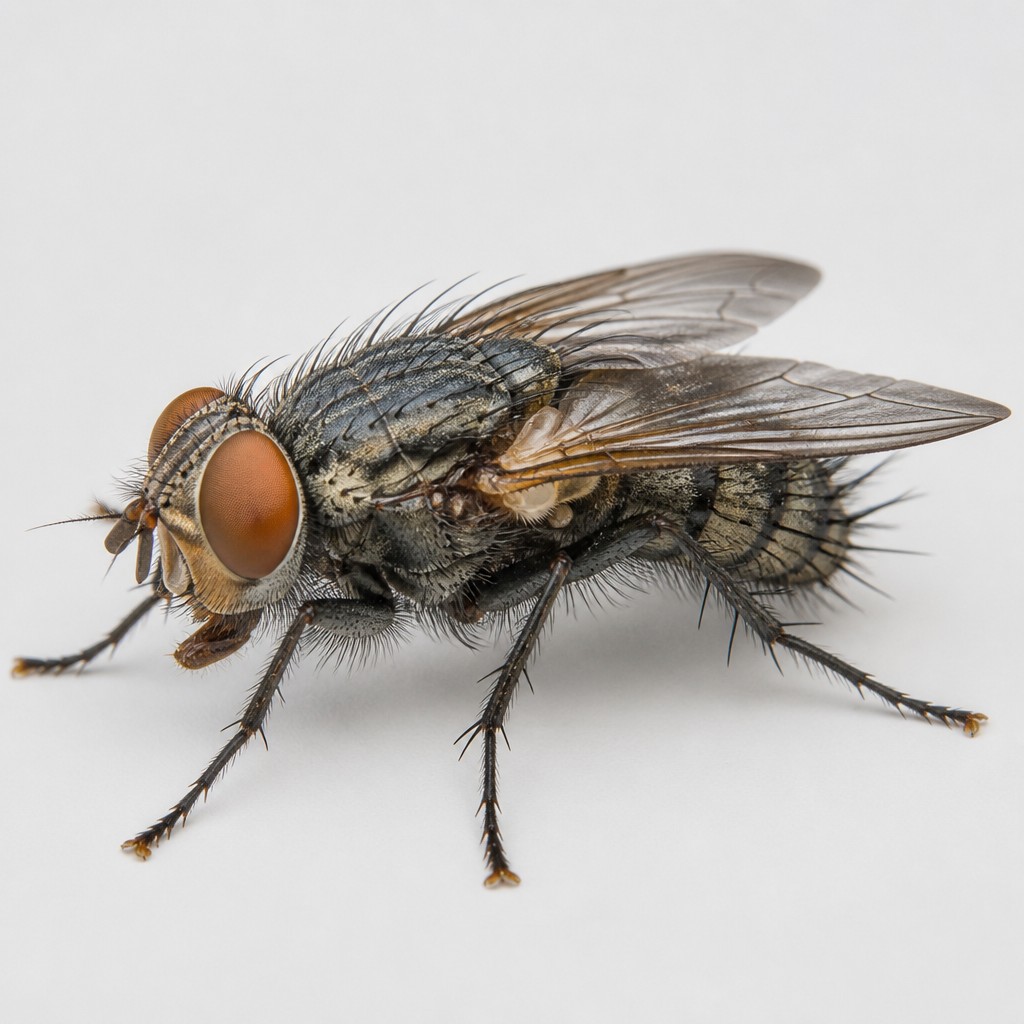
Tachinid Fly
A bristly, house-fly-like insect that looks unremarkable at a glance but hides one of the most important ecological roles among flies: its larvae develop as internal parasites of caterpillars, beetles, and other insects, quietly regulating populations across the landscape. Gardeners often welcome tachinid flies as natural allies against crop-damaging pests.
fly