
Flea Beetle
Chrysomelidae: Alticini (e.g. Epitrix spp.)
A tiny, shiny beetle that springs away like a flea when disturbed, leaving characteristic small round holes peppered across the leaves it feeds on.
- Size
- 1.5–4 mm
- Habitat
- Vegetable gardens, crop fields, and weedy areas with young leafy plants
- Danger
- Nuisance pest
Spotted a bug like this?
Identify any bug or insect from a photo, free.
Overview
The flea beetle is not a single species but rather a large group of small leaf beetles within the family Chrysomelidae, subfamily grouping known informally as the Alticini, named for their remarkable jumping ability reminiscent of true fleas. Numerous genera and species around the world share this common name and jumping trait, with common examples feeding on crops such as eggplant, potato, radish, and other leafy vegetables.
Adults are tiny, shiny, and often black, bronze, or metallic in coloration, sometimes with pale stripes depending on the species. Their hind legs are notably enlarged and modified for jumping, giving them their springing escape behavior and their common name.
Despite their small size, flea beetles are ecologically and agriculturally significant as leaf feeders capable of producing characteristic small, rounded feeding holes across foliage, and they serve as a food source for various predatory insects, spiders, and birds within garden and field ecosystems.
How to Identify
- Adults are very small, typically 1.5–4 mm long, oval, and shiny black, bronze, or metallic dark in color; some species show pale longitudinal stripes on the wing covers.
- Hind legs are conspicuously enlarged and thickened compared to the front and middle legs, adapted for powerful jumping.
- When disturbed, adults spring away suddenly in a flea-like hop rather than flying or crawling off slowly.
- Feeding damage is highly distinctive: numerous small, rounded to irregular holes (sometimes called 'shot-hole' damage) peppered across leaf surfaces without penetrating fully through in younger damage.
- Larvae are small, slender, whitish grubs that typically live in the soil feeding on roots or occasionally mine within leaf tissue, depending on species.
Habitat & Range
Flea beetles are found worldwide, wherever their host plants grow, including vegetable gardens, crop fields, and weedy or disturbed ground with young leafy plants. Common hosts include eggplant, potato, radish, cabbage family plants, and various weeds, with different flea beetle species specializing on different plant families.
Adults are most active in spring and early summer when host plants are producing new, tender growth, though activity can continue through the growing season. Adults typically overwinter in leaf litter, soil, or other sheltered debris near host plant habitats, emerging as temperatures warm in spring.
Behavior & Diet
Flea beetle adults feed on the surface of leaves, chewing small round to irregular holes that give foliage a characteristic perforated, shot-hole appearance, particularly damaging to young seedlings. Larvae of many species feed underground on plant roots or, in some species, mine within leaf tissue.
Their defining behavior is the explosive jumping escape response triggered by disturbance, powered by their enlarged hind legs, which allows them to spring away rapidly from potential threats such as approaching predators or curious observers. Adults are also capable fliers and will disperse to locate new host plants. Their feeding activity tends to be most intense on young, tender seedlings early in the growing season.
Life Cycle
Flea beetles undergo complete metamorphosis with egg, larva, pupa, and adult stages. Females lay small eggs in the soil near host plant roots or, in some species, directly on leaves, and these hatch within one to two weeks.
Larvae develop in the soil feeding on roots (or within leaves in leaf-mining species) for several weeks before pupating in the soil. Adults emerge to feed on foliage and mate, and there are typically one to several generations per year depending on species and climate. Adults overwinter in sheltered plant debris or soil, emerging in spring to begin feeding on newly sprouting host plants.
Frequently asked questions
Why is it called a flea beetle?
Its name comes from its enlarged hind legs and characteristic habit of jumping away suddenly when disturbed, much like a flea, even though it is unrelated to true fleas.
What does flea beetle feeding damage look like?
Affected leaves typically show numerous small, rounded to irregular holes scattered across the surface, sometimes described as a shot-hole pattern, especially on young seedlings.
How big is a flea beetle?
Adults are extremely small, usually only 1.5 to 4 millimeters long, making them easy to overlook until their distinctive jumping behavior or feeding damage is noticed.
Is 'flea beetle' one species or many?
It refers to a large group of related small leaf beetle species across several genera, all sharing the jumping habit, with different species specializing on different host plants.
Flea Beetle guides
In-depth guides for identifying, understanding, and living alongside Flea Beetle.
Flea Beetle identified by the community
Real finds identified with Bug Identifier.
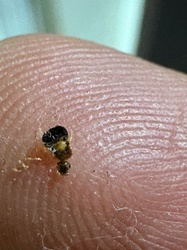
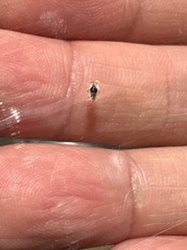
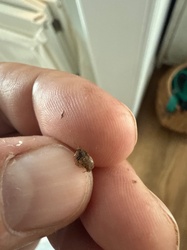
Other bugs you may enjoy
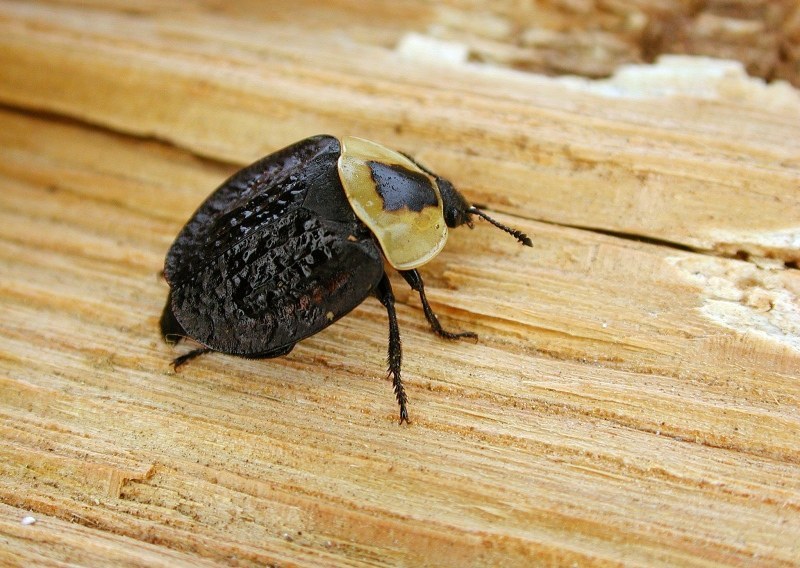
American Carrion Beetle
Forests, fields, and roadsides across North America, near decaying animal carcasses
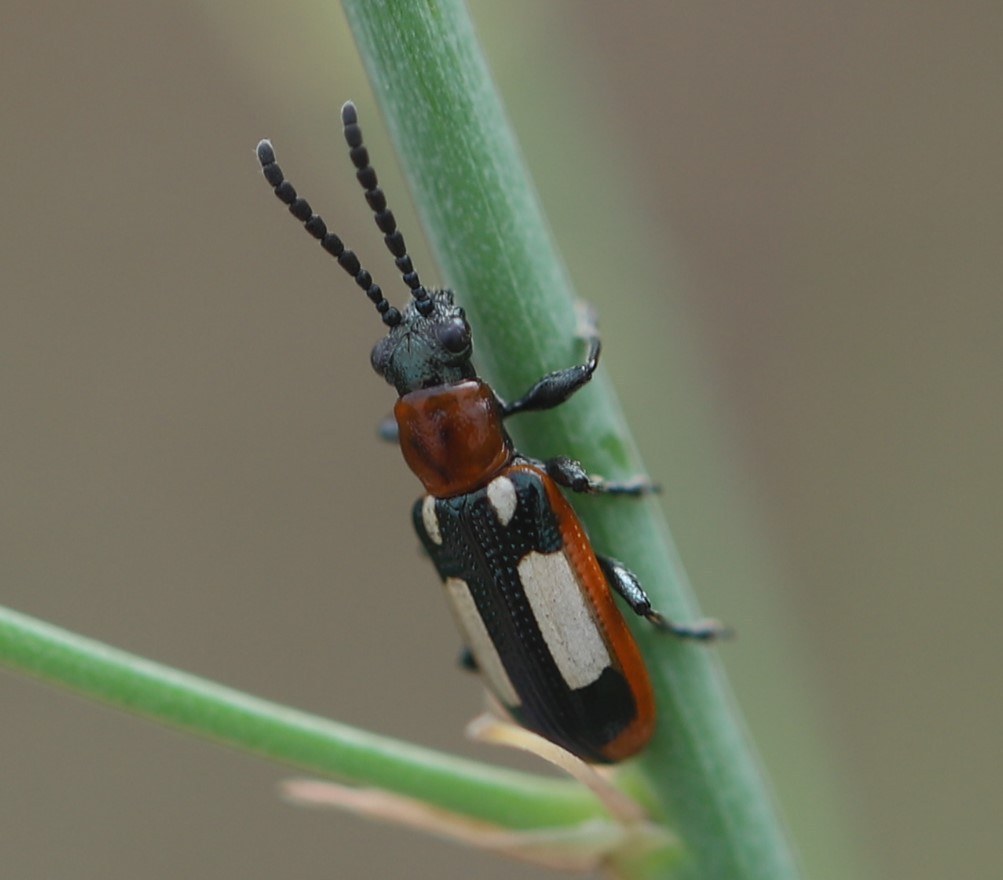
Asparagus Beetle
Asparagus patches, gardens, and farm fields
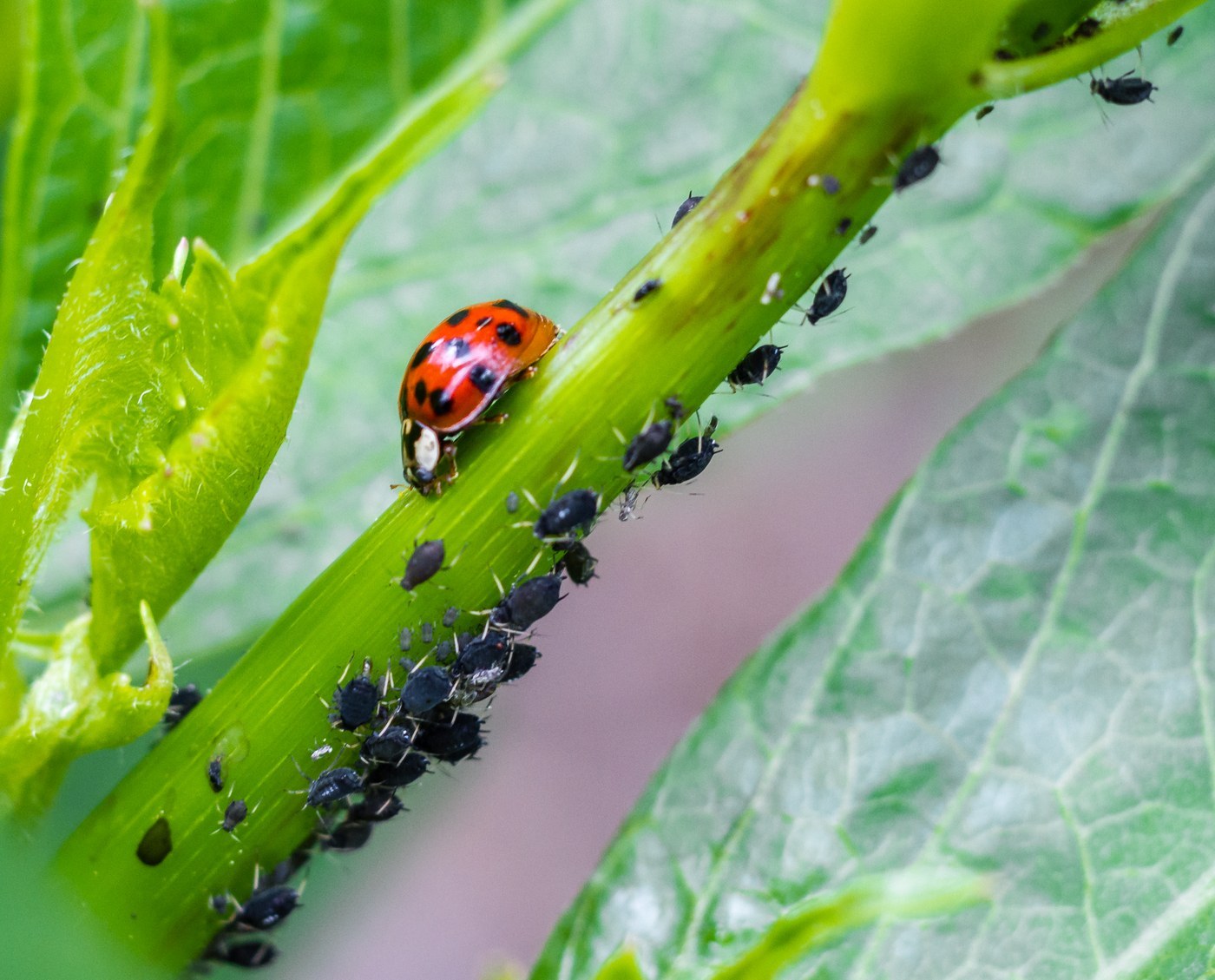
Asian Lady Beetle
Gardens, crop fields, woodlands, buildings
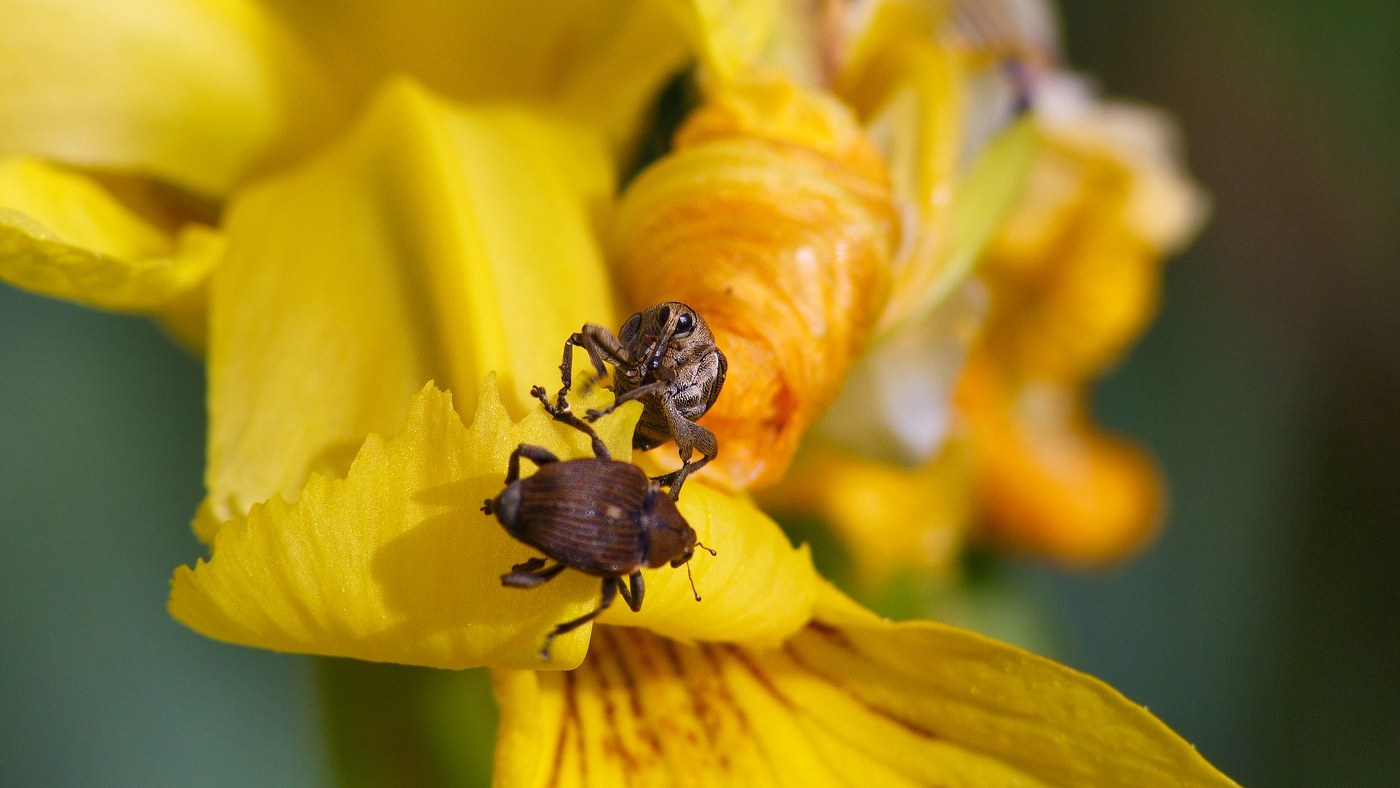
Acorn Weevil
Oak woodlands and forests, on and beneath oak trees
Wireworm
Soil of grasslands, gardens, and cultivated fields worldwide
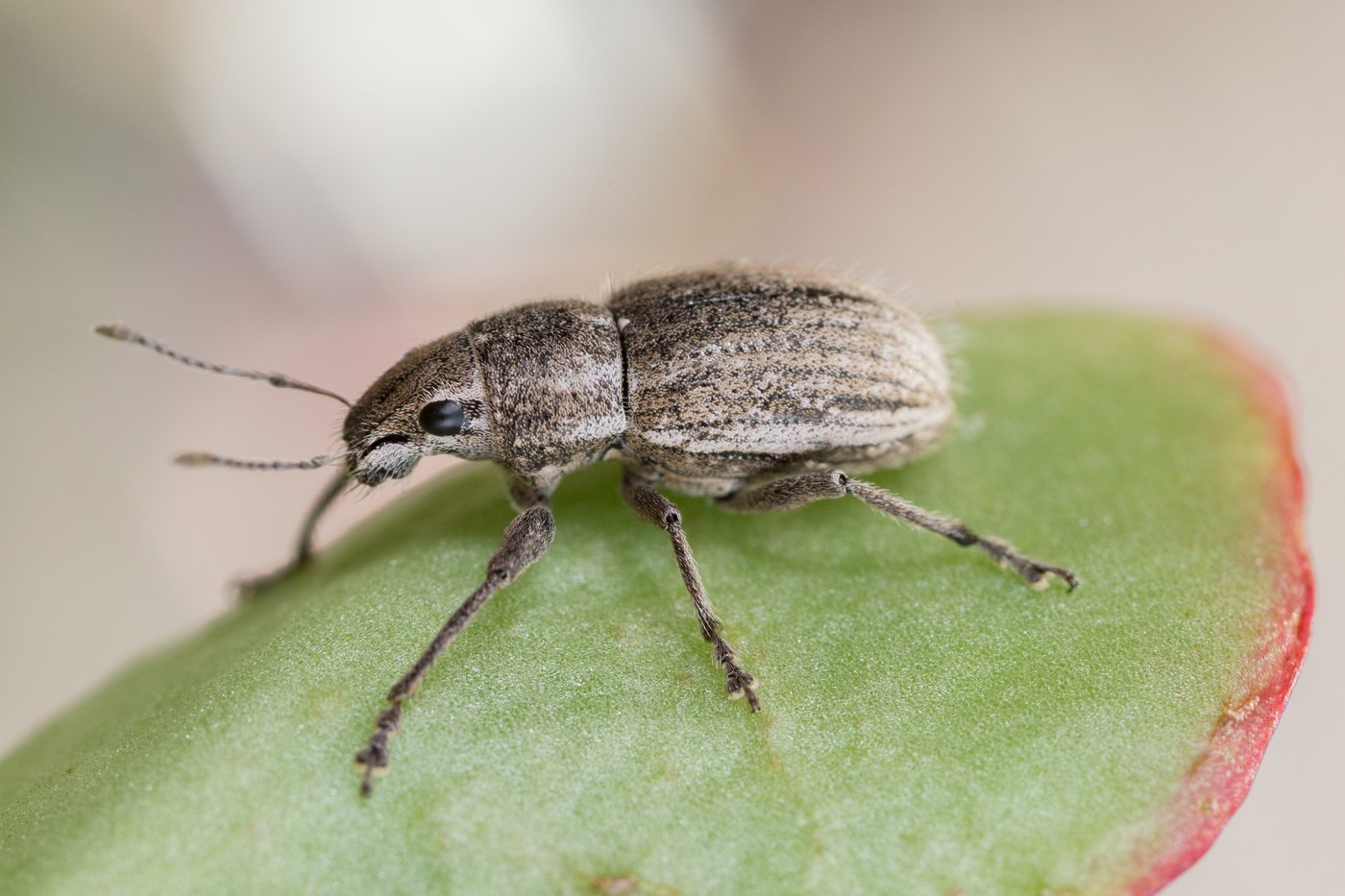
Whitefringed Beetle
Pastures, row crops, lawns, disturbed soils
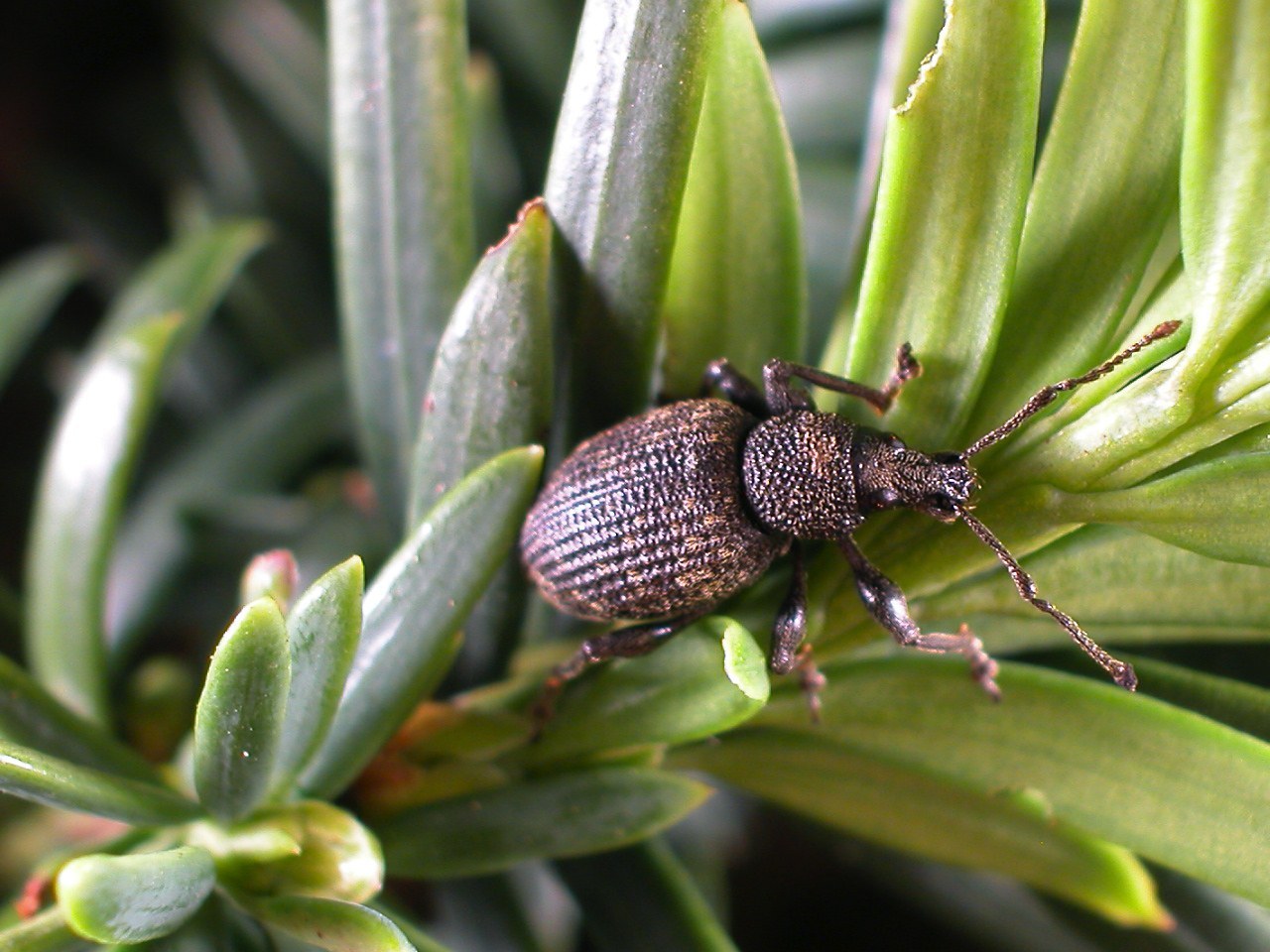
Vine Weevil
Gardens, nurseries, greenhouses, and container plantings
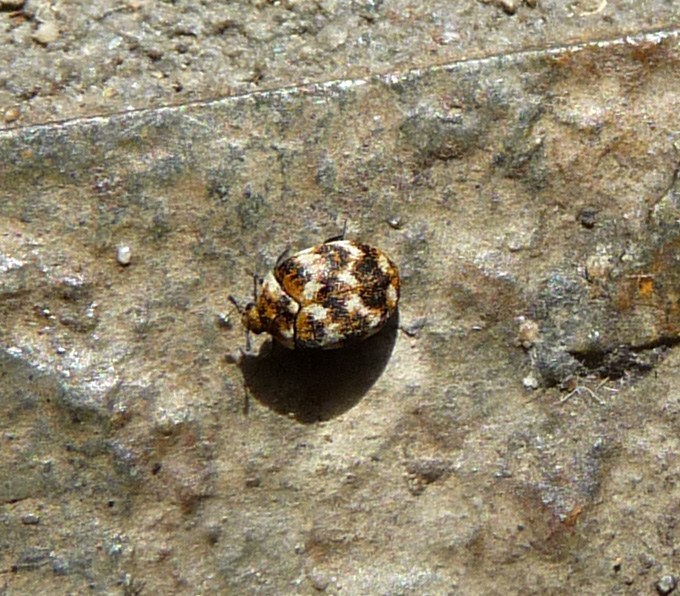
Varied Carpet Beetle
Homes, nests of birds and mammals, and flowers outdoors
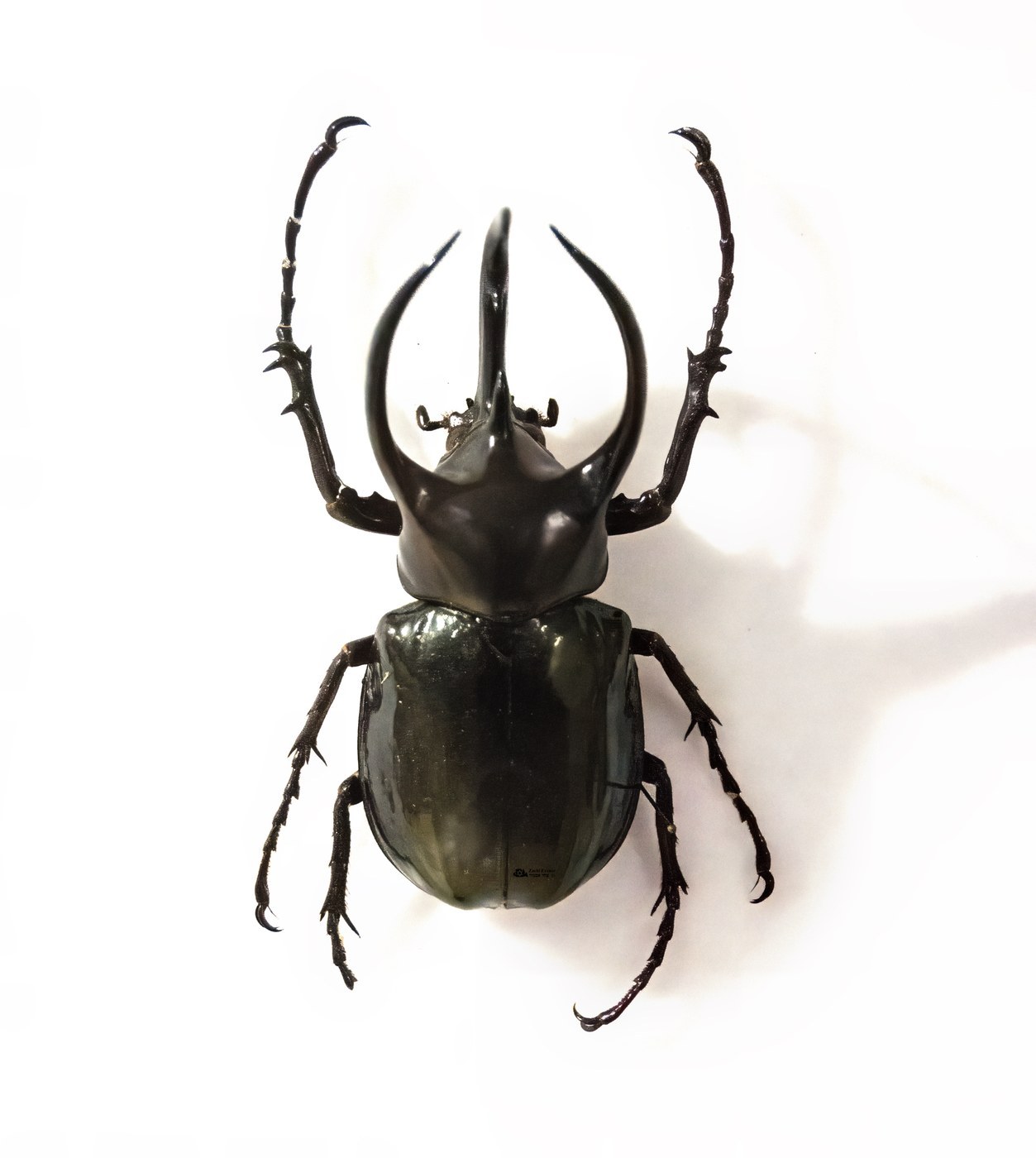
Atlas Beetle
Tropical forests of Southeast Asia
Titan Beetle
Amazon rainforest of South America
Ten-lined June Beetle
Sandy soils, pine forests, and orchards of western North America
Squash Beetle
Vegetable gardens and fields growing squash, pumpkin, and other cucurbits