
Dung Fly
Scathophaga spp.
A hairy, often golden-hued fly commonly seen perched on fresh manure in pastures, where it hunts smaller insects as an adult while its larvae develop within the dung itself.
- Size
- 6-11 mm (about 0.2-0.4 in) long
- Habitat
- Pastures and grasslands where livestock dung is present
- Danger
- Harmless
Spotted a bug like this?
Identify any bug or insect from a photo, free.
Overview
Dung flies are a group of flies in the family Scathophagidae found in temperate regions across the Northern Hemisphere, closely associated with the manure of grazing livestock. Adults are frequently seen resting on fresh dung pats in pastures and fields, where they gather not primarily to feed on the dung itself but to mate and hunt other insects that are also attracted to the manure.
Despite their close association with dung, adult dung flies are largely predatory, ambushing smaller flies and insects that visit the same dung pats, making them beneficial insects in the pasture ecosystem. Their larvae, in contrast, develop directly within the dung, feeding on the organic material and contributing to its breakdown.
The genus is well studied by biologists interested in insect behavior and reproduction, since large numbers of both sexes often congregate on the same fresh dung pats, creating conditions that have made dung flies a classic subject for research on animal mating systems.
How to Identify
- Robust, hairy body, often golden-yellow to olive-brown in color
- Long, bristly legs adapted for gripping onto dung and prey
- Rounded head with large reddish or dark compound eyes
- Wings are typically clear or lightly tinted, held flat or slightly spread at rest
- Frequently seen in numbers directly on fresh livestock dung in pastures
Habitat & Range
Dung flies are widespread across temperate grasslands and pastures in the Northern Hemisphere, wherever grazing livestock deposit dung. They are most commonly encountered directly on or near fresh manure, particularly in cattle and sheep pastures.
Adults are active from spring through fall in temperate climates, with populations closely tracking the availability of fresh dung deposits.
Behavior & Diet
Adult dung flies are primarily predatory, perching on and around fresh dung to ambush smaller flies and other insects drawn to the same resource, in addition to occasionally feeding on nectar. Mating also takes place on or near fresh dung pats, where males often compete for access to females.
Larvae develop within the dung itself, feeding on the organic matter and microorganisms present, and in doing so contribute to the breakdown and recycling of manure in pasture ecosystems. Both adults and larvae are part of the broader insect community that helps process livestock waste in grasslands.
Life Cycle
Females lay eggs directly into fresh dung shortly after it is deposited, since the pat must remain moist and soft for larvae to develop successfully. Eggs hatch within a day or two, and larvae feed within the dung, developing through three instars over roughly one to two weeks depending on temperature.
Mature larvae typically leave the dung to pupate in the surrounding soil, with adults emerging after a period of one to a few weeks. Multiple generations occur throughout the warmer months, and in temperate climates the species commonly overwinters as larvae or pupae in soil beneath older, dried dung deposits.
Frequently asked questions
Do dung flies feed on the dung as adults?
Not primarily; adults are mostly predatory, hunting smaller insects attracted to fresh dung, while occasionally feeding on nectar.
What do dung fly larvae eat?
Larvae develop and feed directly within fresh livestock dung, consuming the organic matter and associated microorganisms.
Why are dung flies often seen in large numbers on manure?
Fresh dung attracts both dung flies looking for mates and egg-laying sites, as well as smaller insects that the adult dung flies hunt.
Are dung flies harmful to livestock?
No, they are not parasites of livestock and are considered beneficial for their role in breaking down manure and preying on other insects.
Dung Fly guides
In-depth guides for identifying, understanding, and living alongside Dung Fly.
Other bugs you may enjoy
Aphid Midge
Gardens, greenhouses, and crops with aphids
Yellow Fever Mosquito
Urban and peri-urban areas near small artificial water containers in tropical and subtropical regions worldwide
Root Maggot
Garden and field soil around the roots of cole crops and other vegetables
Anopheles Mosquito
Clean, still or slow-moving freshwater habitats such as marshes, ponds, and rice paddies
Tachinid Fly
Gardens, meadows, and woodlands wherever host caterpillars and other insects occur
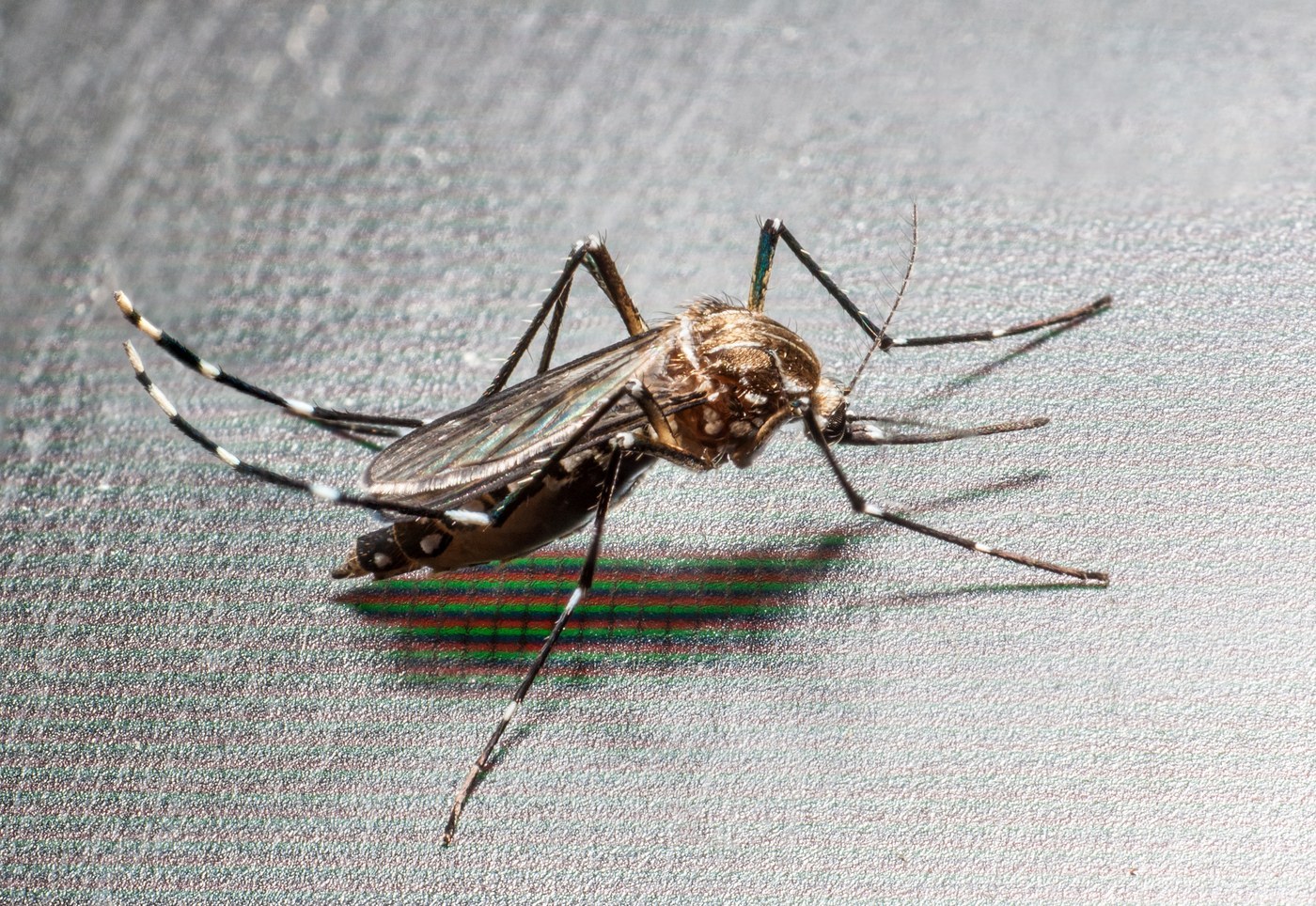
Asian Tiger Mosquito
Shaded urban and suburban areas near small water-holding containers, tires, and tree holes; native to Southeast Asia, now widespread
Tsetse Fly
Wooded savanna, riverine thickets, and forest edges across sub-Saharan Africa
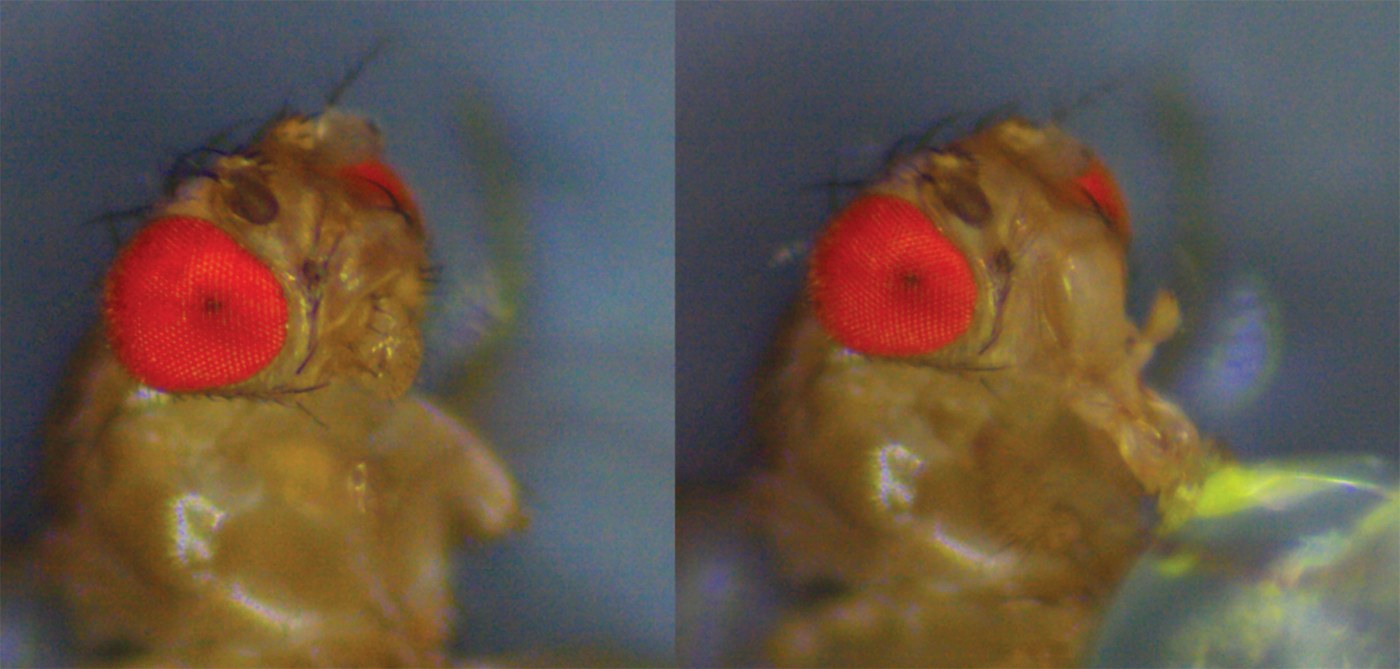
Vinegar Fly
Around overripe fruit, compost, and fermenting materials worldwide
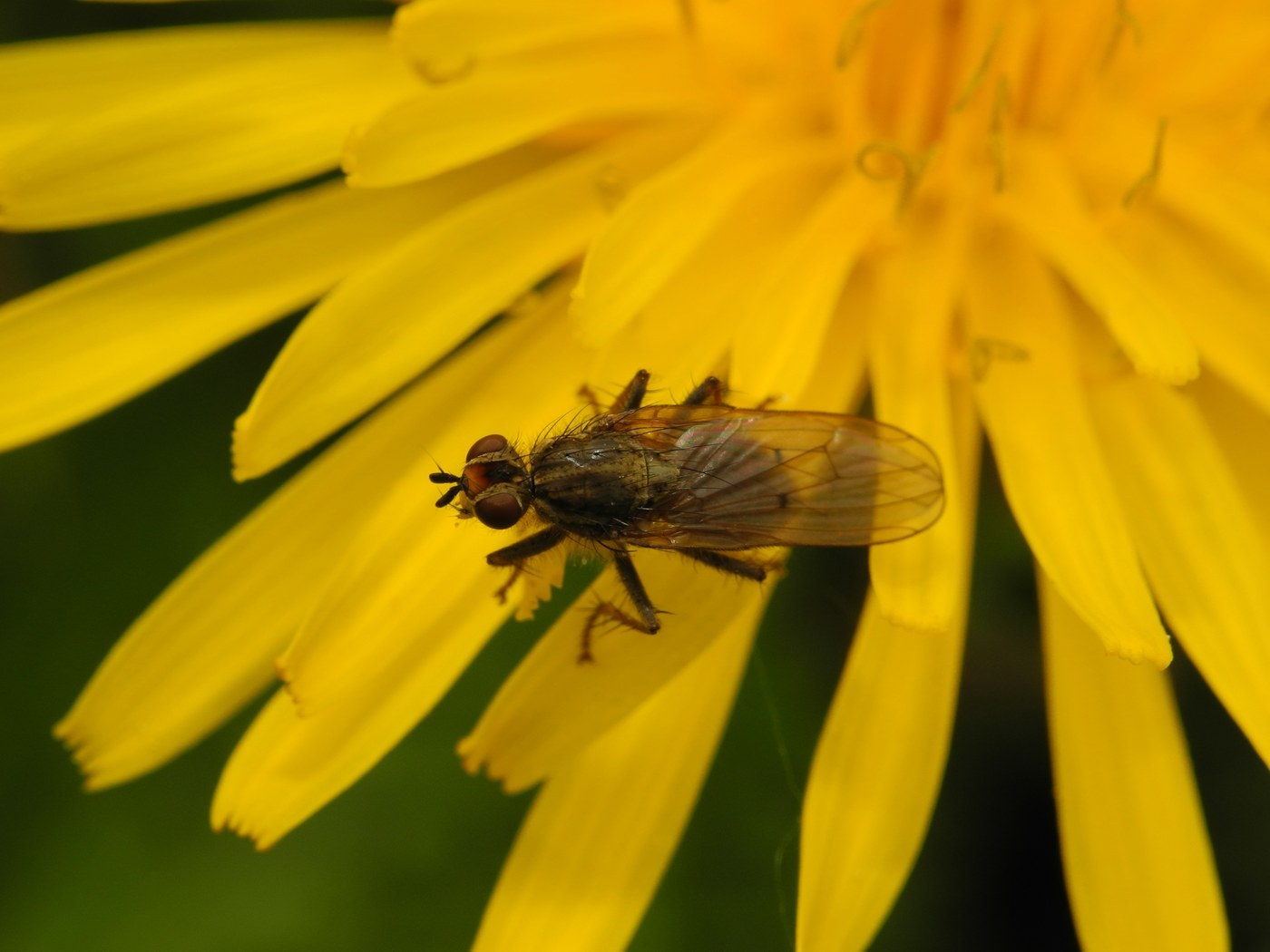
Yellow Dung Fly
Pastures and fields with fresh cattle dung
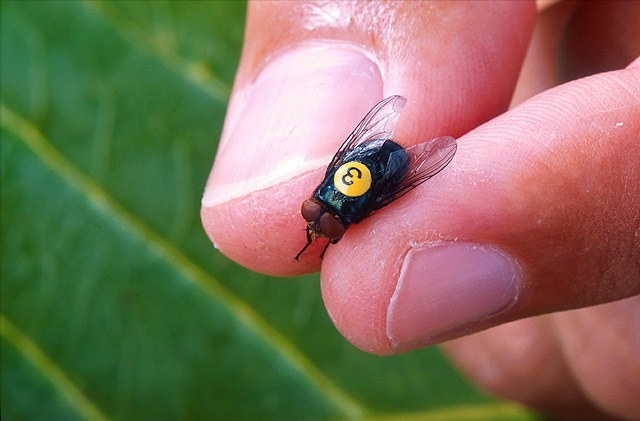
Screwworm Fly
Warm, humid lowlands of the Americas, especially near livestock and wildlife wounds
Soldier Fly
Wetland margins, decaying organic matter, and vegetation near water
Punkie
near marshes, mudflats, ponds, and other standing water