
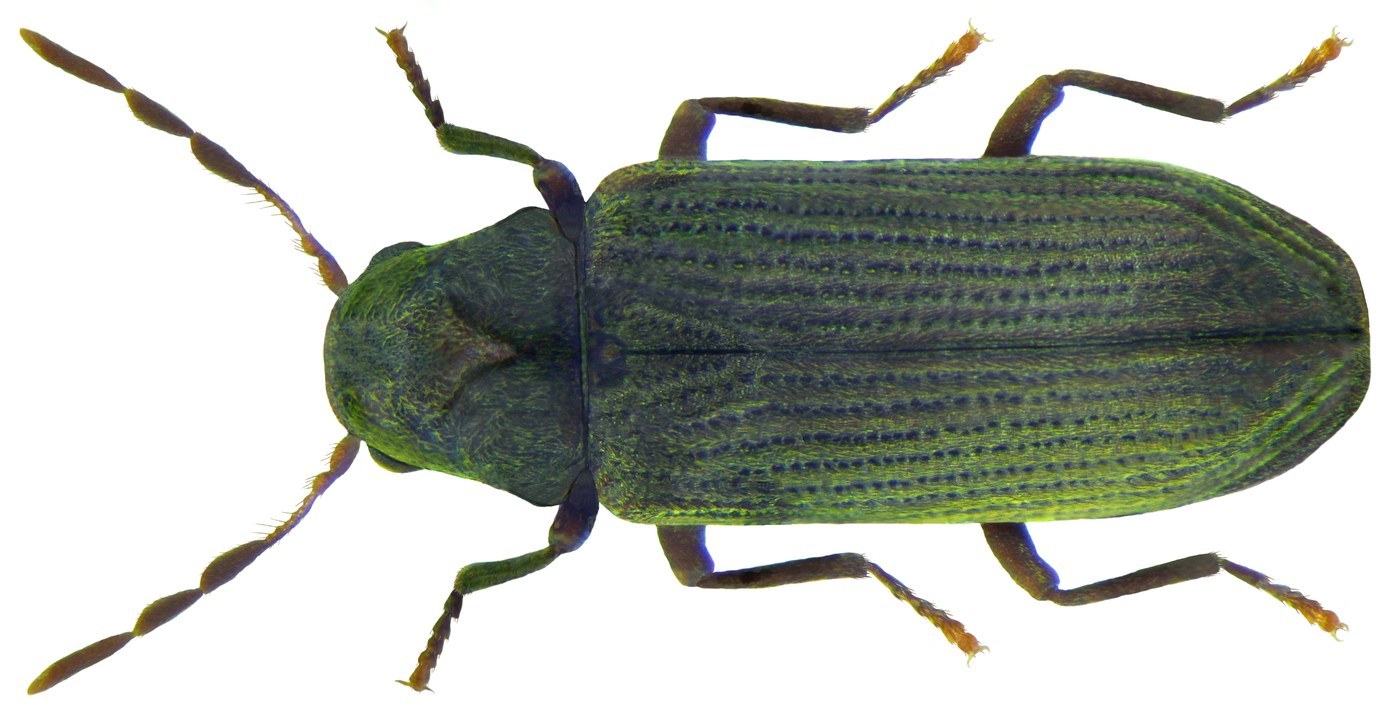
Furniture Beetle
Anobium punctatum
A tiny, reddish-brown to dark brown cylindrical beetle whose larvae, commonly called 'woodworm,' bore small round tunnels through seasoned furniture and timber.
- Size
- 2.7–4.5 mm
- Habitat
- Seasoned softwood and hardwood furniture, structural timber, damp wooden fixtures
- Danger
- Nuisance pest
Spotted a bug like this?
Identify any bug or insect from a photo, free.
Overview
The common furniture beetle is a small wood-boring beetle in the family Ptinidae, closely related to the deathwatch beetle but considerably smaller and more widespread in the types of wood it attacks. It is one of the most frequently encountered wood-boring beetles in temperate regions, largely because its larvae, known popularly as woodworm, readily infest processed timber used in furniture, flooring, and building frameworks.
As a species, Anobium punctatum belongs to a broader group of beetles adapted to a life cycle almost entirely hidden within wood, emerging as adults only briefly to disperse and reproduce. This hidden lifestyle, combined with its tiny exit holes, has made the species a familiar and easily recognized name even to non-entomologists.
In its natural range, the beetle would have developed in dead branches and fallen timber in forests, a role it still performs where wild populations persist outside of buildings.
How to Identify
- Small, cylindrical, hump-backed body about 2.7–4.5 mm long, colored reddish-brown to dark brown.
- Elytra bear rows of fine pits running lengthwise, giving a subtly grooved, dull-textured surface.
- Head is largely hidden beneath a hooded pronotum when viewed from above, similar to related species.
- Exit holes left in wood are small, round, and about 1–2 mm in diameter, often accompanied by fine, gritty frass.
- Lookalikes include the deathwatch beetle and powderpost beetles, but the furniture beetle is noticeably smaller and attacks a wider range of both softwoods and hardwoods.
Habitat & Range
The furniture beetle is native to Europe but has been introduced widely and now occurs in many temperate regions worldwide, closely tied to human structures and wood products. It is found in furniture, floorboards, roof timbers, and other seasoned wood items, particularly where humidity is slightly elevated.
Adults tend to emerge and fly in late spring through summer, seeking mates and new wood surfaces, while larvae remain concealed within timber for most of the year, favoring wood with a degree of moisture that supports larval development.
Behavior & Diet
Larvae feed internally on the wood, tunneling through the grain and consuming cellulose and residual nutrients as they go, gradually weakening the timber's structure from within. Adults feed little if at all, focusing their short lives on flying to new wood, mating, and laying eggs.
In woodland habitats, related wild populations contribute to the decomposition of fallen branches and dead wood, aiding nutrient cycling. Within buildings and furniture, the species is considered a common household wood pest, though no treatment guidance is provided here.
Life Cycle
Development proceeds through complete metamorphosis: egg, larva, pupa, and adult. Eggs are laid in cracks, joints, or old exit holes in bare wood, and larvae tunnel inward upon hatching.
The larval stage typically lasts two to five years depending on wood moisture and temperature, with the larva forming a pupal chamber near the surface before pupating. Adults emerge by chewing a round exit hole, and their above-ground life is brief—often only a few weeks—during which mating and egg-laying occur before the cycle repeats.
Frequently asked questions
Is 'woodworm' a different insect from the furniture beetle?
No, 'woodworm' is simply the common name for the larval stage of the furniture beetle.
How can I recognize furniture beetle damage?
Look for small round exit holes about 1–2 mm across in wood surfaces, sometimes with fine powdery frass nearby.
Does it only attack old furniture?
It attacks seasoned wood generally, including structural timber and flooring, not just furniture specifically.
How long do the larvae stay inside the wood?
The larval stage can last from about two to five years before the beetle emerges as an adult.
Furniture Beetle guides
In-depth guides for identifying, understanding, and living alongside Furniture Beetle.
Other bugs you may enjoy
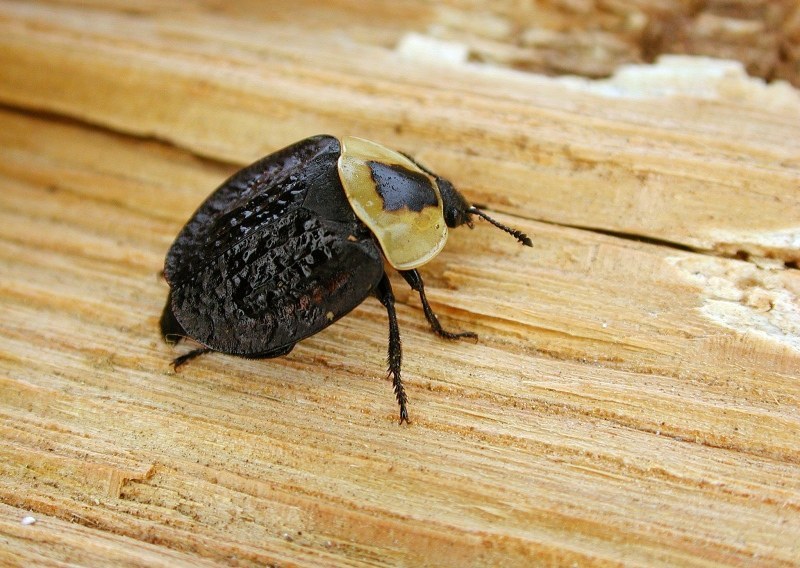
American Carrion Beetle
Forests, fields, and roadsides across North America, near decaying animal carcasses
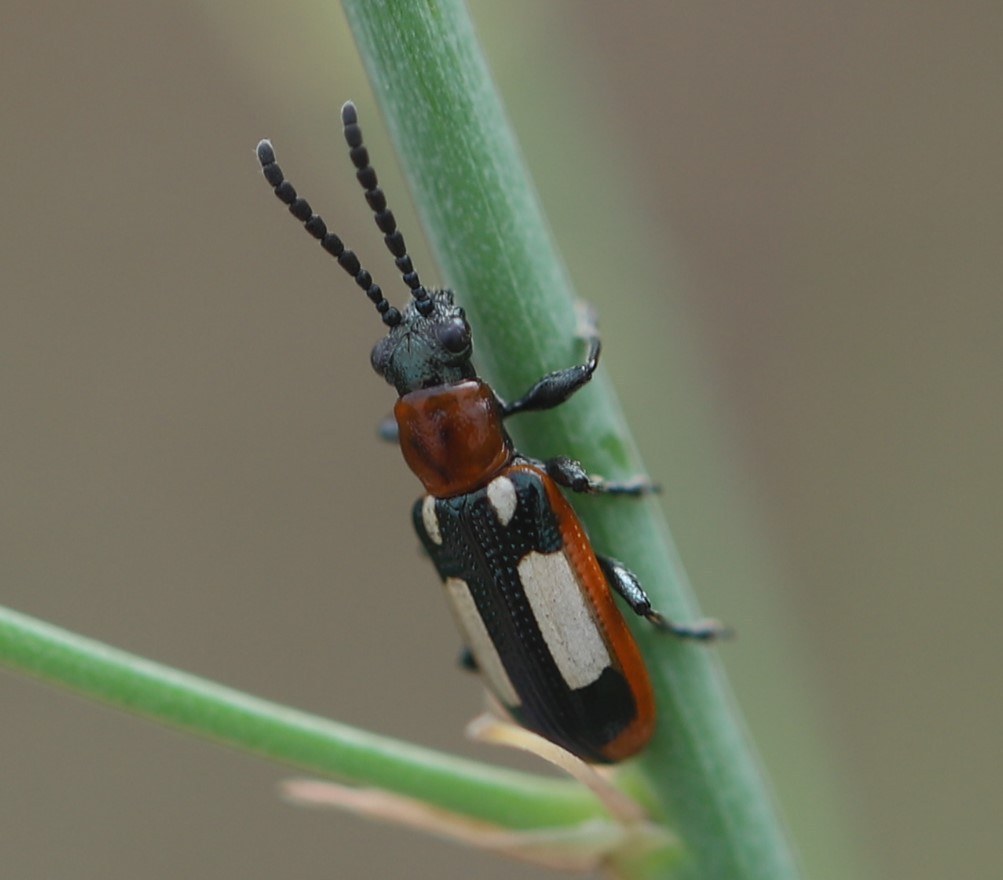
Asparagus Beetle
Asparagus patches, gardens, and farm fields
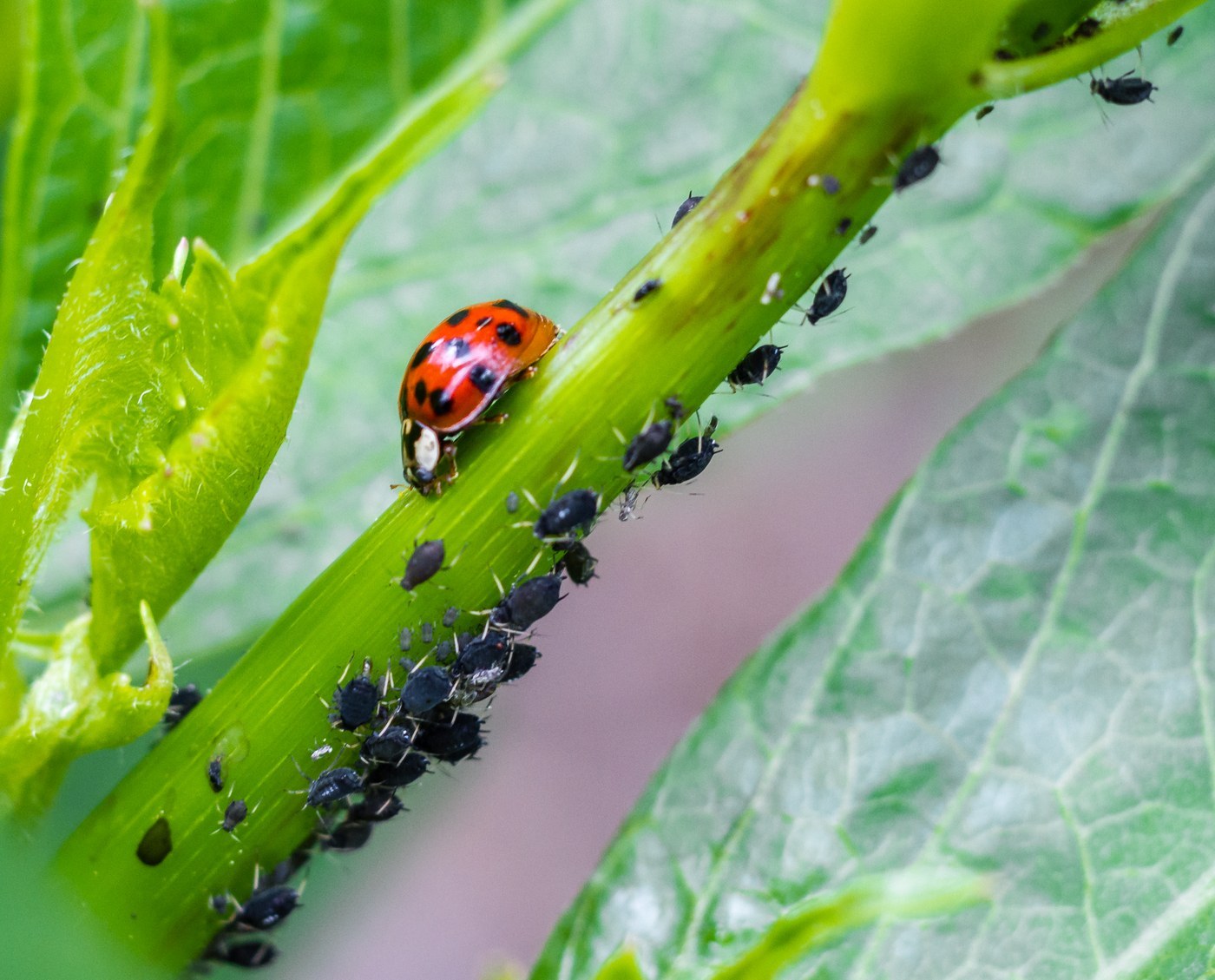
Asian Lady Beetle
Gardens, crop fields, woodlands, buildings
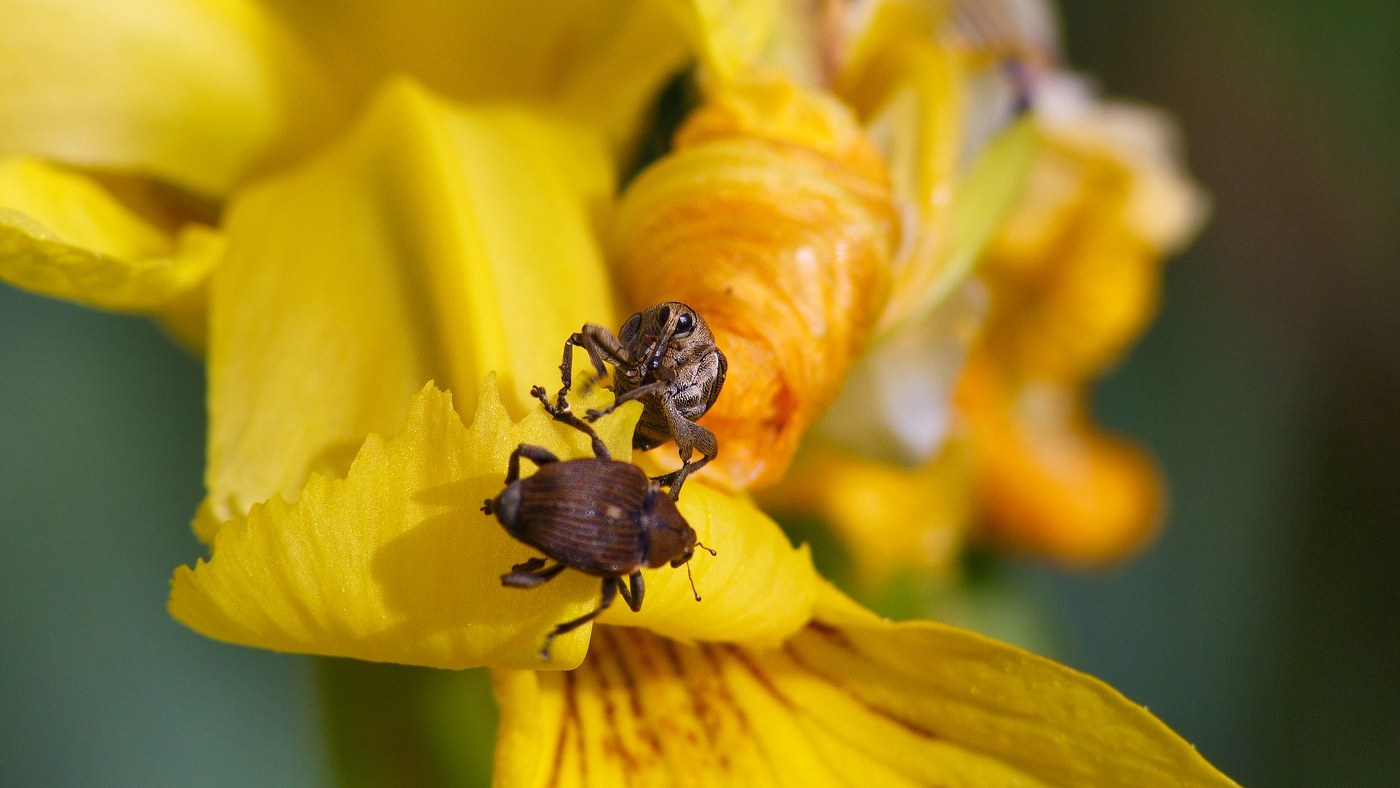
Acorn Weevil
Oak woodlands and forests, on and beneath oak trees
Wireworm
Soil of grasslands, gardens, and cultivated fields worldwide
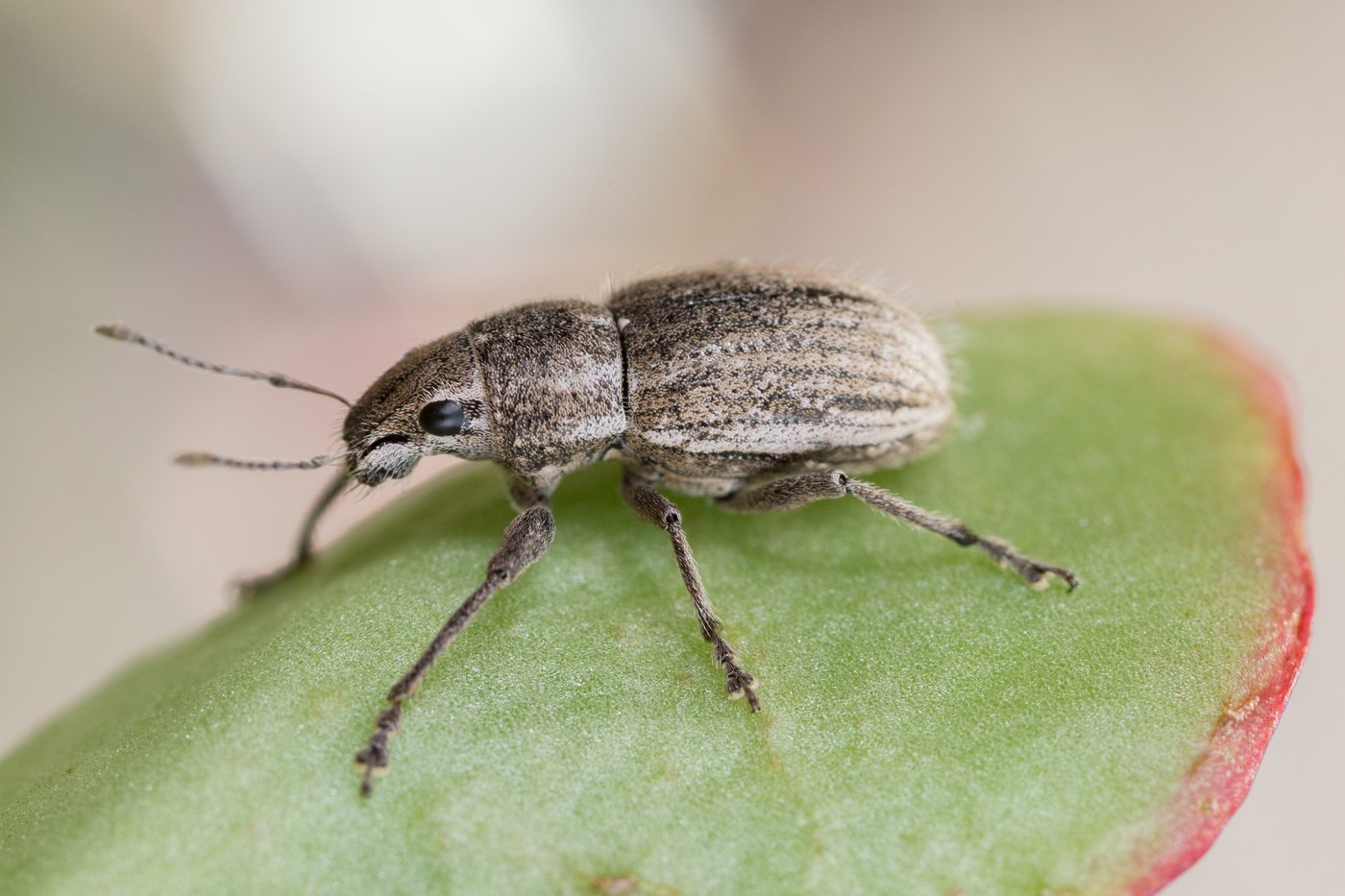
Whitefringed Beetle
Pastures, row crops, lawns, disturbed soils
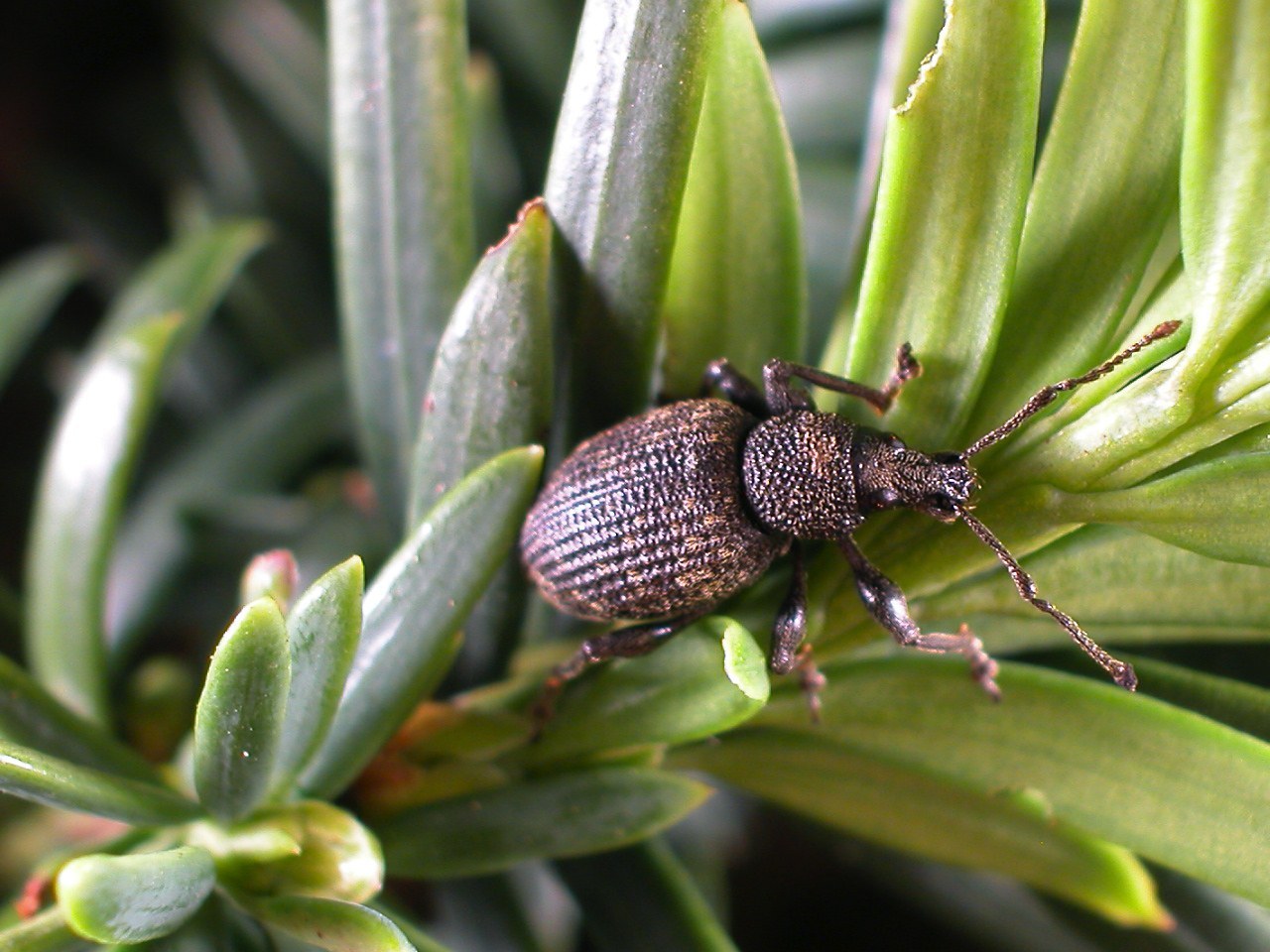
Vine Weevil
Gardens, nurseries, greenhouses, and container plantings
Varied Carpet Beetle
Homes, nests of birds and mammals, and flowers outdoors
Atlas Beetle
Tropical forests of Southeast Asia
Titan Beetle
Amazon rainforest of South America
Ten-lined June Beetle
Sandy soils, pine forests, and orchards of western North America
Squash Beetle
Vegetable gardens and fields growing squash, pumpkin, and other cucurbits