
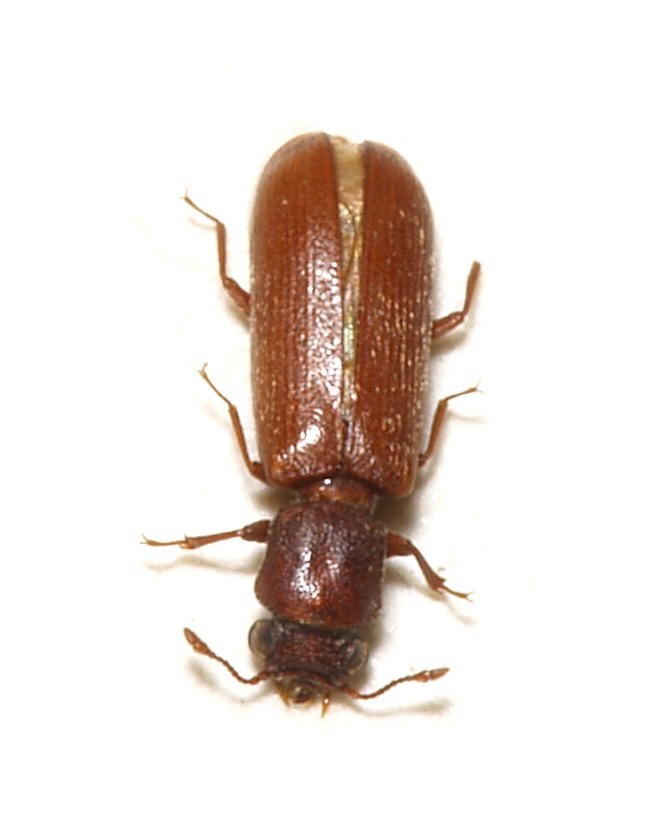
Powderpost Beetle
Lyctus spp.
A small, slender reddish-brown to dark brown beetle whose larvae tunnel through seasoned hardwood, reducing it internally to a fine, powdery frass.
- Size
- 2–7 mm
- Habitat
- Seasoned hardwood, furniture, flooring, and structural timber
- Danger
- Nuisance pest
Spotted a bug like this?
Identify any bug or insect from a photo, free.
Overview
Powderpost beetles belong to the subfamily Lyctinae within the family Bostrichidae, a group of wood-boring beetles named for the fine, flour-like powder (frass) their larvae leave behind as they tunnel through wood. Several genera and species are grouped under this common name, with Lyctus being the most frequently encountered genus.
These beetles are notable in the wider insect world for their specialized diet: the larvae feed exclusively on the starch content within the pores of certain hardwoods, meaning they are largely restricted to species like oak, ash, hickory, and bamboo rather than softwoods. This dietary specialization sets them apart from many other wood-boring beetle families.
Because their larval tunneling can occur unseen inside wood for a long time before adults emerge, powderpost beetles are a well-known group among beetles associated with processed lumber and wood products worldwide.
How to Identify
- Small, narrow, flattened body, typically 2–7 mm long, colored reddish-brown to blackish-brown.
- Head is visible from above (not hidden under the thorax), distinguishing them from some other wood-boring beetle families.
- Antennae end in a two-segmented club, a useful identifying feature under magnification.
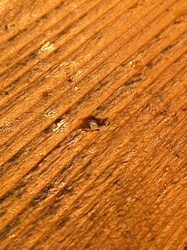
- Exit holes in wood are small and round, about 1–2 mm across, often surrounded by fine powdery frass.
- Lookalikes include deathwatch and furniture beetles, but powderpost beetles are more slender and their frass is notably fine and flour-like rather than gritty.
Habitat & Range
Powderpost beetles are found wherever seasoned hardwood is present, including furniture, flooring, tool handles, structural beams, and stored lumber. They occur across most temperate and subtropical regions worldwide, often spreading through the trade of unfinished or improperly dried wood products.
Adults are most active in warmer months when they emerge from wood to mate and seek new egg-laying sites, while larvae remain hidden within timber for most of the year, feeding quietly out of sight.
Behavior & Diet
Larvae feed internally on the starch-rich sapwood of hardwoods, tunneling in random directions and packing their tunnels with fine, powdery frass as they go. Adults do not feed significantly and are mainly concerned with dispersal, mating, and locating new wood surfaces suitable for egg-laying, favoring wood with open pores that allow eggs to be inserted.
Because of their wood-boring habit, powderpost beetles are considered a structural or furniture pest in homes and warehouses, though no treatment methods are covered here. In natural settings, related species contribute to the breakdown of dead hardwood trees and branches.
Life Cycle
Development is by complete metamorphosis: egg, larva, pupa, and adult. Female beetles insert eggs into the open pores of bare, unfinished hardwood, and the larvae bore inward upon hatching.
The larval stage is the longest, often lasting one to several years depending on wood moisture and starch content, during which the larva tunnels extensively before forming a pupal chamber near the wood surface. Adults chew a small round exit hole to emerge, mate, and repeat the cycle; multiple generations can occur within a single piece of infested wood over successive years.
Frequently asked questions
How can I tell powderpost beetle damage from other wood-boring beetles?
Powderpost beetle frass is exceptionally fine and flour-like, and exit holes are small and round, roughly 1–2 mm in diameter.
Do powderpost beetles attack softwoods like pine?
Typically not; they favor hardwoods with starch-rich, open-pored sapwood such as oak, ash, and hickory.
Are the larvae or the adults responsible for the wood damage?
The larvae do virtually all the tunneling and feeding; adults mainly emerge to disperse and lay new eggs.
How big is a powderpost beetle?
Adults are quite small, generally 2–7 mm in length, slender, and reddish-brown to dark brown.
Powderpost Beetle guides
In-depth guides for identifying, understanding, and living alongside Powderpost Beetle.
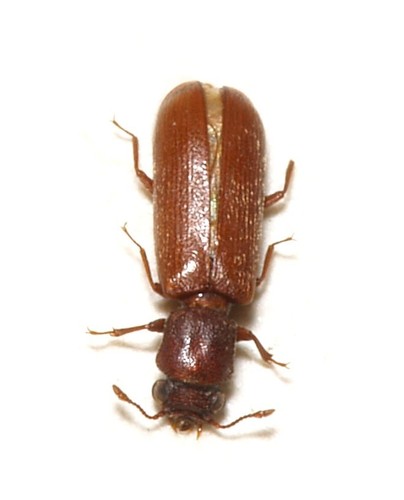
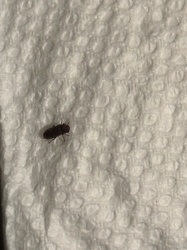
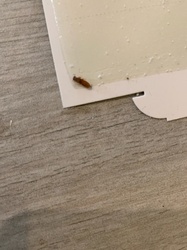
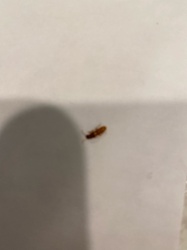
Powderpost Beetle identified by the community
Real finds identified with Bug Identifier.
Other bugs you may enjoy
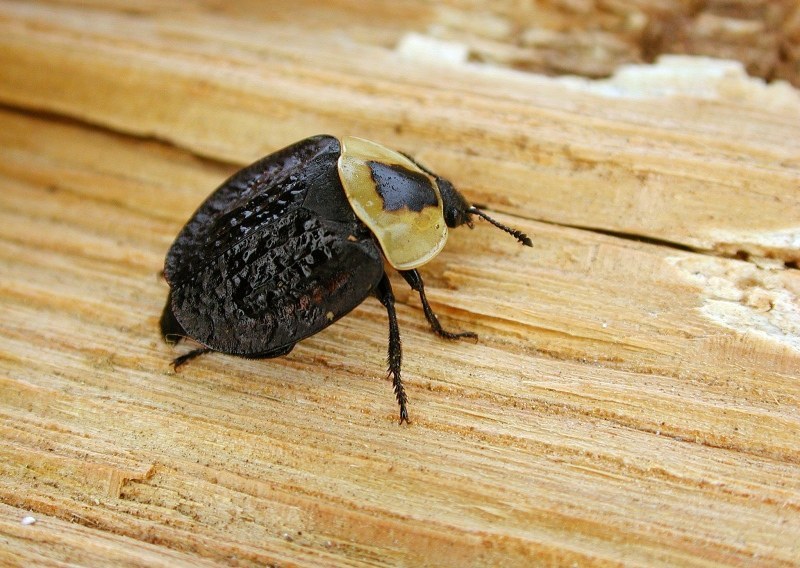
American Carrion Beetle
Forests, fields, and roadsides across North America, near decaying animal carcasses
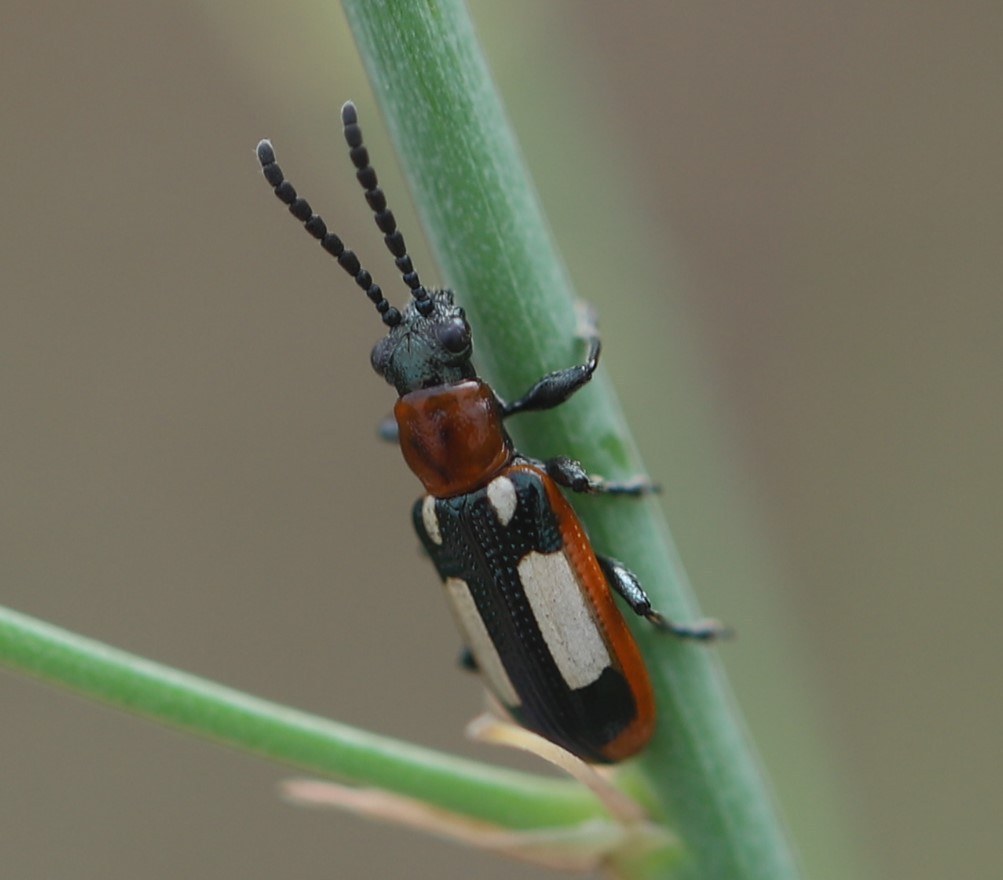
Asparagus Beetle
Asparagus patches, gardens, and farm fields
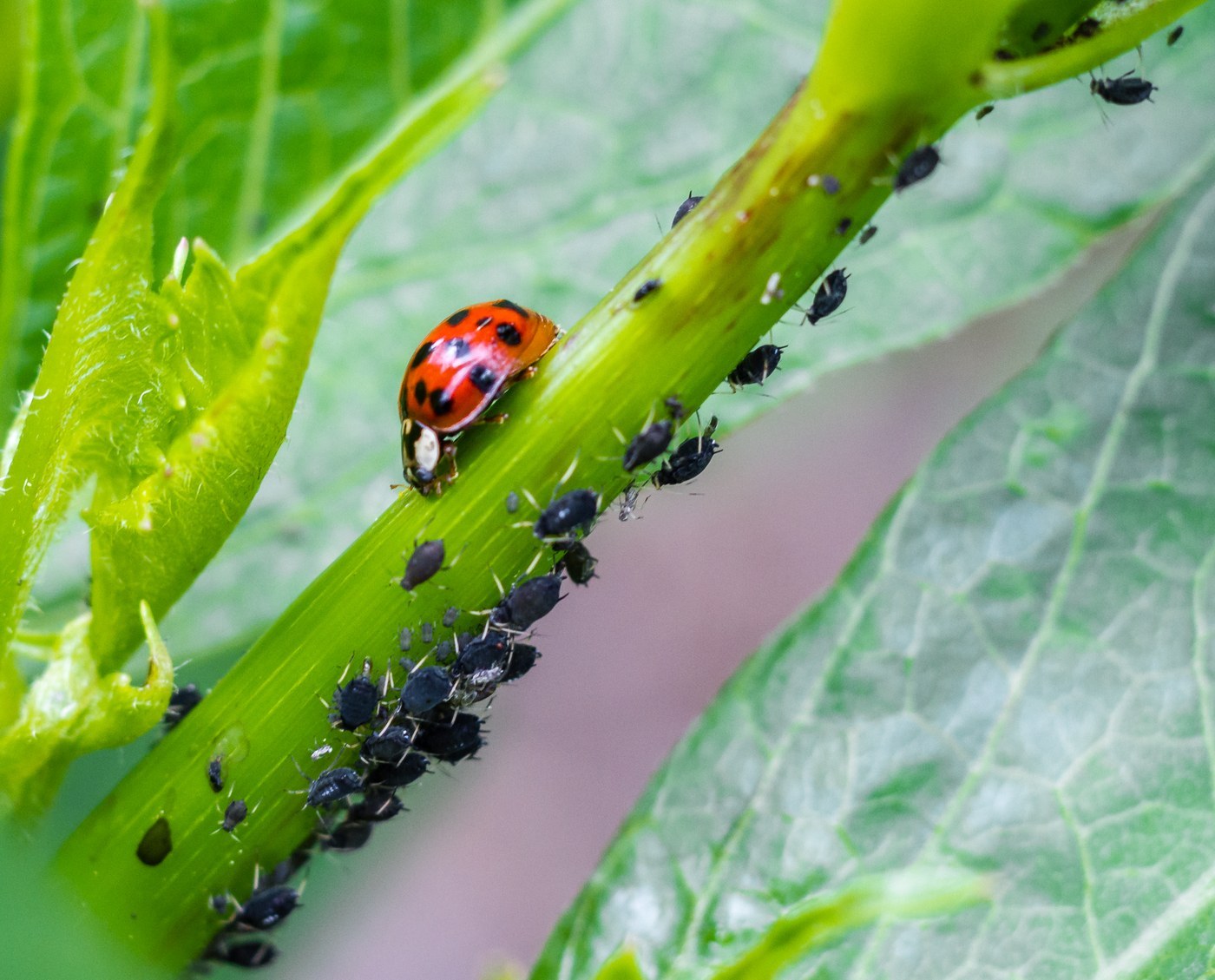
Asian Lady Beetle
Gardens, crop fields, woodlands, buildings
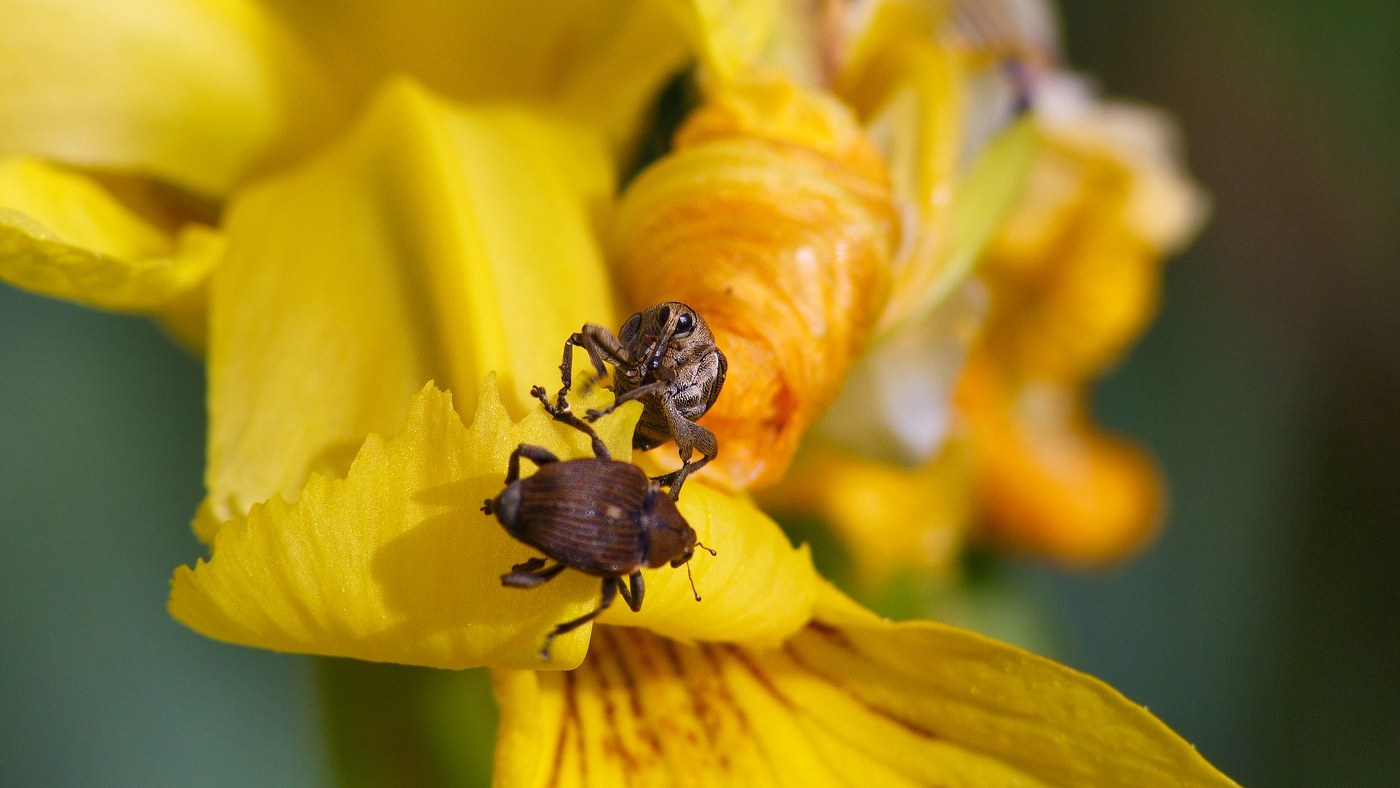
Acorn Weevil
Oak woodlands and forests, on and beneath oak trees
Wireworm
Soil of grasslands, gardens, and cultivated fields worldwide
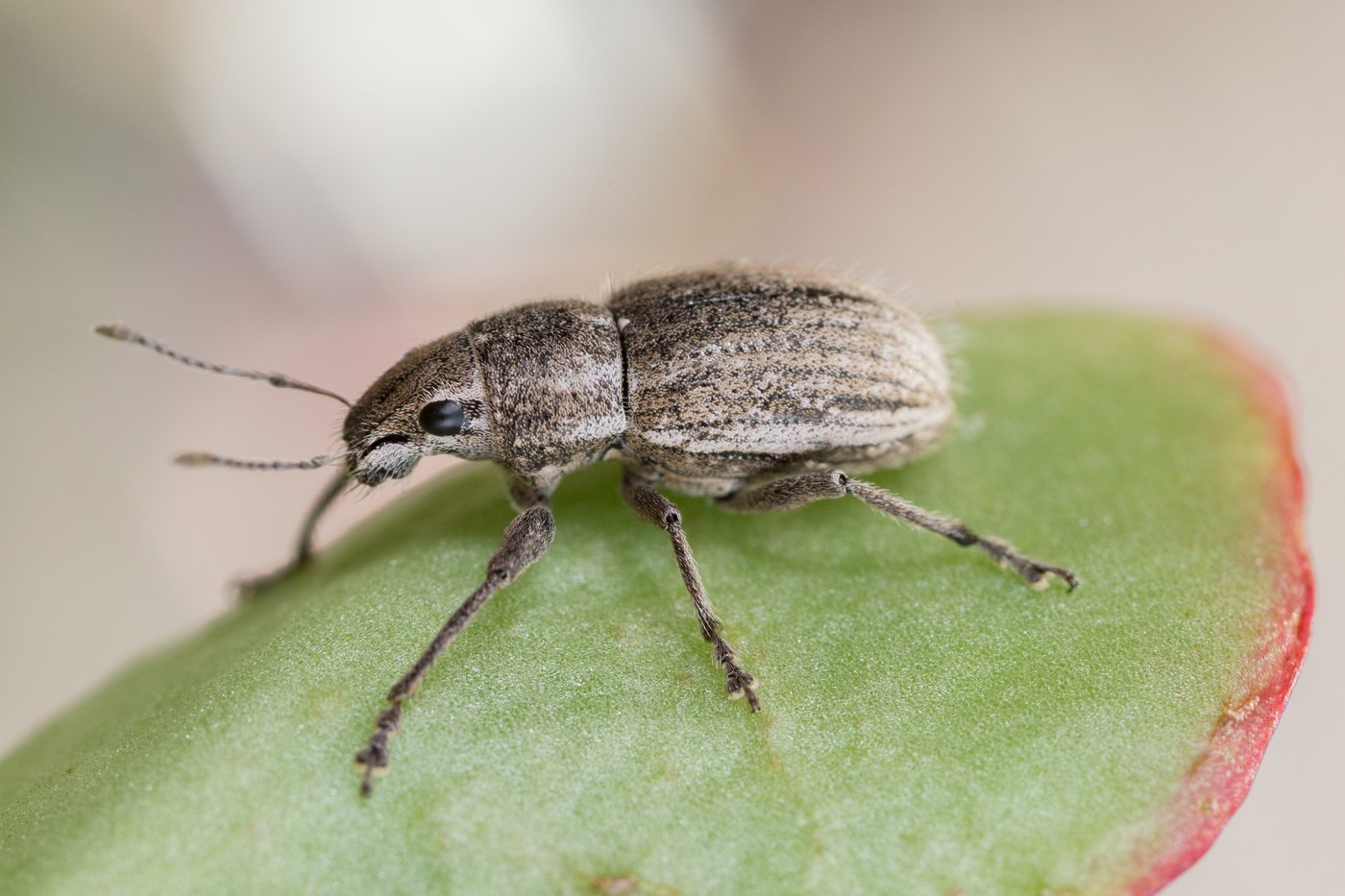
Whitefringed Beetle
Pastures, row crops, lawns, disturbed soils
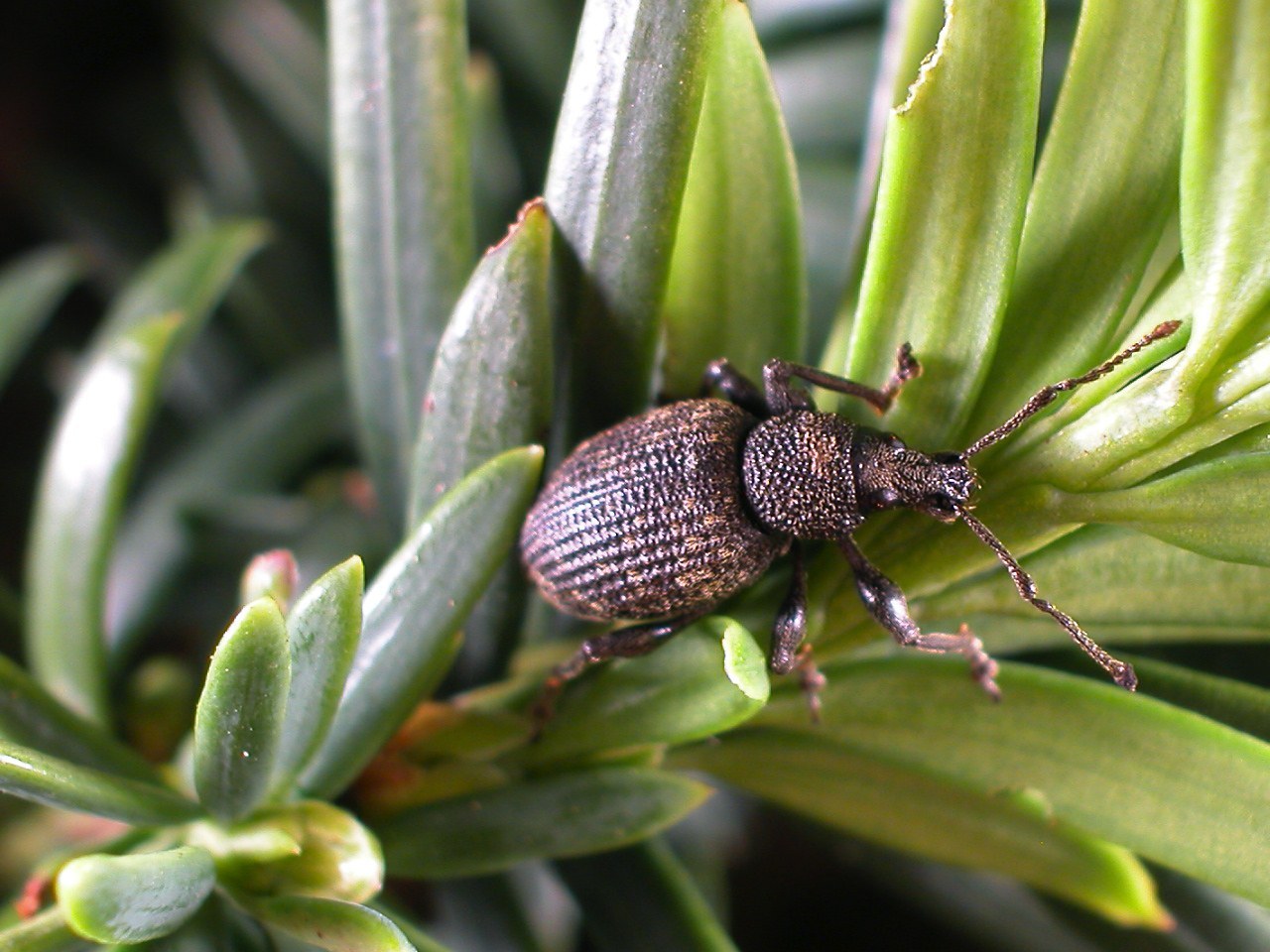
Vine Weevil
Gardens, nurseries, greenhouses, and container plantings
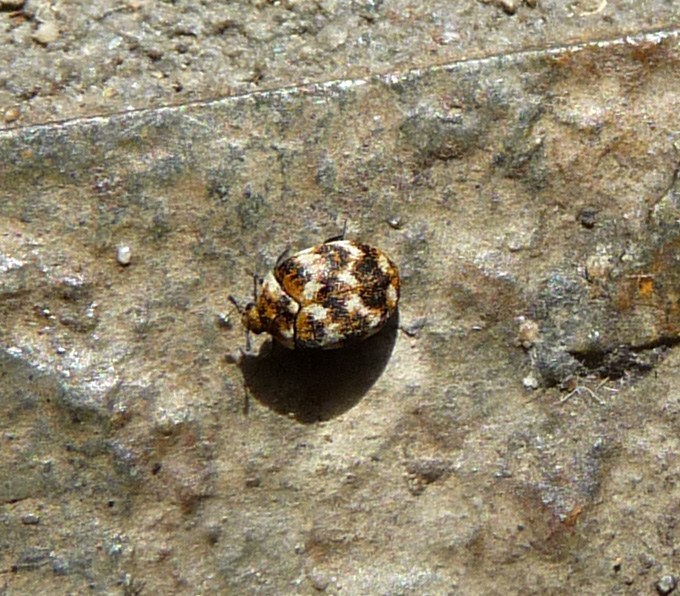
Varied Carpet Beetle
Homes, nests of birds and mammals, and flowers outdoors
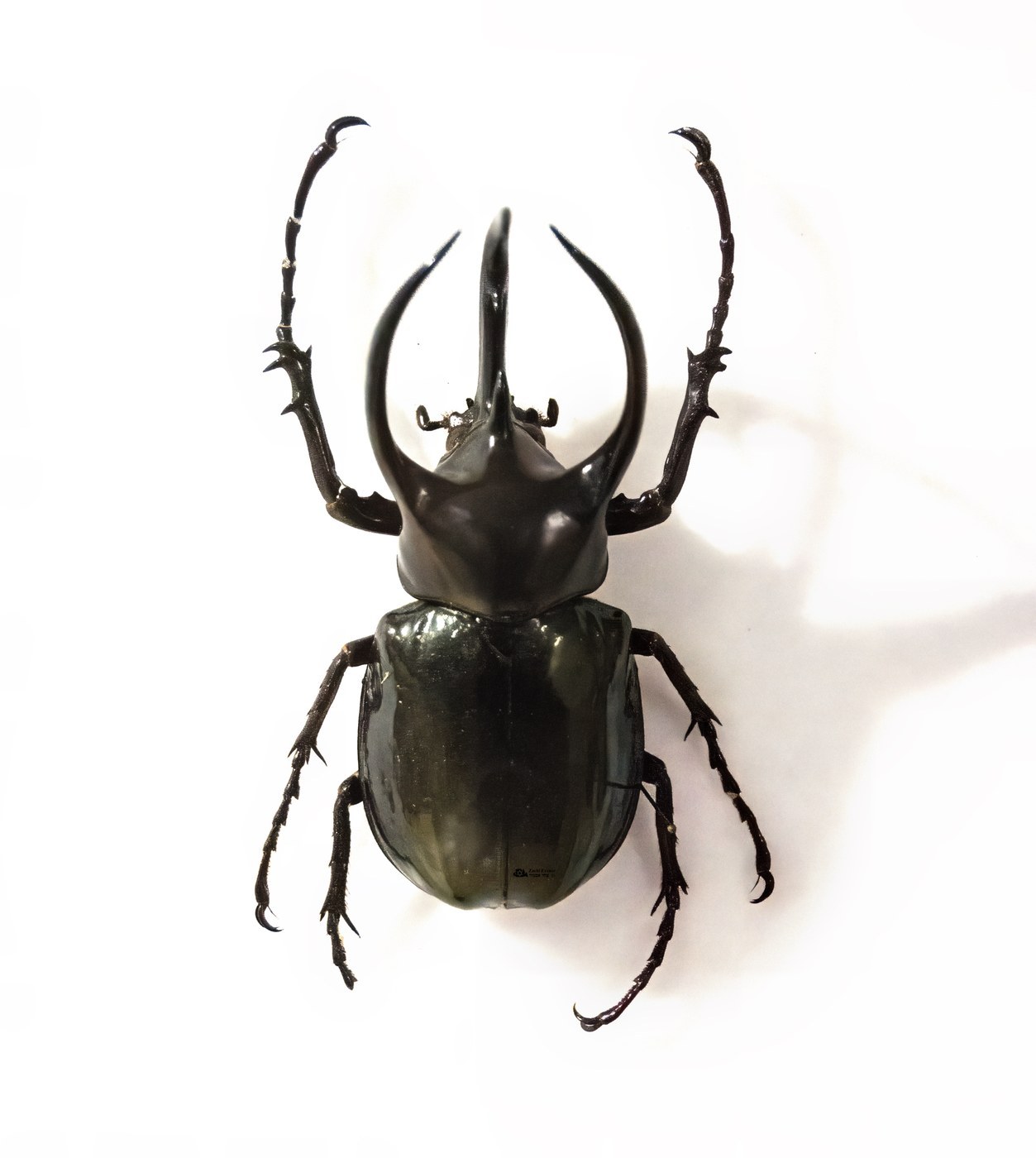
Atlas Beetle
Tropical forests of Southeast Asia
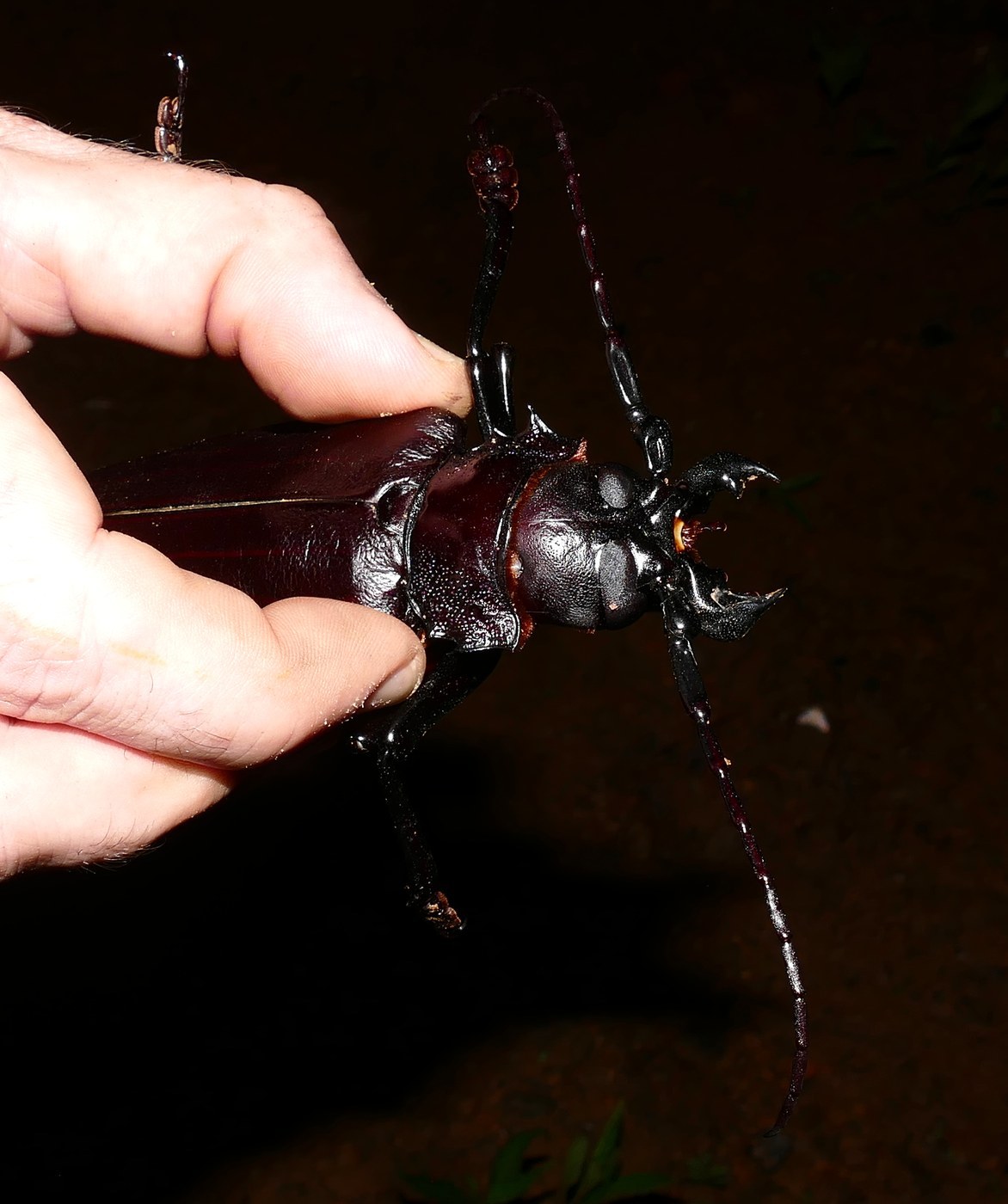
Titan Beetle
Amazon rainforest of South America
Ten-lined June Beetle
Sandy soils, pine forests, and orchards of western North America
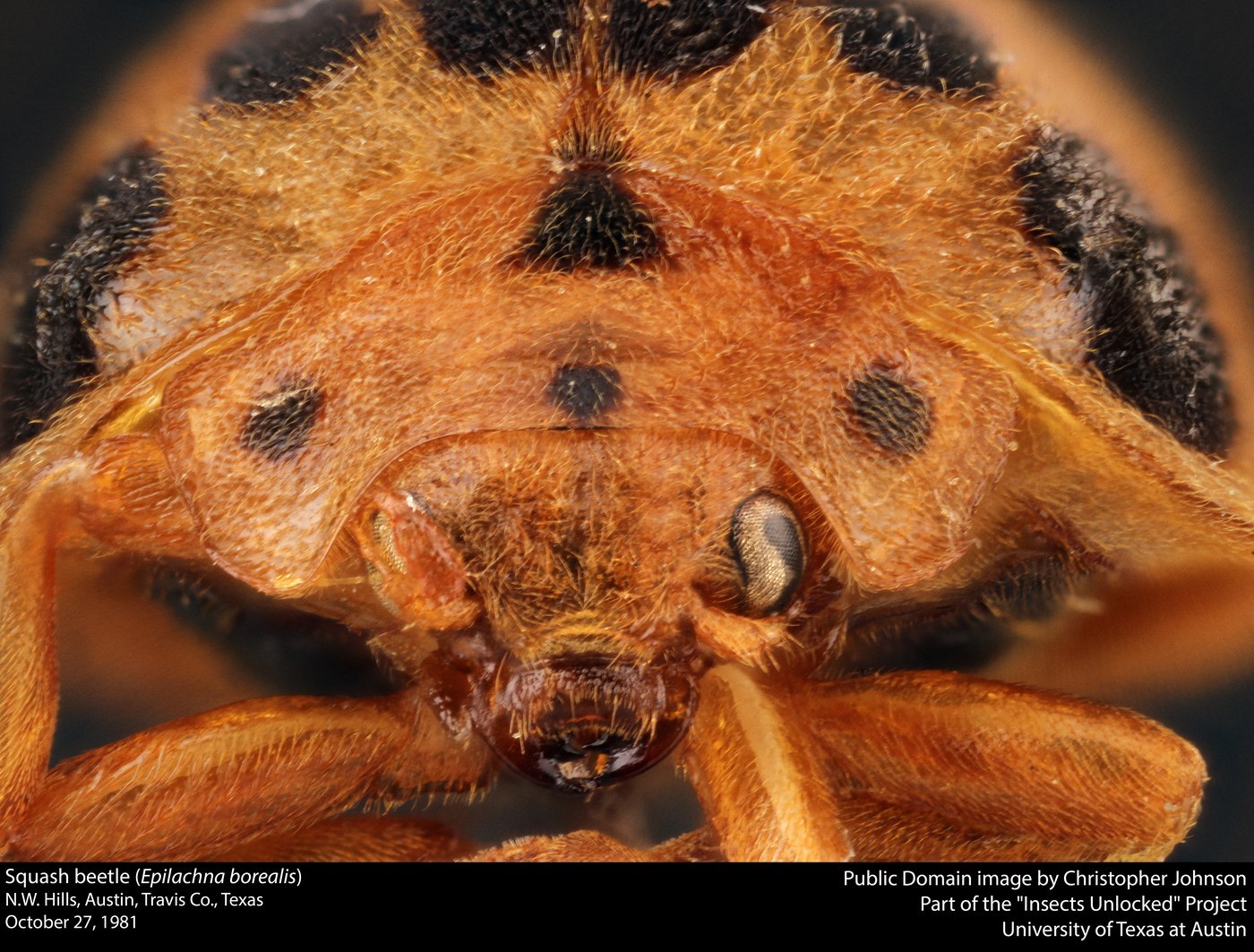
Squash Beetle
Vegetable gardens and fields growing squash, pumpkin, and other cucurbits