
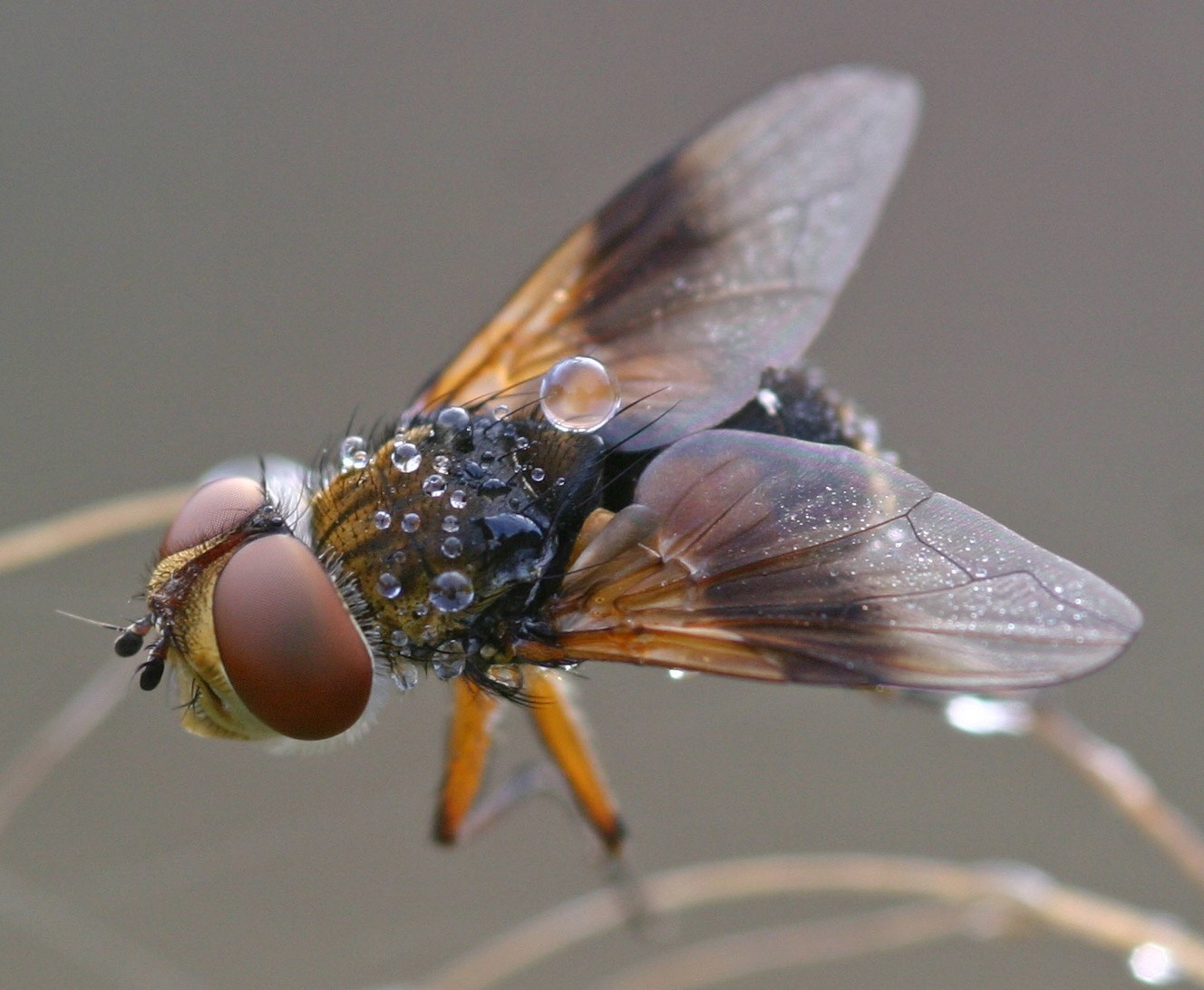
Tachinid Fly
Tachinidae spp.
A bristly, house-fly-like insect that looks unremarkable at a glance but hides one of the most important ecological roles among flies: its larvae develop as internal parasites of caterpillars, beetles, and other insects, quietly regulating populations across the landscape. Gardeners often welcome tachinid flies as natural allies against crop-damaging pests.
- Size
- 6–15 mm, bristly and robust
- Habitat
- Gardens, meadows, and woodlands wherever host caterpillars and other insects occur
- Danger
- Harmless
Spotted a bug like this?
Identify any bug or insect from a photo, free.
Overview
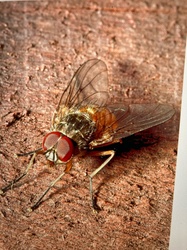
Tachinid flies make up the family Tachinidae, one of the largest and most ecologically important fly families, with many thousands of species distributed worldwide. Adults are typically stout-bodied and covered in stiff bristles, especially toward the tip of the abdomen, giving them a somewhat rugged, spiky appearance compared to the smoother bodies of house flies and blow flies to which they are related.
The defining feature of the family is a parasitic larval stage: female tachinids lay eggs on or near a host insect, most commonly caterpillars, beetle larvae, true bugs, or grasshoppers, and the hatching larvae burrow into the host's body to feed internally, eventually killing it as they complete development. Different species use different delivery methods, including gluing eggs directly to the host's skin, depositing eggs on foliage the host is likely to eat, or even injecting live larvae directly into the host.
Because of this parasitic relationship, tachinid flies are considered important natural regulators of many insect populations, including numerous agricultural and forest pests, and are frequently studied and sometimes intentionally introduced as part of biological pest management programs.
How to Identify
- Robust, bristly fly, generally 6–15 mm long, often gray, black, or brown, sometimes with an orange or reddish abdomen
- Abdomen typically bears a row of prominent stiff bristles near the tip, a key identifying feature of the family
- Head is broad with large eyes and a strongly bristled face
- Wings are clear and held flat over the body at rest, with a fast, direct flight similar to a house fly
- Distinguished from house flies and blow flies mainly by the heavier bristling, especially the conspicuous bristles at the abdomen tip
Habitat & Range
Tachinid flies are found nearly worldwide in habitats ranging from gardens and meadows to forests and agricultural fields, wherever suitable host insects are present. Adults are commonly seen visiting flowers, especially those in the carrot and daisy families, for nectar, while searching nearby foliage for host caterpillars or other insects on which to lay eggs. Activity peaks during the warmer months when host insect populations, particularly caterpillars, are most abundant.
Behavior & Diet
Adult tachinid flies feed on nectar and pollen, making them incidental pollinators of many flowering plants, while females devote much of their activity to locating suitable host insects for their parasitic larvae. Depending on the species, eggs may be glued directly onto a host's body, scattered on foliage for the host to accidentally ingest, or, in some species, larvae are deposited alive directly onto or into the host. Within the ecosystem, tachinid flies serve as important natural enemies of caterpillars, beetle larvae, and other insects, helping to regulate the populations of many species that would otherwise damage garden and agricultural plants.
Life Cycle
Depending on the species, eggs are laid on the host's body, on foliage likely to be eaten by the host, or as live larvae deposited directly onto or into the host. Once inside, the tachinid larva feeds on the host's internal tissues while carefully avoiding vital organs at first, allowing the host to continue living and feeding for a time before the parasite completes development and the host dies. The mature larva then exits the host to pupate, either in the soil or within the remains of the host, and adults emerge after a period of days to weeks depending on temperature, with many species producing multiple generations per year in warm climates.
Frequently asked questions
Are tachinid flies harmful to garden plants?
No, adults feed only on nectar and pollen, and the parasitic larvae attack other insects rather than plants, making the family generally beneficial in gardens.
How do tachinid fly larvae get inside a host insect?
Methods vary by species and include gluing eggs to the host's body, laying eggs on foliage the host will eat, or depositing live larvae directly onto or into the host.
What insects do tachinid flies typically parasitize?
Common hosts include caterpillars, beetle larvae, true bugs, and grasshoppers, though specific host preferences vary widely among the many species in the family.
How can I recognize a tachinid fly?
Look for a bristly, robust fly with a row of stiff bristles near the tip of the abdomen, generally larger and spinier than a typical house fly.
Tachinid Fly guides
In-depth guides for identifying, understanding, and living alongside Tachinid Fly.
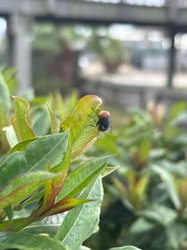
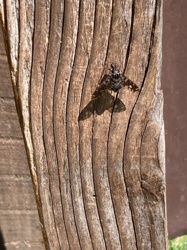
Tachinid Fly identified by the community
Real finds identified with Bug Identifier.
Other bugs you may enjoy
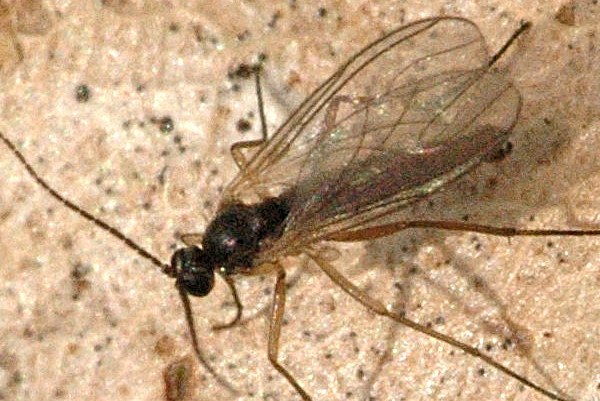
Aphid Midge
Gardens, greenhouses, and crops with aphids
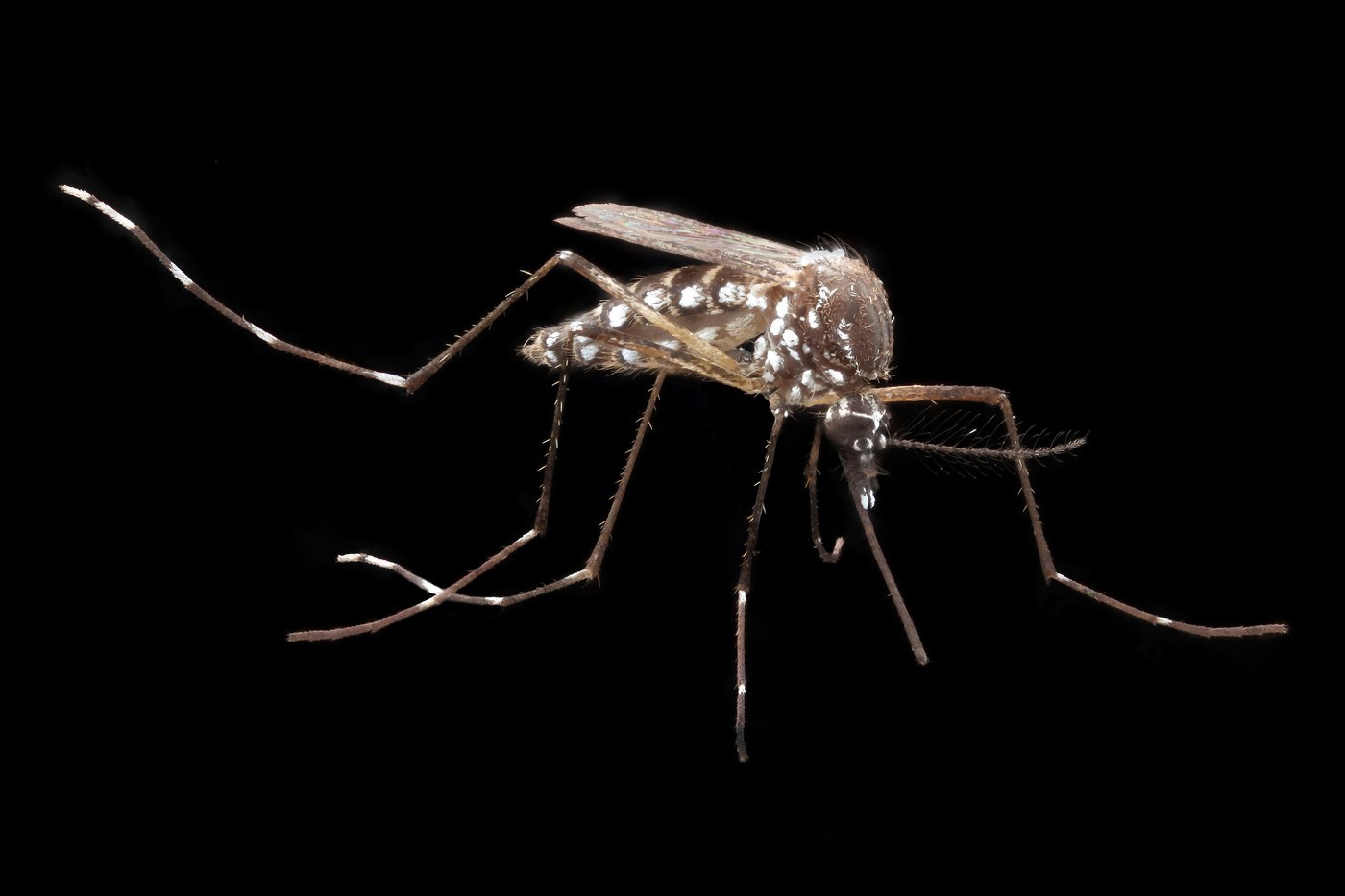
Yellow Fever Mosquito
Urban and peri-urban areas near small artificial water containers in tropical and subtropical regions worldwide
Root Maggot
Garden and field soil around the roots of cole crops and other vegetables
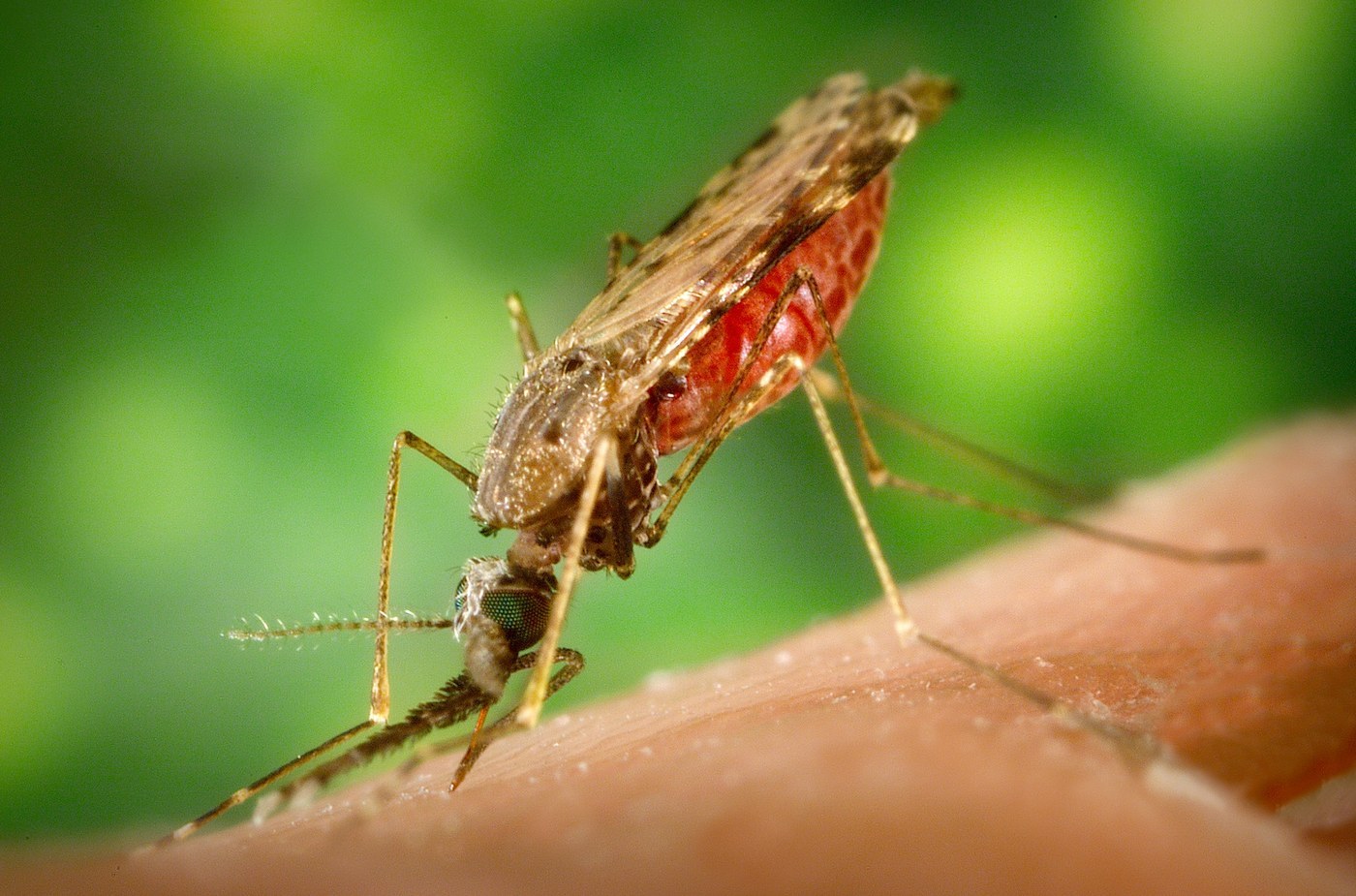
Anopheles Mosquito
Clean, still or slow-moving freshwater habitats such as marshes, ponds, and rice paddies
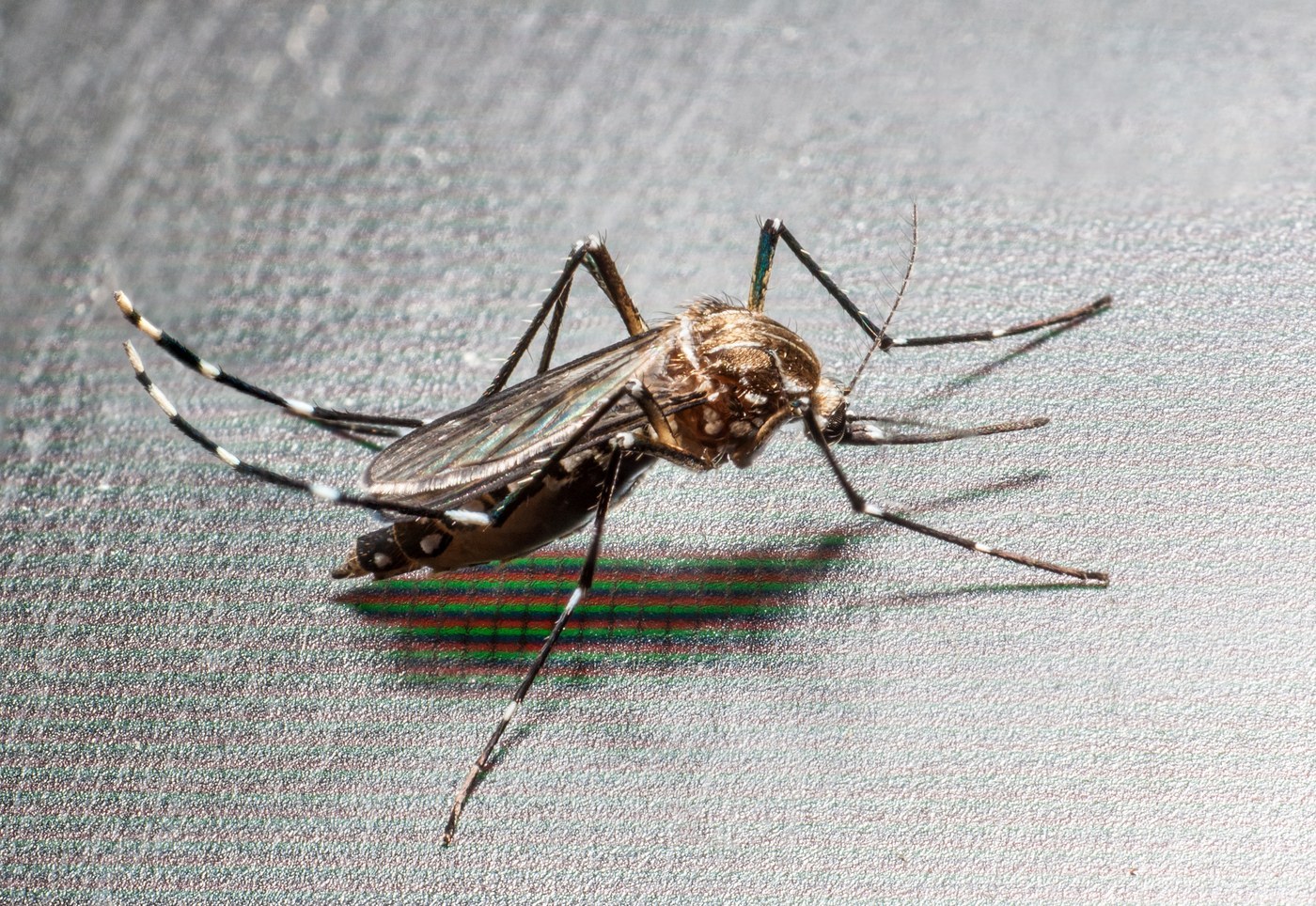
Asian Tiger Mosquito
Shaded urban and suburban areas near small water-holding containers, tires, and tree holes; native to Southeast Asia, now widespread
Tsetse Fly
Wooded savanna, riverine thickets, and forest edges across sub-Saharan Africa
Vinegar Fly
Around overripe fruit, compost, and fermenting materials worldwide
Yellow Dung Fly
Pastures and fields with fresh cattle dung
Screwworm Fly
Warm, humid lowlands of the Americas, especially near livestock and wildlife wounds
Soldier Fly
Wetland margins, decaying organic matter, and vegetation near water
Punkie
near marshes, mudflats, ponds, and other standing water
Warble Fly
Pastures and rangeland wherever cattle and other large grazing mammals occur