
Bug Encyclopedia
Search and identify bugs & insects — beetles, butterflies, moths, ants, bees, spiders and more — with size, habitat, danger, behavior, and how to tell them apart.
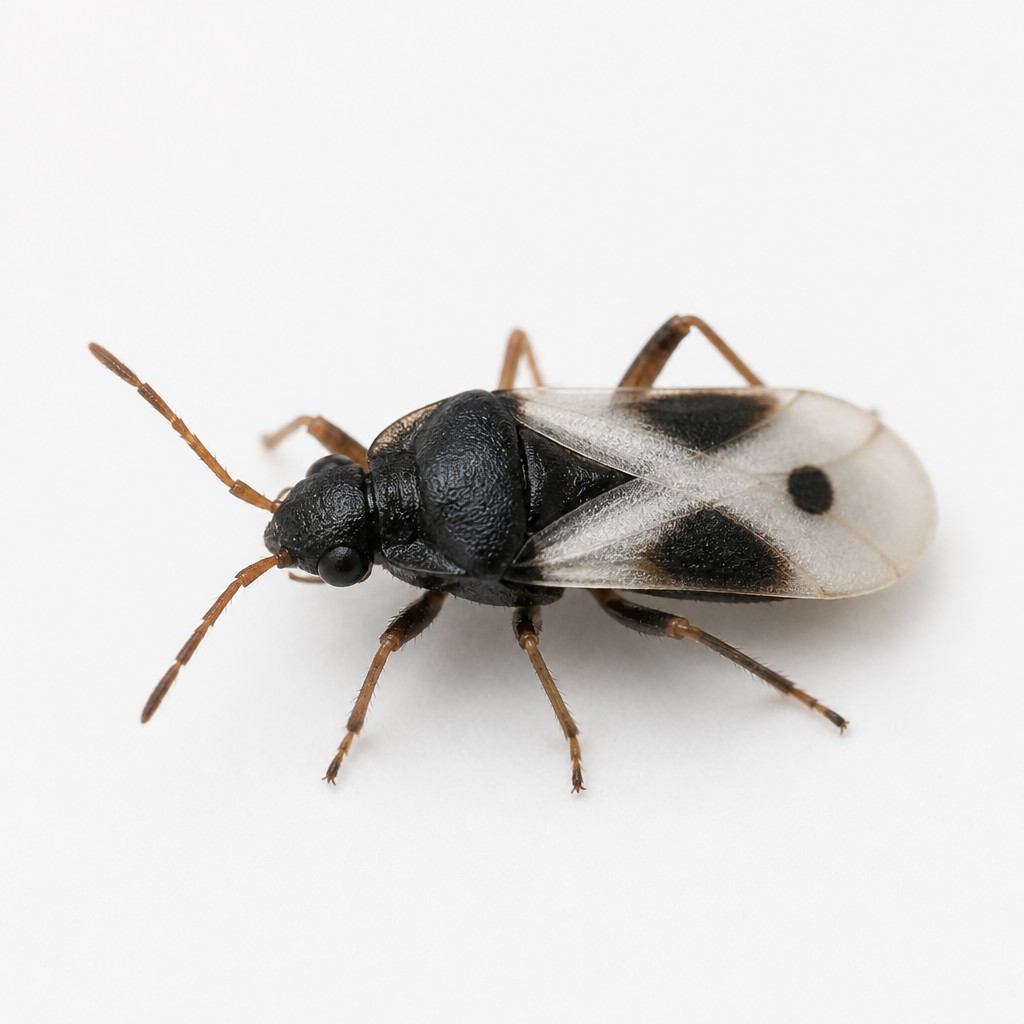
Chinch Bug
A tiny black-and-white true bug that feeds on grasses, often overlooked individually but capable of forming dense colonies in sunny, dry patches of lawn.
true-bug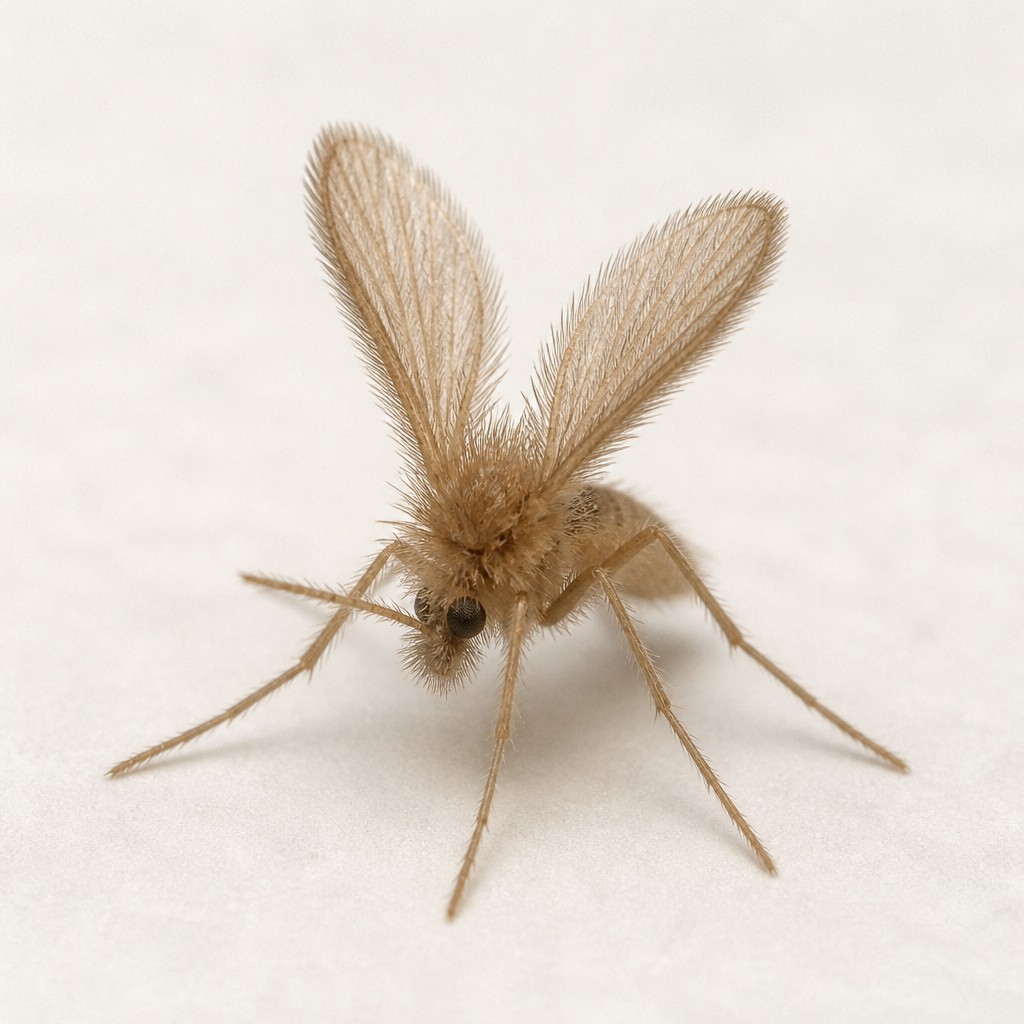
Sand Fly
A tiny, densely hairy fly that holds its wings erect in a distinctive V-shape and travels in short, silent hops rather than sustained flight.
fly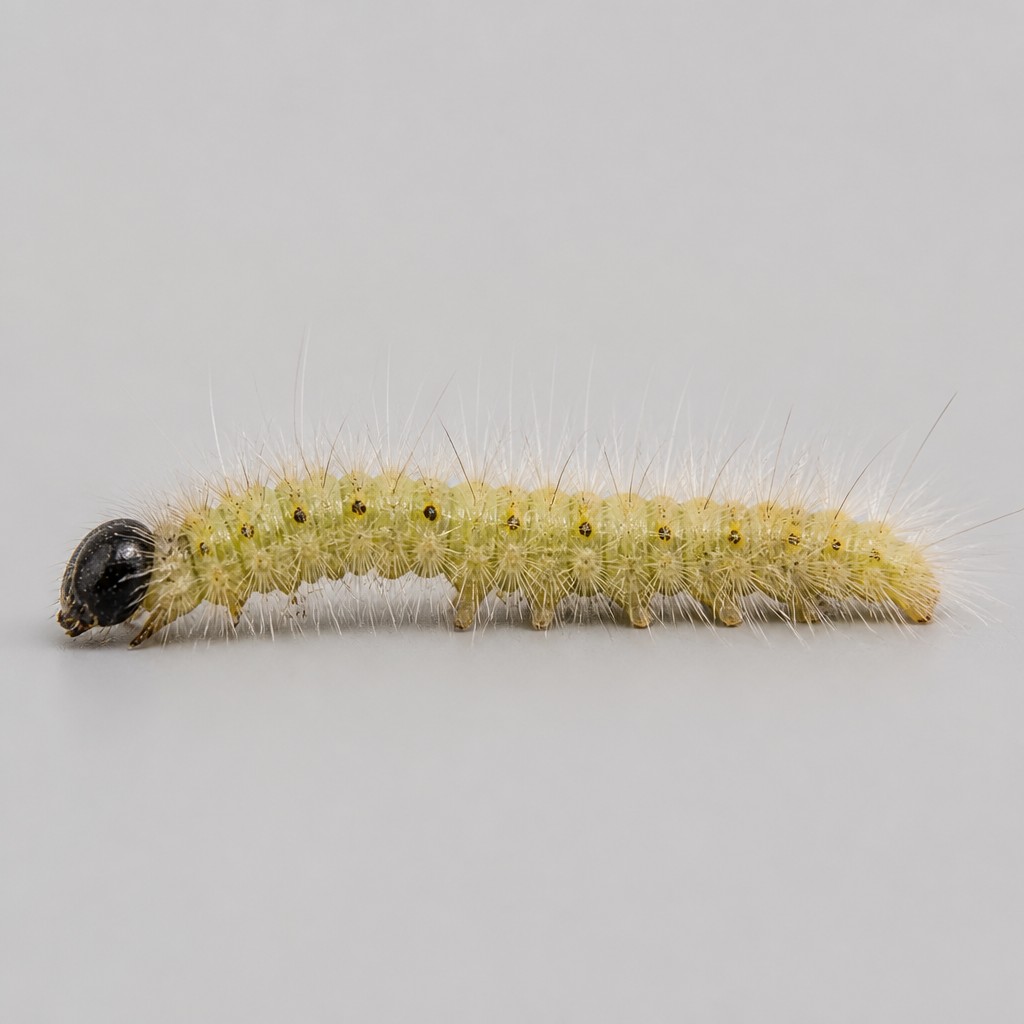
Fall Webworm
A pale, hairy caterpillar that spins loose, messy silk webs enclosing entire leaf clusters at the tips of tree branches, becoming especially noticeable in late summer and fall.
caterpillar-larva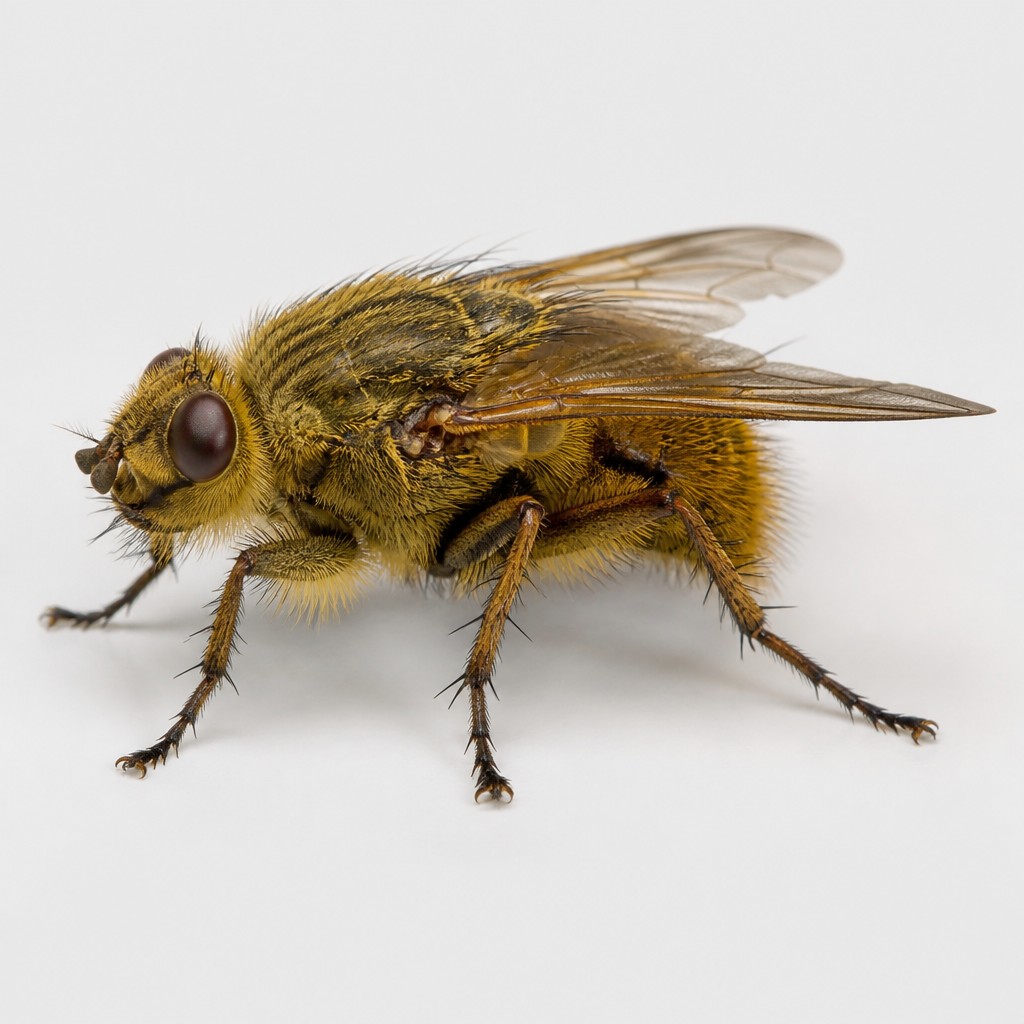
Dung Fly
A hairy, often golden-hued fly commonly seen perched on fresh manure in pastures, where it hunts smaller insects as an adult while its larvae develop within the dung itself.
fly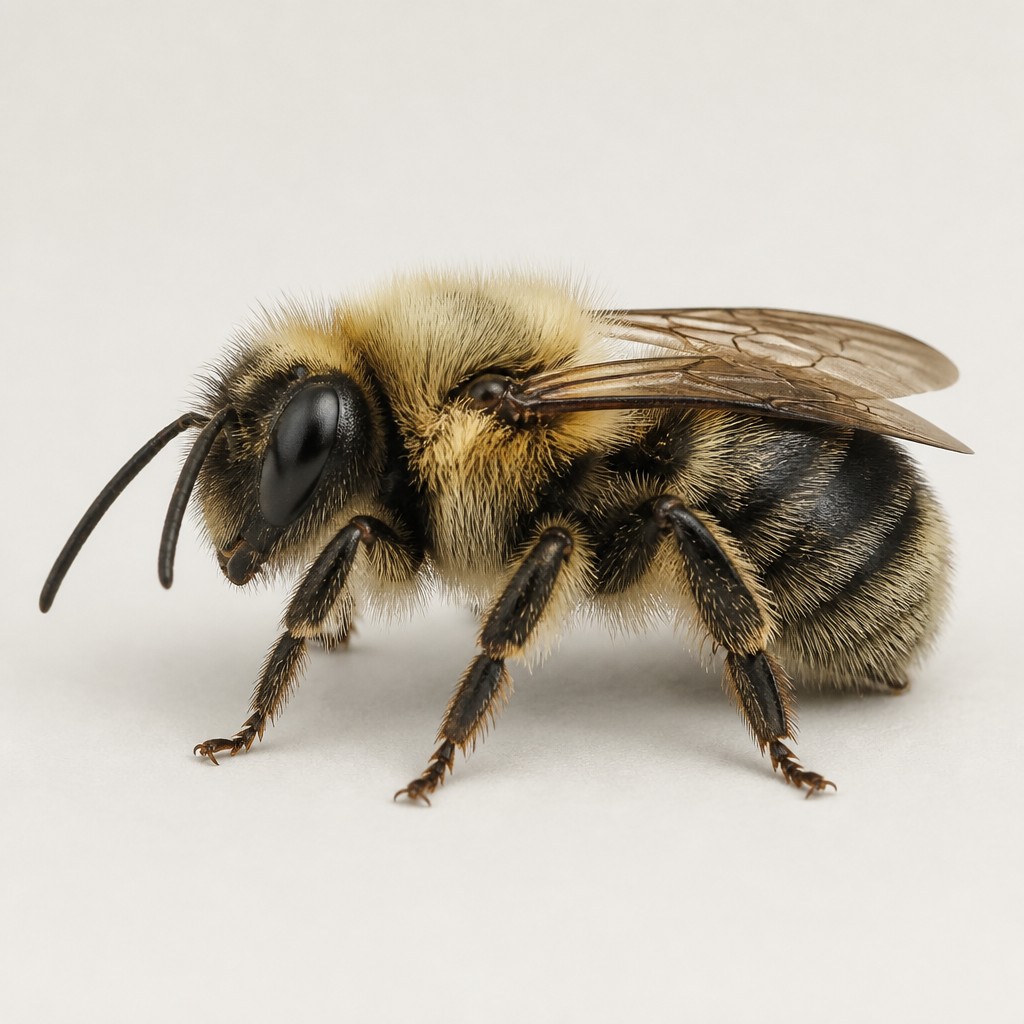
Digger Bee
A robust, fast-flying, densely furry solitary bee that excavates tunnels in bare or sloped soil, often confused with bumble bees due to its bulky, hairy build and loud buzzing flight.
bee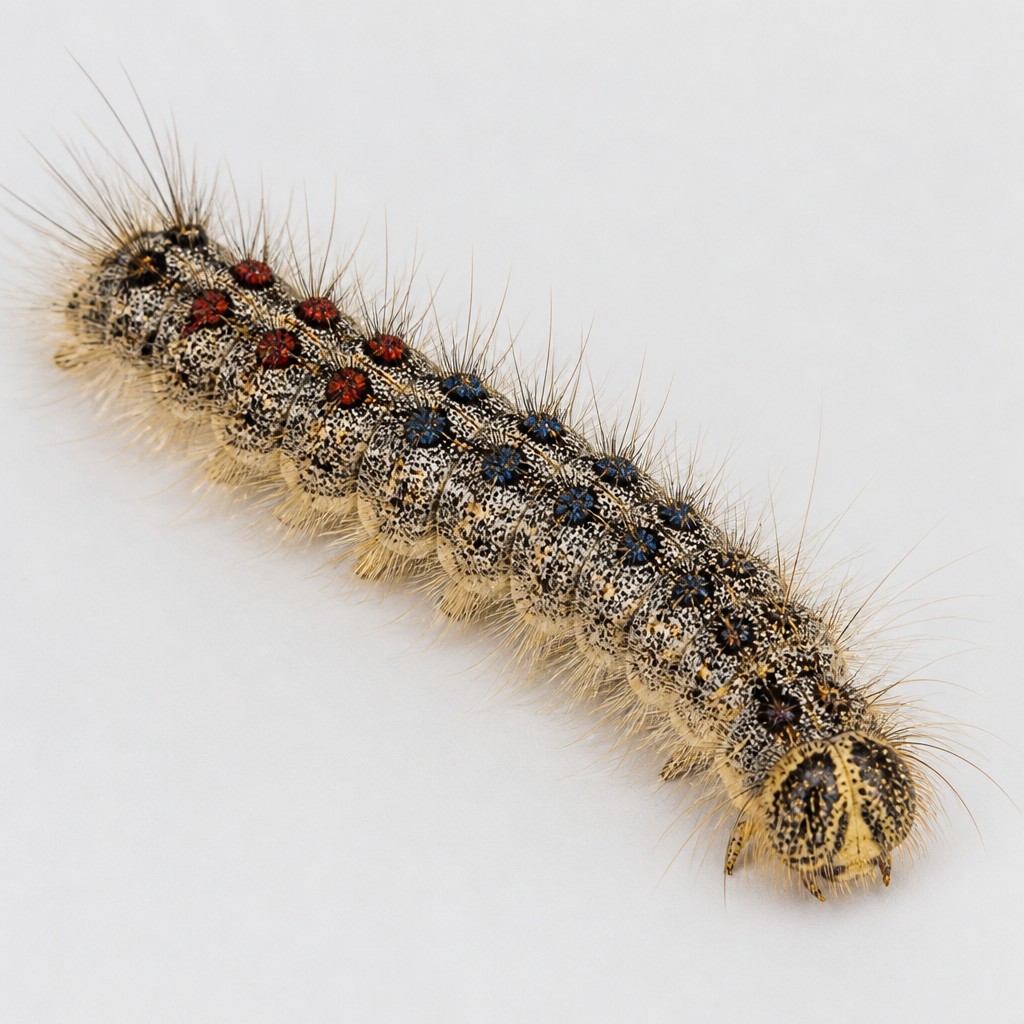
Gypsy Moth Caterpillar
A hairy, mottled gray caterpillar marked with rows of paired blue and red dots down its back, notorious for periodic outbreak years that can strip entire forests bare.
caterpillar-larva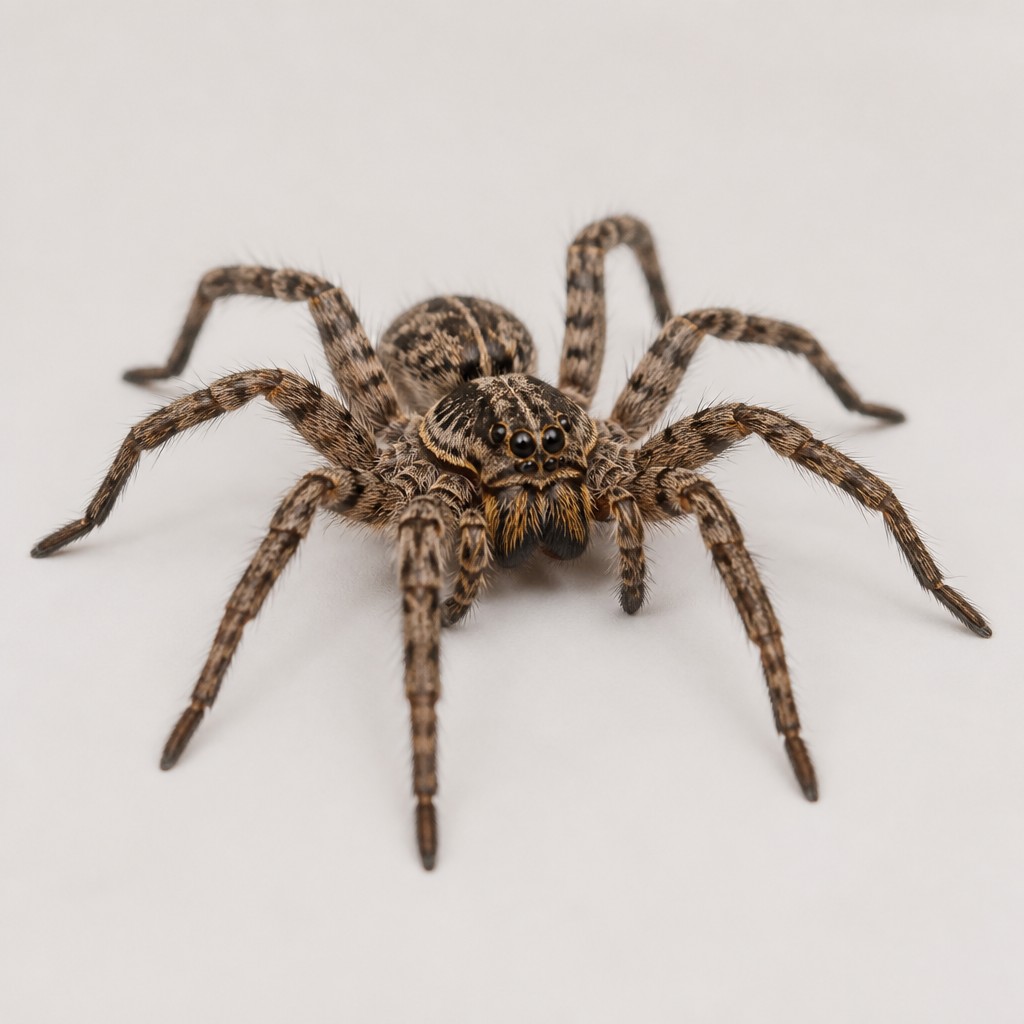
Wolf Spider
A robust, hairy, ground-dwelling spider with excellent night vision and a habit of chasing down prey rather than trapping it in a web; females are often seen carrying an egg sac or a back full of spiderlings.
spider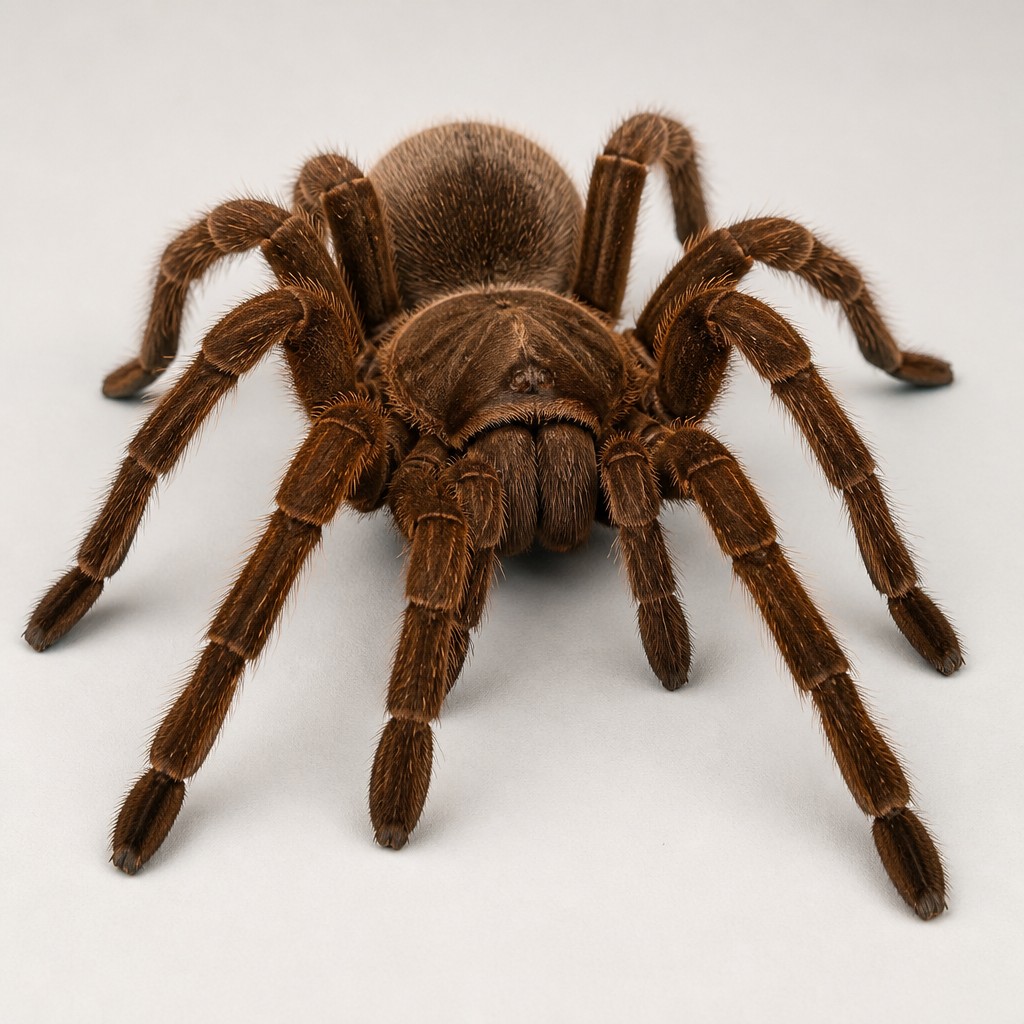
Goliath Birdeater
The heaviest spider in the world, the Goliath birdeater is a massive, hairy tarantula from the South American rainforest whose leg span can rival a dinner plate, though despite its name it primarily hunts insects and other invertebrates rather than birds.
spider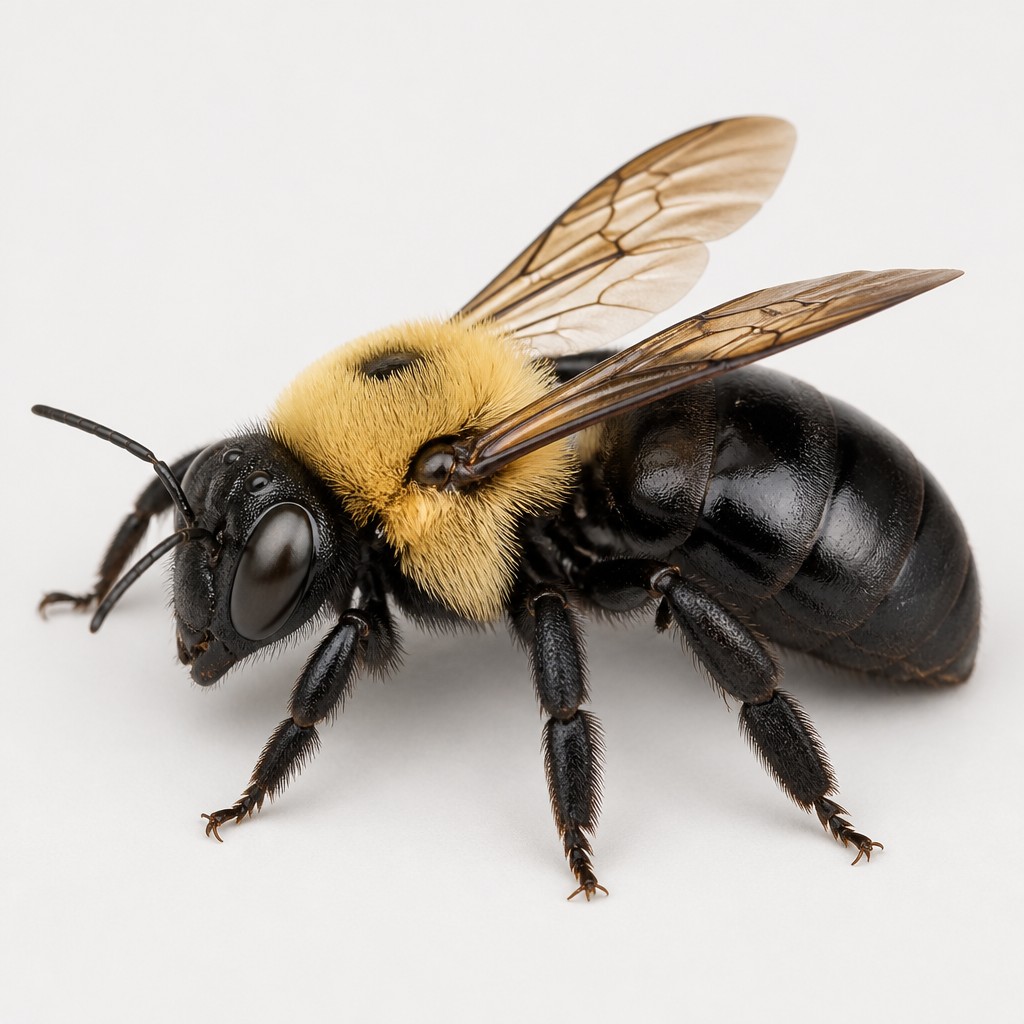
Bumblebee Carpenter Bee
A large, robust bee that closely resembles a bumblebee at a glance but has a smooth, shiny, hairless abdomen and a habit of boring round nesting tunnels into bare wood.
bee