
Wolf Spider
Hogna spp.
A robust, hairy, ground-dwelling spider with excellent night vision and a habit of chasing down prey rather than trapping it in a web; females are often seen carrying an egg sac or a back full of spiderlings.
- Size
- 10–35 mm body
- Habitat
- Gardens, grasslands, forests, leaf litter, ground burrows
- Danger
- Bites
Spotted a bug like this?
Identify any bug or insect from a photo, free.
Overview
Wolf spiders make up the family Lycosidae, a large group of ground-dwelling hunting spiders found on every continent except Antarctica. Rather than building webs to catch prey, wolf spiders chase down or ambush their food directly, a hunting style that gives the family its name.
They are typically robust, hairy spiders with excellent eyesight relative to other spiders, thanks to a distinctive eye arrangement with two large, forward-facing eyes that give them strong night vision. Many species also carry their egg sac attached to their spinnerets and later carry newly hatched spiderlings on their back, a notable form of parental care among spiders.
The family includes hundreds of species varying widely in size, from quite small ground dwellers to some of the larger hunting spiders found in temperate grasslands and forests.
How to Identify
- Body: robust and hairy, typically brown, gray, or tan with mottled or striped patterns that provide camouflage against soil and leaf litter.
- Eyes: eight eyes in three rows—a large pair on top of the head, a smaller row below, and a row of four small eyes at the front, giving a distinctive 'headlamp' look.
- Size: body length varies widely by species, roughly 10–35 mm, with leg span sometimes exceeding 5 cm in larger species.
- Behavior cue: often seen running across open ground rather than sitting in a web.
- Lookalikes: sometimes confused with nursery web spiders or fishing spiders, but wolf spiders' eye arrangement and habit of carrying an egg sac on the spinnerets are distinguishing traits.
Habitat & Range
Wolf spiders are found worldwide in a wide range of habitats, including grasslands, gardens, forests, and even in and around homes. They are ground-dwellers, often found under stones, logs, and leaf litter, or in shallow burrows they dig themselves.
They are active primarily at night, when their large eyes are especially effective for spotting prey by reflected light, and they can often be seen at night with a flashlight due to distinctive eyeshine. Activity peaks in warmer months, and some species overwinter as adults in sheltered ground burrows.
Behavior & Diet
Wolf spiders are active, wandering hunters that stalk and chase down prey rather than relying on a web, feeding mainly on insects and other small invertebrates they encounter on the ground. Their strong eyesight and speed make them effective ambush and pursuit predators.
Female wolf spiders exhibit notable parental care: they carry their egg sac attached to the spinnerets at the rear of the abdomen, and after the spiderlings hatch, the mother carries dozens of young on her back for a period before they disperse. When disturbed, wolf spiders typically flee rather than stand their ground, though they can bite in defense if handled or trapped.
Life Cycle
Wolf spiders undergo simple spider development: egg, spiderling through multiple molts, and adult, with no pupal stage. Females carry their egg sac with them until the eggs hatch, an unusual and distinctive behavior among spiders.
After hatching, spiderlings climb onto the mother's back and are carried for one to several weeks before dispersing to hunt independently. Depending on species and climate, wolf spiders may take a few months to over a year to reach maturity, and some species overwinter as immatures or adults in ground shelters.
Frequently asked questions
Do wolf spiders build webs?
No, they are active hunters that chase or ambush prey on the ground rather than trapping it in a web.
Why do wolf spider eyes glow at night?
Like many nocturnal animals, their large eyes reflect light strongly, making them visible with a flashlight after dark.
Why does a wolf spider sometimes look like it's covered in babies?
Females carry their newly hatched spiderlings on their back for a period after hatching, a distinctive parental care behavior.
How big do wolf spiders get?
Body size varies widely by species, roughly 10–35 mm, not counting the legs.
Wolf Spider guides
In-depth guides for identifying, understanding, and living alongside Wolf Spider.
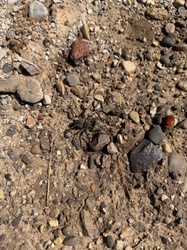
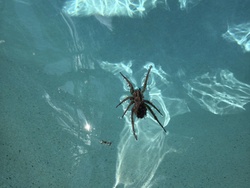
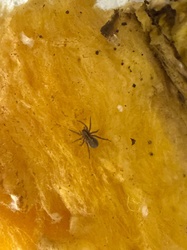
Wolf Spider identified by the community
Real finds identified with Bug Identifier.
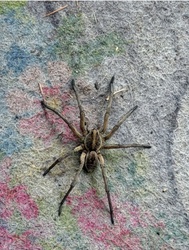
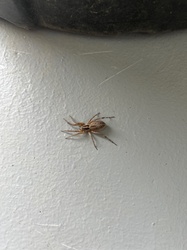
Other bugs you may enjoy
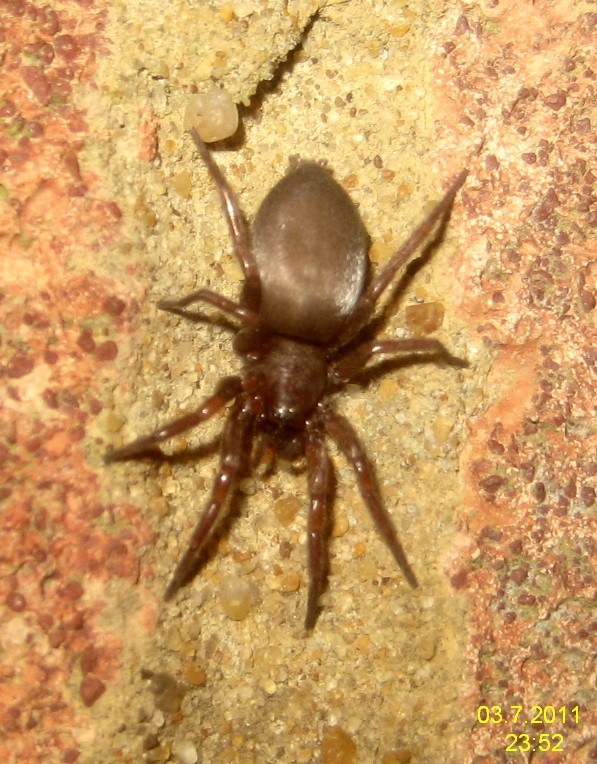
Woodlouse Spider
Damp leaf litter, under logs, stones, and mulch
Wandering Spider
Tropical and subtropical forest floor, foliage, and banana plants
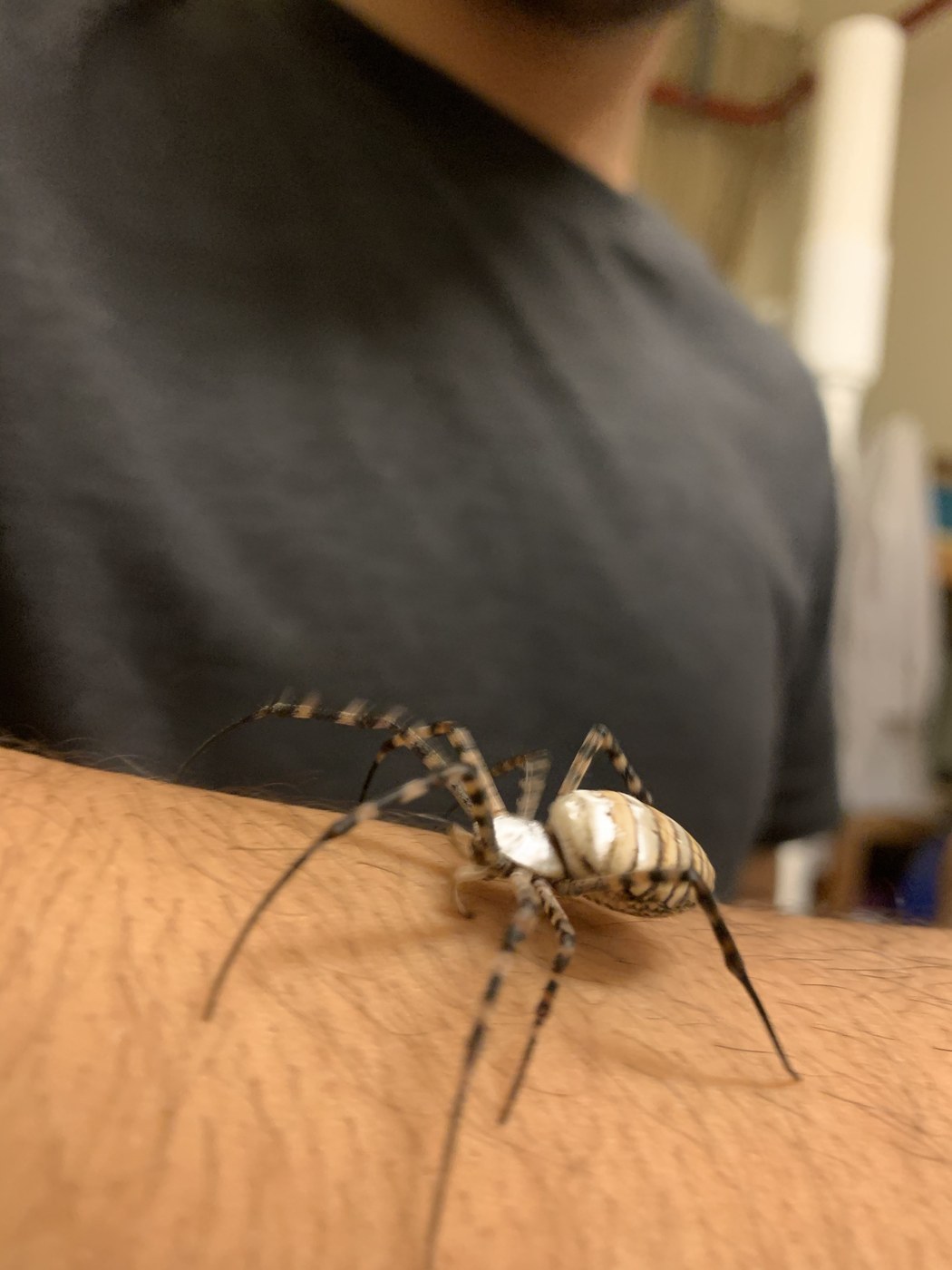
Banded Garden Spider
Tall grass, meadows, and gardens with open sunny vegetation
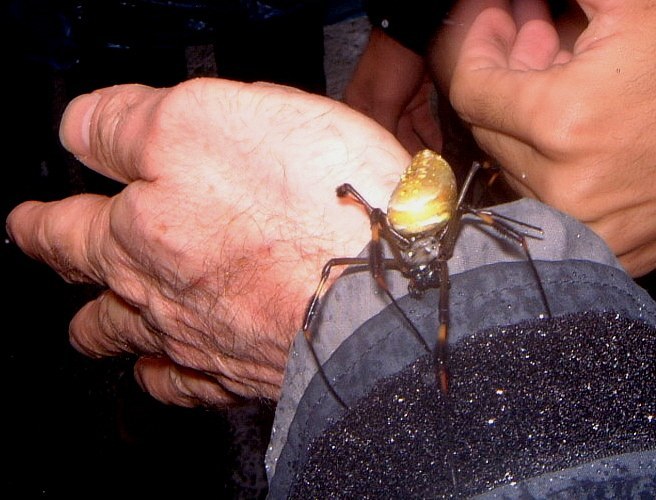
Banana Spider
Wooded trails, forest edges, and gardens across the southeastern U.S. and the American tropics
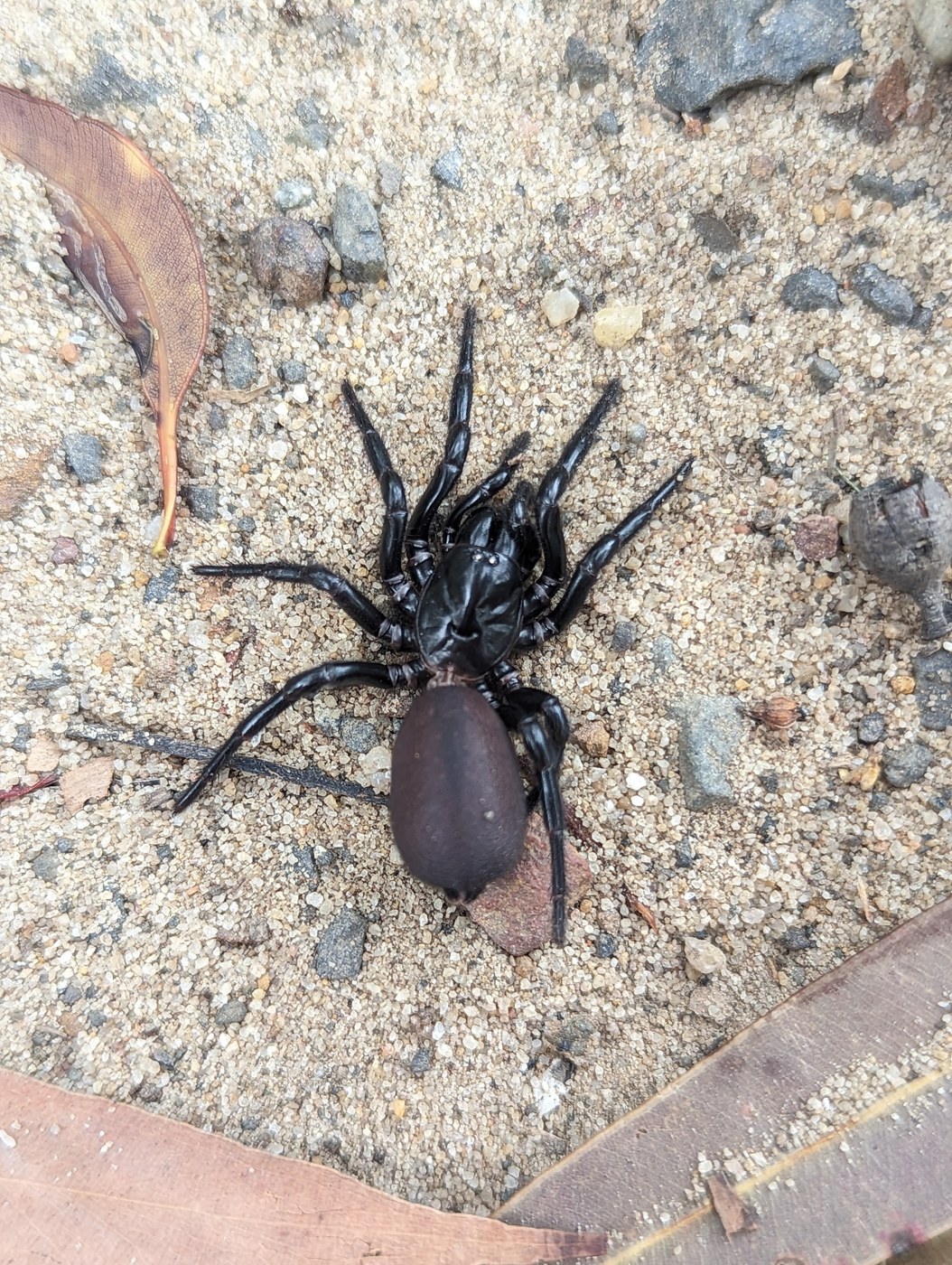
Sydney Funnel-web Spider
Burrows in moist soil, gardens, and forested gullies around the Sydney basin of eastern Australia
Trapdoor Spider
Self-dug silk-lined burrows with a camouflaged door, in dry, well-drained soil worldwide
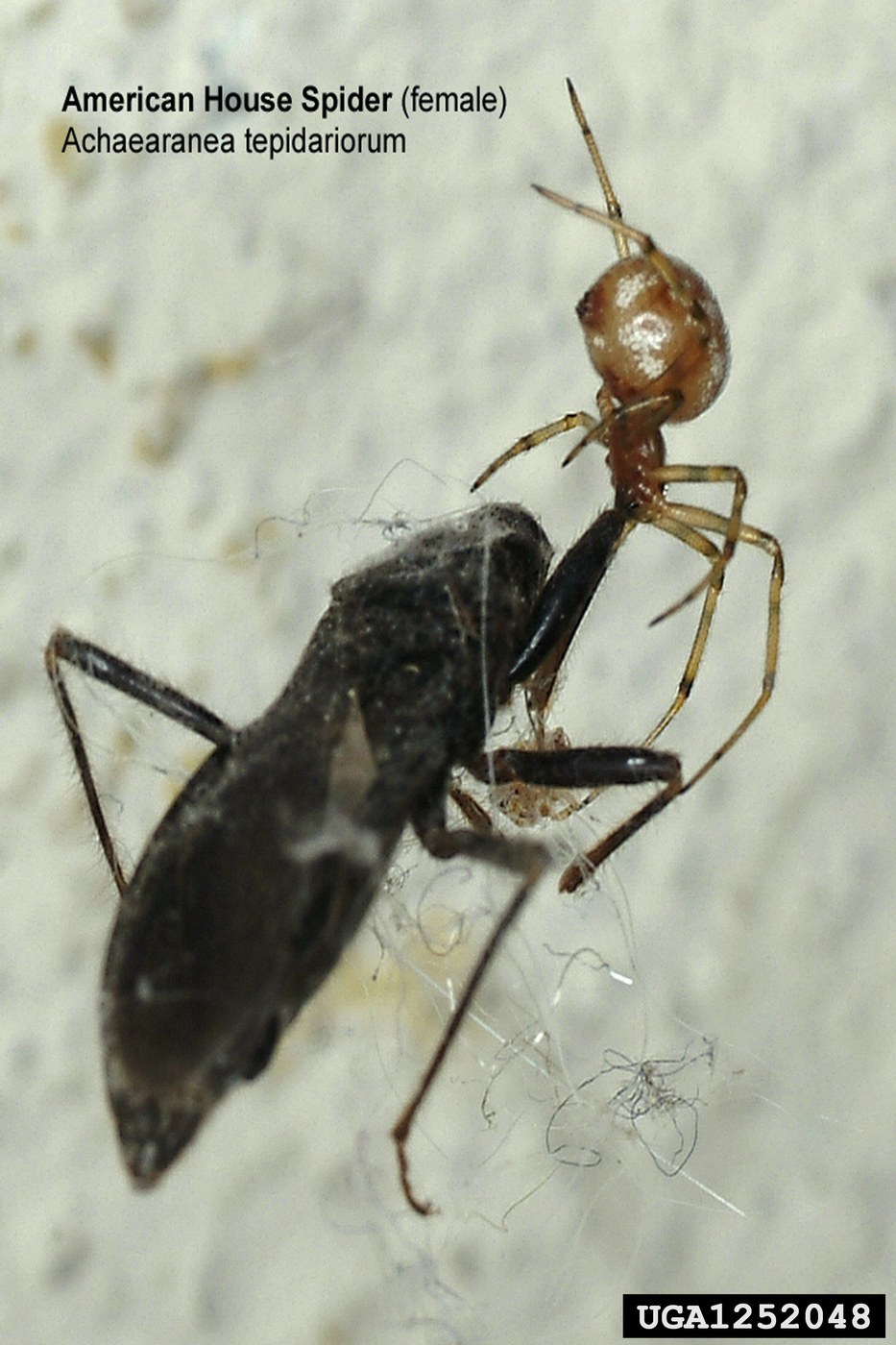
American House Spider
Corners, basements, garages, and outbuildings worldwide
Tube Web Spider
Wall crevices, bark, rockeries, and masonry
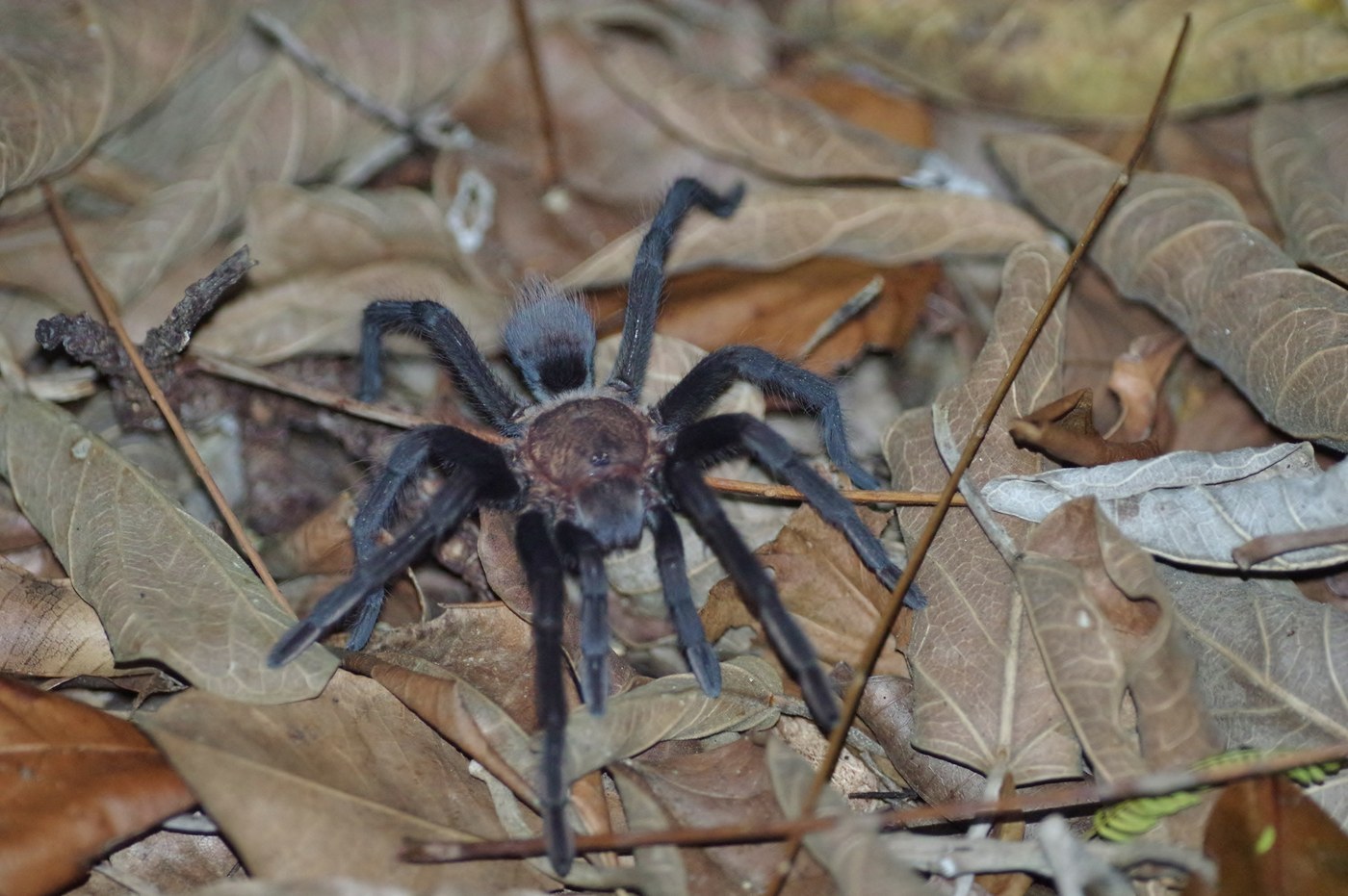
Tarantula
Burrows, rock crevices, and tree hollows in deserts, grasslands, and tropical forests worldwide
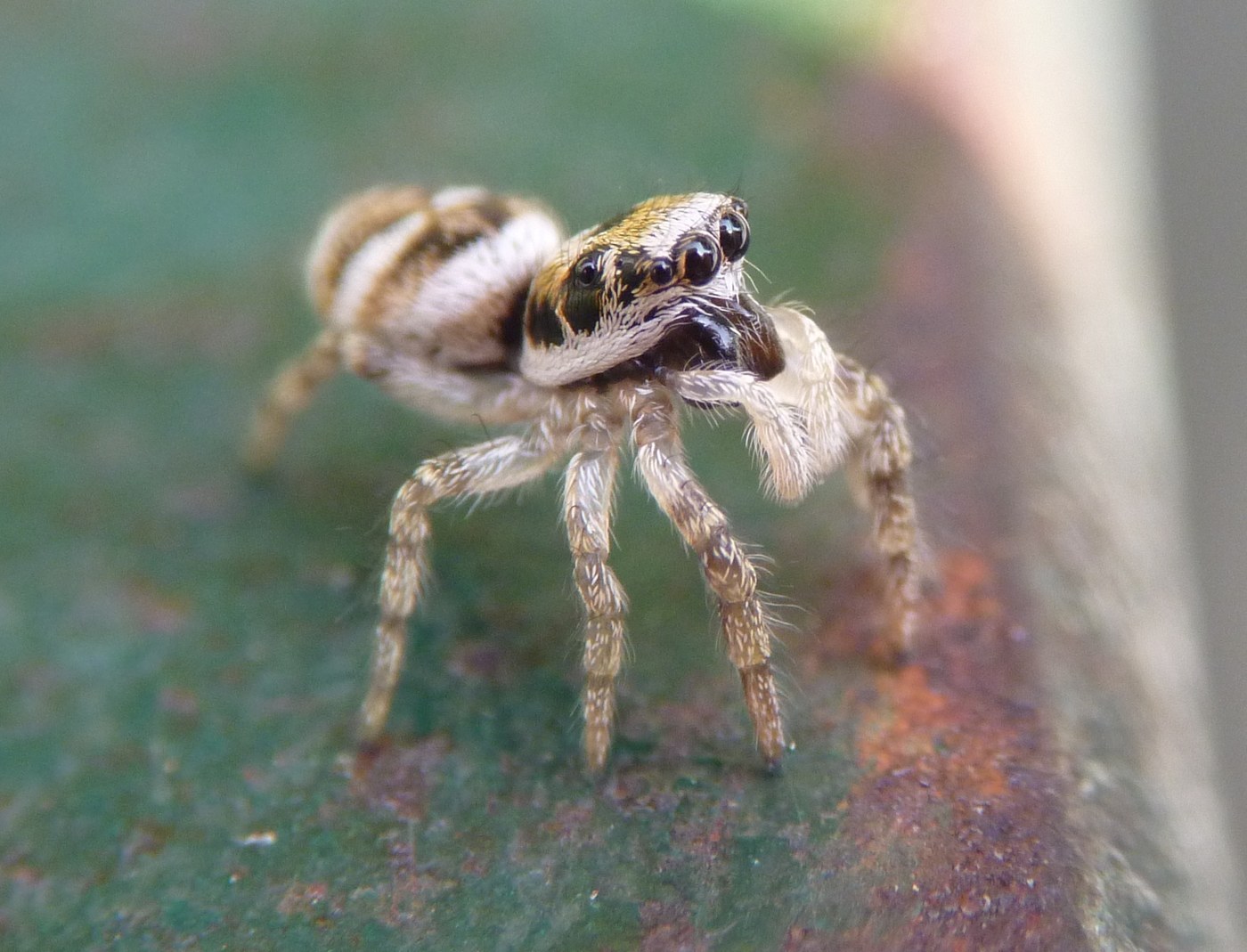
Zebra Jumping Spider
Sunny walls, fences, tree bark, and building exteriors
Wall Spider
Cracks and crevices on exterior and interior walls
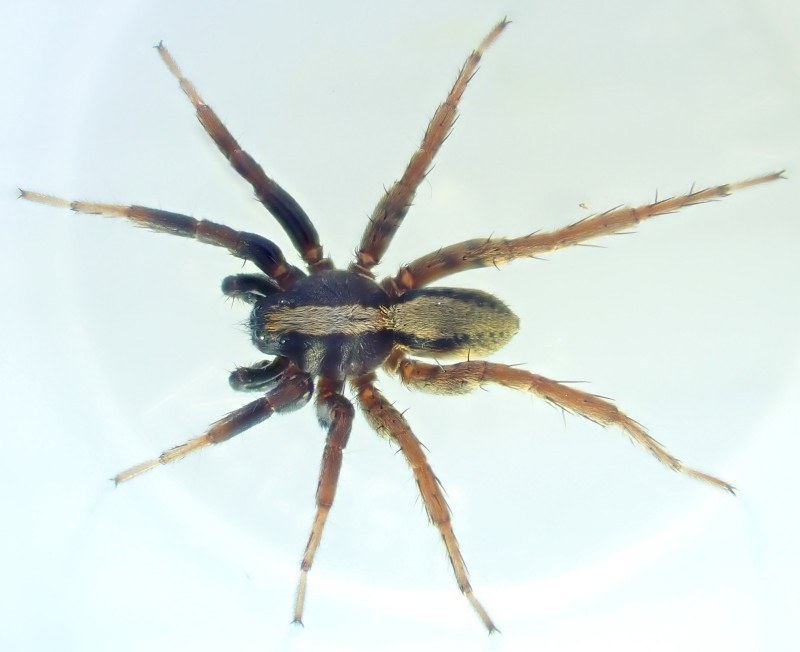
Wolf Spiderling
Grasslands, gardens, leaf litter and bare ground