
Chinch Bug
Blissus leucopterus
A tiny black-and-white true bug that feeds on grasses, often overlooked individually but capable of forming dense colonies in sunny, dry patches of lawn.
- Size
- 3–6 mm
- Habitat
- Lawns, turfgrass, and grain fields such as wheat and corn
- Danger
- Nuisance pest
Spotted a bug like this?
Identify any bug or insect from a photo, free.
Overview
The chinch bug is a small true bug in the family Blissidae (sometimes classified within Lygaeidae), closely tied to grasses and cereal crops throughout North America. It is best known to homeowners as a lawn insect and to farmers as a periodic pest of grain crops such as wheat, corn, and sorghum.
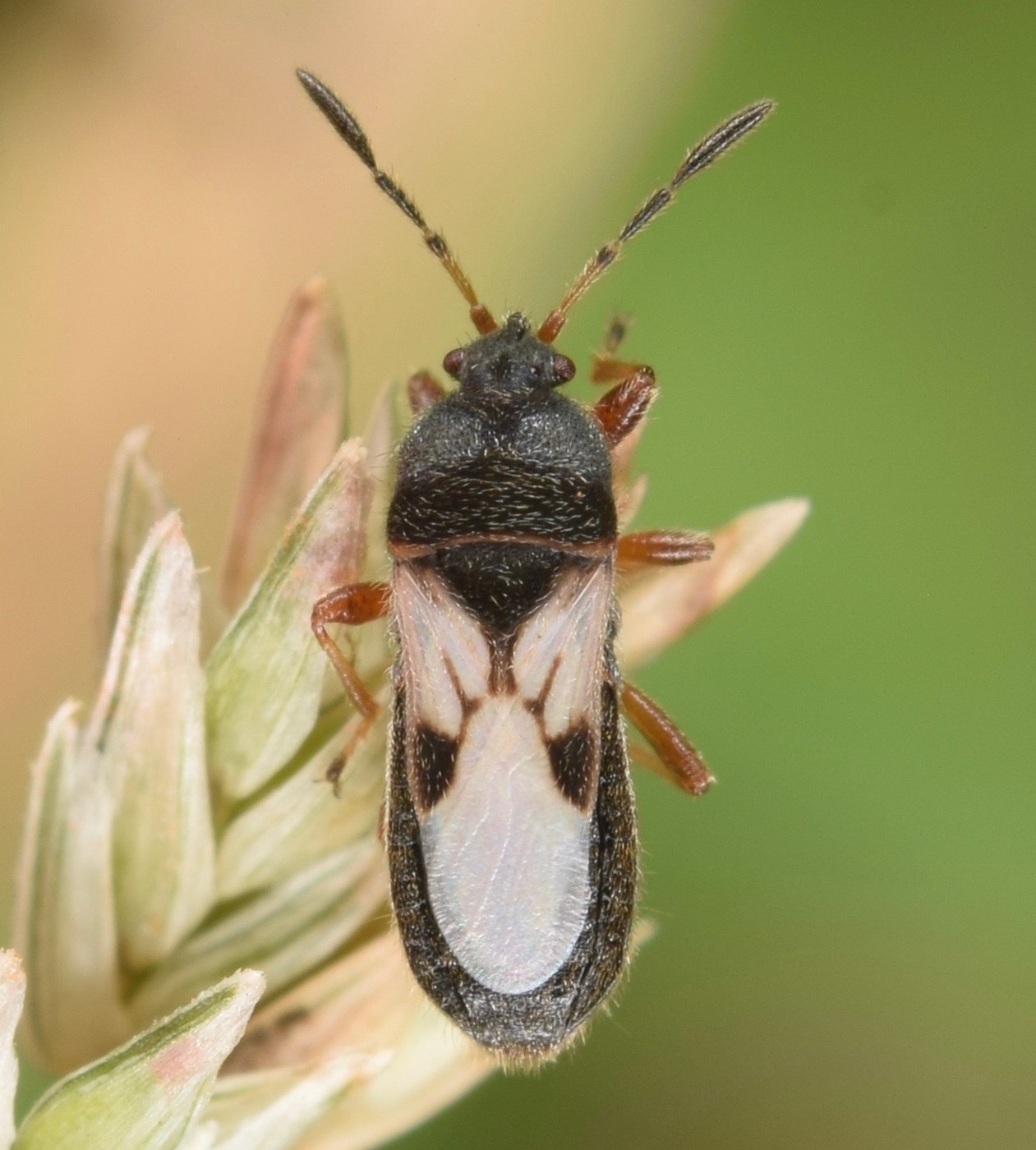
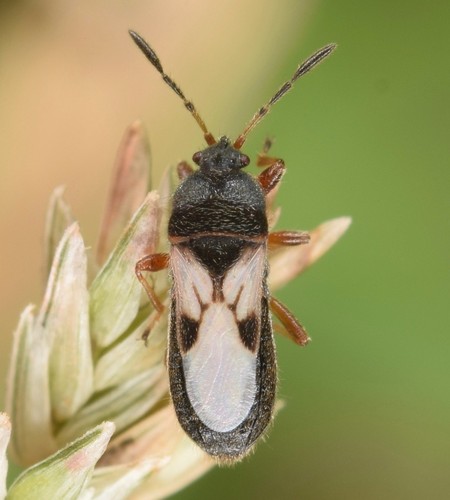
Adults are small, only a few millimeters long, with a black body and distinctive white wings that fold flat over the back, each wing typically marked with a small dark triangular spot. Despite their tiny size, chinch bugs can occur in enormous numbers when conditions are favorable, particularly in hot, dry weather.
As a sap-feeding herbivore specializing in grasses, the chinch bug occupies a narrow ecological niche within turf and grassland ecosystems, and serves as prey for various predatory insects, spiders, and birds.
How to Identify
- Adults are small, elongated-oval, about 3–6 mm long, with a black body contrasted by white forewings folded flat over the back.
- Each forewing typically bears a small dark triangular or diamond-shaped mark near the outer edge.
- Legs are reddish-orange to brownish, and antennae are short and segmented.
- Nymphs are wingless, ranging from bright orange-red with a pale band across the abdomen when young to progressively darker brownish-black as they mature.
- Distinguishing them from other small lawn insects is aided by their strong association with dry, sunny turf areas and the tendency to be found in dense clusters at the base of grass blades.
Habitat & Range
Chinch bugs are found across much of North America, particularly in regions growing turfgrass lawns and cereal grains. They favor hot, dry, sunny conditions and are most commonly found in compacted or drought-stressed lawn areas, especially along sidewalks, driveways, and other reflective surfaces that raise local temperatures.
Activity is highest during the hottest, driest parts of summer, when populations can build rapidly. Adults overwinter in sheltered locations such as thick thatch layers, leaf litter, or grass clumps at the base of host plants, emerging in spring to begin feeding and reproducing.
Behavior & Diet
Chinch bugs feed by inserting their piercing-sucking mouthparts into the base of grass stems and blades, withdrawing plant fluids and injecting saliva that can cause localized yellowing and browning of turf. They tend to aggregate in dense colonies, often in irregular patches within a lawn, especially in stressed or sun-baked areas.
They are weak fliers and primarily move by crawling, spreading gradually outward from an initial colonization point. Chinch bugs are most active and cause the most visible feeding damage during hot, dry summer weather when grass is already under moisture stress, making their activity closely tied to weather conditions.
Life Cycle
Chinch bugs undergo incomplete metamorphosis with egg, nymph, and adult stages. Females lay eggs in the crevices of grass stems or in the soil near the base of host plants, and eggs hatch within one to two weeks depending on temperature.
Nymphs pass through five instars over about four to six weeks, changing color from bright orange-red to black as they mature and develop wing pads. There are typically one to two generations per year depending on climate and region. Adults overwinter in protected grassy or leaf-litter habitats and become active again as temperatures warm in spring.
Frequently asked questions
Why do I only see chinch bug damage in sunny lawn areas?
Chinch bugs prefer hot, dry, sun-exposed turf, so their feeding damage is typically concentrated in these warmer, drought-stressed patches rather than shaded or well-watered areas.
How big is an adult chinch bug?
Adults are quite small, only about 3 to 6 millimeters in length, roughly the size of a grain of rice or smaller.
Do chinch bug nymphs look like the adults?
No, nymphs are wingless and bright orange-red with a pale abdominal band when young, gradually darkening toward black as they grow and approach the adult stage.
What plants attract chinch bugs?
They are specialists on grasses, most commonly turfgrasses in lawns as well as cereal crops such as wheat, corn, and sorghum.
Chinch Bug guides
In-depth guides for identifying, understanding, and living alongside Chinch Bug.
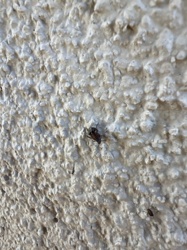
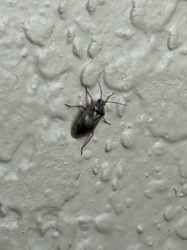
Chinch Bug identified by the community
Real finds identified with Bug Identifier.
Other bugs you may enjoy
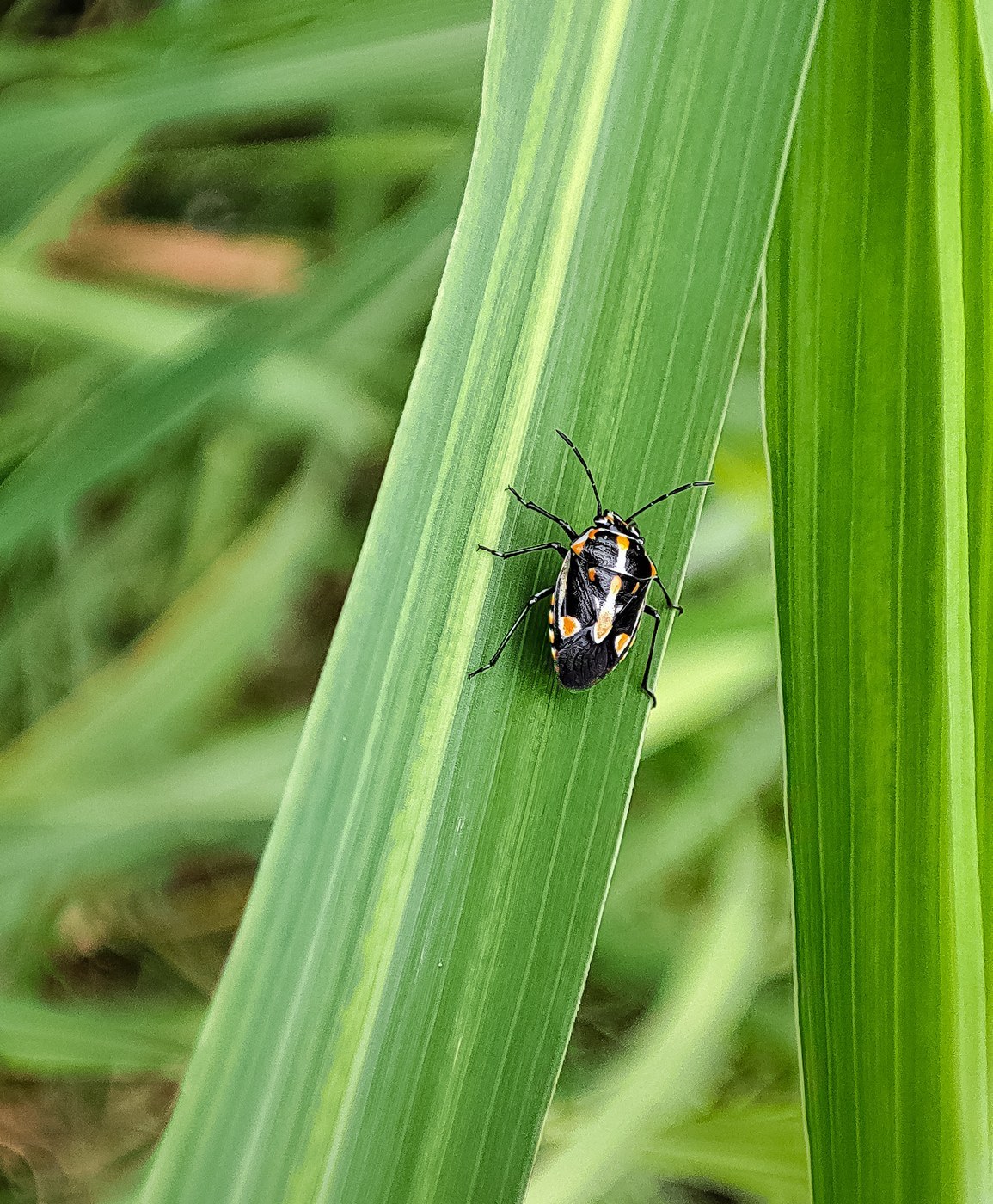
Bagrada Bug
Arid gardens, crucifer fields, desert-adjacent croplands
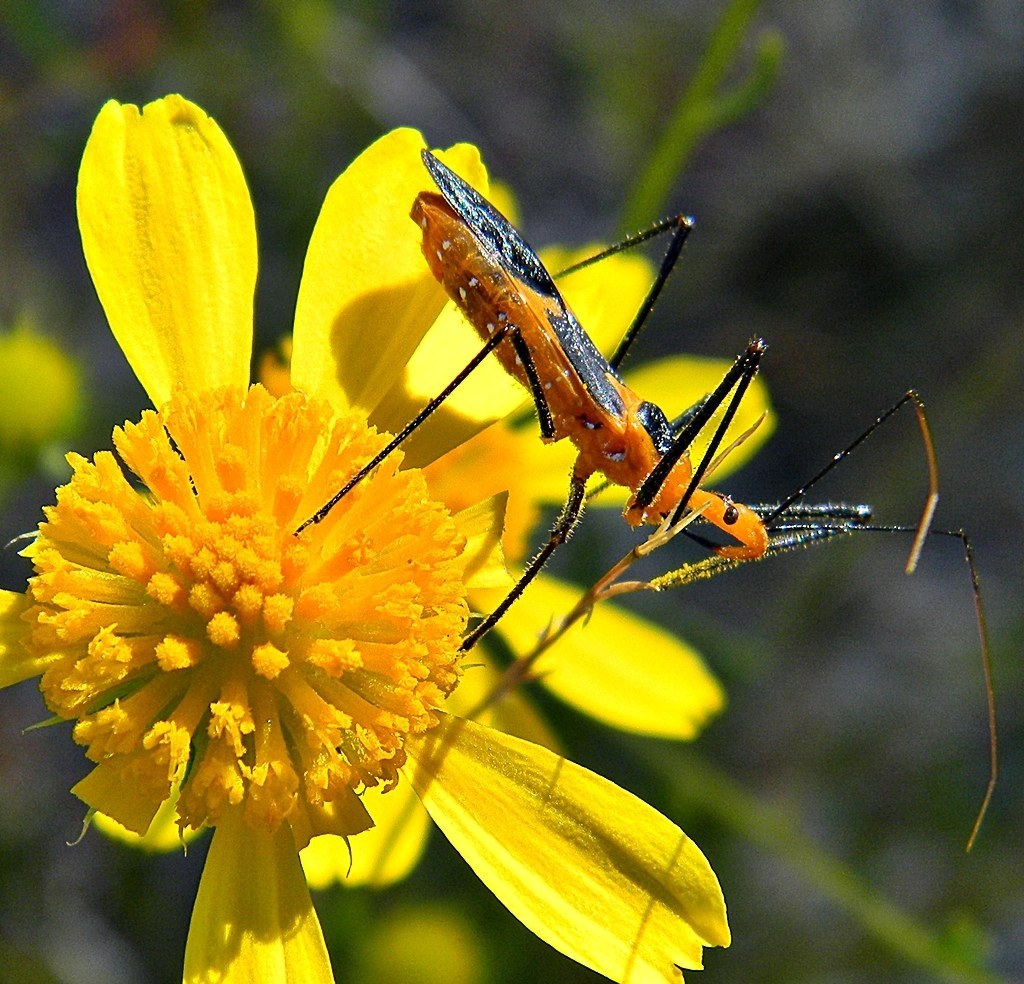
Assassin Bug
Gardens, meadows, and vegetation worldwide
Water Boatman Bug
Ponds, lakes, and slow-moving freshwater
Water Stick Insect
Still and slow-moving water with dense submerged vegetation
Rough Stink Bug
Tree bark, woodlands, orchards, and shrubby vegetation
Stink Bug
Gardens, crop fields, and woodlands across temperate and subtropical regions
Squash Bug
Vegetable gardens and farm fields growing squash, pumpkin, and other cucurbits
Aphid
On stems, leaves, and buds of a very wide range of host plants
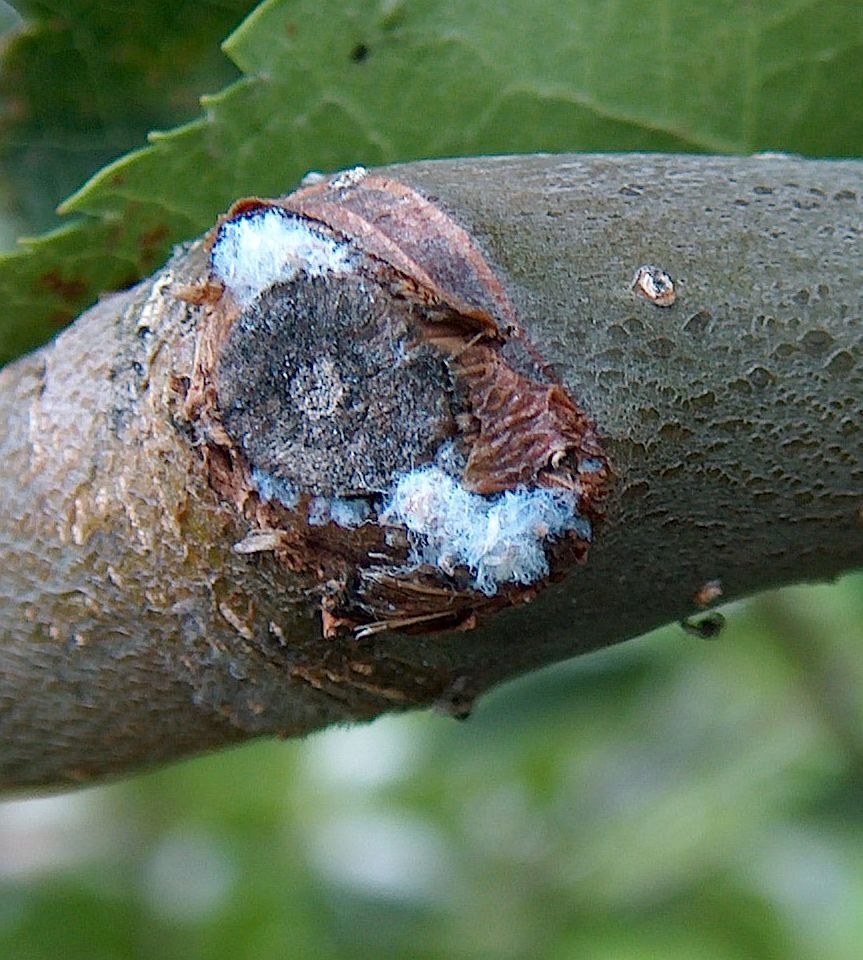
Woolly Aphid
Bark crevices, root collars, and twigs of apple, elm, and alder trees
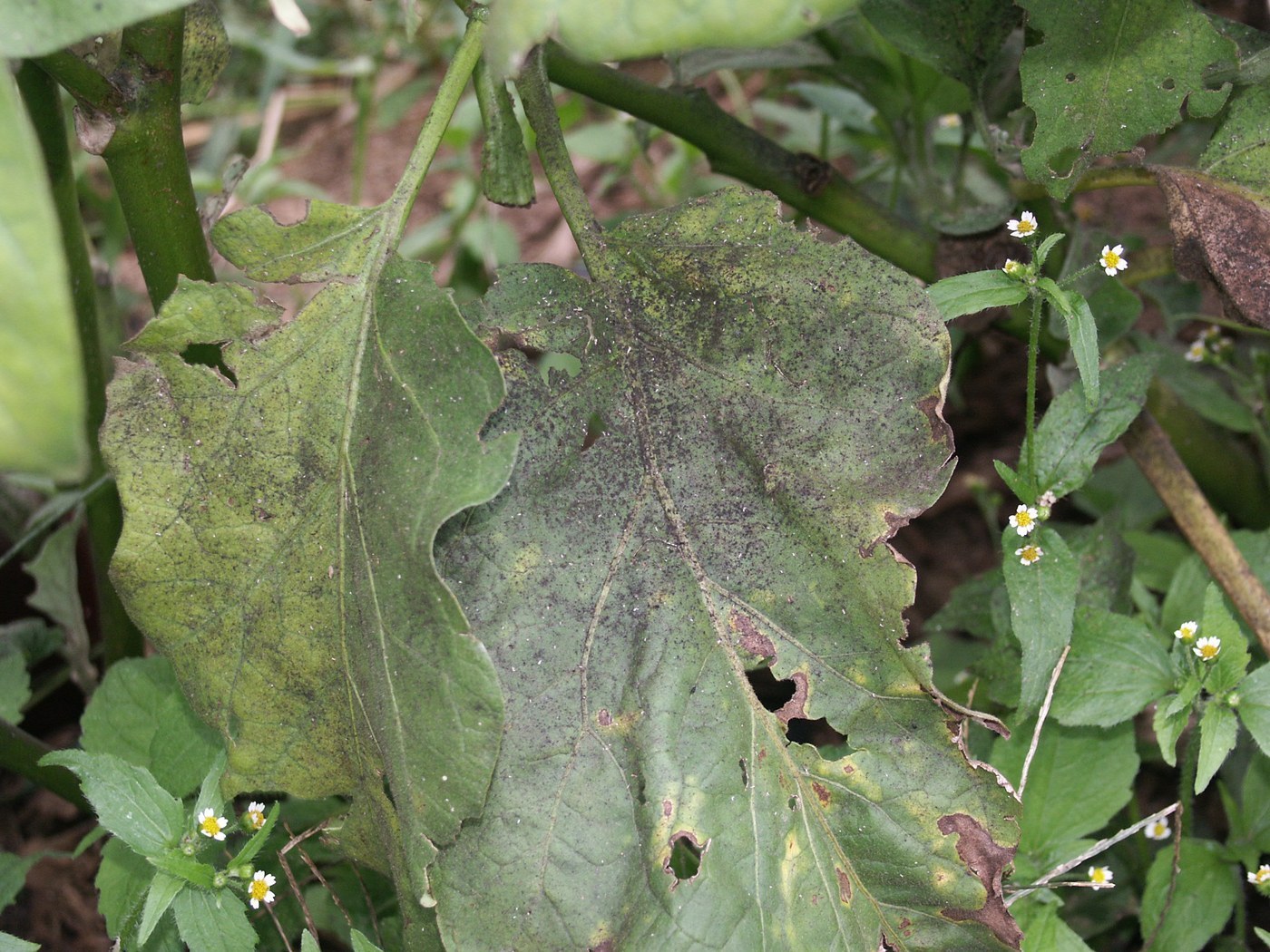
Whitefly
Greenhouses, gardens, and undersides of leaves on host plants
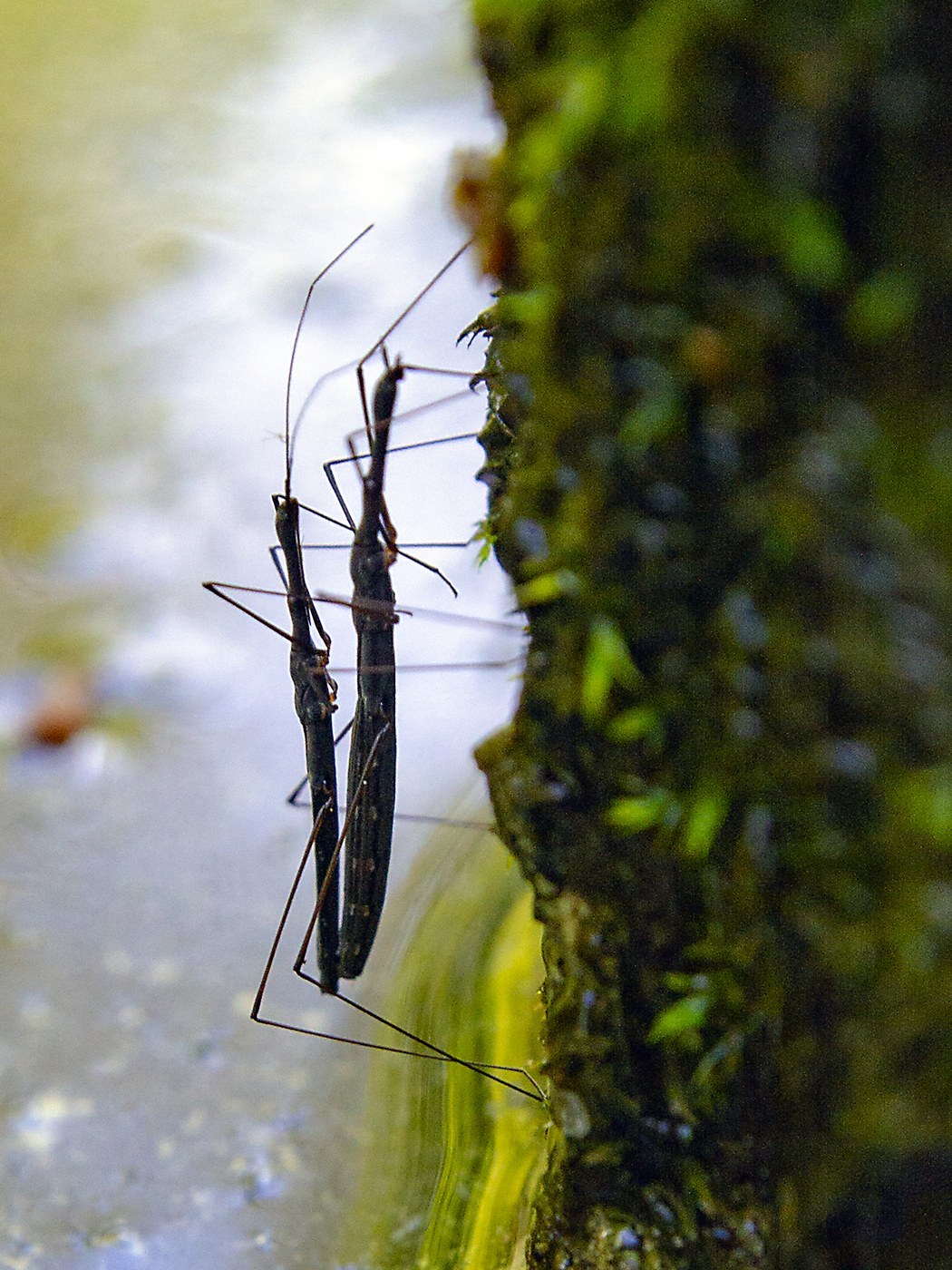
Water Measurer
Quiet edges of ponds, marshes, and slow streams
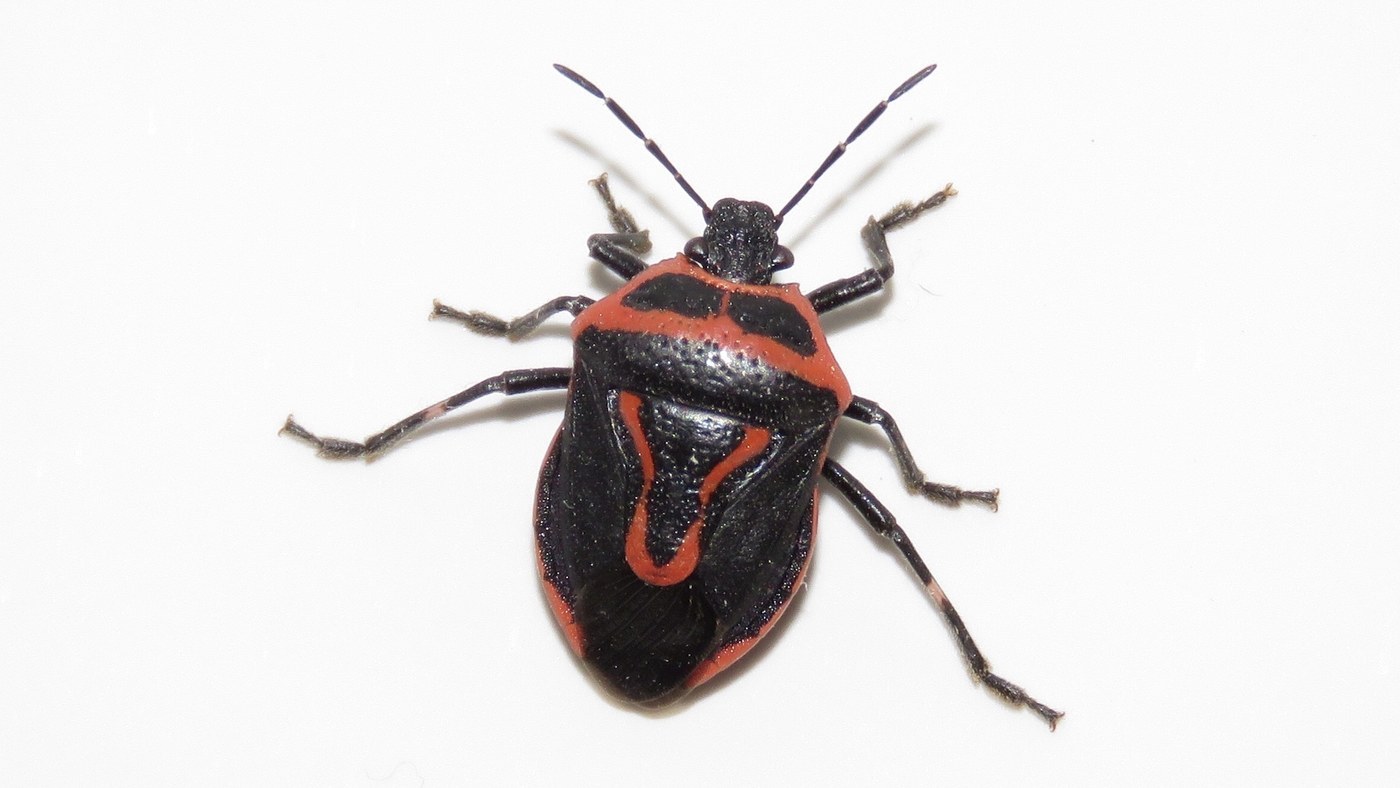
Two-Spotted Stink Bug
Gardens and fields with potato and nightshade-family plants