
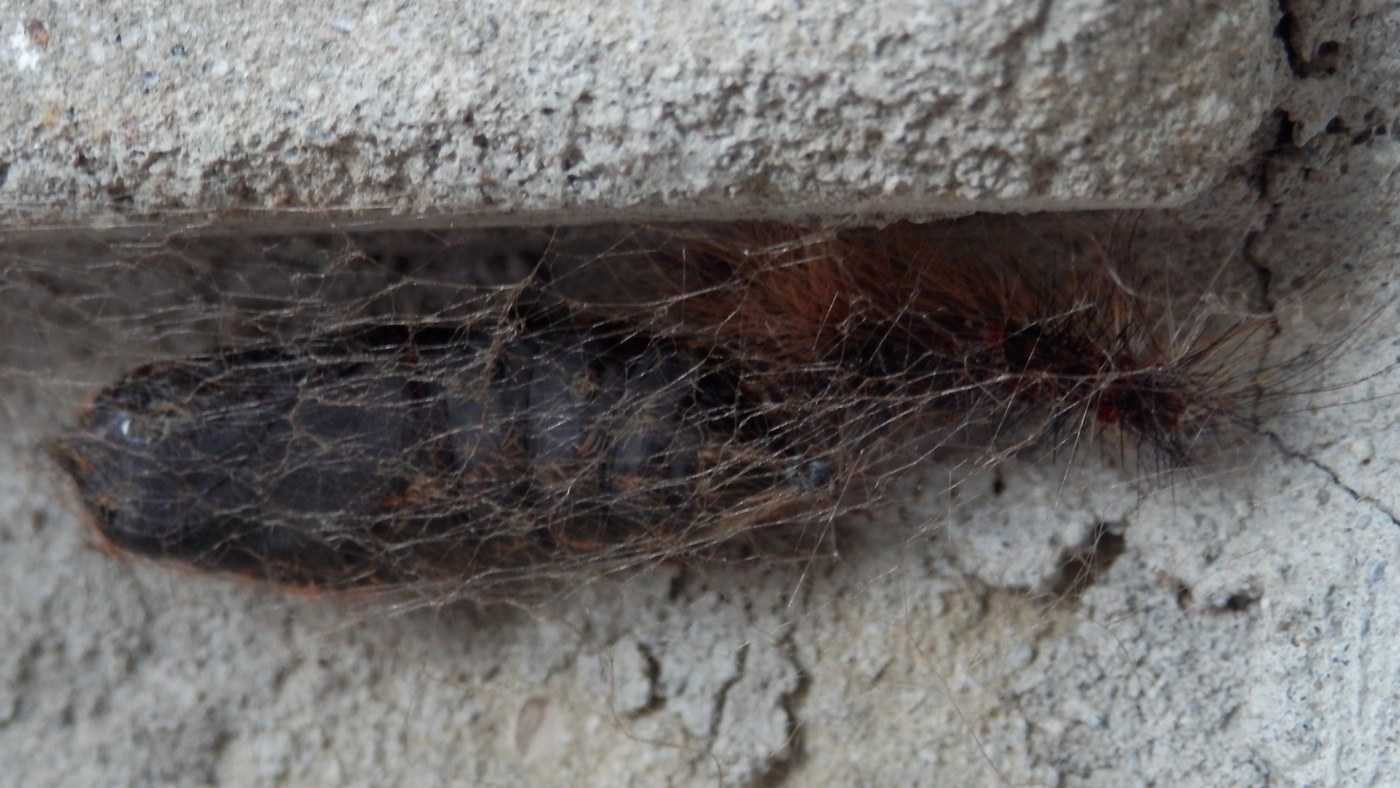
Gypsy Moth Caterpillar
Lymantria dispar
A hairy, mottled gray caterpillar marked with rows of paired blue and red dots down its back, notorious for periodic outbreak years that can strip entire forests bare.
- Size
- Up to 2.5 in (65 mm)
- Habitat
- Deciduous and mixed forests, especially oak-dominated woodlands
- Danger
- Nuisance pest
Spotted a bug like this?
Identify any bug or insect from a photo, free.
Overview
The gypsy moth caterpillar, now increasingly referred to by the common name spongy moth caterpillar, is the larval stage of an invasive moth introduced to North America from Europe in the late 1800s. It has since become one of the most significant defoliators of hardwood forests in the eastern United States and parts of Canada, periodically erupting into large-scale outbreaks that can strip broad swaths of forest canopy.
Caterpillars hatch from egg masses in spring and feed voraciously through several molts, favoring oak but also accepting a very broad range of other hardwood and, to a lesser extent, softwood tree species. During outbreak years, populations can build to extremely high densities, with dense clusters of caterpillars visible on tree trunks and branches during the day.
Outbreaks tend to be cyclical, often collapsing after a few years due to the combined effects of a naturally occurring virus, a fungal pathogen, and buildup of natural predators and parasites, followed by a period of lower population levels before the cycle repeats.
How to Identify
- Young larvae are dark and hairy; mature larvae reach up to about 2.5 in (65 mm), with a mottled grayish body covered in tufts of long hairs
- Distinctive double row of raised spots down the back: five pairs of blue spots toward the head followed by six pairs of red spots toward the tail
- Head capsule is pale with dark markings
- Adult male moth is brown with dark wavy bands on the forewings and a feathery antennae; adult female is larger, whitish, and nearly flightless
- Egg masses are buff to tan colored, covered in a felt-like layer of hairs, and are laid on tree trunks, branches, or other sheltered surfaces
Habitat & Range
Established across the northeastern and midwestern United States and parts of southeastern Canada following its introduction from Europe, with populations gradually expanding into new regions over time. It is found in deciduous and mixed forests, especially those with abundant oak, as well as in suburban and park settings with mature hardwood trees, with larvae active from spring through early summer.
Behavior & Diet
Young larvae often disperse from their hatching site by ballooning on silk threads carried by the wind, while older larvae feed at night and shelter in bark crevices or leaf litter by day, a behavior that helps them avoid some daytime predators. As a broad generalist feeder, the species can defoliate hundreds of species of trees and shrubs during outbreak years, with oak, aspen, and birch among its preferred hosts. Population booms are eventually checked by a specific nucleopolyhedrosis virus and an introduced fungal pathogen, along with predation by birds, small mammals, and parasitic insects, producing the characteristic multi-year outbreak-and-collapse cycle.
Life Cycle
Development is complete metamorphosis with one generation per year. Eggs are laid in a single mass in mid- to late summer and overwinter, hatching the following spring as host trees leaf out. Larvae pass through several instars over roughly six to eight weeks, feeding increasingly at night as they mature, before pupating in a sheltered spot such as bark crevices or leaf litter. Adults emerge in mid- to late summer, and after mating the flightless females lay a new overwintering egg mass, completing the annual cycle.
Frequently asked questions
Why is this species sometimes called the spongy moth instead of gypsy moth?
The common name spongy moth, referencing the sponge-like texture of the egg mass, has become the preferred name in many regions, though the scientific name Lymantria dispar remains unchanged.
How do young gypsy moth caterpillars spread to new trees?
Newly hatched larvae can produce long silk threads and be carried on the wind in a behavior called ballooning, which allows them to disperse to trees beyond where the egg mass was laid.
Why do gypsy moth outbreaks eventually decline on their own?
Dense outbreak populations are typically brought down within a few years by a naturally occurring virus and a fungal pathogen, along with increased predation and parasitism, before densities drop and the cycle can repeat later.
Can the adult female gypsy moth fly?
No, adult females are heavy-bodied and essentially flightless, relying on males, which are smaller and can fly, to locate them using pheromone cues for mating.
Gypsy Moth Caterpillar guides
In-depth guides for identifying, understanding, and living alongside Gypsy Moth Caterpillar.
Gypsy Moth Caterpillar identified by the community
Real finds identified with Bug Identifier.
Other bugs you may enjoy
Bagworm
Trees and shrubs, especially conifers and ornamental landscaping
Armyworm
grasslands, pastures, and cereal crop fields
Zebra Longwing Caterpillar
Tropical and subtropical hammocks with passionflower vines
Tomato Hornworm
Gardens and fields with tomato, pepper, and other nightshade plants
Tent Caterpillar
Deciduous trees such as cherry, apple, and other rosaceous species
Tobacco Hornworm
tobacco, tomato, and pepper plants in gardens and fields
Woolly Bear Caterpillar
Gardens, meadows, roadsides, and woodland edges across North America
Sod Webworm
Turfgrass lawns, golf courses, pastures
Spiny Oak-slug Caterpillar
Deciduous forests and woodland edges with oak and other hardwoods
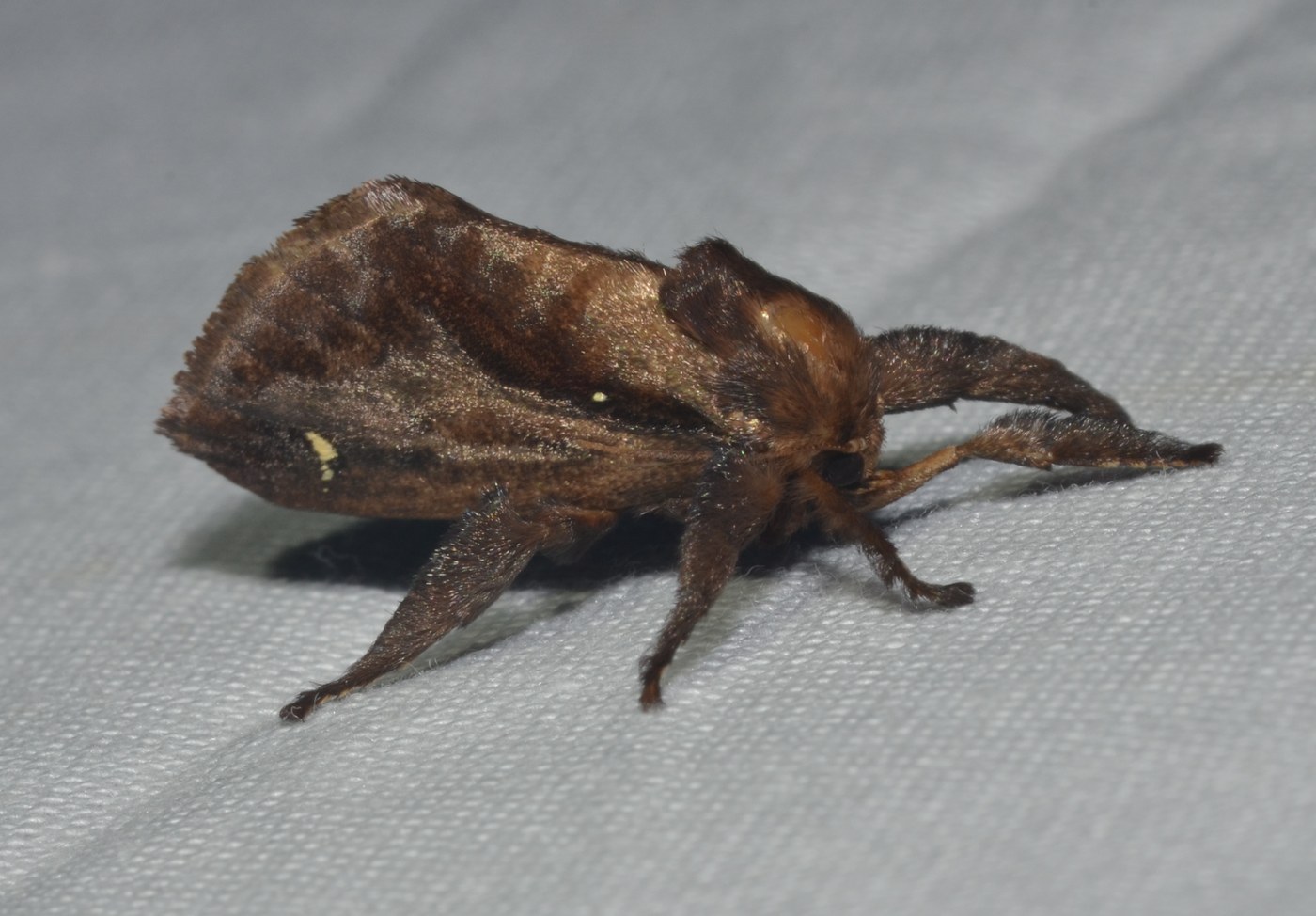
Saddleback Caterpillar
Deciduous trees and shrubs in eastern and southern North America
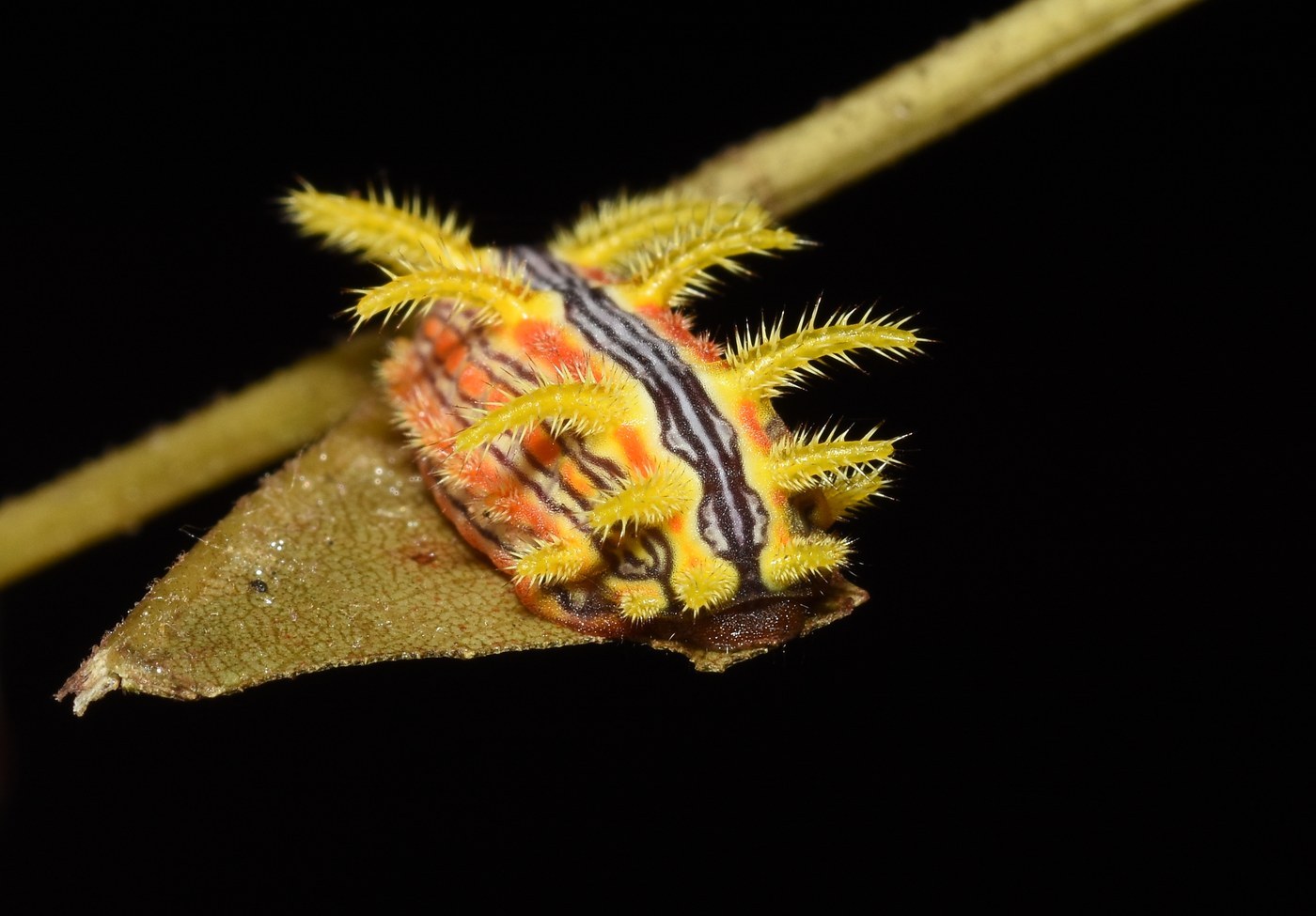
Stinging Rose Caterpillar
Gardens and woodlands with rose, dogwood, or oak
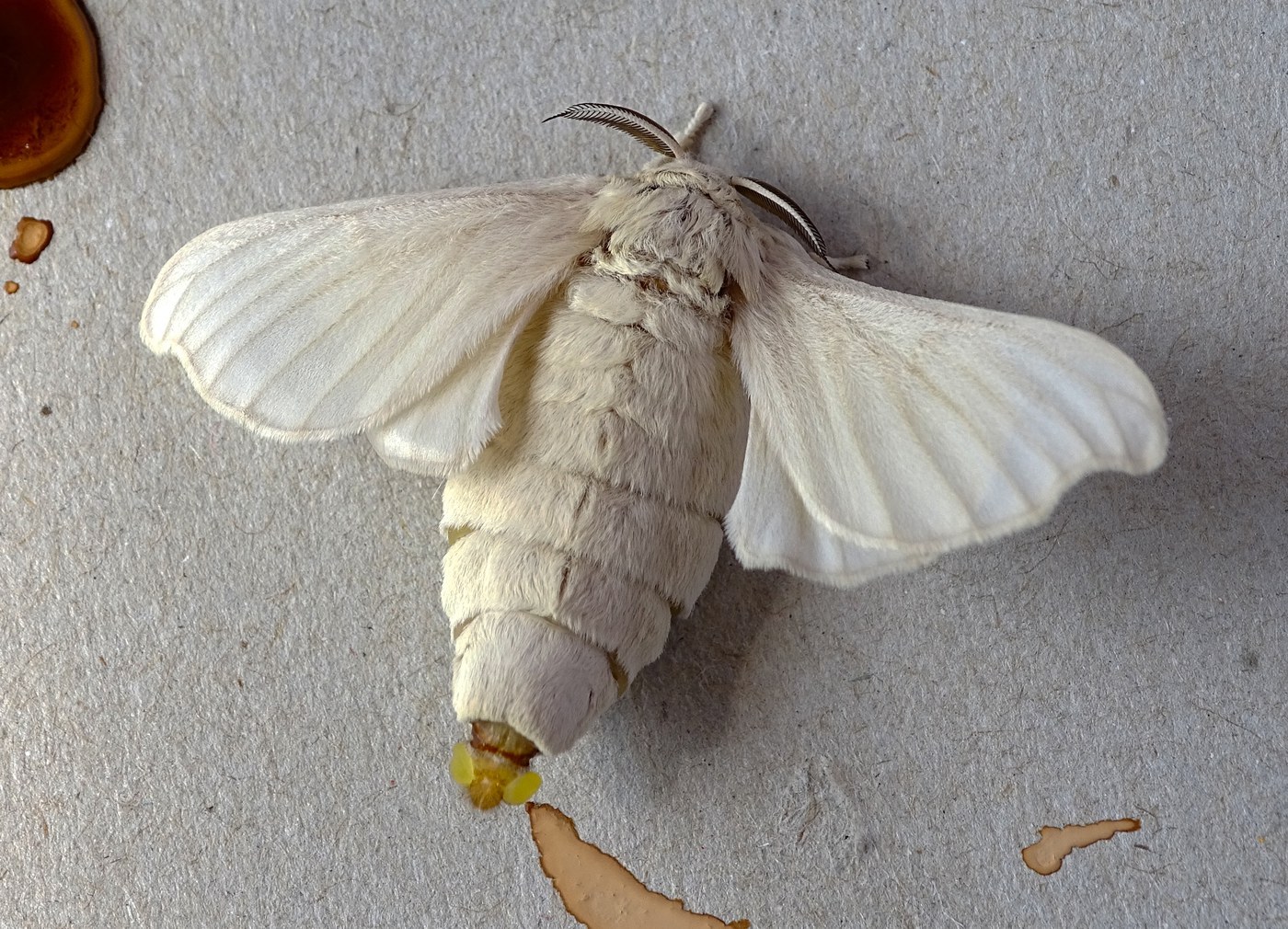
Silkworm
Reared exclusively in captivity on mulberry leaves; no independent wild population