
Digger Bee
Anthophora spp.
A robust, fast-flying, densely furry solitary bee that excavates tunnels in bare or sloped soil, often confused with bumble bees due to its bulky, hairy build and loud buzzing flight.
- Size
- 10–20 mm
- Habitat
- Sandy or clay banks, bare soil slopes, gardens, cliffs
- Danger
- Stings
Spotted a bug like this?
Identify any bug or insect from a photo, free.
Overview
Digger bees belong primarily to the genus Anthophora, in the family Apidae, and are among the more conspicuous solitary bees due to their large size, dense fur, and rapid, hovering flight. Hundreds of species occur worldwide, especially in arid and temperate regions, and several are among the first bees active in very early spring.
They are notable for their strong excavation abilities, tunneling into hard-packed soil, clay banks, or even soft mortar and adobe walls to construct nests, and for a bulky, bumble-bee-like appearance combined with much faster, more erratic flight.
Ecologically, digger bees are valued pollinators of wild and cultivated flowering plants, and like other solitary bees they nest independently, though many species aggregate in large numbers at favorable nesting banks, creating a striking, buzzing spectacle without functioning as a true social colony.
How to Identify
- Stocky, densely hairy bee, 10–20 mm long, often gray, tan, orange, or black with pale hair bands, giving a fuzzy, robust appearance similar to a small bumble bee.
- Flight is notably fast, hovering, and darting compared to the more measured flight of bumble bees or mining bees.
- Females carry large loads of pollen on dense hair (scopa) on the hind legs.
- Distinguished from bumble bees by faster, more erratic flight and from mining bees by generally larger size and preference for harder, sloped nesting substrates.
Habitat & Range
Digger bees are found on most continents, with strong diversity in arid and Mediterranean-climate regions as well as temperate North America and Eurasia. They nest in bare or sparsely vegetated vertical or sloped surfaces such as clay banks, eroded slopes, dirt cliffs, and sometimes old adobe or mud-brick walls. Many species are active in early spring through summer, often in large nesting aggregations at the same bank year after year.
Behavior & Diet
Females dig branching tunnels into firm soil, each ending in cells provisioned with a pollen-nectar mixture for a single offspring. Digger bees are strong, fast fliers, often heard as a loud buzz while hovering near flowers or nest banks, and males of some species patrol nesting sites in search of emerging females. They are effective pollinators of numerous wildflowers and crops, and though solitary, they are tolerant of close neighbors, often forming large multi-year nesting aggregations in the same soil bank.
Life Cycle
Digger bees undergo complete metamorphosis, typically completing one generation per year. Eggs laid on stored pollen provisions hatch into larvae that consume the food supply, then spin a cocoon and pupate within the soil cell. Most species pass the bulk of the year as a resting prepupa or fully formed adult inside the nest cell, emerging for a relatively brief adult flight season to mate and nest before the cycle repeats, with the offspring overwintering underground.
Frequently asked questions
Are digger bees the same as bumble bees?
No, though similarly furry and robust, digger bees are solitary, fly faster and more erratically, and nest in individual tunnels rather than social colonies.
Do digger bees damage walls or buildings?
Some species can tunnel into soft mortar or adobe surfaces, though most prefer natural bare soil banks.
Are digger bees aggressive?
No, they are generally docile and focused on nesting and foraging rather than defense.
Why do I see so many digger bees flying around one dirt bank?
Favorable nesting soil often attracts many solitary females to dig individual tunnels close together, creating a large but non-social aggregation.
Digger Bee guides
In-depth guides for identifying, understanding, and living alongside Digger Bee.
Other bugs you may enjoy
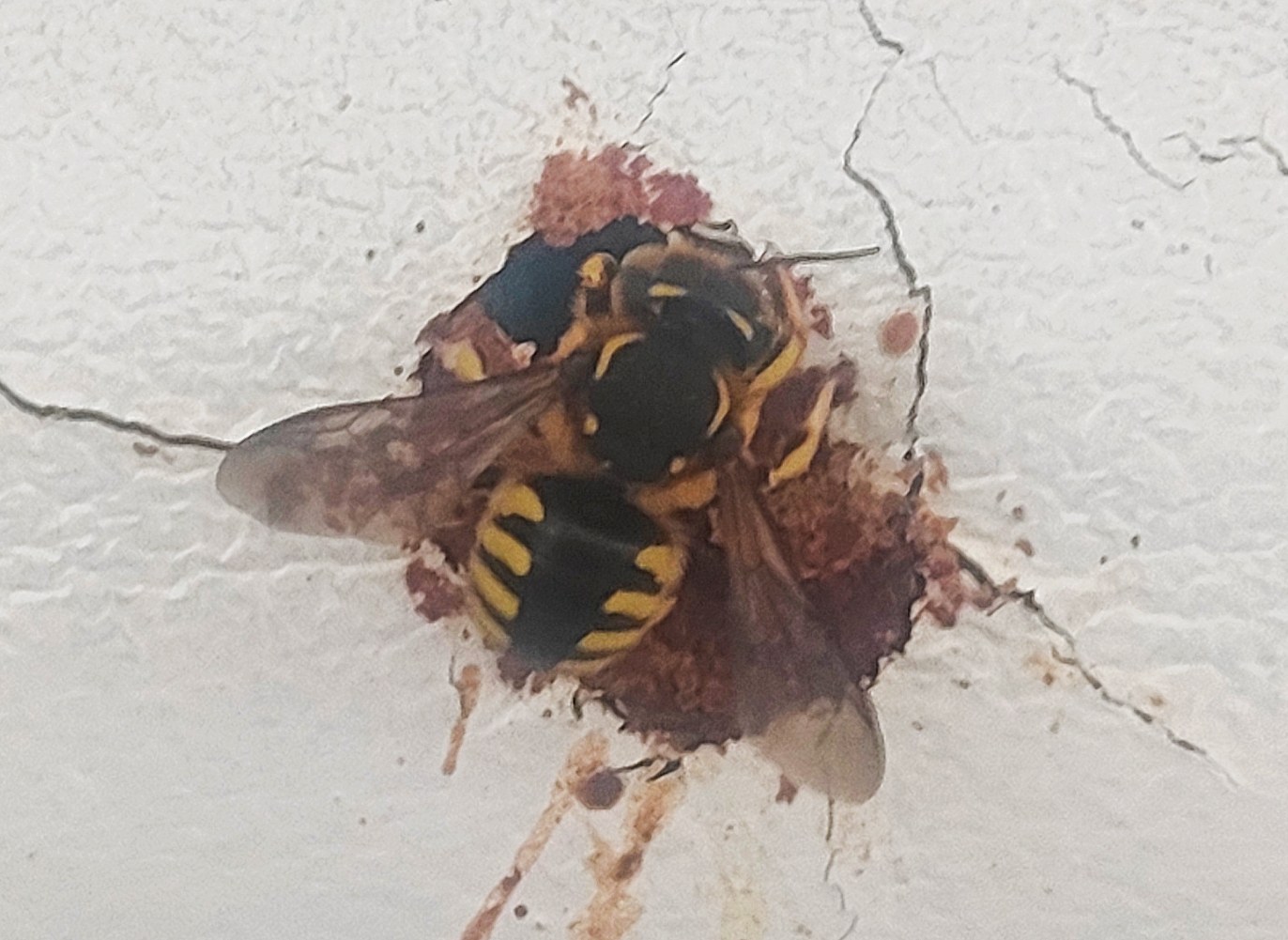
Wool Carder Bee
Gardens, meadows, urban green spaces with fuzzy-leaved plants
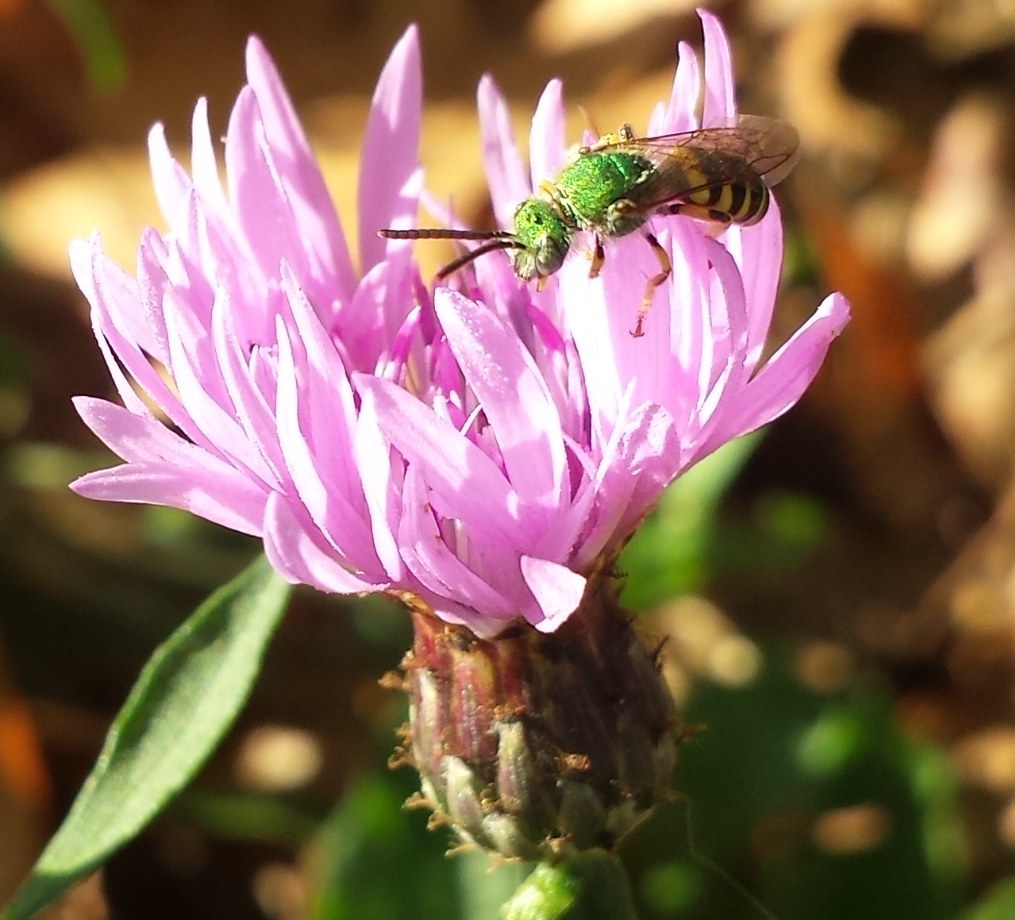
Sweat Bee
Gardens, meadows, and bare or sandy soil worldwide
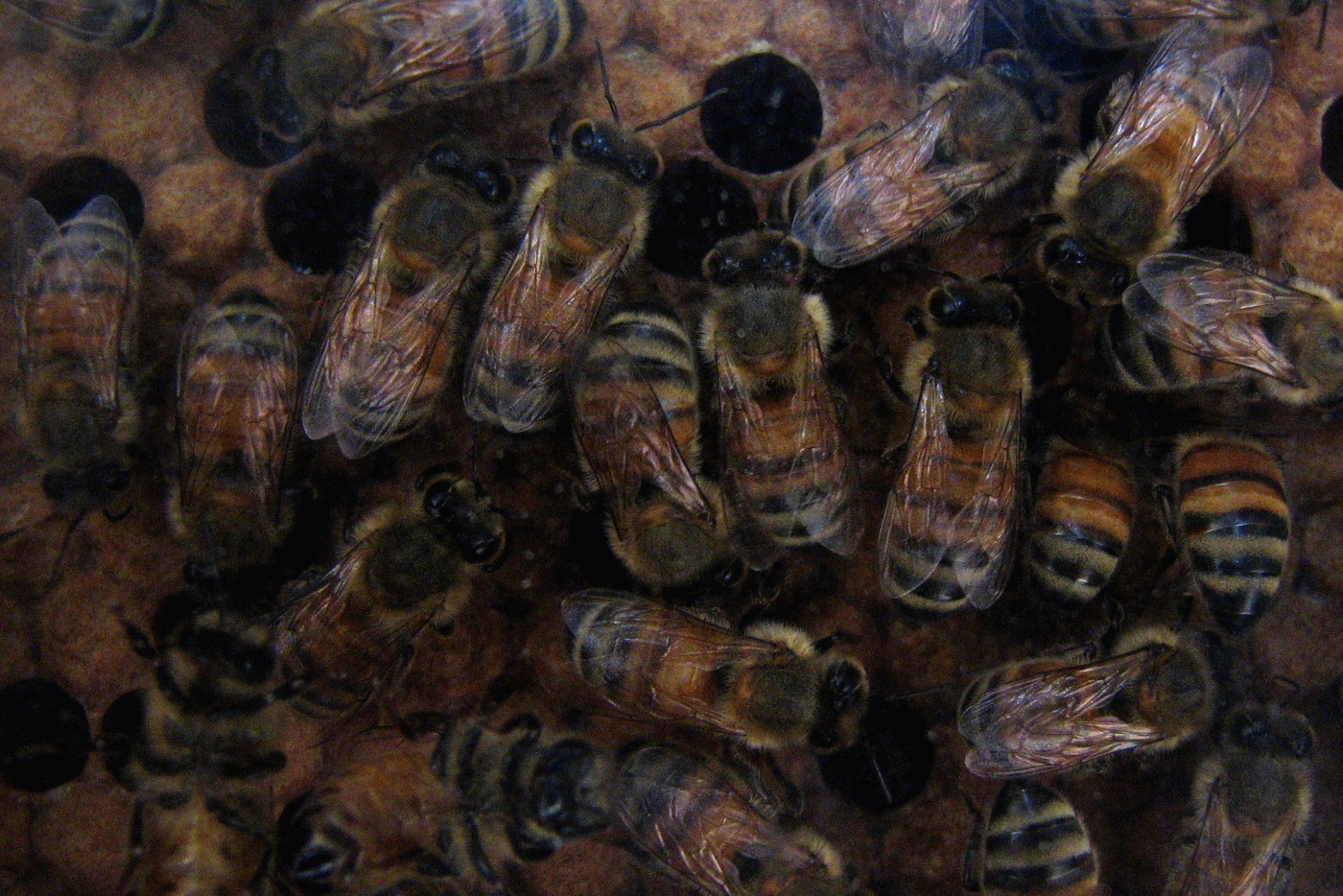
Western Honey Bee
Managed hives and wild colonies in tree cavities, worldwide in temperate and tropical climates
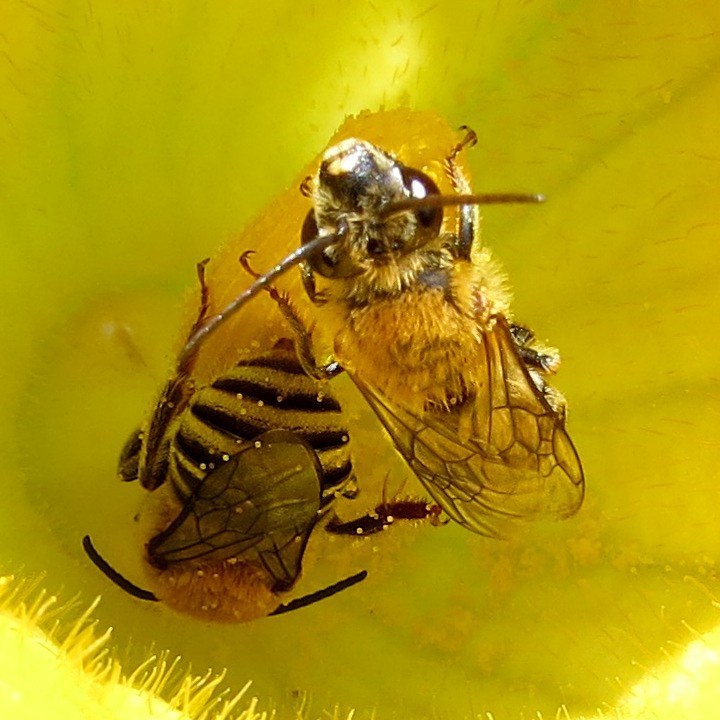
Squash Bee
Vegetable gardens and farm fields growing squash, pumpkin, and gourd plants
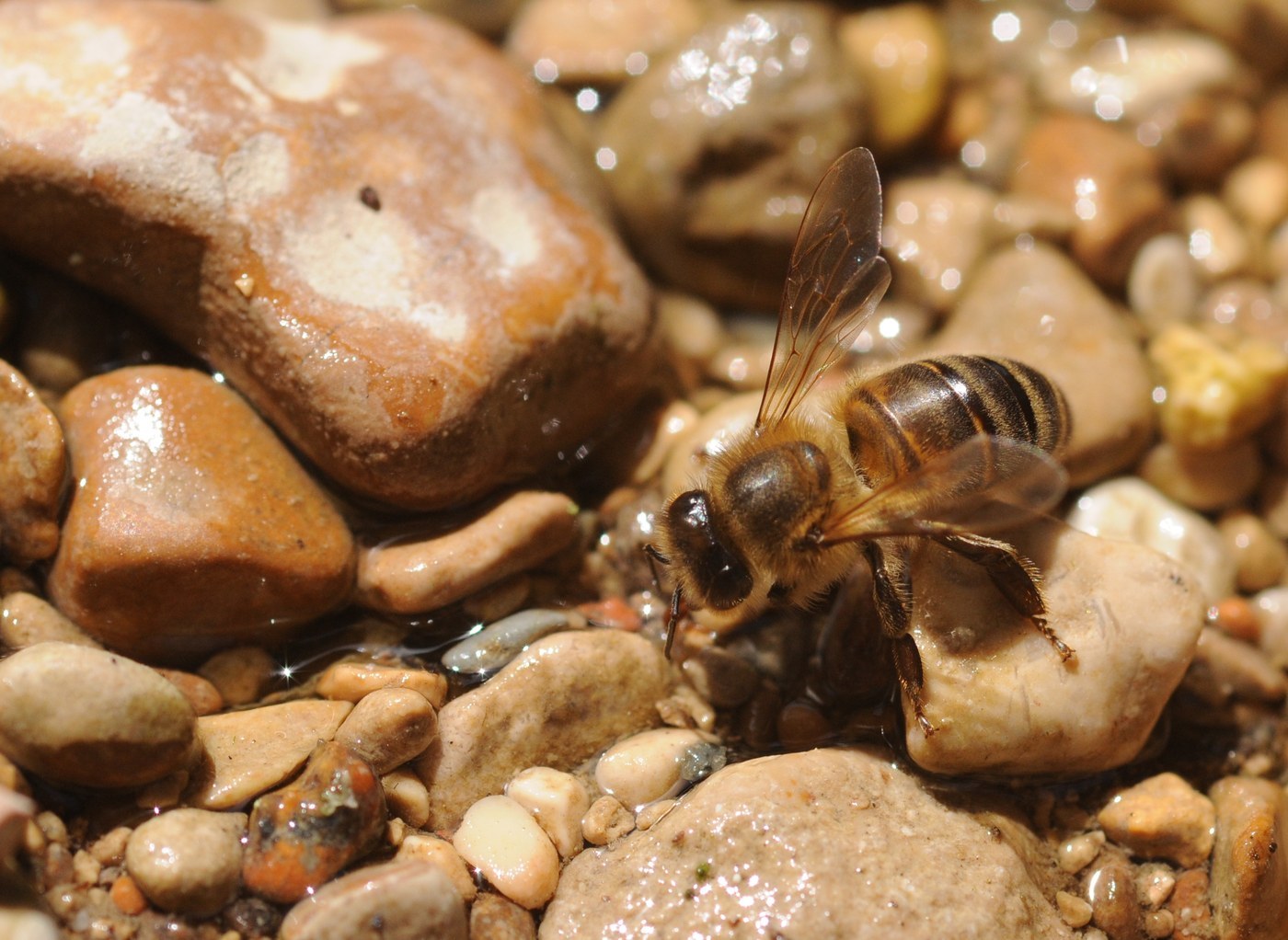
Honey Bee
Flowering meadows, gardens, orchards, and managed hives
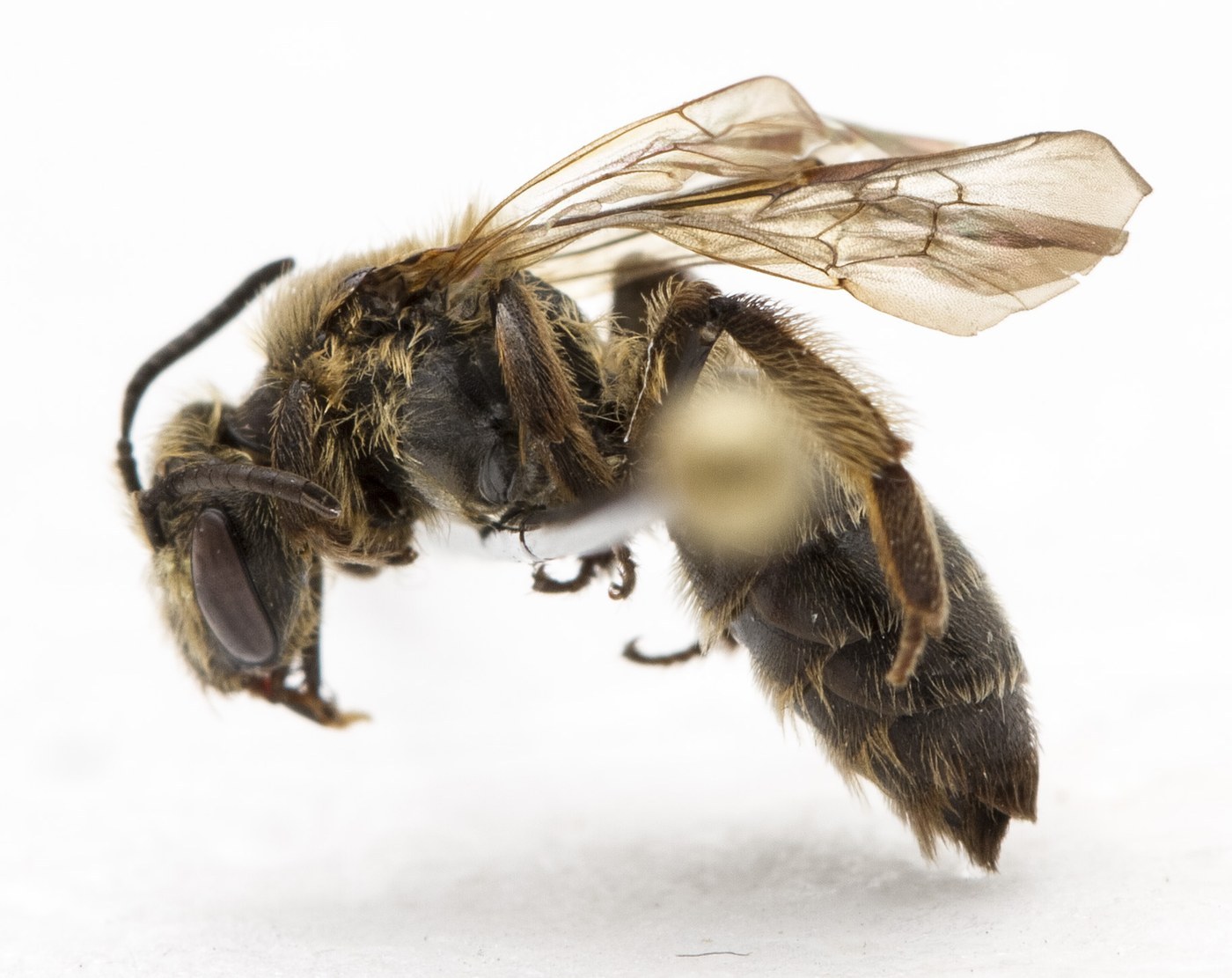
Mining Bee
Bare or sparsely vegetated soil, lawns, gardens, woodland edges
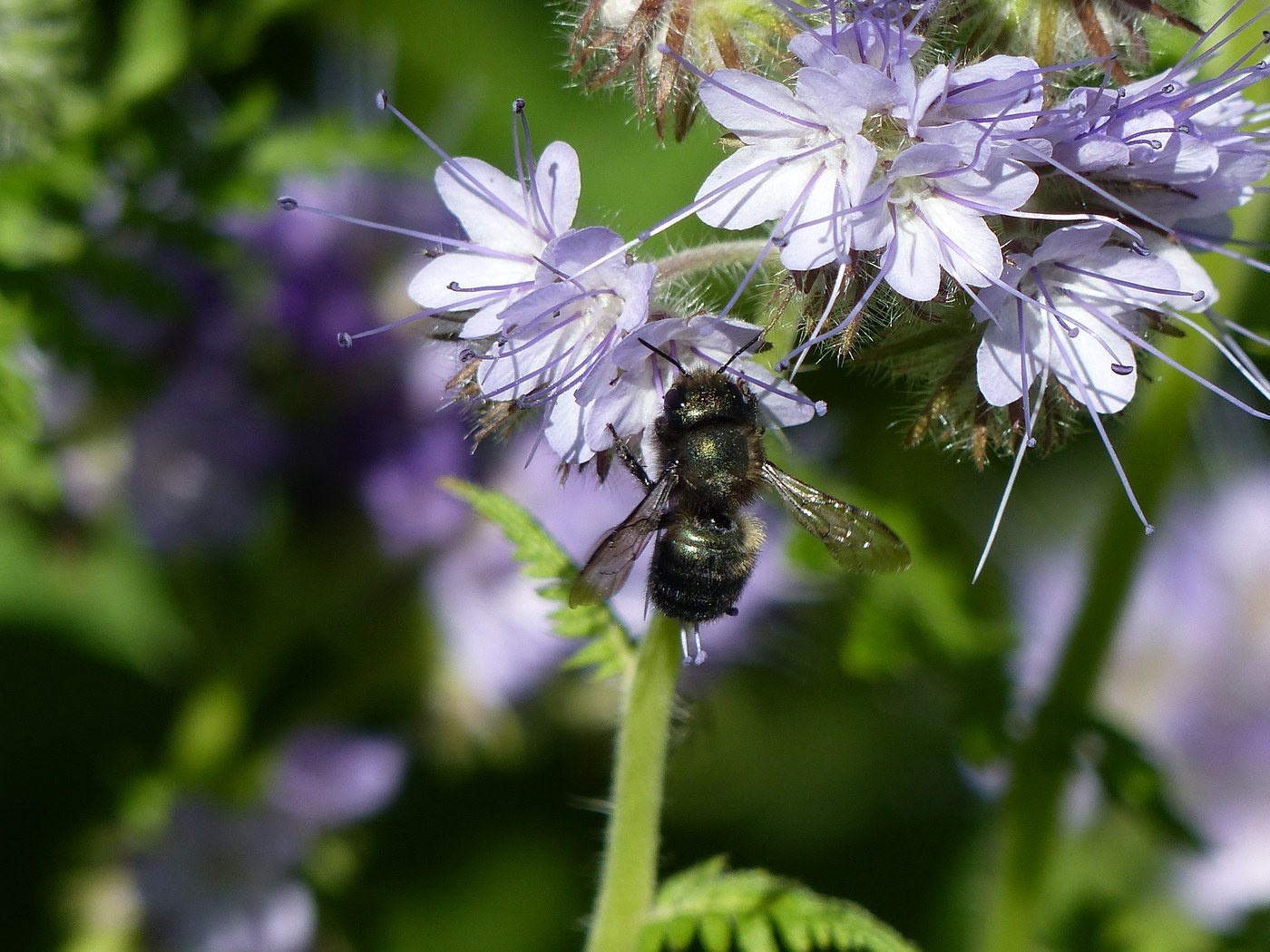
Mason Bee
Orchards, gardens, and wooded edges across temperate regions
Longhorn Bee
Prairies, meadows, gardens, sunflower and aster fields
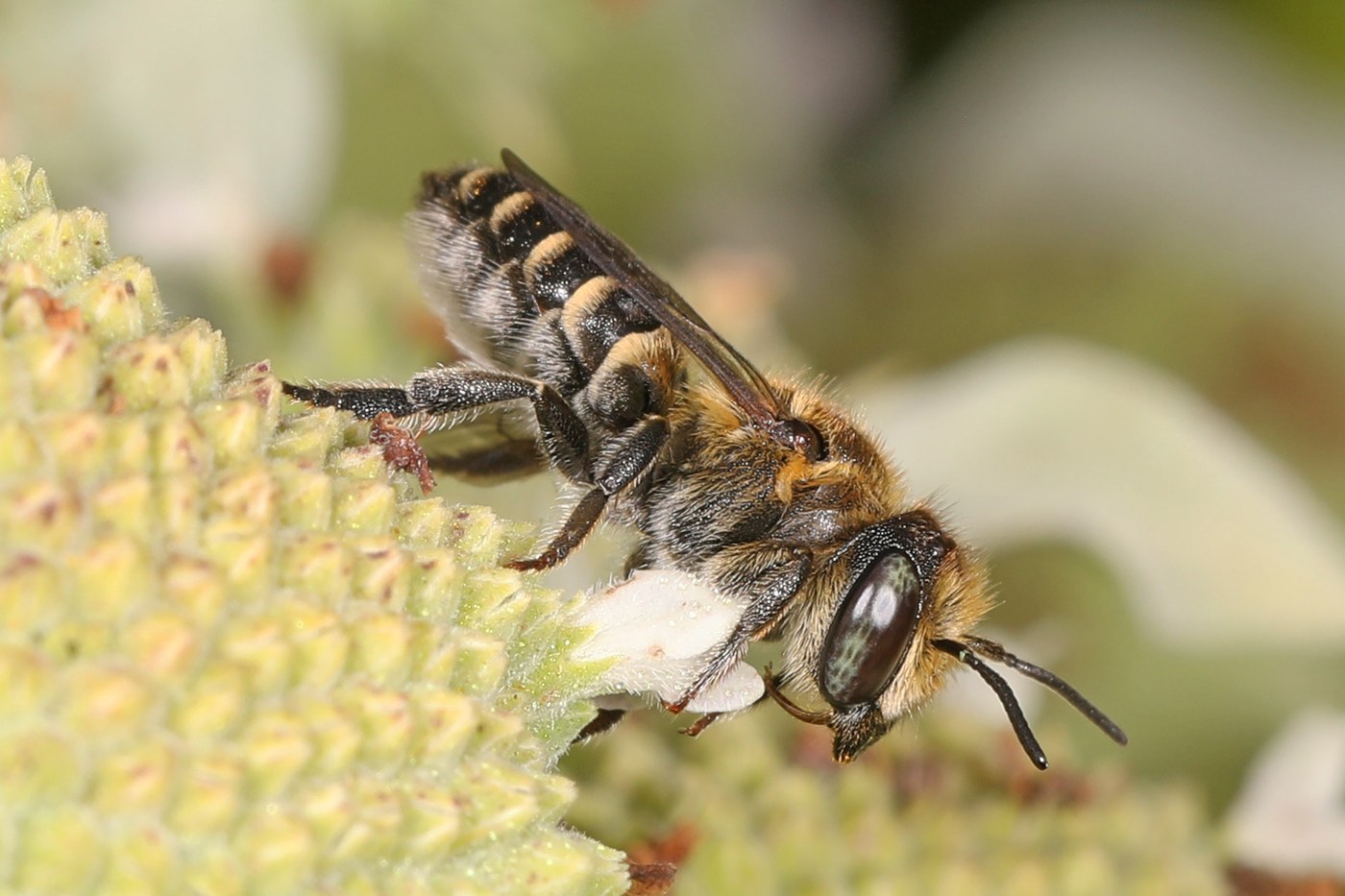
Leafcutter Bee
Gardens, meadows, and agricultural fields across temperate and subtropical regions
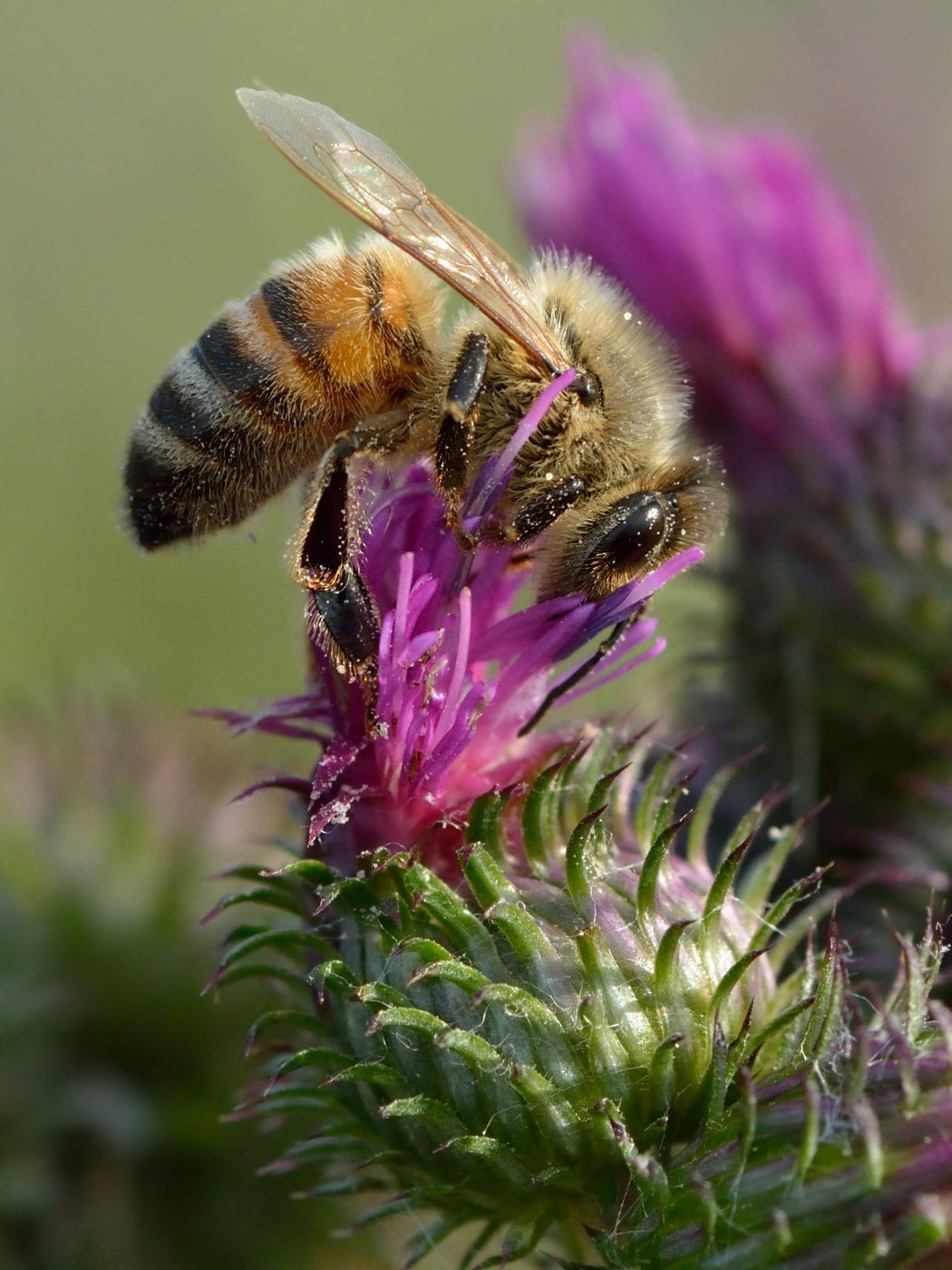
Honeybee
Managed hives, tree cavities, gardens, farmland, meadows
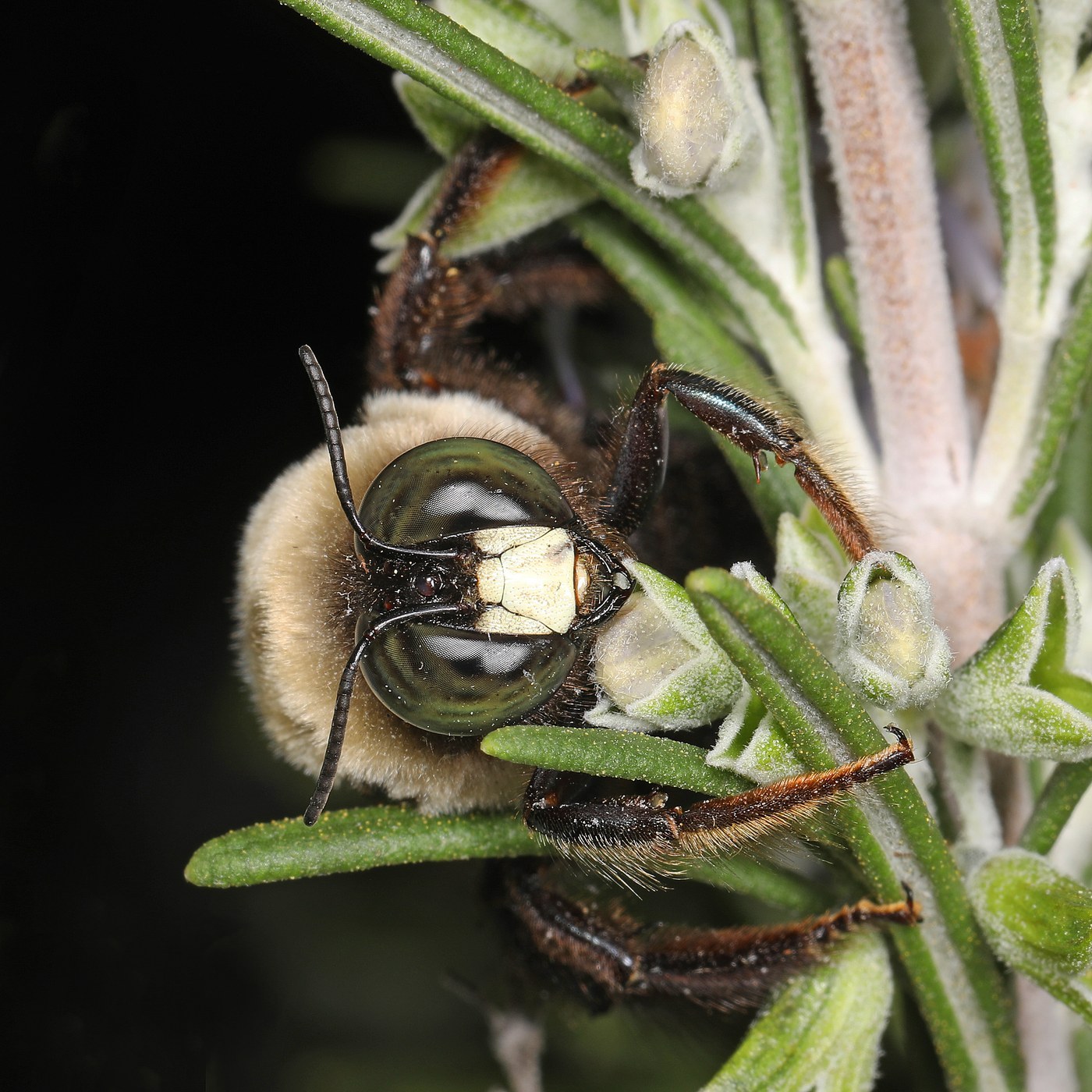
Carpenter Bee
Wooden structures, dead trees, and gardens across temperate and tropical regions
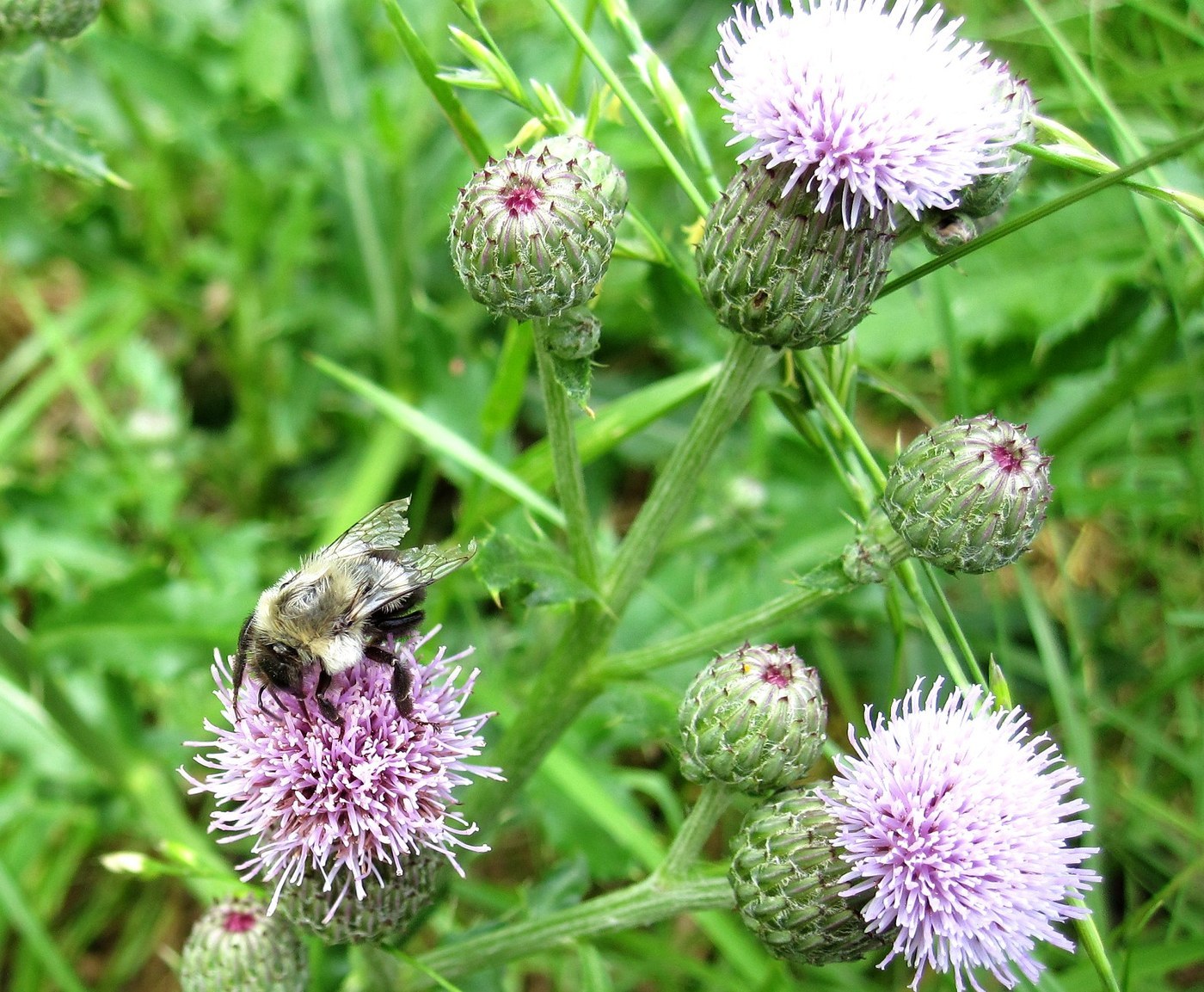
Bumblebee
Meadows, gardens, hedgerows, and open woodland edges