
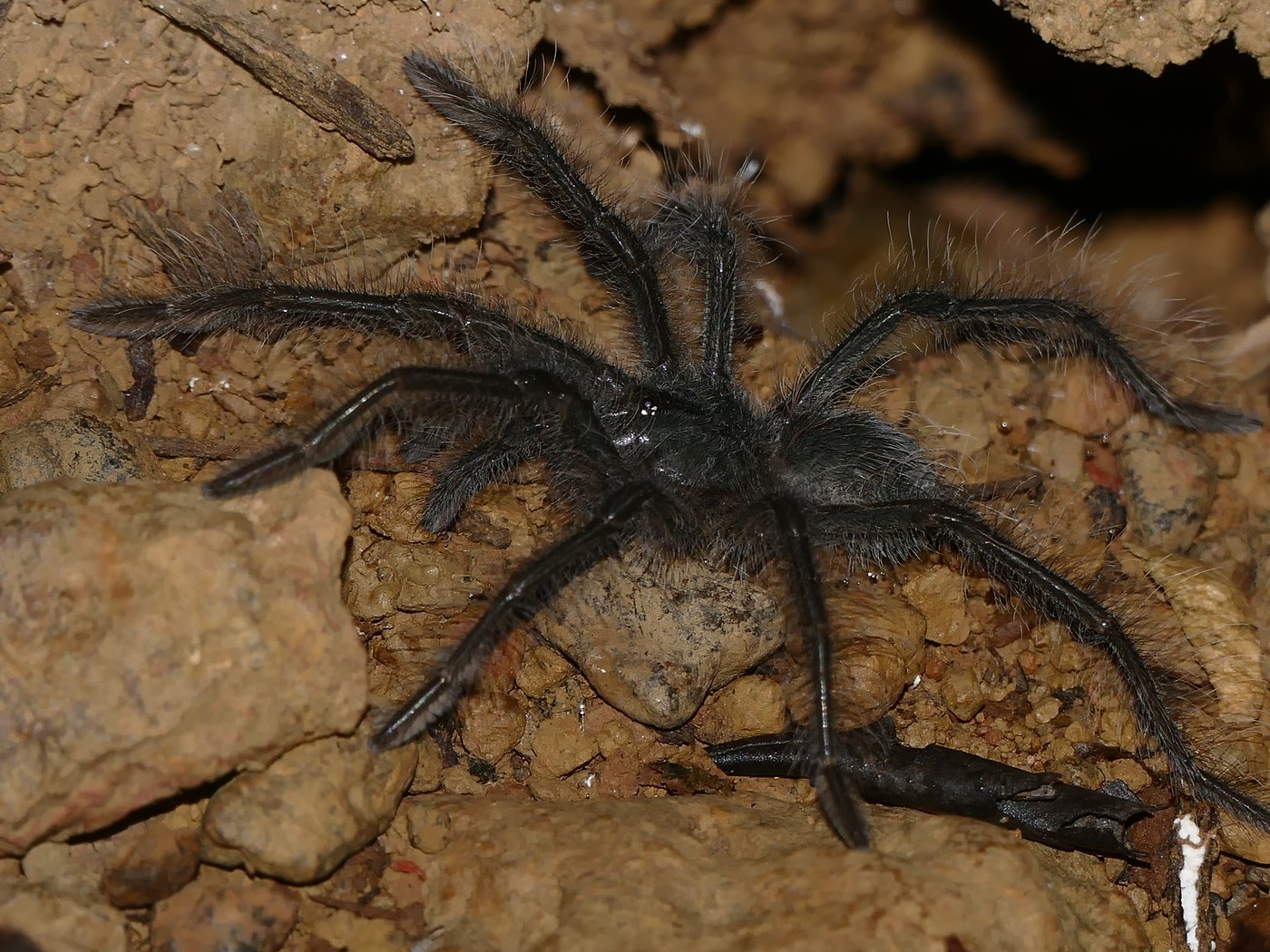
Goliath Birdeater
Theraphosa blondi
The heaviest spider in the world, the Goliath birdeater is a massive, hairy tarantula from the South American rainforest whose leg span can rival a dinner plate, though despite its name it primarily hunts insects and other invertebrates rather than birds.
- Size
- Body up to 13 cm; leg span up to 30 cm
- Habitat
- Burrows in the rainforest floor of northern South America
- Danger
- Mildly venomous
Spotted a bug like this?
Identify any bug or insect from a photo, free.
Overview
The Goliath birdeater is the largest spider on Earth by mass and body size, native to the lowland rainforests of northern South America, including Guyana, Suriname, French Guiana, Venezuela, and northern Brazil. It has a densely hairy body covered in coarse brown to reddish-brown setae, thick, powerful legs, and can reach a leg span of up to about 30 centimeters, making it one of the most imposing spiders in the world by appearance alone.
Despite its dramatic common name, earned after early naturalists reportedly observed one preying on a hummingbird, the Goliath birdeater's diet consists mostly of ground-dwelling invertebrates such as insects, other arthropods, and occasionally small vertebrates like frogs, small snakes, or rodents encountered near its burrow. It is a burrowing species, digging or occupying tunnels in the forest floor, often near root systems or amid leaf litter that provides moisture and stability to the burrow walls.
Like other tarantulas in its family, the Goliath birdeater relies heavily on urticating (barbed, irritating) hairs covering its abdomen as its primary defense, kicking clouds of these fine hairs toward a perceived threat with its hind legs rather than attacking directly. It can also produce a distinctive hissing or stridulating sound by rubbing bristles on its legs together when threatened.
How to Identify
- Extremely large, heavy-bodied tarantula covered in dense brown to reddish-brown hairs
- Thick, robust legs with a leg span that can reach roughly 30 cm (about 12 inches), among the largest of any spider
- Fangs are proportionally large compared to most spiders
- Defensive behavior includes kicking urticating hairs from the abdomen and producing an audible hissing sound by rubbing leg bristles together
- Lookalikes: other large Theraphosa species (similar size and coloring, distinguished mainly by subtle hair patterns and range)
Habitat & Range
Native to the lowland tropical rainforests of northern South America, particularly the Guiana Shield region encompassing Guyana, Suriname, French Guiana, and adjacent parts of Venezuela and Brazil. It lives in burrows dug into the moist forest floor, often near streams, tree roots, or under fallen logs, in areas with consistently high humidity.
Behavior & Diet
The Goliath birdeater is a nocturnal, ambush predator that spends daylight hours within its burrow, emerging at night to hunt for insects, other arthropods, and occasionally small vertebrates near the burrow entrance. It relies on vibration sensing rather than a web to detect prey approaching in the leaf litter. When threatened, its primary defenses are kicking clouds of barbed urticating hairs from its abdomen and producing an audible hissing sound by rubbing specialized bristles on its front legs together, both intended to deter would-be predators before any physical contact.
Life Cycle
Females produce a large silken egg sac containing several hundred eggs, which they guard within or near the burrow. Spiderlings hatch after several weeks and disperse to establish their own small burrows in the forest floor. Growth is slow, with the spider undergoing numerous molts over several years before reaching adulthood. As with most tarantulas, females live considerably longer than males, with documented lifespans reaching into the double digits in the wild and in captivity, while males have a much shorter adult lifespan after maturing.
Frequently asked questions
Is the Goliath birdeater the largest spider in the world?
Yes, by body mass and overall size it is considered the largest spider species on Earth, with a leg span that can reach roughly 30 cm.
Does the Goliath birdeater actually eat birds?
Its diet is made up mostly of ground-dwelling insects and other invertebrates, along with occasional small vertebrates; the name stems from an early historical account of one preying on a hummingbird rather than regular bird-eating behavior.
How does the Goliath birdeater defend itself?
It kicks clouds of barbed, irritating hairs from its abdomen toward a threat and can produce an audible hissing sound by rubbing bristles on its front legs together.
Where does the Goliath birdeater live?
It is native to the lowland rainforests of northern South America, particularly the Guiana Shield region, where it digs burrows in the humid forest floor.
Goliath Birdeater guides
In-depth guides for identifying, understanding, and living alongside Goliath Birdeater.
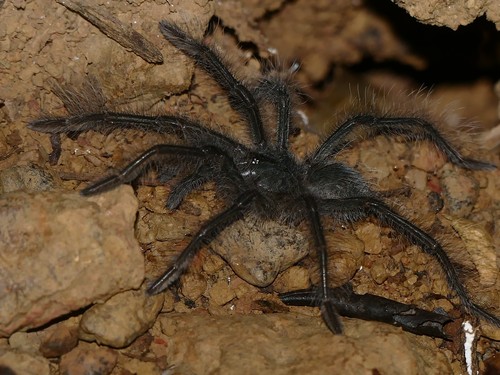
Goliath Birdeater identified by the community
Real finds identified with Bug Identifier.
Other bugs you may enjoy
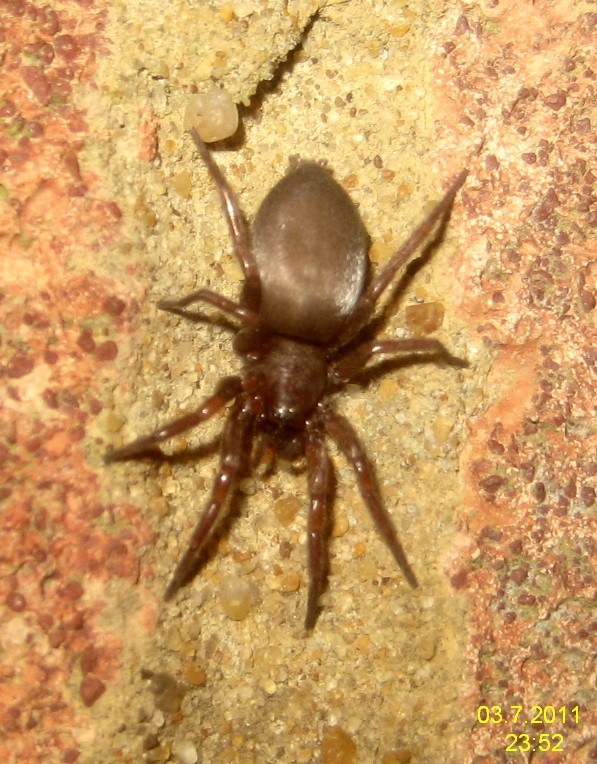
Woodlouse Spider
Damp leaf litter, under logs, stones, and mulch
Wolf Spider
Gardens, grasslands, forests, leaf litter, ground burrows
Wandering Spider
Tropical and subtropical forest floor, foliage, and banana plants
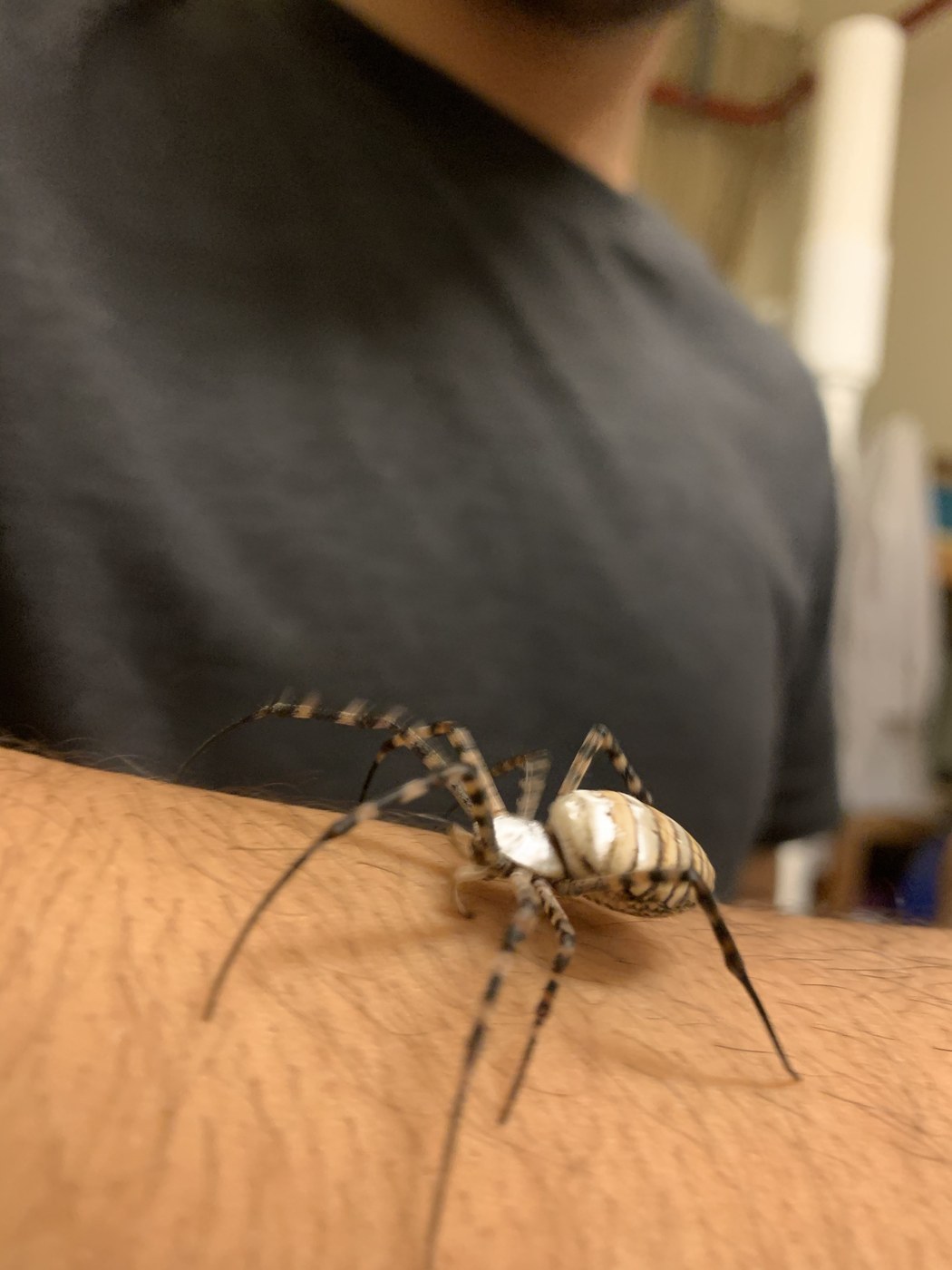
Banded Garden Spider
Tall grass, meadows, and gardens with open sunny vegetation
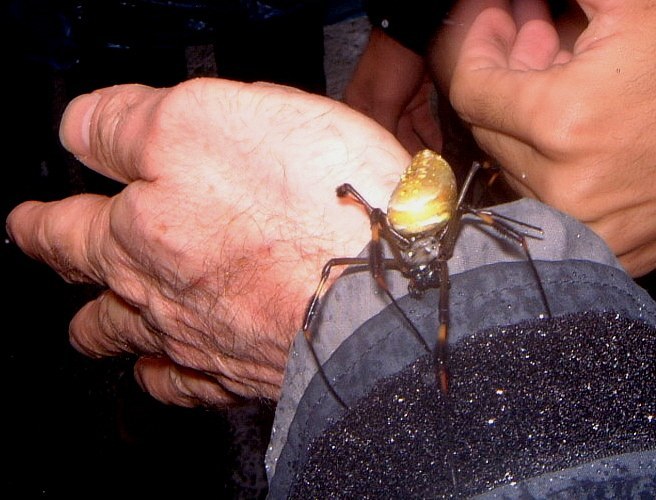
Banana Spider
Wooded trails, forest edges, and gardens across the southeastern U.S. and the American tropics
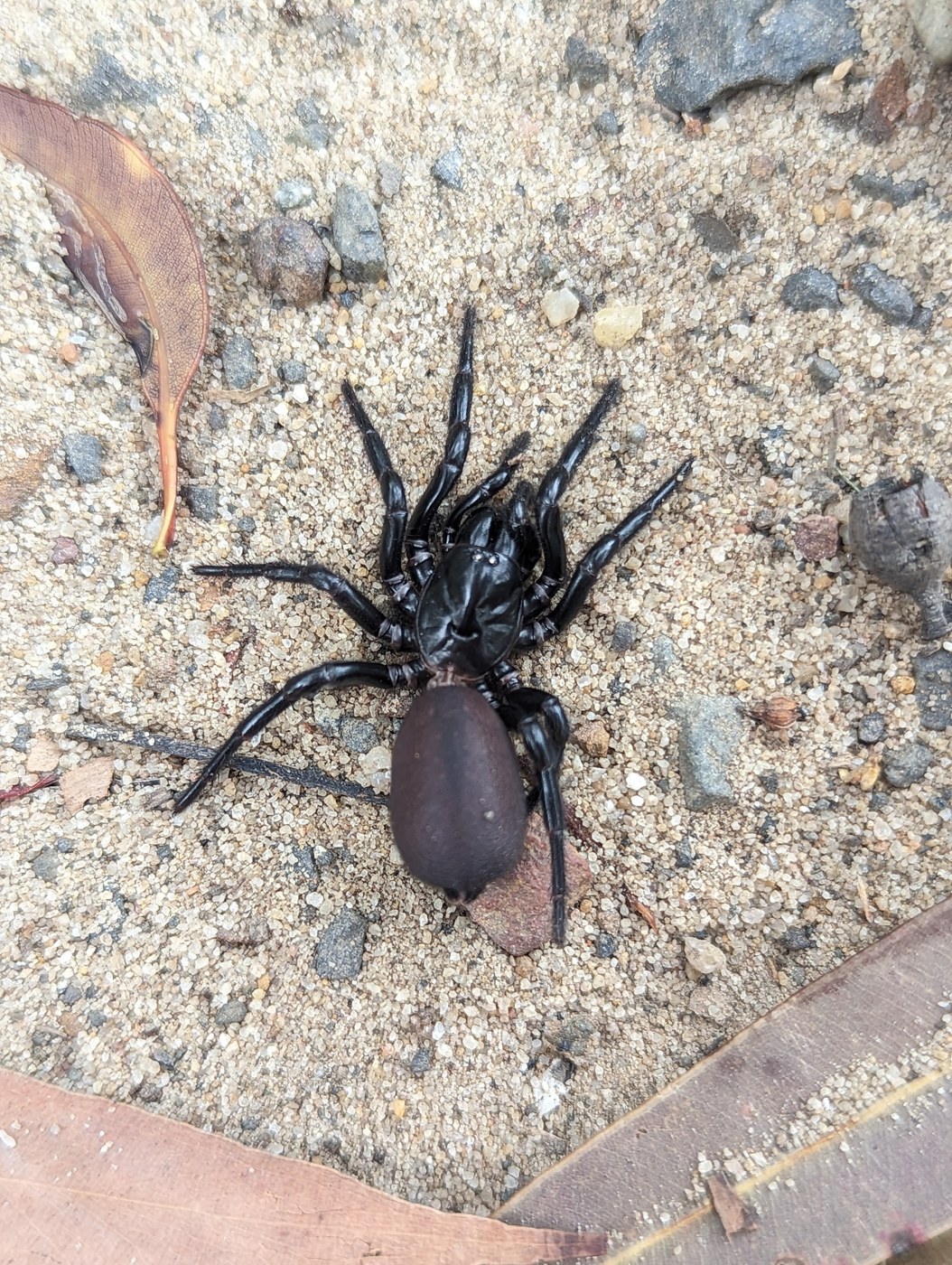
Sydney Funnel-web Spider
Burrows in moist soil, gardens, and forested gullies around the Sydney basin of eastern Australia
Trapdoor Spider
Self-dug silk-lined burrows with a camouflaged door, in dry, well-drained soil worldwide
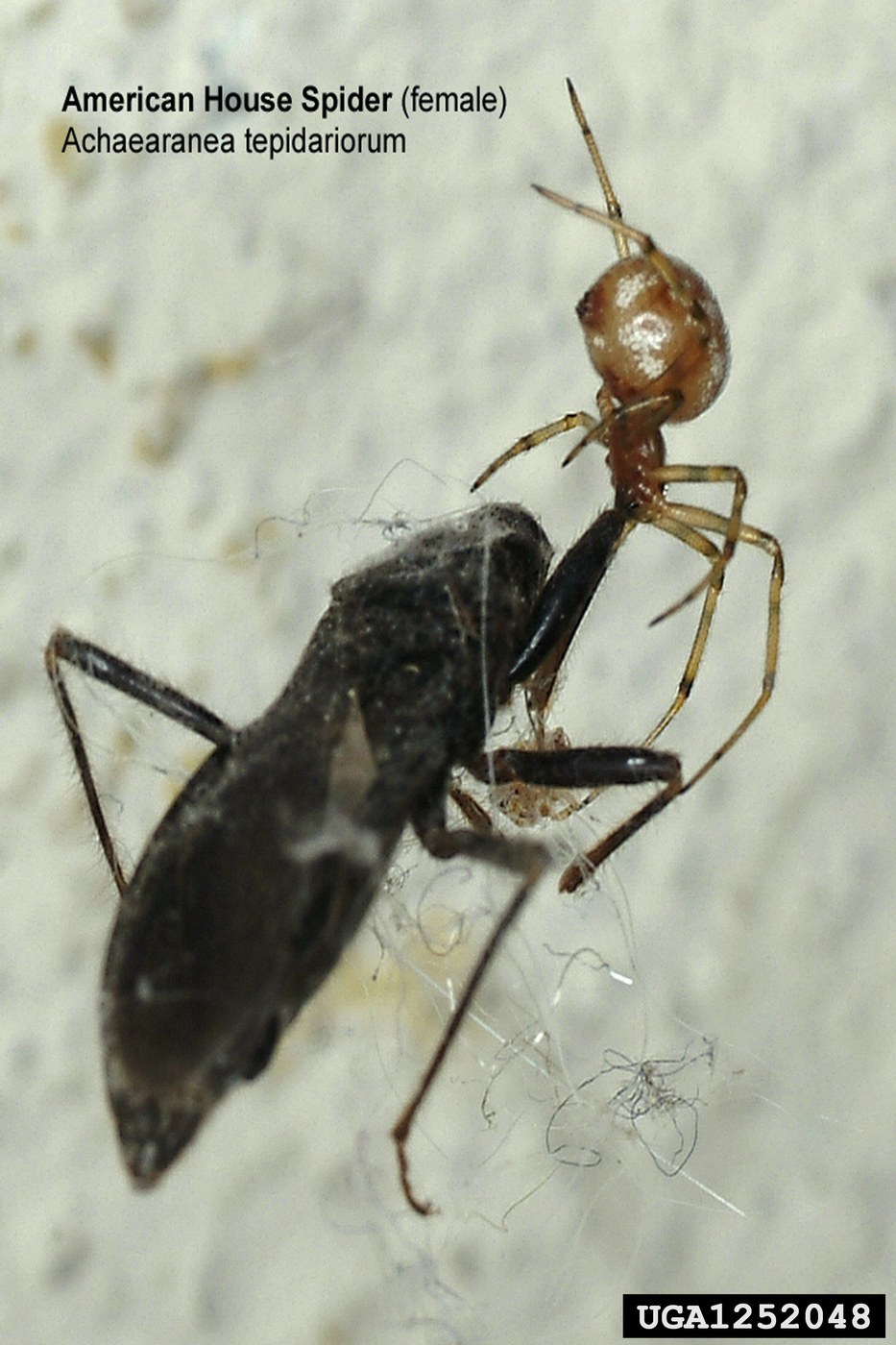
American House Spider
Corners, basements, garages, and outbuildings worldwide
Tube Web Spider
Wall crevices, bark, rockeries, and masonry
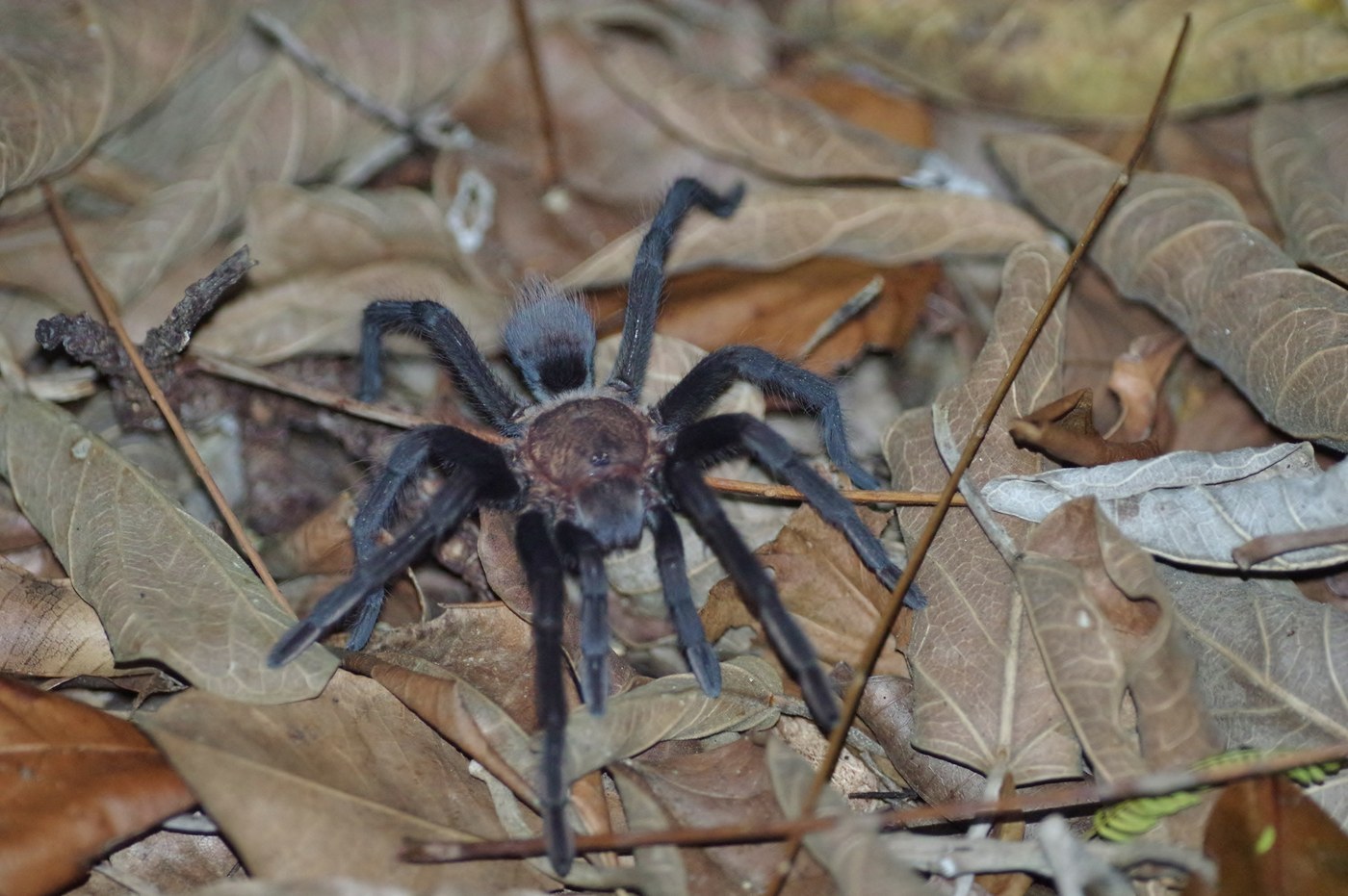
Tarantula
Burrows, rock crevices, and tree hollows in deserts, grasslands, and tropical forests worldwide
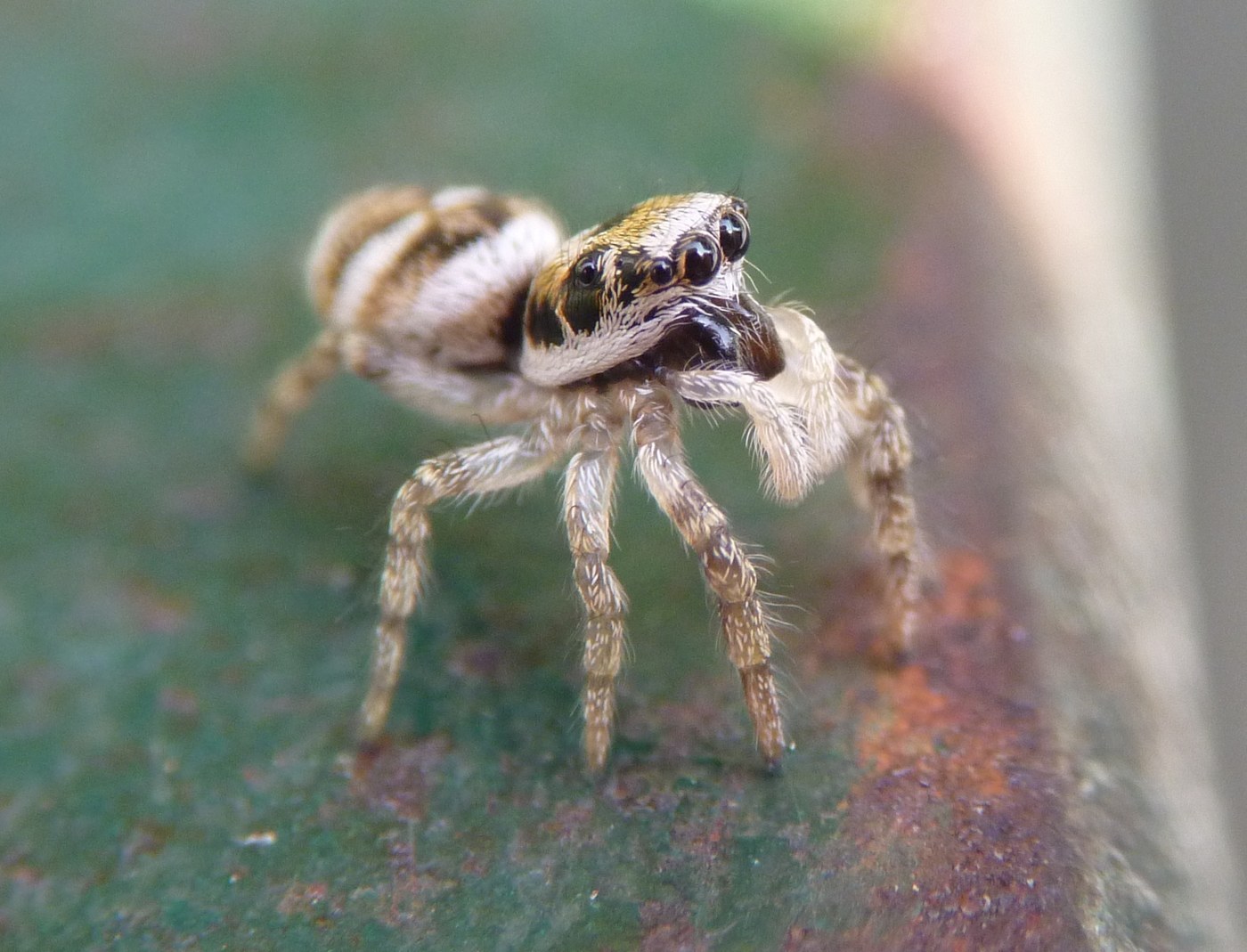
Zebra Jumping Spider
Sunny walls, fences, tree bark, and building exteriors
Wall Spider
Cracks and crevices on exterior and interior walls