
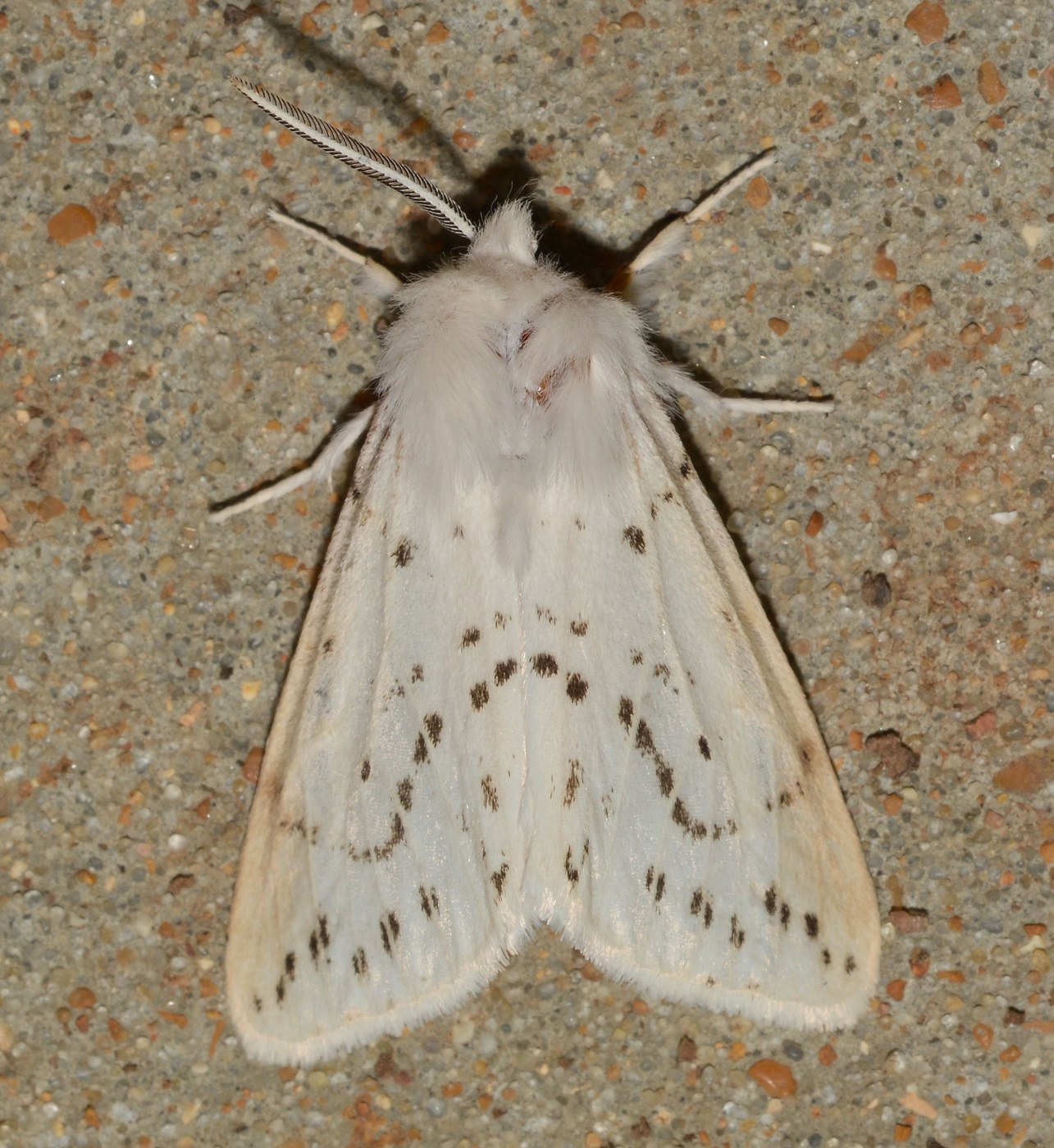
Fall Webworm
Hyphantria cunea
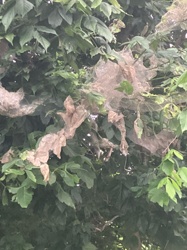
A pale, hairy caterpillar that spins loose, messy silk webs enclosing entire leaf clusters at the tips of tree branches, becoming especially noticeable in late summer and fall.
- Size
- up to 3.5 cm (1.4 in) long
- Habitat
- Deciduous trees across North America, often at branch tips
- Danger
- Nuisance pest
Spotted a bug like this?
Identify any bug or insect from a photo, free.
Overview
The fall webworm is a native North American moth larva recognized for the large, loose silken webs it spins around the foliage at the ends of tree branches, a habit that distinguishes it from the similar-looking eastern tent caterpillar, which builds tighter tents in branch forks earlier in the season. Fall webworms feed on a very wide range of deciduous trees, including pecan, walnut, birch, cherry, and many others, making them one of the most widely distributed defoliating caterpillars in North America.
Though webbed branches can look unsightly, especially on ornamental and shade trees in late summer, the caterpillars generally feed on leaves that are already nearing the end of their seasonal usefulness to the tree, and healthy established trees typically tolerate the defoliation without lasting damage. The species has also become established in parts of Europe and Asia as an introduced insect.
How to Identify
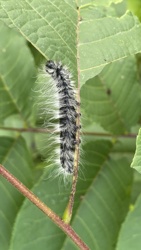
- Pale yellowish-green to cream body covered in long, soft, whitish hairs
- Head can be either black or reddish-orange depending on the regional race
- Row of dark spots along the back, partially obscured by hair tufts
- Grows to about 3.5 cm at maturity
- Found feeding communally inside a loose, expanding silk web at the tips of branches
- Distinguished from eastern tent caterpillar by the messier, tip-of-branch web (rather than a tight tent in a branch fork) and later-season timing
Habitat & Range
Widespread across North America and introduced to parts of Europe and Asia, fall webworms are found on a broad range of deciduous host trees in forests, parks, orchards, and urban landscapes. Webs become most conspicuous in late summer and early fall as larvae grow and enlarge their communal shelter, in contrast to the spring-active tent caterpillars.
Behavior & Diet
Fall webworm caterpillars feed communally within their expanding silk web, which encloses the leaves they are actively consuming and expands outward as they need more foliage, unlike tent caterpillars which venture outside their tent to feed. This webbing behavior protects the colony from many predators and weather, though it also makes their presence highly visible on host trees. As generalist folivores capable of feeding on dozens of tree species, they play a role in seasonal leaf turnover and serve as prey for parasitic wasps, predatory insects, and birds that are able to access the web.
Life Cycle
Adult moths lay egg masses on the undersides of leaves in late spring to summer, and the emerging caterpillars immediately begin spinning a communal web around nearby foliage. Larvae feed and grow within the enlarging web for four to six weeks, passing through multiple instars, before leaving to pupate in a cocoon spun in leaf litter, bark crevices, or soil. Depending on climate, the species may produce one to four generations per year, with the final generation overwintering as pupae until moths emerge the following season.
Frequently asked questions
How is the fall webworm different from the eastern tent caterpillar?
Fall webworms build loose webs enclosing leaves at branch tips in late summer, while tent caterpillars build tighter tents in branch forks in spring.
What trees do fall webworms feed on?
They are generalists that feed on a very wide range of deciduous trees, including pecan, walnut, birch, and cherry.
Do fall webworms stay inside their web while feeding?
Yes, unlike some other tent-building caterpillars, fall webworms feed entirely within their expanding silk web.
When are fall webworm webs most visible?
They become most noticeable in late summer and early fall as the colony and its web grow larger.
Fall Webworm guides
In-depth guides for identifying, understanding, and living alongside Fall Webworm.
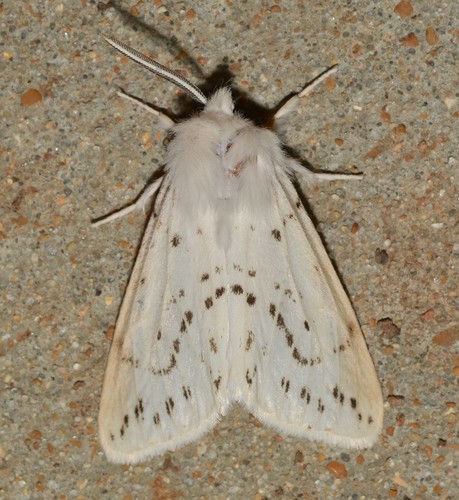
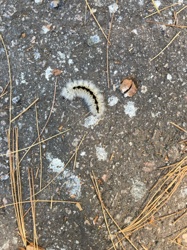
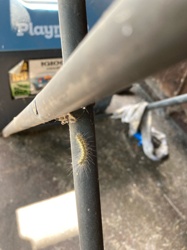
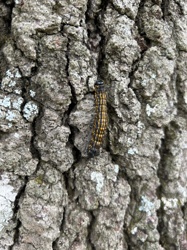
Fall Webworm identified by the community
Real finds identified with Bug Identifier.
Other bugs you may enjoy
Bagworm
Trees and shrubs, especially conifers and ornamental landscaping
Armyworm
grasslands, pastures, and cereal crop fields
Zebra Longwing Caterpillar
Tropical and subtropical hammocks with passionflower vines
Tomato Hornworm
Gardens and fields with tomato, pepper, and other nightshade plants
Tent Caterpillar
Deciduous trees such as cherry, apple, and other rosaceous species
Tobacco Hornworm
tobacco, tomato, and pepper plants in gardens and fields
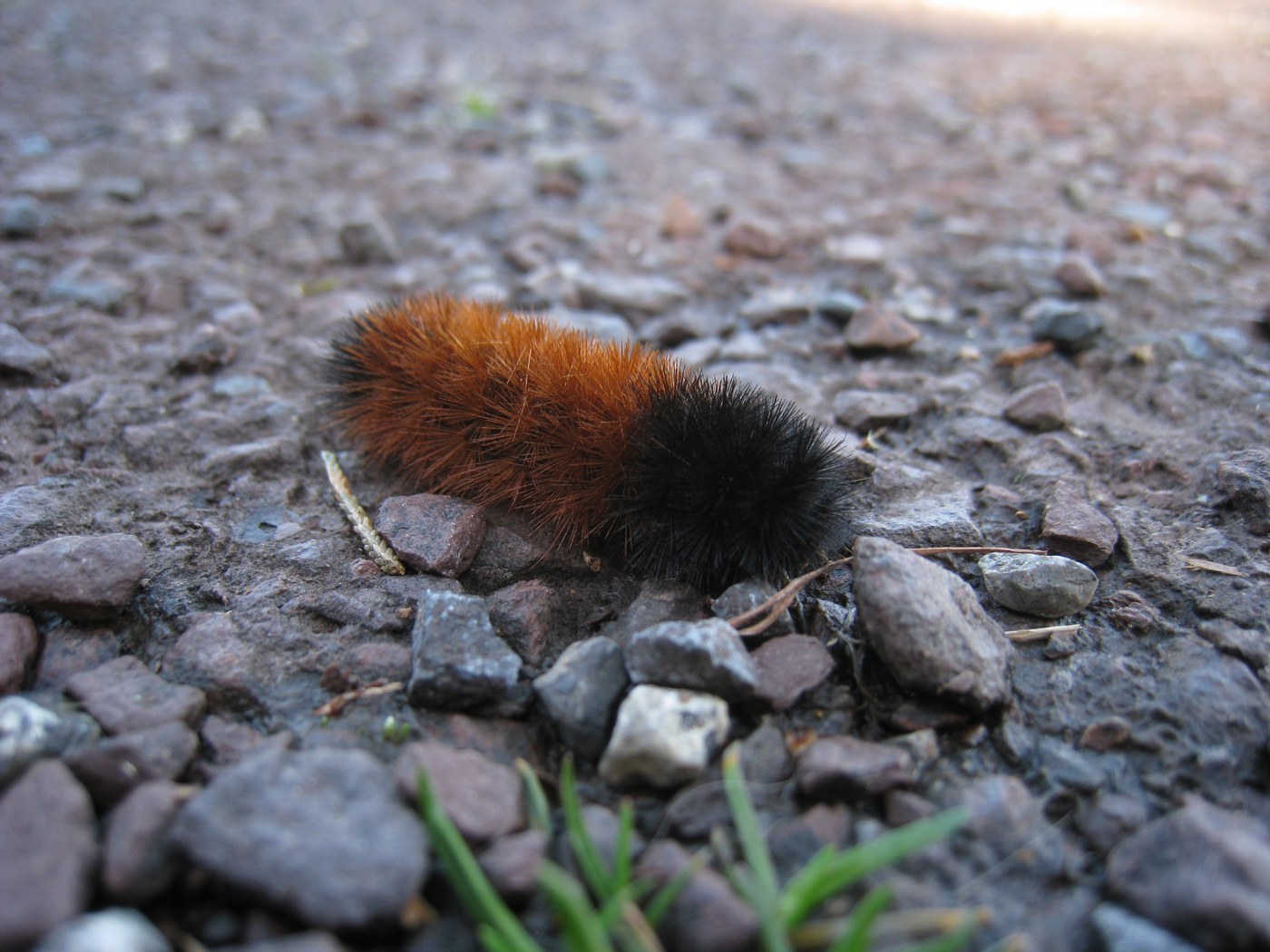
Woolly Bear Caterpillar
Gardens, meadows, roadsides, and woodland edges across North America
Sod Webworm
Turfgrass lawns, golf courses, pastures
Spiny Oak-slug Caterpillar
Deciduous forests and woodland edges with oak and other hardwoods
Saddleback Caterpillar
Deciduous trees and shrubs in eastern and southern North America
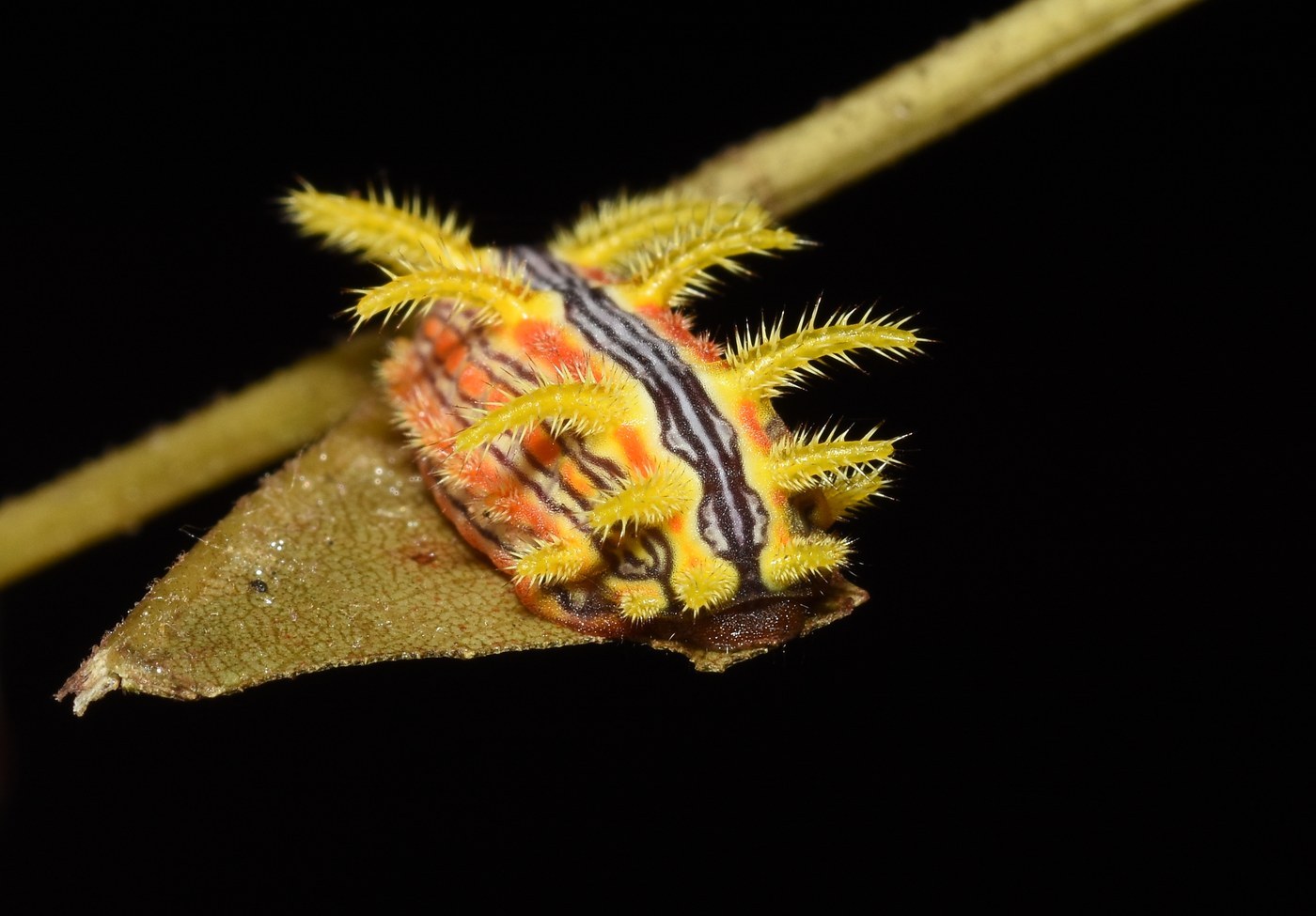
Stinging Rose Caterpillar
Gardens and woodlands with rose, dogwood, or oak
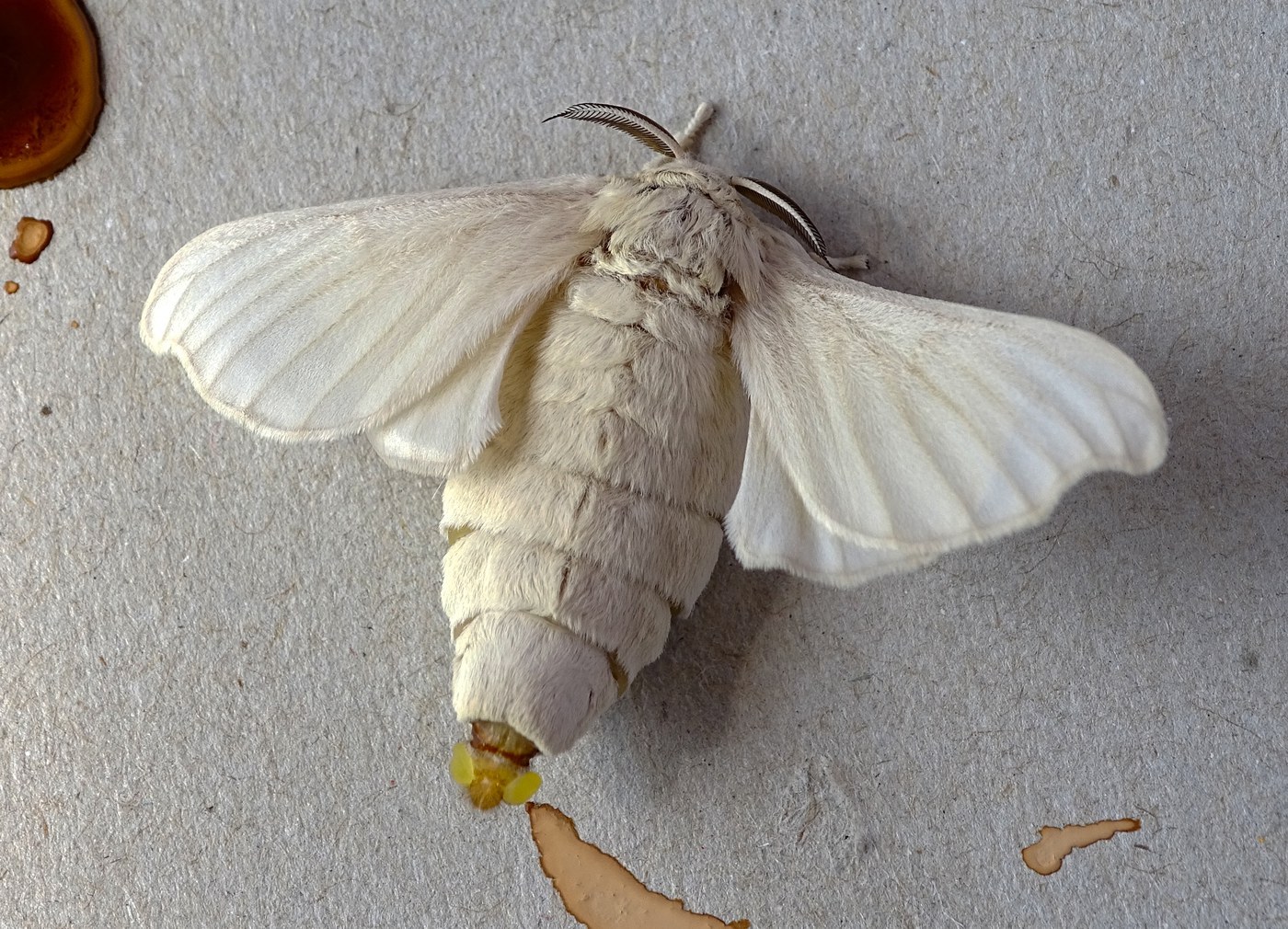
Silkworm
Reared exclusively in captivity on mulberry leaves; no independent wild population