
Bug Encyclopedia
Search and identify bugs & insects — beetles, butterflies, moths, ants, bees, spiders and more — with size, habitat, danger, behavior, and how to tell them apart.
Field Ant
A large, common outdoor ant that builds conspicuous mound nests of soil and plant debris in sunny open ground and defends itself by spraying formic acid rather than stinging.
ant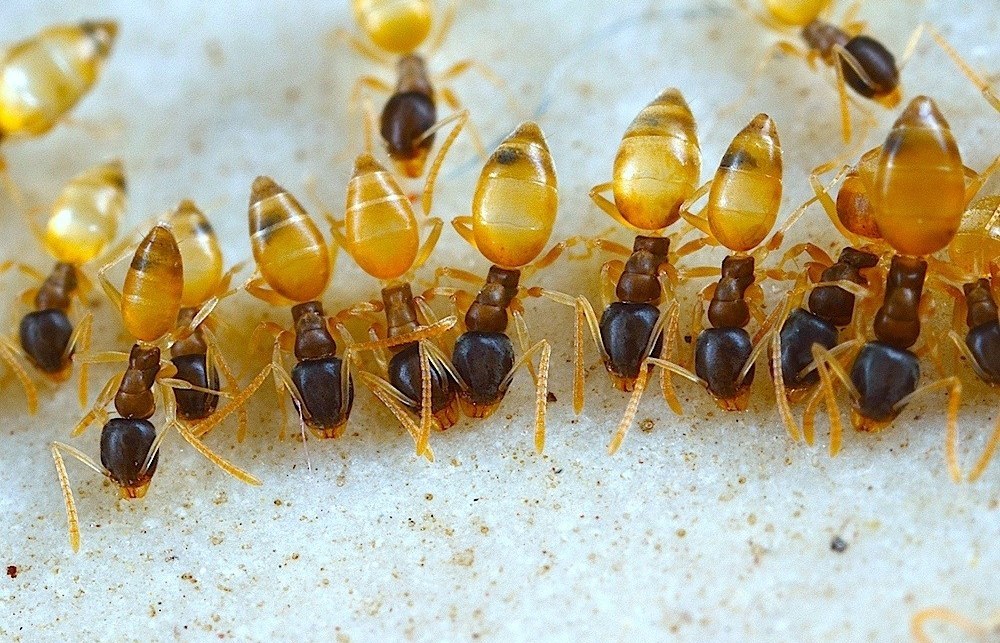
Ghost Ant
A minuscule ant with a dark head and pale, nearly translucent legs and abdomen that seem to vanish against light-colored surfaces, giving the species its ghostly common name.
ant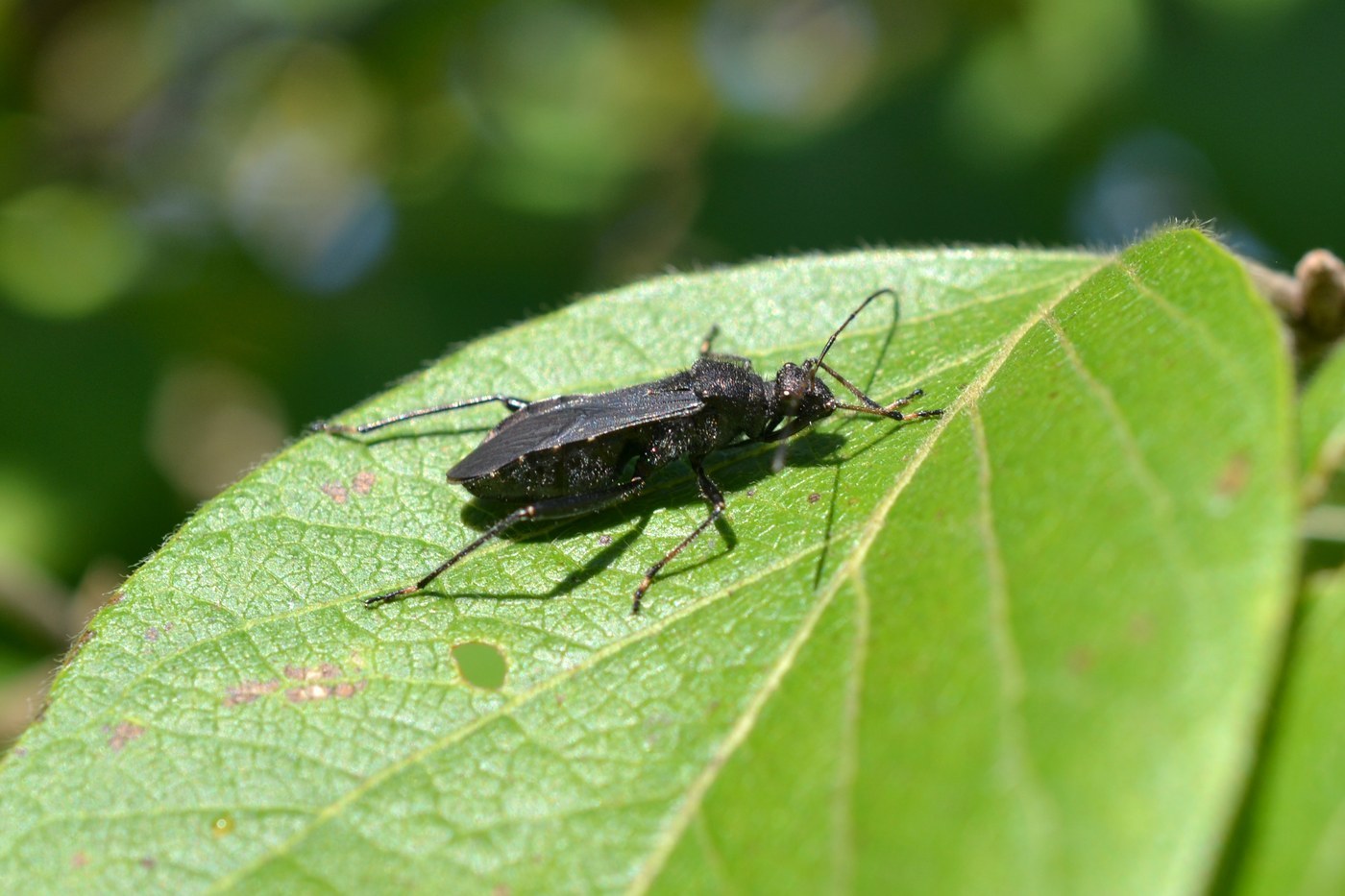
Broad-Headed Bug
A slender, dark true bug with a notably wide head, whose nymphs are remarkable ant mimics that scurry among leaf litter before maturing into fliers that resemble small leaf-footed bugs.
true-bug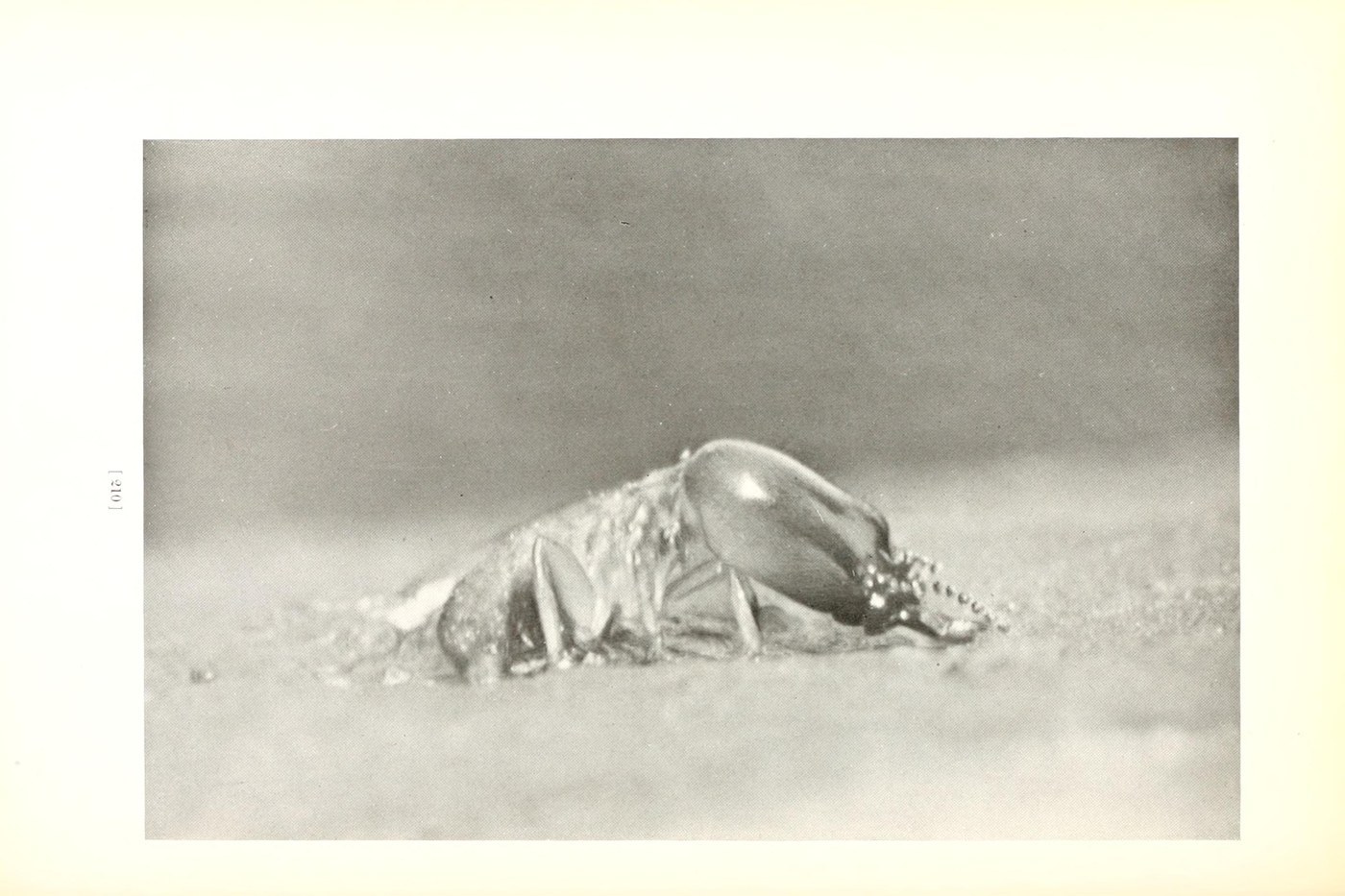
Termite
A pale, soft-bodied social insect that lives in hidden colonies and feeds on cellulose in wood and plant debris, often mistaken for an ant despite belonging to an entirely different insect order.
other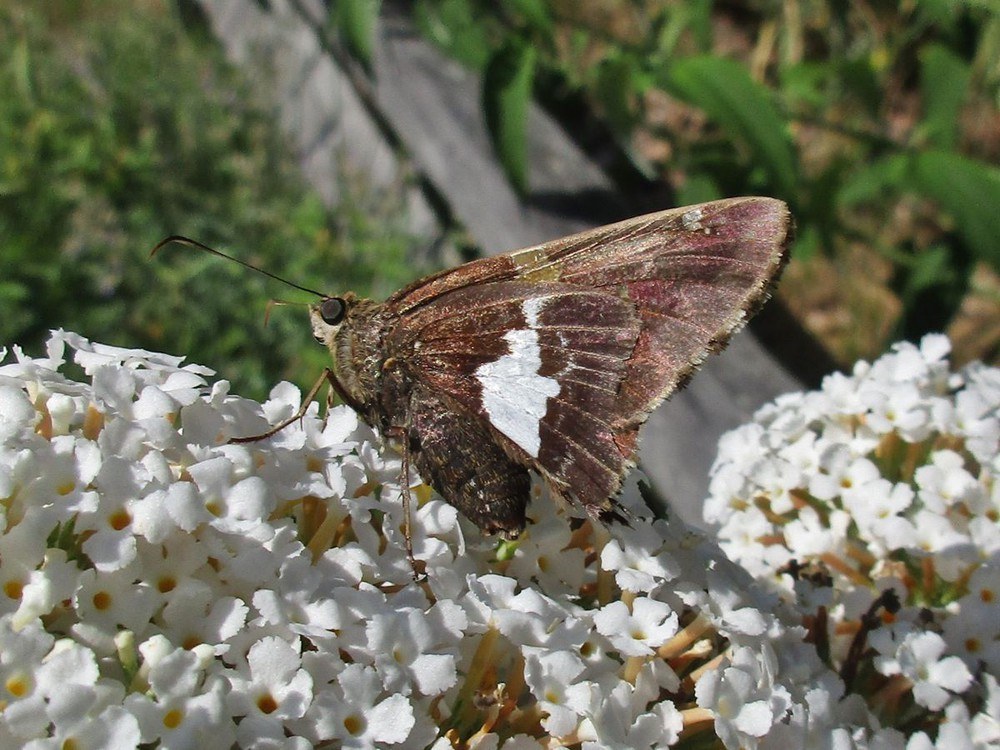
Skipper Butterfly
A stocky, fast-darting butterfly with a large head, hooked antennae tips, and thick furry body, intermediate in appearance between butterflies and moths, named for its quick, skipping flight.
butterfly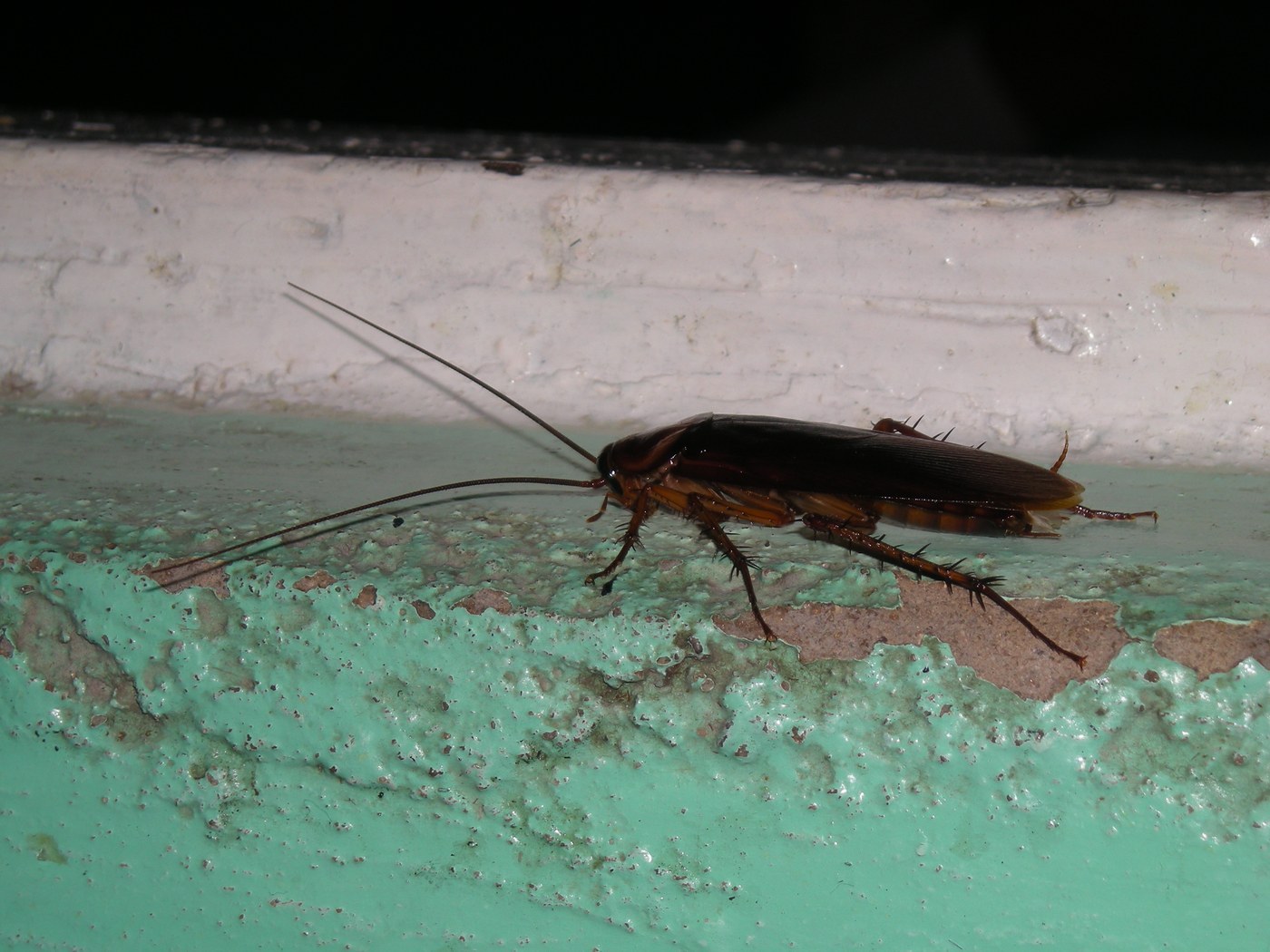
American Cockroach
The largest common house-infesting cockroach, a reddish-brown, glossy insect with long antennae and a pale yellowish band edging the shield behind its head, capable of both fast running and short bursts of flight.
otherCone-headed Katydid
A large, grass-colored katydid named for its sharply pointed, cone-shaped head, best known for producing some of the loudest, most sustained buzzing calls of any North American insect.
grasshopper-cricket