
Field Ant
Formica spp.
A large, common outdoor ant that builds conspicuous mound nests of soil and plant debris in sunny open ground and defends itself by spraying formic acid rather than stinging.
- Size
- Workers about 4-9 mm long
- Habitat
- Open fields, meadows, lawns, and woodland edges
- Danger
- Bites
Spotted a bug like this?
Identify any bug or insect from a photo, free.
Overview
Field ants belong to the genus Formica, a large and widespread group found across North America, Europe, and Asia. Species vary considerably in size, color, and nest-building habits, but many are known for constructing large, dome-shaped mound nests built from soil, twigs, pine needles, and other plant debris in open, sunny locations.
As true formicine ants, field ants lack a stinger. Instead, they defend themselves and subdue prey by spraying formic acid from the tip of the abdomen, a chemical defense characteristic of the wider Formicinae subfamily to which they belong.
Field ants play an important role in grassland and woodland-edge ecosystems, both as predators and scavengers of other insects and as active soil engineers, whose extensive mound-building and tunneling aerates and mixes soil over time.
How to Identify
- Medium to large workers, roughly 4-9 mm long, with some size variation within a colony
- Coloring ranges from solid reddish-brown or black to bicolored, with a reddish thorax and darker gaster in several common species
- Single node on the petiole, no stinger
- Some species build large, prominent dome-shaped mounds of soil and plant debris in open, sunny sites
- Distinguished from carpenter ants (Camponotus) by generally smaller size and from harvester ants by the lack of a stinger
Habitat & Range
Field ants are found throughout temperate regions of North America, Europe, and Asia, favoring open, sunlit habitats such as meadows, pastures, lawns, roadsides, and the edges of woodlands, where their mound nests can absorb solar warmth to help regulate colony temperature.
Behavior & Diet
Field ants are generalist predators and scavengers, feeding on other insects and tending honeydew-producing aphids and other sap-feeding insects on nearby plants for sugary secretions. Large mound-building species maintain their nests actively, adjusting the mound's shape and thatch covering to regulate internal temperature and moisture. Some field ant species are also known to engage in a form of temporary social parasitism, in which a newly mated queen infiltrates the nest of another ant species to found her own colony using the host workers.
Life Cycle
Like all ants, field ants undergo complete metamorphosis through egg, larva, pupa, and adult stages. Colonies range from single-queen to multi-queen (polygynous) depending on the species, and large mound colonies can persist for many years, overwintering deep underground below the frost line. Winged reproductive ants are produced seasonally, with mating flights typically occurring in mid to late summer.
Frequently asked questions
Do field ants sting?
No, as members of the Formicinae subfamily, they lack a stinger and instead defend themselves by spraying formic acid and biting.
Why do field ants build large mounds?
Dome-shaped mounds of soil and debris help absorb solar heat, allowing the colony to regulate nest temperature for developing brood.
What do field ants eat?
They are generalist predators and scavengers of other insects and also tend aphids and other honeydew-producing insects for their sugary secretions.
How long do field ant colonies live?
Large mound-building colonies can persist for many years, with workers overwintering deep underground below the frost line.
Field Ant guides
In-depth guides for identifying, understanding, and living alongside Field Ant.
Field Ant identified by the community
Real finds identified with Bug Identifier.
Other bugs you may enjoy
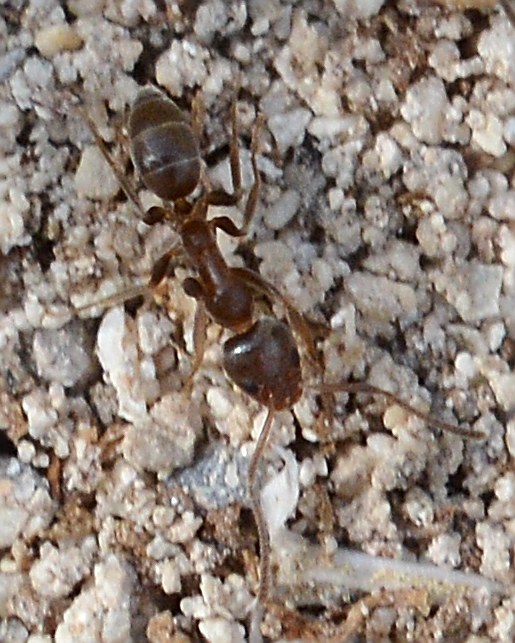
Argentine Ant
Disturbed urban soil, gardens, and building perimeters
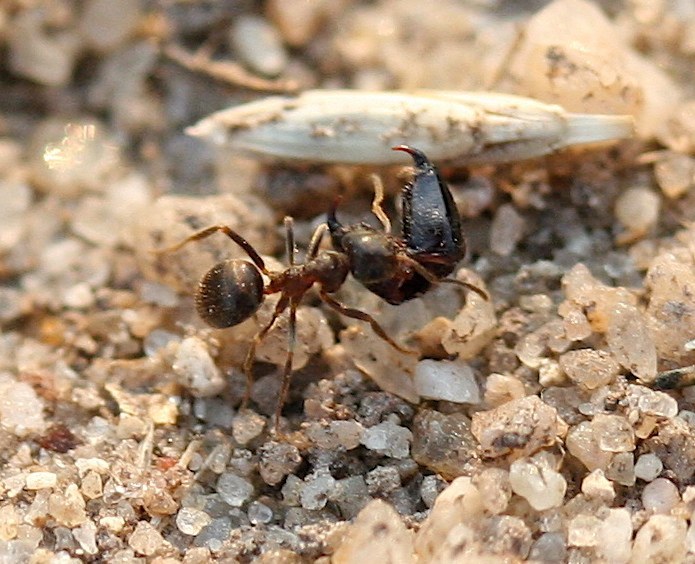
Ant
Gardens, lawns, woodlands, sidewalks, and buildings worldwide
Weaver Ant
Canopy of tropical forests, orchards, and mangroves
Sugar Ant
Gardens, woodlands, and urban areas; nests in soil, timber, or tree hollows
Trap-Jaw Ant
Tropical and subtropical forests, leaf litter, sandy coastal soils
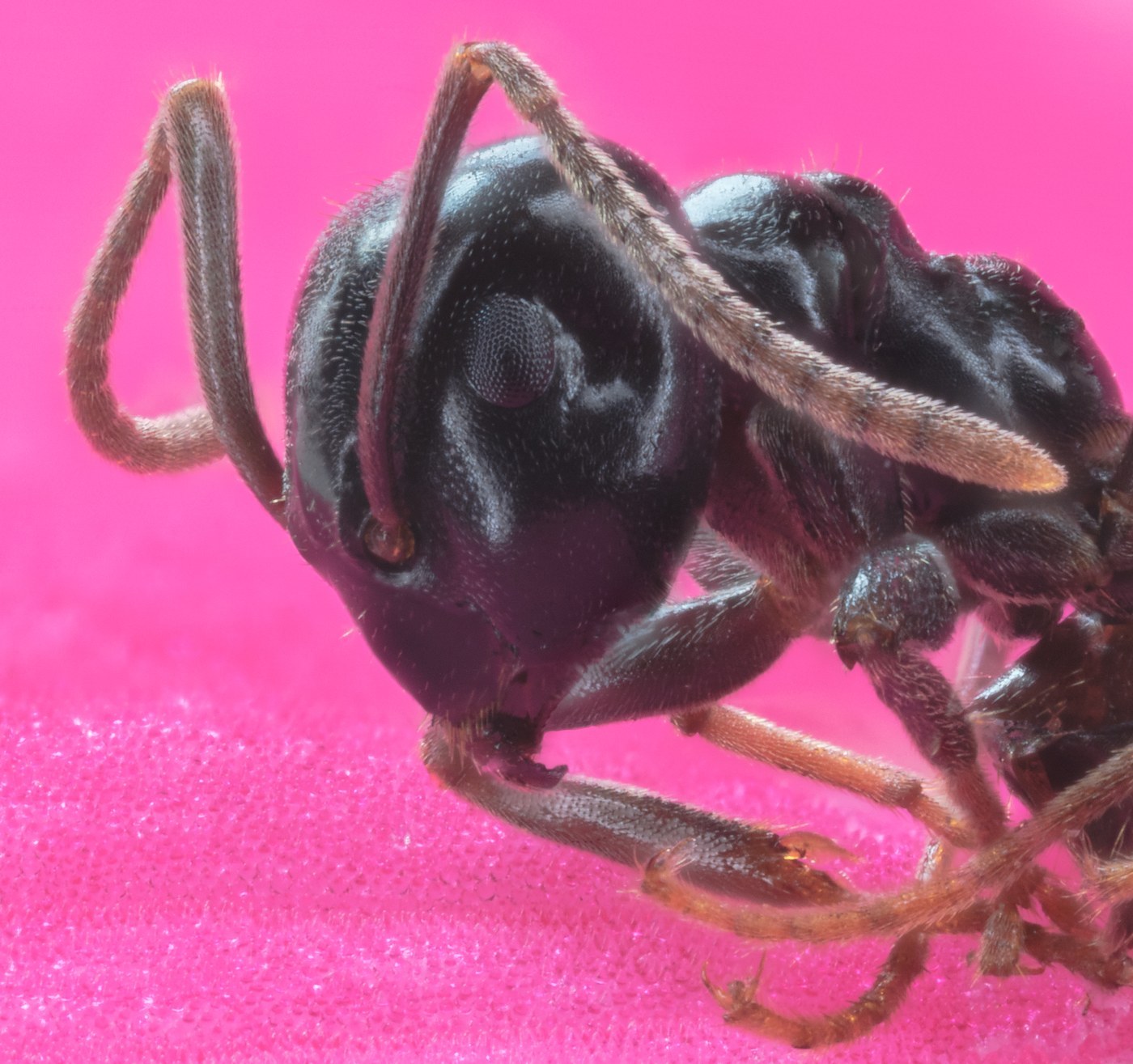
Pharaoh Ant
Warm, humid indoor voids such as wall cavities and heating ducts
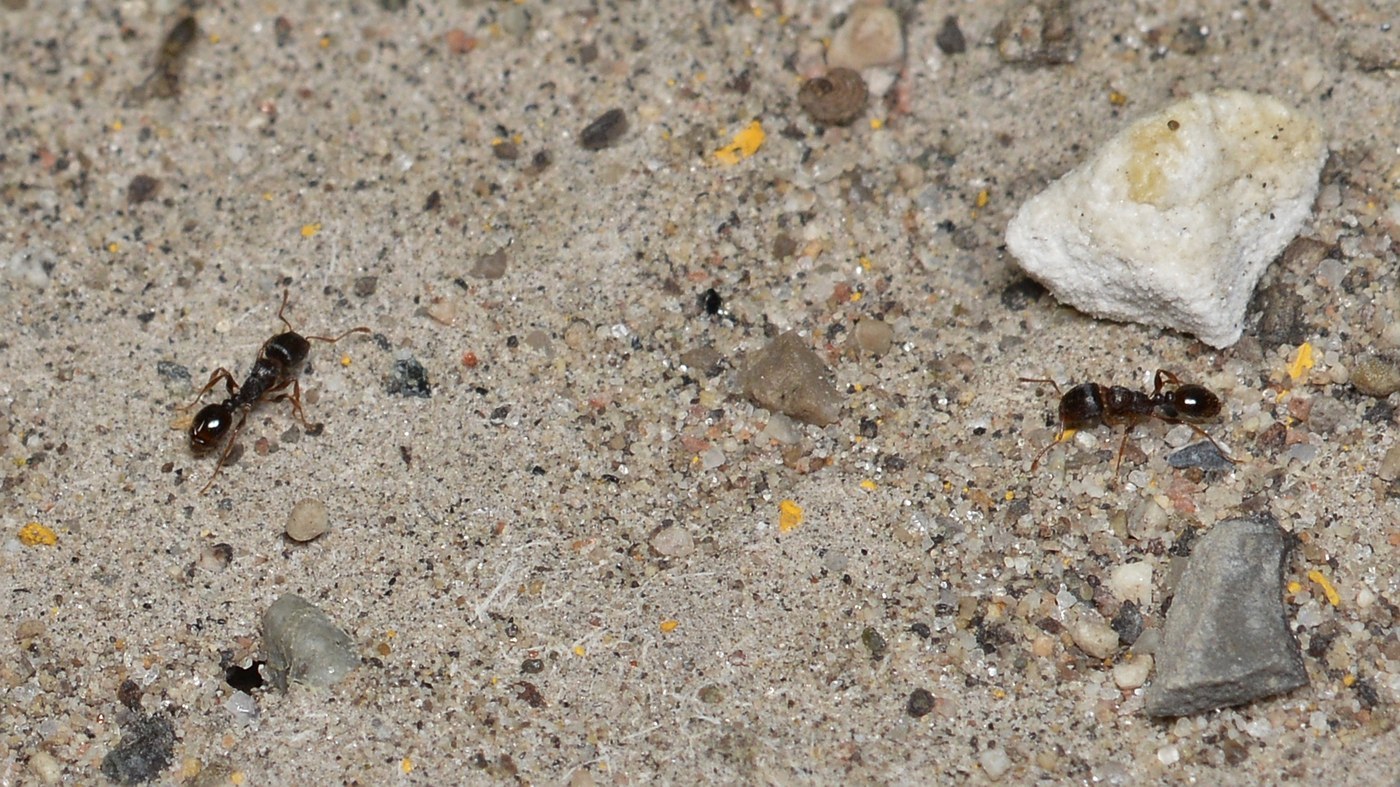
Pavement Ant
Cracks in sidewalks, driveways, and building foundations
Odorous House Ant
Soil, mulch, wall voids, and areas near moisture indoors and out
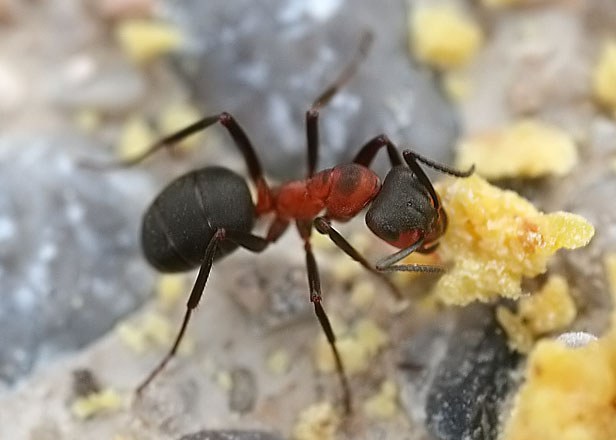
Red Wood Ant
Coniferous and mixed woodland, forest clearings and edges
Harvester Ant
Arid grasslands, deserts, and open sandy areas
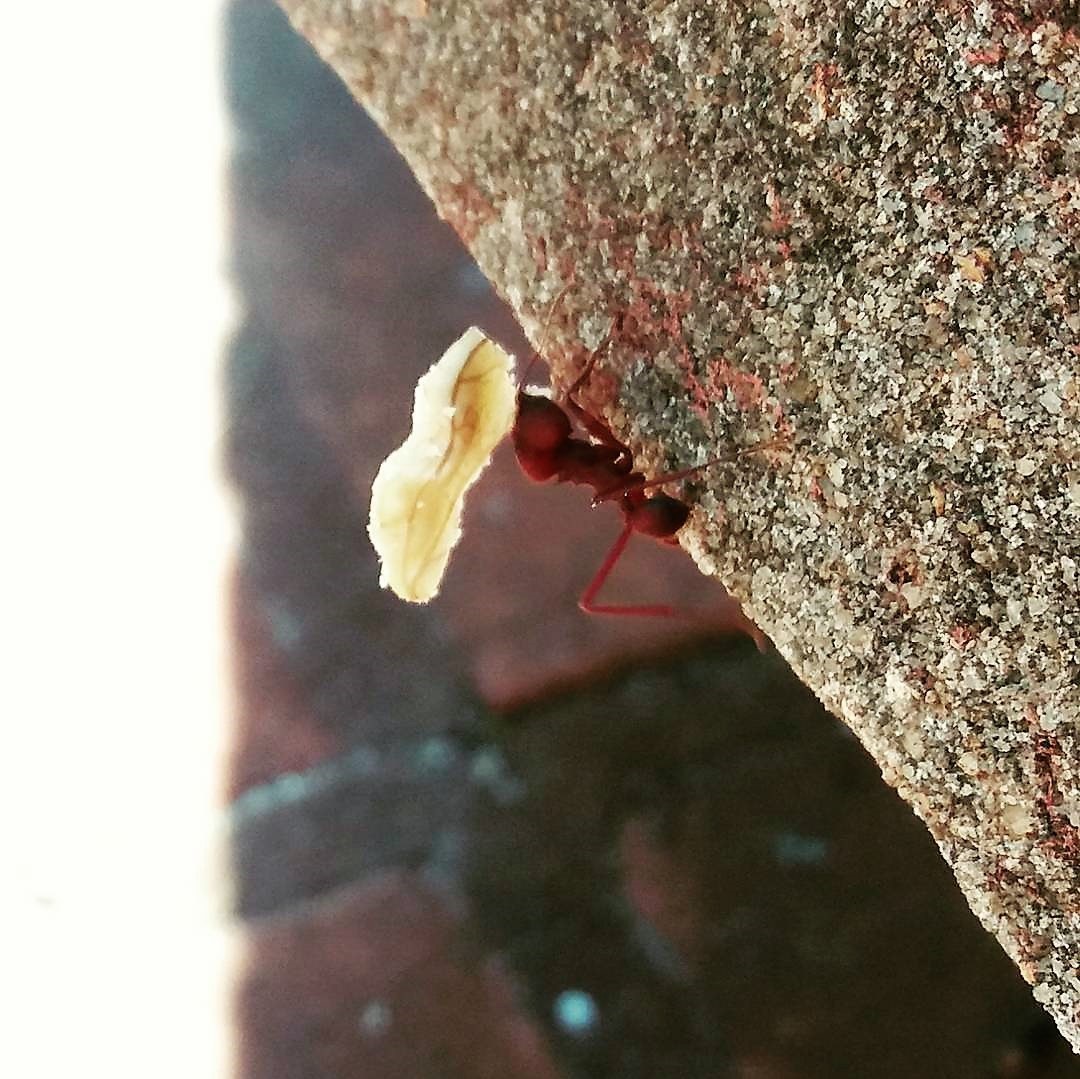
Leafcutter Ant
Tropical and subtropical forests, farmland edges
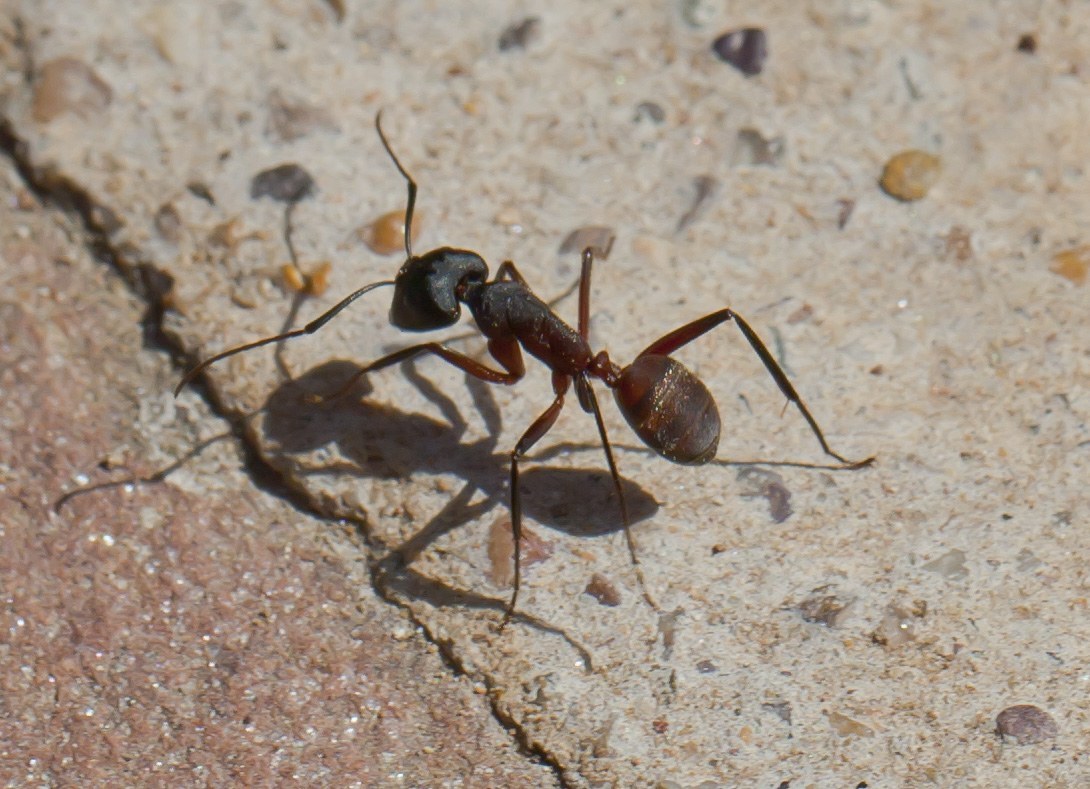
Little Black Ant
Lawns, gardens, rotting wood, and occasionally indoors