
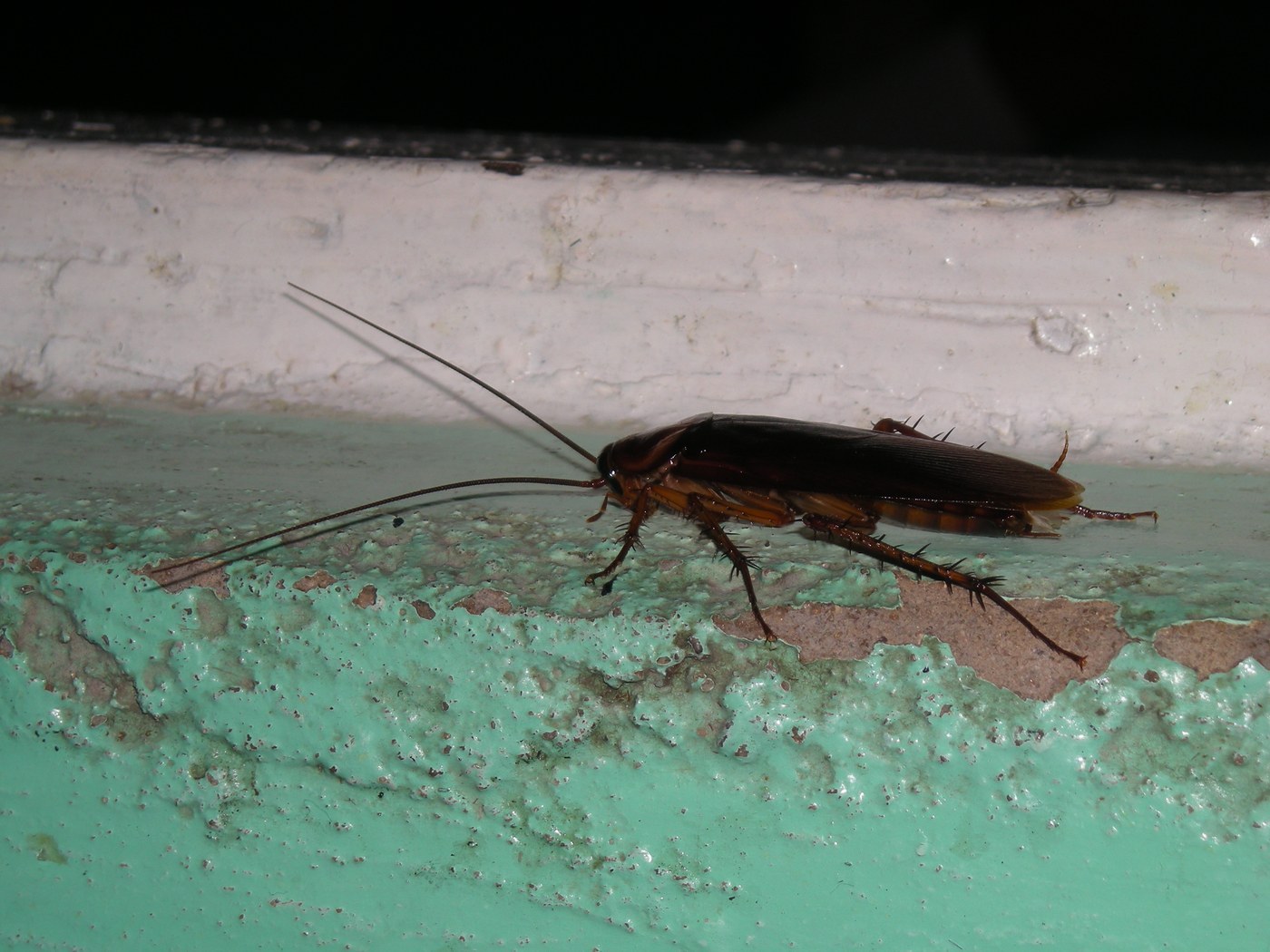
American Cockroach
Periplaneta americana
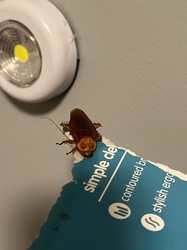
The largest common house-infesting cockroach, a reddish-brown, glossy insect with long antennae and a pale yellowish band edging the shield behind its head, capable of both fast running and short bursts of flight.
- Size
- 35–40 mm
- Habitat
- Warm, humid environments such as basements, sewers, drains, and tropical outdoor settings
- Danger
- Nuisance pest
Spotted a bug like this?
Identify any bug or insect from a photo, free.
Overview
The American cockroach is a large member of the order Blattodea, family Blattidae, and despite its common name it is believed to have originated in Africa before spreading to the Americas and around the world via trade. It is among the largest cockroach species commonly encountered by people, easily recognized by its size and reddish-brown, glossy sheen.
As an omnivorous scavenger, this species plays a role as a decomposer of organic waste and detritus, particularly in warm, moist environments where it thrives. It is one of the most widely distributed cockroach species globally, found in both tropical outdoor habitats and man-made structures that mimic those warm, humid conditions.
Cockroaches as a group are among the most ancient living insect lineages, with a body plan and biology that has changed relatively little over tens of millions of years, making the American cockroach a useful example of this resilient insect order.
How to Identify
- Large, oval, flattened body about 35–40 mm long, reddish-brown with a glossy sheen.
- Pale yellow or cream-colored band or figure-eight marking on the pronotum (shield behind the head).
- Long, thread-like antennae often as long as or longer than the body; long spiny legs adapted for fast running.
- Fully winged in both sexes, capable of gliding or brief flight, especially in warm conditions.
- Lookalikes: Oriental cockroach (darker, matte blackish-brown, shorter wings, no pale pronotal band) and other large tropical cockroach species.
Habitat & Range
Native to tropical and subtropical regions, the American cockroach is now found nearly worldwide in warm climates and in heated buildings elsewhere. It favors warm, humid, dark environments such as sewers, drains, basements, boiler rooms, and outdoor leaf litter or mulch in frost-free regions.
It is active mainly at night and seeks out moisture, often congregating near water sources; populations may shift between outdoor and indoor habitats seasonally in temperate climates as temperatures change.
Behavior & Diet
An omnivorous scavenger, the American cockroach feeds on a wide variety of organic material including decaying plant matter, starches, and other detritus. It is a fast, agile runner and can also fly short distances, particularly in warm weather, and is primarily nocturnal, hiding in cracks and crevices during the day.
It uses long antennae and sensory hairs on its legs to detect air currents and vibrations, allowing it to flee quickly from disturbance. In natural outdoor settings it contributes to the breakdown of organic debris, while in urban environments it is generally regarded as a scavenging pest associated with moist, unsanitary conditions.
Life Cycle
Females produce an egg case (ootheca) containing multiple eggs, which is often dropped or glued to a sheltered surface. Eggs hatch into nymphs that resemble small, wingless versions of the adult and undergo incomplete metamorphosis, molting numerous times over many months as they grow and develop wing pads.
Development from egg to adult can take roughly six months to over a year depending on temperature, and adults may live for a year or more. In warm climates, reproduction can continue year-round with overlapping generations.
Frequently asked questions
Is the American cockroach actually from America?
No, despite its common name it is believed to have originated in Africa and was later introduced to the Americas and elsewhere through trade.
How is it different from the Oriental cockroach?
The American cockroach is reddish-brown and glossy with a pale band behind the head and full-length wings, while the Oriental cockroach is darker, matte, and has noticeably shorter wings.
Can American cockroaches fly?
They have fully developed wings and can glide or fly short distances, especially in warm conditions, though they rely mainly on running.
Why is it sometimes called a 'waterbug'?
The name reflects its strong attraction to moist environments like drains and sewers, where it is frequently encountered.
American Cockroach guides
In-depth guides for identifying, understanding, and living alongside American Cockroach.
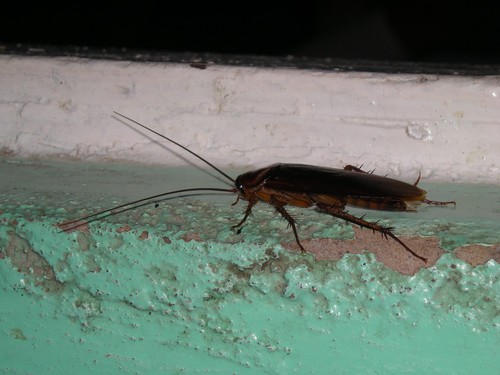
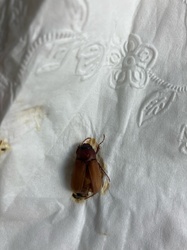
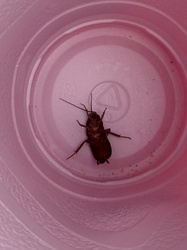
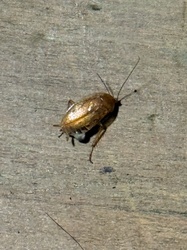
American Cockroach identified by the community
Real finds identified with Bug Identifier.

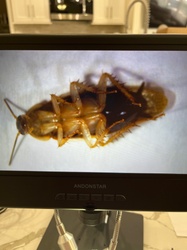
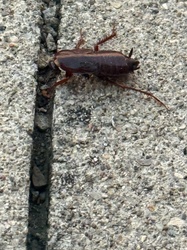
Other bugs you may enjoy
Thrips
Flowers, foliage, gardens, greenhouses, crop fields
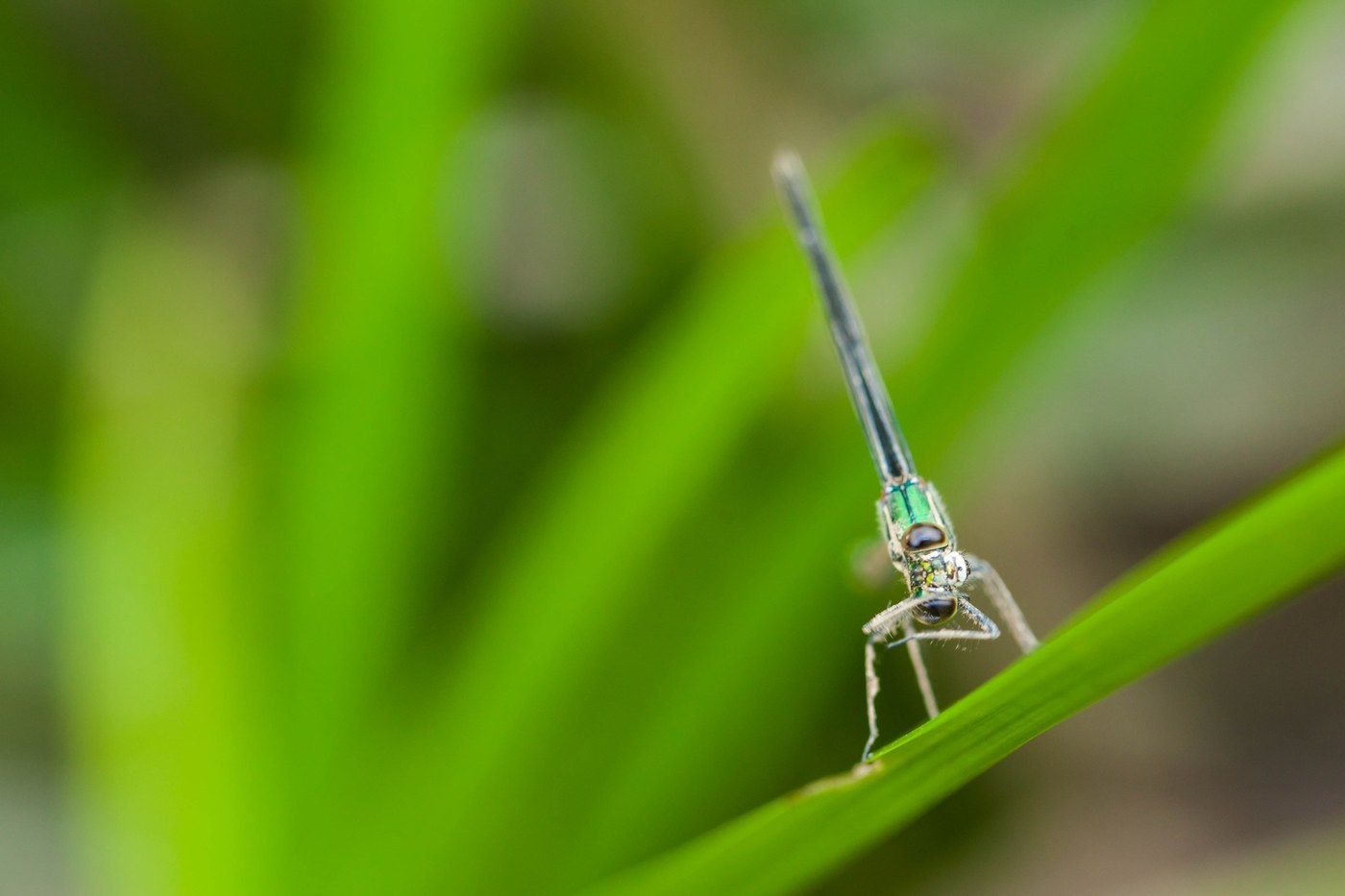
American Rubyspot
Sunny rivers and streams with moderate current
Springtail
Moist soil, leaf litter, decaying organic matter, and damp indoor areas
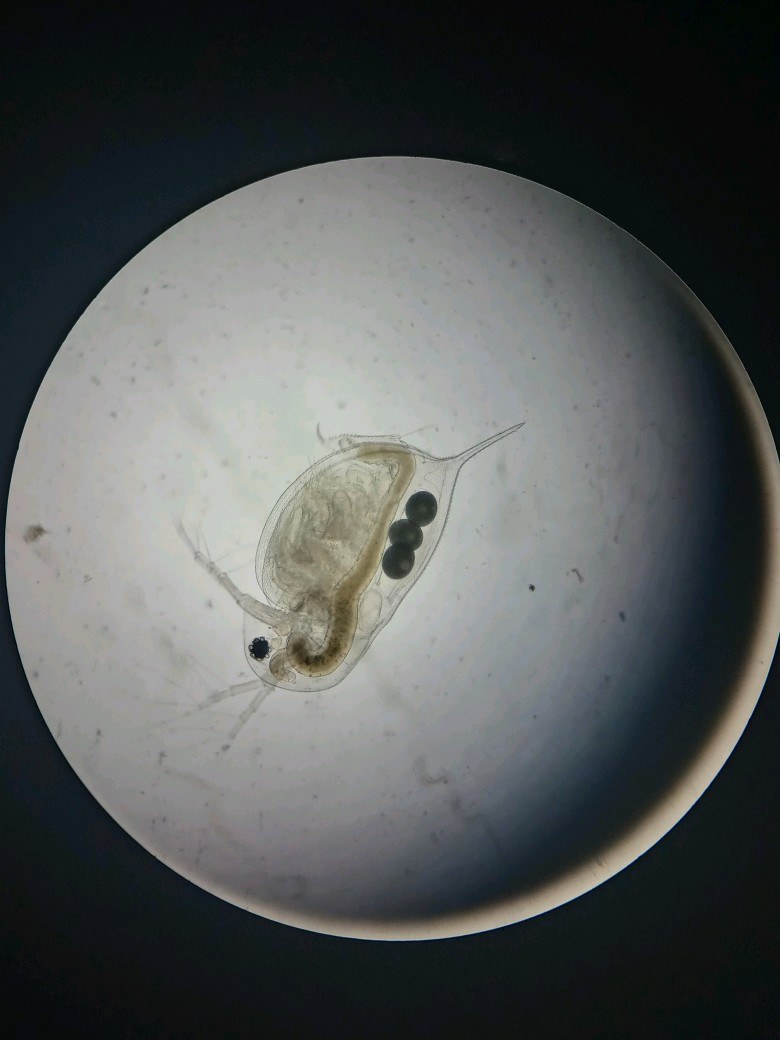
Water Flea
Ponds, lakes, and slow streams as free-floating plankton
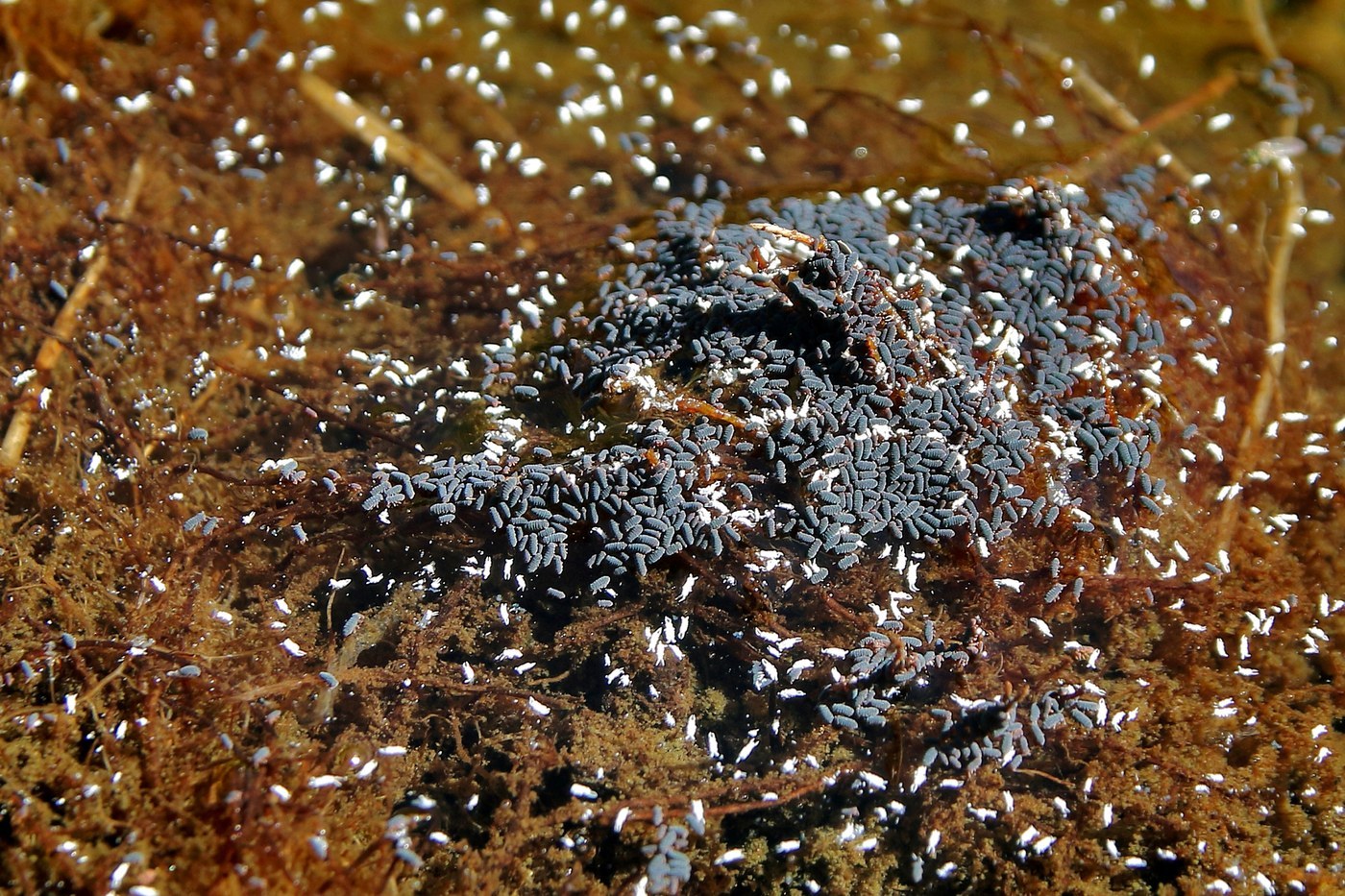
Water Springtail
Surface film of ponds, puddles, and slow ditches
Slug
Gardens, damp soil, leaf litter, greenhouses
Sowbug
Leaf litter, under rocks/logs, damp garden soil, basements
Pill Bug
Damp soil, leaf litter, under rocks and logs, garden beds
Termite
Soil, decaying wood, tree stumps, and wooden structures
Termite Swarmer
Emerges from underground or wood-nesting colonies, often near structures and moist soil
Silverfish
Damp basements, bathrooms, closets, and dark indoor crevices
Scorpionfly
Moist woodlands, hedgerows, and shaded undergrowth