
Cone-headed Katydid
Neoconocephalus spp.
A large, grass-colored katydid named for its sharply pointed, cone-shaped head, best known for producing some of the loudest, most sustained buzzing calls of any North American insect.
- Size
- 4–7 cm (1.6–2.8 in) long
- Habitat
- tall grass meadows, marshes, and old fields across North America
- Danger
- Bites
Spotted a bug like this?
Identify any bug or insect from a photo, free.
Overview
Cone-headed katydids are a group of large katydids in the genus Neoconocephalus, instantly recognizable by their forward-pointing, cone-shaped head that extends well beyond the eyes. They are common inhabitants of tall grasslands, marshes, and old fields across much of North America, with the greatest diversity in the southeastern United States.
These insects are best known acoustically: males of many species produce loud, continuous buzzing or clicking calls after dark that can be heard from a considerable distance, often forming a constant background chorus in grassy habitats during late summer and fall.
How to Identify
- Large katydids, 4–7 cm long depending on species
- Head drawn out into a distinctive forward-pointing cone, sometimes dark-tipped
- Body typically green or brown, closely matching surrounding grasses or reeds
- Long, slender legs and very long, thread-like antennae
- Narrow wings extending well past the abdomen
- Distinguished from other katydids by the unmistakable conical head shape
Habitat & Range
Found in tall grass meadows, marshes, wet prairies, roadsides, and old fields across most of the United States and parts of southern Canada, with many species concentrated in the southeastern US.
Behavior & Diet
Feeds on grasses and sedges and will also opportunistically take other insects, making it somewhat omnivorous. Males produce loud, sustained buzzing, clicking, or lisping calls at night to attract females, among the loudest and most persistent insect songs in North America. If handled, it can deliver a firm pinch with its strong mandibles as a defensive response.
Life Cycle
Eggs are inserted into plant stems or soil in late summer and overwinter before hatching the following spring as wingless nymphs. Nymphs molt through several instars over the growing season, gradually developing wing pads. There is typically one generation per year, with adults most active from mid-summer through fall.
Frequently asked questions
Why is it called cone-headed?
Its head is extended into a distinctive forward-pointing cone shape that projects beyond the eyes.
Do cone-headed katydids bite?
They can deliver a firm pinch with their strong mandibles in defense if handled.
What do they eat?
Mainly grasses and sedges, supplemented occasionally with other insects.
When are they most active?
Mainly at night, especially during late summer and fall, when their loud buzzing calls are most noticeable.
Cone-headed Katydid guides
In-depth guides for identifying, understanding, and living alongside Cone-headed Katydid.
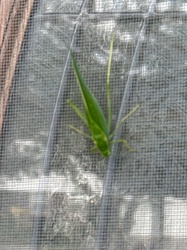
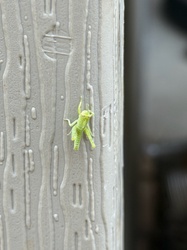
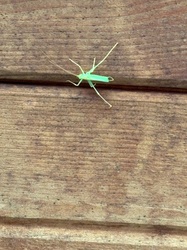
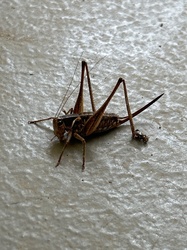
Cone-headed Katydid identified by the community
Real finds identified with Bug Identifier.
Other bugs you may enjoy
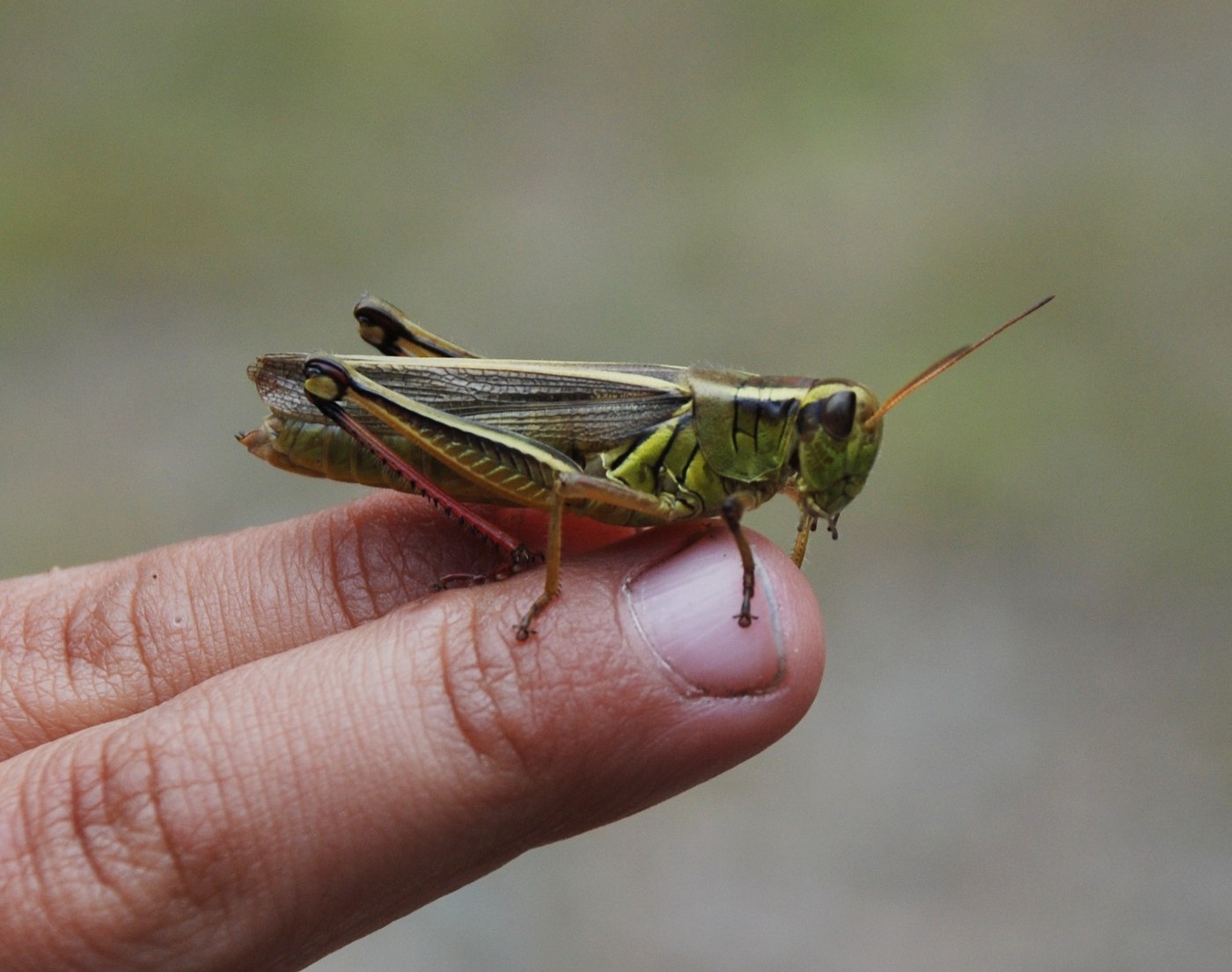
Two-striped Grasshopper
Meadows, pastures, riverbanks, and agricultural fields across North America
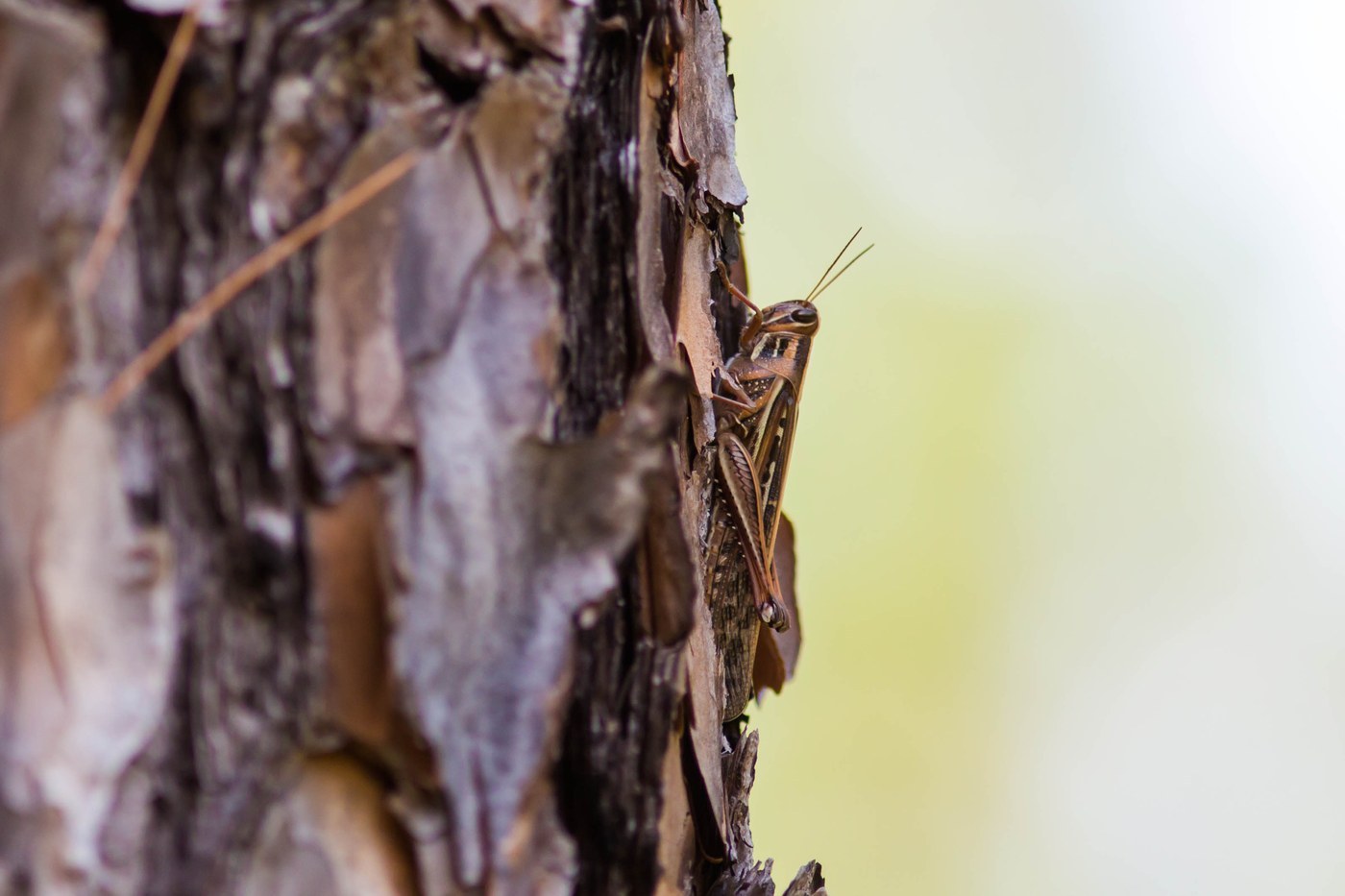
American Grasshopper
Woodland edges, citrus groves, gardens, and open fields across the southern and southeastern United States
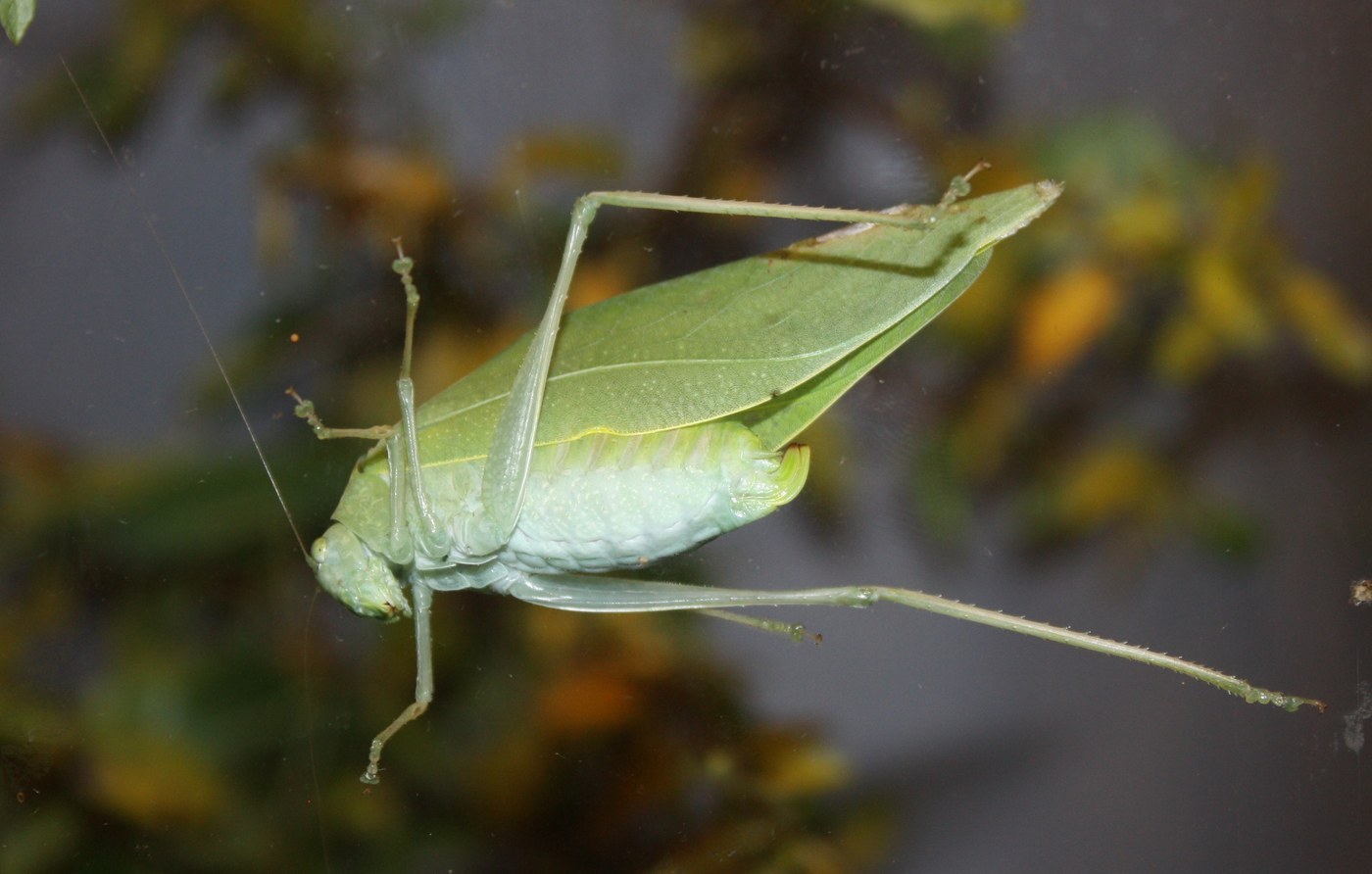
Angular-winged Katydid
deciduous trees, shrubs, and hedgerows across eastern and central North America
Spur-throated Grasshopper
grasslands, meadows, croplands, and roadsides across North America
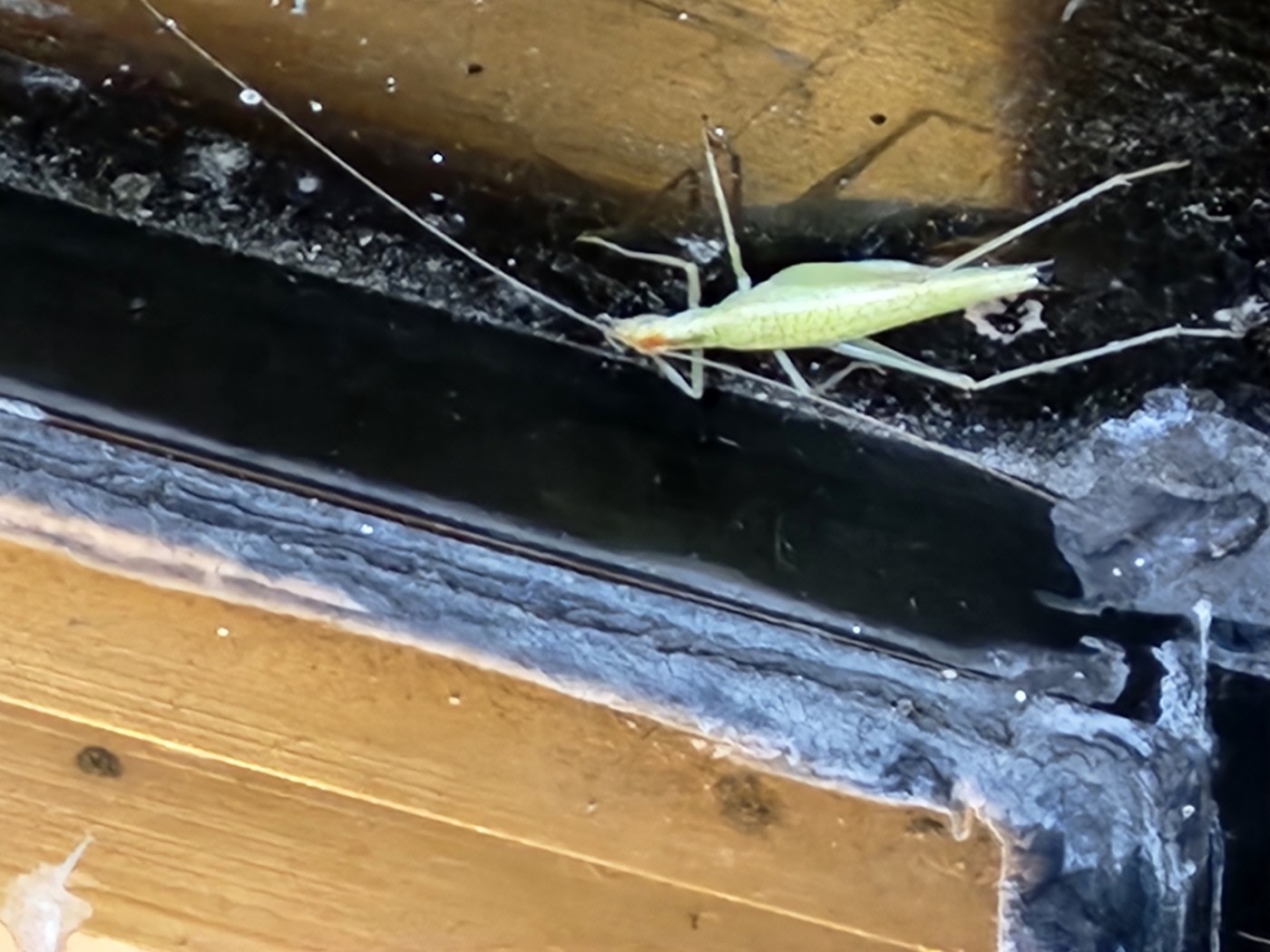
Snowy Tree Cricket
Shrubs, trees, and tall vegetation across North America
Rocky Mountain Locust
historically open grasslands and river valleys of the Rocky Mountains and Great Plains (now believed extinct)
Spotted Camel Cricket
damp caves, crawl spaces, basements, leaf litter, and rotting logs in eastern North America
Pygmy Grasshopper
damp soil, mud, and low vegetation near ponds, streams, and marshes
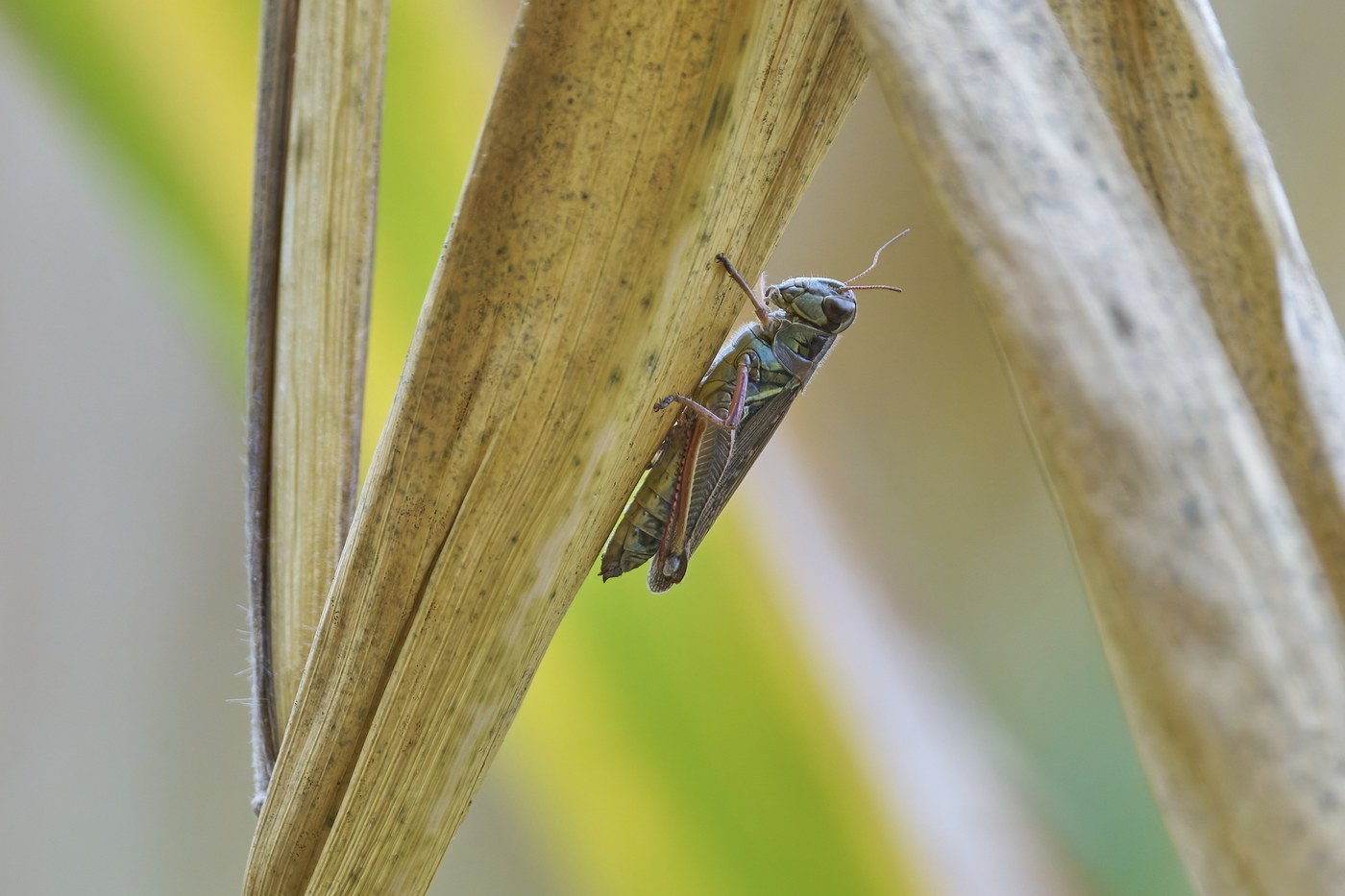
Red-legged Grasshopper
Meadows, pastures, field edges, and gardens across North America
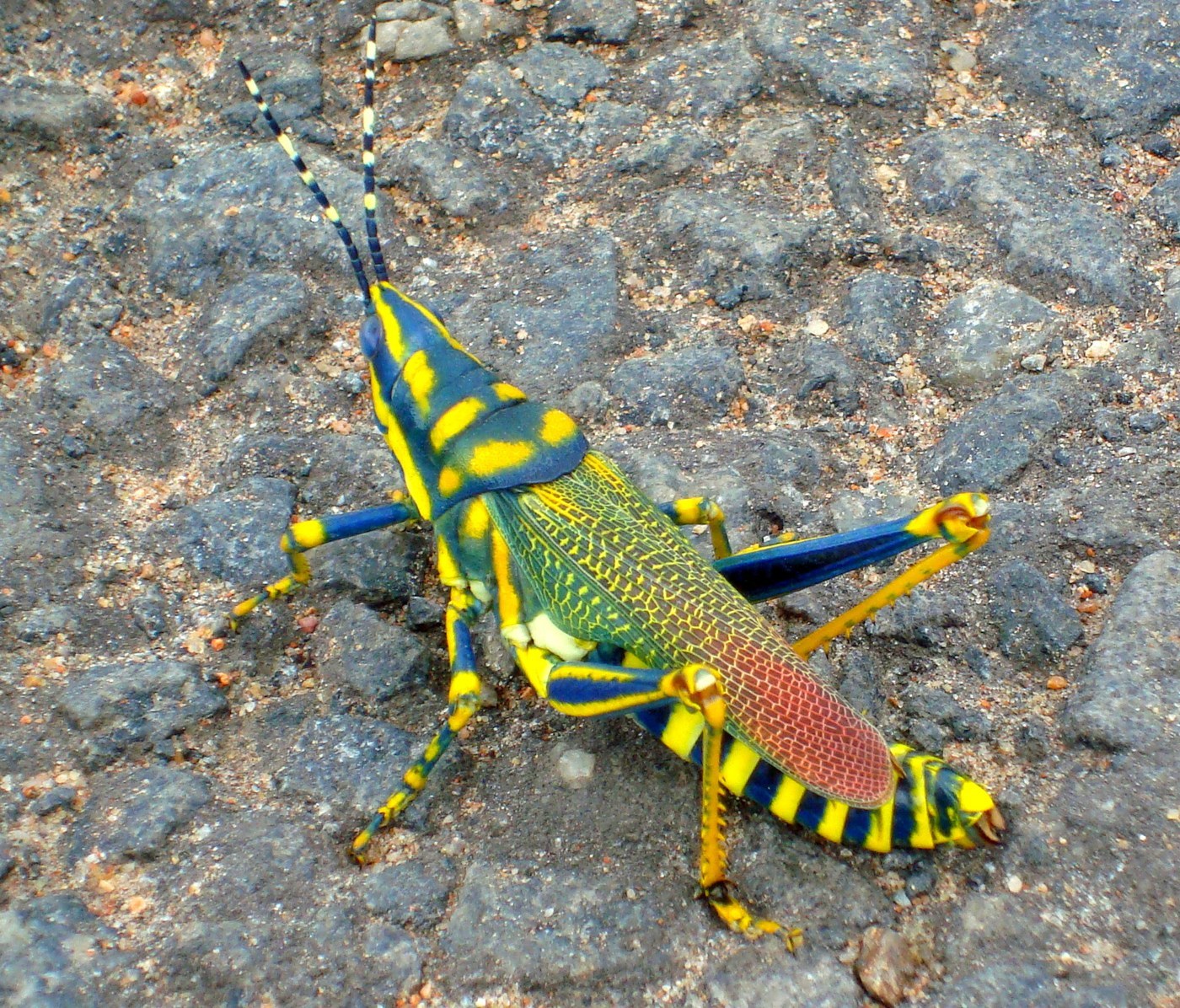
Painted Grasshopper
arid scrub, wastelands, and gardens of the Indian subcontinent, especially near milkweed plants
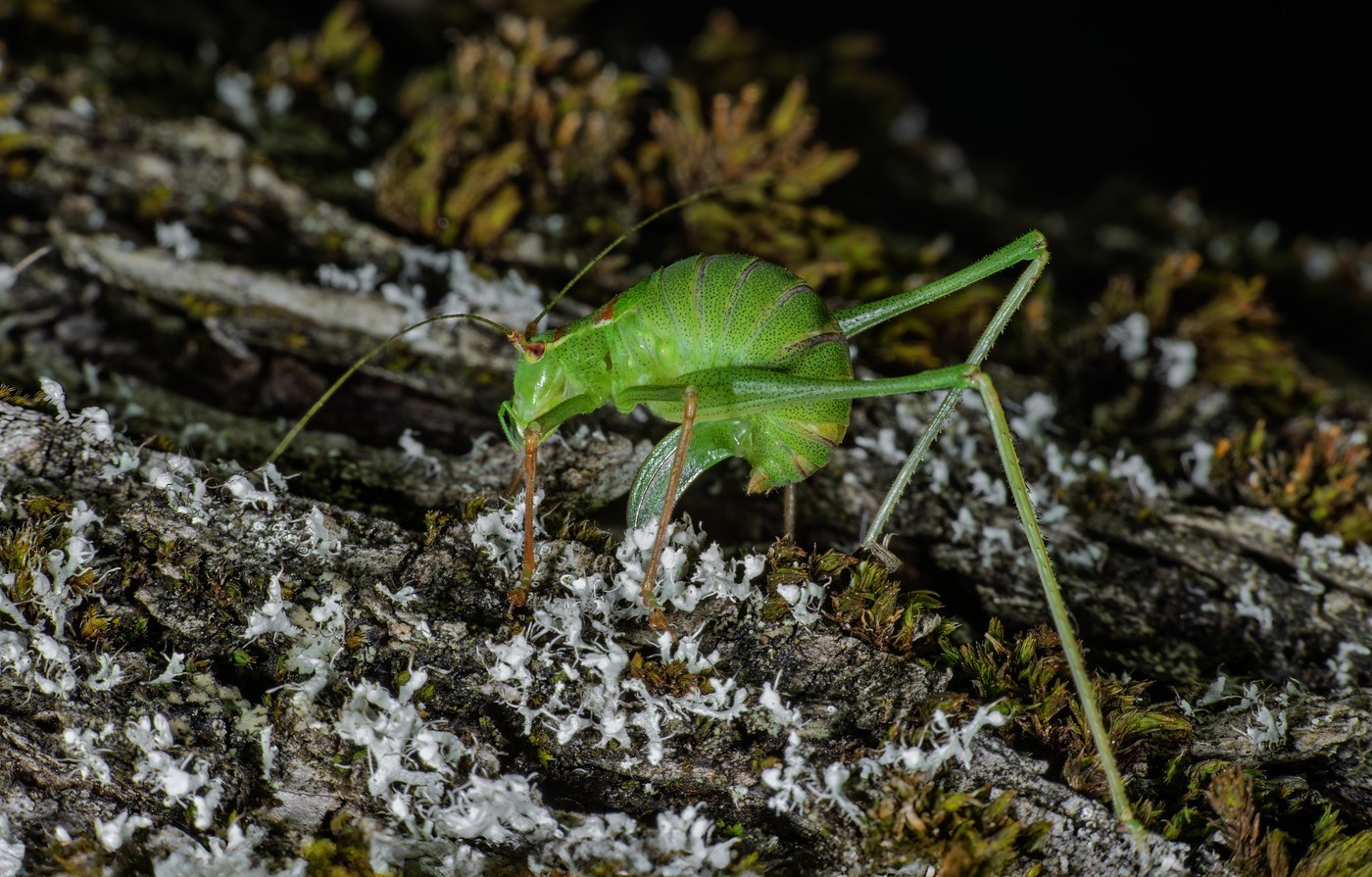
Speckled Bush Cricket
Brambles, hedgerows, nettles, and shrubby vegetation
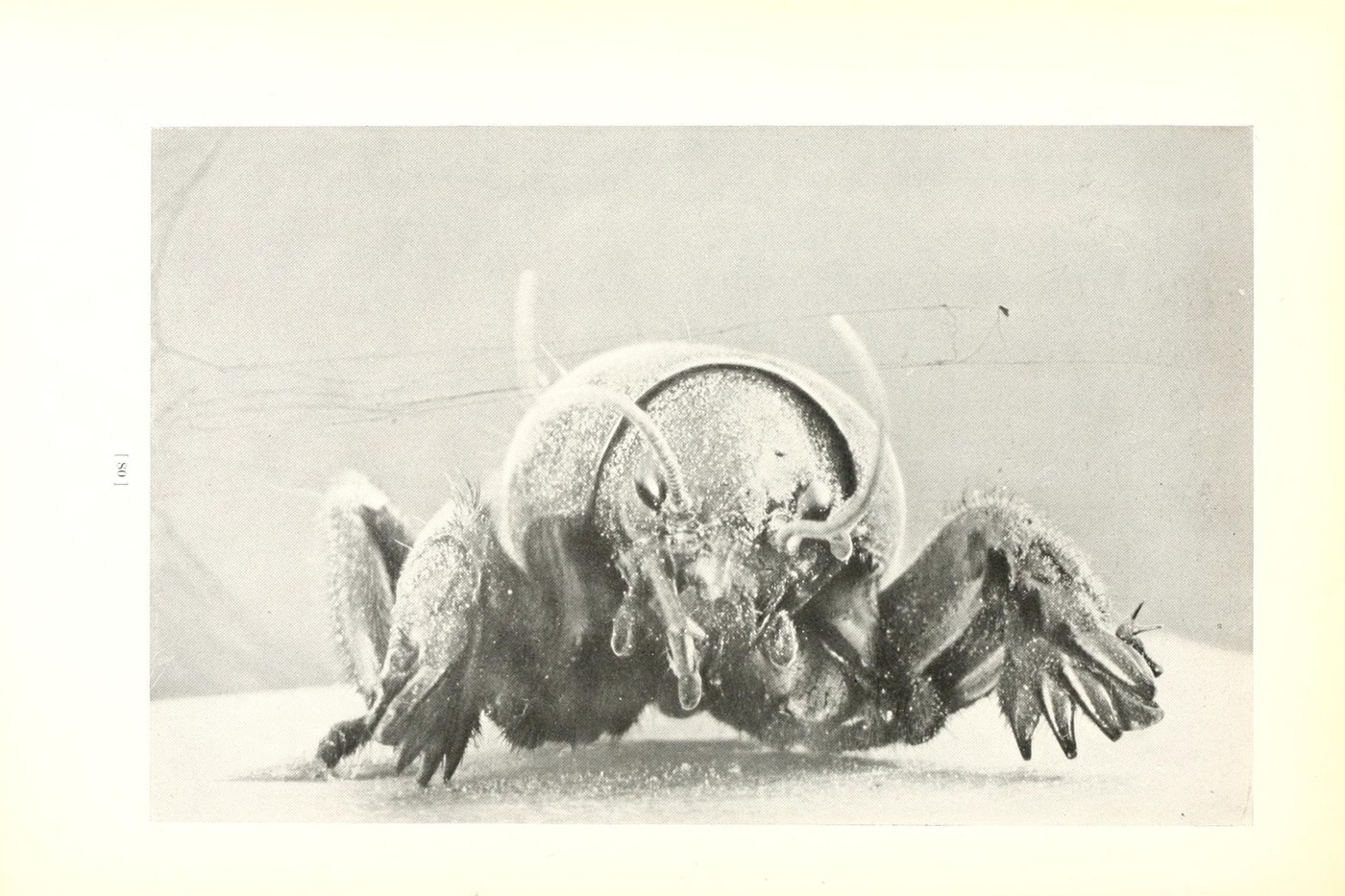
Northern Mole Cricket
wet soil, pond margins, and marshy ground across eastern and central North America