
Bug Encyclopedia
Search and identify bugs & insects — beetles, butterflies, moths, ants, bees, spiders and more — with size, habitat, danger, behavior, and how to tell them apart.
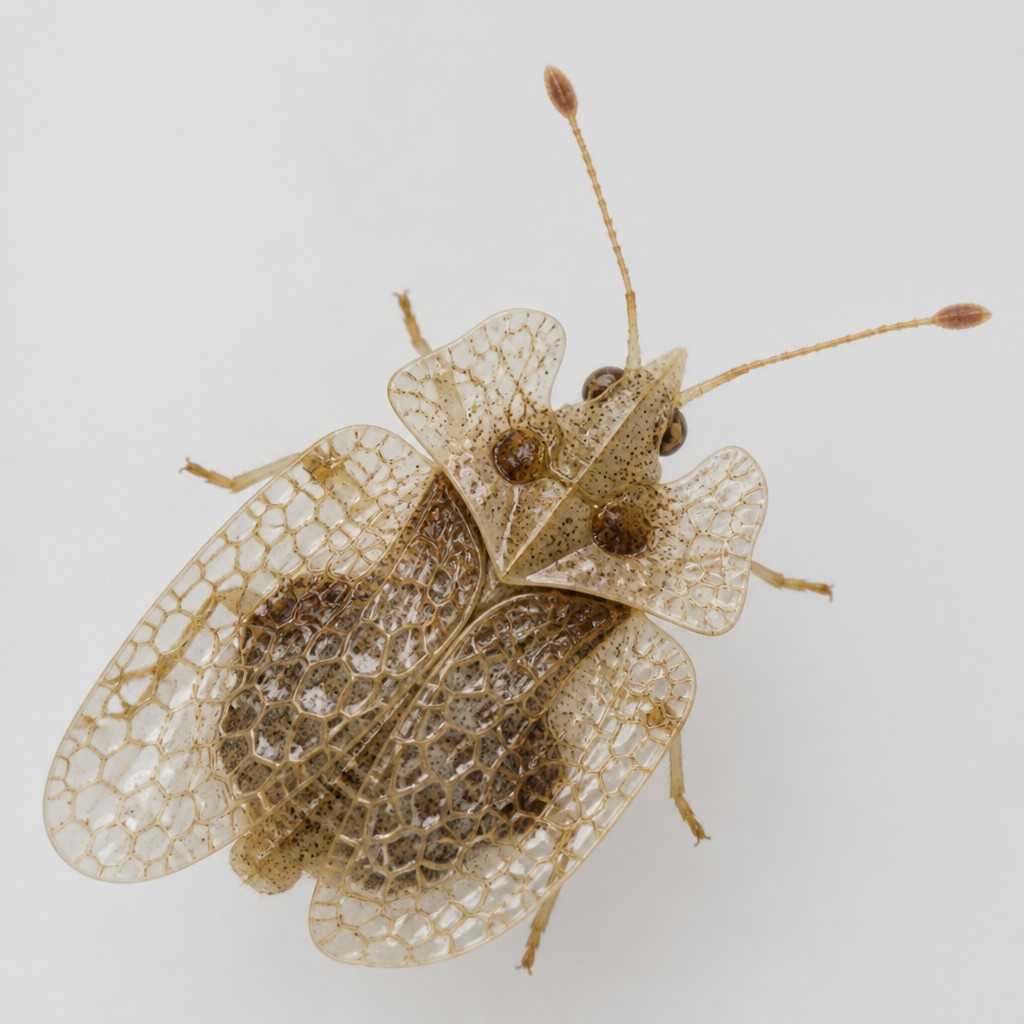
Lace Bug
A tiny, flattened true bug with delicately sculpted, lace-like wings resembling fine netting, the lace bug feeds in colonies on the undersides of leaves, leaving a stippled, bleached pattern on foliage.
true-bug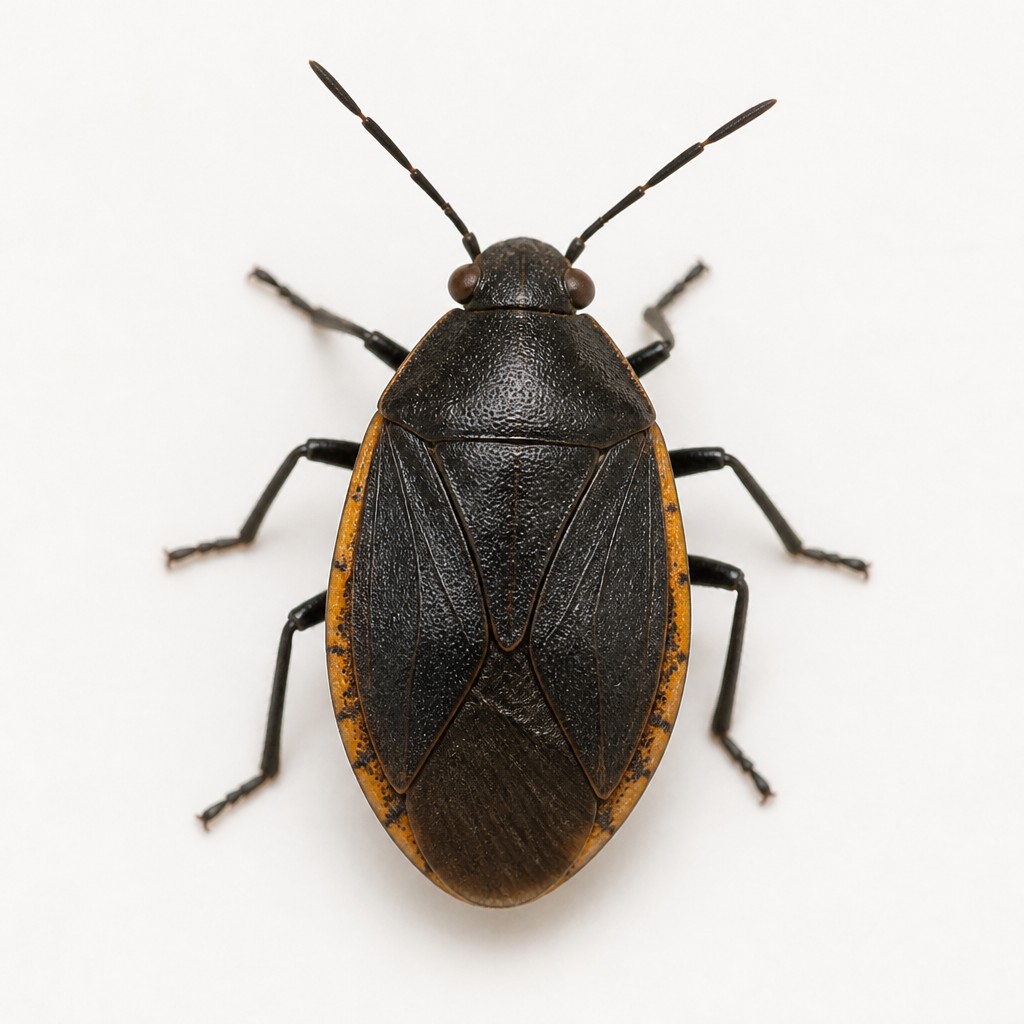
Bordered Plant Bug
A dark, oval-bodied true bug with a distinct pale margin around its wing edges, often mistaken for a large ant or beetle when its nymphs cluster together in tight groups.
true-bug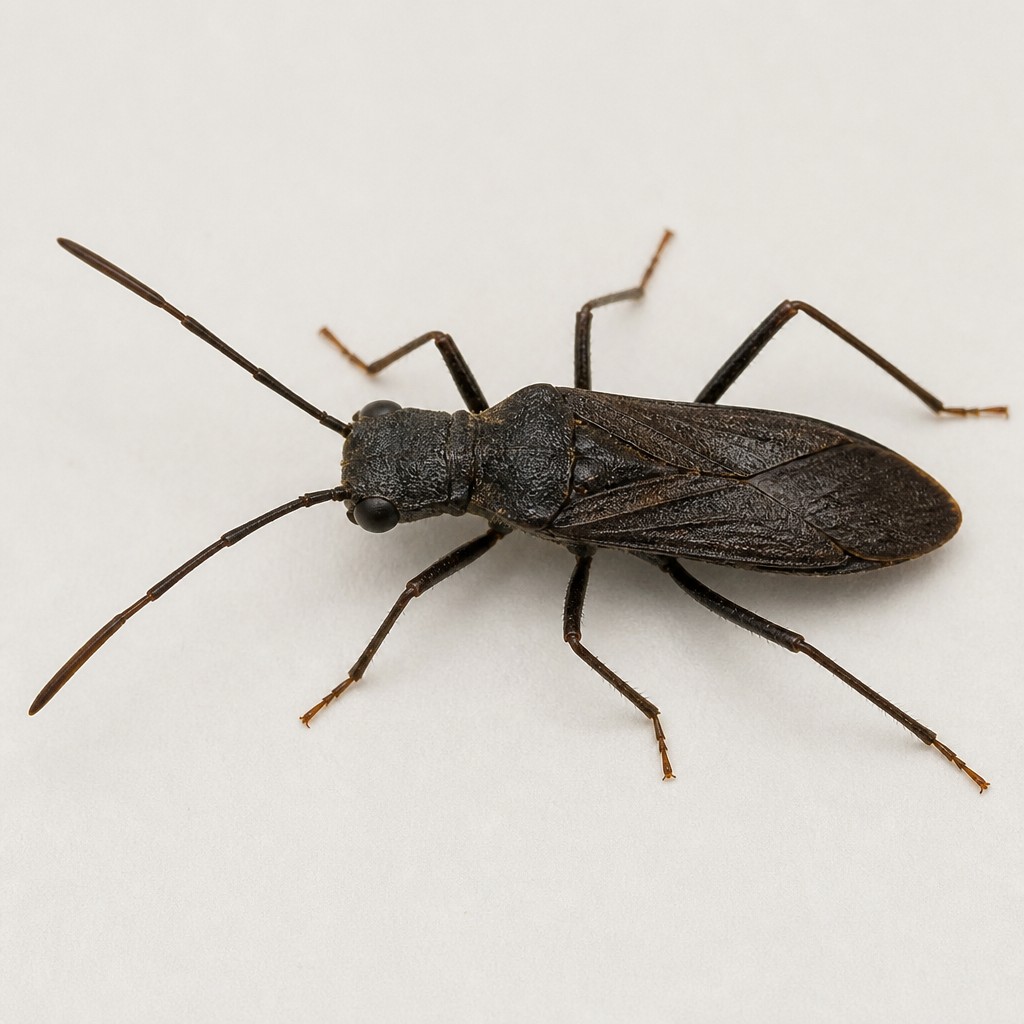
Broad-Headed Bug
A slender, dark true bug with a notably wide head, whose nymphs are remarkable ant mimics that scurry among leaf litter before maturing into fliers that resemble small leaf-footed bugs.
true-bug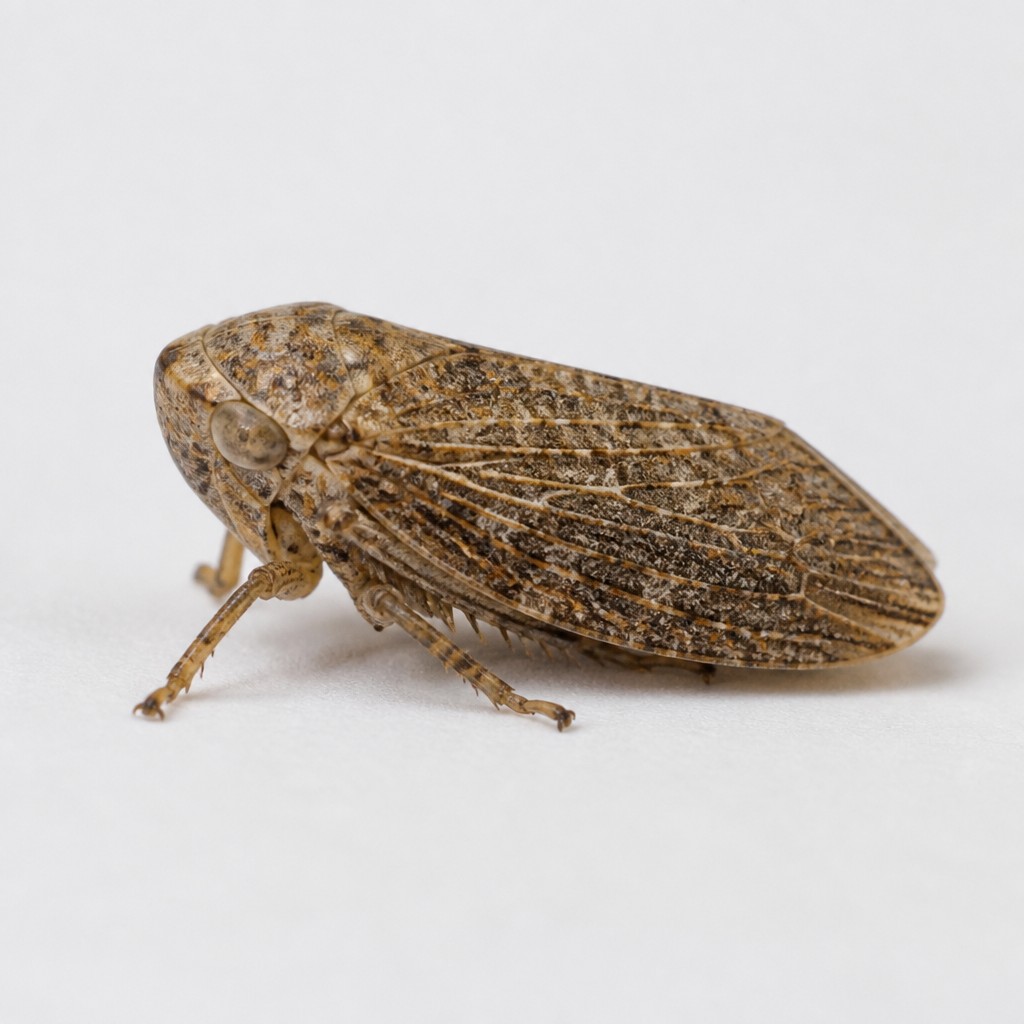
Spittlebug
A small hopping true bug best known in its nymph stage, which surrounds itself in a frothy mass of white foam on plant stems, commonly called cuckoo spit.
true-bug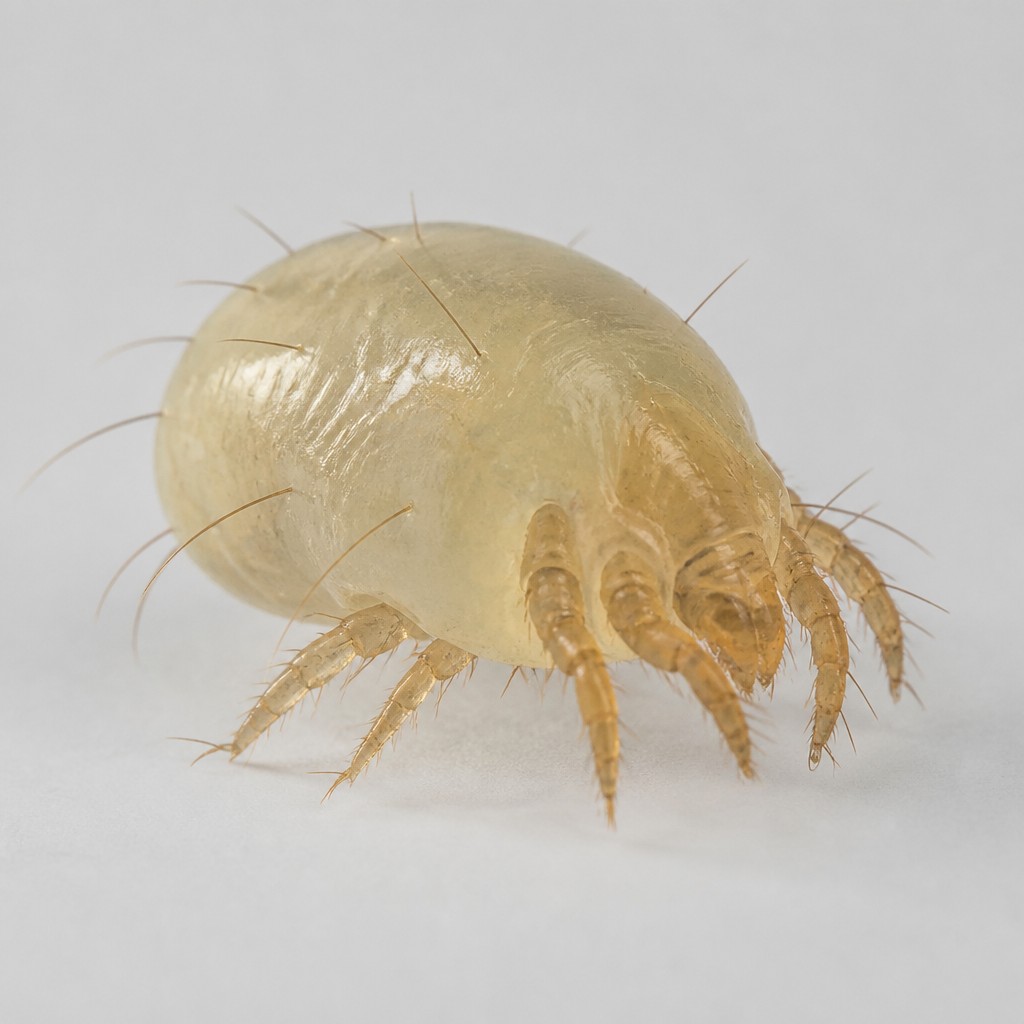
House Dust Mite
A microscopic, translucent mite that lives unseen in household dust, feeding on shed skin flakes accumulated in bedding and furniture.
arachnid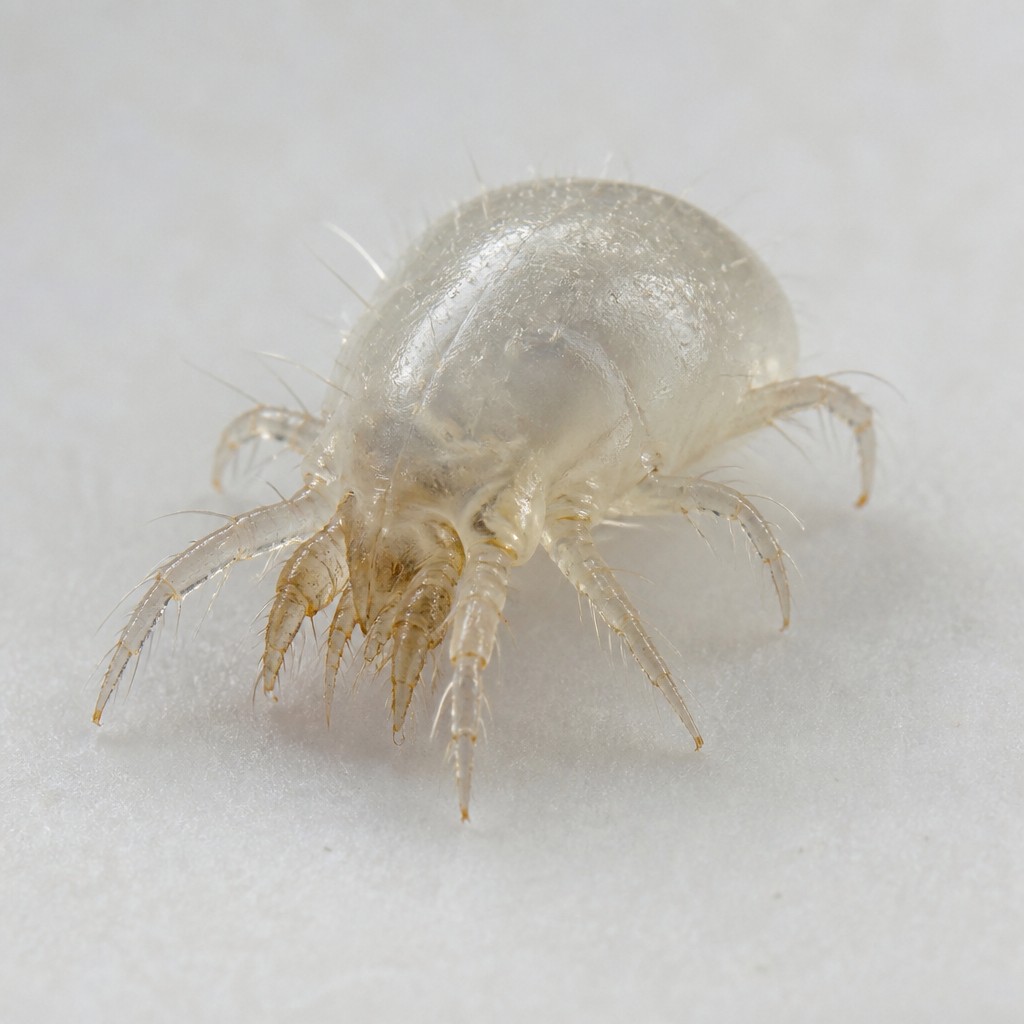
Dust Mite
A microscopic, translucent arachnid that lives unseen in household dust, feeding quietly on shed skin flakes within mattresses, carpets, and furniture.
arachnid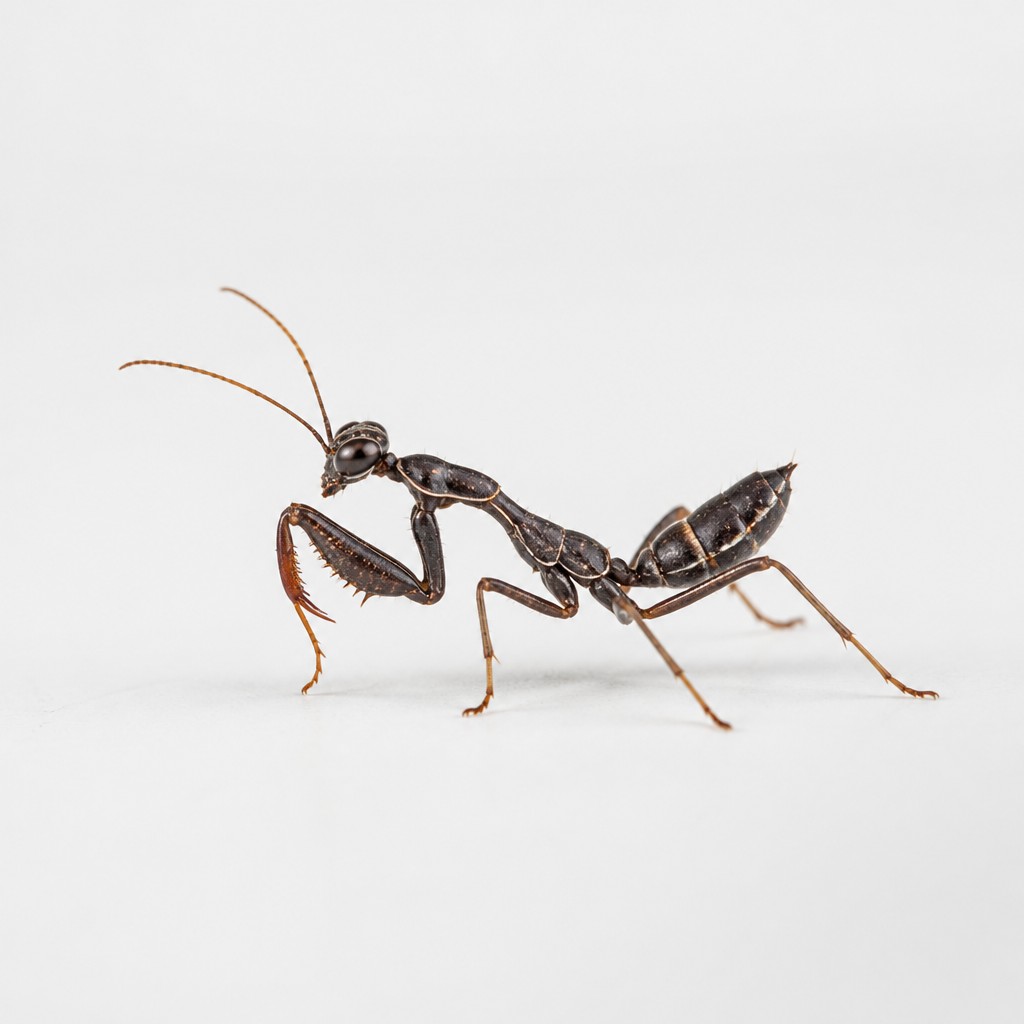
Ant-mimicking Mantis
As a tiny nymph, this mantis moves in quick, jerky bursts to imitate a scurrying ant, a clever disguise it gradually sheds as it grows into a typical-looking adult mantis.
mantis-stick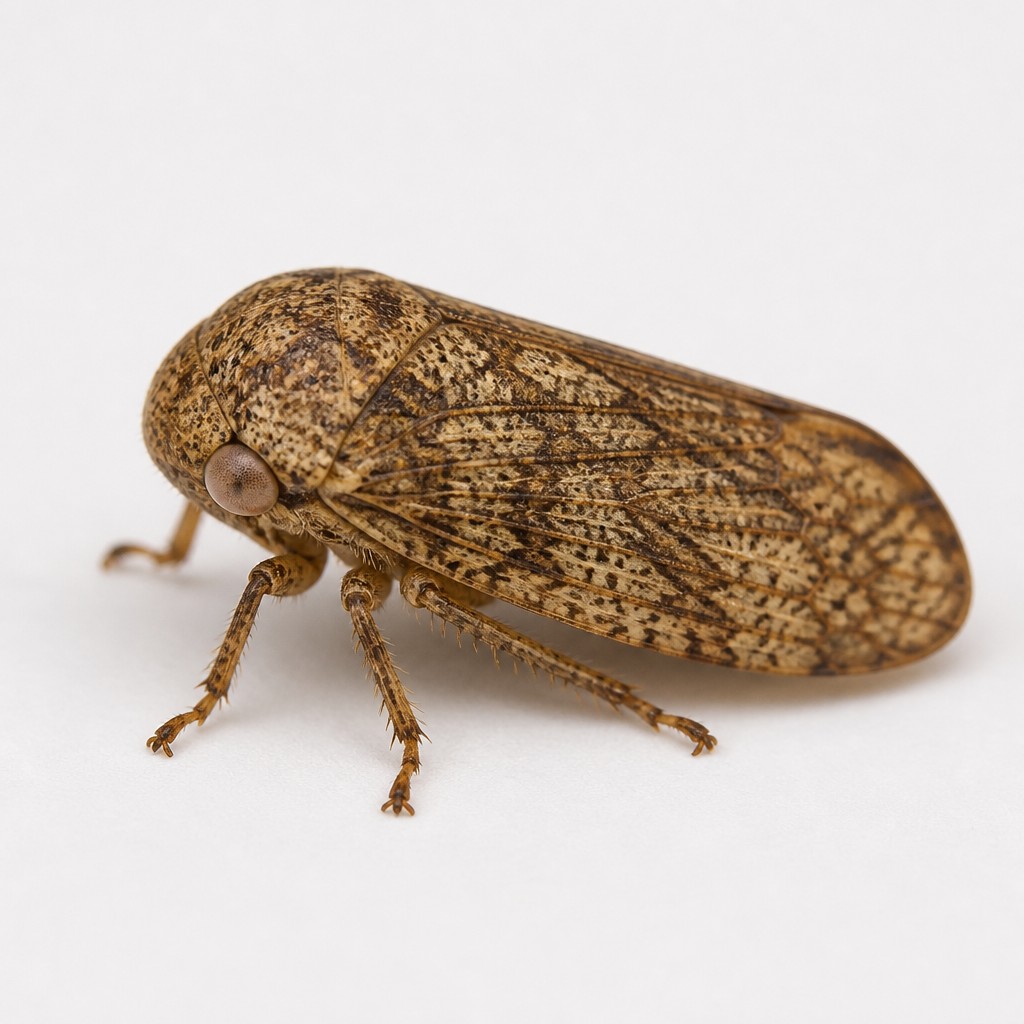
Meadow Spittlebug
A small, mottled hopping true bug whose immature nymphs are far more often noticed than the adults, hidden inside frothy blobs of white foam known as cuckoo spit on plant stems.
true-bug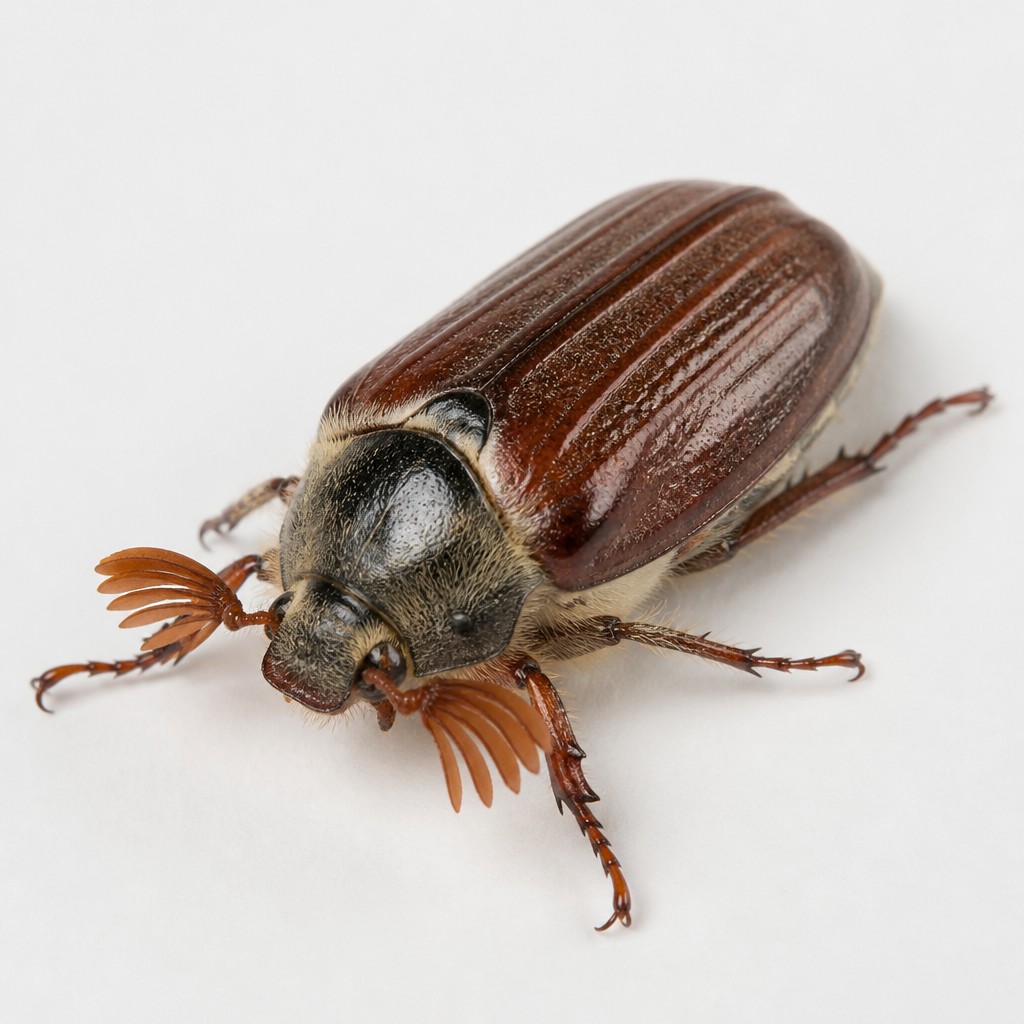
Cockchafer
A large, reddish-brown scarab beetle with distinctive fan-shaped antennae, famous for its noisy, clumsy evening flights around trees in late spring, giving rise to its alternate name, the May bug.
beetle