
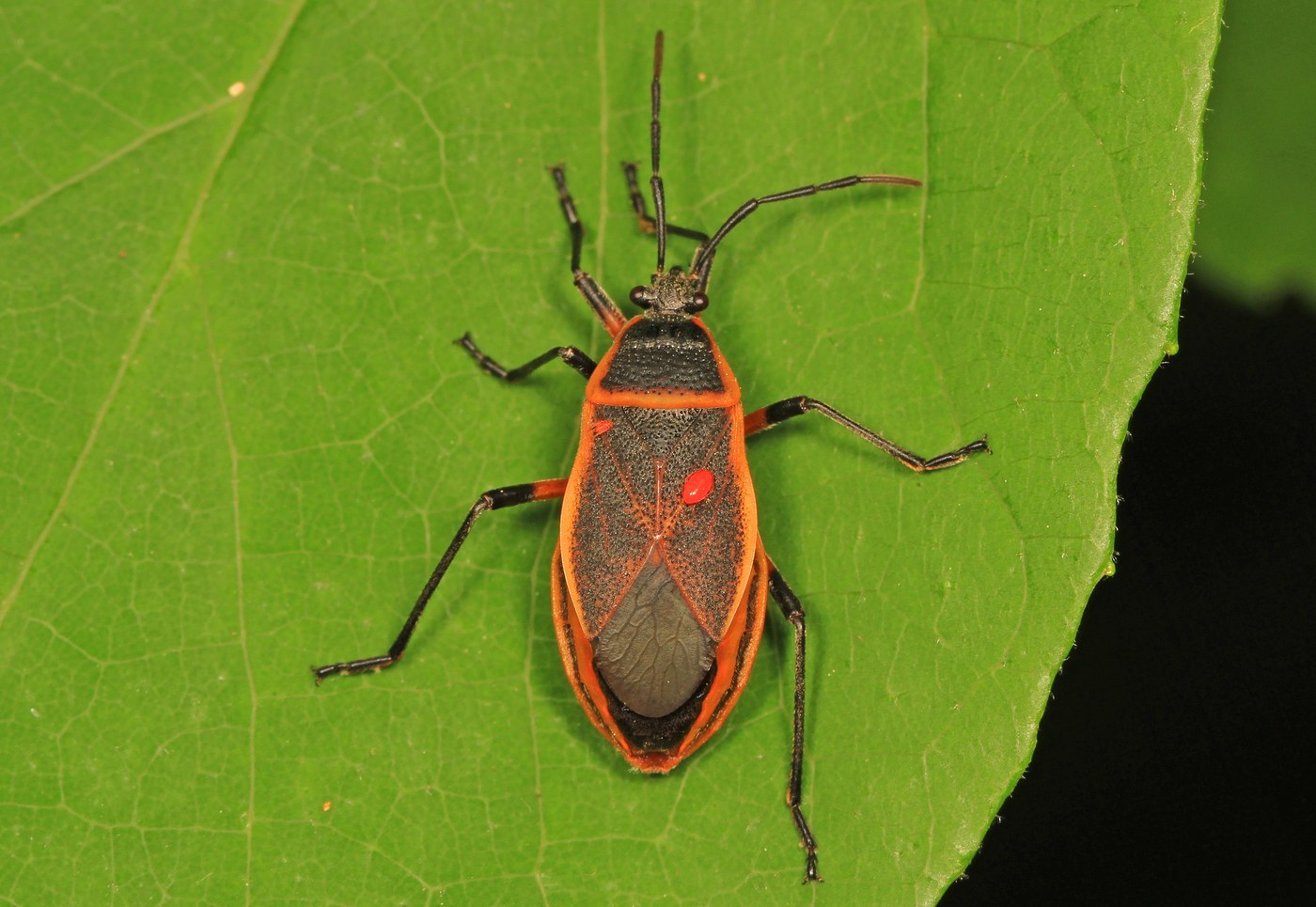
Bordered Plant Bug
Largus succinctus
A dark, oval-bodied true bug with a distinct pale margin around its wing edges, often mistaken for a large ant or beetle when its nymphs cluster together in tight groups.
- Size
- 10–14 mm
- Habitat
- Weedy fields, gardens, roadsides, and open woodland edges
- Danger
- Nuisance pest
Spotted a bug like this?
Identify any bug or insect from a photo, free.
Overview
The bordered plant bug belongs to the family Largidae, a small group of true bugs closely related to the more familiar red bugs and cotton stainers, within the order Hemiptera. It is a common sight across the southern and southwestern United States and into Mexico, where it feeds on a wide variety of low-growing plants.
Adults have a smooth, dark, oval body with a pale border along the wing margins, giving the species its common name. Immature nymphs look quite different from the adults, appearing bright orange or red with black markings and often clustering in dense groups, a coloration and behavior pattern that can lead to confusion with velvet ants or other unrelated insects.
As a generalist plant feeder, the bordered plant bug is ecologically notable for its broad diet and its striking nymph-to-adult transformation, making it a commonly observed but often misidentified insect in gardens and open fields.
How to Identify
- Adults have a broad, oval, somewhat flattened body with a dark gray, blue-black, or brownish sheen.
- A pale or reddish-orange border runs along the outer edge of the folded wings, giving rise to the common name.
- Piercing-sucking mouthparts and moderately long, thread-like antennae.
- Nymphs look dramatically different: bright orange-red with black markings, wingless, and often gathered in dense aggregations on host plants.
- Can be confused with large stink bugs or ground beetles, but the pale wing-edge border and long antennae help separate it from both groups.
Habitat & Range
Found throughout the southern and southwestern United States, Mexico, and parts of Central America, in open, sunny habitats including weedy fields, gardens, roadside vegetation, and woodland edges.
Active from spring through fall, with nymphs often most conspicuous in mid-summer when they form visible clusters on host plants; adults disperse more widely as they mature and take flight.
Behavior & Diet
Bordered plant bugs feed on the sap of a wide range of herbaceous plants and can occasionally be found feeding on fallen fruit or other organic material. Nymphs are gregarious, often forming tight, eye-catching clusters on stems and leaves, which may serve a protective function by overwhelming a predator's ability to target a single individual.
Adults are more solitary and mobile, capable of short flights between host plants. They do not bite or sting people; ecologically they serve as generalist plant-sap feeders and occasional scavengers, forming part of the food web for birds and predatory arthropods.
Life Cycle
Females lay eggs in small clusters on plant stems or in leaf litter near host plants. Nymphs hatch and pass through several instars of incomplete metamorphosis, starting out bright orange-red and gradually developing wing pads and the darker, bordered adult coloration.
One or more generations may occur per year depending on climate. Adults typically overwinter in sheltered plant debris or soil, emerging in spring to resume feeding and reproduction.
Frequently asked questions
Why do the nymphs look so different from the adults?
Immature bordered plant bugs are bright orange-red with black markings and lack wings, while adults develop a darker body with a pale wing-edge border — a common pattern among true bugs that undergo incomplete metamorphosis.
Is it the same as a box elder bug?
No, though they can look superficially similar; the bordered plant bug belongs to a different family (Largidae) and has a more oval body with a pale wing border rather than red-lined wing veins.
Does it damage plants seriously?
It feeds on plant sap from a wide range of herbaceous plants but is generally considered a minor, generalist feeder rather than a specialist crop pest.
Where would I typically see one?
In weedy fields, gardens, or roadside vegetation, often with nymphs clustered together on a single plant stem.
Bordered Plant Bug guides
In-depth guides for identifying, understanding, and living alongside Bordered Plant Bug.
Other bugs you may enjoy
Bagrada Bug
Arid gardens, crucifer fields, desert-adjacent croplands
Assassin Bug
Gardens, meadows, and vegetation worldwide
Water Boatman Bug
Ponds, lakes, and slow-moving freshwater
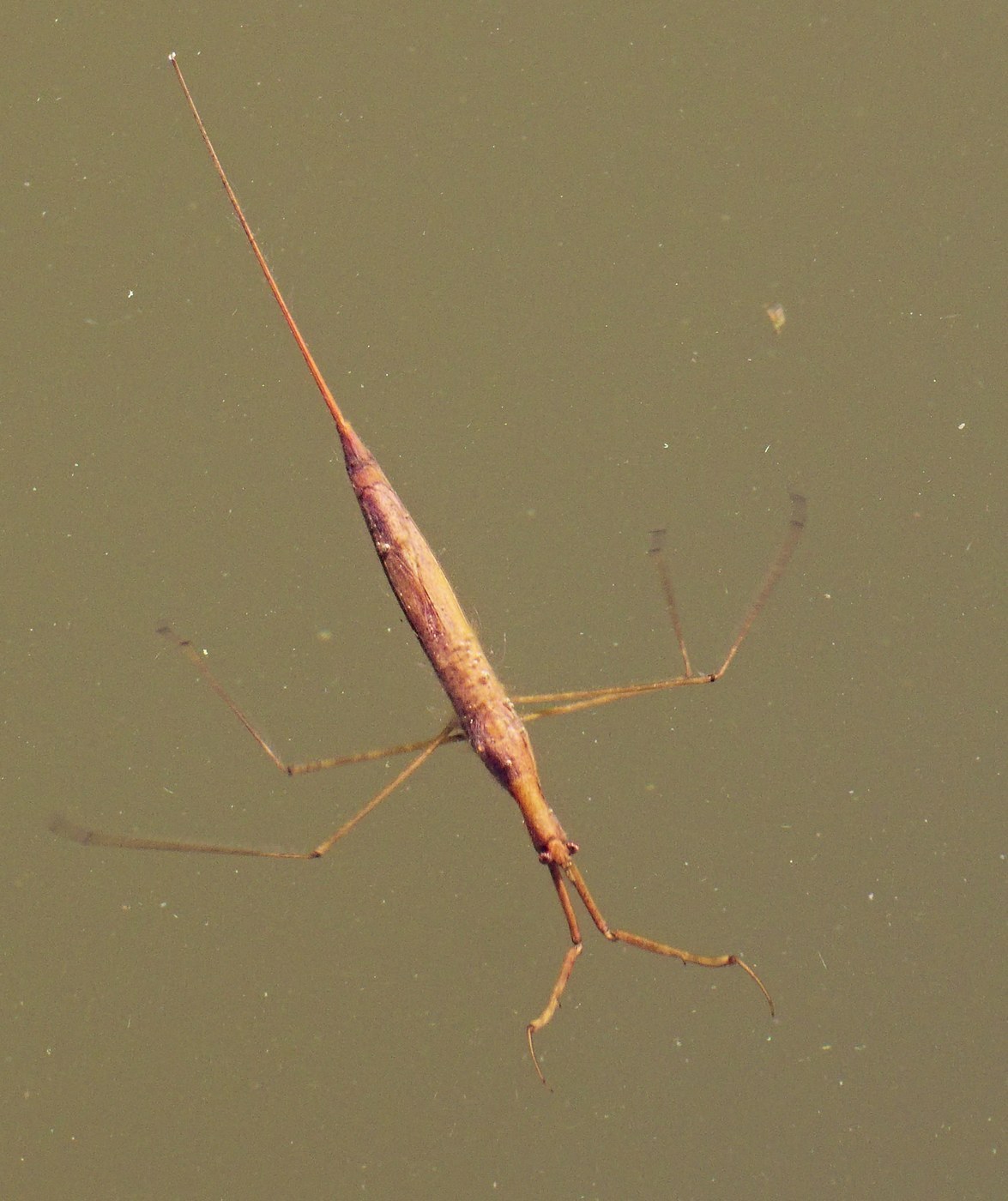
Water Stick Insect
Still and slow-moving water with dense submerged vegetation
Rough Stink Bug
Tree bark, woodlands, orchards, and shrubby vegetation
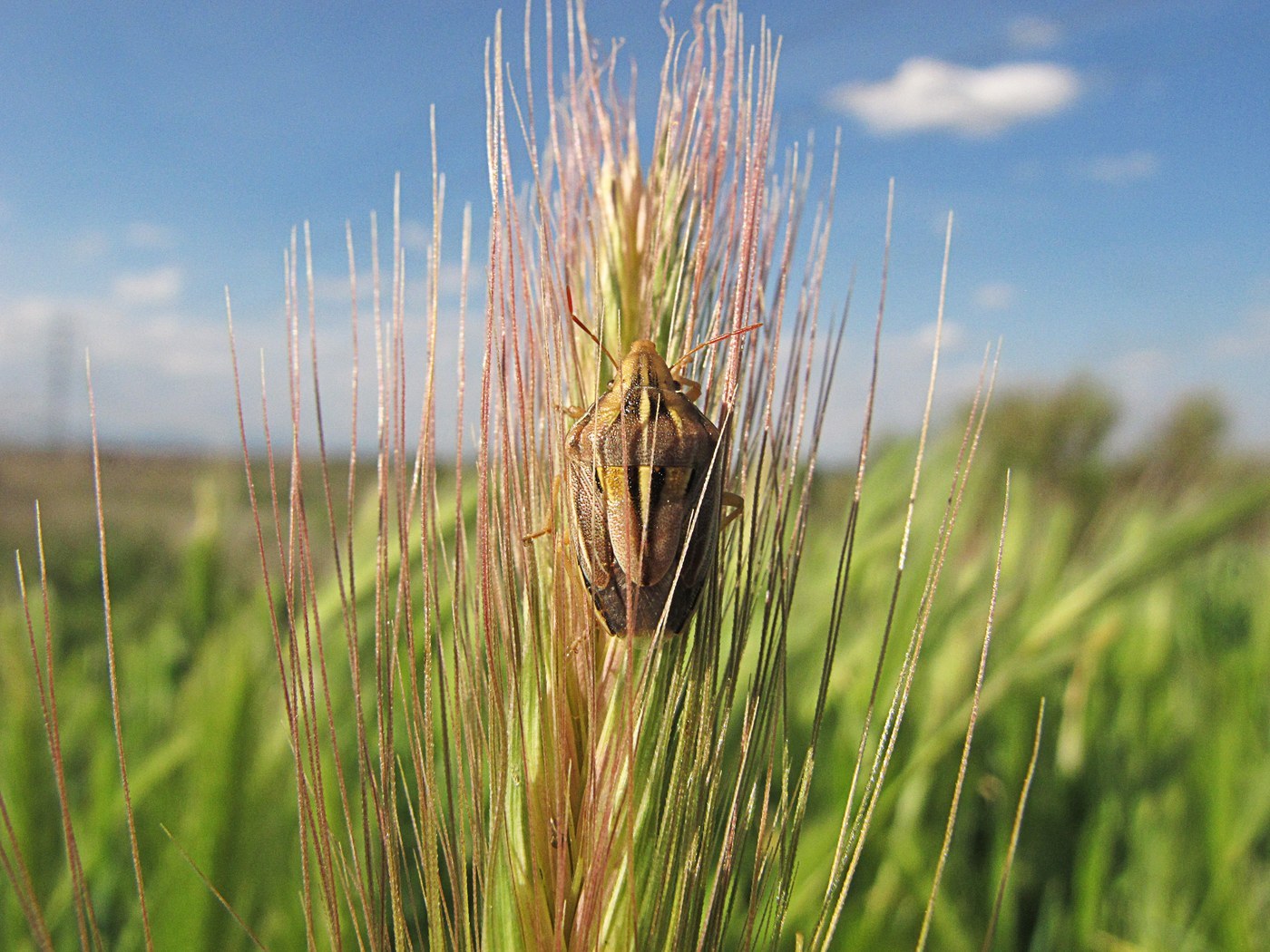
Stink Bug
Gardens, crop fields, and woodlands across temperate and subtropical regions
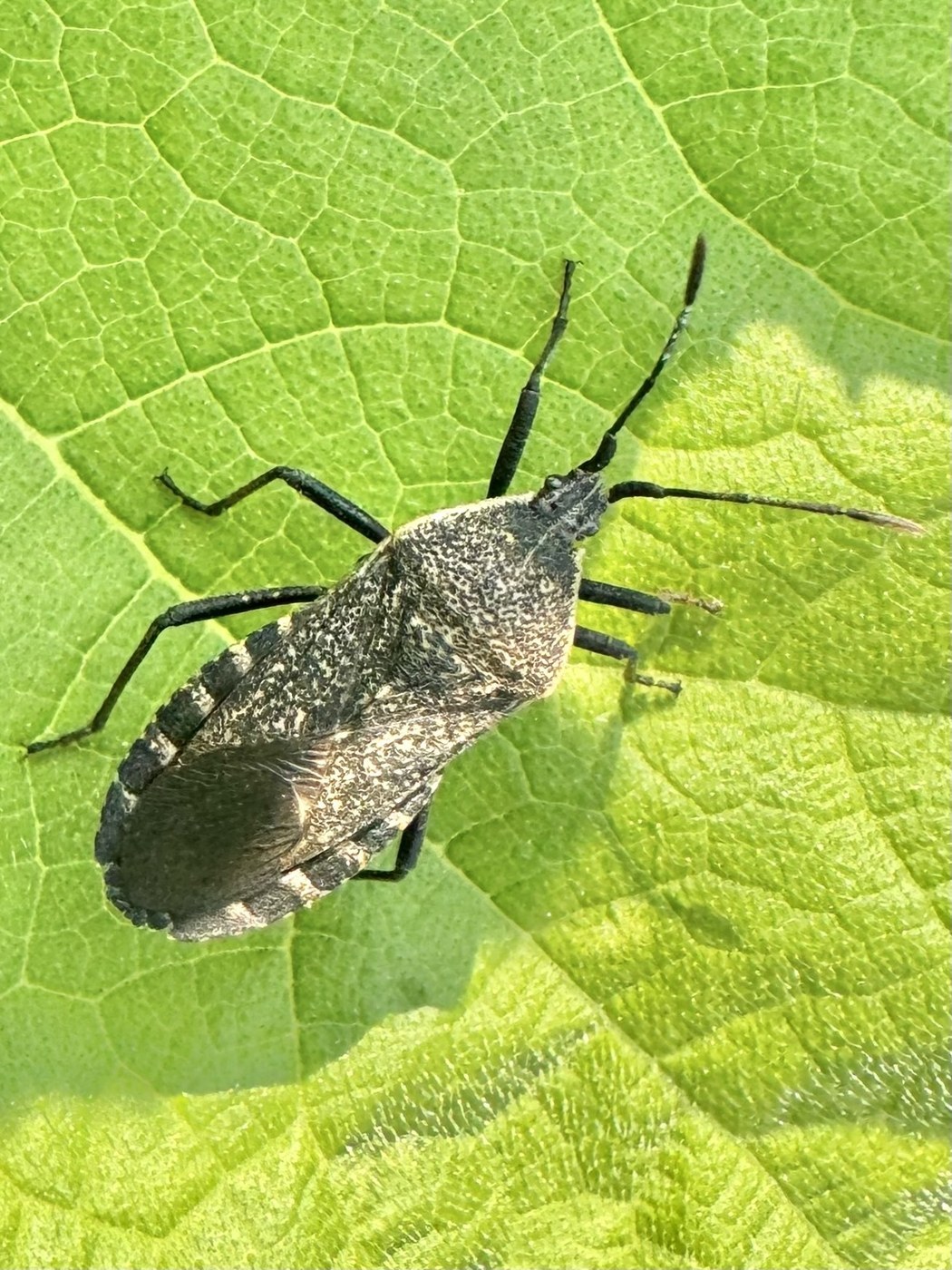
Squash Bug
Vegetable gardens and farm fields growing squash, pumpkin, and other cucurbits
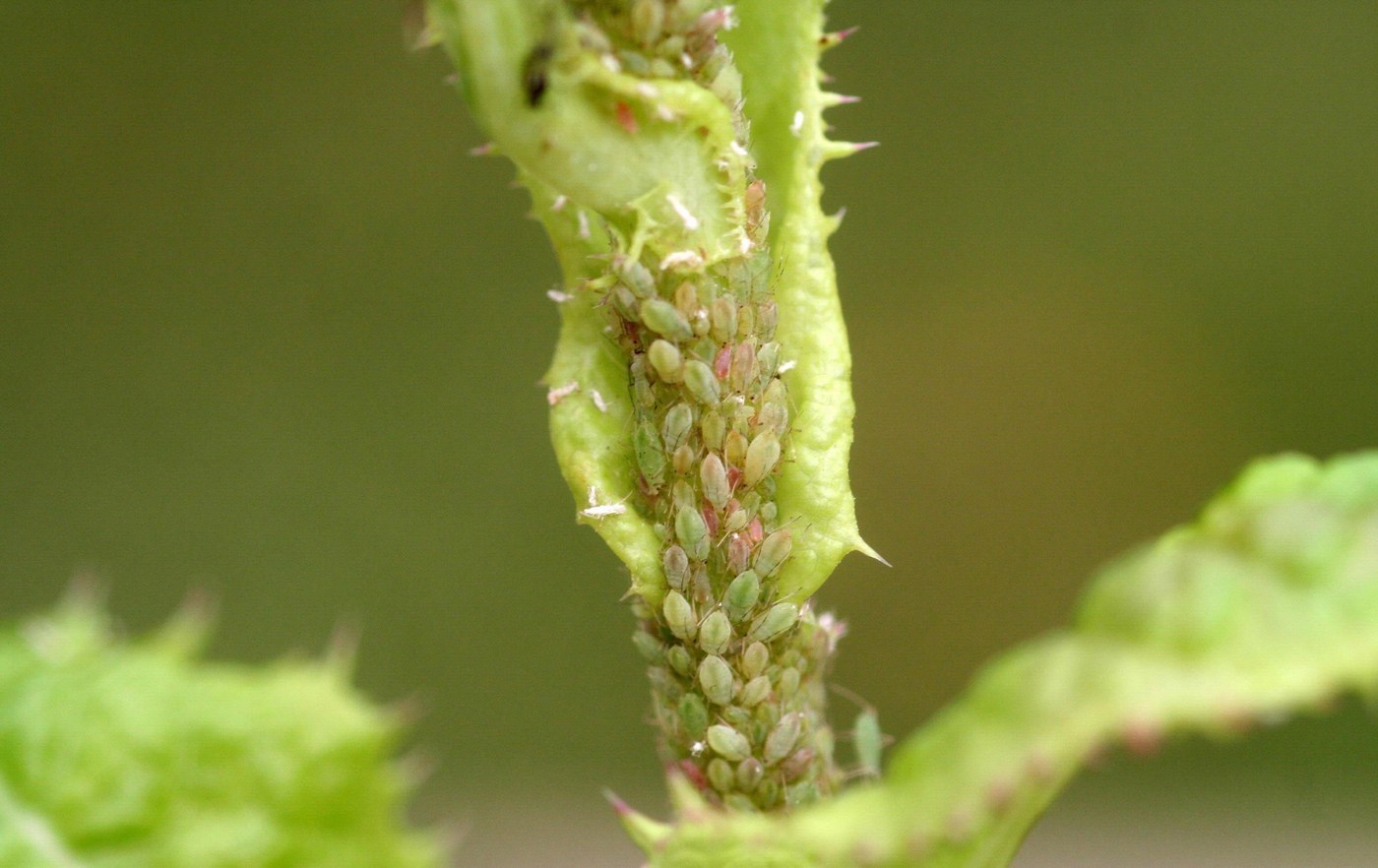
Aphid
On stems, leaves, and buds of a very wide range of host plants
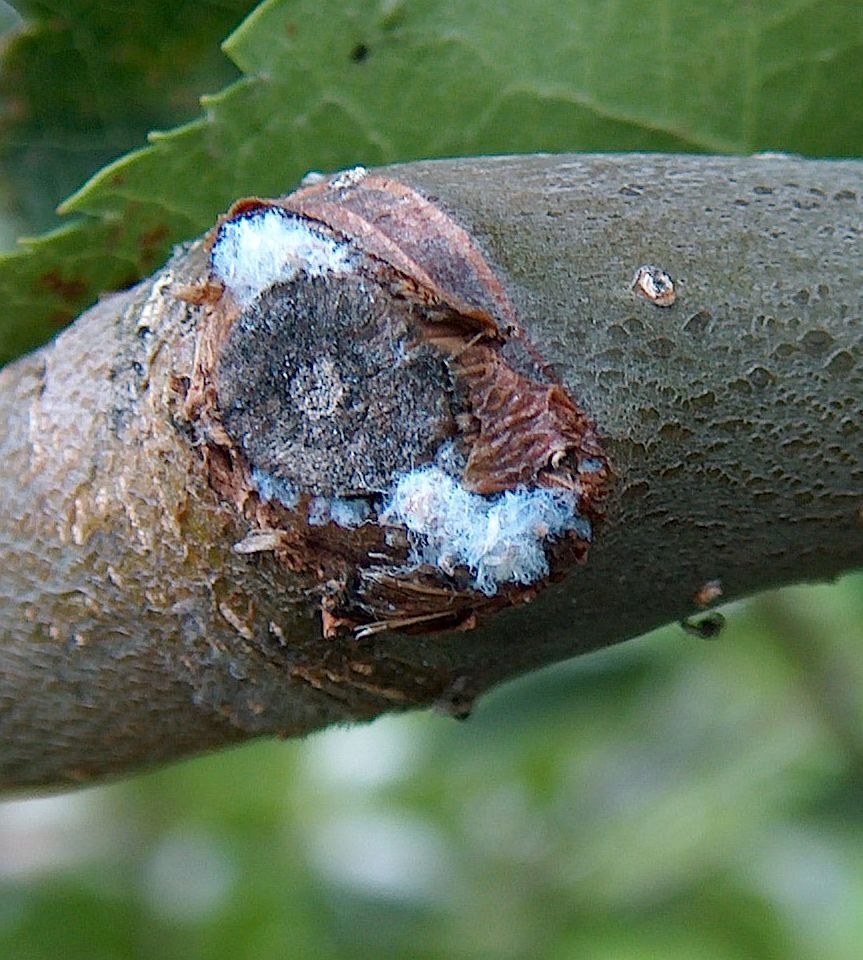
Woolly Aphid
Bark crevices, root collars, and twigs of apple, elm, and alder trees
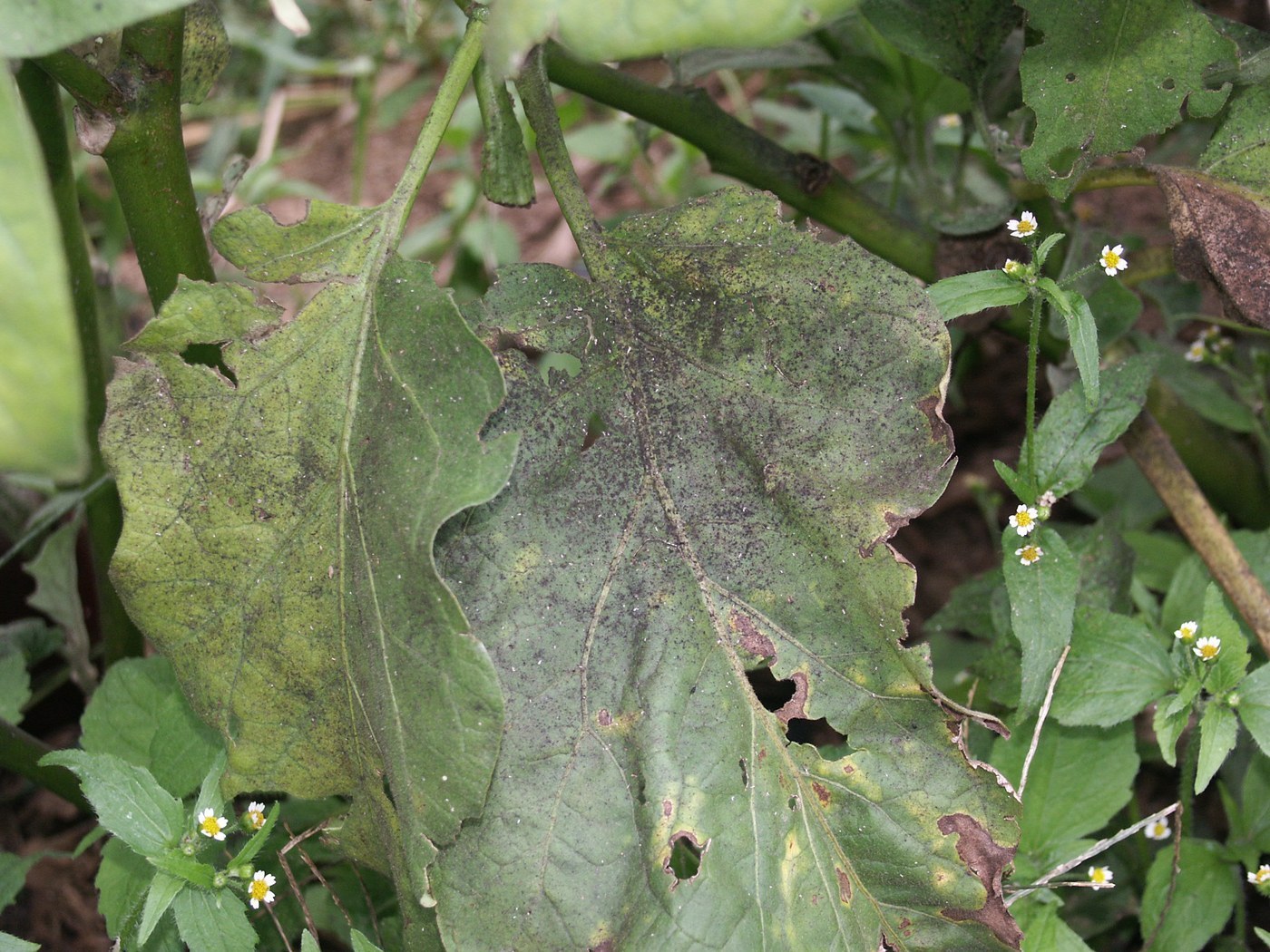
Whitefly
Greenhouses, gardens, and undersides of leaves on host plants
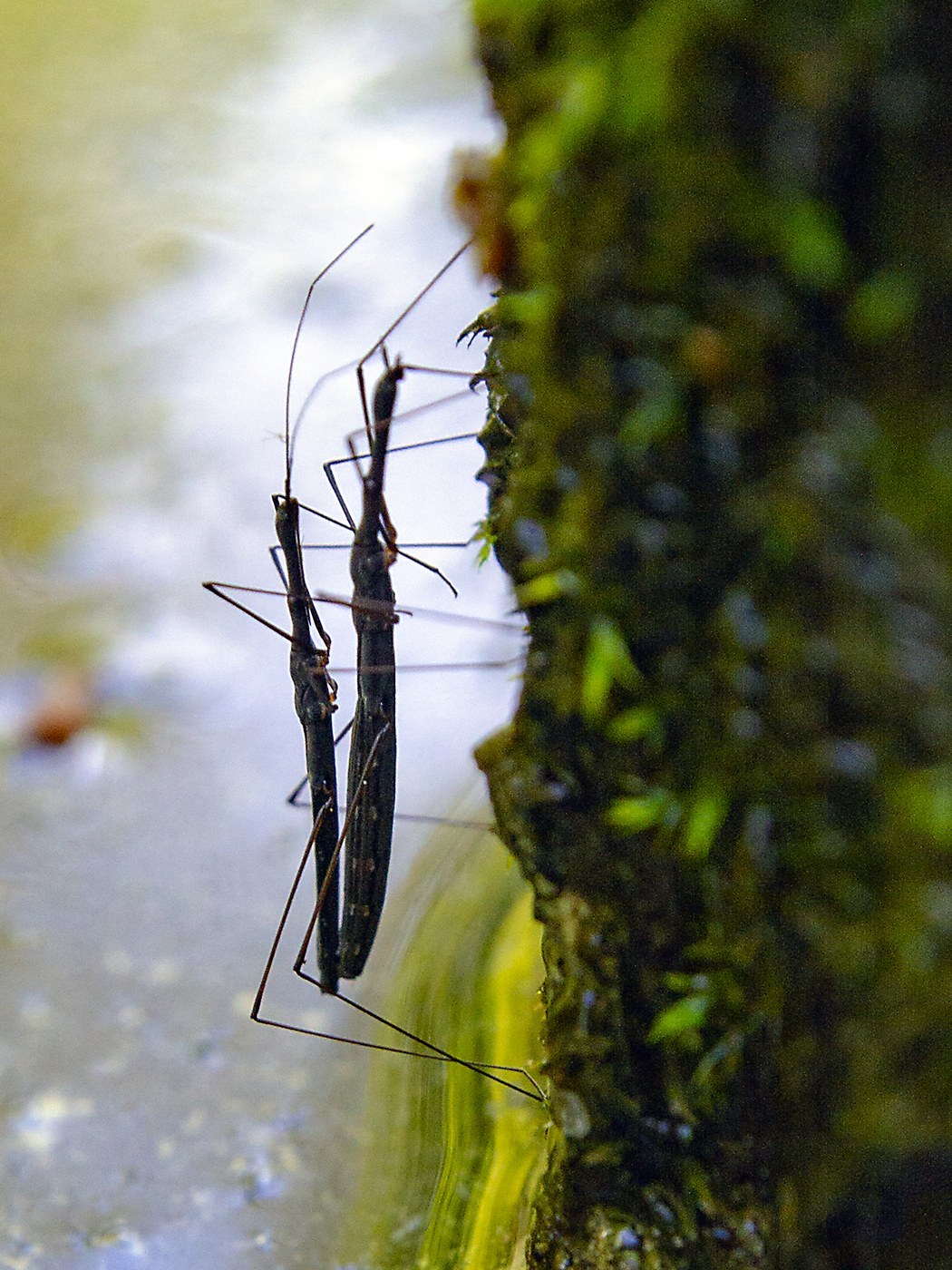
Water Measurer
Quiet edges of ponds, marshes, and slow streams
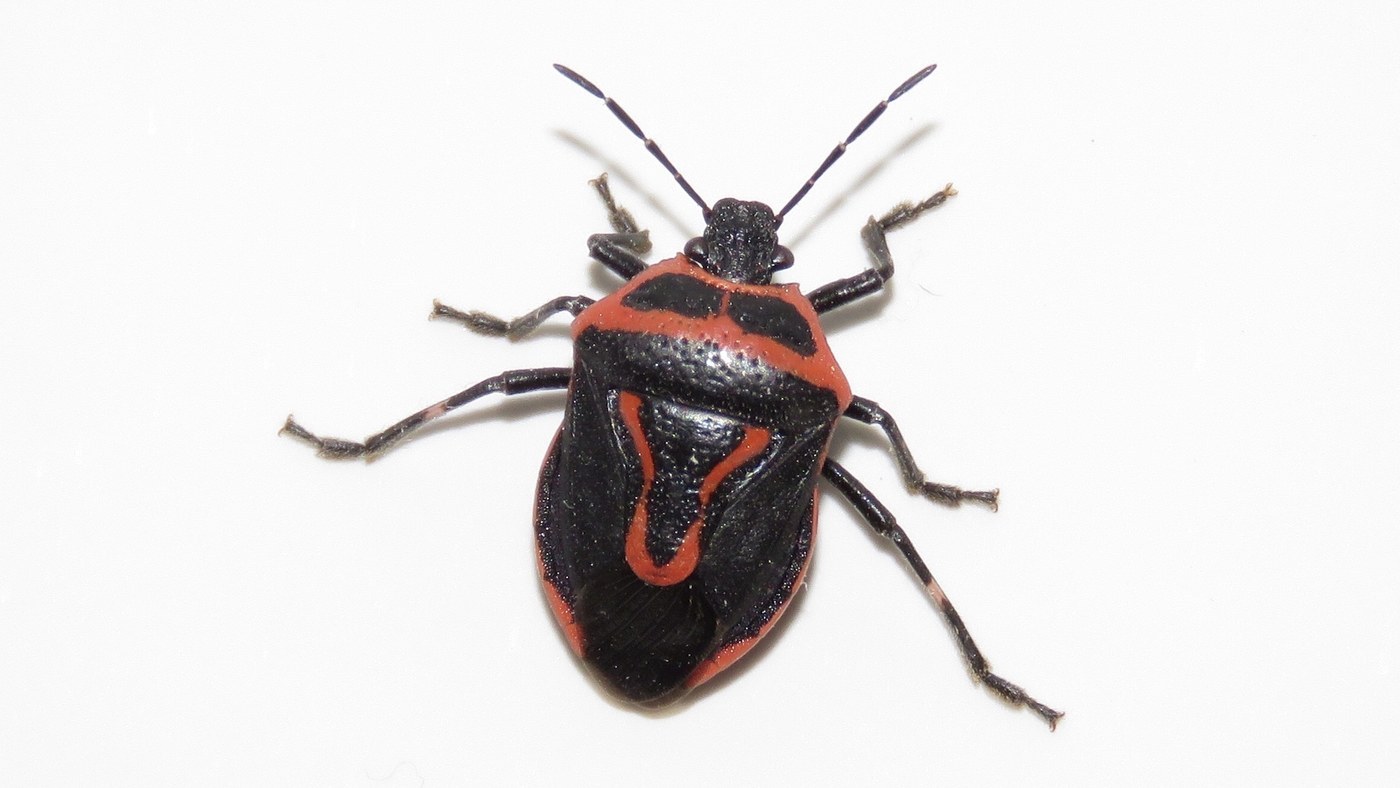
Two-Spotted Stink Bug
Gardens and fields with potato and nightshade-family plants