
Ant-mimicking Mantis
Odontomantis spp.
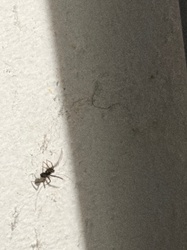
As a tiny nymph, this mantis moves in quick, jerky bursts to imitate a scurrying ant, a clever disguise it gradually sheds as it grows into a typical-looking adult mantis.
- Size
- Nymphs around 1 cm; adults roughly 2-3 cm
- Habitat
- Tropical and subtropical leaf litter and low vegetation
- Danger
- Harmless
Spotted a bug like this?
Identify any bug or insect from a photo, free.
Overview
The ant-mimicking mantis is best known for the remarkable behavior of its early nymphal stages, during which the young mantis adopts a dark coloration, an ant-like slender waist appearance, and rapid, erratic movement patterns that closely resemble those of foraging ants. This mimicry, known as myrmecomorphy, is thought to help the vulnerable young mantis avoid predators that typically leave ants alone.
Found across parts of tropical and subtropical Asia, this small mantis species inhabits leaf litter, low shrubs, and forest-floor vegetation. As the nymph molts and grows, the ant-like resemblance fades, and the mantis takes on the more typical raptorial-limbed, triangular-headed form recognizable in adult mantises, at which point it relies on cryptic coloration and stillness rather than mimicry.
How to Identify
- Very small size, with young nymphs measuring around 1 cm and appearing dark and slender like an ant
- Nymphs exhibit a pinched, ant-like waist and quick, jerky, ant-like movement across the ground
- Adults lose the ant-like form, developing the triangular head, raptorial forelegs, and elongated thorax typical of mantises
- Body coloration in adults tends toward brown or mottled tones suited to leaf litter camouflage
- Large, forward-facing compound eyes typical of the mantis order
- Distinguished from true ants by the presence of raptorial front legs, even at the nymphal stage, once observed closely
Habitat & Range
This species occurs in tropical and subtropical parts of Asia, including regions of Southeast Asia, where it inhabits leaf litter, low shrubs, and forest floor vegetation. It is most often encountered in warm, humid lowland habitats, with the ant-mimicking nymphal stage typically observed shortly after hatching before the mantis grows large enough to abandon the disguise.
Behavior & Diet
As tiny nymphs, ant-mimicking mantises forage among leaf litter and low vegetation, using quick, erratic movements reminiscent of ants to blend into ant traffic and avoid predators that hunt visually. As they mature, individuals become ambush predators like other mantises, using their raptorial front legs to seize small invertebrates such as fruit flies, aphids, and other tiny insects. Adults typically rely on cryptic, leaf-litter-toned coloration and stillness rather than active mimicry. Within their ecosystem, they contribute to natural control of small insect populations while themselves serving as prey for birds, larger arthropods, and other predators.
Life Cycle
Females produce an ootheca, a foam-like egg case that hardens to protect dozens of eggs, typically attached to a twig or leaf surface. Upon hatching, nymphs emerge already exhibiting the ant-mimicking coloration and behavior, which persists through the first few molts before fading as the mantis grows larger. Development continues through multiple nymphal instars with no pupal stage, consistent with the incomplete metamorphosis typical of mantises. Adults emerge after the final molt, with lifespans typically spanning several months.
Frequently asked questions
Why do young ant-mimicking mantises look like ants?
The dark coloration, slender waist appearance, and jerky movement of early nymphs mimic ants, which likely helps deter predators that avoid preying on ants.
Do adult ant-mimicking mantises still look like ants?
No, as they grow the ant-like appearance and movement fade, and adults take on the typical mantis body form with raptorial front legs and a triangular head.
What do these mantises eat?
They are predators that capture small invertebrates such as fruit flies and aphids using their raptorial front legs.
How can you tell a mantis nymph from a real ant?
Close observation reveals the raptorial front legs and mantis-like head shape, features that true ants lack even though the nymph's movement and slender form closely resemble an ant.
Ant-mimicking Mantis guides
In-depth guides for identifying, understanding, and living alongside Ant-mimicking Mantis.
Ant-mimicking Mantis identified by the community
Real finds identified with Bug Identifier.
Other bugs you may enjoy
Walking Stick Insect
Trees, shrubs and leaf litter in forests, woodlands and gardens
African Mantis
grasslands, shrubs, and gardens across sub-Saharan Africa
Walking Stick
Deciduous woodlands, forest edges, and shrubby vegetation
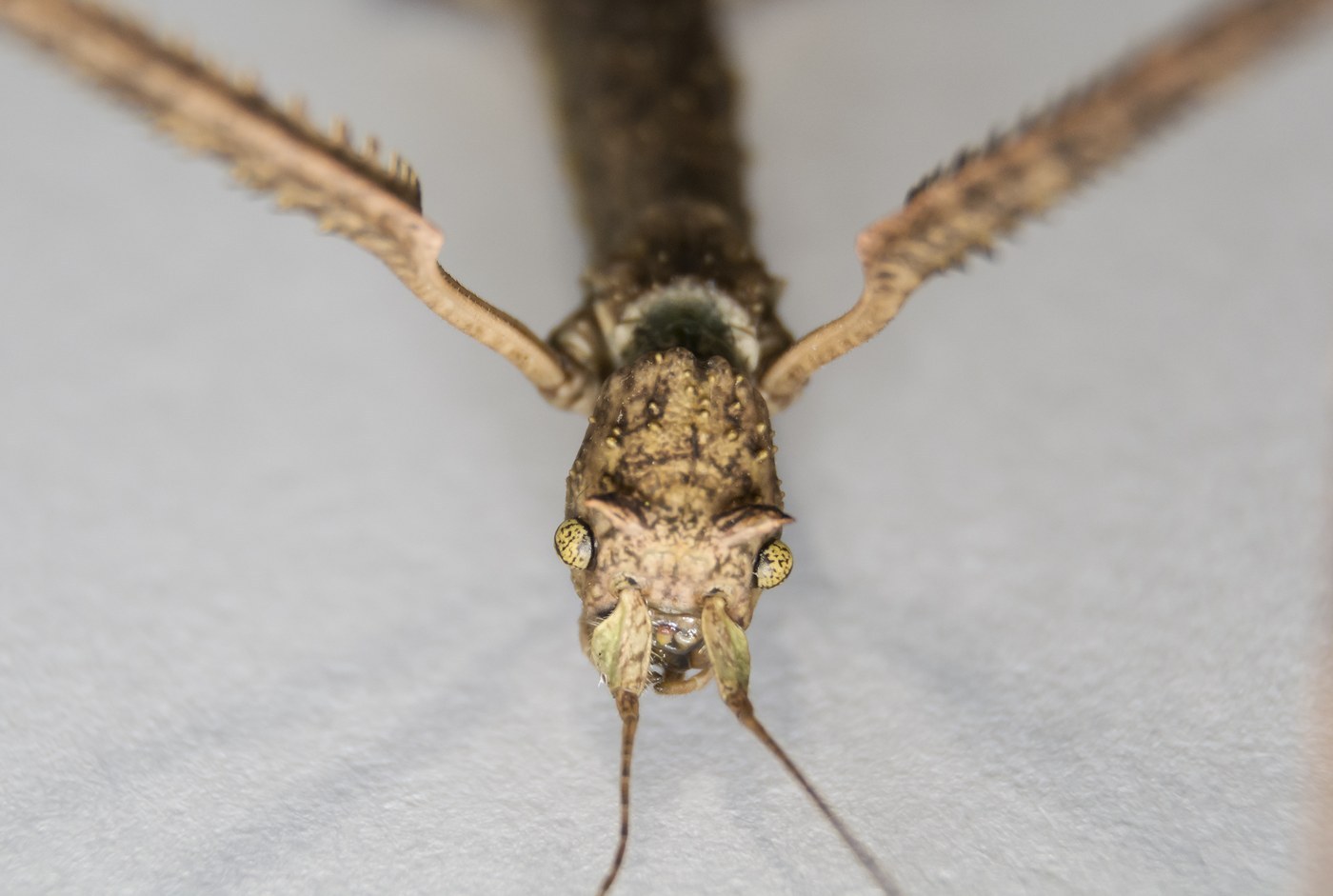
Vietnamese Walking Stick
tropical forests of Vietnam; widely kept in captivity worldwide
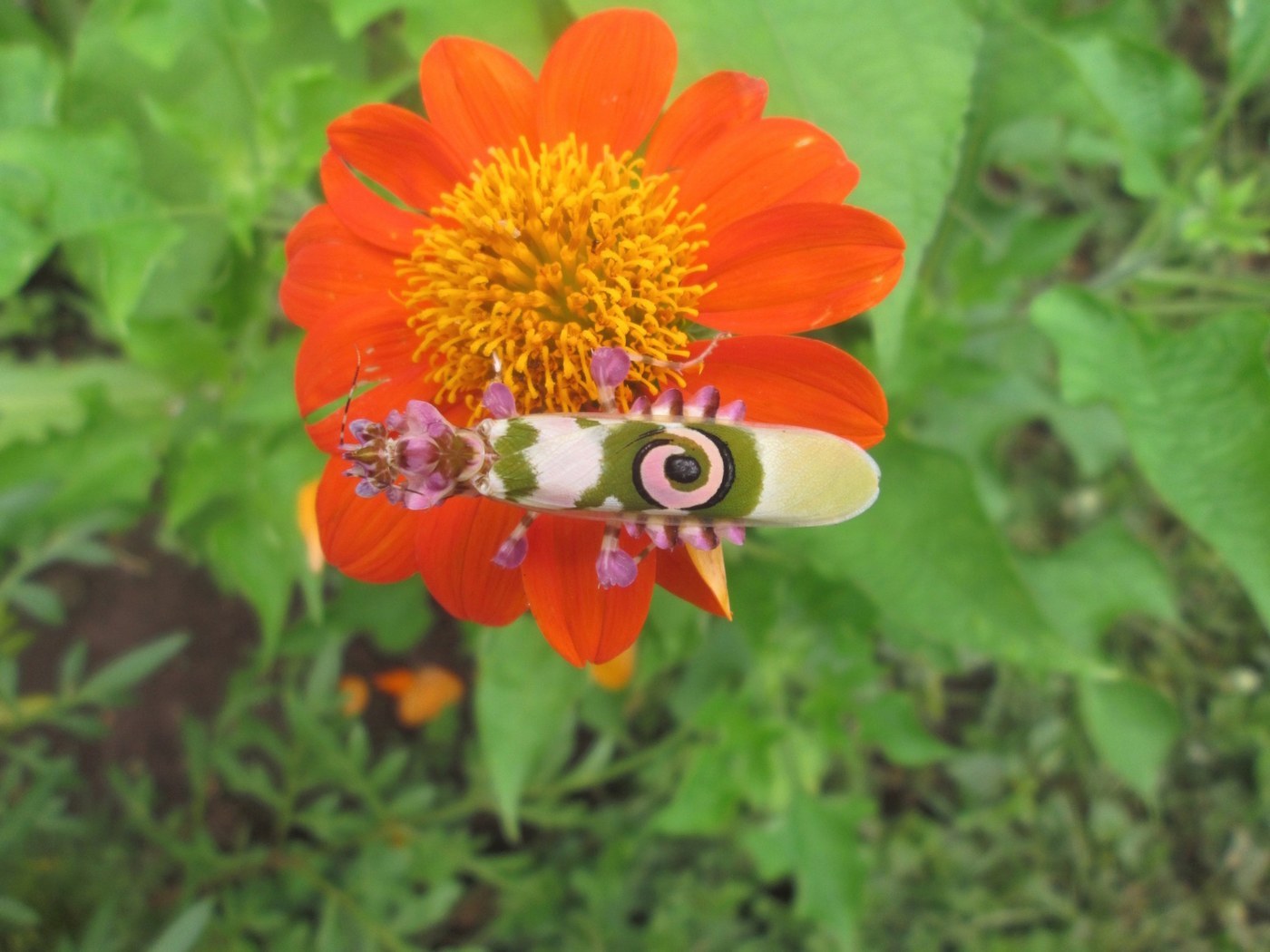
Spiny Flower Mantis
African savanna and woodland shrubs and flowering plants
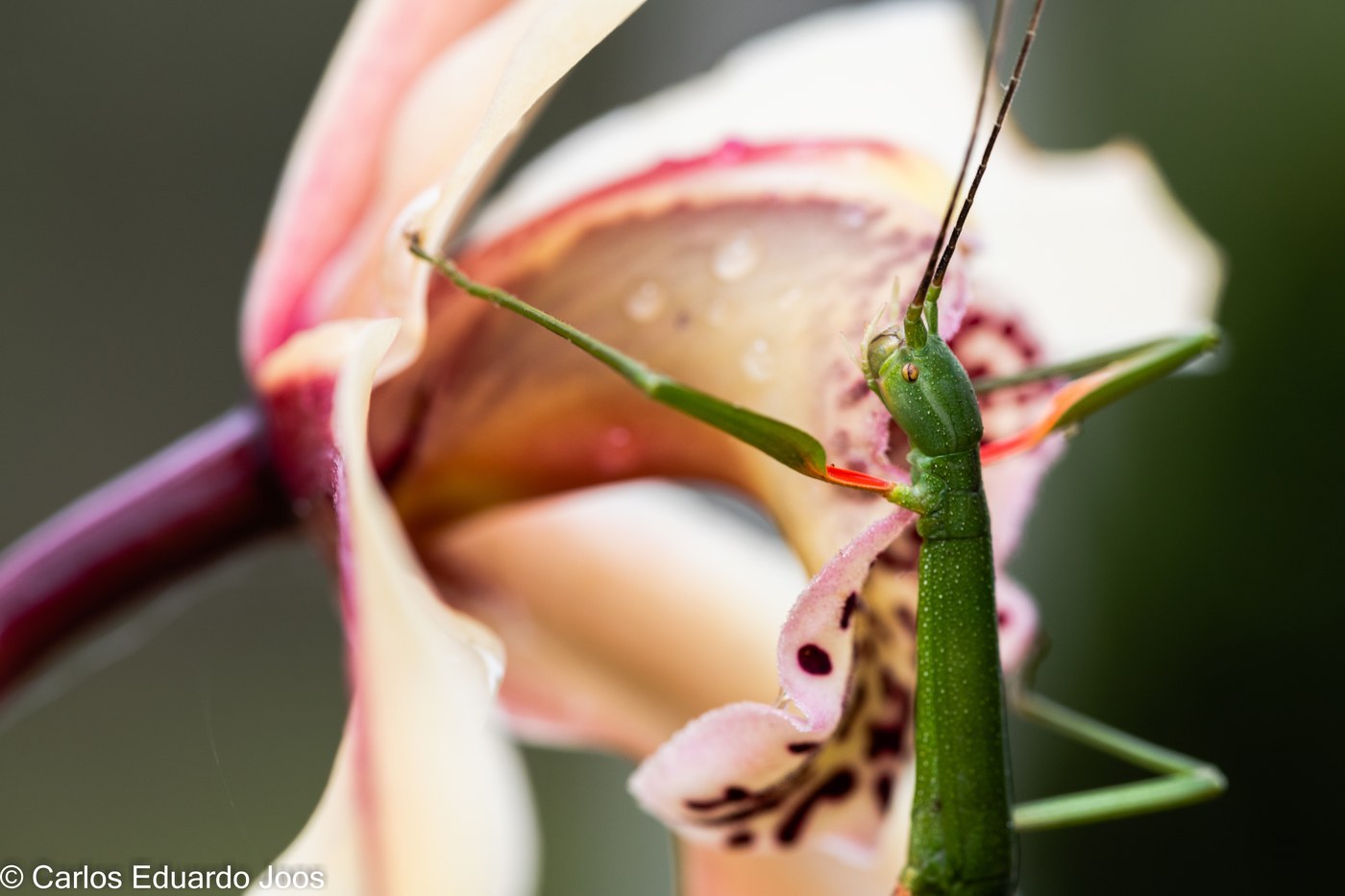
Northern Walkingstick
deciduous forests and woodland edges of the eastern and central United States and southern Canada
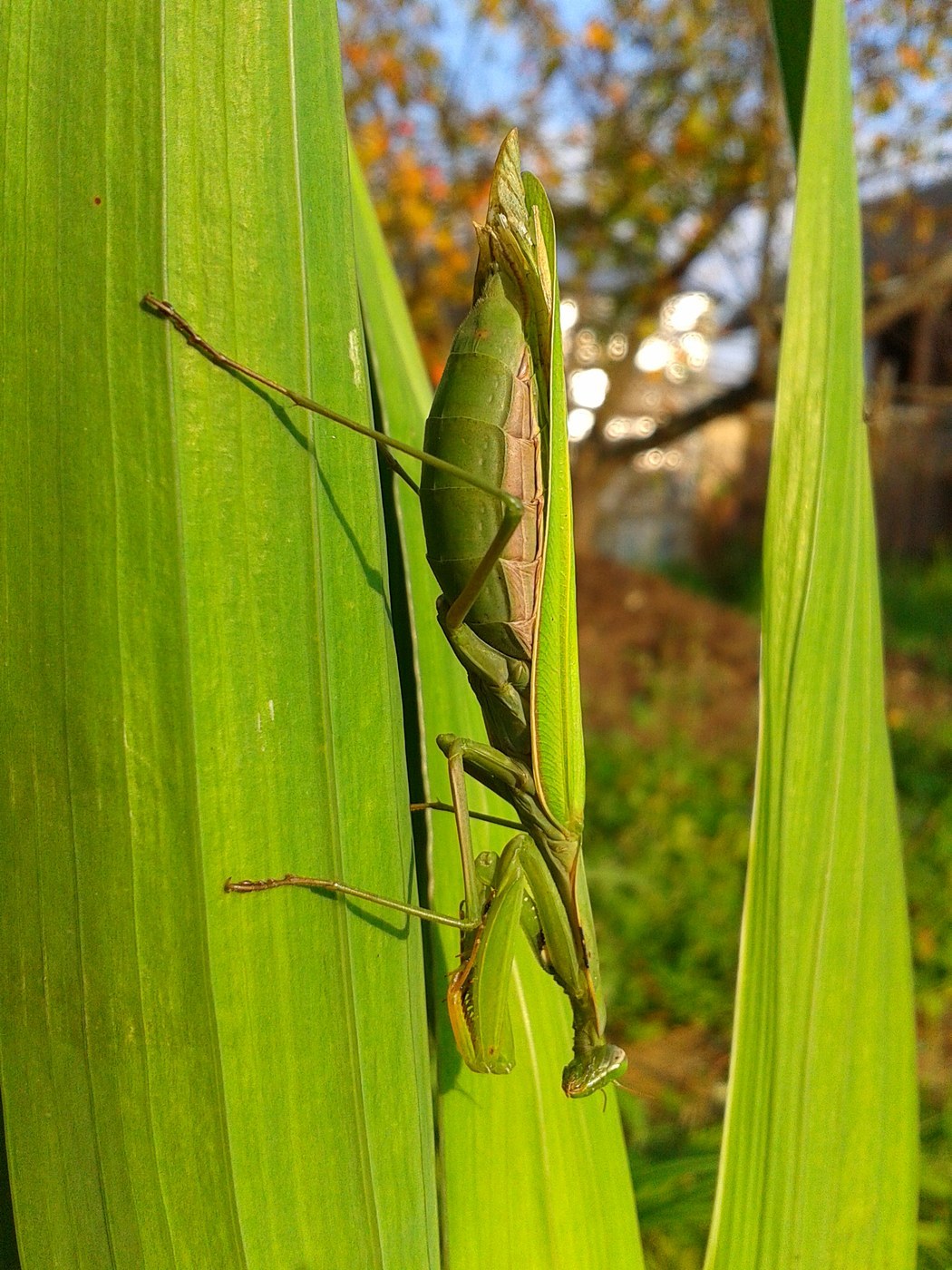
Praying Mantis
Gardens, meadows, shrubs, and tall grass
Orchid Mantis
tropical rainforests and flowering shrubs of Southeast Asia
Goliath Stick Insect
Tropical and subtropical eucalypt forests and woodland canopy
Giant Prickly Stick Insect
eucalyptus forests and shrubland of eastern Australia and New Guinea
Javanese Leaf Insect
Tropical lowland and montane forest foliage
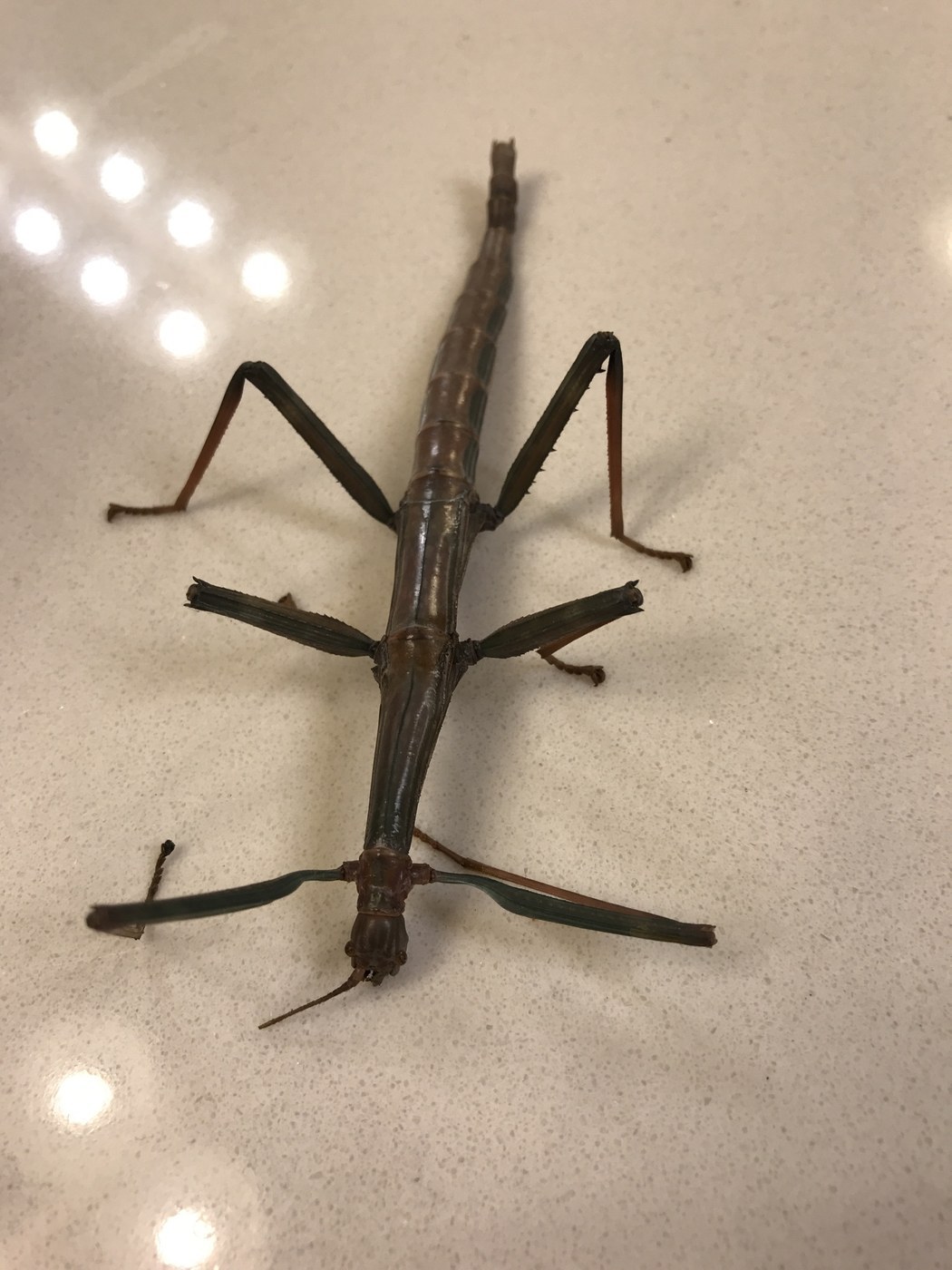
Giant Walking Stick
Deciduous woodlands, forest edges, and shrubby thickets