
Dust Mite
Dermatophagoides spp.
A microscopic, translucent arachnid that lives unseen in household dust, feeding quietly on shed skin flakes within mattresses, carpets, and furniture.
- Size
- 0.01 in (0.2-0.4 mm), visible only under magnification
- Habitat
- Bedding, upholstery, carpets, and other soft indoor furnishings
- Danger
- Nuisance pest
Spotted a bug like this?
Identify any bug or insect from a photo, free.
Overview
Dust mites, genus Dermatophagoides, are microscopic arachnids in the family Pyroglyphidae found virtually worldwide in indoor environments with sufficient warmth and humidity. Far too small to see without magnification, they live largely unnoticed within mattresses, pillows, upholstered furniture, carpets, and soft textiles, thriving in the humid microclimate created by household dust and fabric fibers.
Unlike many arachnids, dust mites have no eyes and a soft, translucent, whitish body without the hardened exoskeleton typical of ticks or scorpions, an adaptation suited to their sheltered, humid habitat rather than exposure to open air or sunlight. Their body is divided into a small, fused region bearing the mouthparts and a larger, rounded posterior section, with eight legs present in the nymphal and adult stages.
Dust mites are detritivores, meaning they feed on organic debris rather than living hosts, and household dust provides an abundant supply of their primary food source: microscopic flakes of shed human and animal skin that accumulate continuously in bedding, carpets, and furniture over time.
How to Identify
- Microscopic size, roughly 0.2 to 0.4 millimeters, invisible to the naked eye
- Soft, translucent, whitish or pale body lacking a hardened shell
- No eyes, relying instead on other sensory structures to navigate its environment
- Eight legs present in nymph and adult stages; six legs in the newly hatched larval stage
- Found embedded within dust, fabric fibers, and soft furnishings rather than crawling in the open
- Identification typically requires microscopic examination of dust samples rather than visual inspection
Habitat & Range
Dust mites live within household dust in warm, humid indoor environments worldwide, concentrating in mattresses, pillows, bedding, upholstered furniture, carpets, and curtains. They thrive best in moderate to high humidity and stable indoor temperatures, and populations tend to be highest in bedrooms and other soft-furnished rooms where shed skin cells accumulate steadily.
Behavior & Diet
Dust mites spend their entire life cycle within soft furnishings, moving slowly through fabric fibers and dust accumulations rather than actively roaming in the open. Their diet consists of organic detritus, primarily shed skin flakes from humans and pets, along with other organic particles present in household dust. As decomposers of this fine organic material, dust mites play a small but continuous role in breaking down accumulated skin debris within indoor environments, a household ecosystem role broadly similar to that of decomposer arthropods in nature.
Life Cycle
The dust mite life cycle progresses through egg, six-legged larva, several nymphal stages, and adult, with the full cycle from egg to adult typically completing in about one month under favorable warm, humid conditions. Females lay a modest number of eggs directly within dust and fabric fibers over their lifespan. Because indoor environments provide relatively stable conditions year-round, dust mites can produce multiple overlapping generations continuously, without the seasonal dormancy typical of many outdoor arthropods.
Frequently asked questions
Can dust mites be seen without a microscope?
No, they are far too small, typically only 0.2 to 0.4 millimeters long, and can only be observed clearly under magnification.
What do dust mites eat?
They feed on organic debris in household dust, primarily microscopic flakes of shed human and animal skin.
Where in a home are dust mites most concentrated?
In soft furnishings such as mattresses, pillows, bedding, upholstered furniture, and carpets that accumulate dust and retain humidity.
How long does a dust mite take to develop from egg to adult?
Roughly one month under warm, humid indoor conditions typical of most homes.
Dust Mite guides
In-depth guides for identifying, understanding, and living alongside Dust Mite.
Dust Mite identified by the community
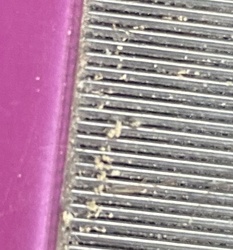
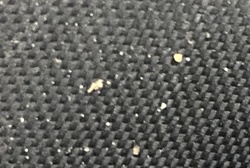
Real finds identified with Bug Identifier.
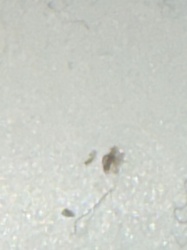
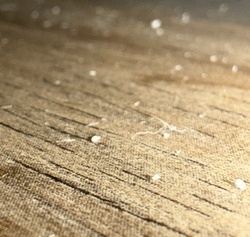
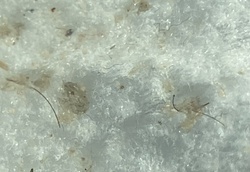
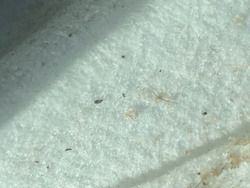

Other bugs you may enjoy
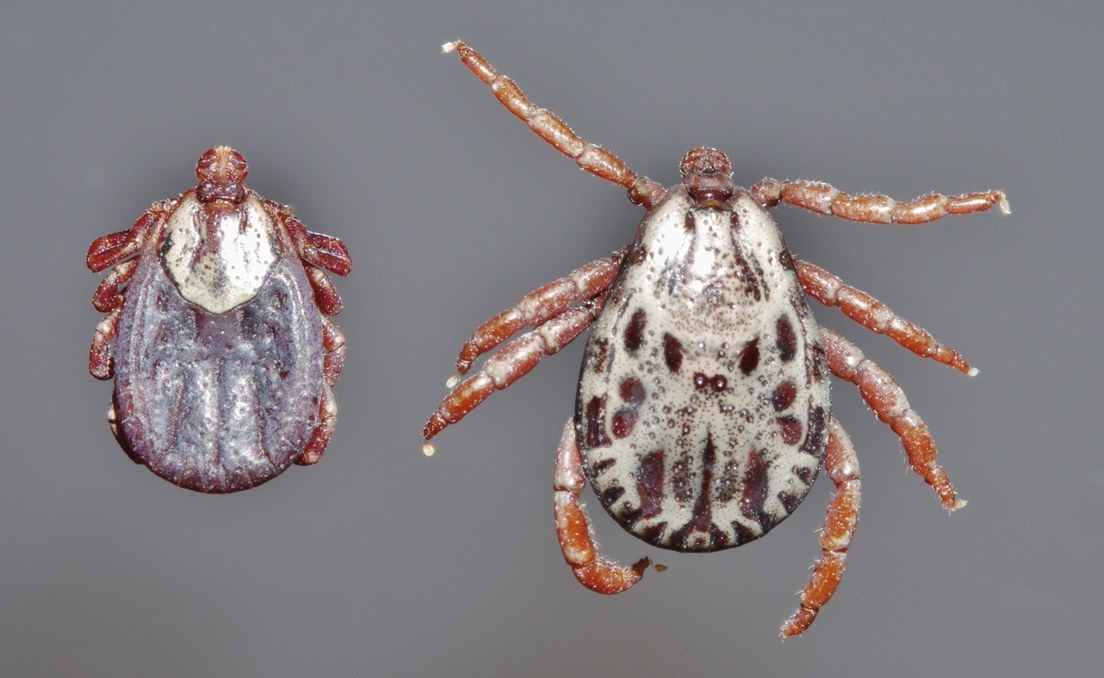
Wood Tick
Grassland, shrub-steppe, and open woodland of western North America
Yellow Scorpion
Arid scrubland, rocky slopes, and desert margins
Whip Spider
Tropical caves, rainforest leaf litter, and under bark
Water Mite
Ponds, lakes, streams, and other freshwater bodies
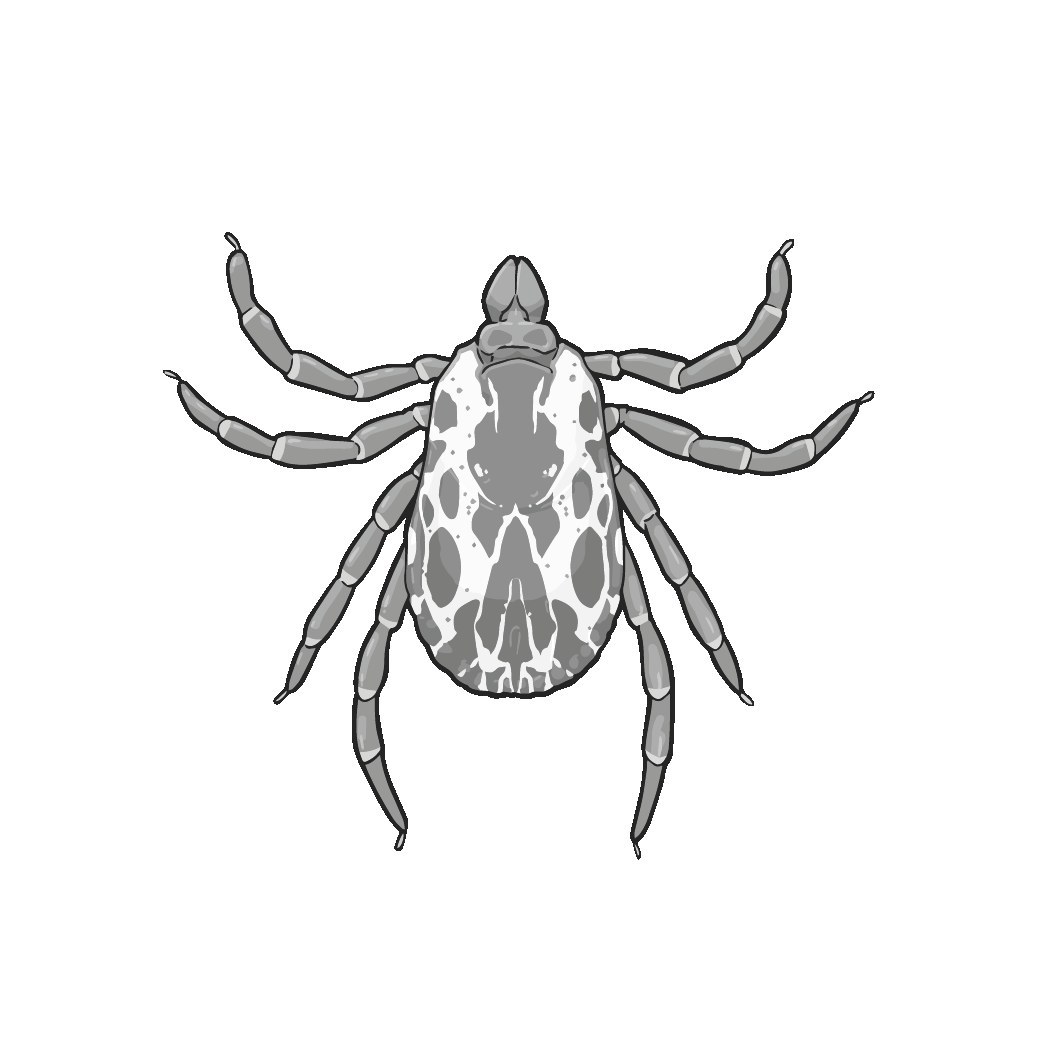
American Dog Tick
Grassy fields, trails, and low vegetation near woodlands
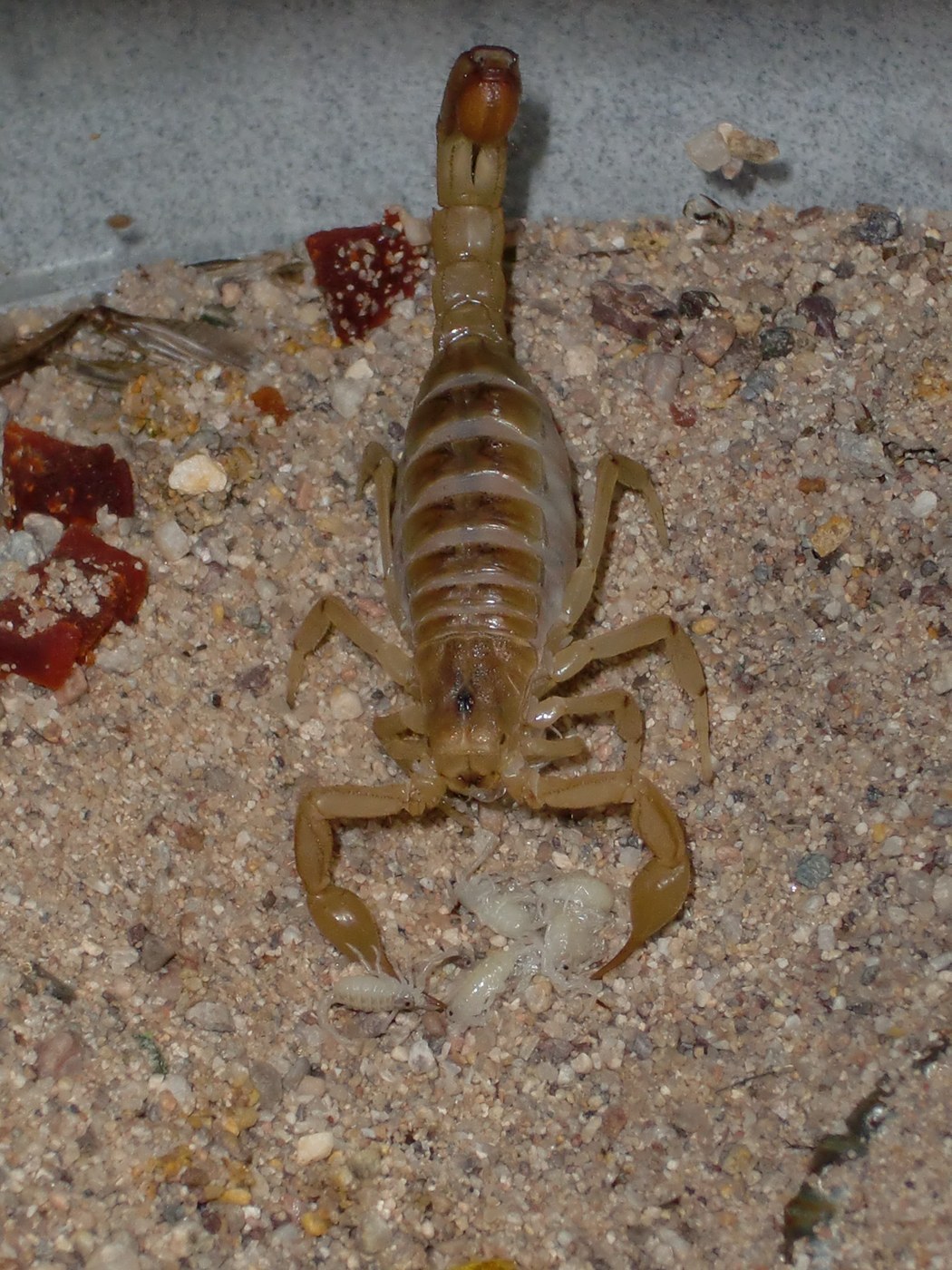
Arizona Bark Scorpion
Rocky desert terrain, tree bark, and structures in the Southwest
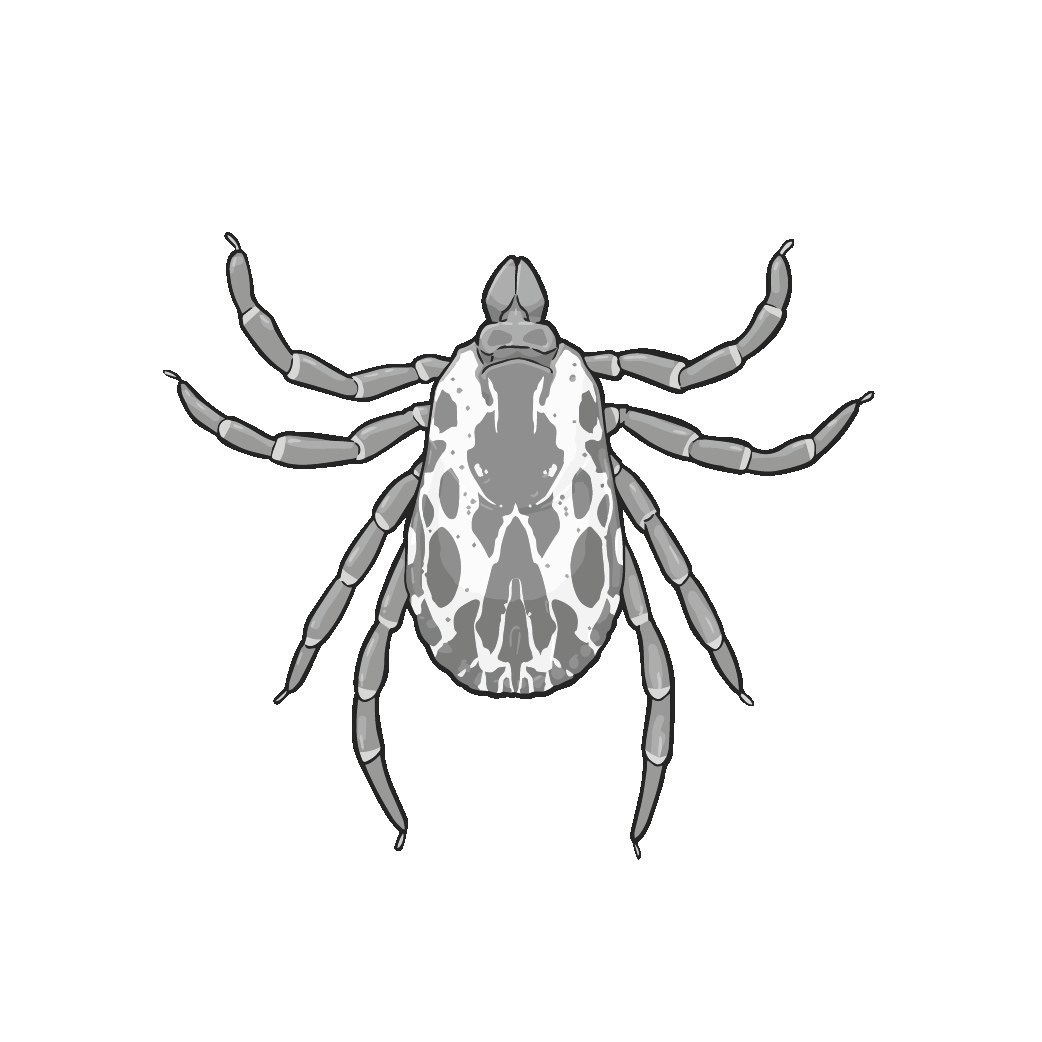
Tick
Tall grass, brush, woodland edges, and animal trails
Soil Mite
Soil, leaf litter, moss, and decaying organic matter worldwide
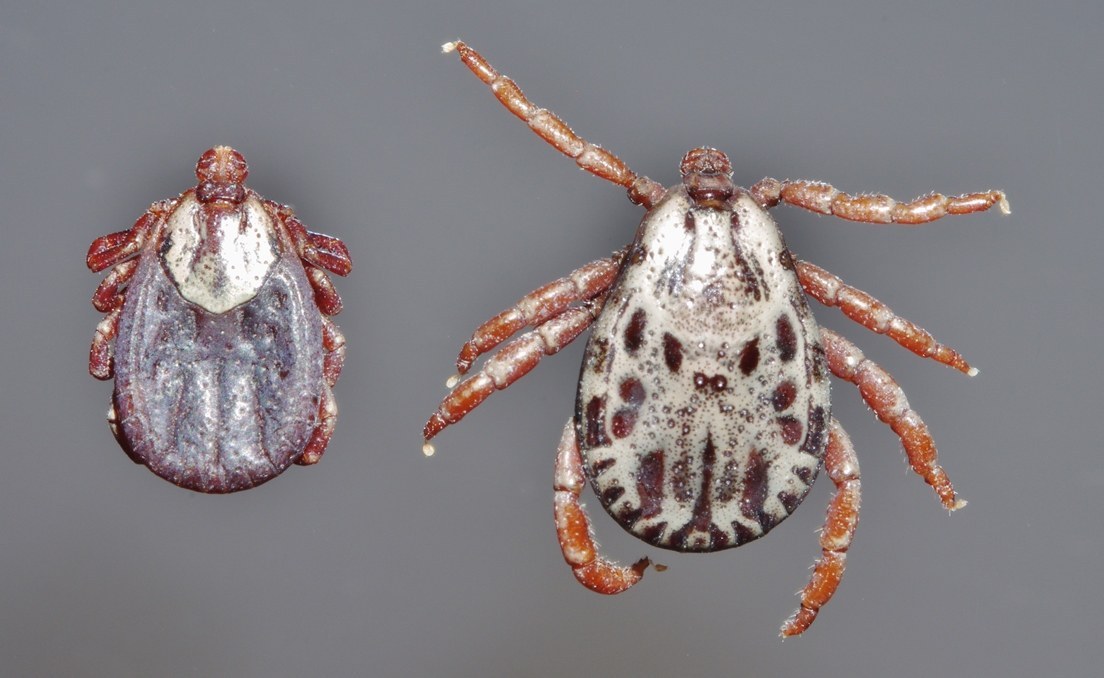
Rocky Mountain Wood Tick
Sagebrush shrublands, grasslands, and montane forest edges
Two-Spotted Spider Mite
Undersides of leaves on garden plants, crops, and houseplants
Spider Mite
Undersides of leaves on garden plants, houseplants, and field and orchard crops worldwide
Whip Scorpion
Tropical and subtropical caves, tree bark, and rock crevices worldwide