Carpet Beetle Identification Guide
Learn to recognize this small, patterned beetle by its mottled scales and distinctly fuzzy larvae.
Read the full Carpet Beetle encyclopedia entry →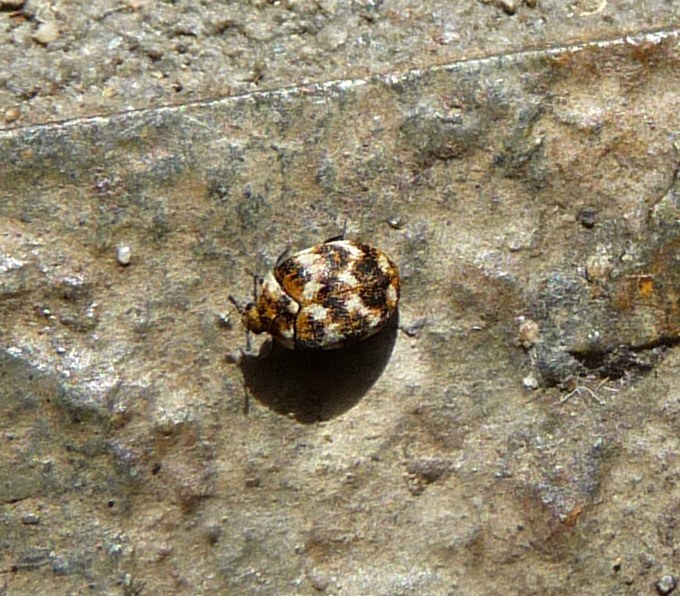
Key Visual Features
Carpet beetles (family Dermestidae, genera Anthrenus and Attagenus) are small beetles recognized by their compact shape and, in many species, colorful mottled scales:
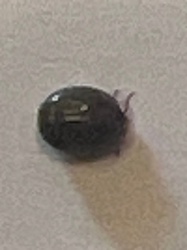
- Small, oval, domed body, typically 2–5 mm (about 0.08–0.2 inches) in length
- Mottled pattern of white, yellow, orange, and black scales covering the wing covers in species like the varied carpet beetle, creating a speckled, mosaic-like appearance
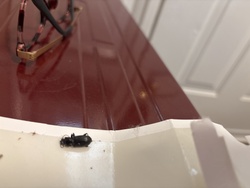
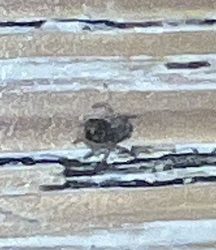
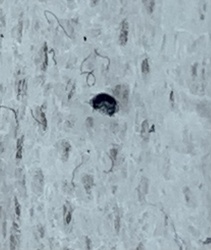
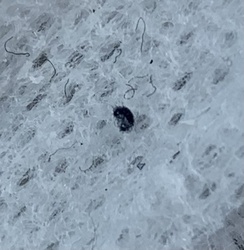
- Solid black or dark brown coloring in other species, such as the black carpet beetle, which lacks the colorful scale pattern
- Short, clubbed antennae that fit into small grooves on the head and thorax
- Rounded, compact body outline viewed from above, without an elongated shape
- Larvae look very different from adults: they are elongated, bristly, and covered in dense hair-like setae, often banded in brown and gold, quite unlike the smooth, domed adult beetle
Where and When You'd See It
Adult carpet beetles are frequently seen outdoors on flowers in spring and summer, where they feed on pollen and nectar. They are strong fliers and often make their way indoors through open windows and doors, particularly toward sunlit windowsills. Indoors, both adults and especially larvae are found near natural fiber materials, dusty corners, closets, and storage areas, since larvae feed on materials of animal origin. Carpet beetles are active year-round indoors in heated buildings, while outdoor sightings peak during the warmer flowering months.
Similar-Looking Bugs
- Ladybugs: rounder and typically larger, with a more uniform red, orange, or yellow color and black spots, rather than the fine mottled scale pattern of carpet beetles
- Bed bugs: flatter, reddish-brown, and oval without the mottled scale coloring; carpet beetle larvae are sometimes mistaken for bed bugs due to similar size, but the larvae's dense bristly hairs are a clear distinguishing feature
- Other small beetles: check for the characteristic mottled scale pattern and clubbed antennae, which are distinctive of the carpet beetle group
Quick ID Checklist
- Small, oval, domed body around 2–5 mm long
- Mottled white/yellow/orange/black scale pattern (or solid black in some species)
- Short, clubbed antennae
- Larvae elongated, bristly, and banded — very different from adults
- Adults found on flowers outdoors; larvae found near natural fibers indoors
Frequently asked questions
How do I tell a carpet beetle from a ladybug?
Carpet beetles are smaller with a fine mottled pattern of white, yellow, orange, and black scales, while ladybugs are typically larger, rounder, and more uniformly colored with distinct spots.
Why do carpet beetle larvae look so different from the adults?
Larvae are elongated and covered in dense, bristly, hair-like setae, often banded in brown and gold, which is a very different appearance from the smooth, domed shape of the adult beetle.
Where are adult carpet beetles most commonly seen?
Adults are frequently found outdoors on flowers, where they feed on pollen and nectar, especially during spring and summer.
What features confirm an insect is a carpet beetle rather than another small beetle?
Look for the small, domed, oval body with short clubbed antennae and, in many species, a distinctive mottled pattern of colored scales across the wing covers.
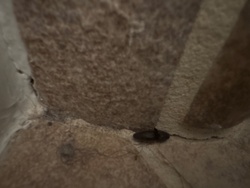
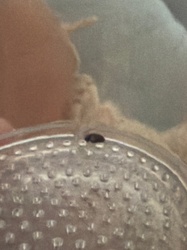
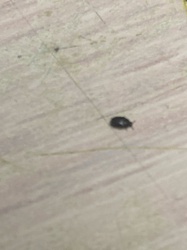
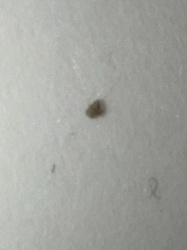
Carpet Beetle identified by the community
Recent Carpet Beetle finds identified with Bug Identifier.