
Carpet Beetle
Anthrenus verbasci
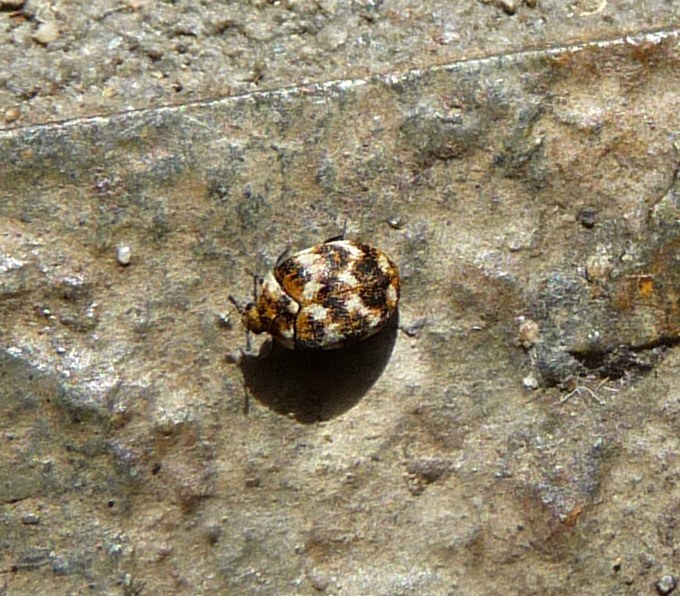
A tiny, rounded beetle with a mottled scale pattern of white, brown, and yellow, whose bristly larvae are known for feeding on wool, fur, and other dried animal fibers indoors.
- Size
- 2–4 mm
- Habitat
- Homes, museums, nests, dried plant and animal material
- Danger
- Nuisance pest
Spotted a bug like this?
Identify any bug or insect from a photo, free.
Overview
The carpet beetle belongs to the family Dermestidae, a group of beetles specialized in consuming dried organic material such as skin, fur, feathers, and dead insects. Adult carpet beetles are small, oval, and covered in a mosaic of tiny colored scales, giving them a mottled, almost calico appearance quite different from the plain dark larvae most people encounter.
In nature, dermestid beetles are essential scavengers, cleaning up carcasses, shed feathers, abandoned bird and wasp nests, and other detritus rich in keratin and chitin. This same appetite makes the larval stage notable indoors, where it can be found grazing on wool carpets, upholstery, and stored textiles.
Carpet beetles are found on every continent except Antarctica and are among the most commonly encountered household beetles worldwide, frequently mistaken for lady beetles due to their rounded shape and speckled coloring.
How to Identify
- Adults are small and domed, roughly the size of a pinhead, with a mottled pattern of white, brown, orange, and black scales arranged in irregular bands.
- Larvae look completely different: elongated, brownish, and covered in dense tufts of bristly hair, often described as "woolly worms."
- Antennae are short and clubbed; wings are fully covered by hardened wing covers (elytra) when at rest.
- Lookalikes include lady beetles (ladybugs), which are more uniformly rounded and lack the mottled scale pattern, and other small Dermestidae species.
Habitat & Range
Carpet beetles are found nearly worldwide in temperate and subtropical regions. Outdoors, adults visit flowers to feed on pollen and nectar in spring and summer, often seen on daisies, spirea, and other flat-faced blooms. Indoors, they and their larvae favor dark, undisturbed spots such as closets, under furniture, in air ducts, and among stored textiles, museum specimens, and taxidermy collections, where dried protein-based material accumulates.
Behavior & Diet
Adult carpet beetles are pollen and nectar feeders and are often seen visiting flowers outdoors before they fly indoors through open windows or gaps. It is the larval stage that feeds on keratin-rich material, including wool, fur, feathers, silk, leather, and dead insects, making it a recognized fabric and museum-collection pest. Larvae are shy and avoid light, tucking into cracks, closets, and undisturbed fabric. In the wild, carpet beetles serve a valuable decomposer role by breaking down dead animal remains and abandoned nest material.
Life Cycle
Females lay eggs near suitable food sources such as wool fibers, feathers, or animal nests, and the larvae hatch and begin feeding immediately, undergoing complete metamorphosis. The larval stage is the longest part of the life cycle, sometimes lasting many months to over a year depending on temperature and food availability, with the larva molting numerous times and shedding bristly skins along the way. After reaching full size, the larva pupates within its last larval skin before emerging as a winged adult. There is typically one generation per year in temperate climates, with larvae capable of overwintering indoors in a dormant state.
Frequently asked questions
Is a carpet beetle the same as a ladybug?
No, though they are similar in size and shape. Carpet beetles have a mottled, speckled scale pattern, while ladybugs are typically a solid, glossy color with distinct spots.
What does the larva look like versus the adult?
The larva is elongated and covered in dense bristly hairs, quite different from the small, rounded, mottled adult beetle.
Where are carpet beetles most often found in a home?
In closets, under furniture, and among stored wool or fur items, as well as near windowsills where adults gather after flying in.
What do carpet beetle larvae feed on?
Dried animal-based material such as wool, fur, feathers, silk, and dead insects, which supply the keratin protein they need to develop.
Carpet Beetle guides
In-depth guides for identifying, understanding, and living alongside Carpet Beetle.
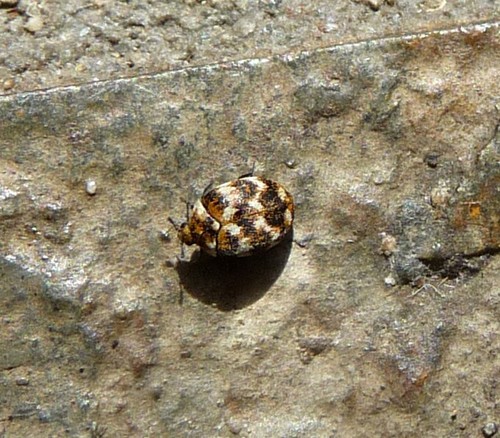
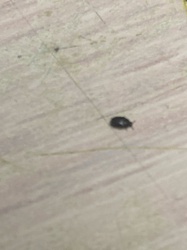
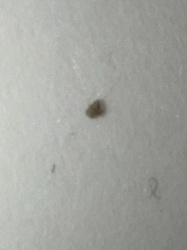
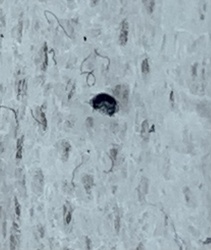
Carpet Beetle identified by the community
Real finds identified with Bug Identifier.
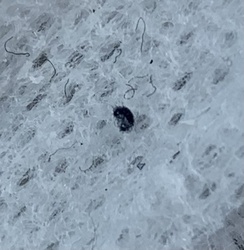
Other bugs you may enjoy
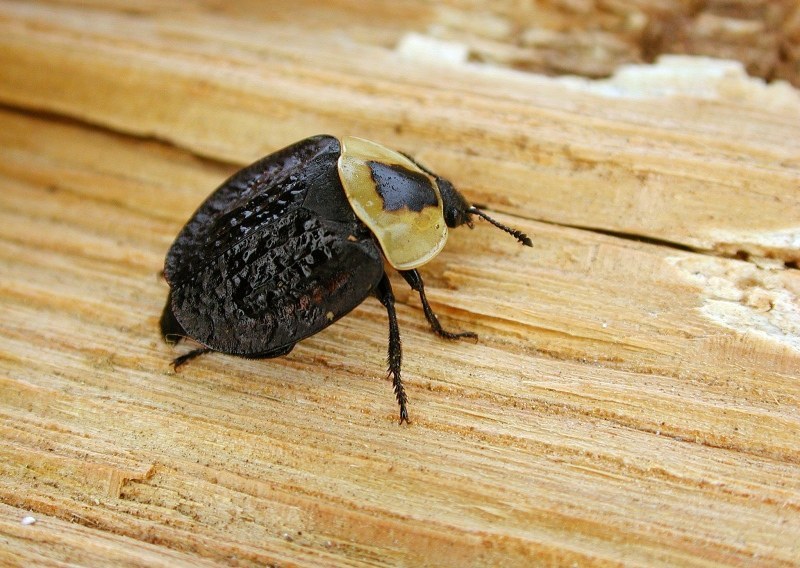
American Carrion Beetle
Forests, fields, and roadsides across North America, near decaying animal carcasses
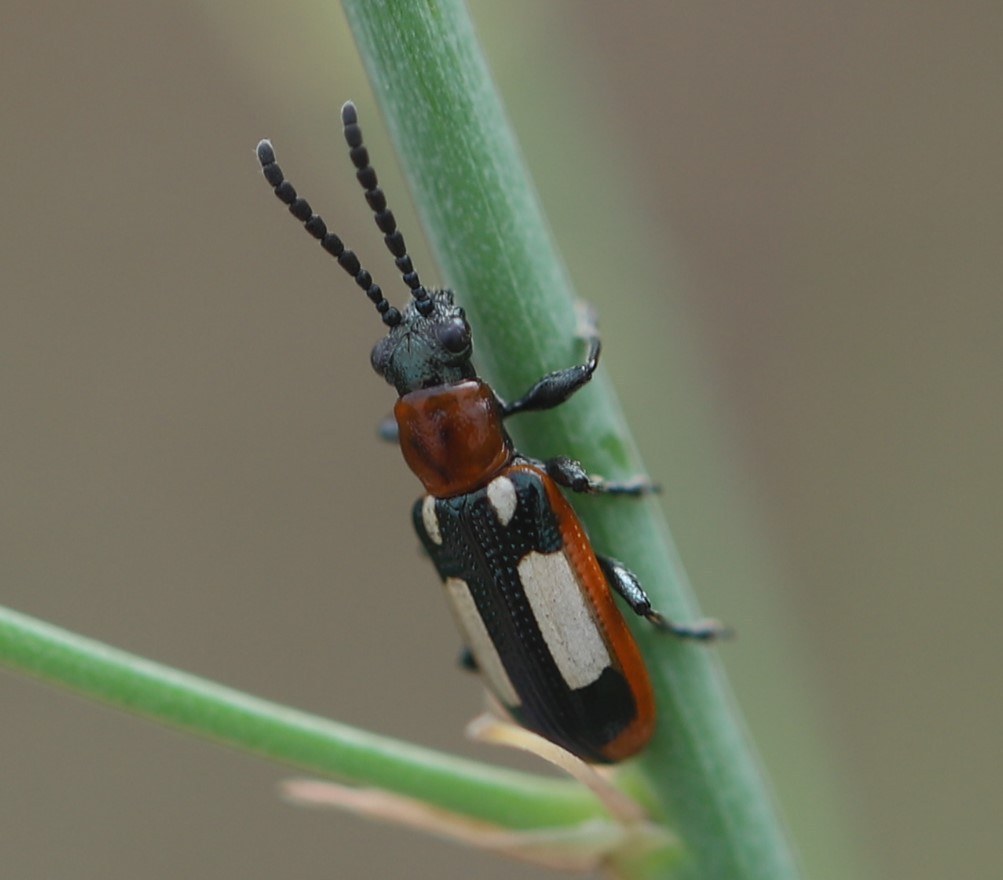
Asparagus Beetle
Asparagus patches, gardens, and farm fields
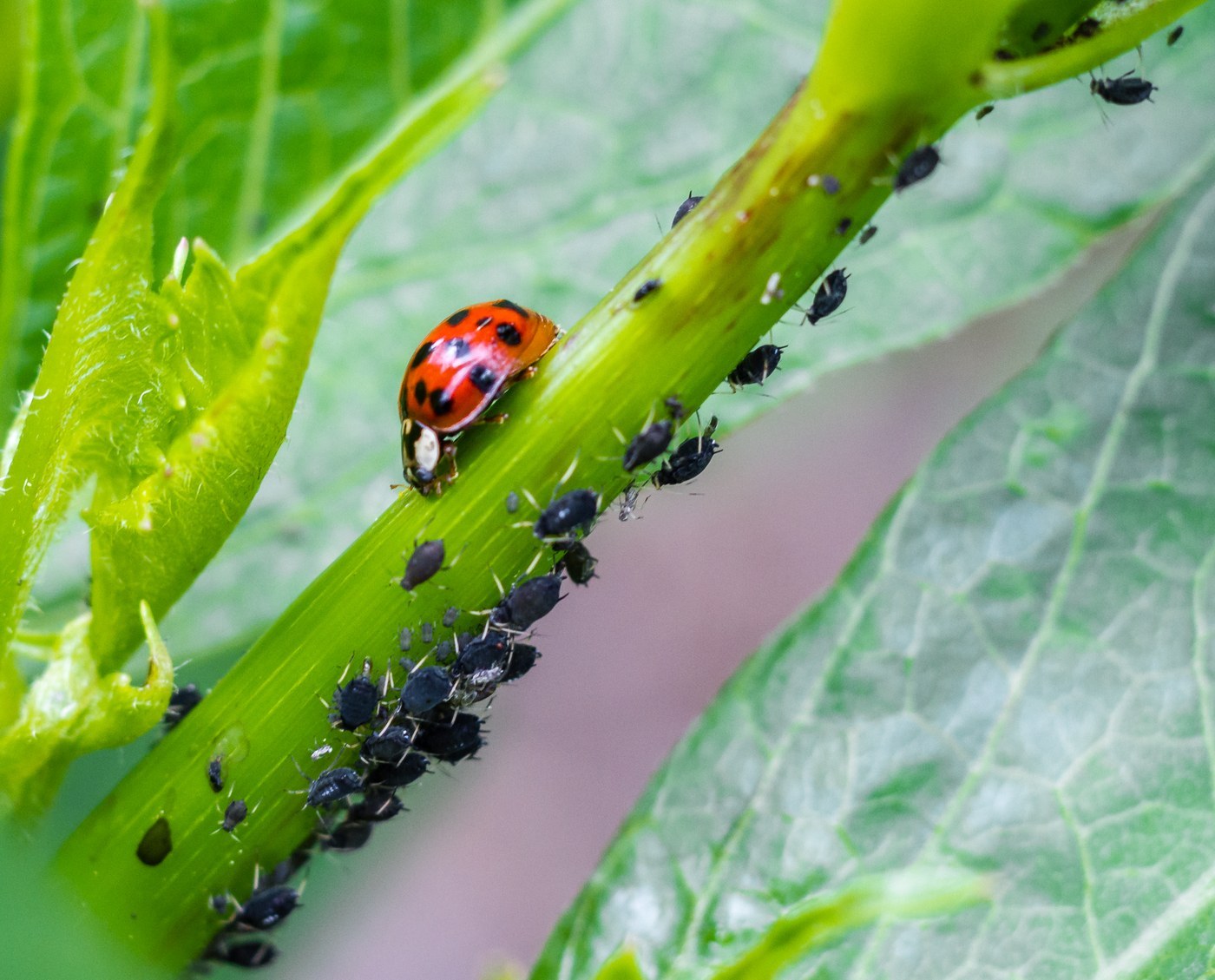
Asian Lady Beetle
Gardens, crop fields, woodlands, buildings
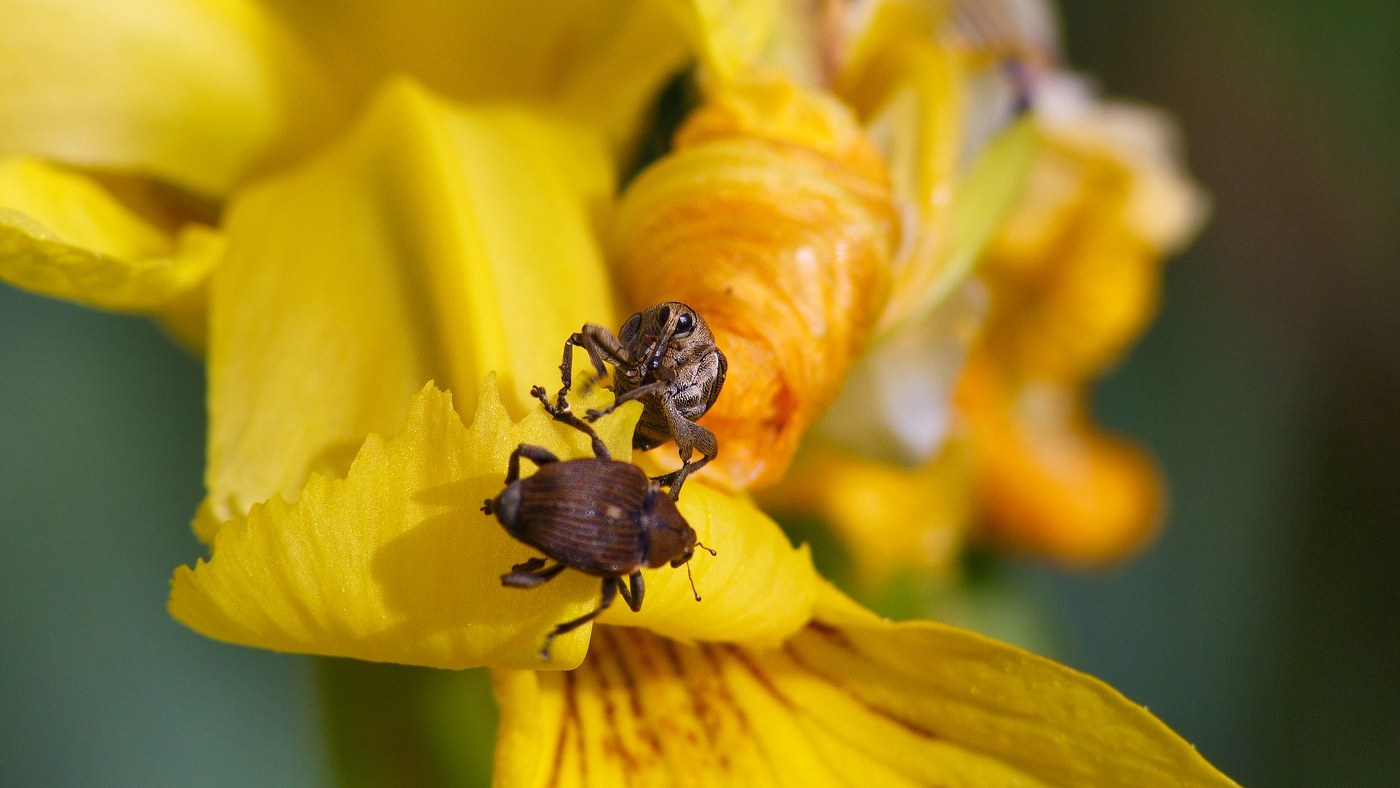
Acorn Weevil
Oak woodlands and forests, on and beneath oak trees
Wireworm
Soil of grasslands, gardens, and cultivated fields worldwide
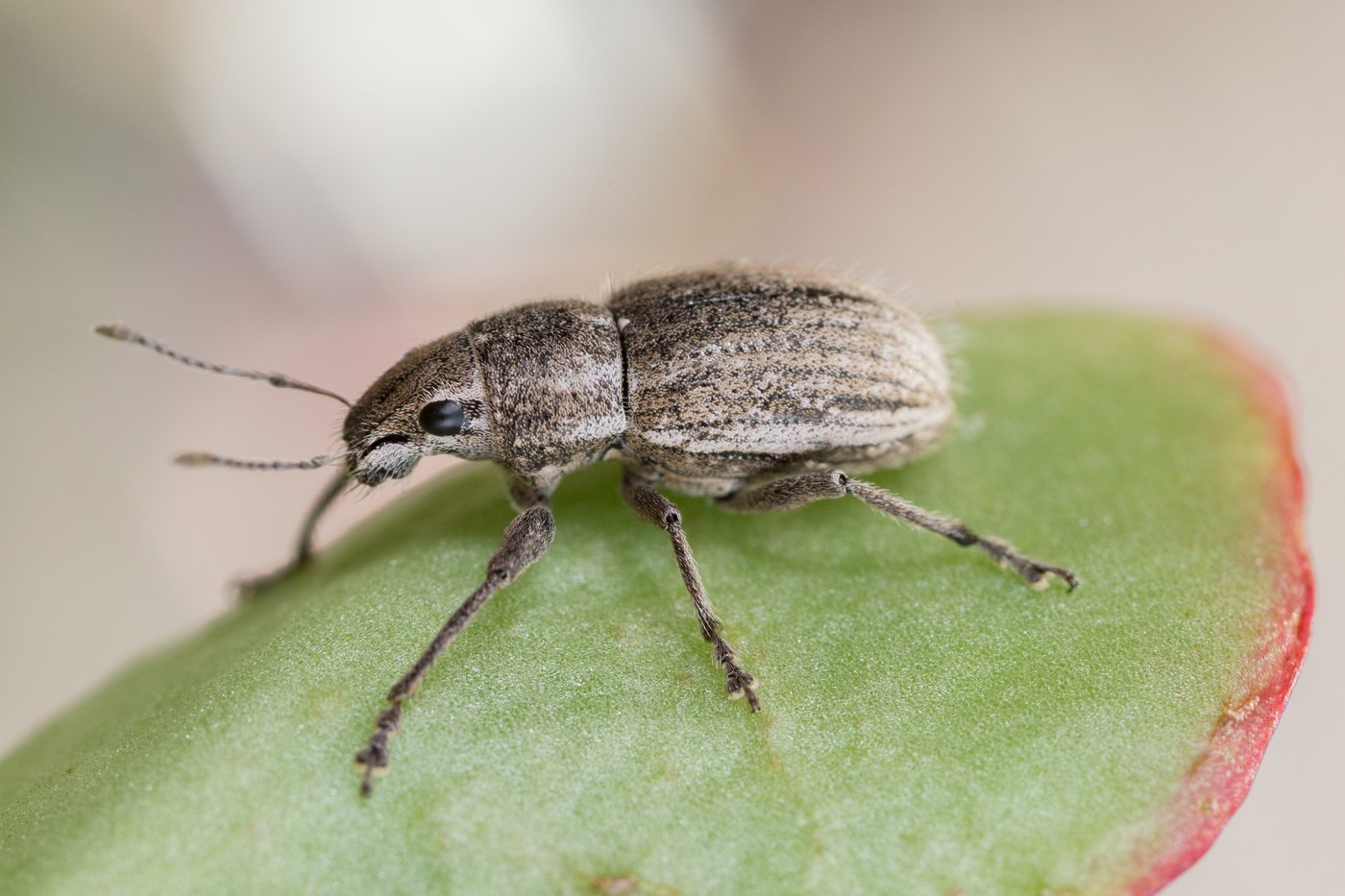
Whitefringed Beetle
Pastures, row crops, lawns, disturbed soils
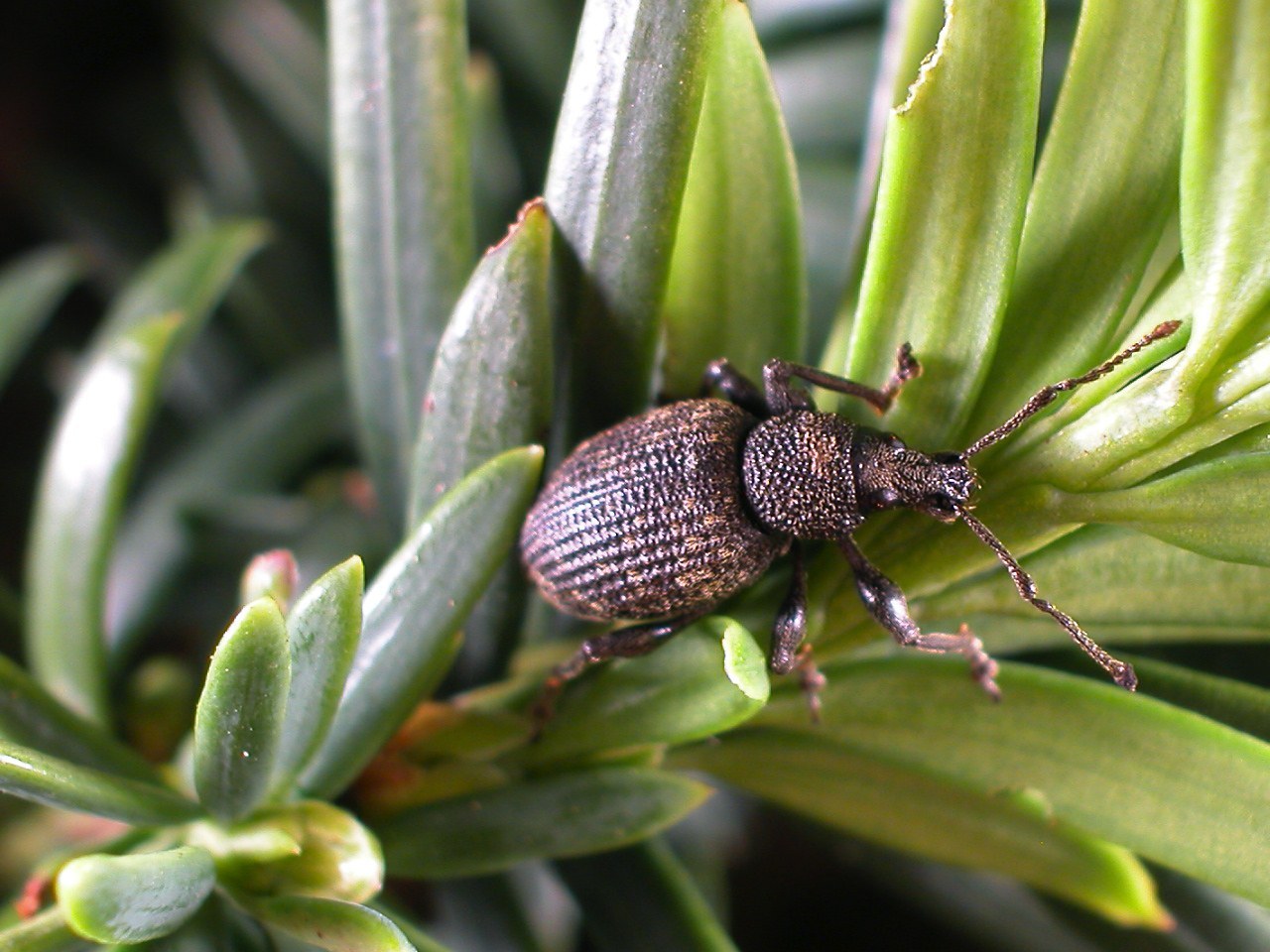
Vine Weevil
Gardens, nurseries, greenhouses, and container plantings
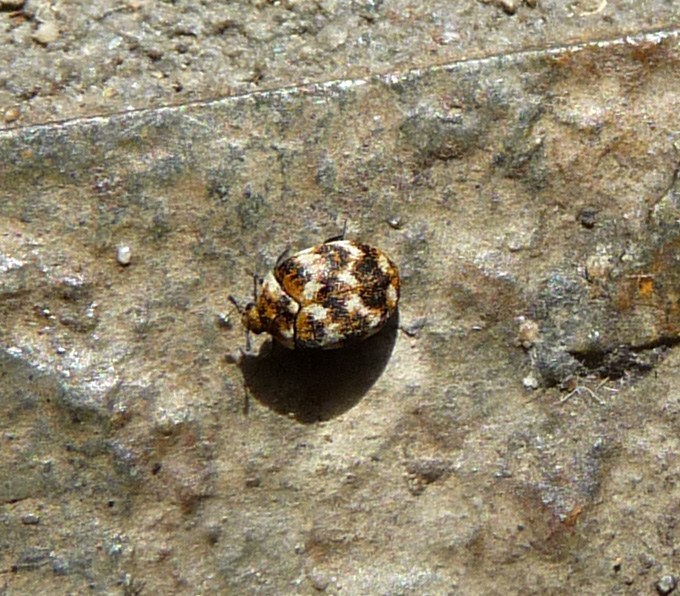
Varied Carpet Beetle
Homes, nests of birds and mammals, and flowers outdoors
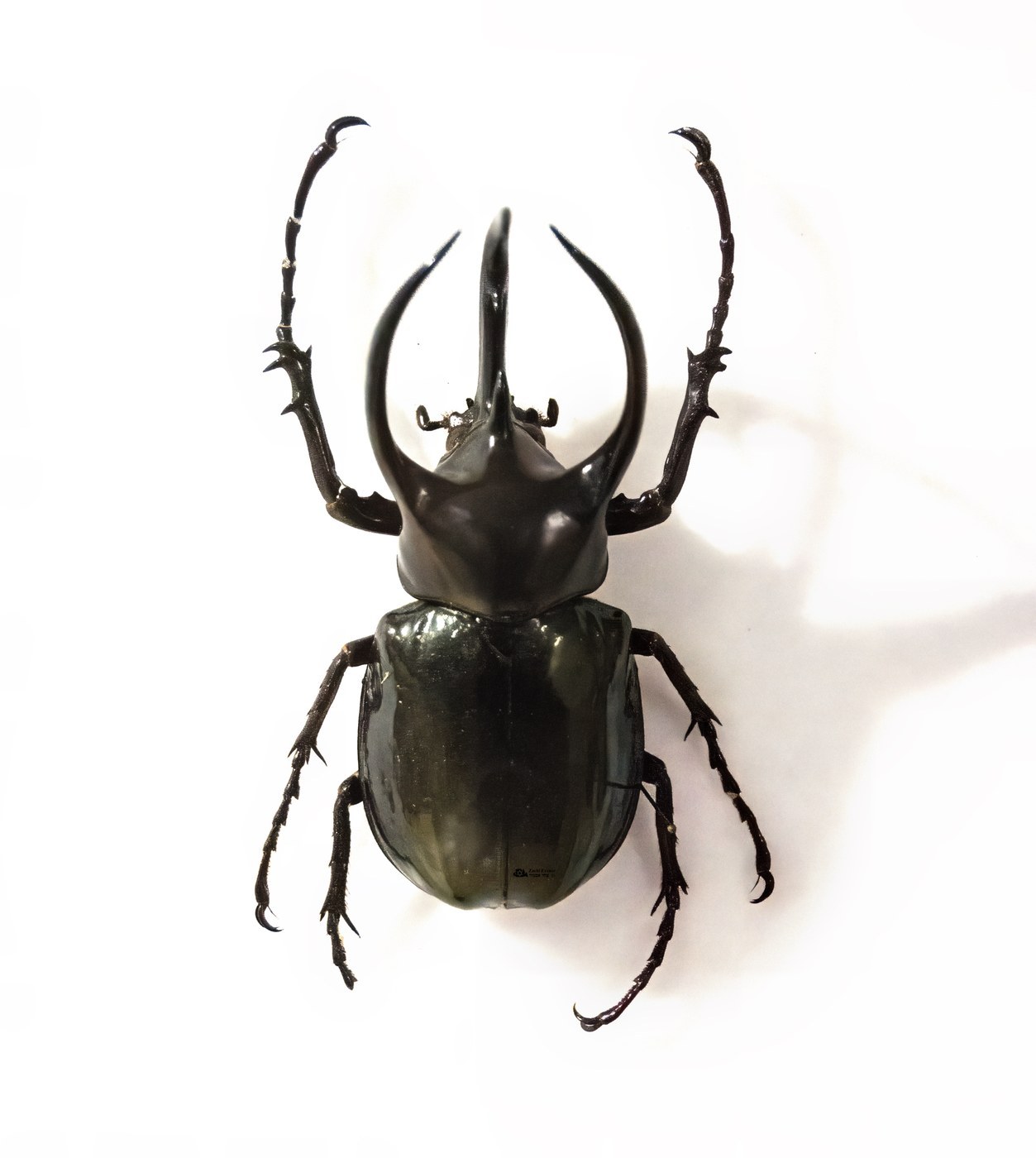
Atlas Beetle
Tropical forests of Southeast Asia
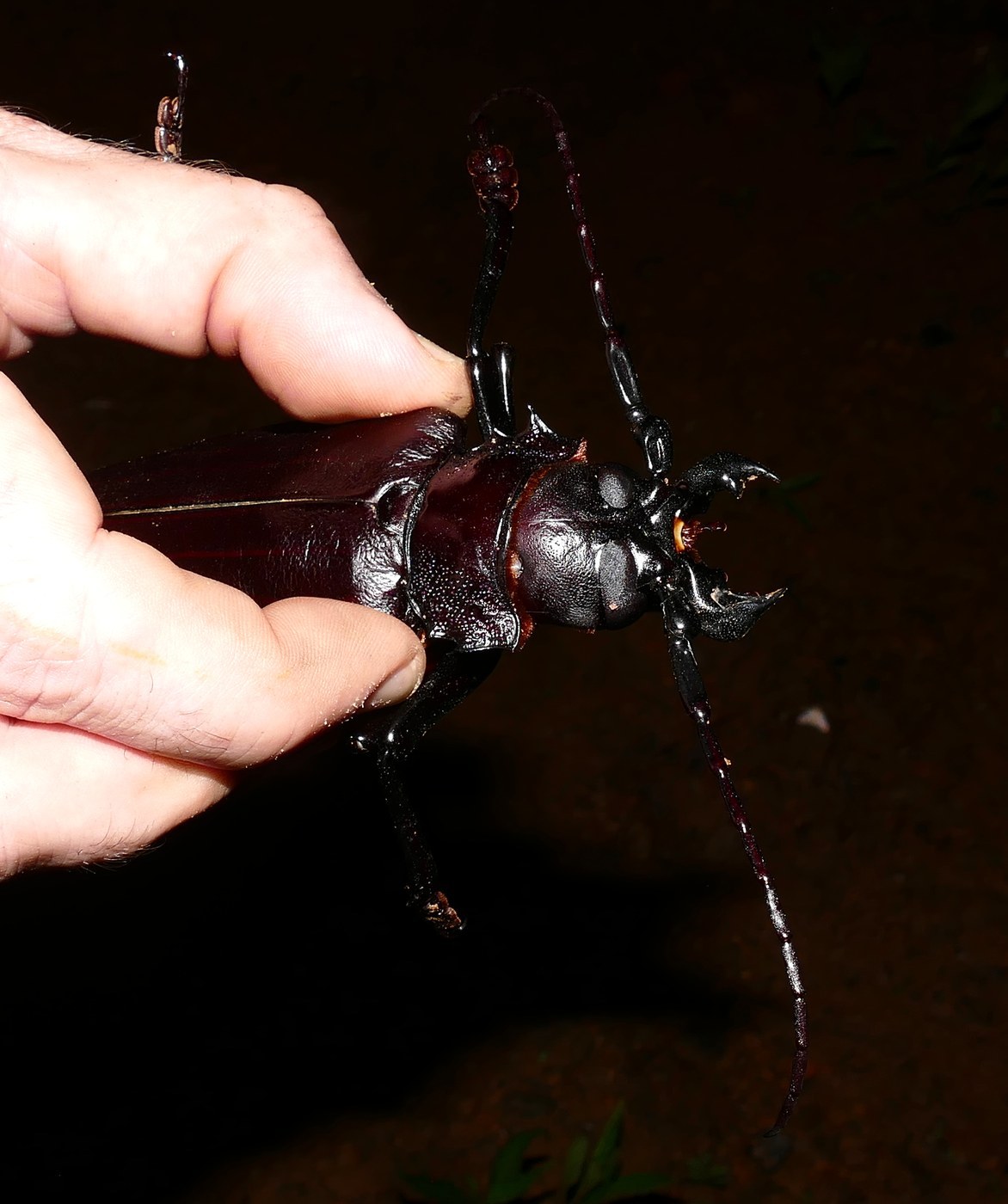
Titan Beetle
Amazon rainforest of South America
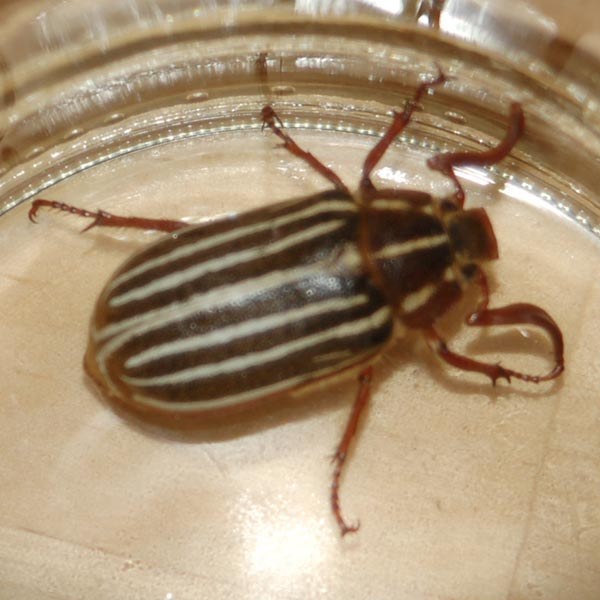
Ten-lined June Beetle
Sandy soils, pine forests, and orchards of western North America
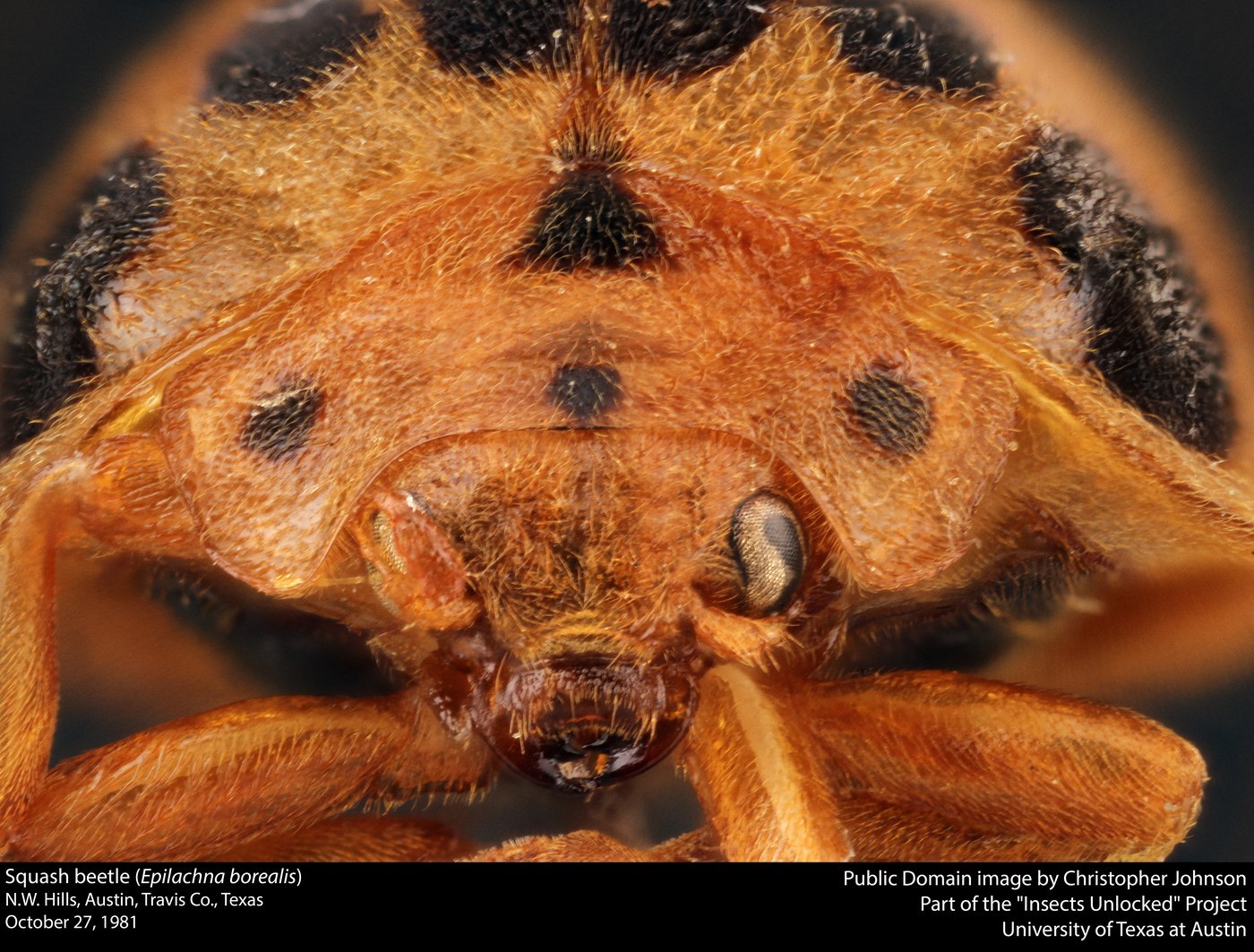
Squash Beetle
Vegetable gardens and fields growing squash, pumpkin, and other cucurbits