Casemaking Clothes Moth Identification Guide
Identify this fabric-feeding moth by the small, portable silk case its larvae carry wherever they crawl.
Read the full Casemaking Clothes Moth encyclopedia entry →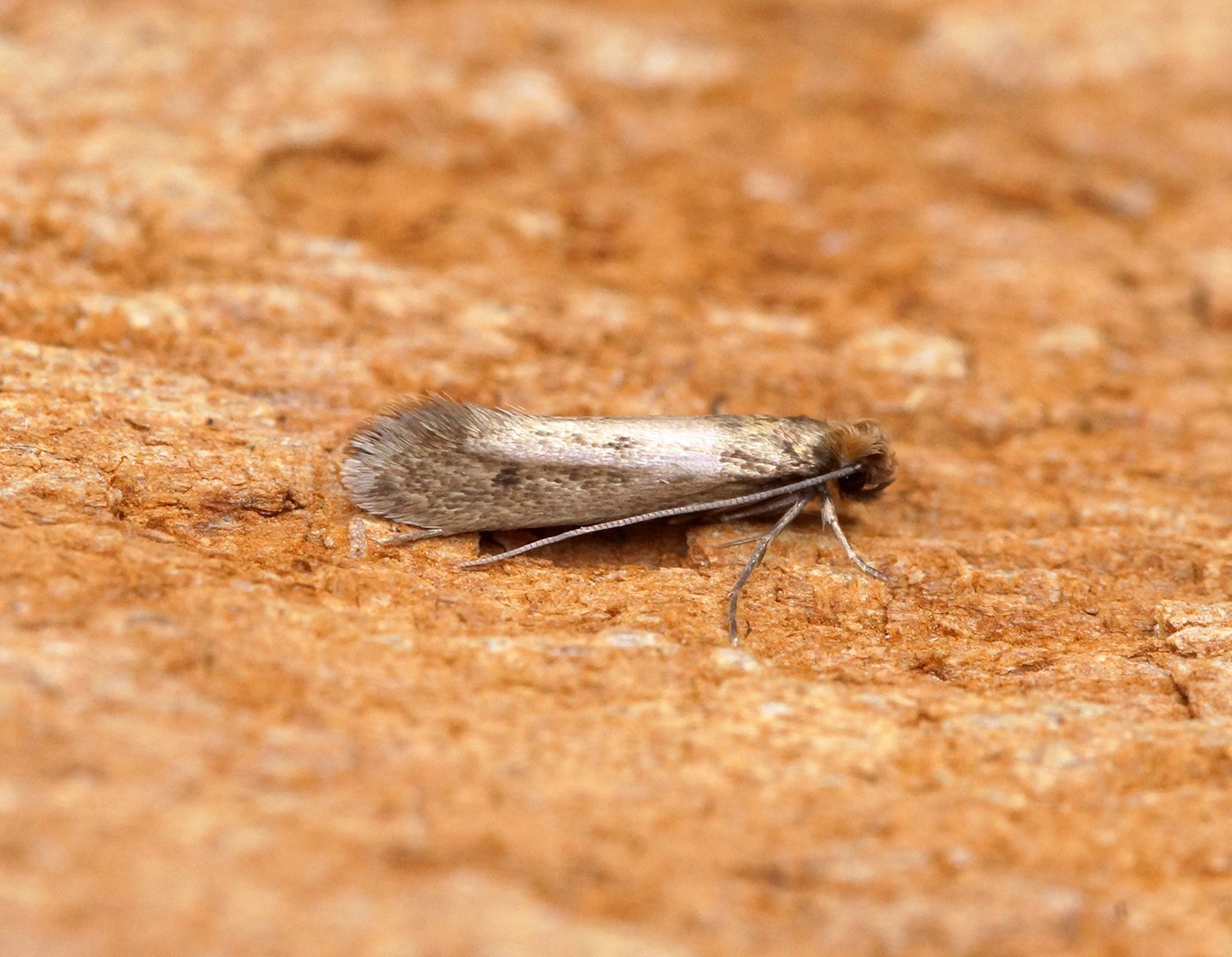
Key Visual Features
The casemaking clothes moth (Tinea pellionella) closely resembles its webbing-moth relative in the adult stage but is best identified through its larval case-building habit.
- Size: Adult wingspan of about 9-16 mm, similar in scale to other small clothes moths.
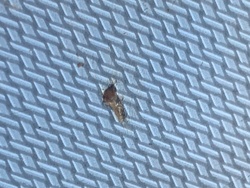
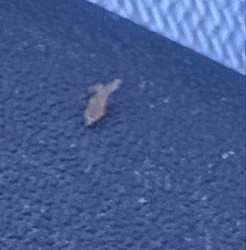
- Color: Wings are buff to grayish-tan, sometimes with faint, indistinct darker speckling toward the wingtips — slightly less uniform than the solid gold tone of the webbing clothes moth.
- Head: Bears tufts of pale, hair-like scales, though generally less vividly reddish-gold than the webbing clothes moth.
- Wings at rest: Fold narrowly along the body, giving a slim, cylindrical resting shape typical of small tineid moths.
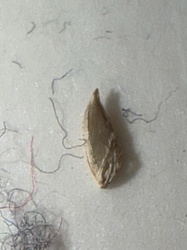
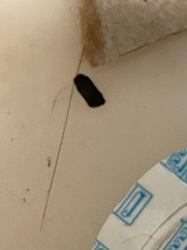
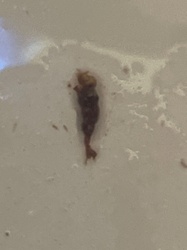
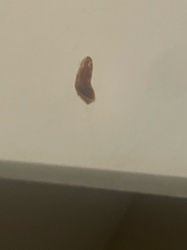
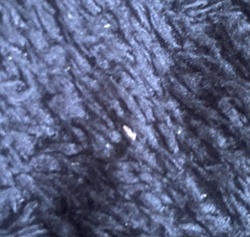
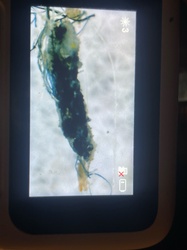
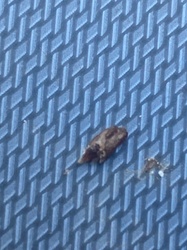
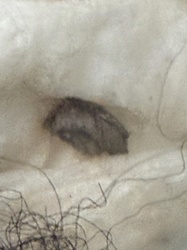
- Larval case: The most distinctive identification feature — larvae construct a small, silken, portable case (often incorporating bits of the fabric they feed on) that they drag along as they move and retreat into when disturbed.
- Case shape: Tends to be flattened and somewhat oval to cylindrical, resembling a tiny grain of debris more than a living creature at first glance.
Where and When You'd See It
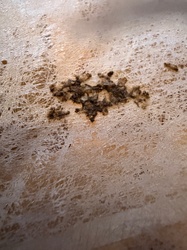
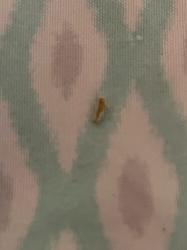
Like other clothes moths, this species is found indoors in low-light, undisturbed areas such as closets, drawers, and storage containers holding natural fiber textiles. Adults avoid bright light and are typically seen in shadowed corners rather than near windows. Indoor activity can occur throughout the year, often increasing in warmer conditions. The telltale sign of this species is finding small, case-like objects — sometimes matching the color of the fabric they came from — attached to or resting on textiles.
Similar-Looking Bugs
- Webbing clothes moth: Very similar adult appearance, but its larvae spin flat silk webbing directly onto fabric instead of building a portable case.
- Indianmeal moth: Larger overall, with a sharply two-toned wing pattern and association with stored food rather than fabric.
- Carpet beetle larvae: Also feed on natural fibers and leave debris, but are fuzzy, bristled grubs rather than moth larvae inside a silk case.
Quick ID Checklist
- Small moth (9-16 mm wingspan), buff to grayish-tan wings with faint speckling
- Weak, light-avoiding flier typically found in dim storage areas
- Larvae live inside a small, portable silk case they carry while feeding
- Case often matches the color of the fabric being fed on
- Found on or near natural fiber textiles in closets, drawers, or storage bins
Frequently asked questions
What is the single best clue that I'm looking at a casemaking clothes moth?
Finding a tiny, portable silk case — sometimes colored to match the fabric nearby — is the strongest sign, since this species' larvae build and carry a case rather than spinning webbing directly on the material.
How can I tell the adult casemaking moth from the webbing clothes moth?
Adults look quite similar, but the casemaking moth's wings tend to show faint speckling and a slightly less golden tone. The larval stage is the more reliable way to distinguish them, based on the presence of a portable case versus flat webbing.
Does the larval case move on its own?
The case itself doesn't move independently — it's carried by the larva living inside it, which drags the case along as it crawls and feeds.
Where indoors are casemaking clothes moths most likely to be found?
They favor dim, undisturbed spots such as the back of closets, folded storage textiles, and drawers, since adults of this species tend to avoid bright light.
Casemaking Clothes Moth identified by the community
Recent Casemaking Clothes Moth finds identified with Bug Identifier.