
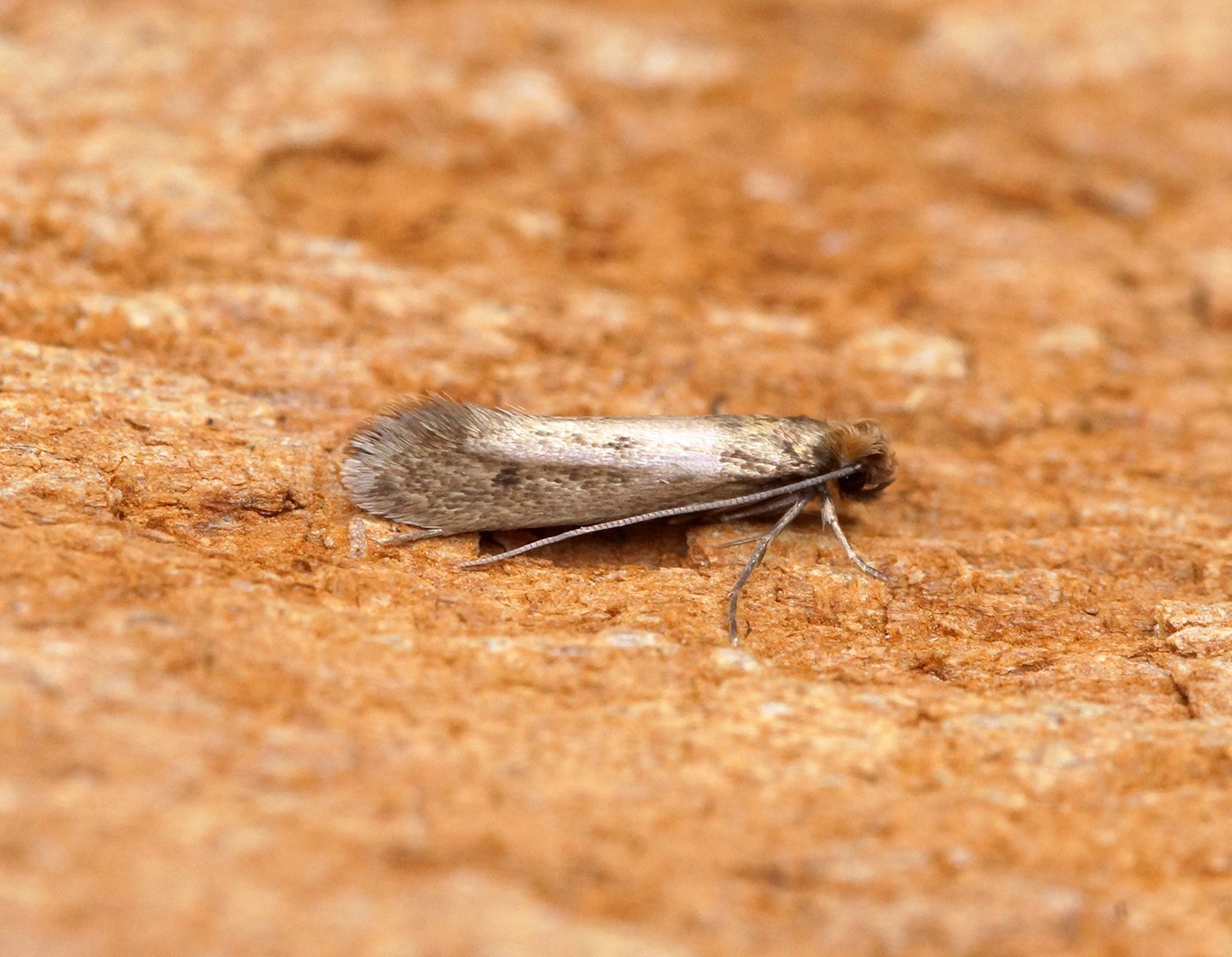
Casemaking Clothes Moth
Tinea pellionella
A small mottled moth whose larva builds a tiny portable silk case, dragging its own protective shelter along as it grazes on wool and fur.
- Size
- Wingspan about 12–16 mm
- Habitat
- Dark closets, storage areas, and animal nests worldwide
- Danger
- Nuisance pest
Spotted a bug like this?
Identify any bug or insect from a photo, free.
Overview
The casemaking clothes moth is a small moth in the family Tineidae, closely related to the more familiar webbing clothes moth but distinguished by a unique larval habit: the caterpillar spins a small, tubular silken case that it carries with it and retreats into when disturbed. This portable shelter, camouflaged with fibers from the material it feeds on, gives the species its common name.
Like its webbing clothes moth relative, this species likely originated in natural settings where larvae scavenged keratin-rich debris such as fur, feathers, and skin flakes in animal nests and burrows. The case-building behavior may offer larvae additional protection from predators and environmental extremes while they slowly feed and develop.
The casemaking clothes moth is now distributed nearly worldwide, occurring alongside the webbing clothes moth in many regions, though it is generally considered somewhat less common in human dwellings today.
How to Identify
- Adult wingspan approximately 12–16 mm
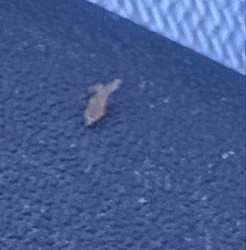
- Wings are pale buff to golden-brown, typically marked with three or more faint, indistinct darker spots, unlike the plain wings of the webbing clothes moth
- Adults are weak, light-avoiding fliers similar to other clothes moths
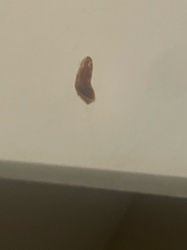
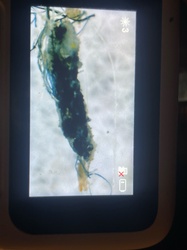
- Larvae construct and carry a small, flattened, silken case covered with bits of fiber from their food, which they extend their head from while feeding
- The case grows larger as the larva molts, and the larva withdraws fully inside it when disturbed
- Distinguished from the webbing clothes moth primarily by this portable case, since webbing clothes moth larvae do not build one
Habitat & Range
This species occurs worldwide in temperate and warm regions, typically in the same kinds of dark, undisturbed indoor locations favored by the webbing clothes moth, including closets, storage containers, and rarely used furniture or rugs. It can also be found outdoors in bird or mammal nests where keratin-based debris accumulates.
Behavior & Diet
Adults are weak fliers that avoid light and do not feed. Larvae feed on wool, fur, feathers, and other keratin-containing materials while remaining largely enclosed within their self-made case, extending the front of the body out to feed and retracting fully inside when threatened. The larva periodically enlarges its case by adding new silk and fiber material as it grows. This scavenging diet mirrors the ecological role of related species in breaking down keratin debris in nature, which becomes a fabric-feeding nuisance in stored textiles indoors.
Life Cycle
Females lay eggs near a suitable fiber source, and larvae hatch and immediately begin constructing their protective silken case. Larvae feed and grow slowly over a period of weeks to many months, molting multiple times while continually enlarging their case to match their increasing size. When ready to pupate, the larva seals both ends of its case and pupates inside it, with the adult emerging after one to several weeks. Development time is strongly influenced by temperature and food quality, and the species typically produces one to a few generations per year, often overwintering as a larva within its case.
Frequently asked questions
What is the small case sometimes found on wool clothing?
It is a portable silken case built and carried by the casemaking clothes moth larva, camouflaged with bits of the fiber it has been feeding on.
How can I tell adult casemaking clothes moths from webbing clothes moths?
Casemaking clothes moth wings usually show a few faint darker spots, while webbing clothes moth wings are plain and unmarked.
Does the larva ever leave its case?
No, it remains largely inside the case throughout development, extending only its head and front legs to feed, and enlarging the case as it grows.
What do casemaking clothes moth larvae eat?
They feed on keratin-rich materials such as wool, fur, and feathers.
Casemaking Clothes Moth guides
In-depth guides for identifying, understanding, and living alongside Casemaking Clothes Moth.
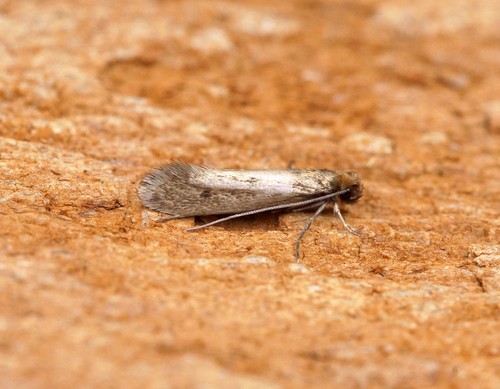
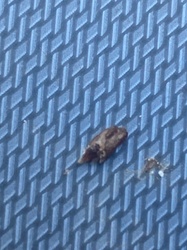
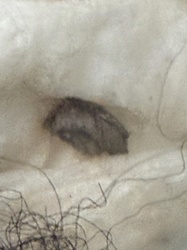
Casemaking Clothes Moth identified by the community
Real finds identified with Bug Identifier.
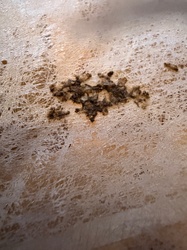
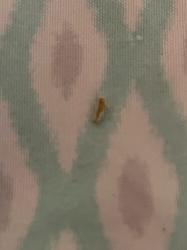
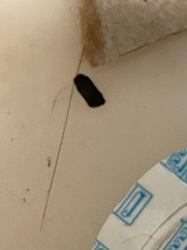
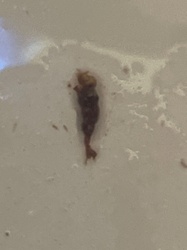
Other bugs you may enjoy
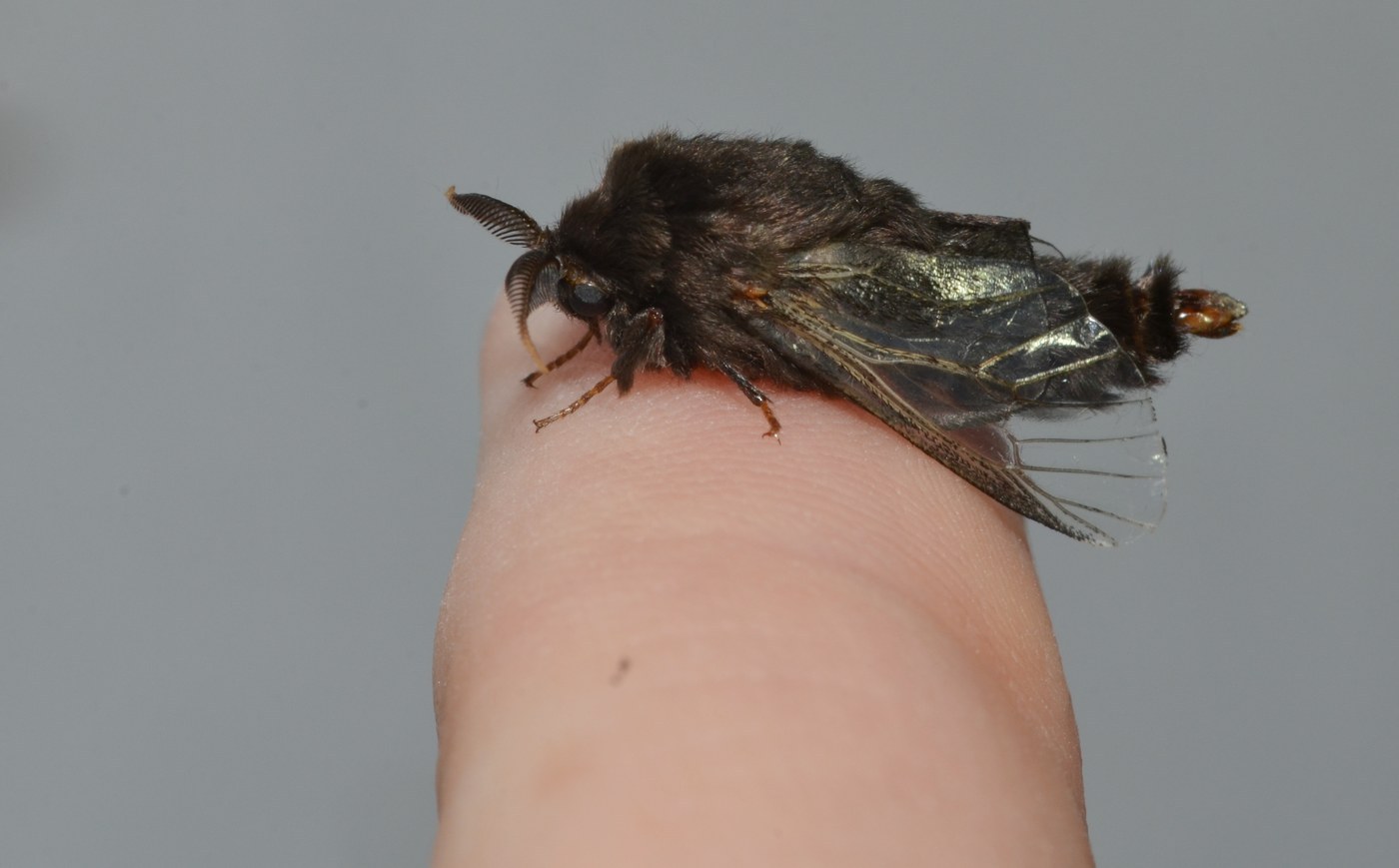
Bagworm Moth
Coniferous and deciduous trees, shrubs, hedges
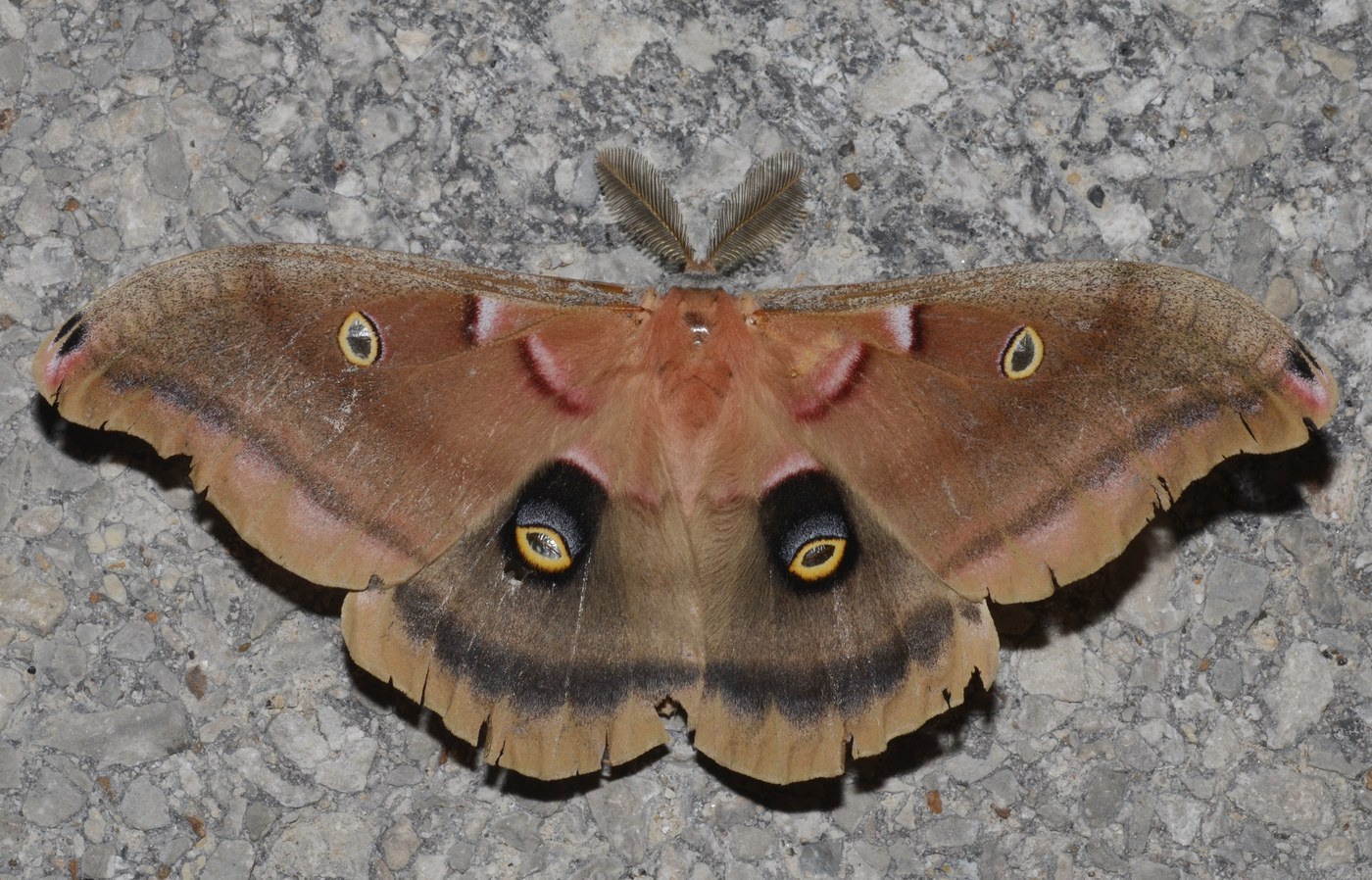
Antheraea Silkmoth
Deciduous forests, woodland edges, orchards
Ailanthus Silkmoth (Cynthia Moth)
Urban parks, wastelands, and woodland edges with tree-of-heaven; native to Asia, introduced in North America and Europe
Winter Moth
Deciduous woodland, orchards, gardens, hedgerows
Webbing Clothes Moth
Dark closets, storage areas, and animal nests worldwide
Tussock Moth
Deciduous forests, parks, gardens
Wax Moth
Beehives, apiaries, stored beeswax and comb
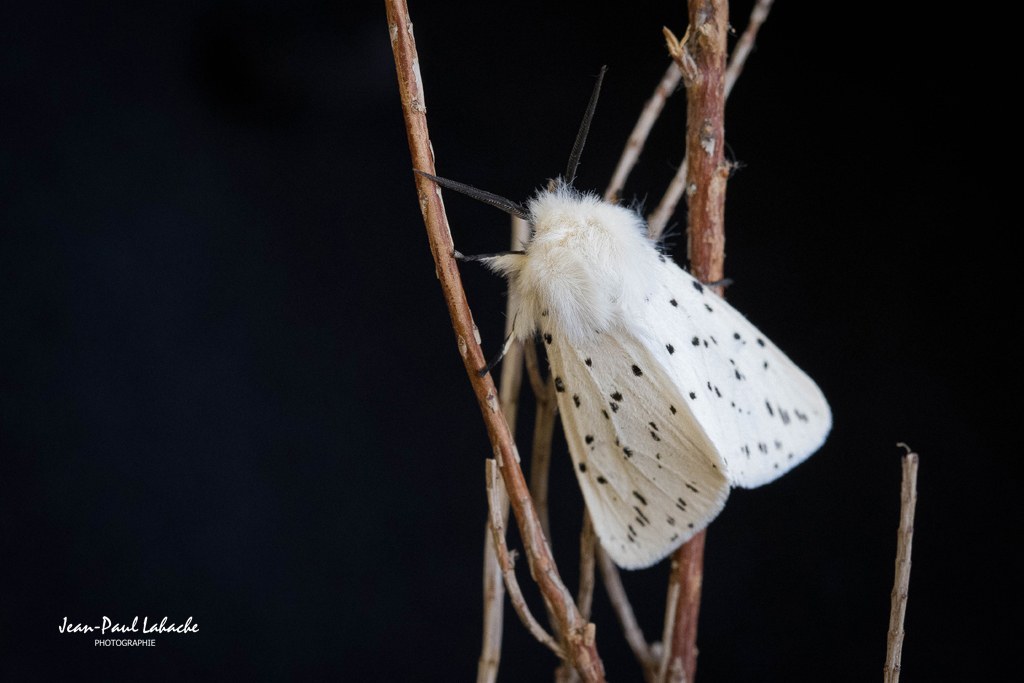
White Ermine Moth
Gardens, meadows, hedgerows
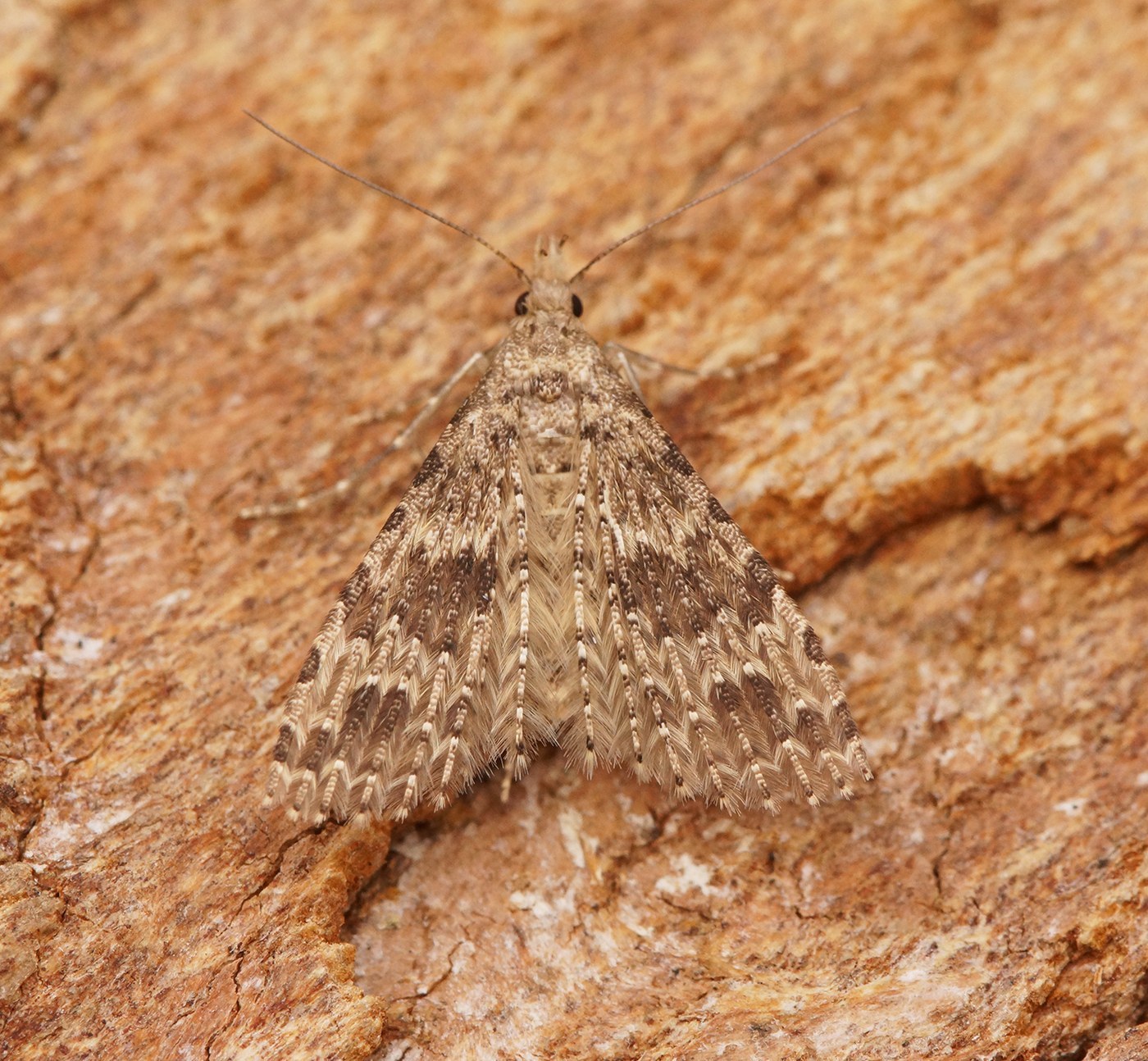
Twenty-plume Moth
Gardens, hedgerows, near honeysuckle
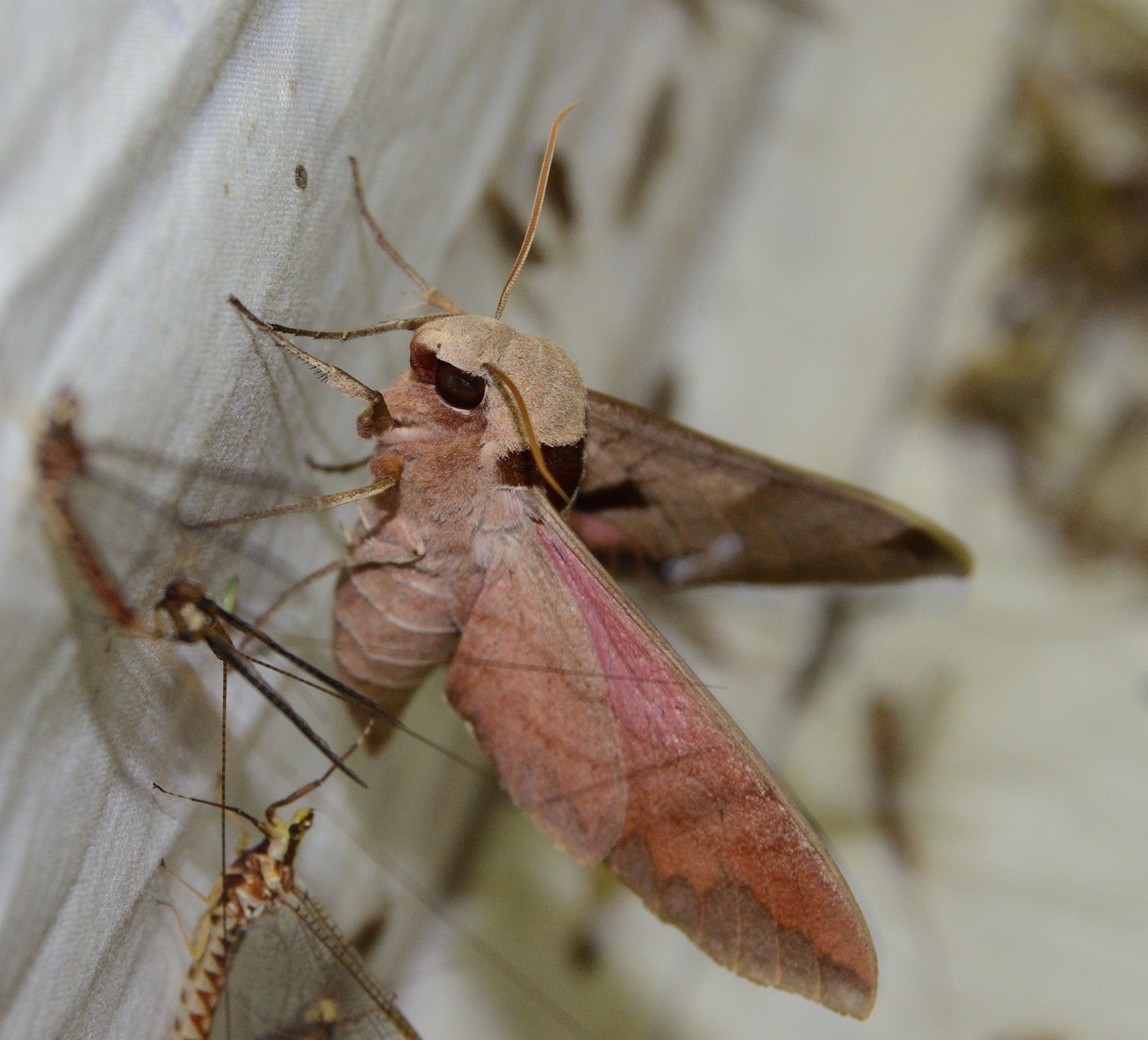
Achemon Sphinx Moth
Vineyards, woodland edges, gardens with wild grape
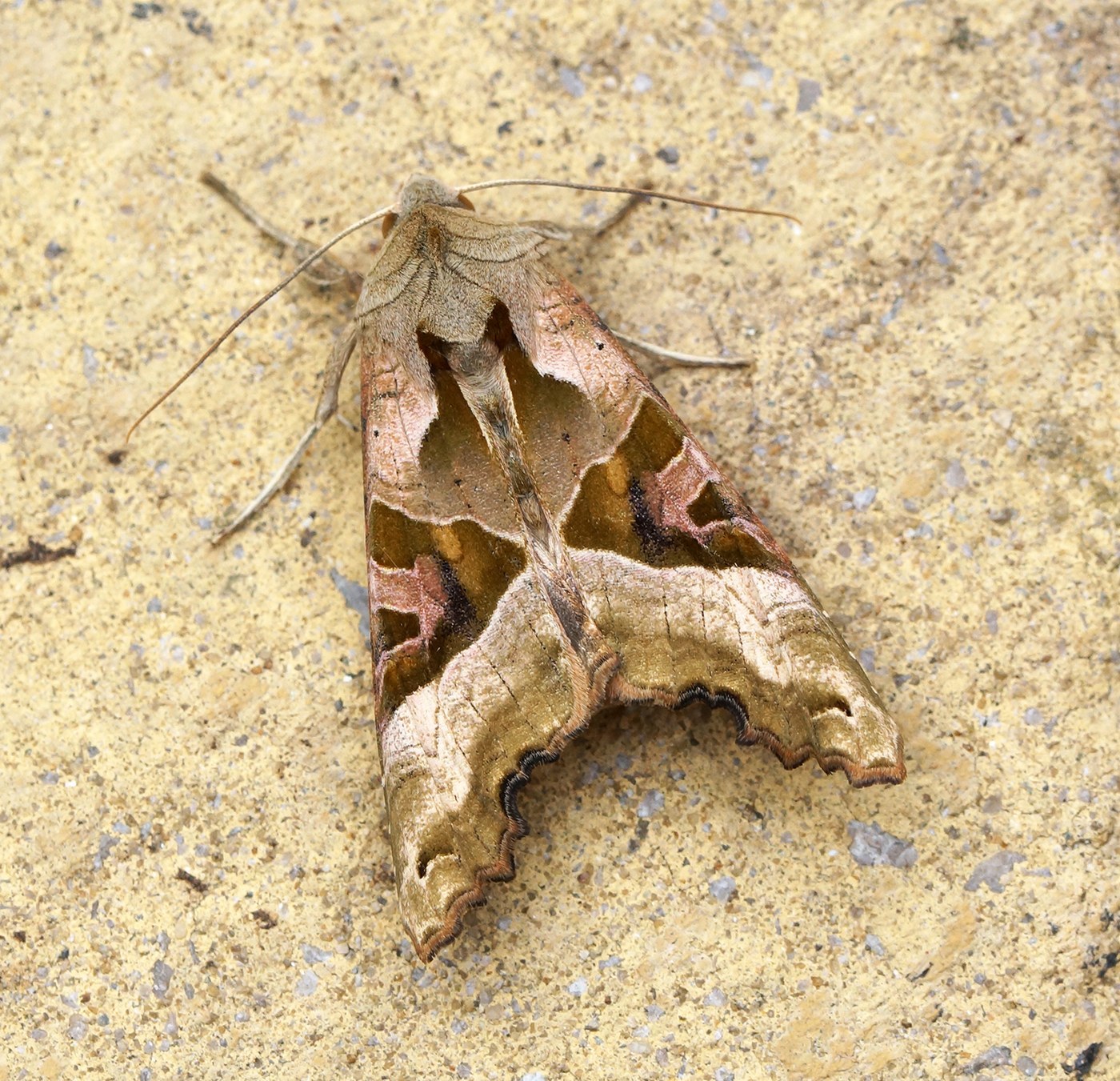
Angle Shades Moth
Gardens, hedgerows, woodland edges, urban parks
Atlas Moth
Tropical and subtropical lowland forests of Southeast Asia