Pavement Ant Identification Guide
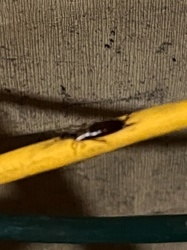
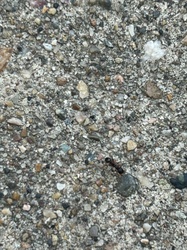
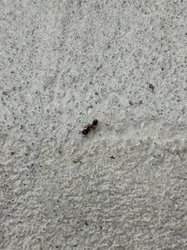
Identify the Pavement Ant by its dark brown body, grooved head and thorax, and paired thoracic spines.
Read the full Pavement Ant encyclopedia entry →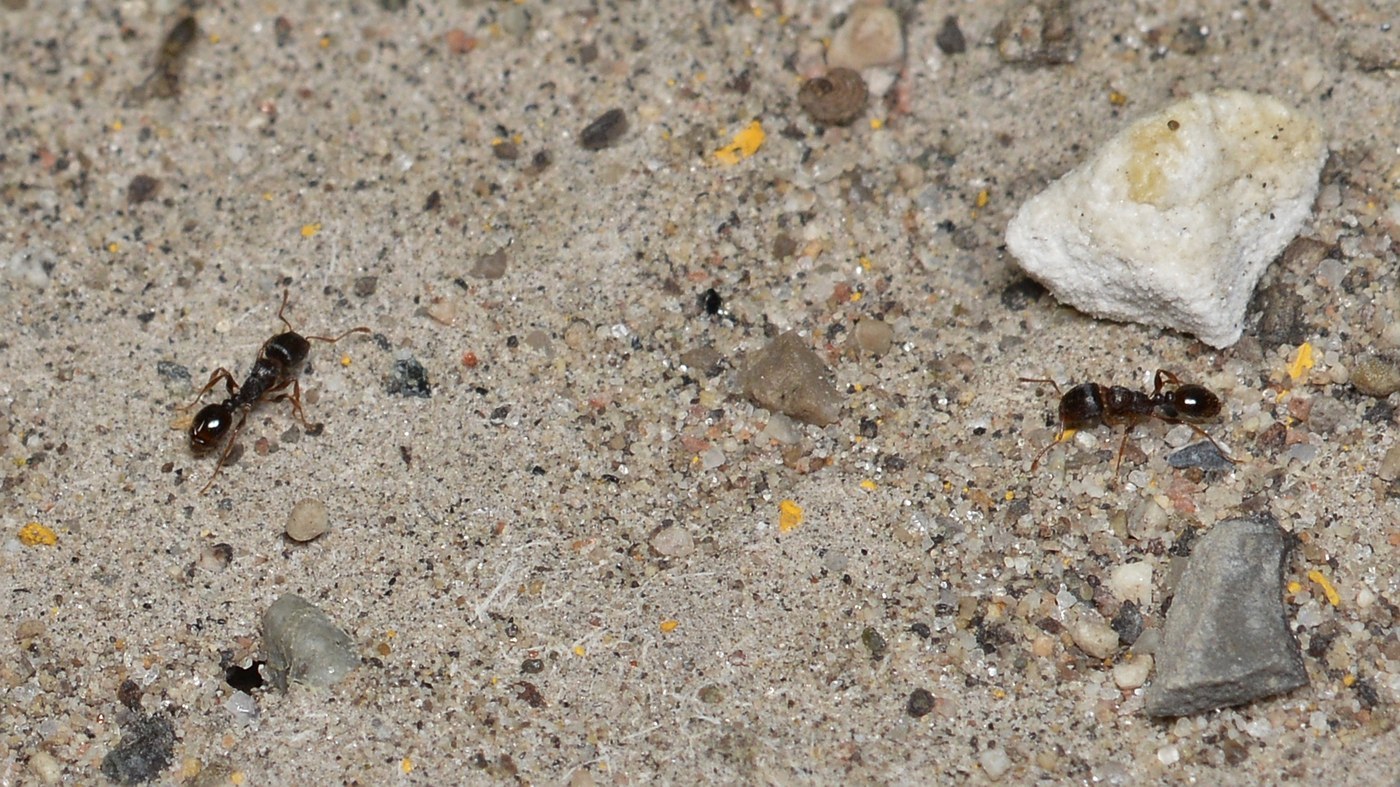
Key Visual Features
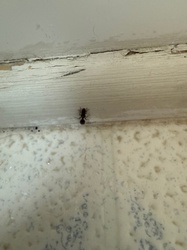
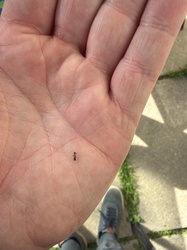
- Small ant, roughly 2.5-4 mm long, colored dark brown to blackish, with lighter reddish-brown legs and antennae.
- Head and thorax show fine parallel grooves (striations) running lengthwise, visible under magnification.
- A pair of small, distinct spines projects from the rear of the thorax, a useful and diagnostic feature for this species.
- Waist has two nodes between the thorax and abdomen, unlike the single-node waist of many similarly sized ants.
- Body has a somewhat robust, evenly proportioned shape with a moderately shiny surface.
Where and When You're Likely to See It
- Found widely across North America and Europe, especially common in urban and suburban settings.
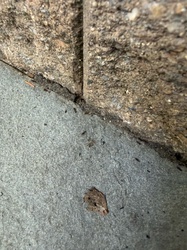
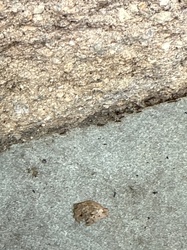
- True to its name, it commonly nests under pavement slabs, sidewalks, driveways, and building foundations, often marked by small piles of fine excavated soil pushed up through cracks.
- Also nests in open soil, under stones, logs, or mulch in gardens and lawns.
- Active from spring through fall in temperate climates, foraging both day and night, with visible trails running along the edges of pavement cracks and building foundations.
- Colonies sometimes engage in visible territorial disputes with neighboring colonies, appearing as dense, swarming clusters of fighting ants along sidewalks during warm weather.
Similar-Looking Species
- Odorous house ants are similar in size and darker overall but lack the paired thoracic spines and parallel head grooves, and instead release a coconut-like odor when crushed.
- Argentine ants are smoother-bodied, lack spines entirely, and have only a single waist node rather than the pavement ant's two.
- Cornfield ants are similarly sized but usually a lighter yellowish-brown rather than dark brown to black.
- Fire ants (where present) are typically more reddish and lack the pavement ant's distinct thoracic spines and grooved head.
Quick ID Checklist
- Small (2.5-4 mm), dark brown to black body with lighter legs.
- Parallel grooves on the head and thorax.
- Pair of small spines at the rear of the thorax.
- Two-segmented waist.
- Nest entrances often found in pavement cracks or under sidewalk slabs.
Frequently asked questions
Why is it called the Pavement Ant?
It commonly nests beneath sidewalks, driveways, and other paved surfaces, pushing small mounds of fine soil up through cracks near entrances.
What is the easiest feature to confirm this species?
A pair of small spines at the back of the thorax, combined with fine parallel grooves on the head, are the most reliable diagnostic features.
Why do I sometimes see big ant 'battles' on the sidewalk?
Neighboring pavement ant colonies sometimes clash over territory, producing dense, swarming clusters of fighting workers along pavement edges in warm weather.
How is the Pavement Ant different from the Argentine Ant?
The pavement ant has a two-segmented waist and thoracic spines, while the Argentine ant has a single waist node and a smooth thorax without spines.
Pavement Ant identified by the community
Recent Pavement Ant finds identified with Bug Identifier.