Puss Caterpillar Identification Guide
Learn to spot the fuzzy, toupee-like puss caterpillar, one of the hairiest and most easily recognized larvae around.
Read the full Puss Caterpillar encyclopedia entry →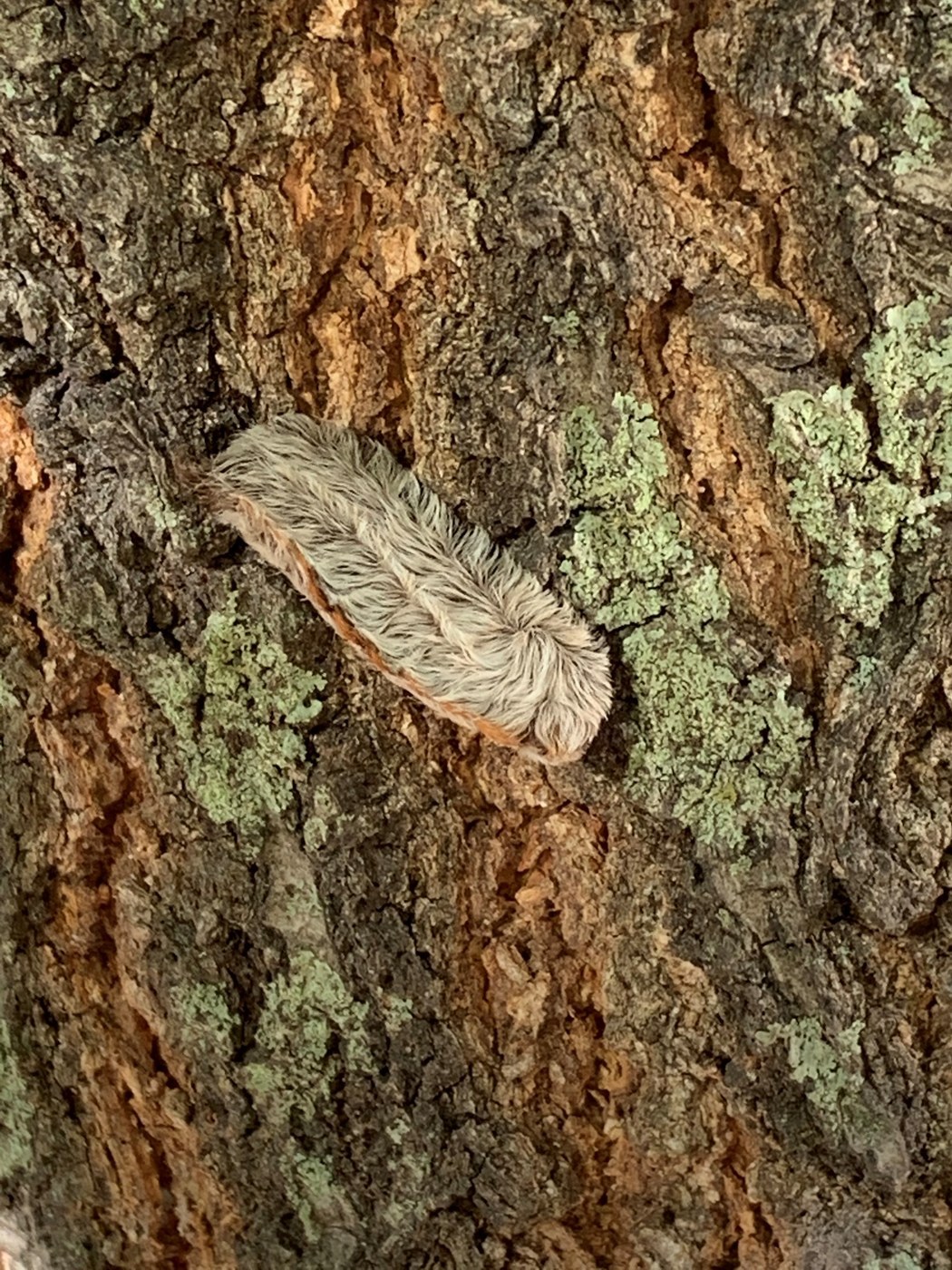
Key Visual Features
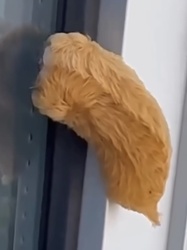
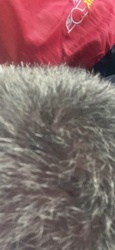
- Entirely covered in dense, soft-looking hair that completely obscures the body shape and legs underneath
- Hair color ranges from grayish-tan to golden-brown or reddish-brown, often described as resembling a small tuft of fur or a "toupee"
- Oval, tapered body shape wider in the middle and narrower toward both ends
- Grows to roughly 1 to 1.5 inches long at full size
- A short tail-like tuft of hair often extends slightly off the rear end
- Beneath the visible fur are hidden rows of venomous spines, though this is not visible from the outside — the caterpillar simply looks uniformly hairy
Where and When You'd See Them
- Found on a range of trees and shrubs including oak, elm, citrus, and ornamental landscaping plants
- Most often seen from late summer into fall, with a possible earlier generation in spring in warmer regions
- Usually found resting alone on leaves or bark rather than in groups
- Common in the southern and southeastern regions, though its range extends further depending on climate
Similar-Looking Bugs
- Saddleback caterpillars have an exposed green-and-brown saddle pattern with visible spiny horns, unlike the puss caterpillar's uniformly furry, feature-hiding coat.
- Woolly bear caterpillars have distinct banded black and reddish-brown bristly hair in clear zones, while the puss caterpillar's fur is a single blended color with no banding.
- Hag moth caterpillars have irregular, curling hair-covered lobes sticking out at odd angles rather than the smooth, uniform "toupee" shape of the puss caterpillar.
- Flannel moth caterpillars in general share the same furry family traits, but the puss caterpillar is distinguished by its especially dense, sleek, single-toned coat and tapered shape.
Quick ID Checklist
- Dense, uniform fur covering the entire body and hiding all legs and features
- Tan, golden, or reddish-brown coloring, often compared to a small toupee
- Tapered, oval body about 1 to 1.5 inches long
- Slight tail-like tuft trailing off the rear
- Found resting singly on leaves of oak, elm, or ornamental plants
Frequently asked questions
Why is it called the puss caterpillar?
Its dense, soft-looking coat of fur gives it a fluffy, fur-like appearance that reminded early observers of a small cat's coat, hence the common name.
How can I tell a puss caterpillar from a woolly bear?
Woolly bears have clearly banded zones of black and reddish-brown bristles, while puss caterpillars have a single blended fur color with no obvious banding pattern.
What does the body shape look like under all that hair?
The body is oval and tapered, wider in the middle and narrower at both ends, though this shape is almost entirely hidden beneath the dense fur coat.
Where are puss caterpillars typically found?
They are most common in southern and southeastern regions, resting singly on leaves or bark of trees and shrubs like oak, elm, and citrus.
Puss Caterpillar identified by the community
Recent Puss Caterpillar finds identified with Bug Identifier.