
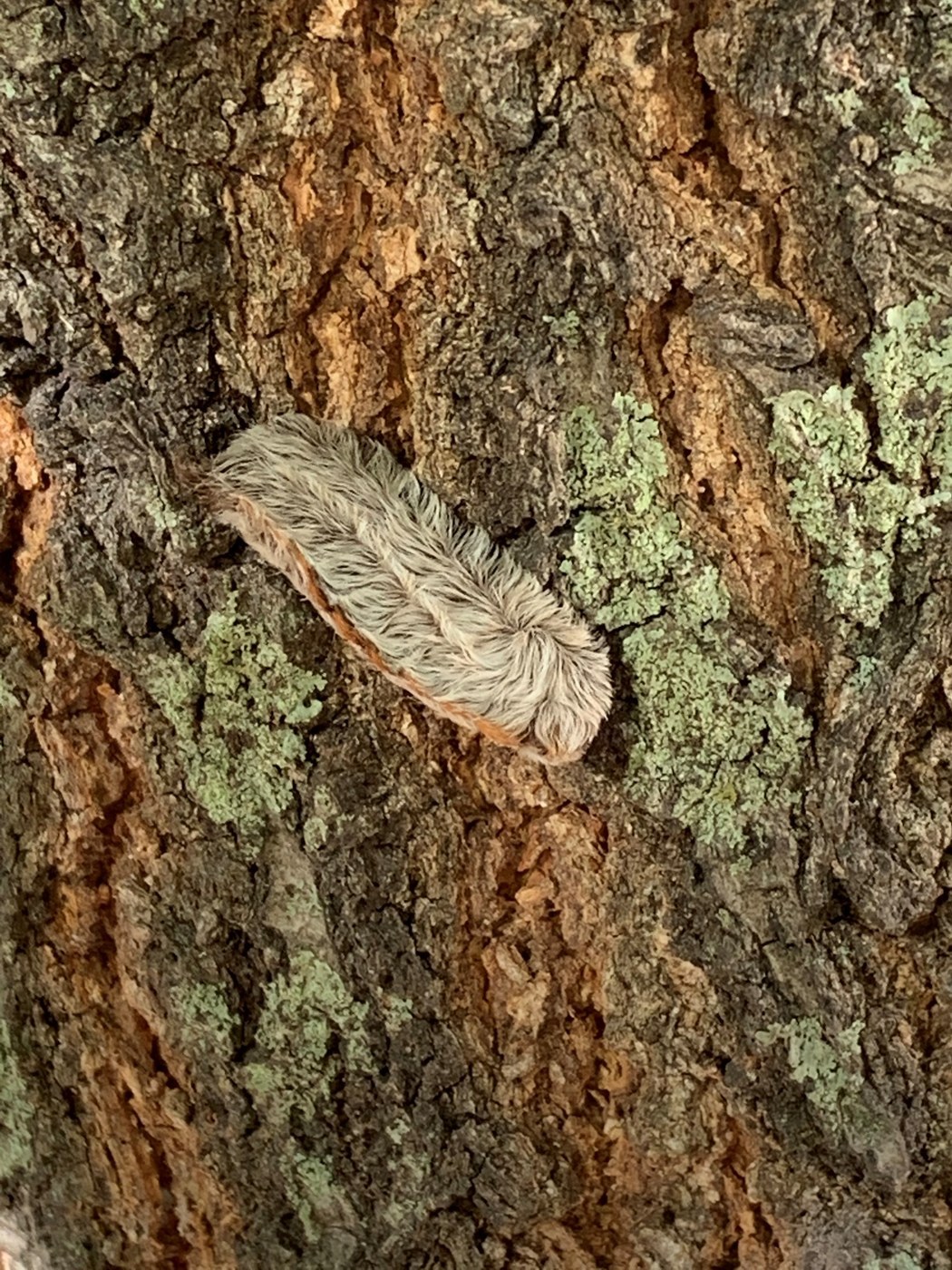
Puss Caterpillar
Megalopyge opercularis
A caterpillar disguised as a tuft of soft fur, its dense coat of silky hairs conceals rows of spines beneath, making it one of the most deceptively harmless-looking stinging caterpillars in North America.
- Size
- 2-3.5 cm (0.8-1.4 in) long
- Habitat
- Oak, elm, and other deciduous trees in the southern and eastern US
- Danger
- Stings
Spotted a bug like this?
Identify any bug or insect from a photo, free.
Overview
The puss caterpillar is the larval stage of the southern flannel moth and is often described as looking more like a tiny wisp of cat or dog fur than an insect, thanks to its extremely dense covering of long, silky hairs. This soft appearance is deceptive, as hidden beneath the fur are rows of spines connected to specialized cells, making it one of the more heavily defended caterpillars found in North America.
Found primarily in the southern and eastern United States, puss caterpillars feed on a variety of deciduous trees and shrubs and are most commonly noticed in late summer and fall when populations peak. Despite their hidden armament, they are a normal, if striking, part of the native caterpillar fauna and an important prey item for birds and parasitoid insects adapted to handle them.
How to Identify
- Densely covered in long, silky hairs giving a fuzzy, fur-like appearance
- Coloration ranges from grayish-tan to reddish-brown or golden, often with a slightly raised ridge of longer hair down the back
- Teardrop or oval body shape, wider at the front, tapering toward the rear
- Spines are hidden beneath the outer hair and not visible without close inspection
- Adults reach roughly 2.5-3.5 cm in length
- Distinguished from other hairy caterpillars by its unusually soft, uniform, toupee-like coat
Habitat & Range
Found throughout the southern and eastern United States, from Texas and Florida north to New Jersey and west to Missouri, puss caterpillars feed on the foliage of oak, elm, hackberry, citrus, and various other deciduous trees and shrubs. They are most abundant in late summer and fall, with a smaller population sometimes appearing in late spring in warmer parts of their range.
Behavior & Diet
Puss caterpillars are solitary feeders on tree and shrub foliage, relying almost entirely on their hidden spines for defense rather than active avoidance, often remaining still on leaves or bark where their fur-like camouflage can also make them easy to overlook. As with other flannel moth caterpillars, they represent a minor component of the leaf-feeding insect community and serve as prey for birds and specialized parasitoid wasps that can tolerate or bypass their defenses.
Life Cycle
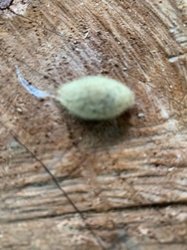
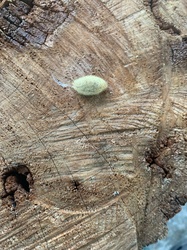
Female moths lay eggs in small groups on host plant leaves or bark, and the caterpillars feed and grow through several instars over a period of weeks, often reaching peak abundance in fall. Mature larvae spin a tough, oval cocoon, frequently attached to bark or plant debris, within which they can overwinter before pupating and emerging as adult flannel moths. In the warmer southern parts of its range, the species may produce two generations per year.
Frequently asked questions
Why does the puss caterpillar look like fur?
It is covered in unusually long, dense, silky hairs that resemble a tuft of animal fur, concealing the spines underneath.
Can a puss caterpillar sting even though it looks soft?
Yes, hidden beneath its furry coat are spines that can sting in defense if the caterpillar is touched.
What does a puss caterpillar turn into?
It develops into an adult southern flannel moth, a fuzzy, pale-colored moth, after pupating in a silk cocoon.
When are puss caterpillars most commonly seen?
They are most abundant in late summer and fall across the southern and eastern United States.
Puss Caterpillar guides
In-depth guides for identifying, understanding, and living alongside Puss Caterpillar.
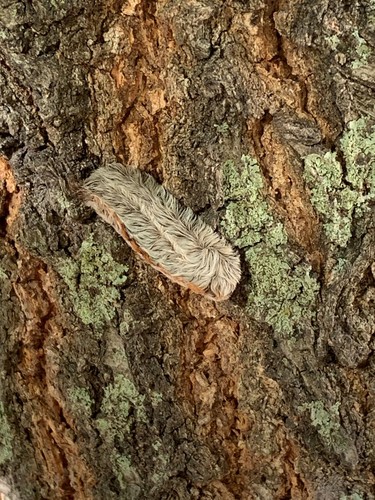
Puss Caterpillar identified by the community
Real finds identified with Bug Identifier.



Other bugs you may enjoy
Bagworm
Trees and shrubs, especially conifers and ornamental landscaping
Armyworm
grasslands, pastures, and cereal crop fields
Zebra Longwing Caterpillar
Tropical and subtropical hammocks with passionflower vines
Tomato Hornworm
Gardens and fields with tomato, pepper, and other nightshade plants
Tent Caterpillar
Deciduous trees such as cherry, apple, and other rosaceous species
Tobacco Hornworm
tobacco, tomato, and pepper plants in gardens and fields
Woolly Bear Caterpillar
Gardens, meadows, roadsides, and woodland edges across North America
Sod Webworm
Turfgrass lawns, golf courses, pastures
Spiny Oak-slug Caterpillar
Deciduous forests and woodland edges with oak and other hardwoods
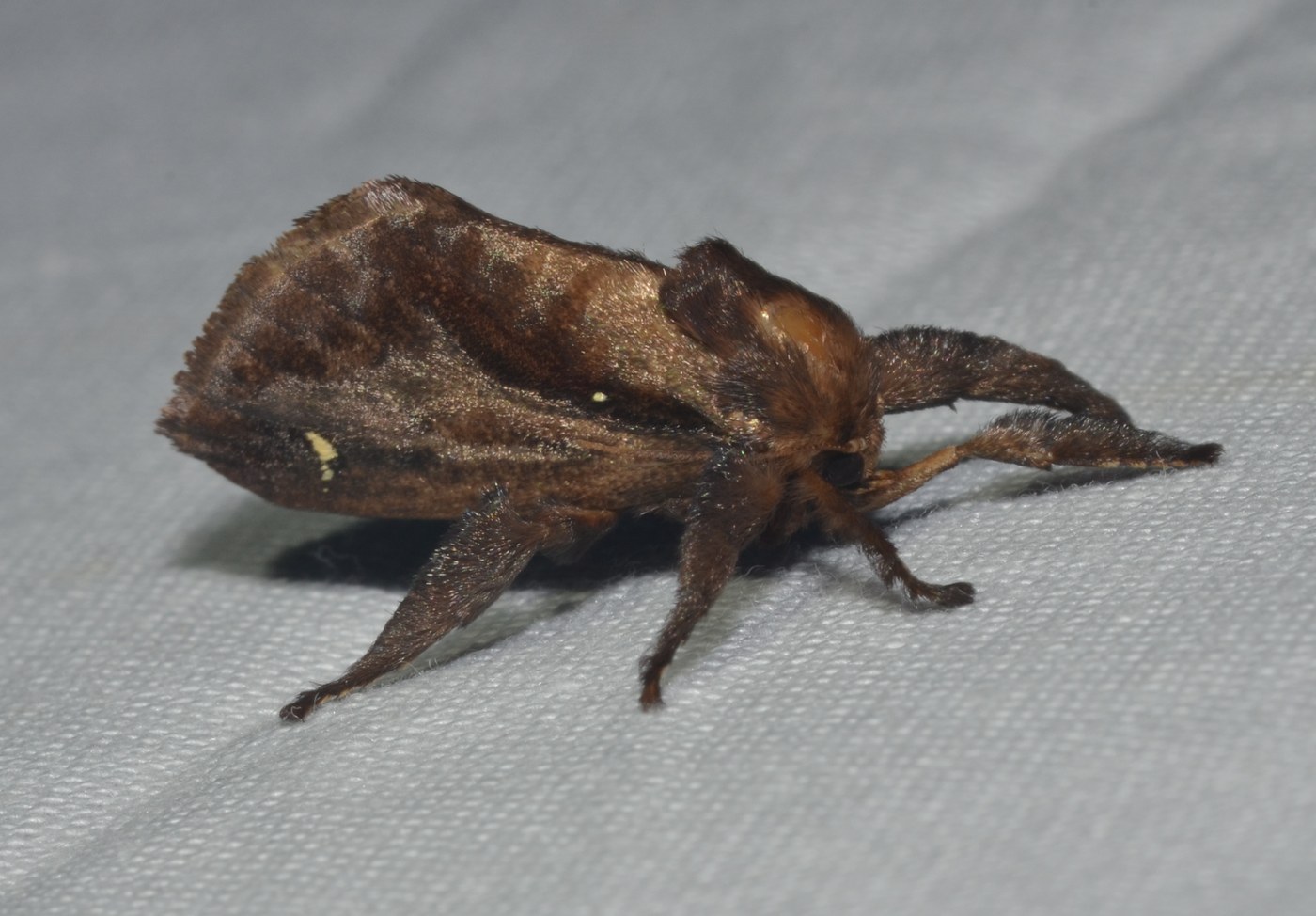
Saddleback Caterpillar
Deciduous trees and shrubs in eastern and southern North America
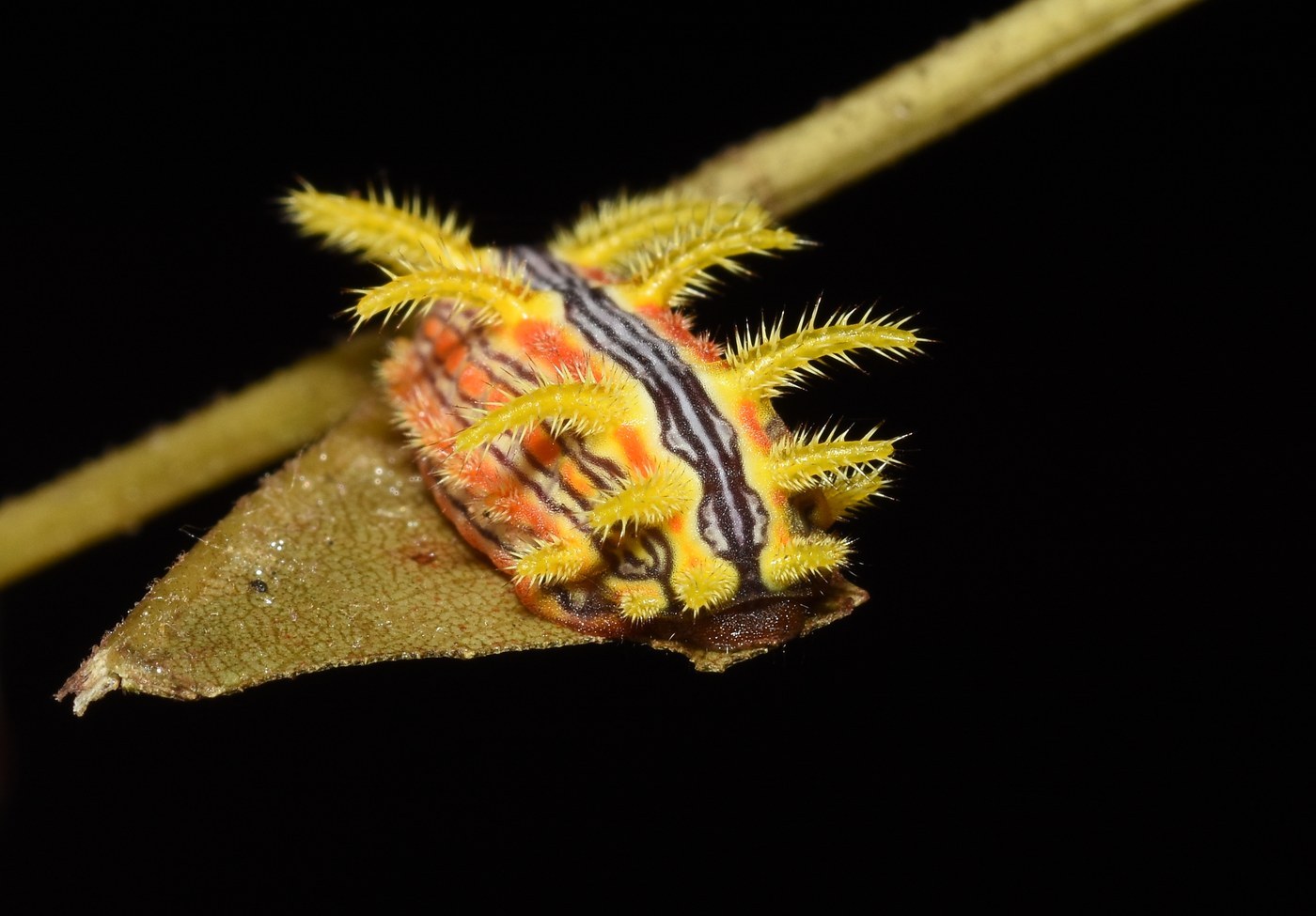
Stinging Rose Caterpillar
Gardens and woodlands with rose, dogwood, or oak
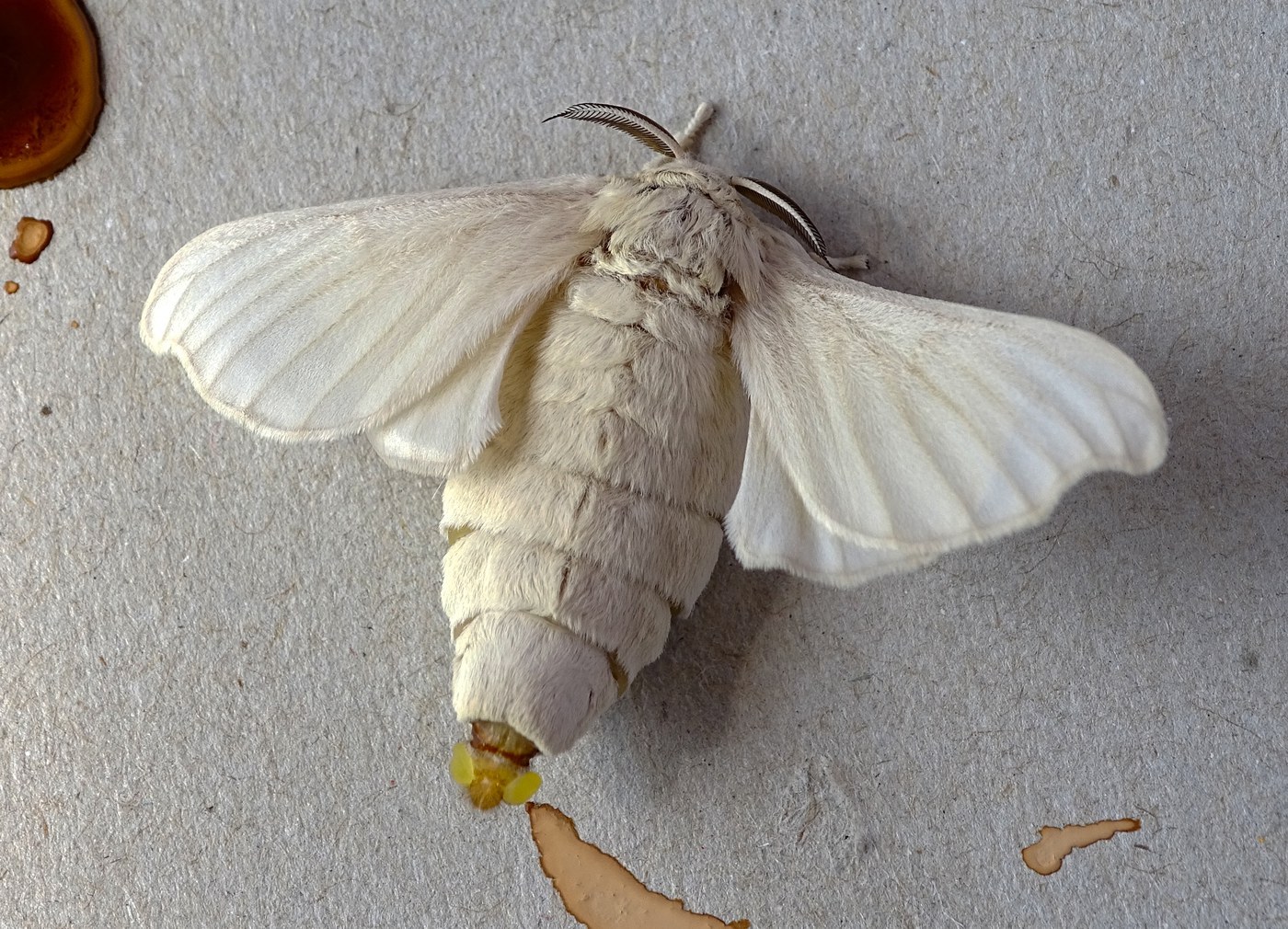
Silkworm
Reared exclusively in captivity on mulberry leaves; no independent wild population