Rove Beetle Identification Guide
Learn to recognize rove beetles by their short wing covers, exposed abdomen, and signature scorpion-like posture.
Read the full Rove Beetle encyclopedia entry →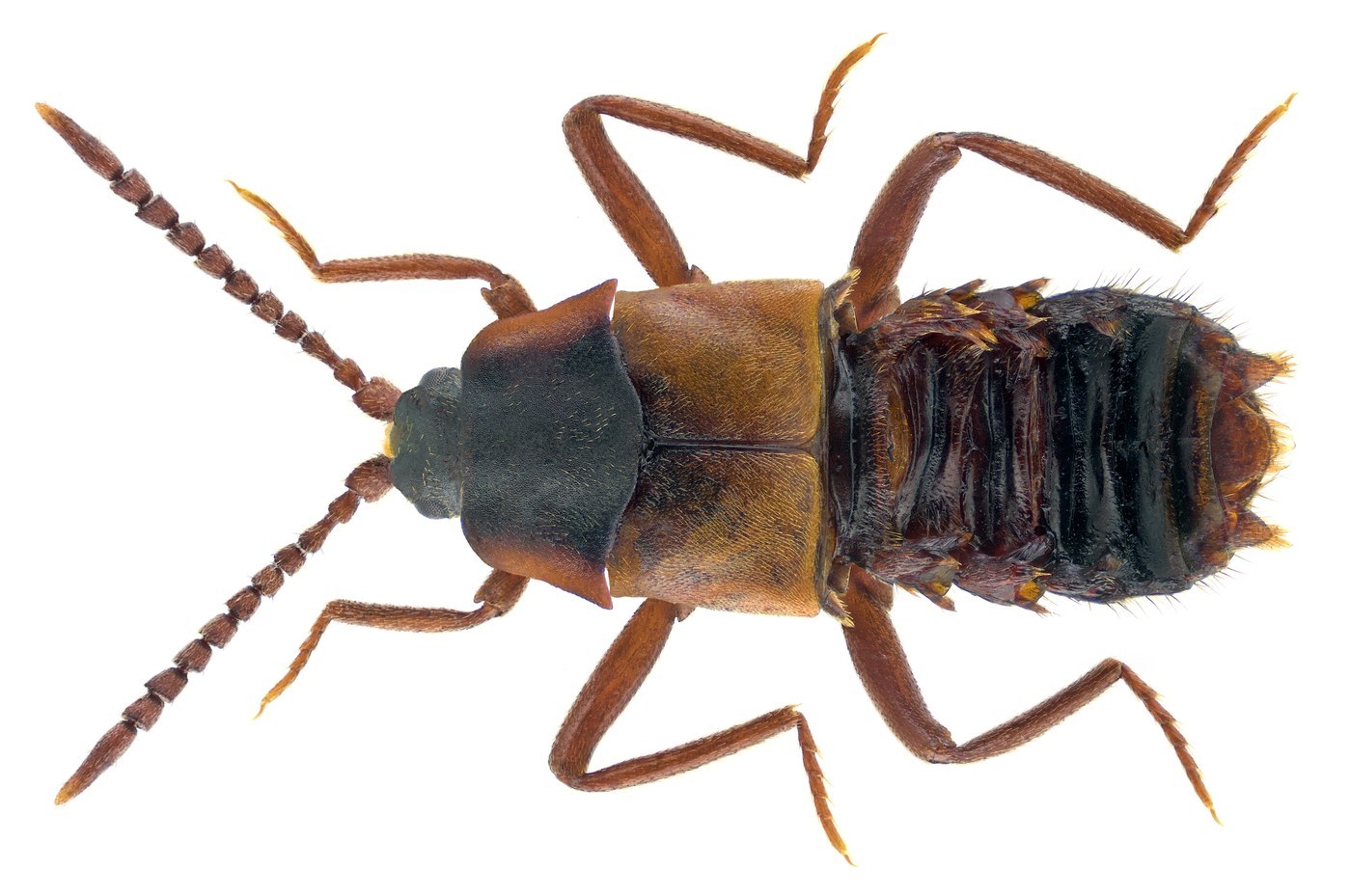
Key Visual Features
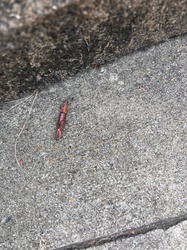
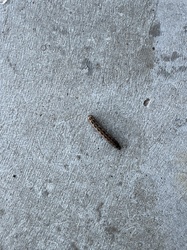
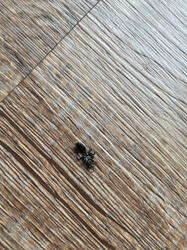
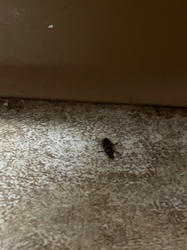
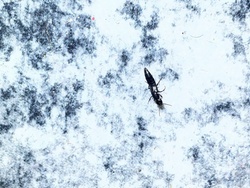
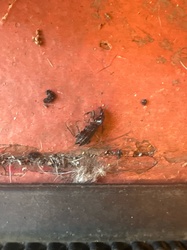
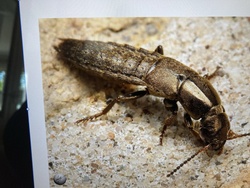
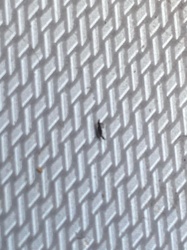
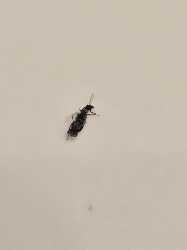
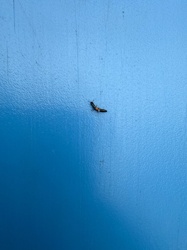
Rove beetles (family Staphylinidae) are one of the largest beetle families, and while species vary from under 1/8 inch to nearly an inch, most encountered in yards and gardens are 1/4 to 3/4 inch long. The single most reliable clue is body shape: an elongated, slender, almost worm-like body with very short elytra (wing covers) that leave most of the flexible abdomen segments exposed and visible from above. Coloring is typically black, dark brown, or metallic bronze, sometimes with lighter banding across the abdomen. They have six legs, a distinct head with chewing mouthparts, and long, thread-like antennae. When disturbed, many species curl or raise the tip of the abdomen upward and forward over the body, resembling a scorpion's tail — this is a defensive posture, not a stinger, since rove beetles have no stinging apparatus.
Where and When You'll See Them
Rove beetles favor damp, organic-rich environments: under logs, stones, leaf litter, mulch, compost piles, and decaying vegetation, as well as along stream banks and in gardens. Many species are predators of smaller insects and larvae, so they're often found wherever prey is abundant. They're active from spring through fall, with many species most visible at night, and some are drawn to porch lights or outdoor lighting. Turning over a log or raking through leaf litter is the easiest way to spot one darting for cover.
Similar-Looking Bugs
- Earwigs — also elongated with short wing covers, but earwigs have obvious pincers (cerci) at the tail end; rove beetles do not.
- Carrion beetles — some have short elytra too, but they're generally broader, flatter, and less flexible-bodied than rove beetles.
- Ground beetles — fully covered abdomen with long elytra, unlike the exposed segments of a rove beetle.
Quick ID Checklist
- Short wing covers leaving most of the abdomen visible and flexible
- Slender, elongated body, often black or dark brown
- Long thread-like antennae and fast, scurrying movement
- Raises or curls its abdomen tip upward when disturbed
- Found under logs, stones, mulch, or leaf litter
Frequently asked questions
Why does a rove beetle raise its tail like a scorpion?
It's a defensive display some species use when threatened, arching the flexible abdomen upward and forward. Rove beetles have no stinger, so the motion is purely a bluff posture.
How can I tell a rove beetle from an earwig?
Check the tail end: earwigs have visible pincer-like cerci, while rove beetles have a smooth, flexible abdomen tip with no pincers.
Can rove beetles fly?
Many species have fully functional hind wings folded beneath their short elytra and can fly, though they're most often seen running quickly across the ground.
Where is the best place to look for rove beetles?
Check damp, organic-rich spots such as under logs, in compost, leaf litter, or along the edges of gardens and ponds where small prey insects are common.
Rove Beetle identified by the community
Recent Rove Beetle finds identified with Bug Identifier.