
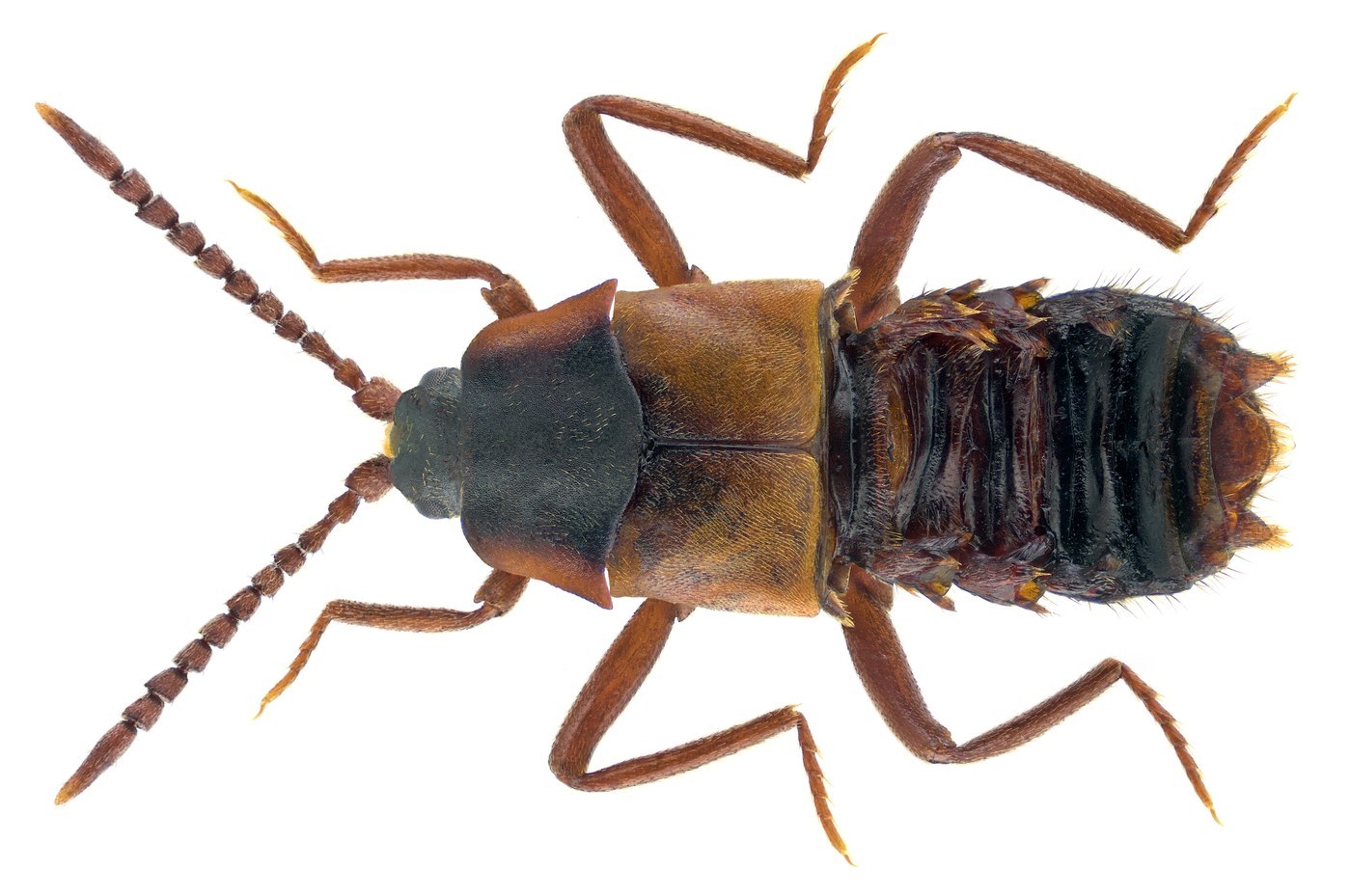
Rove Beetle
Staphylinidae spp.
A slender, fast-running beetle with unusually short wing covers that leave much of its flexible abdomen exposed, often curling its tail upward like a scorpion when alarmed.
- Size
- 2–25 mm
- Habitat
- Leaf litter, soil, decaying matter, and under bark worldwide
- Danger
- Harmless
Spotted a bug like this?
Identify any bug or insect from a photo, free.
Overview
Rove beetles form the family Staphylinidae, one of the largest beetle families in the world with over 60,000 described species. Their name reflects their habit of roving actively across the ground rather than staying put, and their body shape sets them apart from most other beetles at a glance.
Unlike typical beetles, whose hardened elytra cover the entire abdomen, rove beetles have very short elytra that leave most of the flexible, segmented abdomen exposed, giving them a slender, almost earwig-like appearance despite being unrelated to earwigs.
The family occupies an enormous range of ecological niches, including free-living predators in soil and leaf litter, scavengers in dung and carrion, fungus-feeders, and even specialized species that live inside ant and termite colonies as tolerated guests.
How to Identify
- Narrow, elongated body with very short elytra (wing covers) that expose most of the flexible, often banded abdomen.
- Colors range from black and brown to metallic or patterned, depending on species.
- Long thread-like or slightly clubbed antennae and long legs built for rapid running.
- Often raises the tip of its abdomen in a scorpion-like curl when disturbed, though it has no stinger.
- Lookalikes: distinguished from earwigs by the lack of pincers at the tail and from other beetles by its very short elytra.
Habitat & Range
Rove beetles are found on every continent except Antarctica, occupying leaf litter, soil, decaying wood, fungi, dung, carrion, and shorelines. Many species are active year-round in temperate climates, sheltering under logs, stones, and bark, while others are specialized inhabitants of ant or termite nests.
Behavior & Diet
Most rove beetles are active predators, hunting small invertebrates such as mites, springtails, fly larvae, and other insects among leaf litter and soil. Others scavenge in dung, carrion, or decaying fungi. When disturbed, many species raise the tip of the abdomen upward in a defensive display that mimics a scorpion's stinger, though the beetle has no true sting. Some rove beetles are highly specialized associates of social insect colonies, living among ants or termites and sometimes mimicking their hosts' chemical signals.
Life Cycle
Rove beetles undergo complete metamorphosis. Eggs are laid in soil, litter, or decaying organic matter, and the active, predatory or scavenging larvae develop through several instars in the same habitat as adults before pupating in the soil. Many temperate species produce multiple generations per year and overwinter as adults in sheltered ground litter.
Frequently asked questions
Why does it curl its tail up like a scorpion?
It is a defensive bluff display — the beetle has no stinger, but the posture can deter predators by mimicking a threatening tail.
Is it the same as an earwig?
No, rove beetles lack the pincers found at an earwig's rear end and belong to an entirely different beetle family.
What does it eat?
Most species are predators of small invertebrates in soil and litter, though some feed on fungi, dung, or carrion.
Why are its wing covers so short?
Short elytra allow greater flexibility of the abdomen, helping the beetle maneuver quickly through tight spaces in soil and litter.
Rove Beetle guides
In-depth guides for identifying, understanding, and living alongside Rove Beetle.
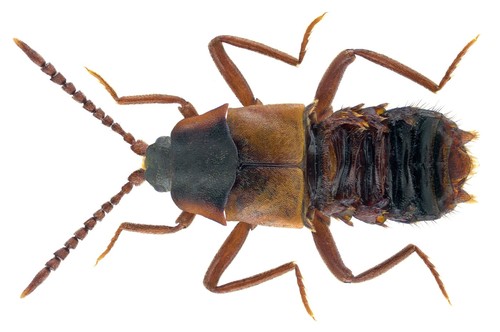
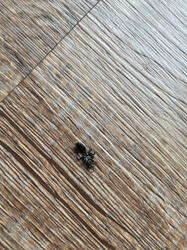
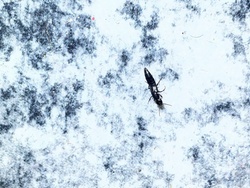
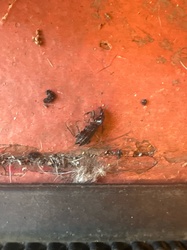
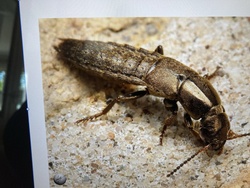
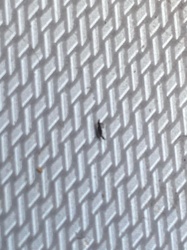
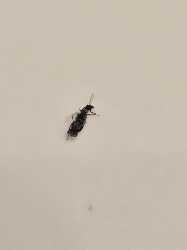
Rove Beetle identified by the community
Real finds identified with Bug Identifier.
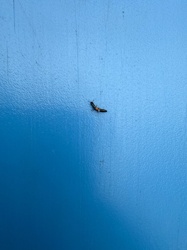

Other bugs you may enjoy
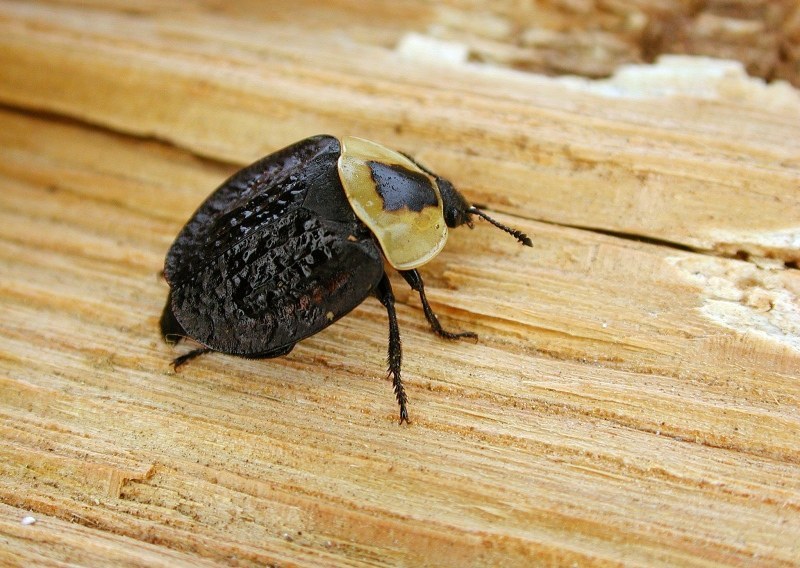
American Carrion Beetle
Forests, fields, and roadsides across North America, near decaying animal carcasses
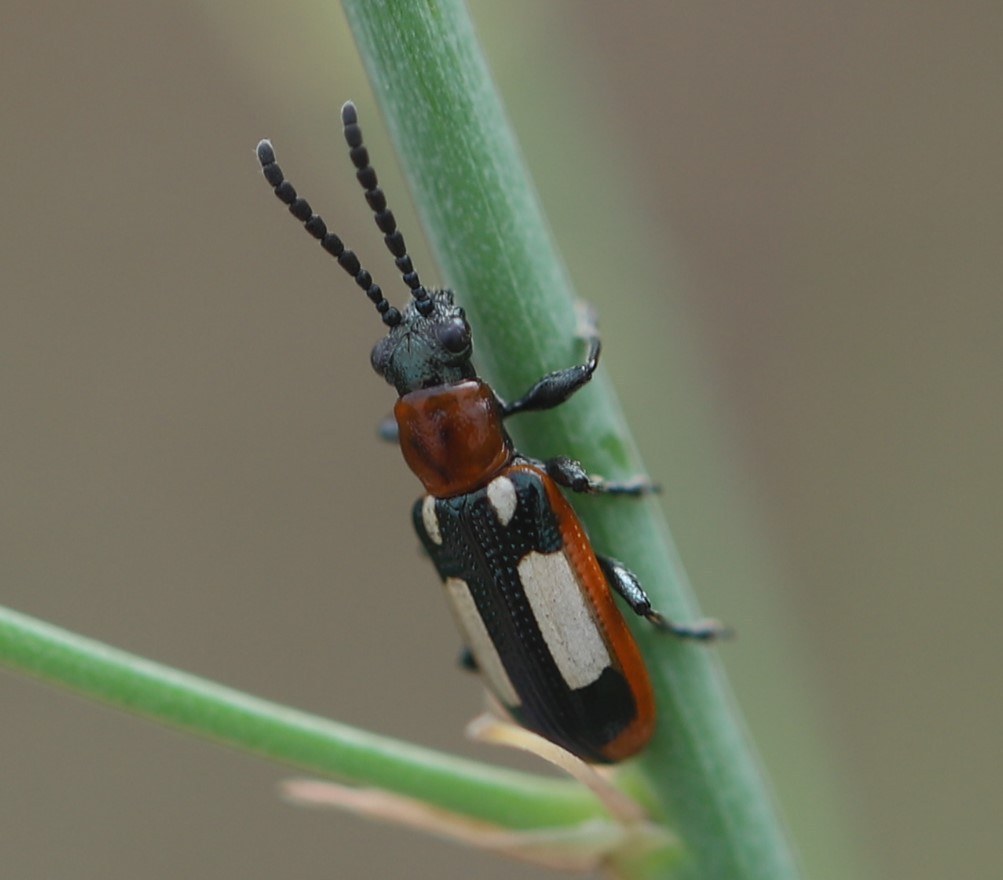
Asparagus Beetle
Asparagus patches, gardens, and farm fields
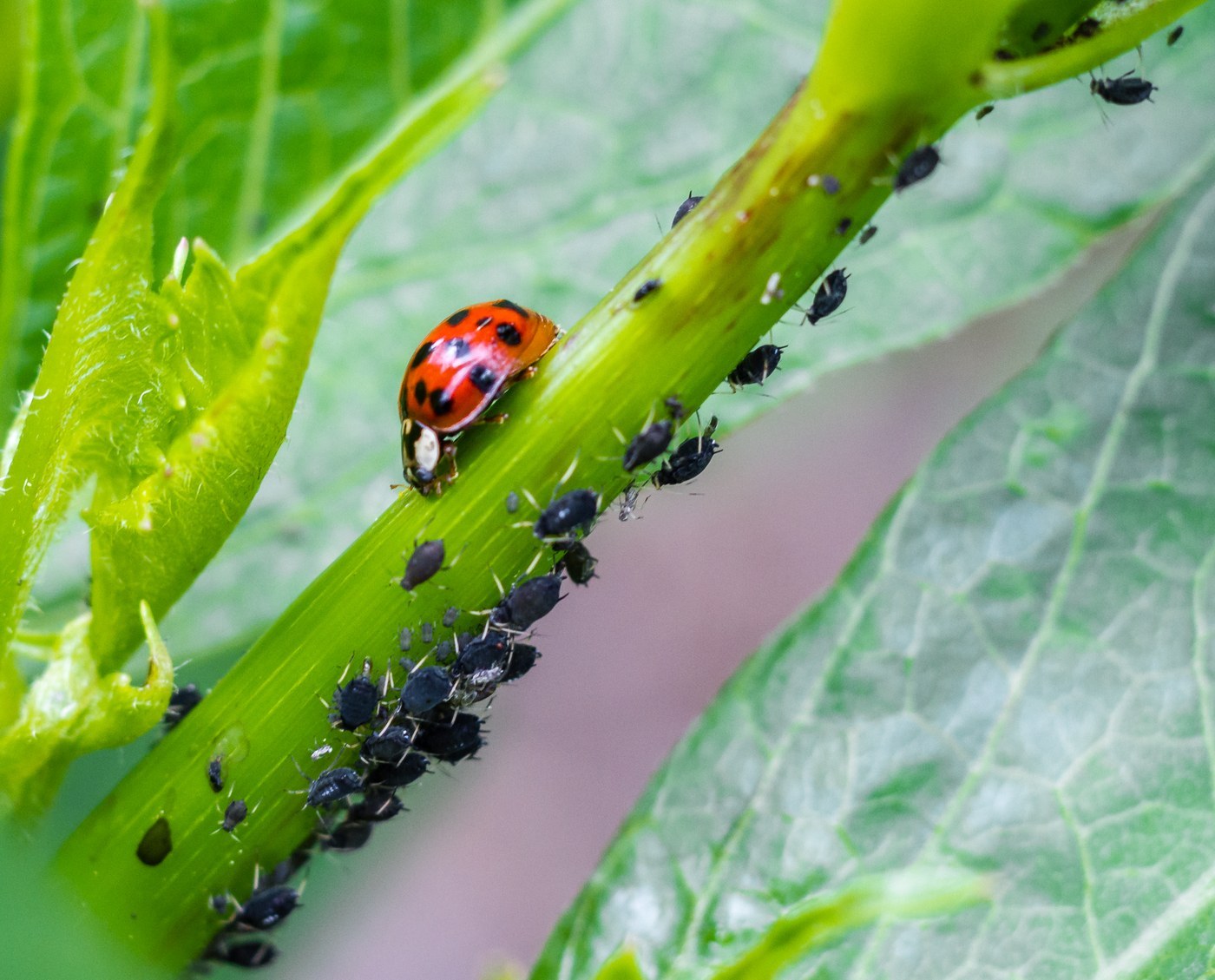
Asian Lady Beetle
Gardens, crop fields, woodlands, buildings
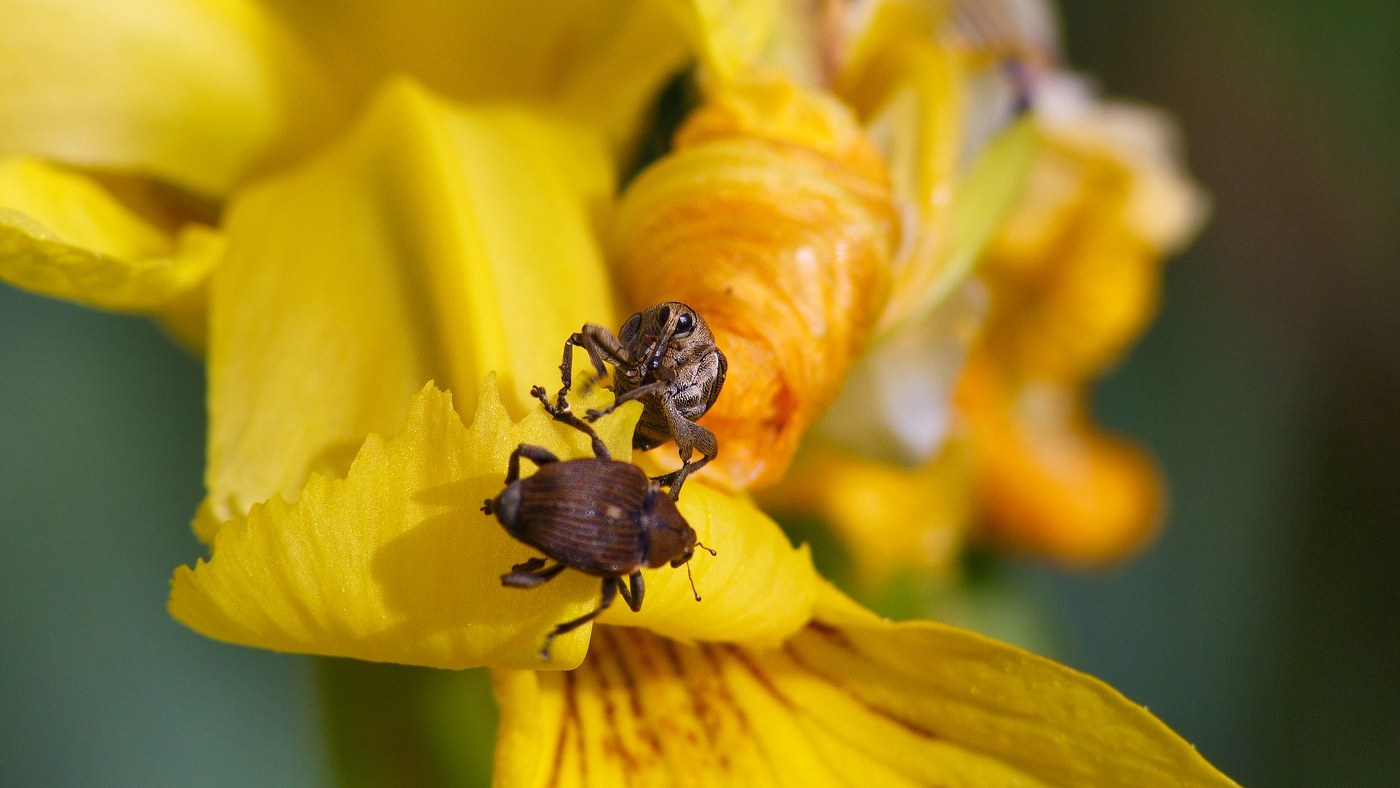
Acorn Weevil
Oak woodlands and forests, on and beneath oak trees
Wireworm
Soil of grasslands, gardens, and cultivated fields worldwide
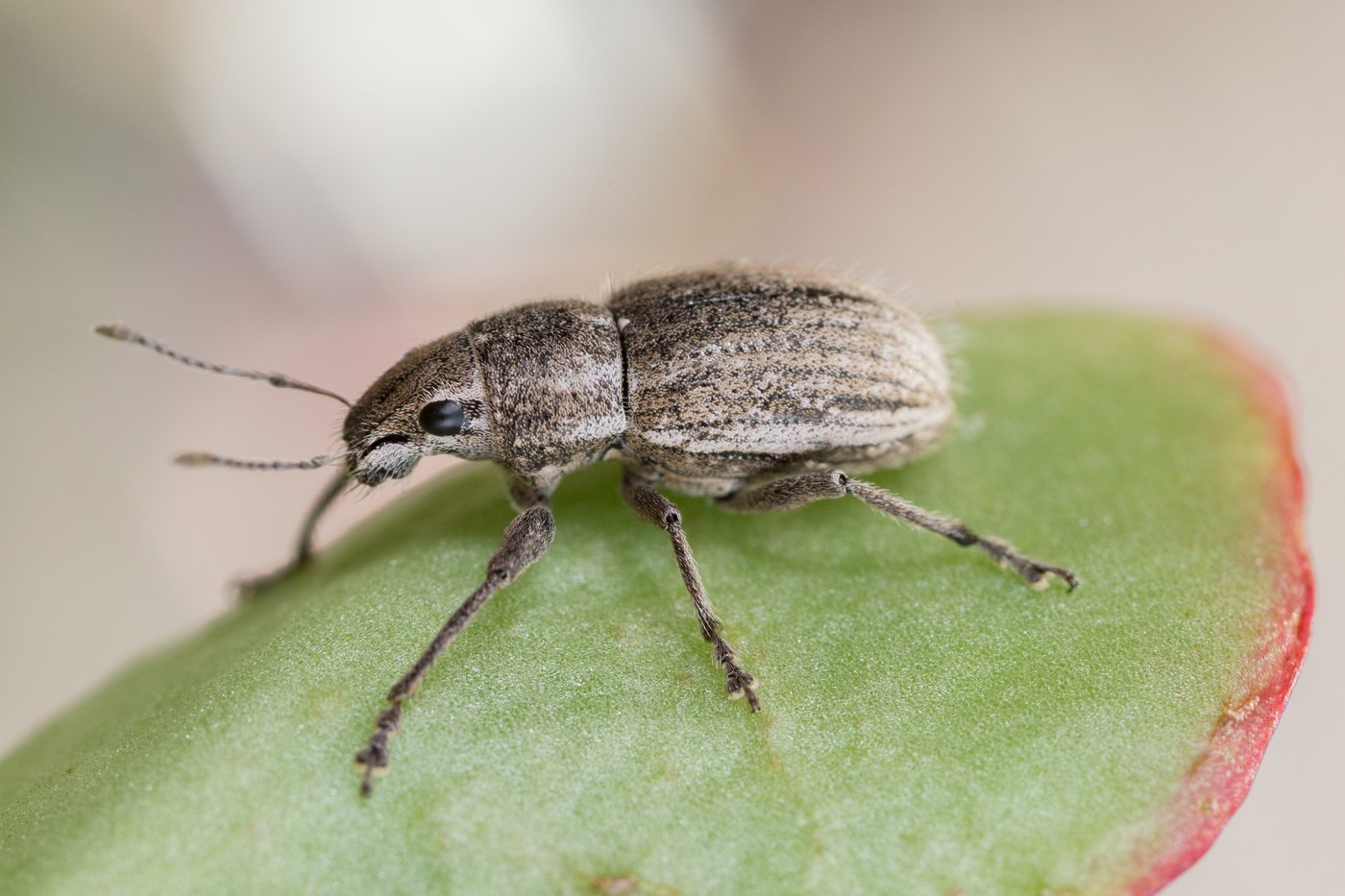
Whitefringed Beetle
Pastures, row crops, lawns, disturbed soils
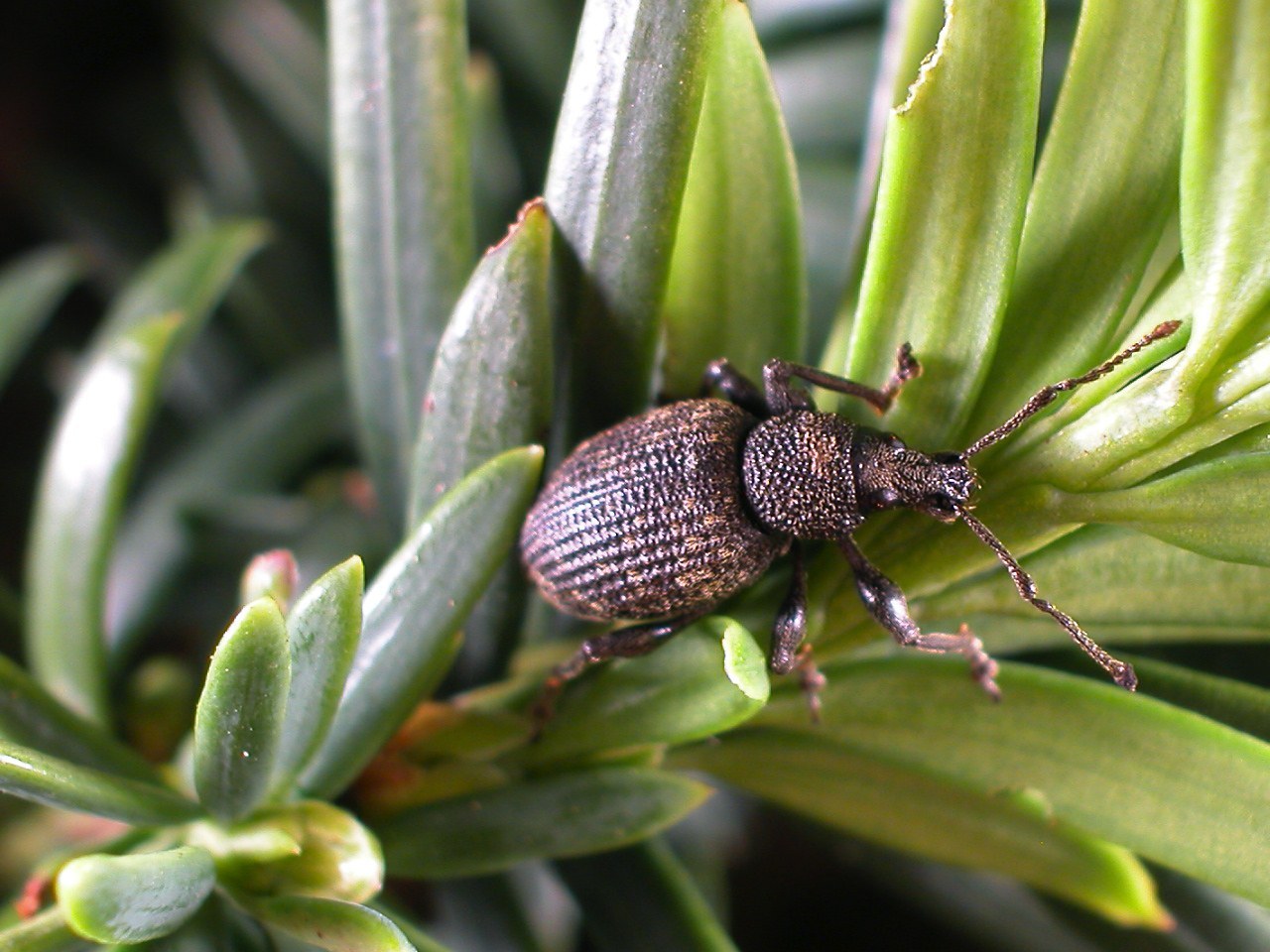
Vine Weevil
Gardens, nurseries, greenhouses, and container plantings
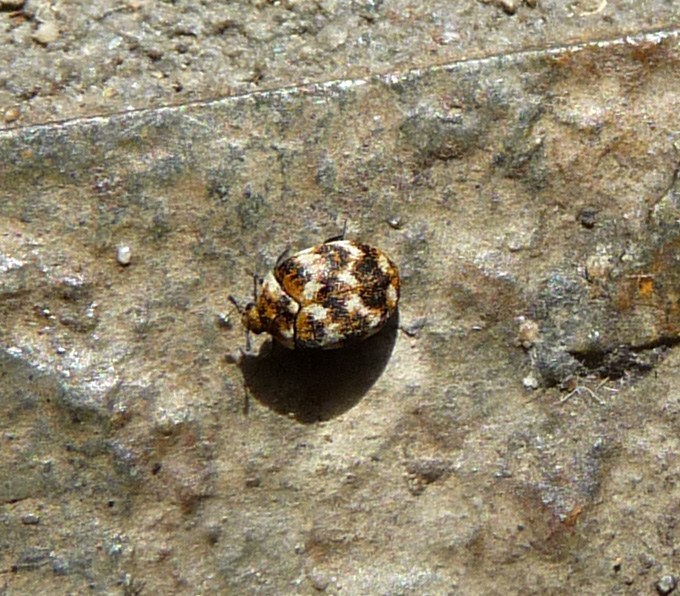
Varied Carpet Beetle
Homes, nests of birds and mammals, and flowers outdoors
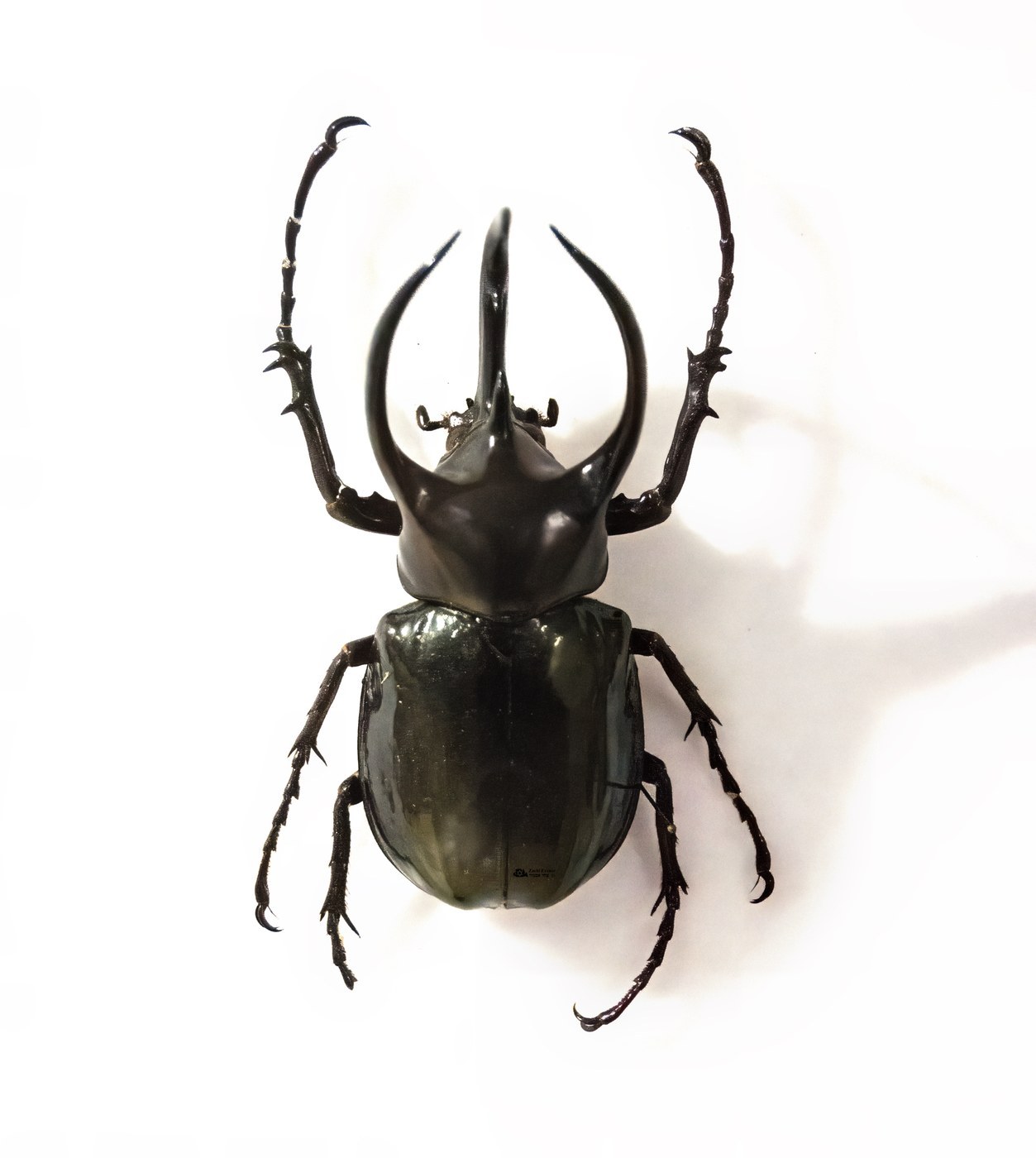
Atlas Beetle
Tropical forests of Southeast Asia
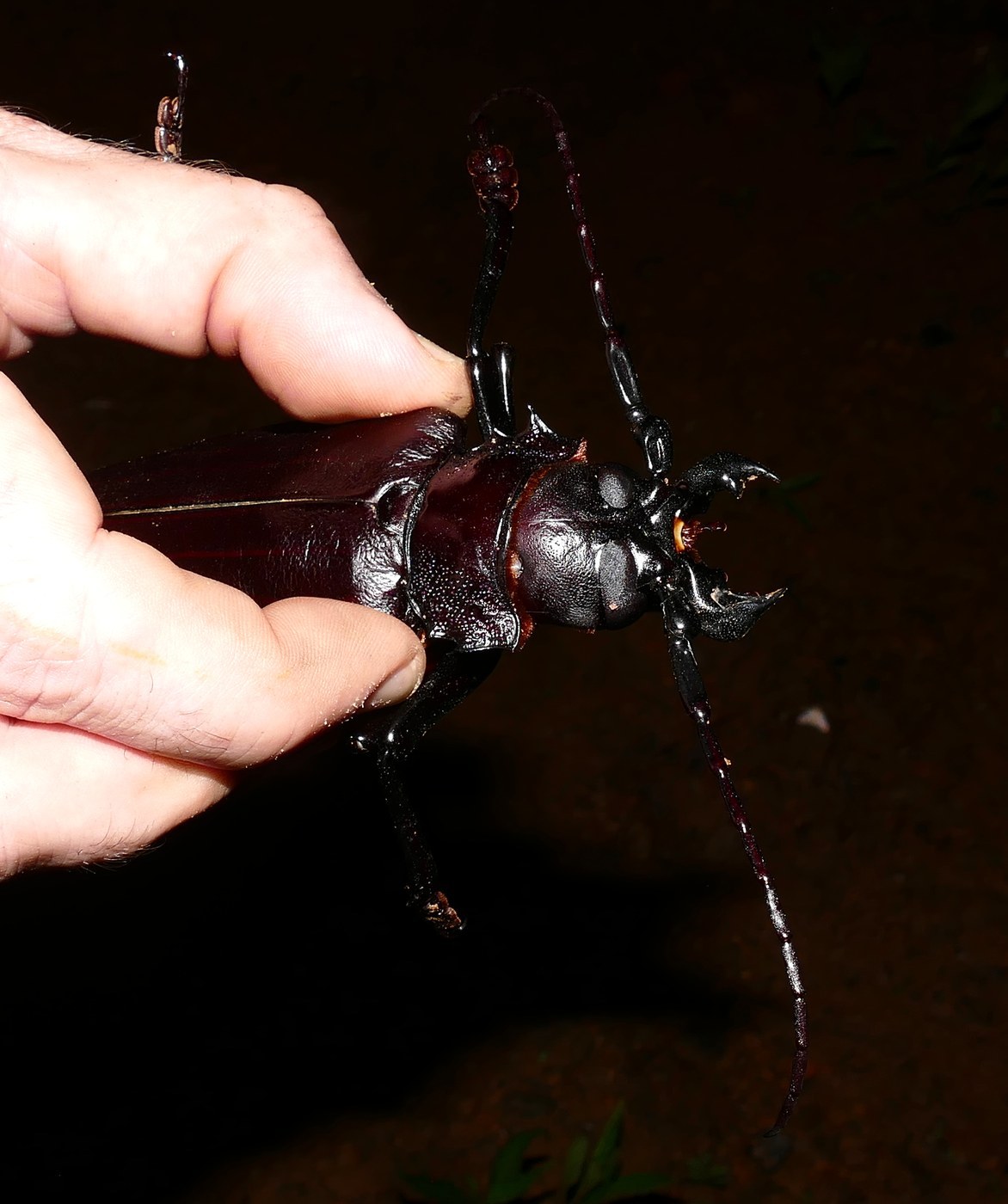
Titan Beetle
Amazon rainforest of South America
Ten-lined June Beetle
Sandy soils, pine forests, and orchards of western North America
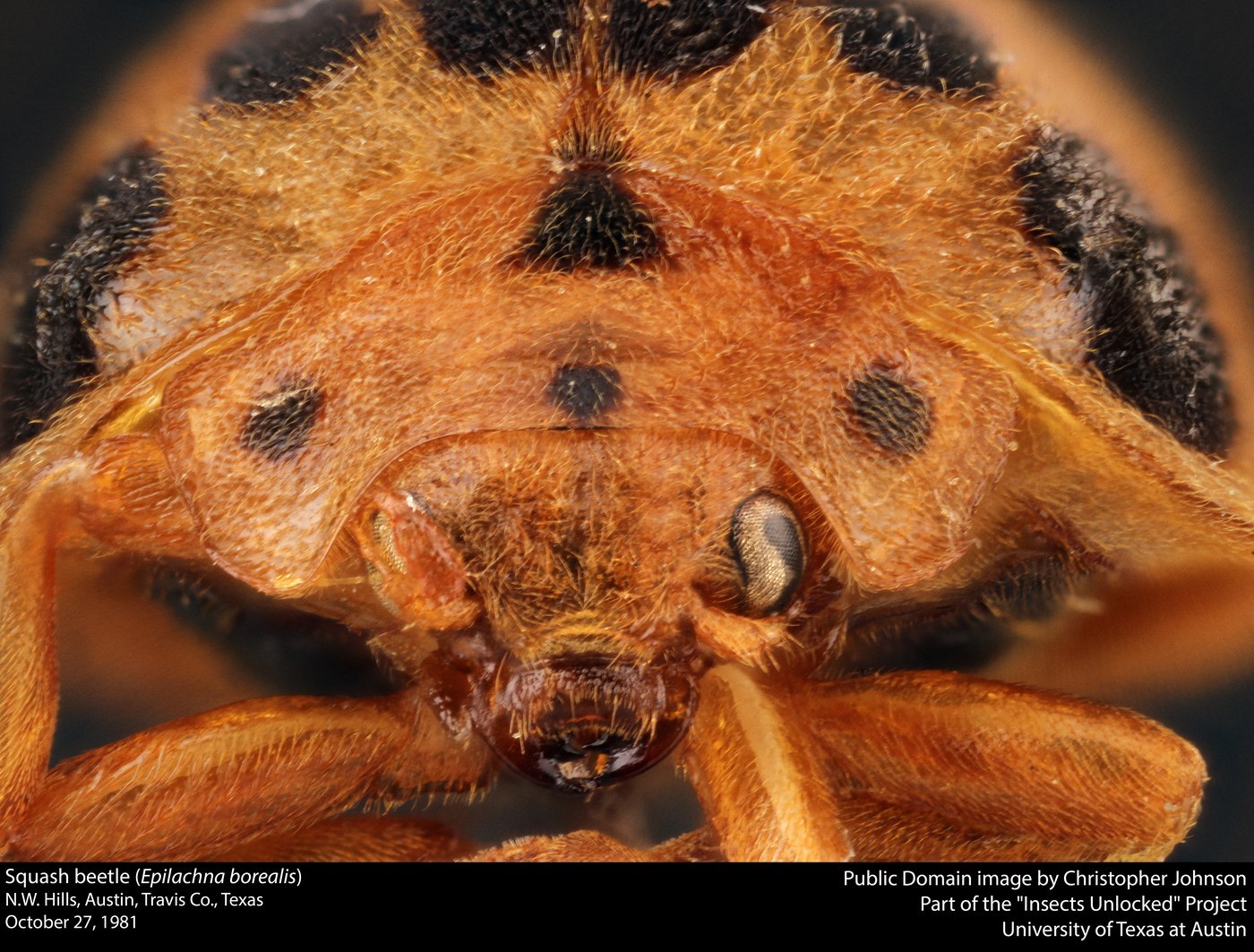
Squash Beetle
Vegetable gardens and fields growing squash, pumpkin, and other cucurbits