
Bug Encyclopedia
Search and identify bugs & insects — beetles, butterflies, moths, ants, bees, spiders and more — with size, habitat, danger, behavior, and how to tell them apart.
Meadow Katydid
Small, slender, and beautifully camouflaged among grass blades, meadow katydids fill open fields and marsh edges with a soft, buzzy, insect-like ticking that blends into the summer evening background.
grasshopper-cricket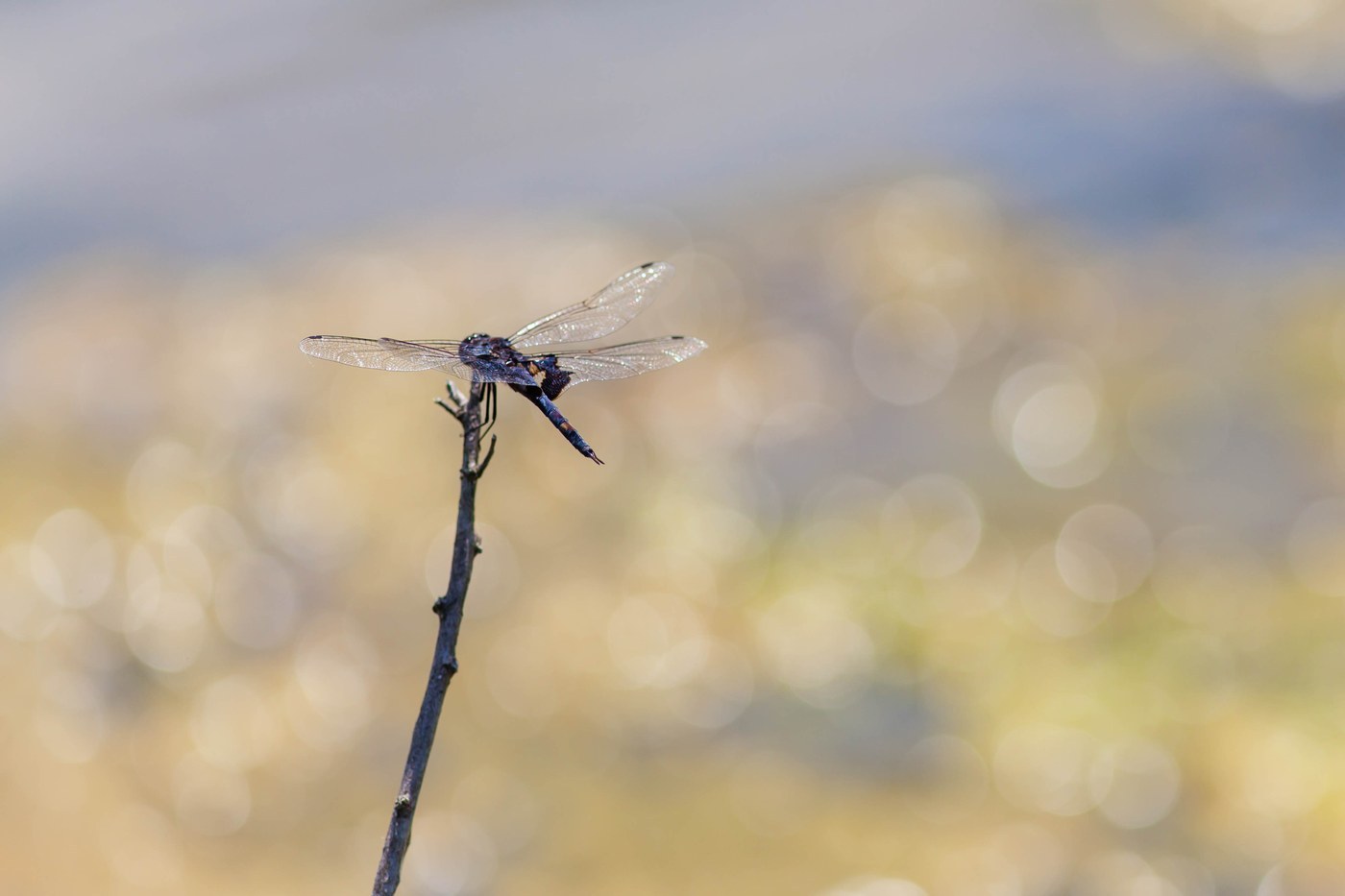
Black Saddlebags
A large, nearly all-black dragonfly with a bold dark patch draped across the base of each hindwing, patrolling high over ponds and open ground like a small kite.
dragonflyBot Fly
A stocky, bumblebee-mimicking fly whose adults never feed and live only long enough to mate and locate a rodent or rabbit burrow for their eggs. Despite their harmless, buzzing adult stage, bot flies are best known through the larvae that develop as internal parasites of small mammals.
flyDrywood Termite
A termite that lives entirely within the dry wood it feeds on, needing no soil contact at all, and revealing itself mainly through small piles of pellet-like frass pushed from tiny exit holes.
other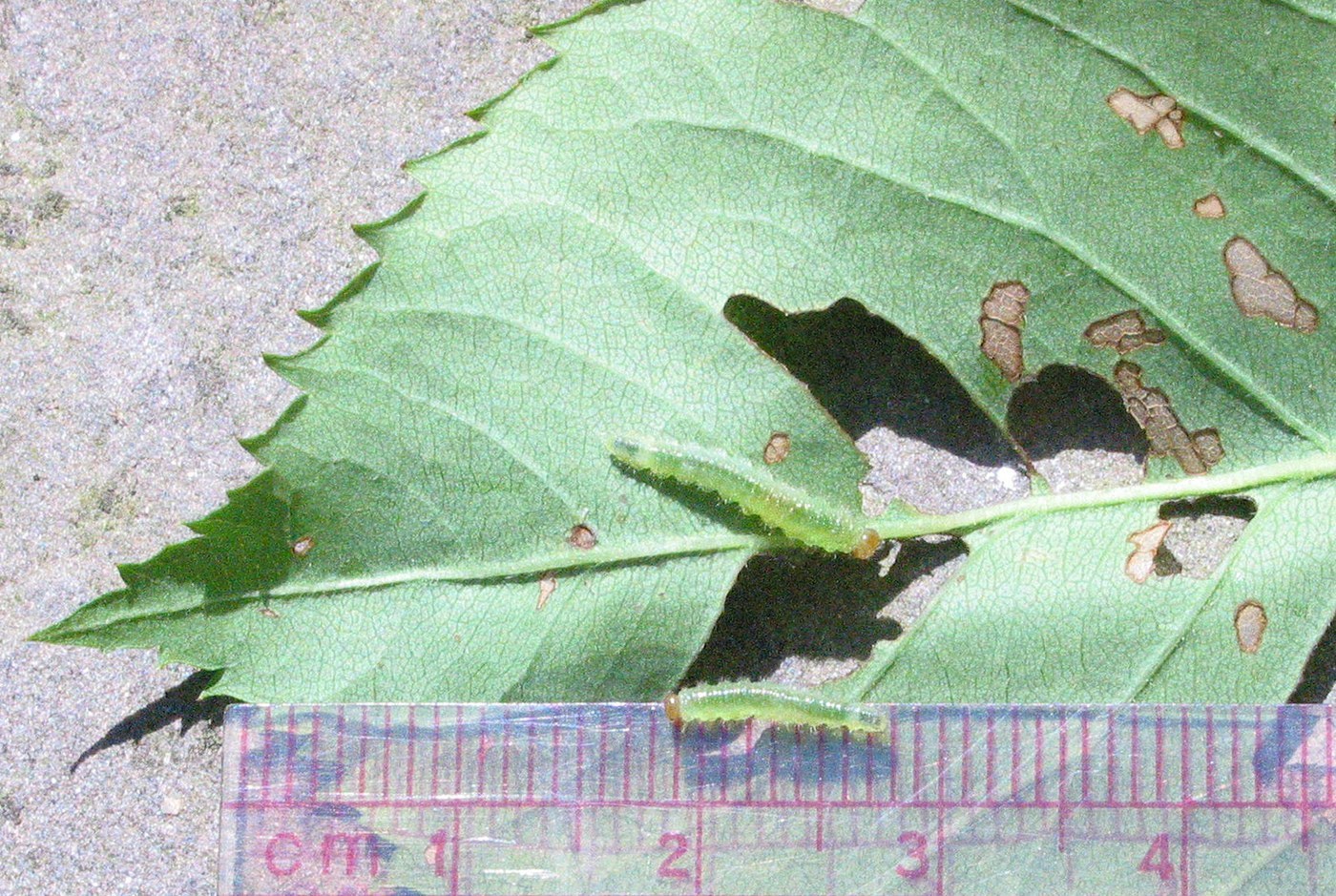
Bristly Rose Slug
Despite its caterpillar-like, slug-shaped body covered in fine bristles, this pale green larva is actually the offspring of a small sawfly and feeds on rose leaves by skeletonizing them from the underside.
caterpillar-larvaPicture-Winged Fly
A small fly whose clear wings are decorated with bold bands, spots, or intricate patterns, often waved and flicked in slow, deliberate displays that give the impression of a tiny fan being opened and closed. Some species even raise their patterned wings above the body and walk sideways in courtship displays reminiscent of a strutting peacock.
fly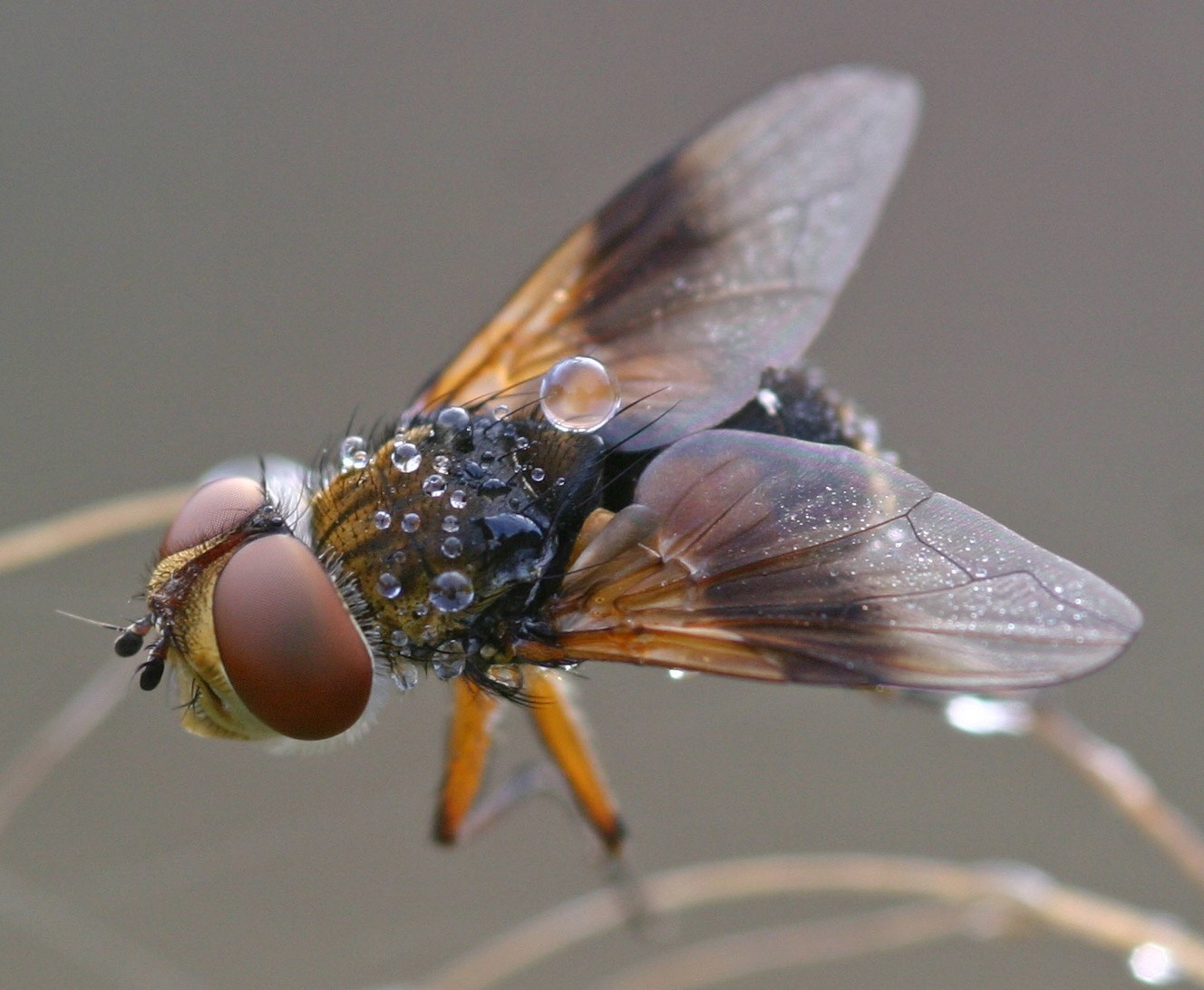
Tachinid Fly
A bristly, house-fly-like insect that looks unremarkable at a glance but hides one of the most important ecological roles among flies: its larvae develop as internal parasites of caterpillars, beetles, and other insects, quietly regulating populations across the landscape. Gardeners often welcome tachinid flies as natural allies against crop-damaging pests.
fly