
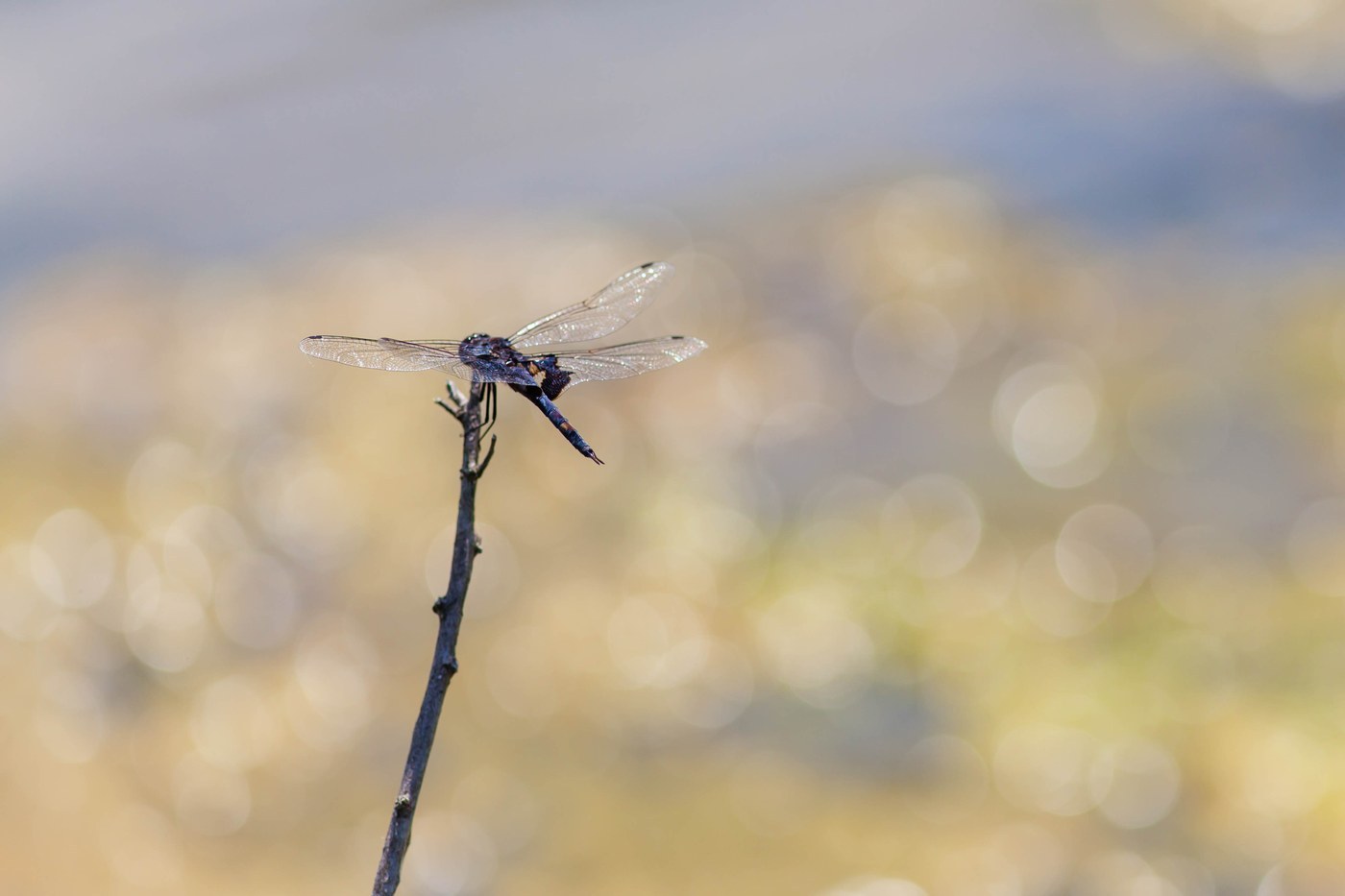
Black Saddlebags
Tramea lacerata
A large, nearly all-black dragonfly with a bold dark patch draped across the base of each hindwing, patrolling high over ponds and open ground like a small kite.
- Size
- Body about 2–2.3 in (50–58 mm) long; wingspan roughly 3.7–4.3 in (94–110 mm)
- Habitat
- Ponds, lakes, and open fields across most of North America
- Danger
- Harmless
Spotted a bug like this?
Identify any bug or insect from a photo, free.
Overview
The Black Saddlebags is a large, striking member of the skimmer family Libellulidae, named for the broad dark patches at the base of the hindwings that resemble saddlebags slung across the body when the dragonfly is in flight. The rest of the body is mostly black, making this one of the darkest large dragonflies found in North America.
Like its relatives the gliders, the Black Saddlebags spends much of its time on the wing rather than perched, cruising steadily over fields, parking lots, and water bodies while hunting. Its broad hindwings give it a powerful, buoyant flight that allows for long-distance travel, and the species is known to undertake seasonal migratory movements in some regions.
Widespread across most of the continental United States and southern Canada, the Black Saddlebags is a familiar sight patrolling high above open areas on warm summer days.
How to Identify
- Large, mostly black-bodied dragonfly
- Broad dark brown-black patch at the base of each hindwing, the namesake "saddlebags"
- Wings otherwise clear to lightly smoky
- Strong, direct flight, often high overhead rather than low over water
- Lookalikes: Red Saddlebags and other Tramea species show reddish rather than black body coloring; Carolina Saddlebags has a reddish body with similar wing patches
Habitat & Range
Common across nearly all of the continental United States and into southern Canada, the Black Saddlebags breeds in ponds and lakes with some vegetation but is frequently seen foraging far from water over fields, meadows, and even urban areas. It is especially conspicuous in late summer and fall, when individuals may join loose migratory movements, sometimes traveling alongside other migratory dragonflies over considerable distances.
Behavior & Diet
This species is a strong, near-constant flier, patrolling at height over open ground and rarely settling to perch during the heat of the day. Adults capture small flying insects such as mosquitoes, gnats, and flying ants on the wing, making them effective predators over open habitats away from water as well as around ponds. In fall, Black Saddlebags are among the North American dragonflies known to make long-distance movements, sometimes traveling in loose aggregations with other migratory species.
Life Cycle
Females typically oviposit alone, flying low over open water and tapping the abdomen to release eggs, sometimes without the male standing guard. Eggs hatch into aquatic nymphs that live among vegetation and sediment in ponds and lakes, preying on other invertebrates as they grow through repeated molts. Depending on climate and region, nymphs may complete development within a single season or overwinter before emerging as adults, with populations in warmer parts of the range potentially producing more than one generation per year.
Frequently asked questions
Why is it called the Black Saddlebags?
The name comes from the broad dark patches at the base of each hindwing, which resemble saddlebags draped across the body during flight.
Do Black Saddlebags migrate?
In some regions they are known to join seasonal migratory movements in fall, traveling with other migratory dragonfly species over long distances.
Where can Black Saddlebags be seen away from water?
They frequently forage high over fields, meadows, and even parking lots or urban areas far from the ponds where they breed.
How is Black Saddlebags different from Red Saddlebags?
The Black Saddlebags has an overall black body, while Red Saddlebags and similar Tramea species have reddish body coloration despite sharing the dark wing patches.
Black Saddlebags guides
In-depth guides for identifying, understanding, and living alongside Black Saddlebags.
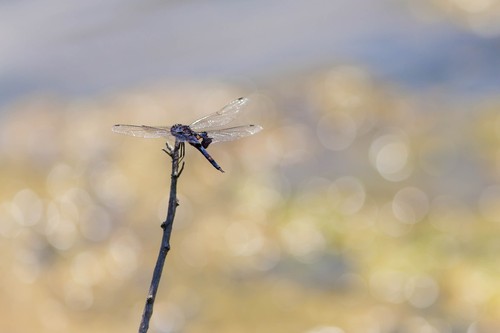
Black Saddlebags identified by the community
Real finds identified with Bug Identifier.
Other bugs you may enjoy
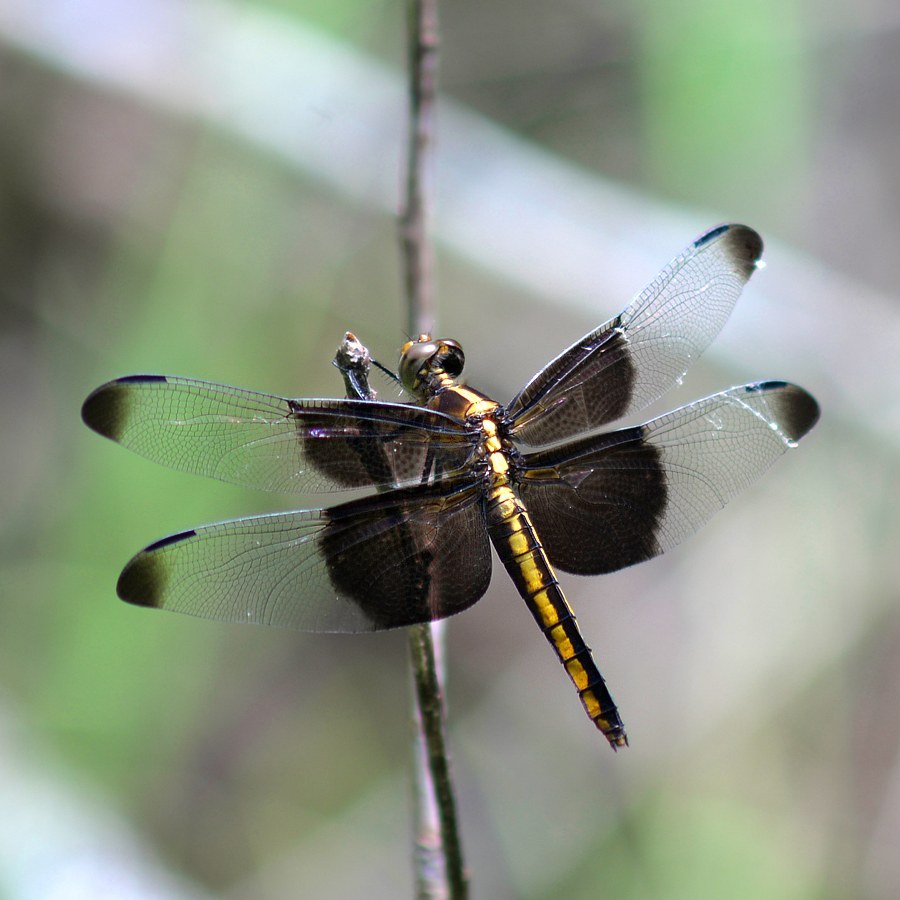
Widow Skimmer
ponds, lakes, and slow-moving streams with open shoreline vegetation across much of the United States
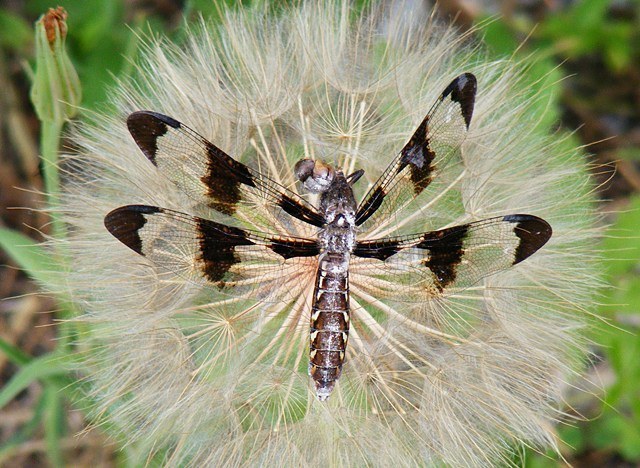
Twelve-spotted Skimmer
Ponds, lakes, and slow streams with open, sunny shorelines
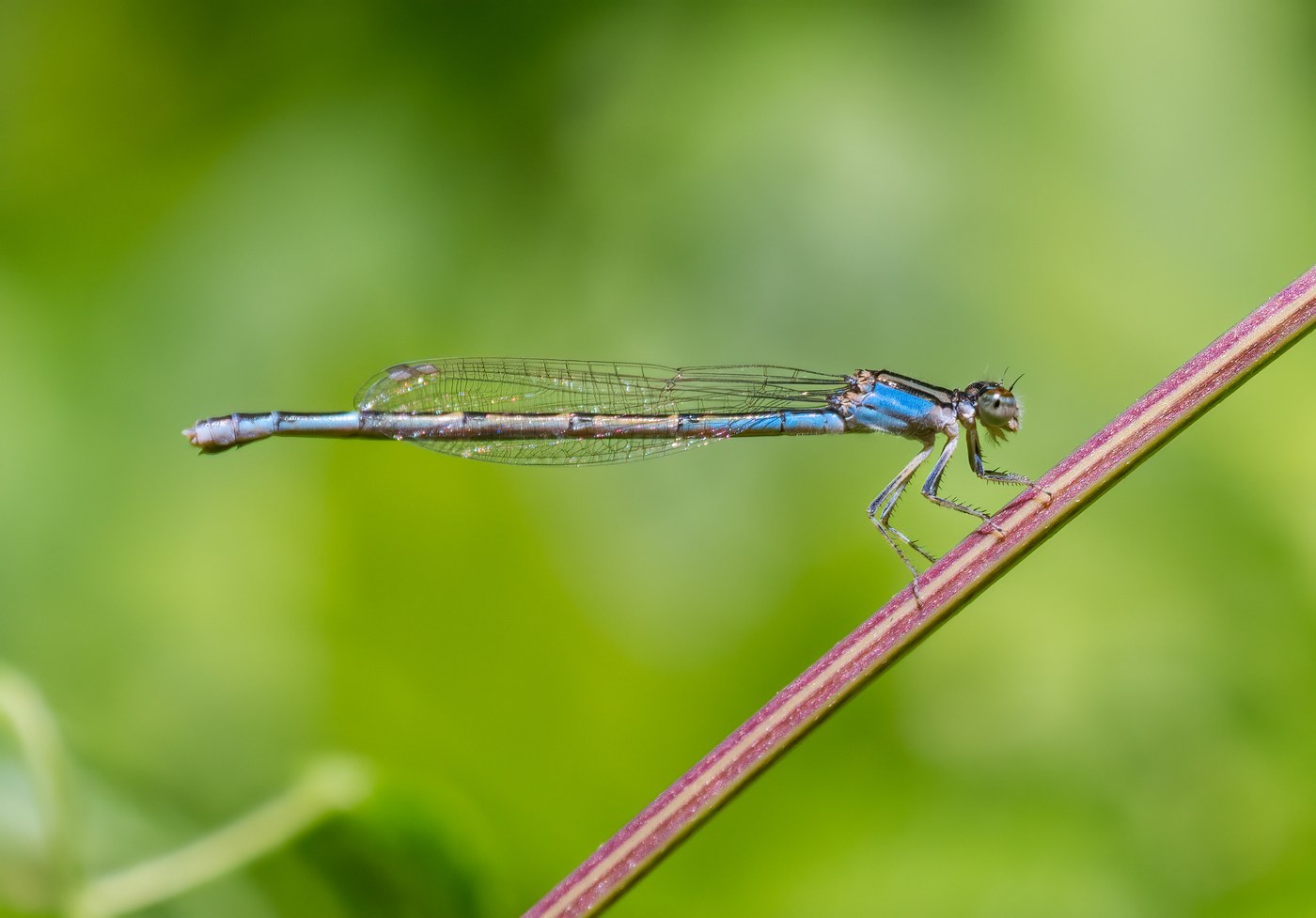
Azure Bluet
ponds, lakes, and slow streams with abundant aquatic vegetation
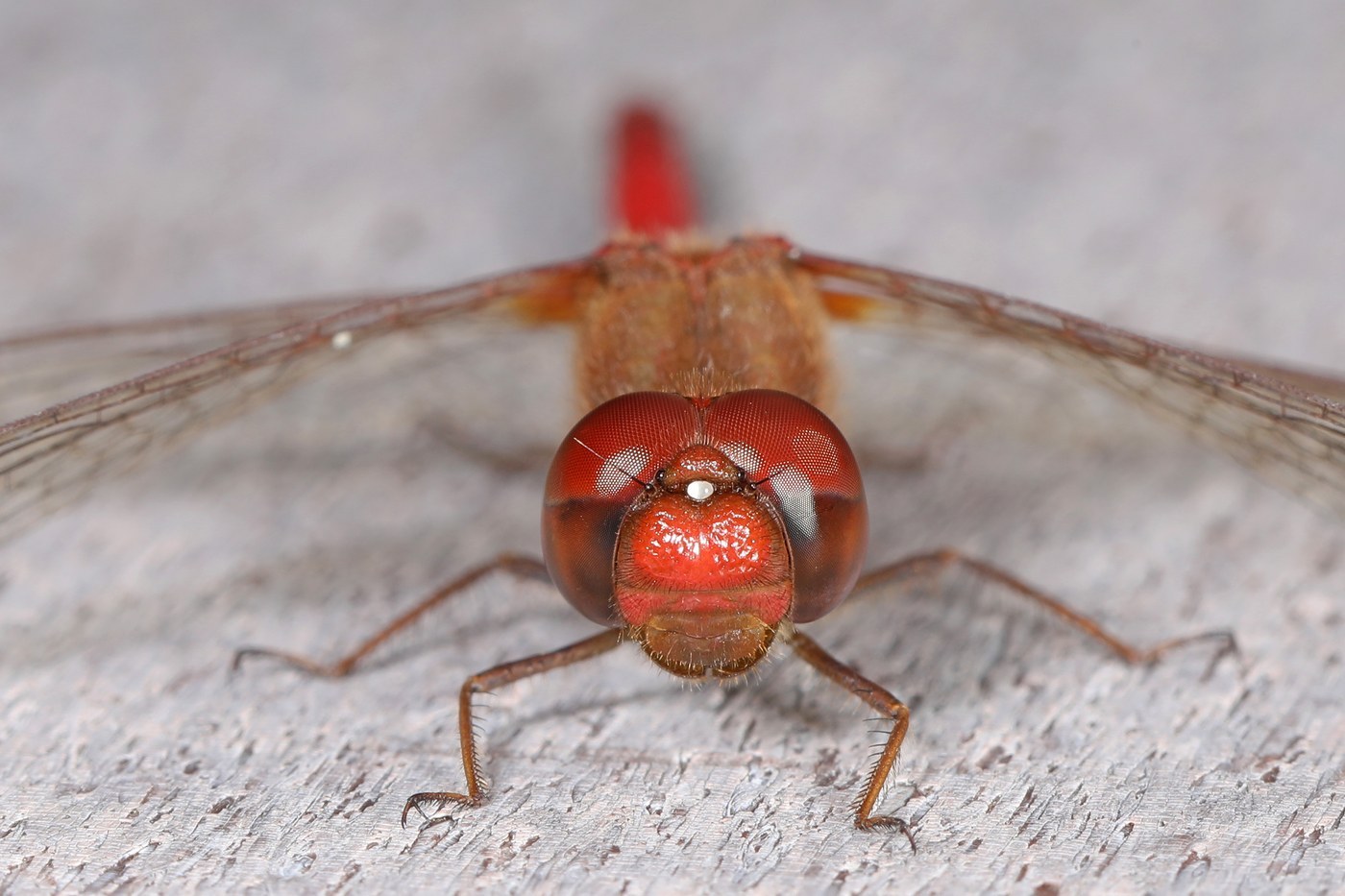
Autumn Meadowhawk
Ponds, marshes, and slow streams, often lingering into late fall
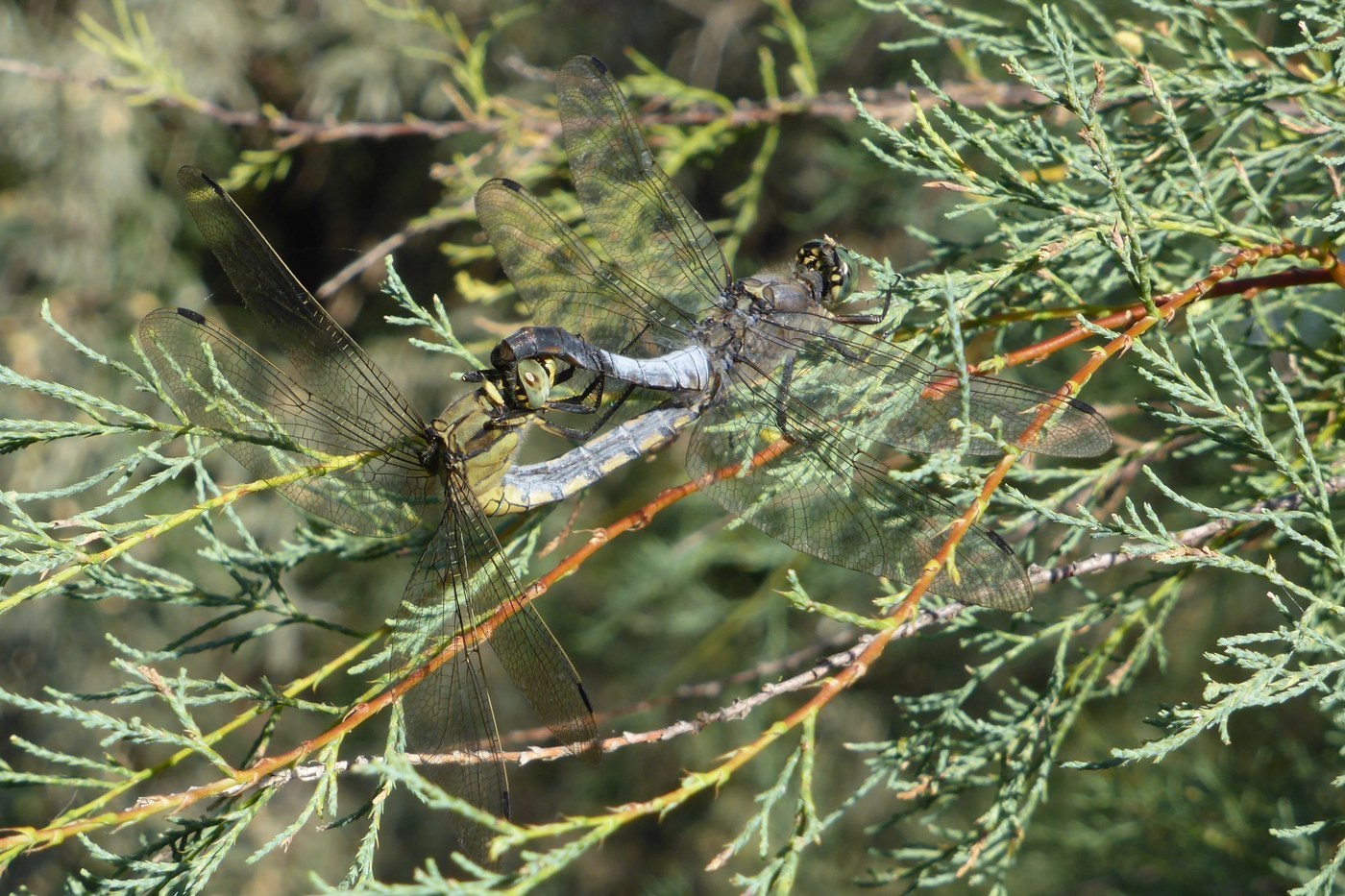
Spangled Skimmer
Ponds, lakes, and marshes with open sunny shorelines
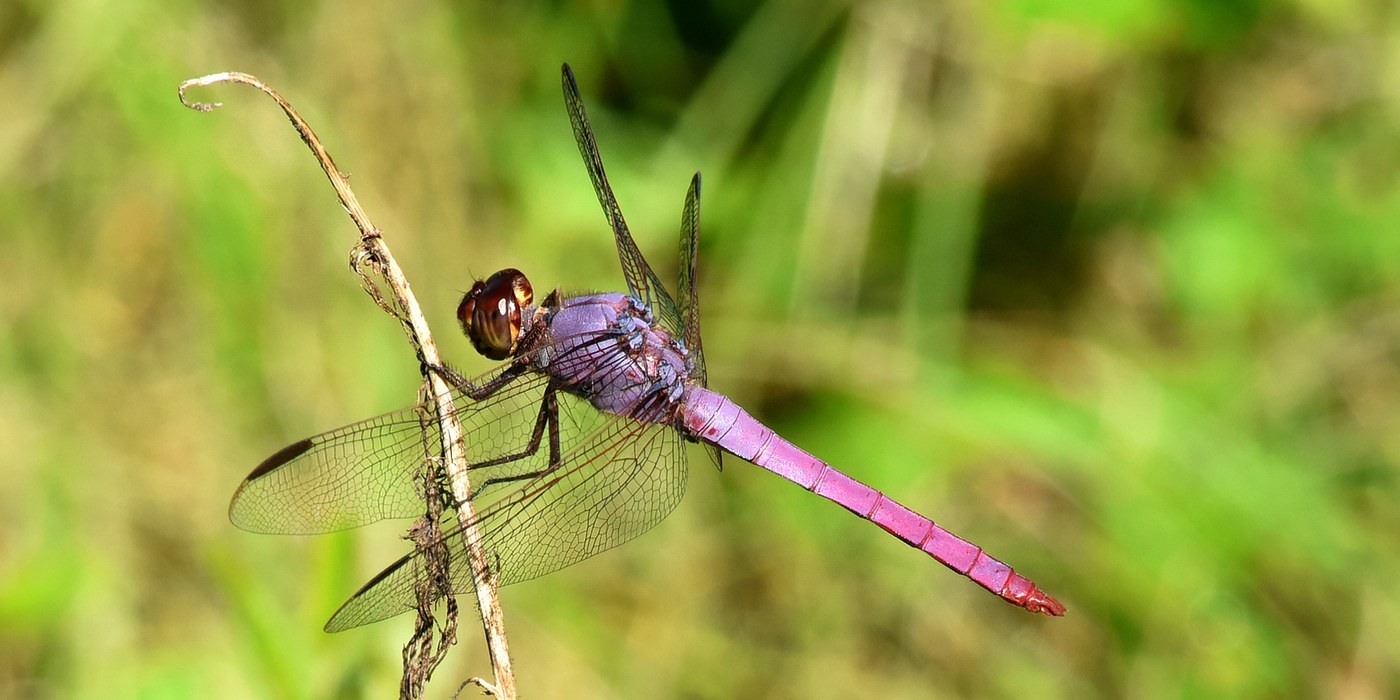
Roseate Skimmer
Ponds, ditches, and canals across the southern United States
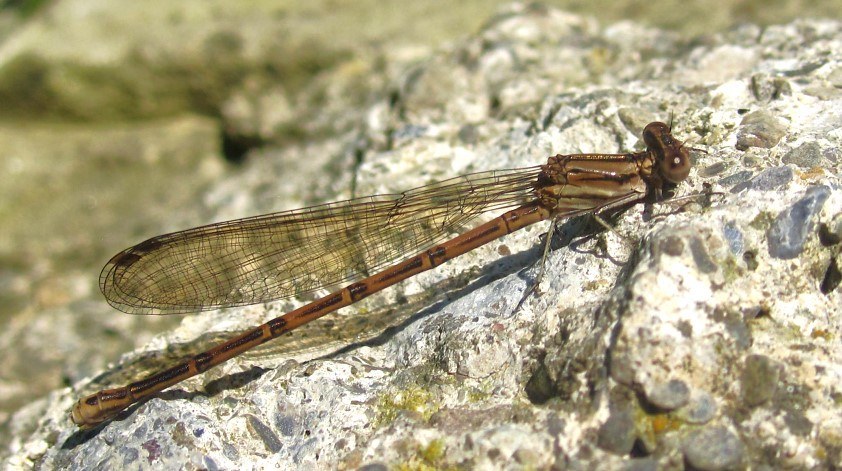
Variable Dancer
streams, rivers, and pond margins, especially in wooded or partly shaded settings
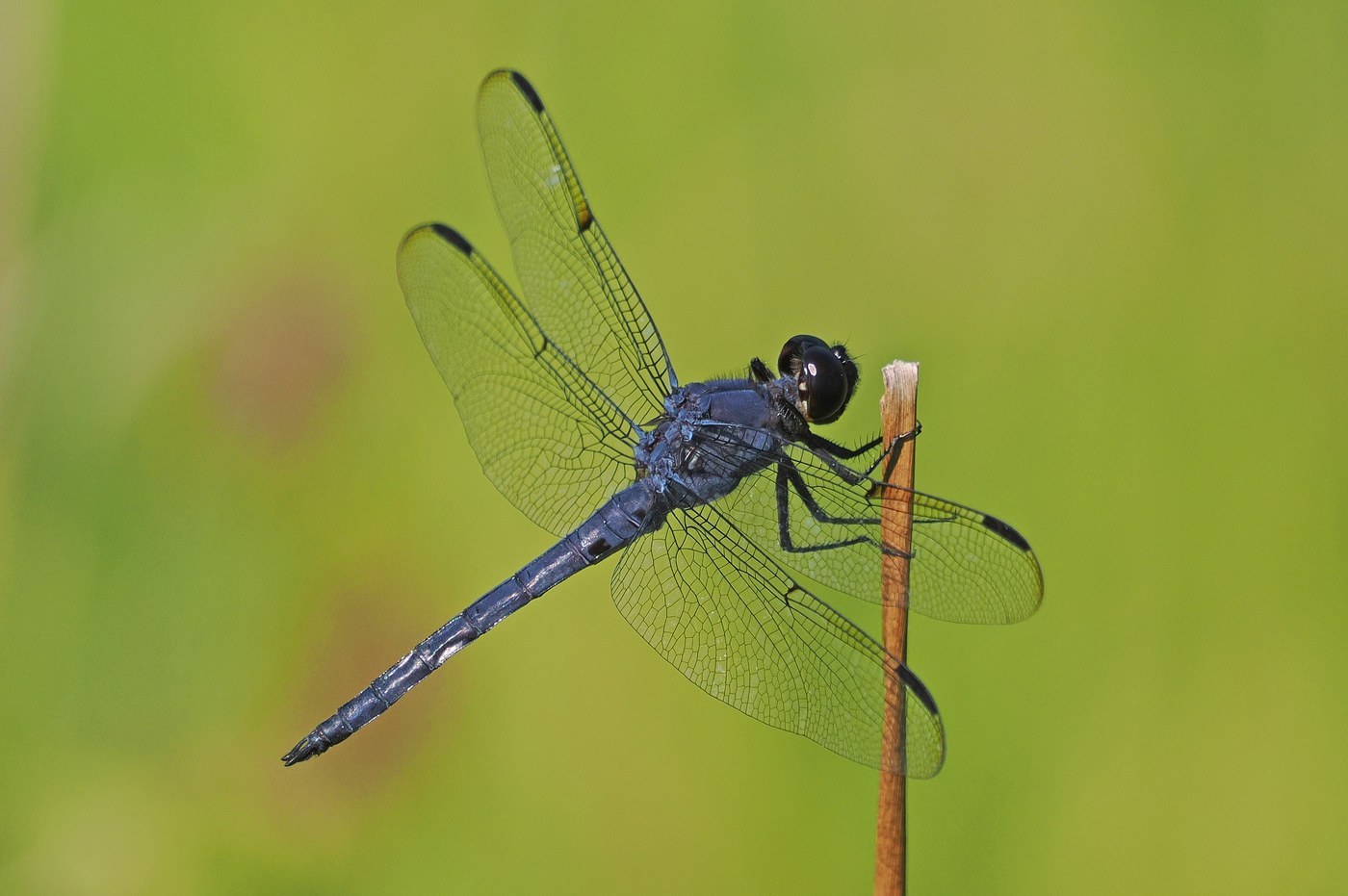
Slaty Skimmer
Still or slow-moving ponds, lakes, and marshes with open shoreline
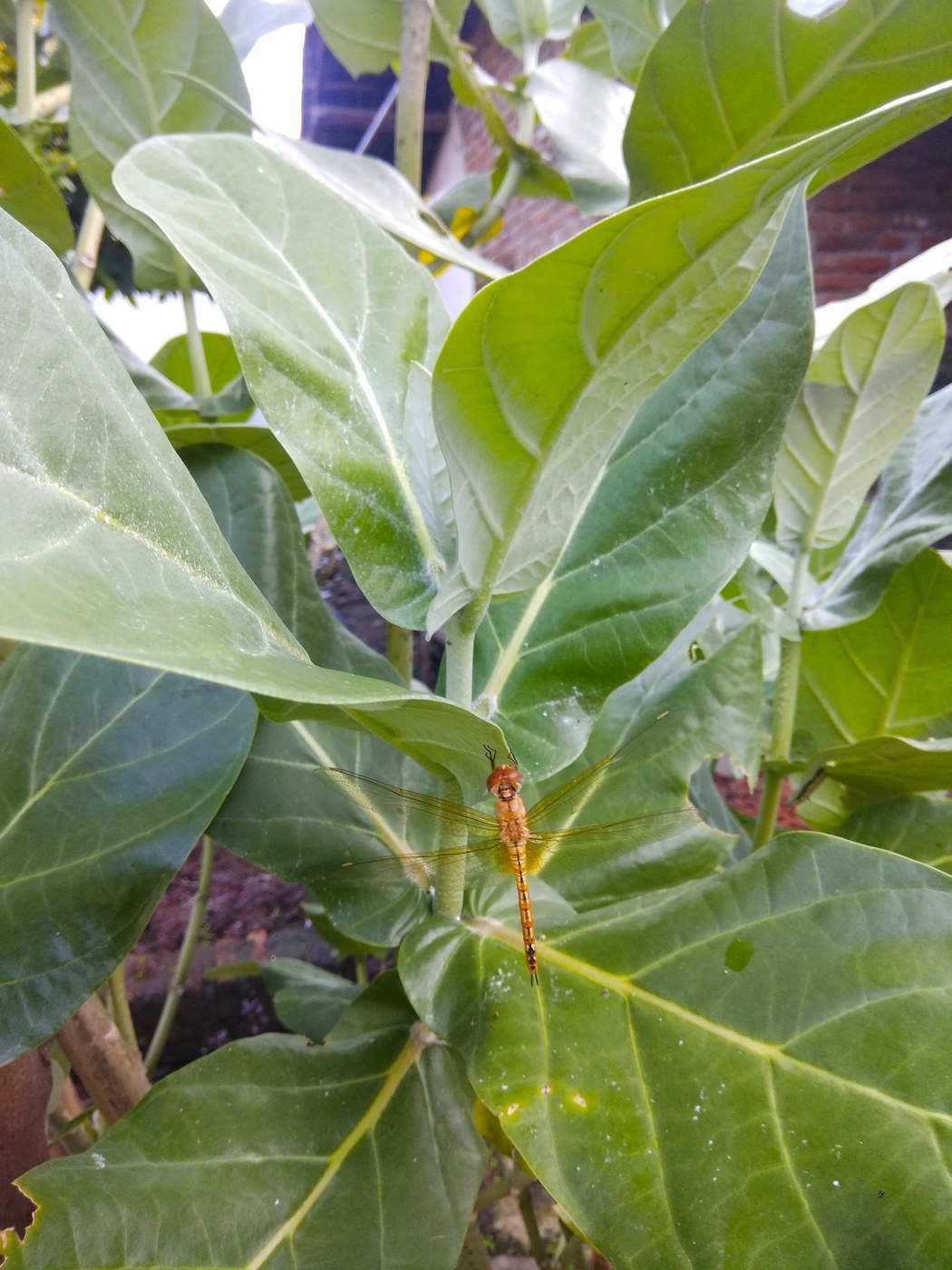
Wandering Glider
Temporary pools, open fields, and coastlines nearly worldwide
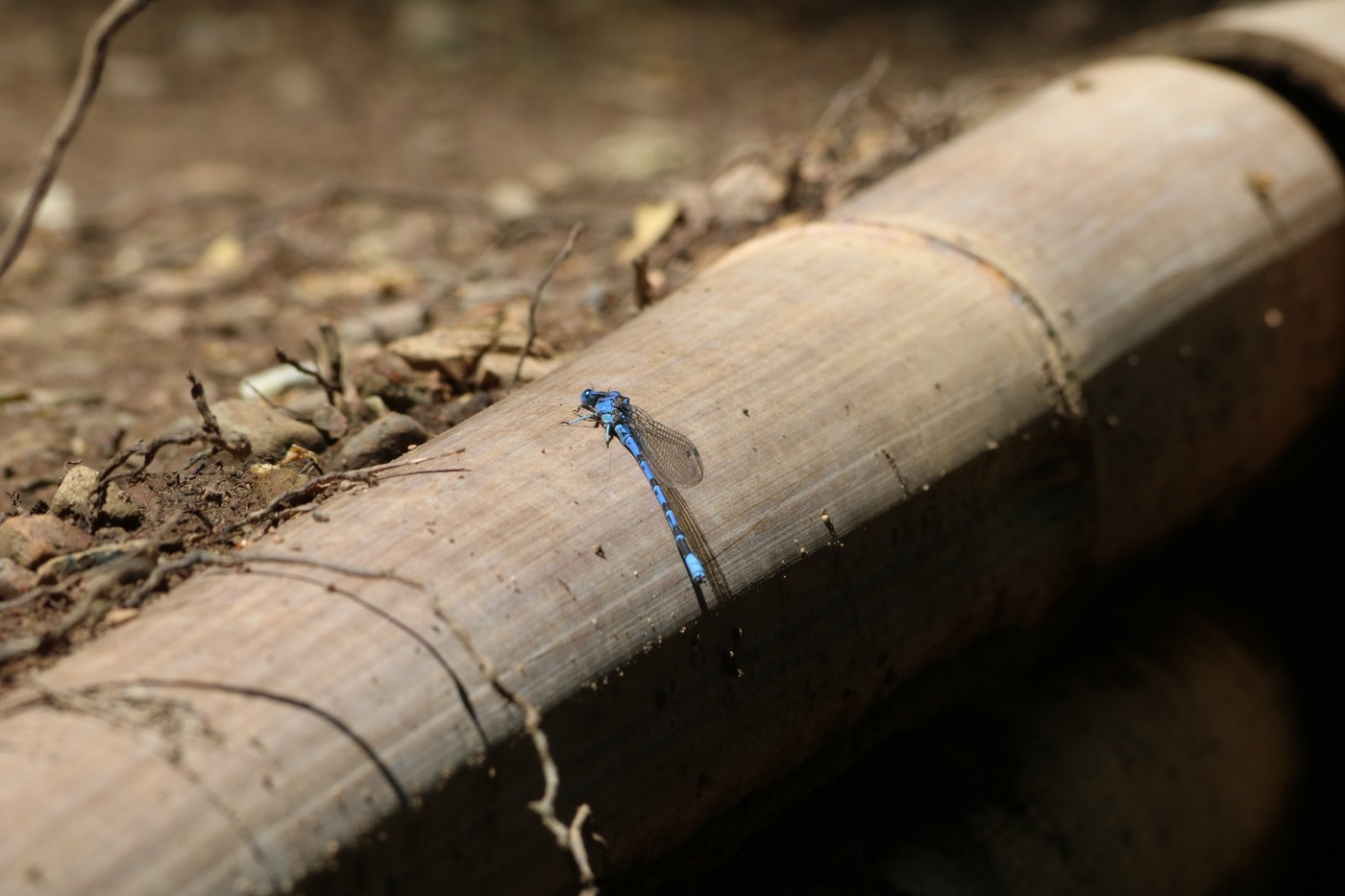
Vivid Dancer
rocky streams, seeps, and spring-fed creeks, often near thermal or warm springs
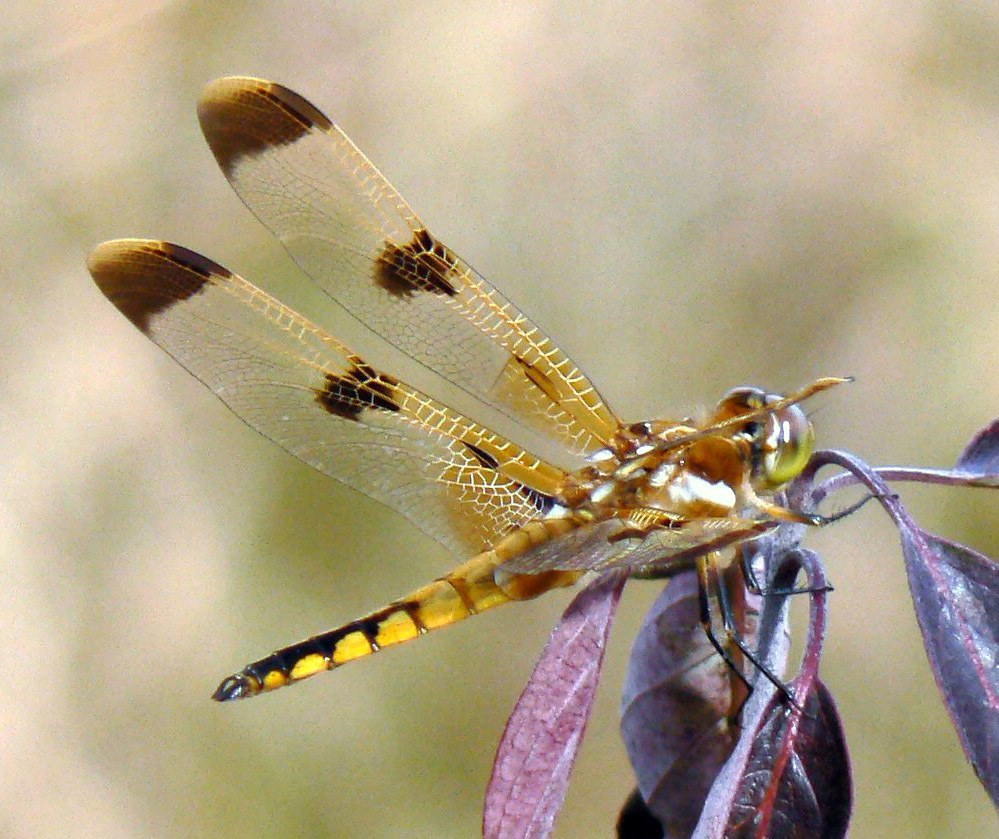
Painted Skimmer
Ponds, marshes, and slow-moving vegetated waters, including temporary pools
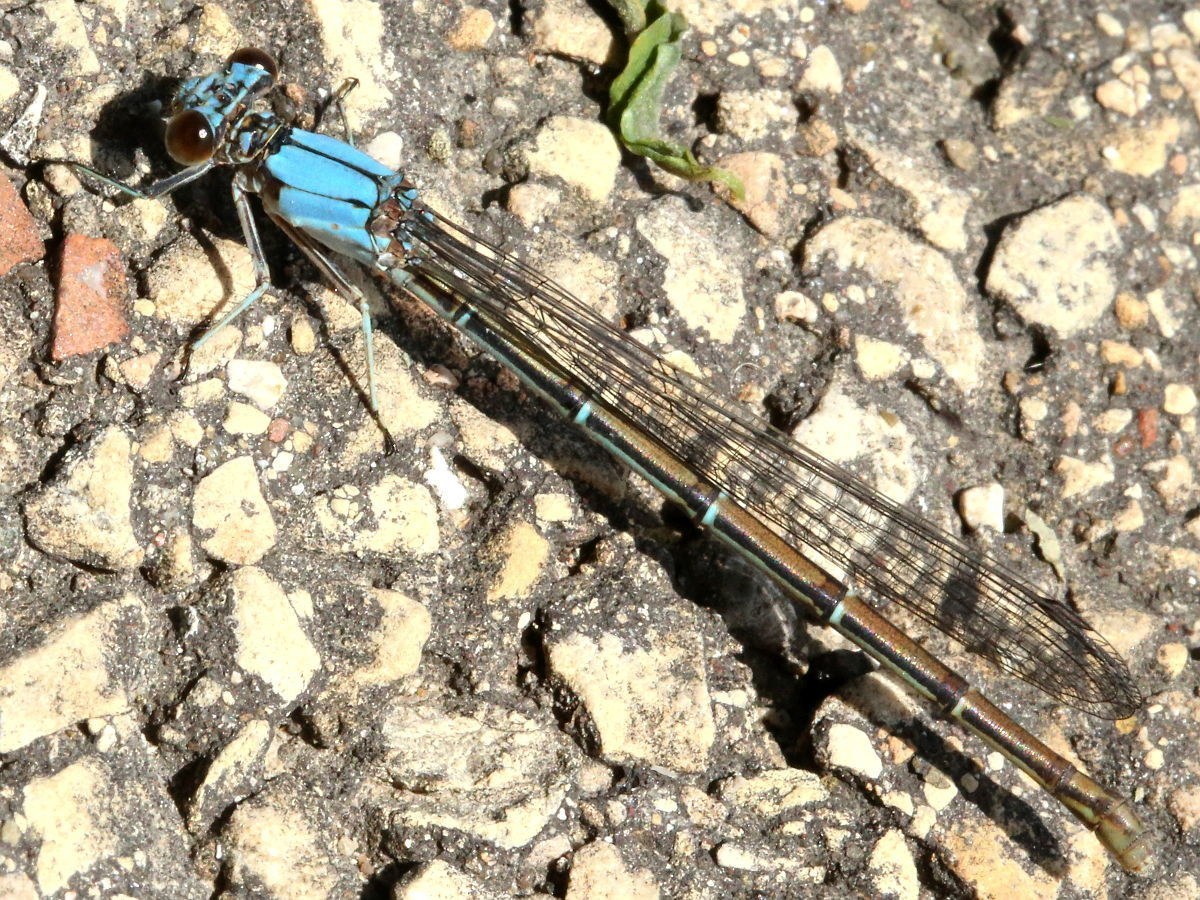
Powdered Dancer
rocky and gravelly rivers, streams, and lake shorelines