
Bot Fly
Cuterebra spp.
A stocky, bumblebee-mimicking fly whose adults never feed and live only long enough to mate and locate a rodent or rabbit burrow for their eggs. Despite their harmless, buzzing adult stage, bot flies are best known through the larvae that develop as internal parasites of small mammals.
- Size
- 12–22 mm, robust and bee-like
- Habitat
- Meadows, woodlands, and burrow areas of rodents and rabbits across North America
- Danger
- Nuisance pest
Spotted a bug like this?
Identify any bug or insect from a photo, free.
Overview
Bot flies in the genus Cuterebra are large, heavy-bodied flies native to the Americas that closely mimic bumblebees in size, color, and fuzzy texture, an appearance that likely helps deter predators. Unlike most flies, adults have vestigial, non-functional mouthparts and do not feed at all during their brief adult life, relying entirely on fat reserves stored during the larval stage.
Each Cuterebra species is typically tied to a specific group of rodents or rabbits as larval hosts, with adult females laying eggs near burrow entrances, on vegetation along travel routes, or directly on host fur. The genus is most diverse in North America, where dozens of species are recognized, each usually specializing on cottontail rabbits, squirrels, chipmunks, or various mice and voles.
Because the larvae develop inside a host animal, Cuterebra flies play a role as natural parasites of small-mammal populations, and their presence is studied by wildlife biologists as an indicator of host density and habitat connectivity rather than as an agricultural concern.
How to Identify
- Large, thick-bodied fly, often 15–20 mm long, with a rounded, hairy abdomen banded in black, yellow, or metallic blue depending on species
- Wings are broad and held flat or slightly spread at rest; overall silhouette strongly resembles a bumblebee or carpenter bee
- Head is disproportionately small with reduced, non-functional mouthparts
- Flight is fast and darting, typically seen near host burrows rather than at flowers, since adults do not visit blossoms for nectar
- Distinguished from true bees by two wings instead of four and by large compound eyes typical of flies
Habitat & Range
Adult bot flies are found in open meadows, brushy field edges, and woodland clearings across North and South America wherever their rodent or rabbit hosts occur. They are most active on warm days in late spring through summer, when females patrol burrow entrances and runways used by potential hosts. The larval stage occurs beneath the skin of the host animal itself, so its microhabitat is essentially the host's body during the warmer months of the year.
Behavior & Diet
Adult Cuterebra flies spend their short lives searching for mates and suitable oviposition sites rather than feeding, and their entire energy budget comes from reserves built up as larvae. Females lay clusters of eggs near burrow entrances or on vegetation that hosts are likely to brush against; the eggs hatch in response to the warmth and carbon dioxide of a passing animal, and the resulting larvae find their way onto the host and burrow beneath the skin to complete development. Within the ecosystem, Cuterebra species act as specialized parasites of small mammal populations, a relationship that has coevolved over a long period and generally does not threaten the survival of healthy host populations.
Life Cycle
Eggs are laid in batches near host trails or burrows and hatch quickly once triggered by a nearby host. First-stage larvae enter through natural openings or small wounds and migrate through host tissue to a final subcutaneous location, where they form a breathing pore and grow through several molts over three to six weeks. Once fully developed, the larva exits the host, drops to the ground, and burrows into soil or leaf litter to pupate, often overwintering as a pupa before adults emerge the following spring or summer to begin the cycle again.
Frequently asked questions
Do adult bot flies bite or sting?
No, adult bot flies have non-functional mouthparts and do not feed at all, so they cannot bite or sting anything.
Why do bot flies look like bumblebees?
Their dense hair and banded coloring are thought to be a form of mimicry that discourages birds and other predators from attacking them.
What animals do Cuterebra bot flies use as hosts?
Depending on the species, they typically parasitize cottontail rabbits, squirrels, chipmunks, or various mice and voles found in their range.
How long do bot fly larvae stay on a host?
Larvae usually develop under the skin for three to six weeks before dropping off to pupate in the soil.
Bot Fly guides
In-depth guides for identifying, understanding, and living alongside Bot Fly.
Bot Fly identified by the community
Real finds identified with Bug Identifier.
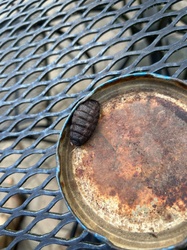
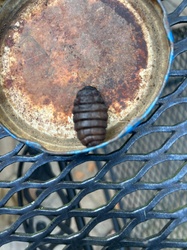
Other bugs you may enjoy
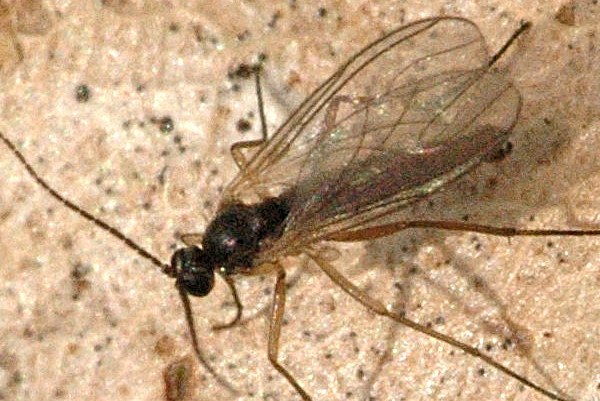
Aphid Midge
Gardens, greenhouses, and crops with aphids
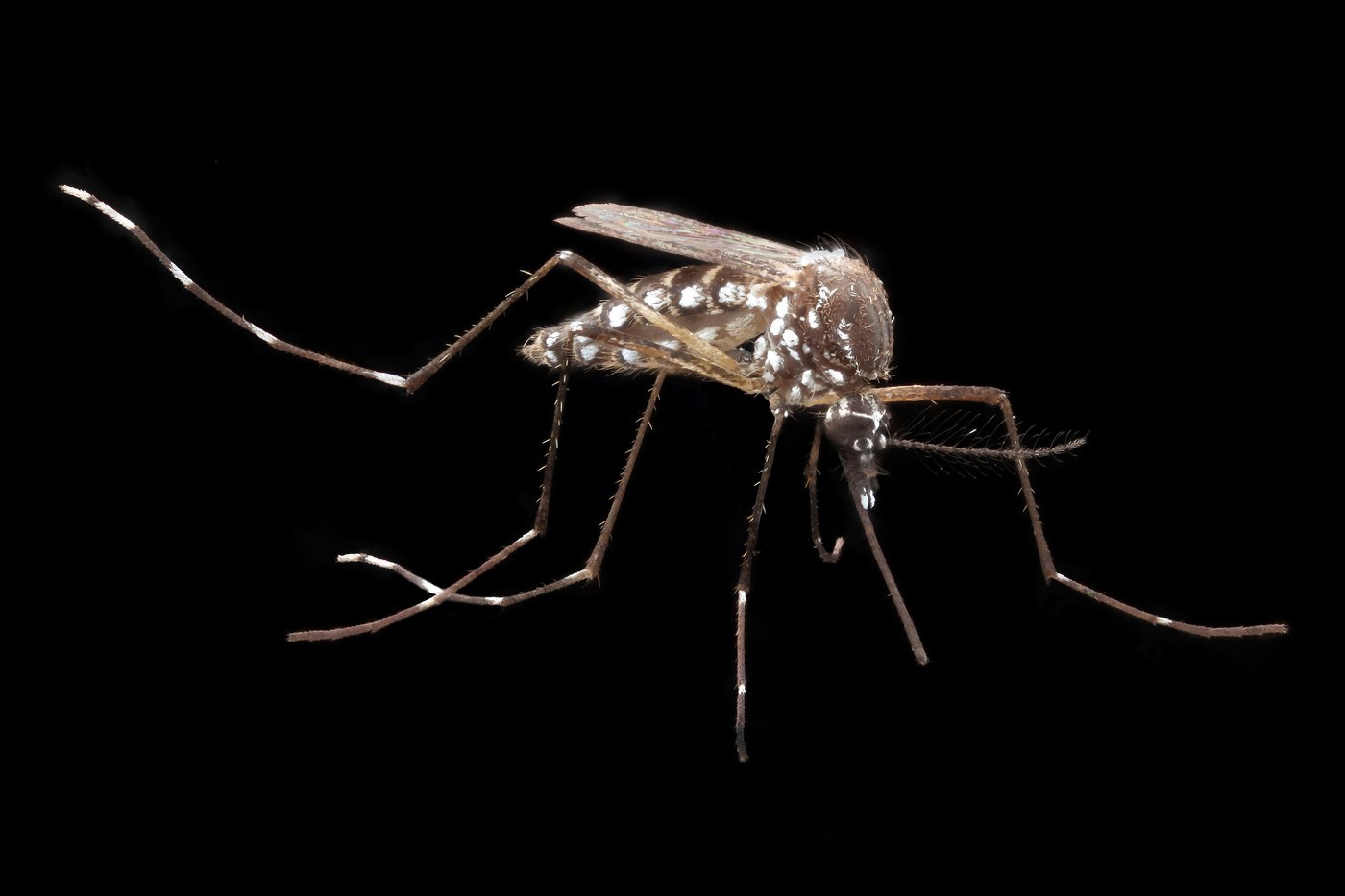
Yellow Fever Mosquito
Urban and peri-urban areas near small artificial water containers in tropical and subtropical regions worldwide
Root Maggot
Garden and field soil around the roots of cole crops and other vegetables
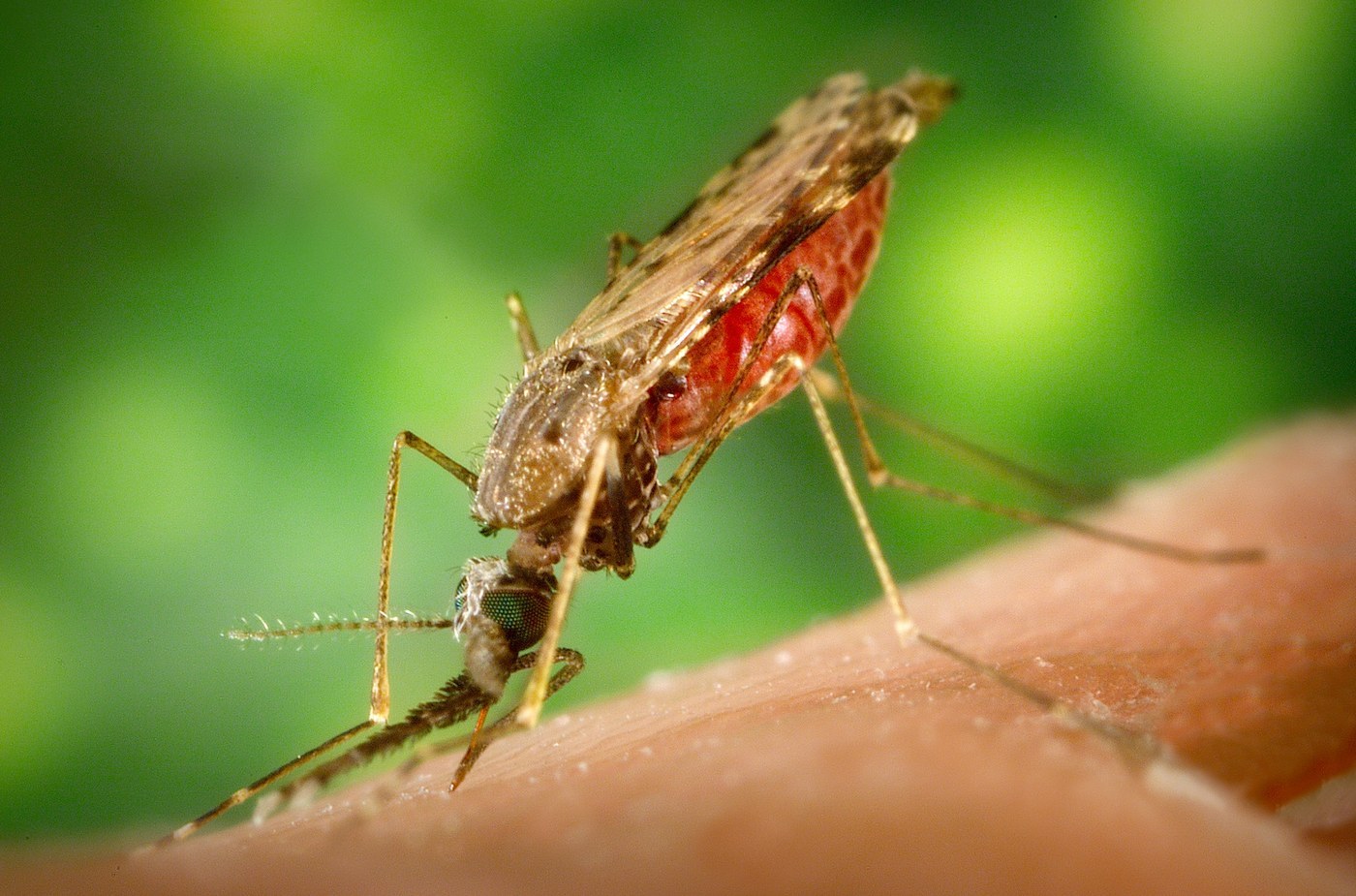
Anopheles Mosquito
Clean, still or slow-moving freshwater habitats such as marshes, ponds, and rice paddies
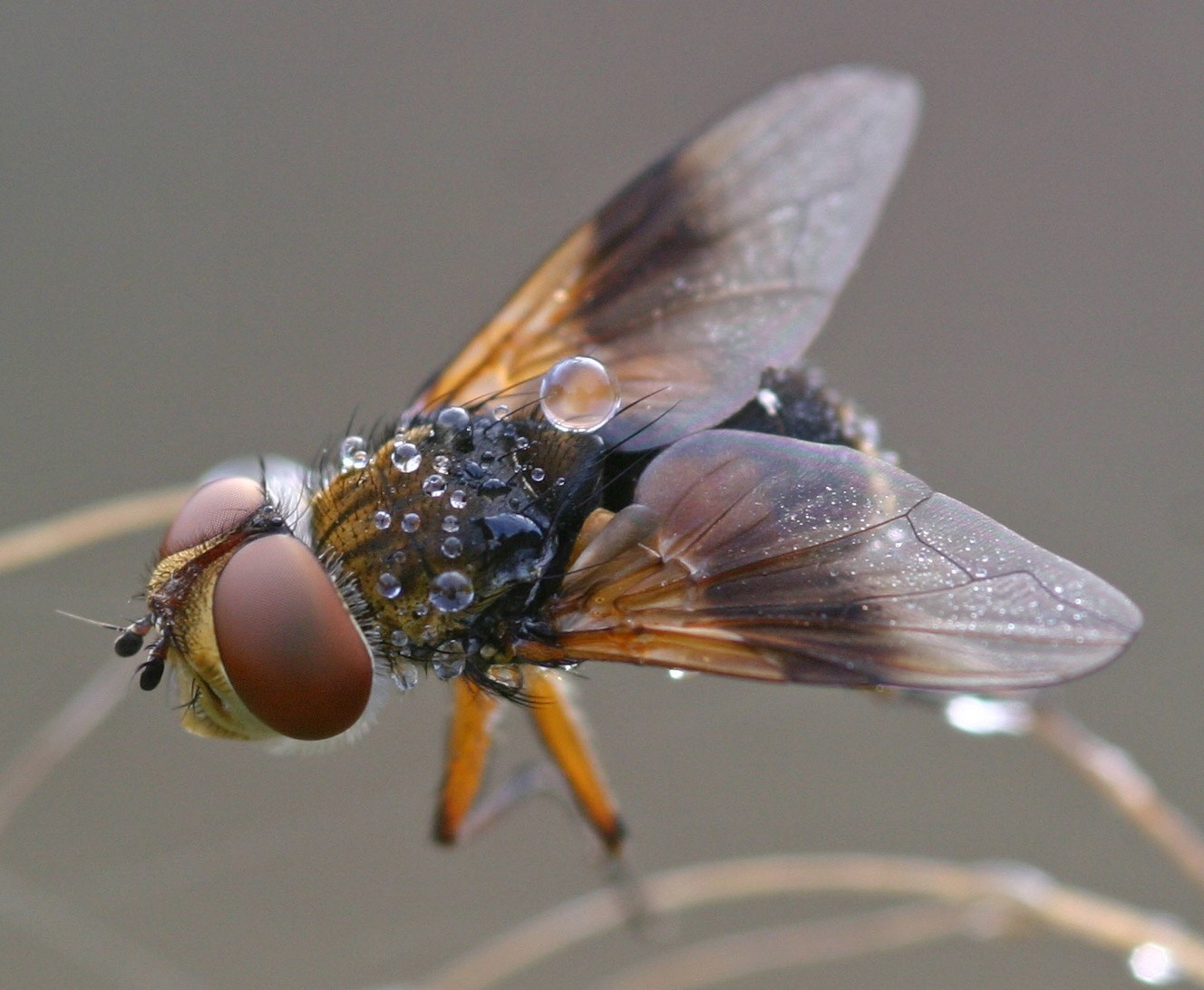
Tachinid Fly
Gardens, meadows, and woodlands wherever host caterpillars and other insects occur
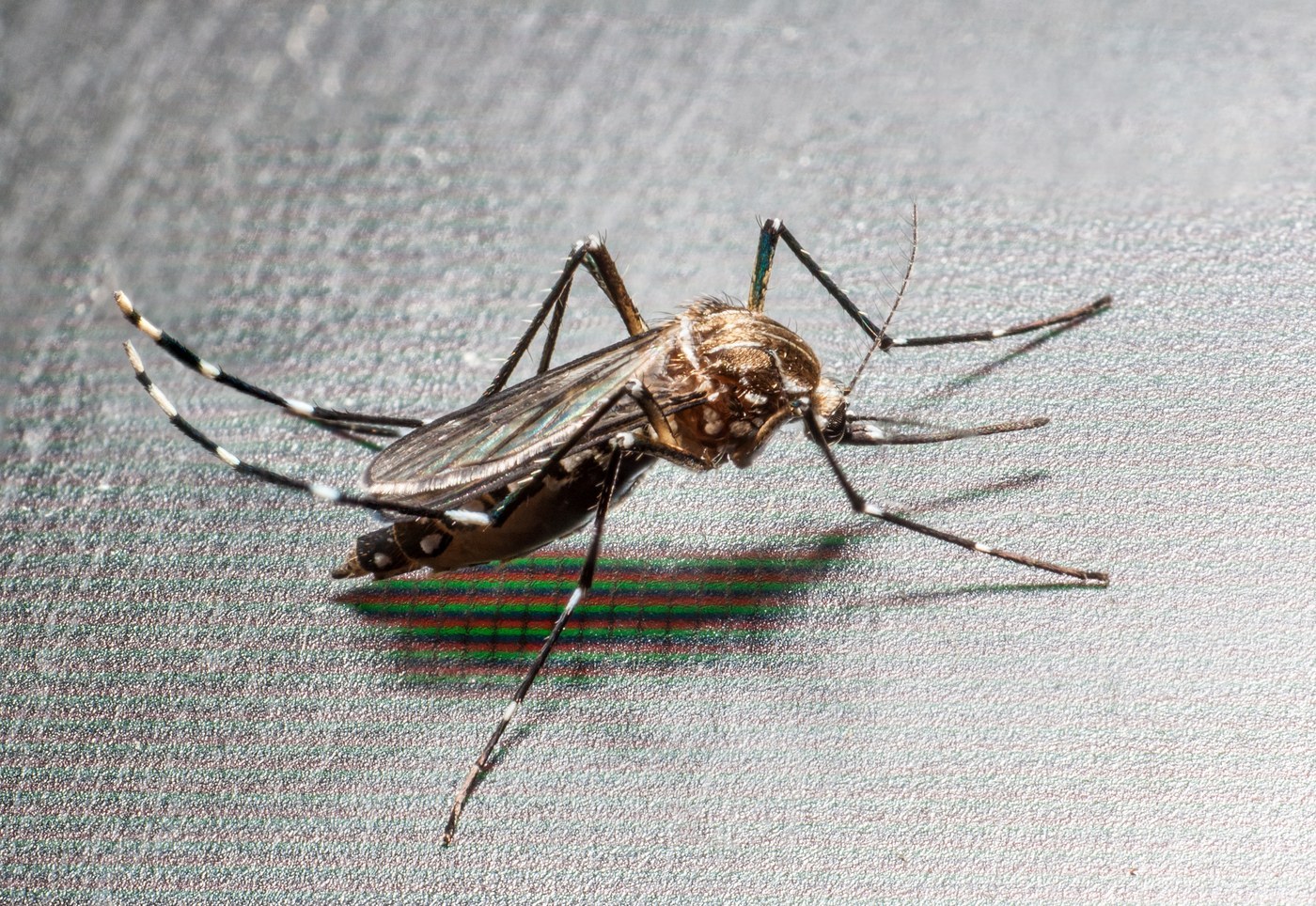
Asian Tiger Mosquito
Shaded urban and suburban areas near small water-holding containers, tires, and tree holes; native to Southeast Asia, now widespread
Tsetse Fly
Wooded savanna, riverine thickets, and forest edges across sub-Saharan Africa
Vinegar Fly
Around overripe fruit, compost, and fermenting materials worldwide
Yellow Dung Fly
Pastures and fields with fresh cattle dung
Screwworm Fly
Warm, humid lowlands of the Americas, especially near livestock and wildlife wounds
Soldier Fly
Wetland margins, decaying organic matter, and vegetation near water
Punkie
near marshes, mudflats, ponds, and other standing water