
Meadow Katydid
Conocephalus spp.
Small, slender, and beautifully camouflaged among grass blades, meadow katydids fill open fields and marsh edges with a soft, buzzy, insect-like ticking that blends into the summer evening background.
- Size
- 1.3–2 cm (0.5–0.8 in) long
- Habitat
- Grasses, sedges, and low vegetation in meadows and wetland margins
- Danger
- Harmless
Spotted a bug like this?
Identify any bug or insect from a photo, free.
Overview
Meadow katydids make up a diverse group of small, slender katydids in the genus Conocephalus, found in grasslands, sedge meadows, and wetland margins across much of North America and beyond. Unlike the large true katydids of the forest canopy, meadow katydids are small, delicate insects adapted to life among grasses and low herbaceous vegetation rather than trees or shrubs.
Several closely related species occur within this group, varying somewhat in size, wing length, and coloration, but sharing a generally slender green or brown body well suited to blending in with grass stems and blades. Many species show variation in wing length even within the same species, with some individuals fully winged and capable of longer flight while others have shortened wings.
Meadow katydids are an important, though often overlooked, component of grassland and wetland-edge insect communities, contributing to the soft, layered chorus of insect sounds heard in open fields on warm days and evenings, distinct from the louder calls of true katydids and tree crickets.
How to Identify
- Small, slender body, generally green or straw-brown to match grass and sedge vegetation.
- Long, thin antennae exceeding body length.
- Wing length variable, ranging from short (brachypterous) to fully developed depending on species and individual.
- Females have a straight, sword-like ovipositor used to insert eggs into plant stems.
- Legs relatively slender compared to larger grasshoppers, adapted for climbing among grass stems rather than powerful jumping.
- Distinguished from bush katydids by smaller size and strong association with grasses and sedges rather than shrubs.
Habitat & Range
Meadow katydids are found in a wide range of open, grassy habitats including hay meadows, old fields, prairie remnants, and the margins of marshes and wet meadows, occurring broadly across North America. Adults are typically active from summer through early fall, with activity often peaking in the warmer parts of the day and continuing into evening.
Behavior & Diet
Meadow katydids feed primarily on grasses, sedges, and other low vegetation, occasionally supplementing their diet with small insects or other organic material. Males produce soft, often high-pitched, buzzy or ticking calls to attract females, generally quieter and less far-reaching than the calls of larger katydid species. Their slender bodies and grass-green or straw coloration provide effective camouflage as they move and feed among grass stems, helping them avoid detection by birds and other predators that forage in open grassland habitats.
Life Cycle
Females use their sword-like ovipositor to insert eggs into grass stems or plant tissue in late summer and fall, and the eggs overwinter before hatching the following spring or early summer. Nymphs develop through incomplete metamorphosis over several instars during the growing season, resembling smaller, wingless versions of the adult, before maturing into winged or short-winged adults by mid to late summer. Typically one generation occurs per year, though some species may produce more than one generation in warmer regions.
Frequently asked questions
What is a meadow katydid?
It is a small, slender katydid in the genus Conocephalus that lives among grasses and sedges in meadows and wetland margins, distinct from larger tree-dwelling katydids.
How can you tell a meadow katydid from a grasshopper?
Meadow katydids have long, thread-like antennae longer than the body, while grasshoppers have short, stout antennae.
Where do meadow katydids live?
They inhabit grassy meadows, old fields, prairies, and the edges of marshes and wet meadows across much of North America.
What do meadow katydids eat?
They feed primarily on grasses and sedges, occasionally supplementing their diet with small insects.
Meadow Katydid guides
In-depth guides for identifying, understanding, and living alongside Meadow Katydid.
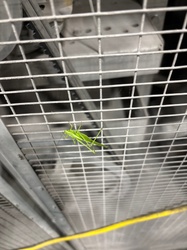
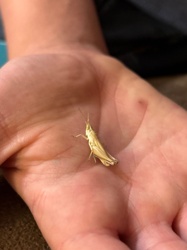
Meadow Katydid identified by the community
Real finds identified with Bug Identifier.
Other bugs you may enjoy
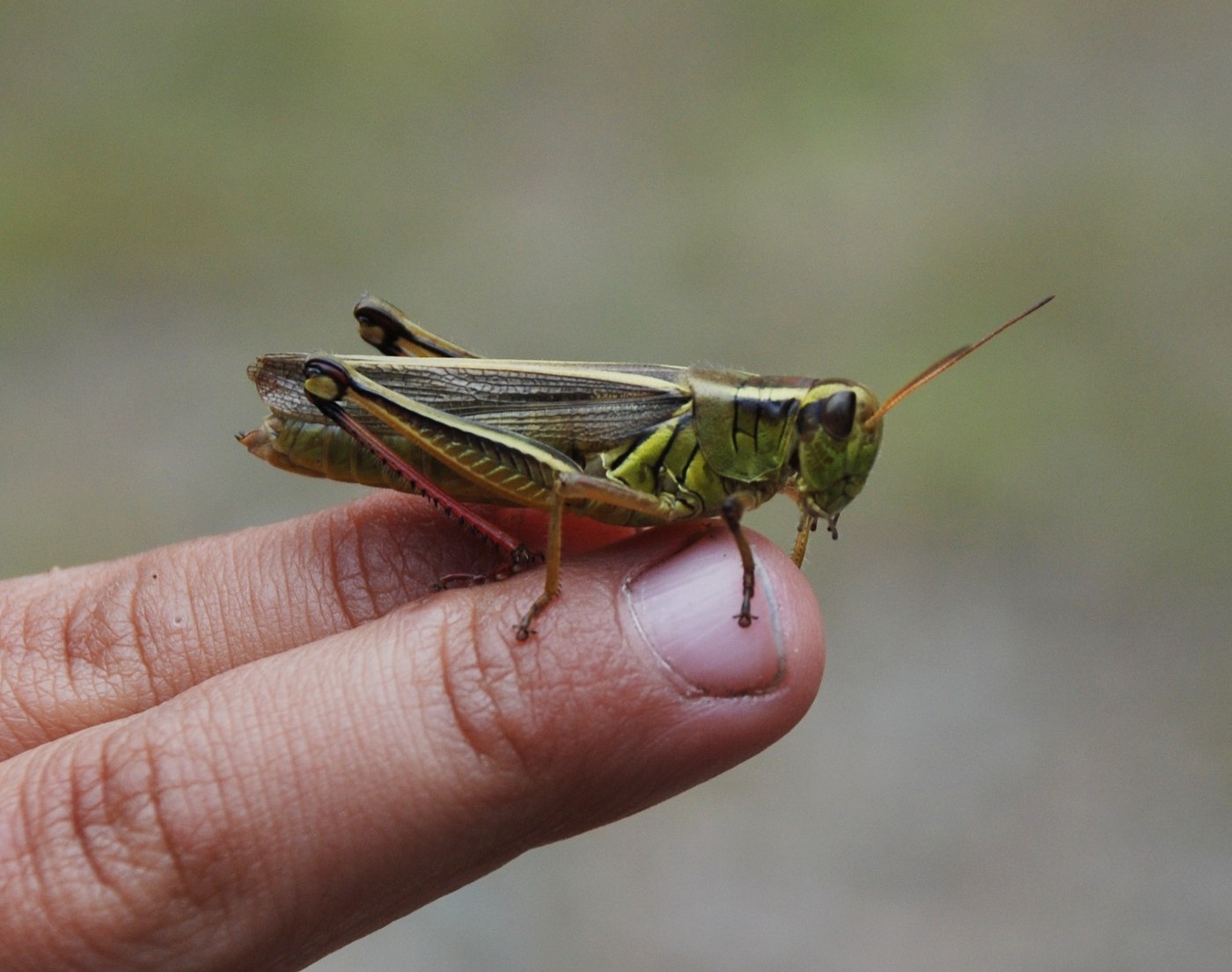
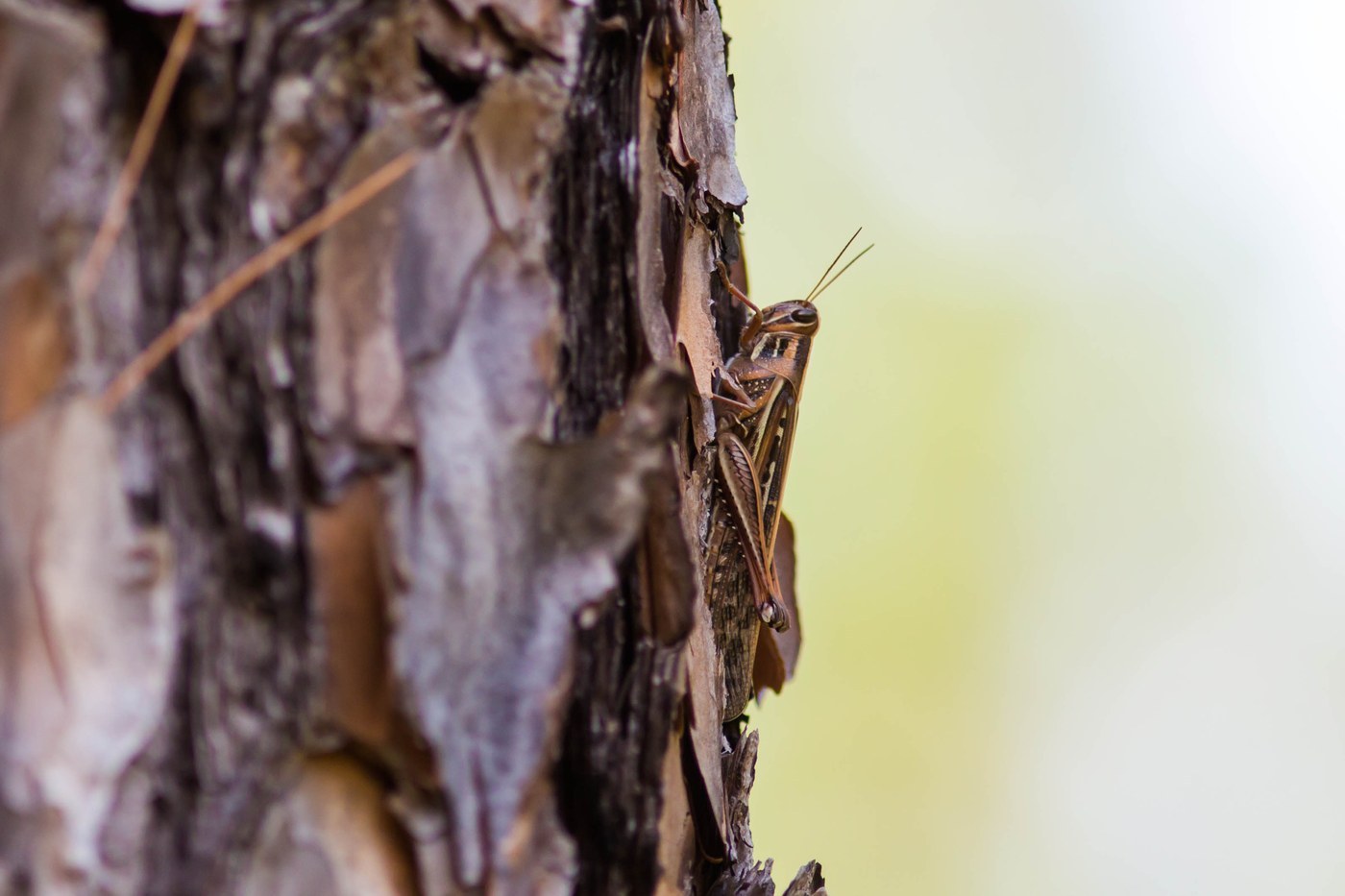
Two-striped Grasshopper
Meadows, pastures, riverbanks, and agricultural fields across North America
American Grasshopper
Woodland edges, citrus groves, gardens, and open fields across the southern and southeastern United States
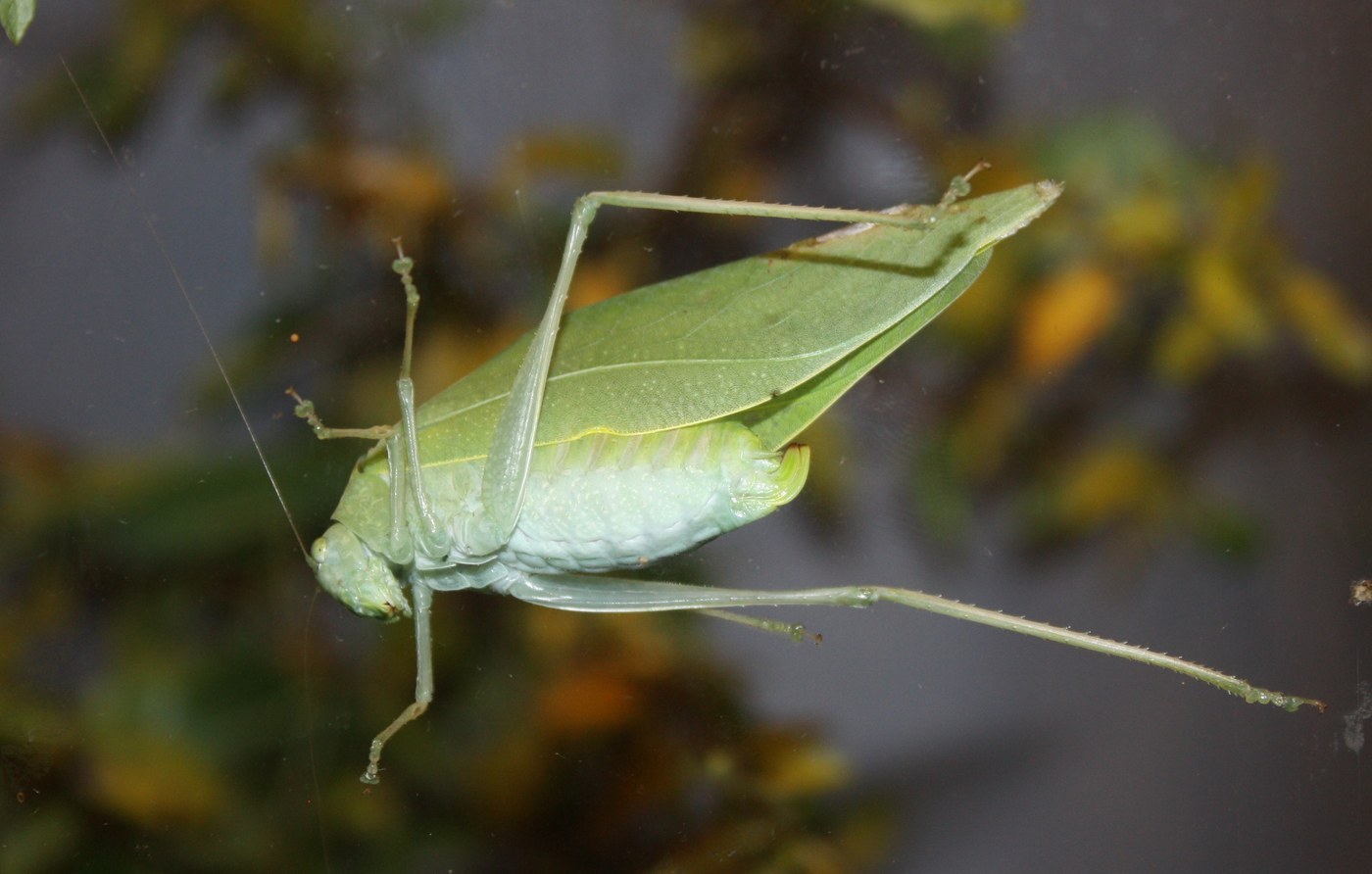
Angular-winged Katydid
deciduous trees, shrubs, and hedgerows across eastern and central North America
Spur-throated Grasshopper
grasslands, meadows, croplands, and roadsides across North America
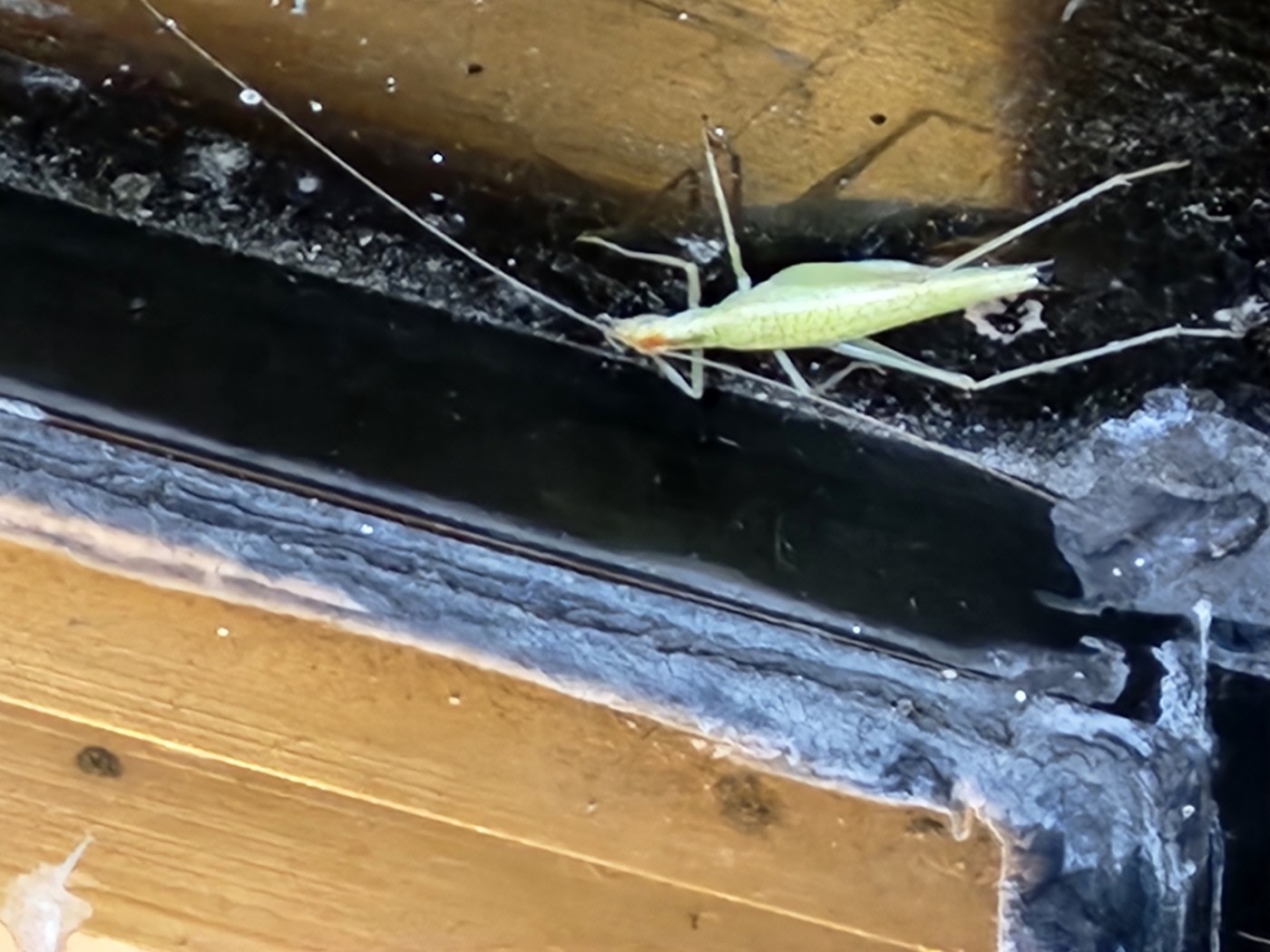
Snowy Tree Cricket
Shrubs, trees, and tall vegetation across North America
Rocky Mountain Locust
historically open grasslands and river valleys of the Rocky Mountains and Great Plains (now believed extinct)
Spotted Camel Cricket
damp caves, crawl spaces, basements, leaf litter, and rotting logs in eastern North America
Pygmy Grasshopper
damp soil, mud, and low vegetation near ponds, streams, and marshes
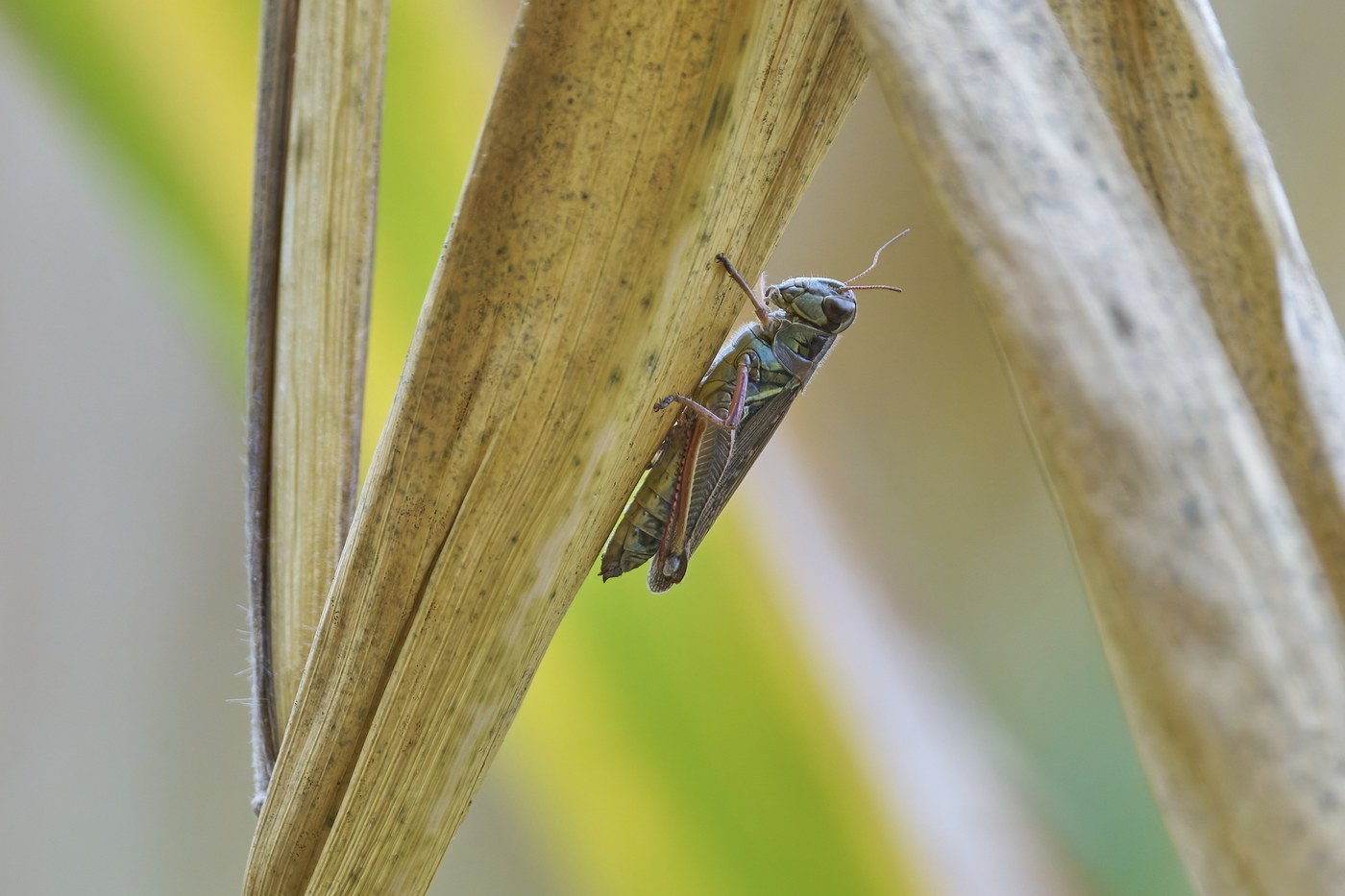
Red-legged Grasshopper
Meadows, pastures, field edges, and gardens across North America
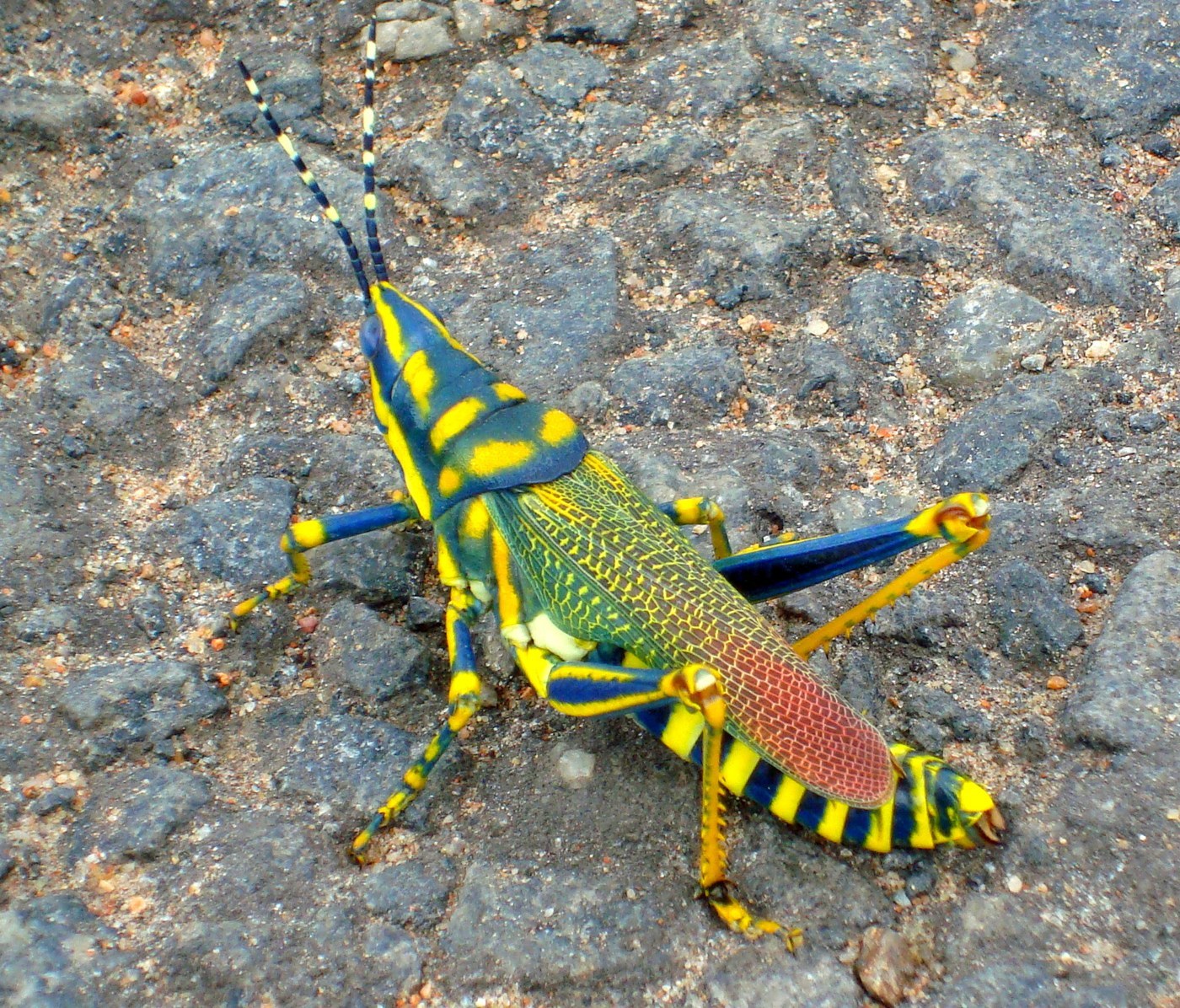
Painted Grasshopper
arid scrub, wastelands, and gardens of the Indian subcontinent, especially near milkweed plants
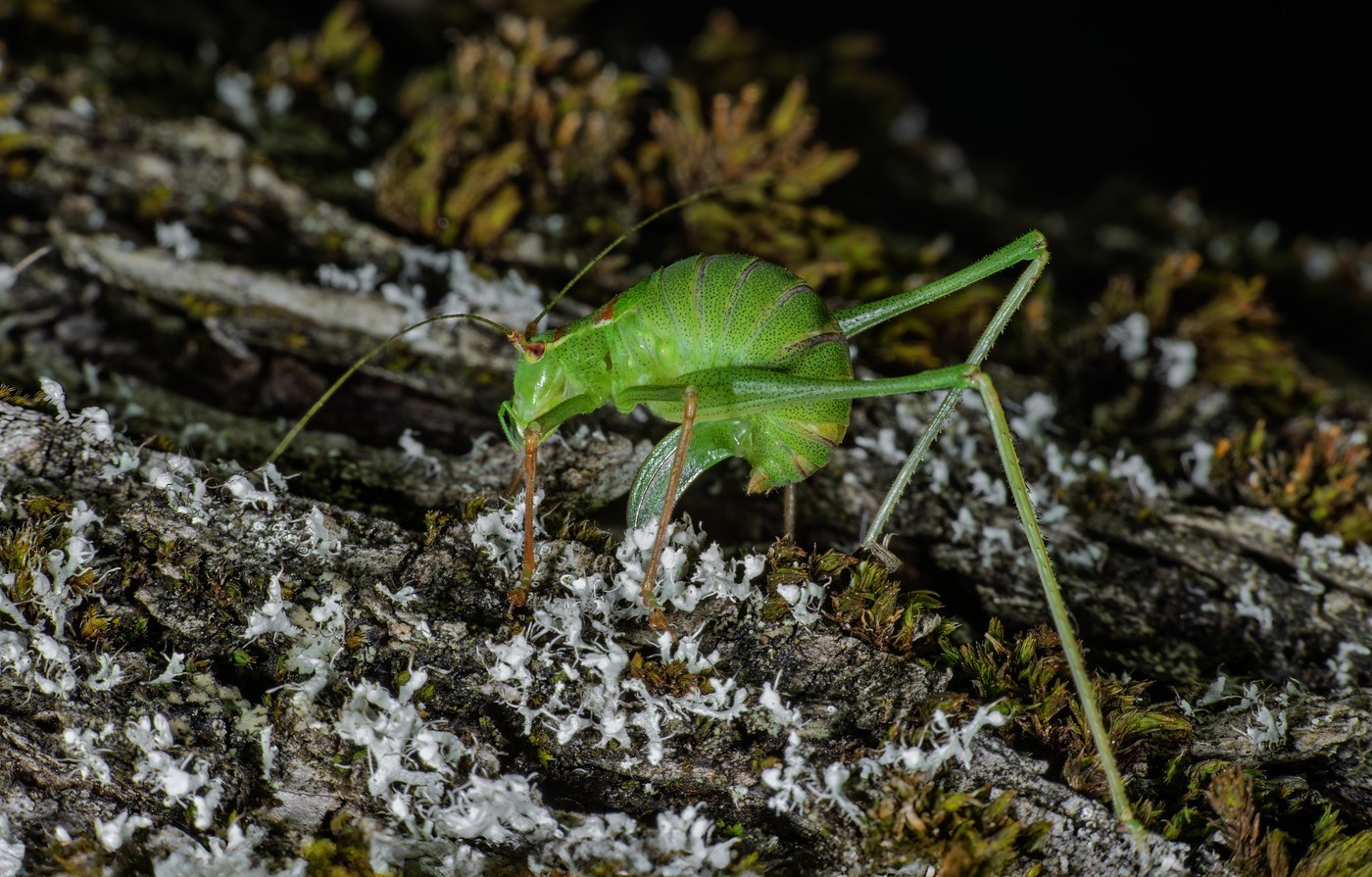
Speckled Bush Cricket
Brambles, hedgerows, nettles, and shrubby vegetation
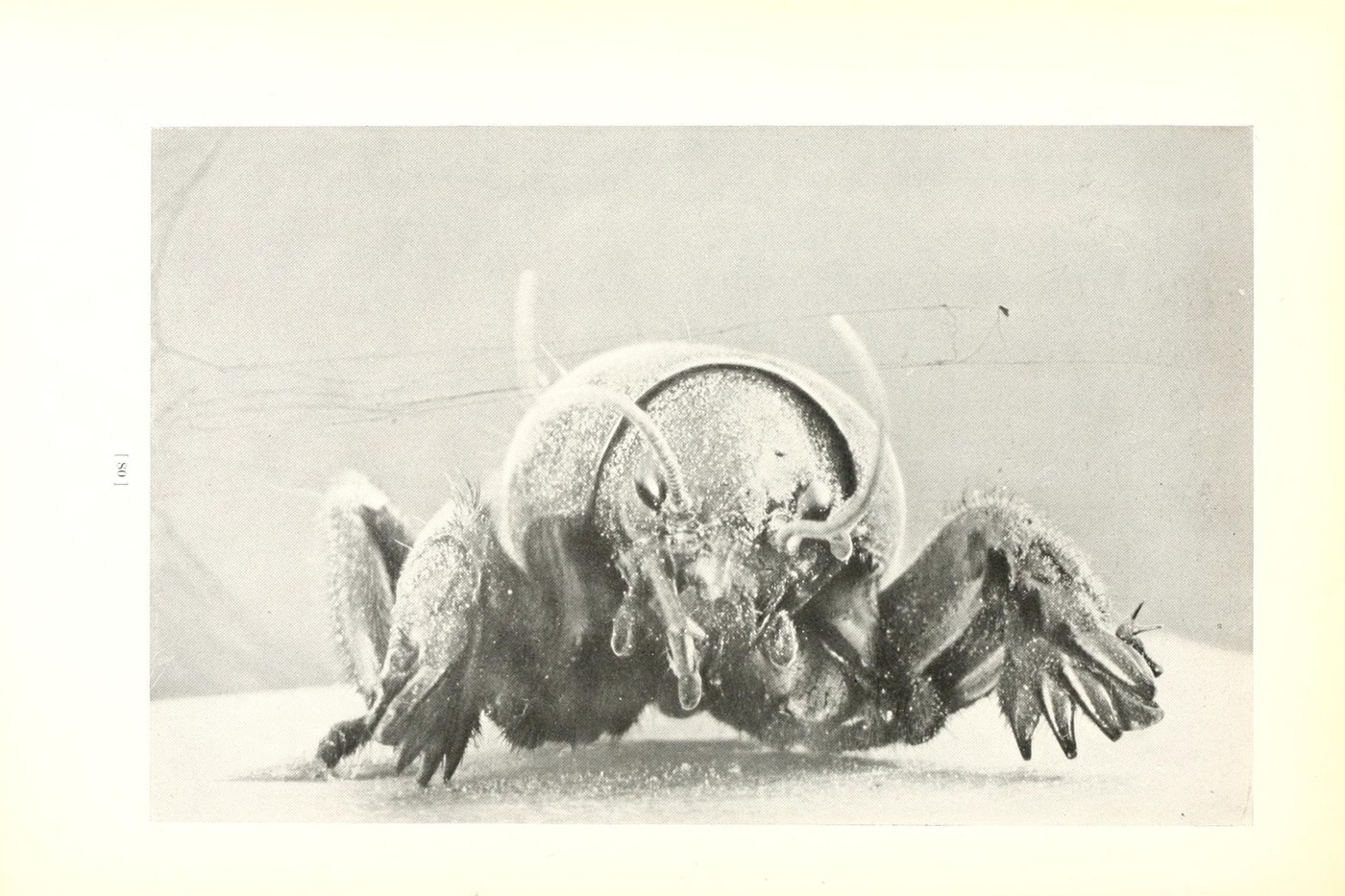
Northern Mole Cricket
wet soil, pond margins, and marshy ground across eastern and central North America