
Drywood Termite
Incisitermes spp.
A termite that lives entirely within the dry wood it feeds on, needing no soil contact at all, and revealing itself mainly through small piles of pellet-like frass pushed from tiny exit holes.
- Size
- Workers/soldiers about 0.4-0.5 in (10-13 mm); swarmers similar
- Habitat
- Sound, dry wood; warm coastal and southern regions
- Danger
- Nuisance pest
Spotted a bug like this?
Identify any bug or insect from a photo, free.
Overview
Drywood termites, most commonly represented in North America by species in the genus Incisitermes, are termites that establish their entire colony inside a single piece of sound, dry wood rather than maintaining contact with soil moisture as subterranean termites do. This lifestyle allows drywood termites to infest structural lumber, furniture, and dead wood in dry conditions, and it distinguishes them ecologically and behaviorally from ground-nesting subterranean species.
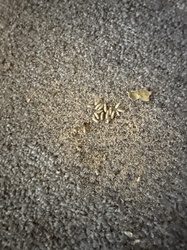
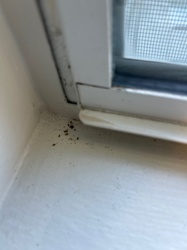
Because colonies are self-contained within wood and relatively small compared to subterranean termite colonies, drywood termite infestations are often first noticed through small kick-out holes in wood surfaces and characteristic piles of hard, six-sided fecal pellets that the insects push out of their galleries.
How to Identify
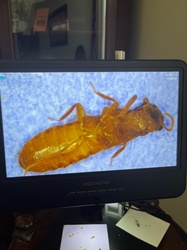
- Workers and soldiers are pale tan to light brown, roughly 0.4 to 0.5 inch (10-13 mm) long, without wings
- Soldiers have a large, dark, rectangular head with pronounced mandibles used to block gallery entrances against intruders
- Winged reproductives (swarmers) are brown with two pairs of equal-length, smoky or clear wings
- Straight, bead-like antennae and a broad-waisted body distinguish termites from ants
- A key sign of drywood termites is the presence of small, hard, ridged, six-sided fecal pellets (frass) that accumulate below tiny kick-out holes in infested wood, unlike the mud tubes built by subterranean termites
- No mud shelter tubes are built, since this group does not require soil contact
Habitat & Range
Drywood termites live inside sound, dry wood such as structural framing, furniture, dead tree limbs, and utility poles, without needing a connection to soil moisture. They are found primarily in warm coastal and southern regions, including the southern United States, California, Hawaii, and many tropical and subtropical areas worldwide, since their survival depends on climates warm enough that wood does not freeze. Colonies remain hidden within wood year-round, with swarming flights of new reproductives typically occurring during warm months, often in the evening or at dusk.
Behavior & Diet
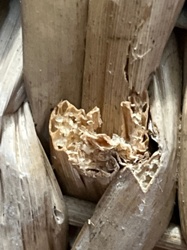
This group feeds directly on the wood in which it lives, digesting cellulose with the aid of symbiotic gut microorganisms, and does not forage outside the wood or maintain the extensive tunnel networks typical of subterranean termites. A single piece of infested wood can house a self-sufficient colony for years, with the insects excavating galleries across the grain and periodically pushing pellet-shaped frass out through small kick-out holes to keep their galleries clean. Because they do not need soil contact, drywood termites can infest elevated structural wood, furniture, and picture frames far from the ground. In natural settings, drywood termites contribute to the breakdown of dead wood and standing dead trees, functioning as decomposers, even though their presence in structural or worked wood is considered a nuisance pest issue.
Life Cycle
A mated pair of winged reproductives lands after a swarming flight, sheds its wings, and bores into a small crack or crevice in dry wood to start a new colony. The pair raises an initial brood of nymphs that develop gradually through incomplete metamorphosis into workers, soldiers, or future reproductives as the colony's needs dictate. Because the colony is entirely enclosed within the wood and colonies tend to be smaller than those of subterranean termites, growth is slower, often taking several years before a colony is mature enough to produce its own winged swarmers. Established colonies can persist for many years within a single timber, periodically releasing swarms during suitable warm-season conditions to found new colonies elsewhere.
Frequently asked questions
How can I tell drywood termite activity from subterranean termite activity?
Drywood termites leave small piles of hard, ridged, six-sided pellets beneath tiny kick-out holes in wood and build no mud tubes, whereas subterranean termites construct earthen shelter tubes connecting soil to wood.
Do drywood termites need contact with soil?
No, they live entirely within the wood they infest and do not require soil moisture, which allows them to infest elevated wood such as furniture and roof framing.
Where are drywood termites most commonly found?
They are most established in warm coastal and southern regions, including parts of the southern United States, California, and Hawaii, as well as many tropical and subtropical areas worldwide.
How big are drywood termite colonies compared to subterranean termite colonies?
Drywood termite colonies are generally much smaller, often numbering in the thousands rather than the hundreds of thousands typical of large subterranean termite colonies.
Drywood Termite guides
In-depth guides for identifying, understanding, and living alongside Drywood Termite.
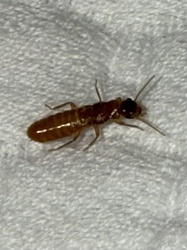
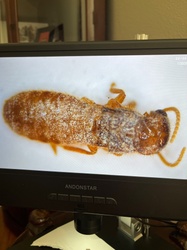
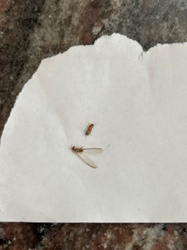
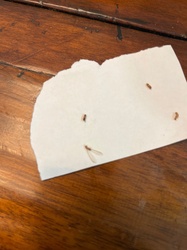
Drywood Termite identified by the community
Real finds identified with Bug Identifier.
Other bugs you may enjoy
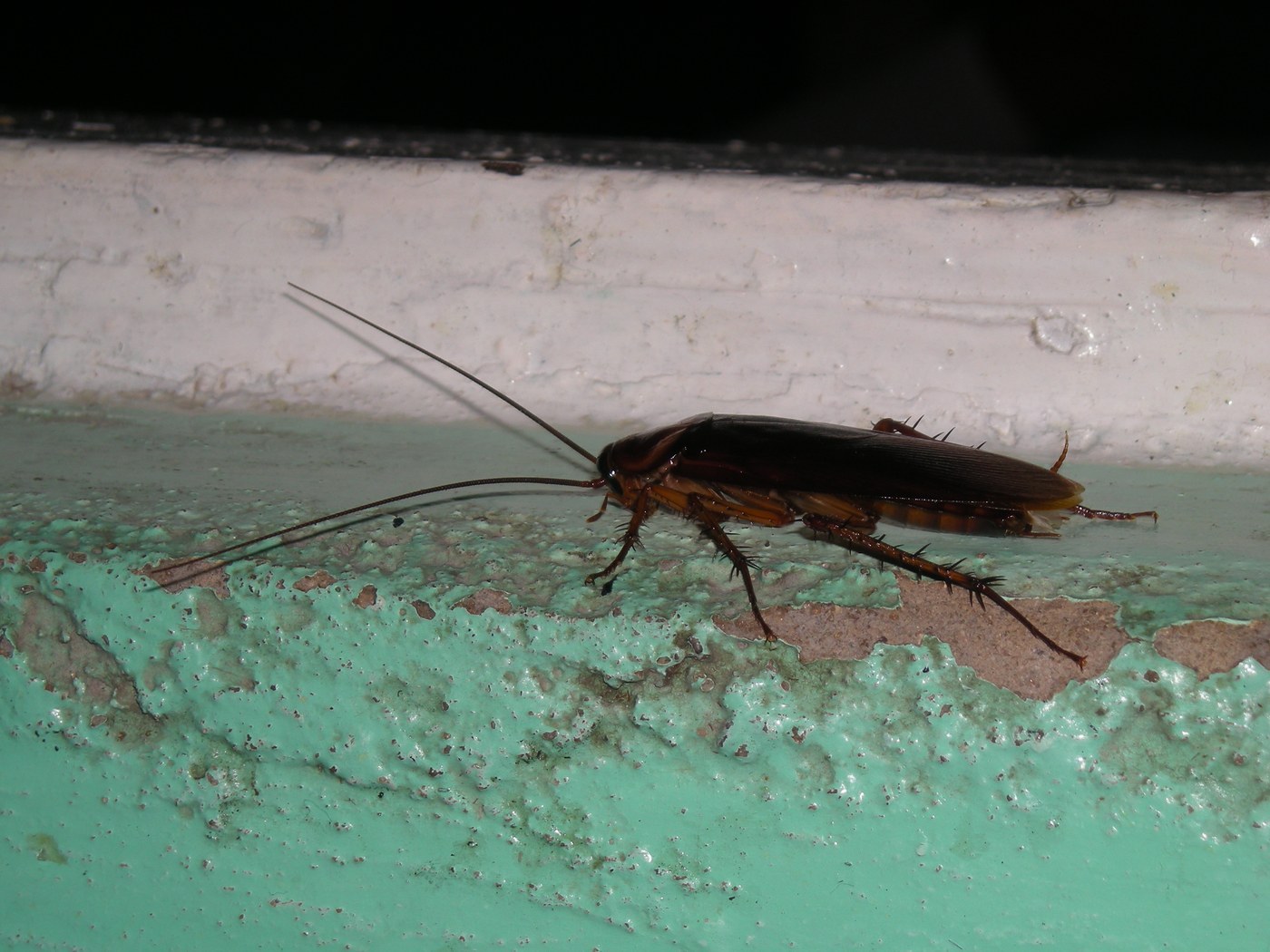
American Cockroach
Warm, humid environments such as basements, sewers, drains, and tropical outdoor settings
Thrips
Flowers, foliage, gardens, greenhouses, crop fields
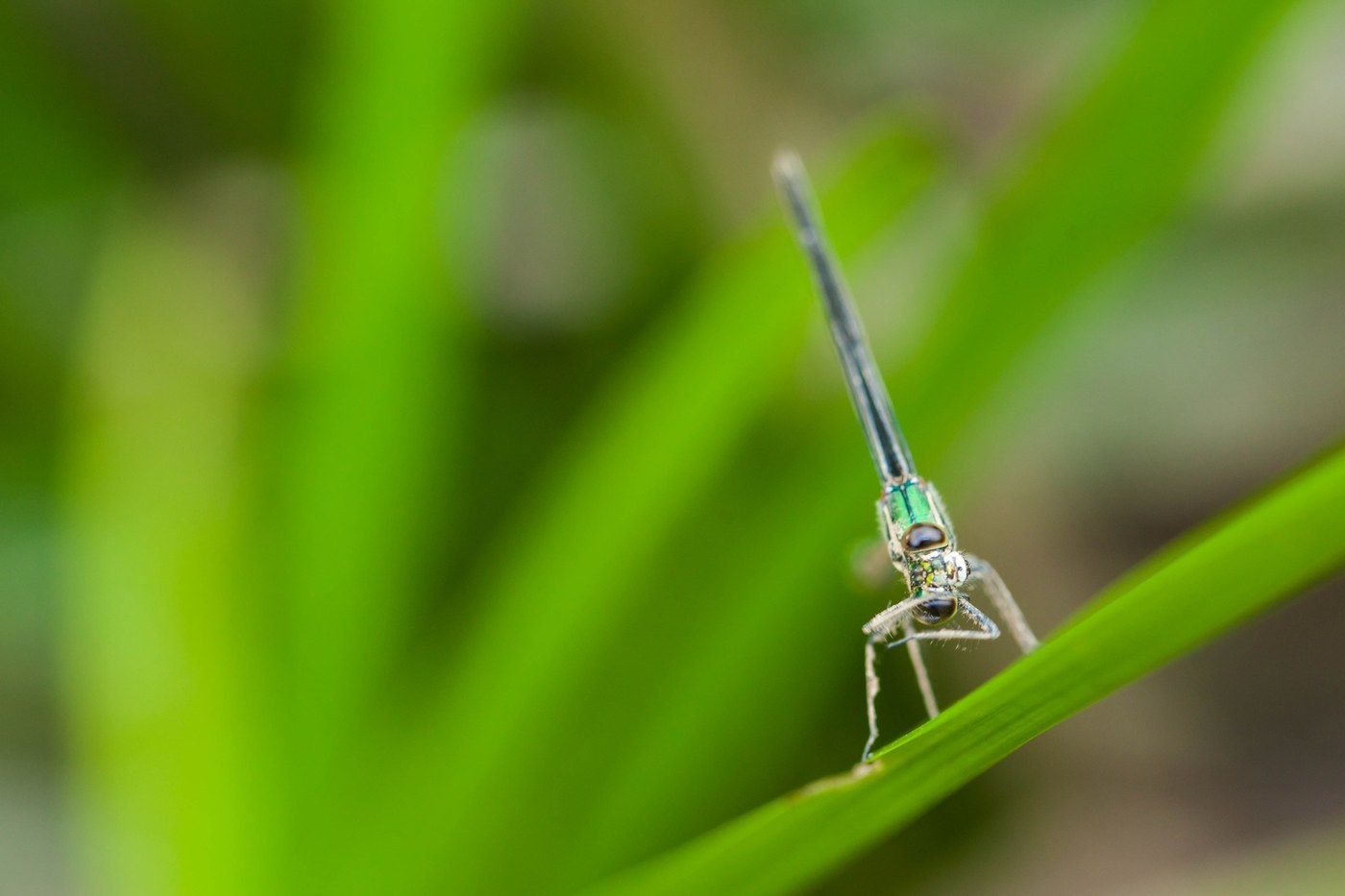
American Rubyspot
Sunny rivers and streams with moderate current
Springtail
Moist soil, leaf litter, decaying organic matter, and damp indoor areas
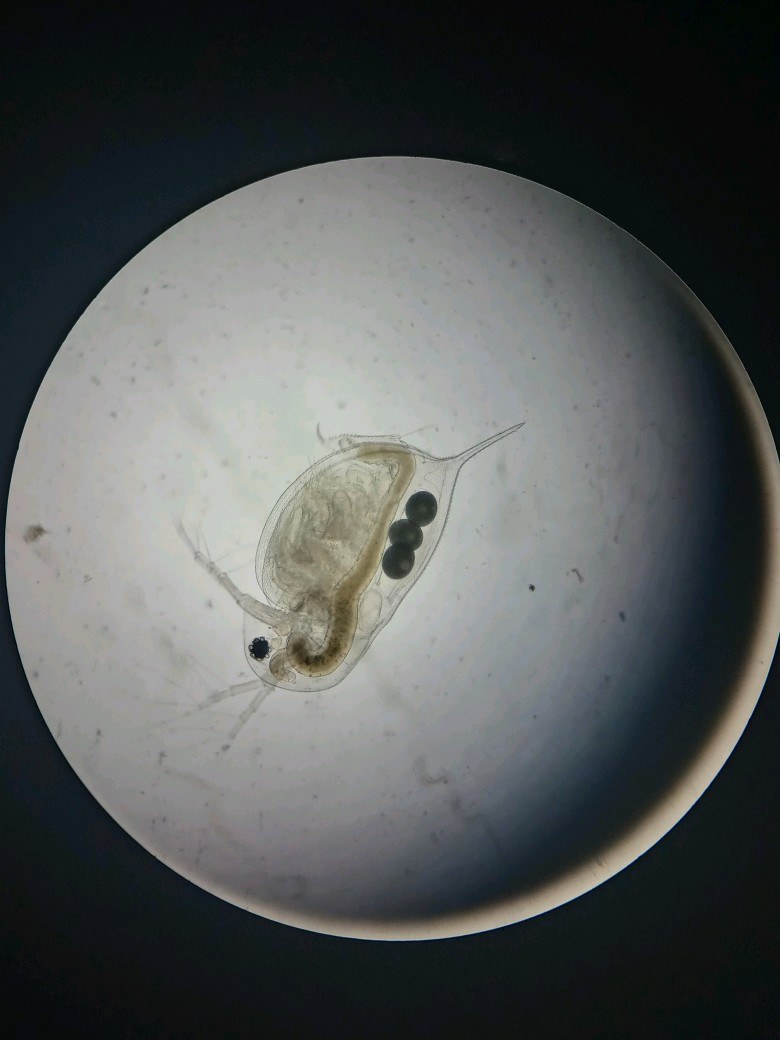
Water Flea
Ponds, lakes, and slow streams as free-floating plankton
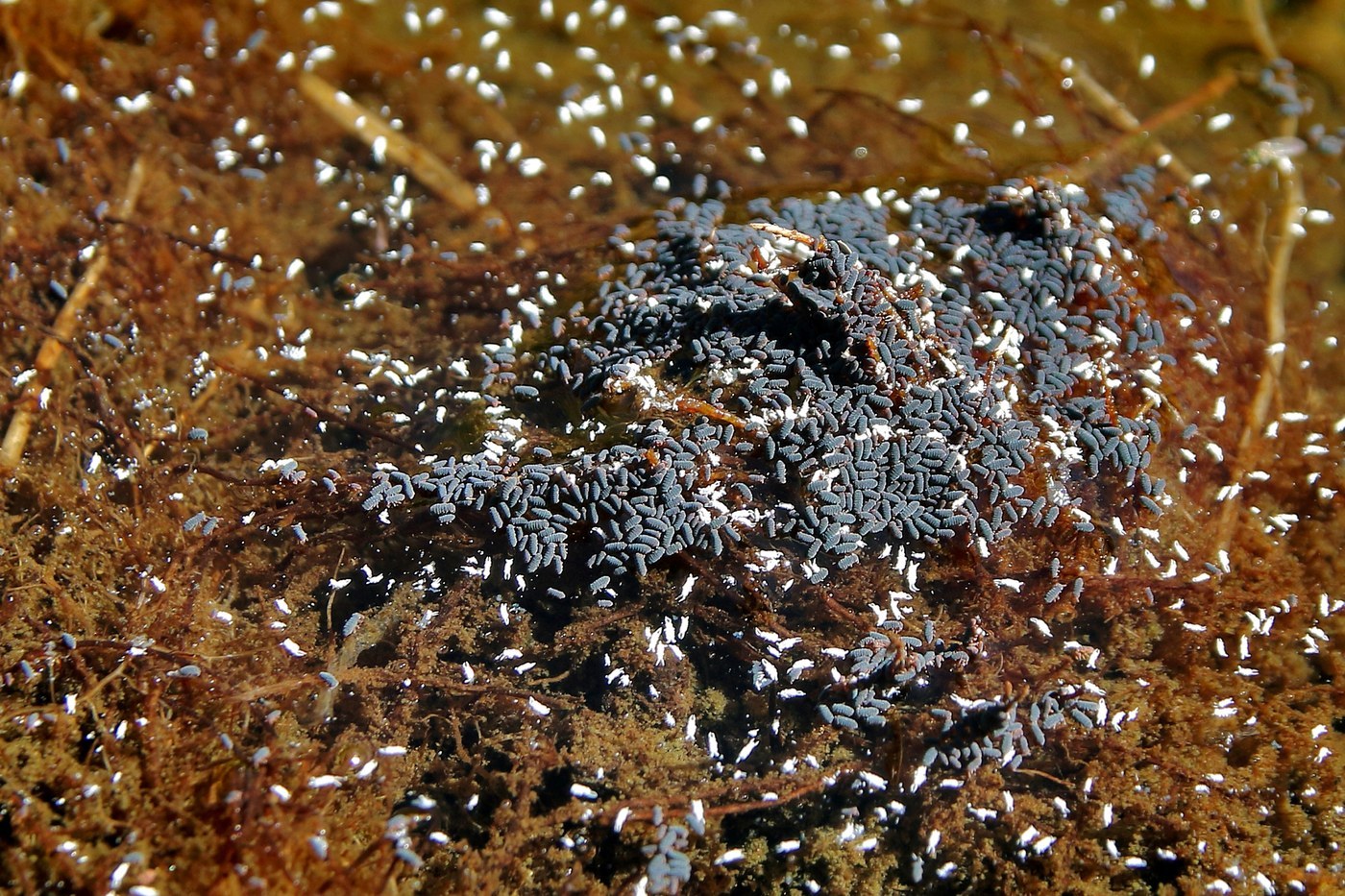
Water Springtail
Surface film of ponds, puddles, and slow ditches
Slug
Gardens, damp soil, leaf litter, greenhouses
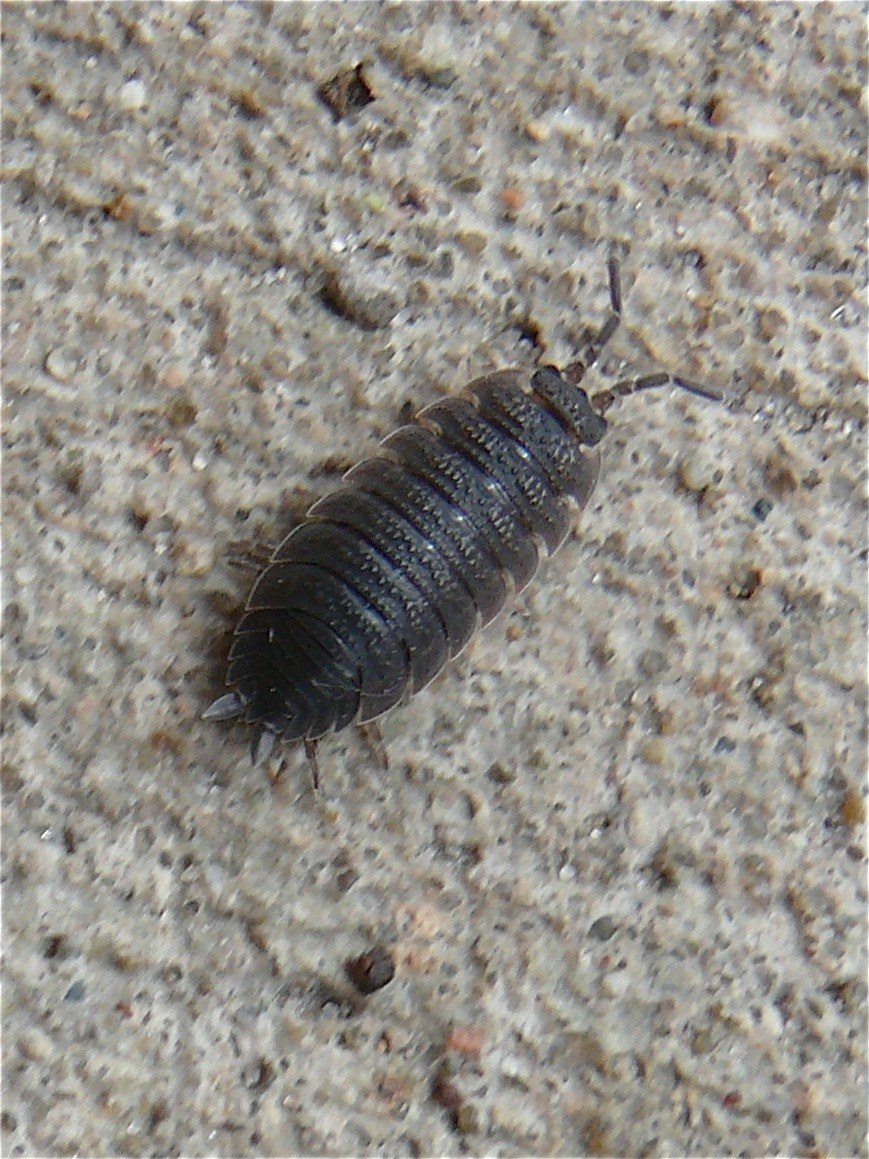
Sowbug
Leaf litter, under rocks/logs, damp garden soil, basements
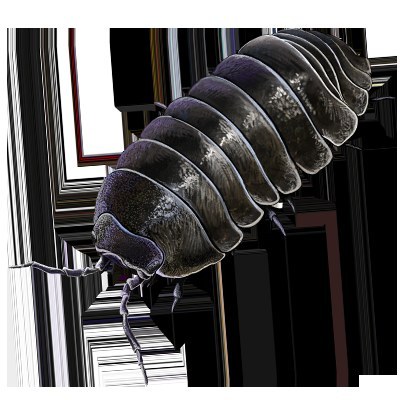
Pill Bug
Damp soil, leaf litter, under rocks and logs, garden beds
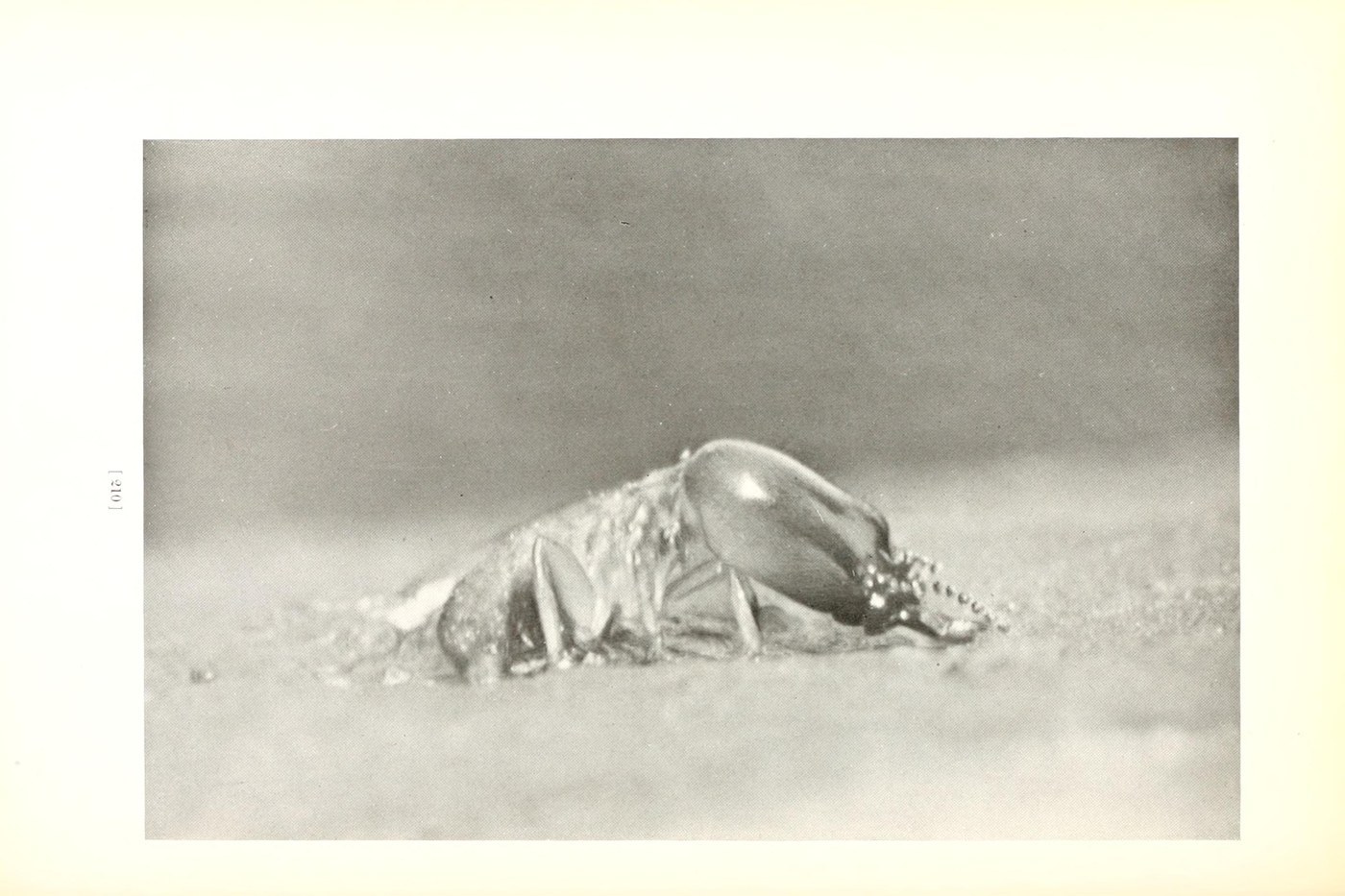
Termite
Soil, decaying wood, tree stumps, and wooden structures
Termite Swarmer
Emerges from underground or wood-nesting colonies, often near structures and moist soil
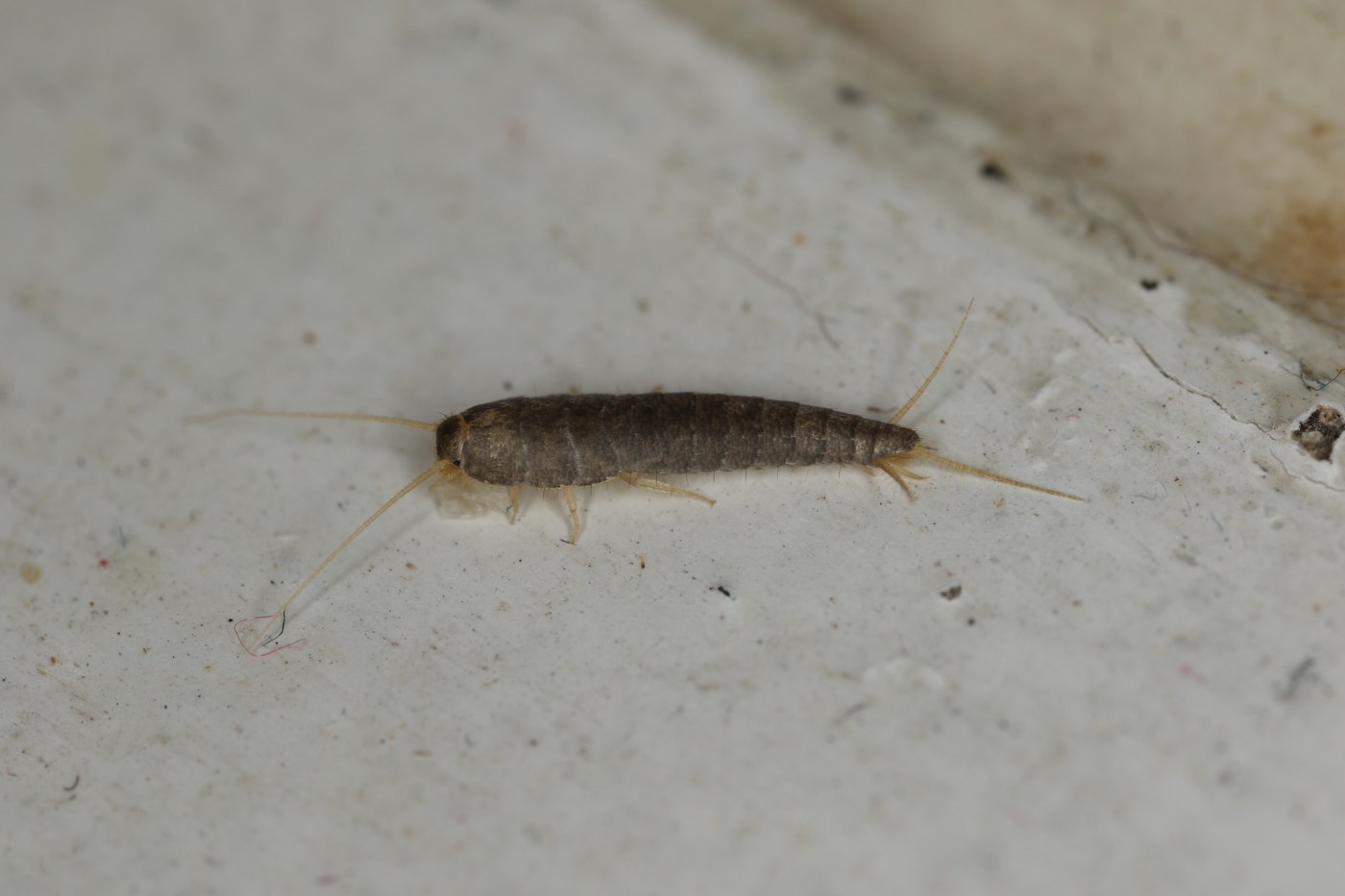
Silverfish
Damp basements, bathrooms, closets, and dark indoor crevices