
Picture-Winged Fly
Ulidiidae spp.
A small fly whose clear wings are decorated with bold bands, spots, or intricate patterns, often waved and flicked in slow, deliberate displays that give the impression of a tiny fan being opened and closed. Some species even raise their patterned wings above the body and walk sideways in courtship displays reminiscent of a strutting peacock.
- Size
- 4–10 mm, boldly patterned wings
- Habitat
- Gardens, meadows, and decaying plant material in temperate and tropical regions worldwide
- Danger
- Harmless
Spotted a bug like this?
Identify any bug or insect from a photo, free.
Overview
Picture-winged flies belong to the family Ulidiidae, a diverse group of small to medium flies recognized by their strikingly patterned wings, marked with combinations of dark bands, spots, or intricate mottling depending on the species. The family was formerly grouped together with the closely related Otitidae under a different classification, and both names may still be encountered in older references and field guides.
Adults are frequently seen on foliage, flowers, and decaying plant material, where the patterned wings play a prominent role in visual communication. Many species perform elaborate wing-waving or wing-raising displays during courtship or territorial disputes, with the genus Callopistromyia, sometimes called the peacock fly, particularly well known for raising and fanning its patterned wings while walking sideways in a display that closely resembles a strutting bird.
Larvae of most picture-winged flies develop in decaying plant material, rotting fruit, or, in some species, within living plant stems, giving the family a role as decomposers and, in a smaller number of species, as minor plant feeders within their native ranges.
How to Identify
- Small to medium fly, generally 4–10 mm long, with a body colored in shades of brown, black, or metallic green depending on species
- Wings are the standout feature, marked with bold dark bands, spots, or intricate patterns that vary widely by species
- Often seen holding or waving the patterned wings in slow, deliberate movements rather than keeping them still
- Some species, notably in the genus Callopistromyia, raise both wings above the body and walk sideways during display behavior
- Distinguished from fruit flies (Tephritidae) by differences in wing venation examined closely, though both families share the trait of patterned wings used in display
Habitat & Range
Picture-winged flies are found in a wide range of habitats across temperate and tropical regions worldwide, including gardens, meadows, forest edges, and areas with decaying plant material such as compost piles, rotting logs, and fallen fruit. Adults are most often encountered resting on foliage or decaying vegetation where they perform their characteristic wing displays, with activity concentrated in the warmer months in temperate climates.
Behavior & Diet
Adult picture-winged flies feed on nectar, pollen, and fluids from decaying plant material, and are notable for elaborate visual displays involving their patterned wings, used both in courtship between males and females and in territorial encounters between rival males over favored perching or feeding sites. Larvae generally develop in decaying organic plant matter, contributing to the breakdown of dead vegetation, though a smaller number of species feed within living plant stems or developing seed heads. The family's conspicuous wing patterns and display behaviors have made several species popular subjects for photographers and insect enthusiasts documenting garden and meadow insect life.
Life Cycle
Eggs are laid on or near decaying plant material, rotting fruit, or, in some species, on living plant tissue, depending on the species' particular larval habits. Larvae feed and develop within this substrate over one to several weeks, passing through several molts before pupating either within the decaying material or in nearby soil. Adults emerge to feed, establish territories, and perform wing-display courtship behavior, with multiple generations possible in a single season across much of the family's range.
Frequently asked questions
Why do picture-winged flies wave their wings so much?
The patterned wing movements are used in courtship and territorial displays, helping individuals communicate with rivals and potential mates.
What is a peacock fly?
It is a common name for species in the genus Callopistromyia, which raise their patterned wings above the body and walk sideways in a display resembling a strutting peacock.
What do picture-winged fly larvae eat?
Most develop in decaying plant material or rotting fruit, though a smaller number of species feed within living plant stems or seed heads.
How can I tell a picture-winged fly from a fruit fly?
Both families have patterned wings, but reliable separation generally requires close examination of wing vein structure, best done with a hand lens or by a specialist.
Picture-Winged Fly guides
In-depth guides for identifying, understanding, and living alongside Picture-Winged Fly.
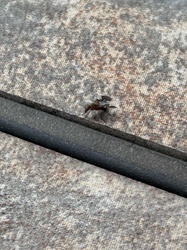
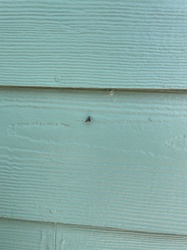
Picture-Winged Fly identified by the community
Real finds identified with Bug Identifier.
Other bugs you may enjoy
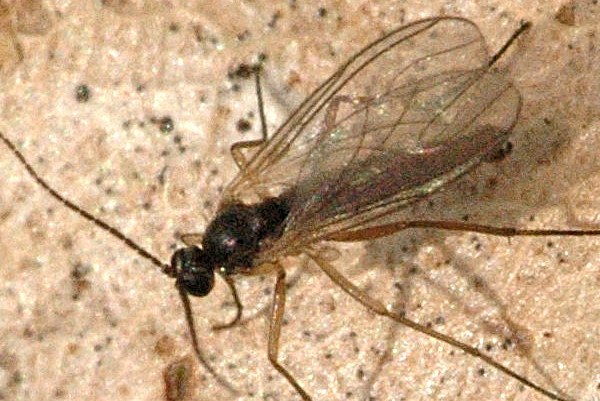
Aphid Midge
Gardens, greenhouses, and crops with aphids
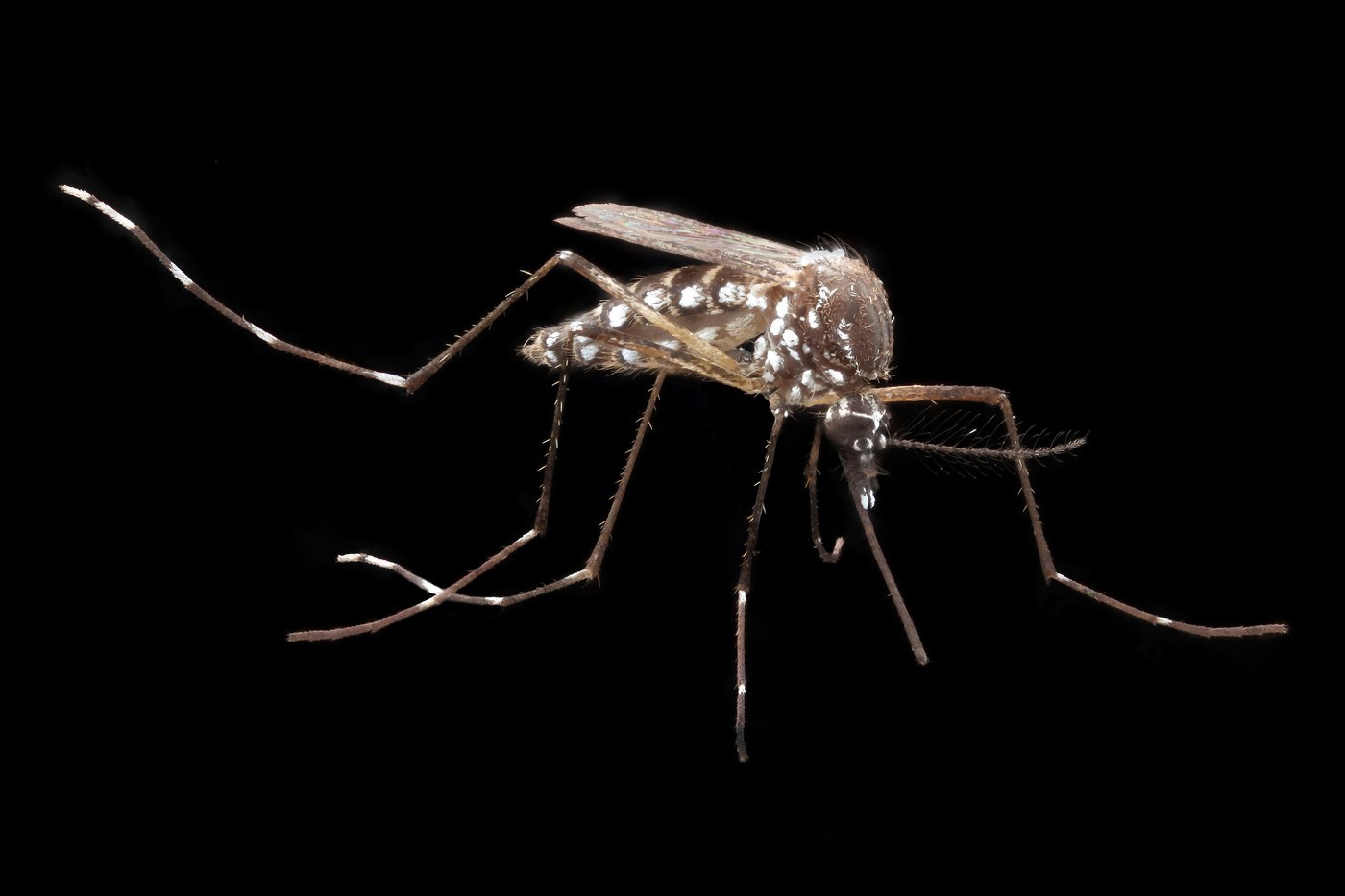
Yellow Fever Mosquito
Urban and peri-urban areas near small artificial water containers in tropical and subtropical regions worldwide
Root Maggot
Garden and field soil around the roots of cole crops and other vegetables
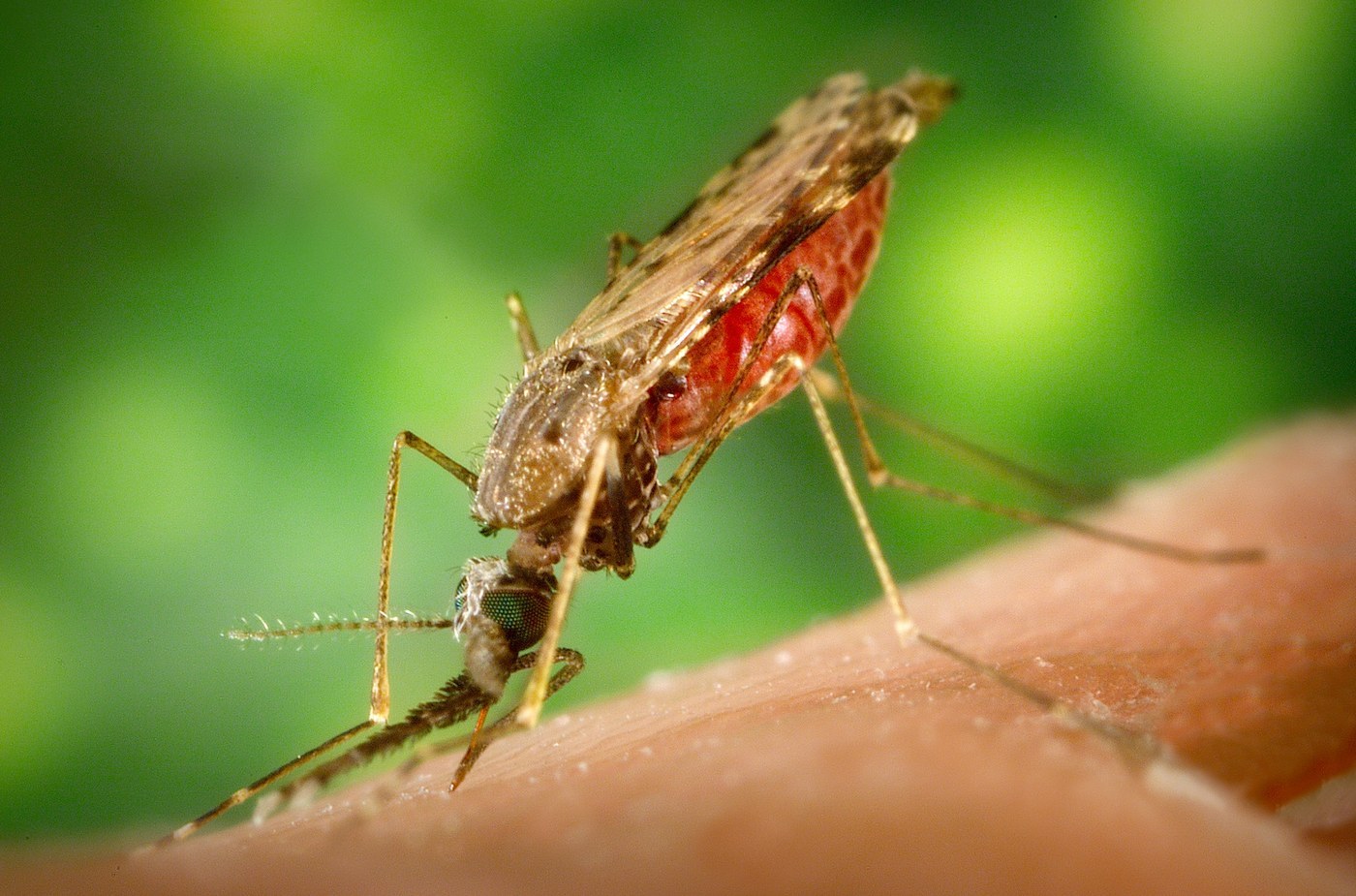
Anopheles Mosquito
Clean, still or slow-moving freshwater habitats such as marshes, ponds, and rice paddies
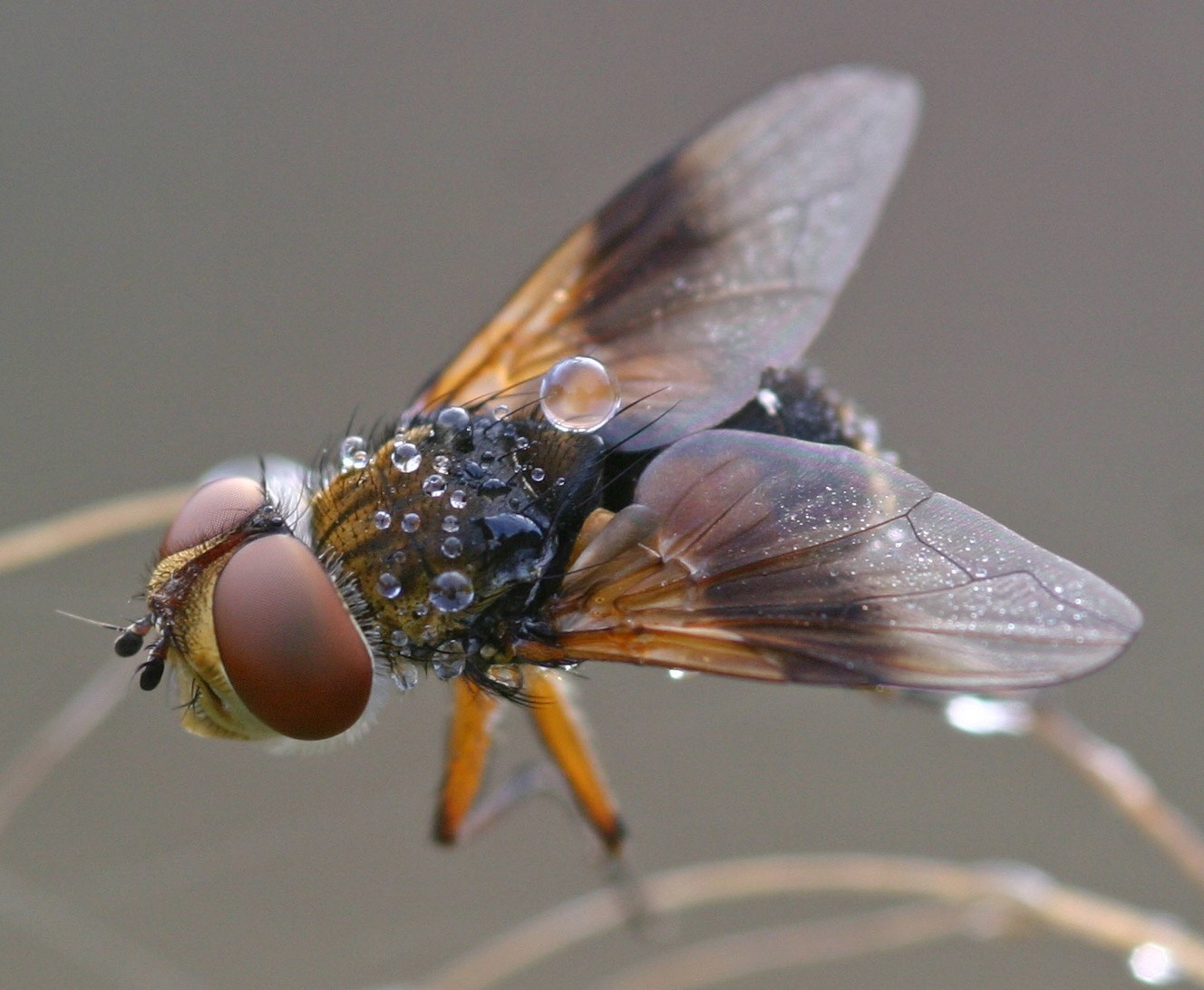
Tachinid Fly
Gardens, meadows, and woodlands wherever host caterpillars and other insects occur
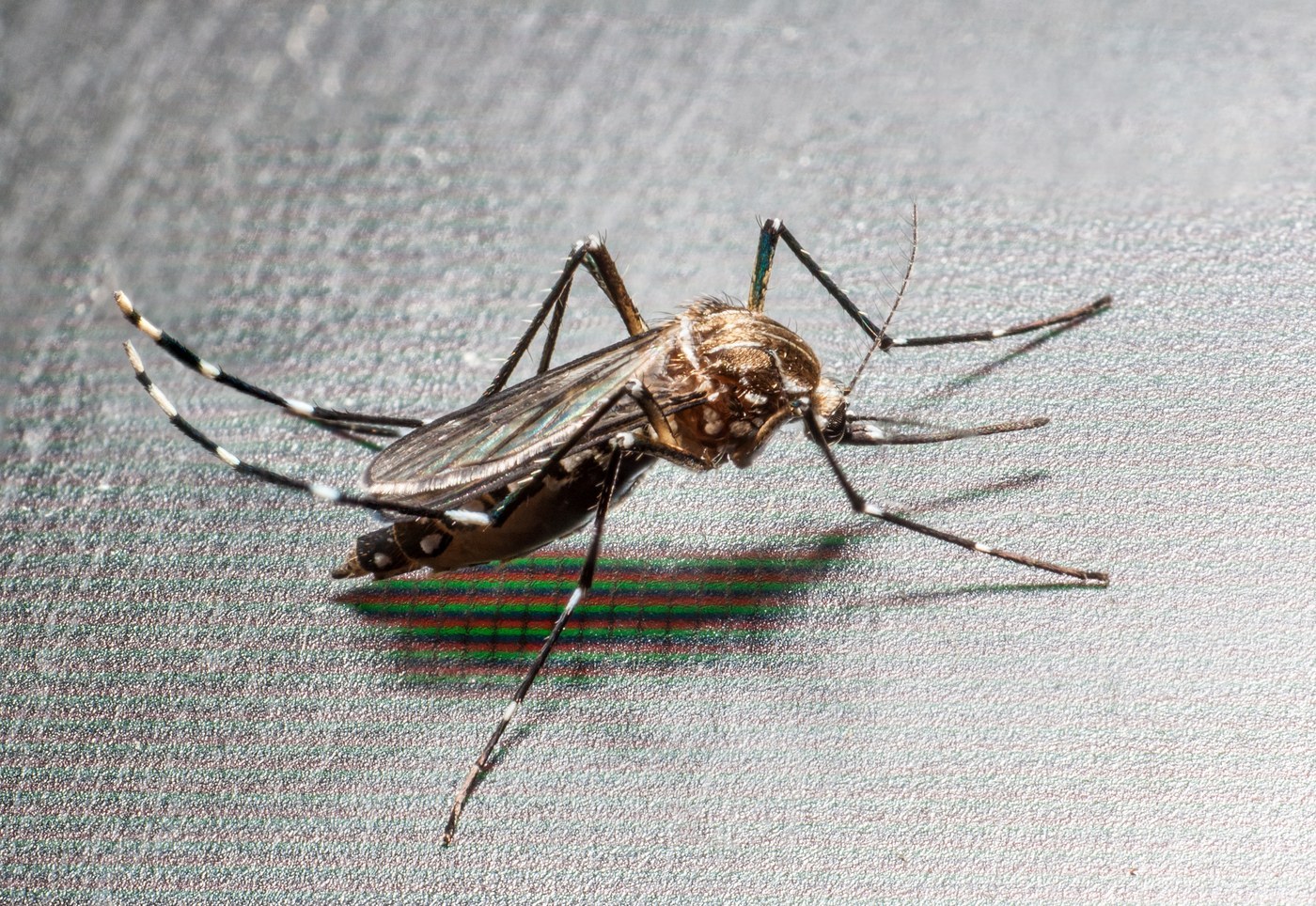
Asian Tiger Mosquito
Shaded urban and suburban areas near small water-holding containers, tires, and tree holes; native to Southeast Asia, now widespread
Tsetse Fly
Wooded savanna, riverine thickets, and forest edges across sub-Saharan Africa
Vinegar Fly
Around overripe fruit, compost, and fermenting materials worldwide
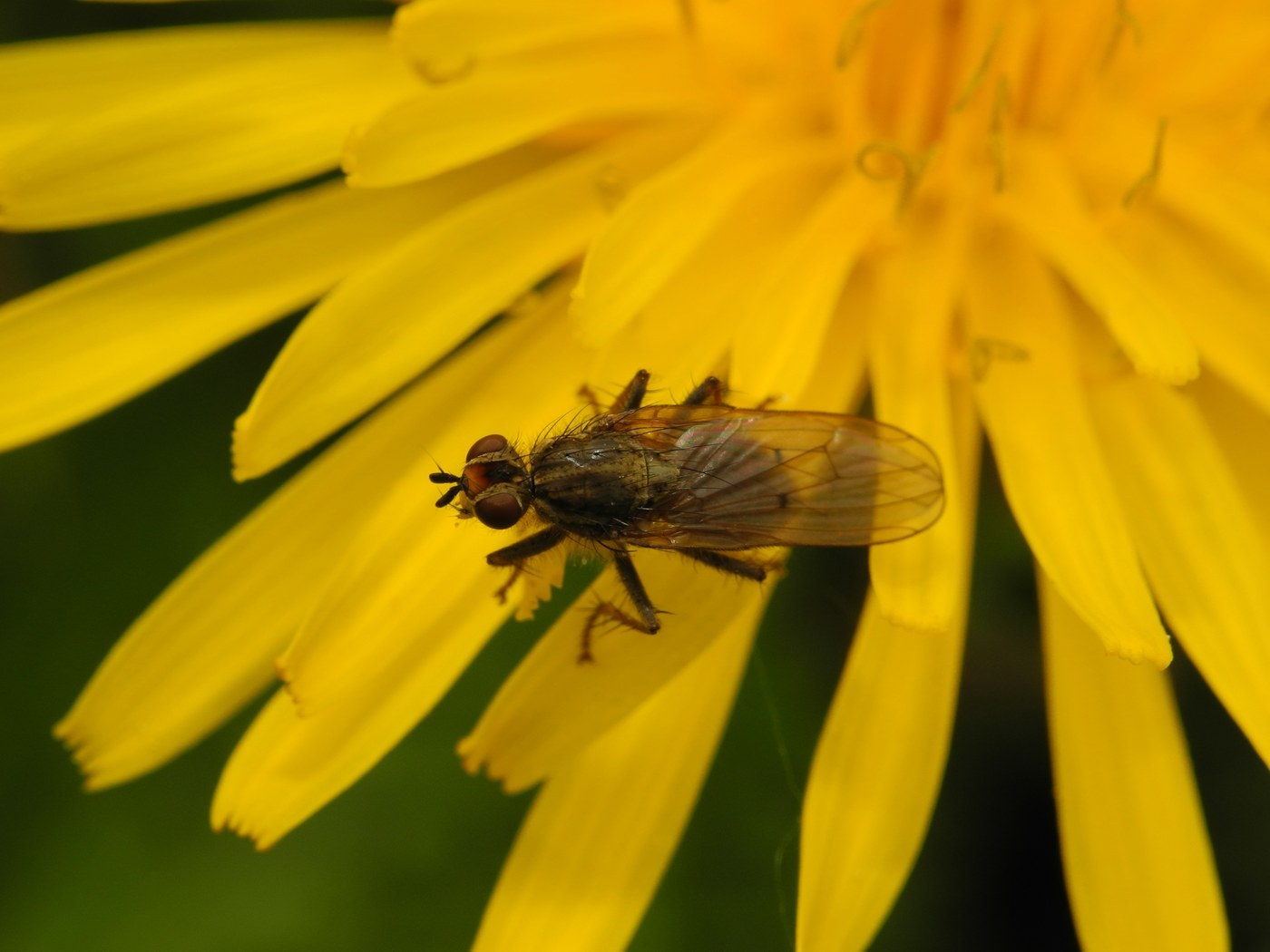
Yellow Dung Fly
Pastures and fields with fresh cattle dung
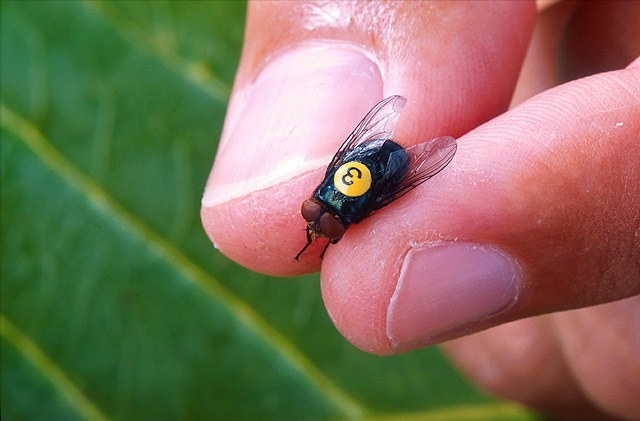
Screwworm Fly
Warm, humid lowlands of the Americas, especially near livestock and wildlife wounds
Soldier Fly
Wetland margins, decaying organic matter, and vegetation near water
Punkie
near marshes, mudflats, ponds, and other standing water