Case-bearing Clothes Moth Identification Guide
A tiny buff-colored indoor moth best recognized by the portable silk case its larva drags along as it feeds.
Read the full Case-bearing Clothes Moth encyclopedia entry →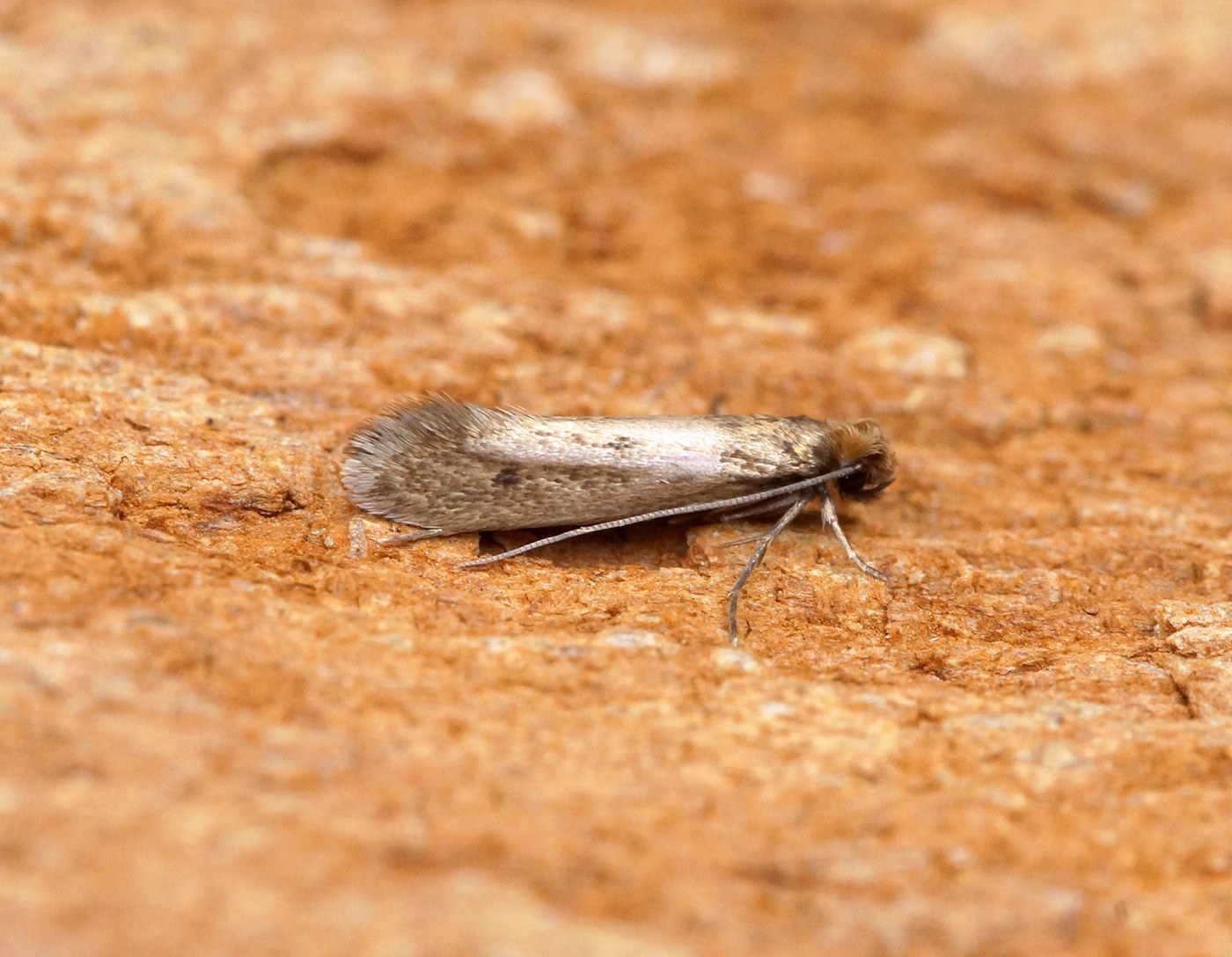
Key Visual Features
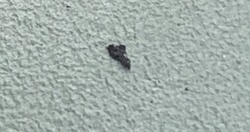
The Case-bearing Clothes Moth is a very small, easily overlooked moth with a wingspan of just 9-16mm.
- Forewings: Buff to pale grey-brown, generally plain or with only faint, indistinct darker mottling; edged with a fringe of long hair-like scales.
- Hindwings: Narrower than the forewings, pale grey, also fringed.
- Head: Topped with a small tuft of upright buff or reddish scales, giving a slightly bristly look.
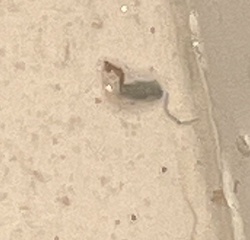
- Behavior at rest: Wings folded narrowly along the body, giving a slim, cylindrical silhouette; when disturbed, adults tend to scurry or make short, weak flights rather than sustained flying.
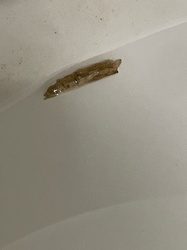
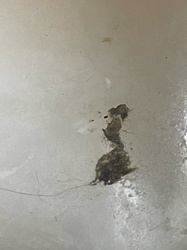
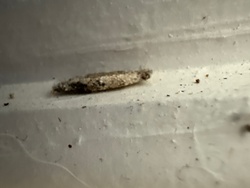
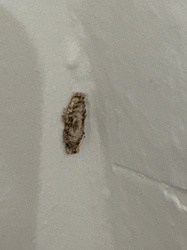
- Larval case: The most distinctive identifying clue is not the adult moth but the larva, which constructs and carries a small, portable silken case as it feeds and moves.
Where and When You'll See It
This moth is most often found indoors, in closets, storage boxes, and areas where natural fiber materials are kept, and it can be encountered at any time of year in heated buildings. Outdoors, it also occurs in bird and mammal nests, where natural fibers accumulate. Adults are weak fliers and are usually seen resting on walls or ceilings rather than actively flying about, most active in dim light or at dusk.
Similar-Looking Species
- Webbing Clothes Moth - slightly larger, more uniformly golden-buff in color, and its larvae spin silken feeding galleries rather than carrying a portable case.
- Indian Mealmoth - found near stored food rather than fabric, with a distinctive two-tone wing pattern (pale base, reddish-bronze outer half).
- Other small tineid moths - generally distinguished by subtle wing markings and habitat; the presence of a larval case is the most reliable way to confirm this species.
Life Cycle & Behavior
The larva builds its portable case from silk mixed with fibers of whatever material it is feeding on, enlarging the case as it grows and dragging it along wherever it moves. Development can take anywhere from a couple of months to over a year depending on temperature and food availability, with pupation occurring inside the sealed case. Because indoor conditions are stable year-round, generations can overlap continuously.
Quick ID Checklist
- Very small moth, under 2cm wingspan
- Plain buff to grey-brown forewings with a hair-scale fringe
- Tuft of scales on the head
- Weak flier, often seen resting rather than flying
- Larva carries a small, visible silken case as it moves
Frequently asked questions
How do I tell a Case-bearing Clothes Moth from other small indoor moths?
The clearest sign is the larva's portable silk case, which it carries and lives inside while feeding - a feature not shared by similar indoor moths like the Webbing Clothes Moth.
Why do I rarely see this moth flying?
Adults are weak fliers that tend to scurry or make short hops rather than sustained flight, so they're more often spotted resting on a wall or ceiling.
Where indoors is this moth most likely to be found?
Closets, storage boxes, and undisturbed areas containing natural fiber materials are the most common indoor locations.
Is this moth found outdoors too?
Yes, outside of buildings it can also be found in bird and mammal nests, where natural fibers used in nest construction provide similar material.
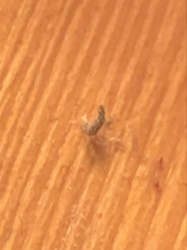
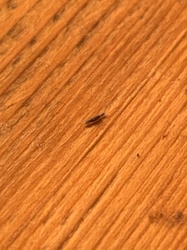
Case-bearing Clothes Moth identified by the community
Recent Case-bearing Clothes Moth finds identified with Bug Identifier.