
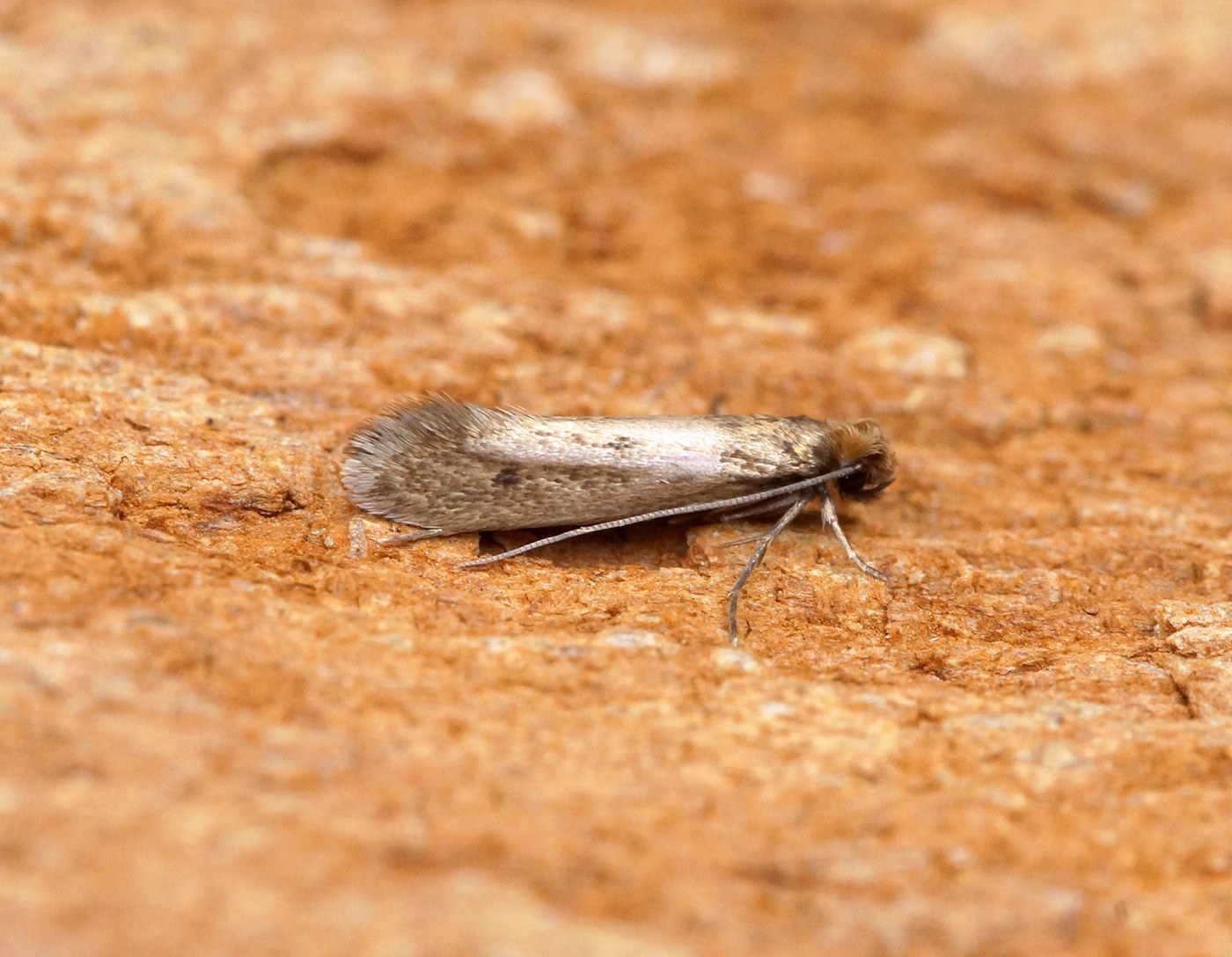
Case-bearing Clothes Moth
Tinea pellionella
A tiny, drab tan moth whose larva constructs and carries a small portable silk case as it feeds on wool, fur, and other keratin-based fibers, making it a recognized fabric pest in homes.
- Size
- 8–10 mm wingspan
- Habitat
- Homes, closets, wool and fur storage, animal nests
- Danger
- Nuisance pest
Spotted a bug like this?
Identify any bug or insect from a photo, free.
Overview
The Case-bearing Clothes Moth is a small member of the fungus moth family Tineidae, distinguished from its close relative the Common Clothes Moth by the larva's unique habit of building and dragging around a small, portable protective case made of silk and fibers from its food source. This case-building behavior gives the species its common name and is a reliable way to distinguish its presence from other fabric-feeding pests.
The adult moth itself is small, plain, and unremarkable in appearance, rarely noticed compared to the damage caused by its larva, which feeds on natural animal-derived fibers such as wool, fur, feathers, and silk. Historically and in the present day it is recognized as one of the persistent household pests affecting stored textiles and museum specimens.
Ecologically, in its natural, non-domestic context the species and its relatives likely originated as scavengers of keratin-based material in birds' nests, animal dens, and similar debris, a role it continues to fill outdoors, while indoors it has become closely associated with human-stored clothing and fabric goods.
How to Identify
- Adult is small and plain, with narrow, buff to golden-tan forewings lacking strong markings, and a fringe of long hair-like scales along the wing edges.
- Hindwings are similarly plain and narrower than the forewings.
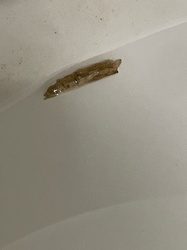
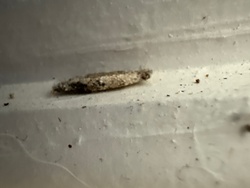
- The larva is a small, pale caterpillar that constructs and carries a portable, flattened, tubular case made of silk woven with fibers from the fabric it feeds on, distinguishing it from the case-less Common Clothes Moth larva.
- Adults rarely fly far and are weak, fluttering fliers usually seen near dark, undisturbed storage areas.
- Lookalikes include the Common Clothes Moth, but the presence of a portable larval case is the clearest distinguishing feature of this species.
Habitat & Range
Found nearly worldwide in association with human dwellings, particularly in dark, undisturbed areas such as closets, wardrobes, attics, and storage boxes containing wool, fur, or feather-based items. Outside of buildings it can also be found in animal nests, birds' nests, and similar debris where keratin-rich material accumulates. It is active year-round indoors due to stable indoor temperatures, with development continuing through most seasons.
Behavior & Diet
The larva feeds on keratin-containing materials such as wool, fur, feathers, and silk, constructing a protective silken case reinforced with fibers from its food source that it carries with it and enlarges as it grows, retreating into the case when disturbed. Adults do not feed and are weak fliers, generally avoiding bright light and remaining close to dark storage areas where eggs are laid. In its natural role outside human structures, the species and its relatives contribute to the breakdown of keratin-based debris such as feathers and fur found in nests and animal shelters.
Life Cycle
Females lay eggs directly on suitable fabric or fiber material. Larvae hatch and immediately begin constructing their silken case, enlarging it in stages as they grow through several instars while feeding on nearby fibers, and can also pupate within this same case. Development time varies with temperature and food availability, with indoor populations capable of multiple generations per year given stable conditions, and larvae able to survive extended periods with minimal feeding under cooler conditions.
Frequently asked questions
How is it different from the Common Clothes Moth?
Its larva builds and carries a small portable silken case as it feeds, whereas the Common Clothes Moth larva does not construct a case and instead spins loose silk webbing over its feeding area.
What does the case look like?
It is a small, flattened, tube-shaped structure made of silk woven with fibers from the fabric the larva has been eating, enlarged in sections as the larva grows.
What materials does it feed on?
The larva feeds on natural animal-derived fibers such as wool, fur, feathers, and silk, rather than synthetic materials.
Where indoors is it most likely to be found?
It is typically found in dark, undisturbed storage areas such as closets, wardrobes, and boxes containing wool or fur items.
Case-bearing Clothes Moth guides
In-depth guides for identifying, understanding, and living alongside Case-bearing Clothes Moth.
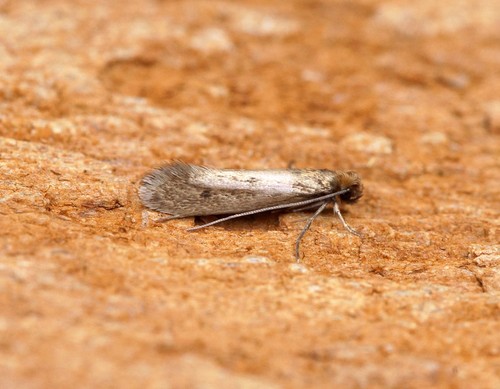
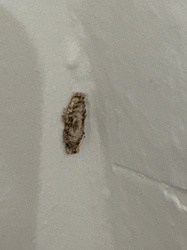
Case-bearing Clothes Moth identified by the community
Real finds identified with Bug Identifier.
Other bugs you may enjoy
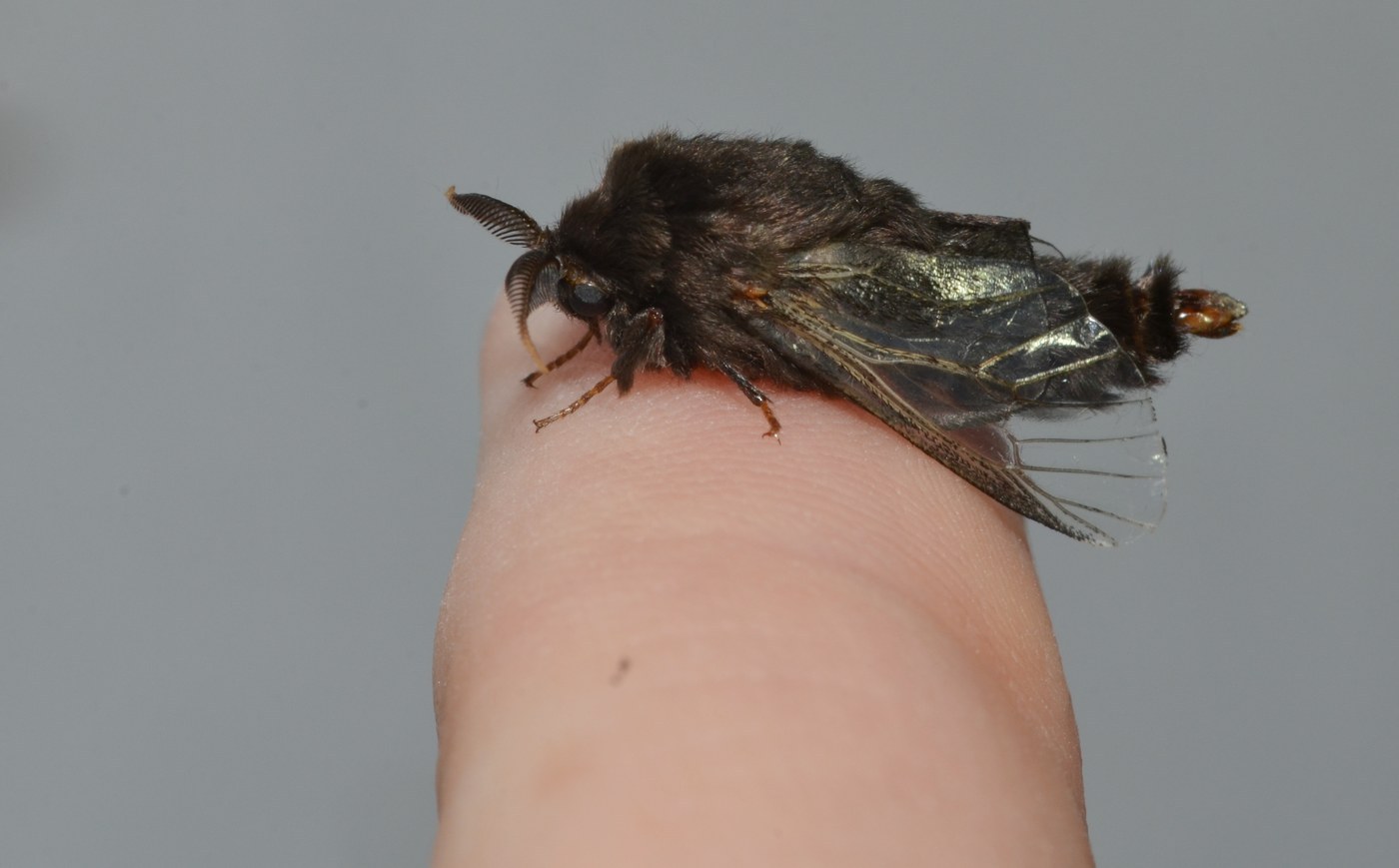
Bagworm Moth
Coniferous and deciduous trees, shrubs, hedges
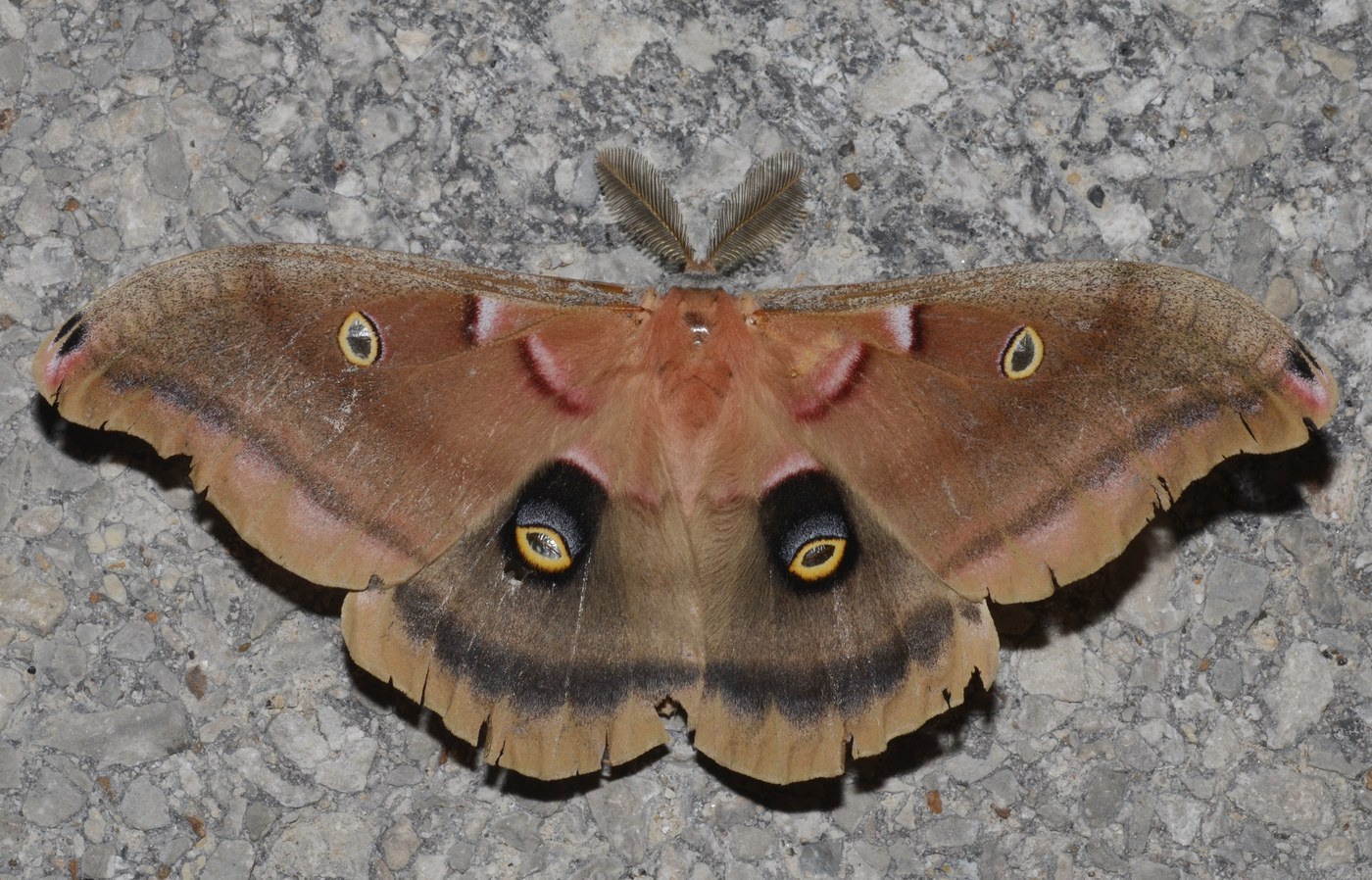
Antheraea Silkmoth
Deciduous forests, woodland edges, orchards
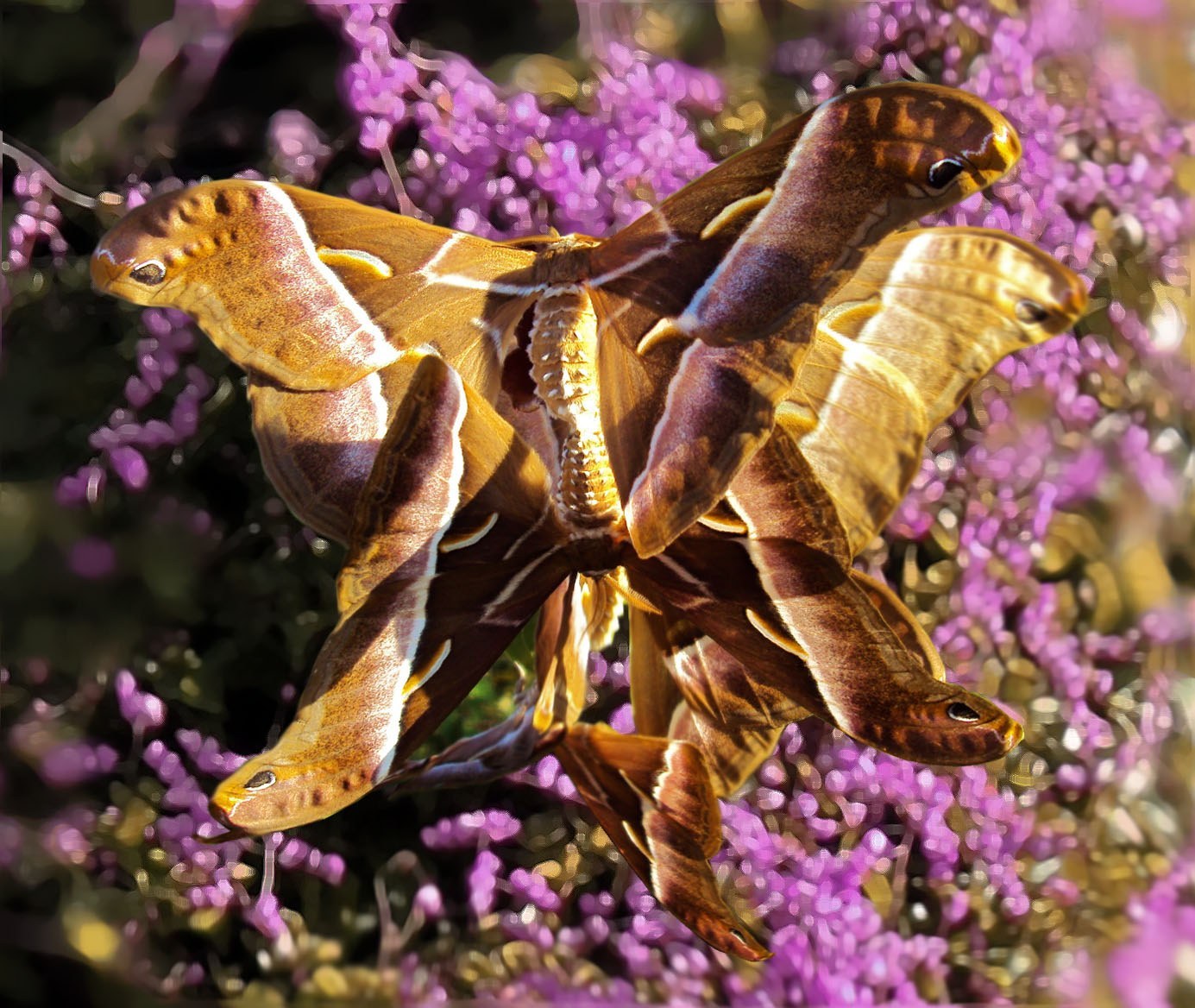
Ailanthus Silkmoth (Cynthia Moth)
Urban parks, wastelands, and woodland edges with tree-of-heaven; native to Asia, introduced in North America and Europe
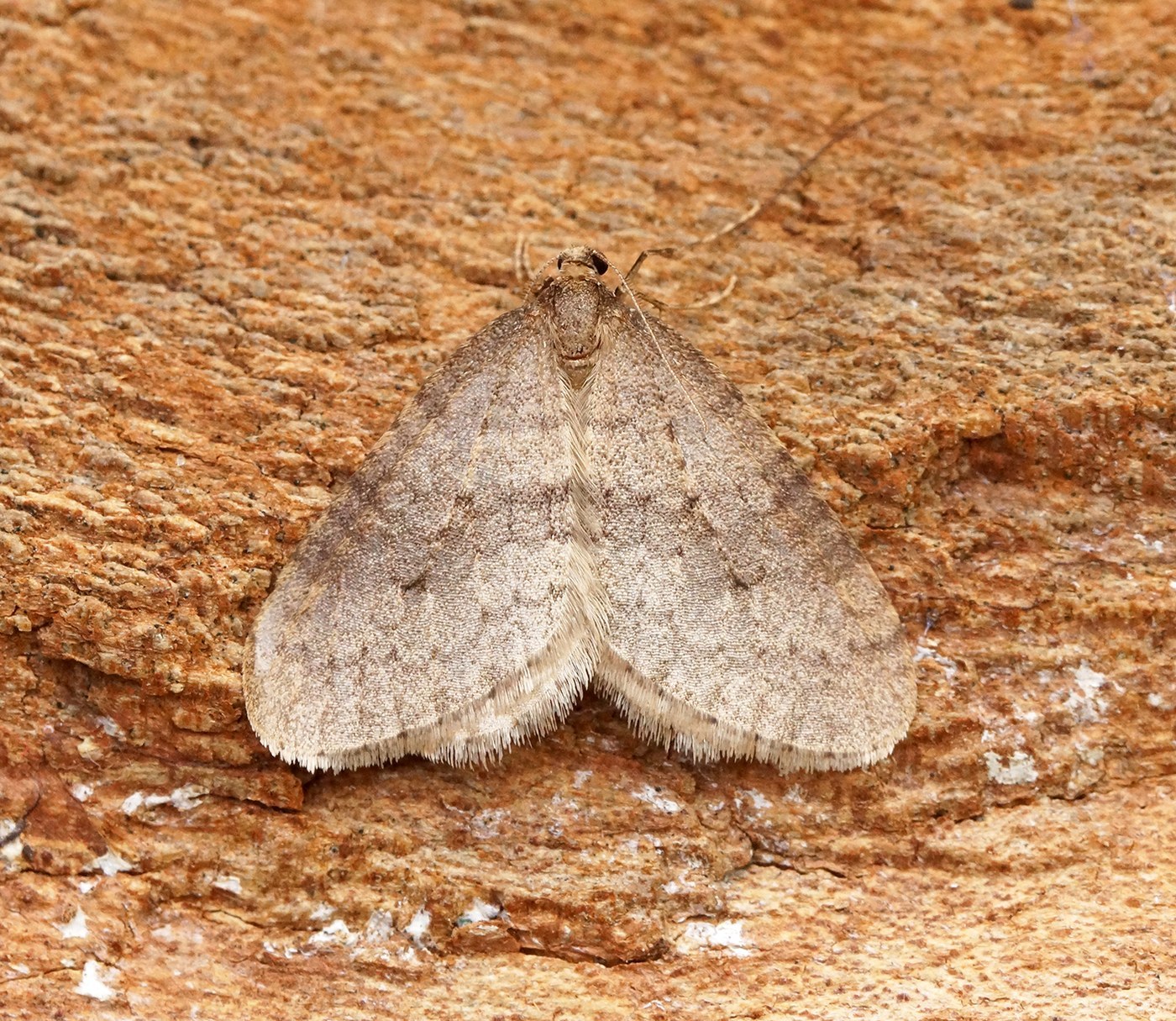
Winter Moth
Deciduous woodland, orchards, gardens, hedgerows
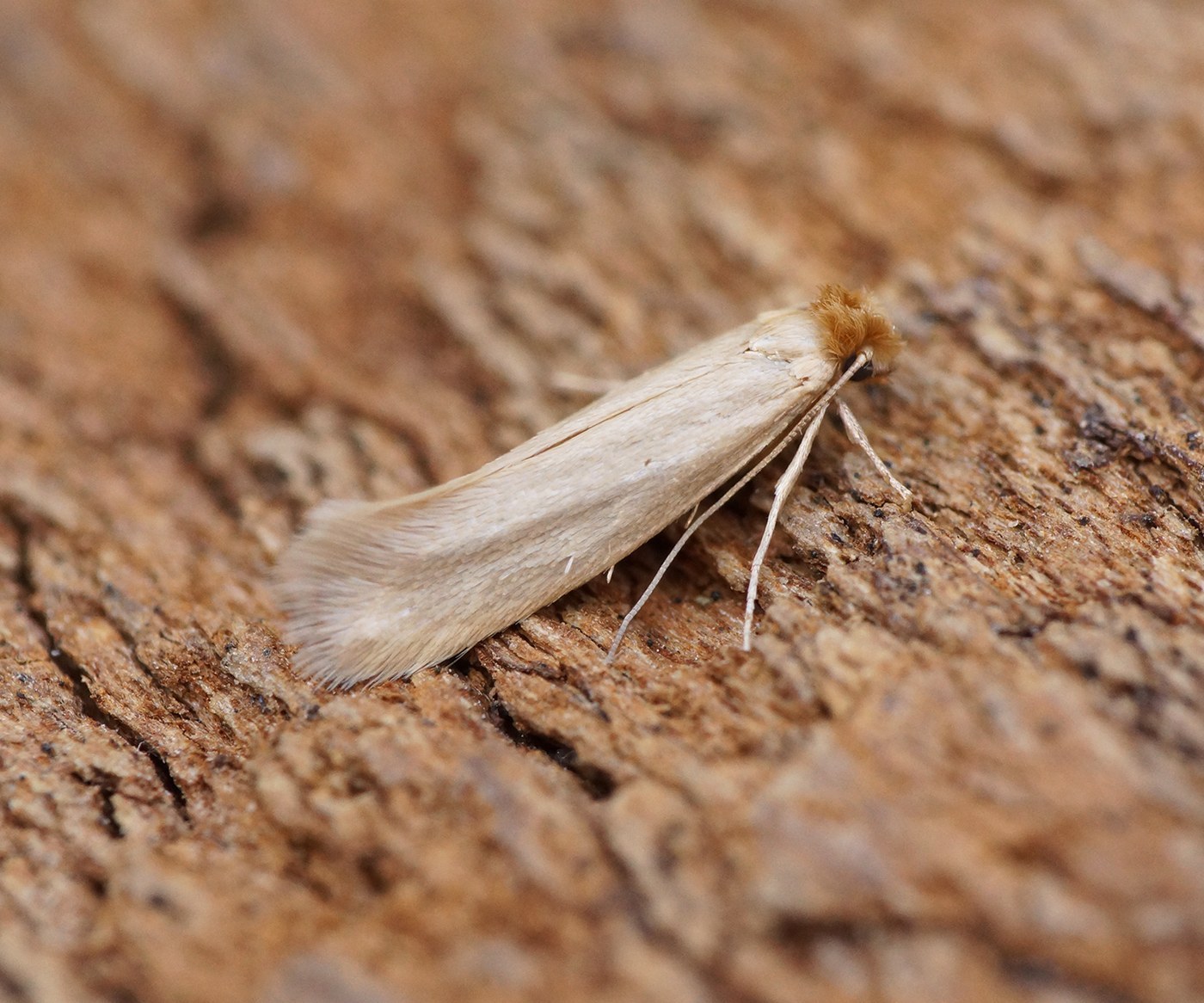
Webbing Clothes Moth
Dark closets, storage areas, and animal nests worldwide
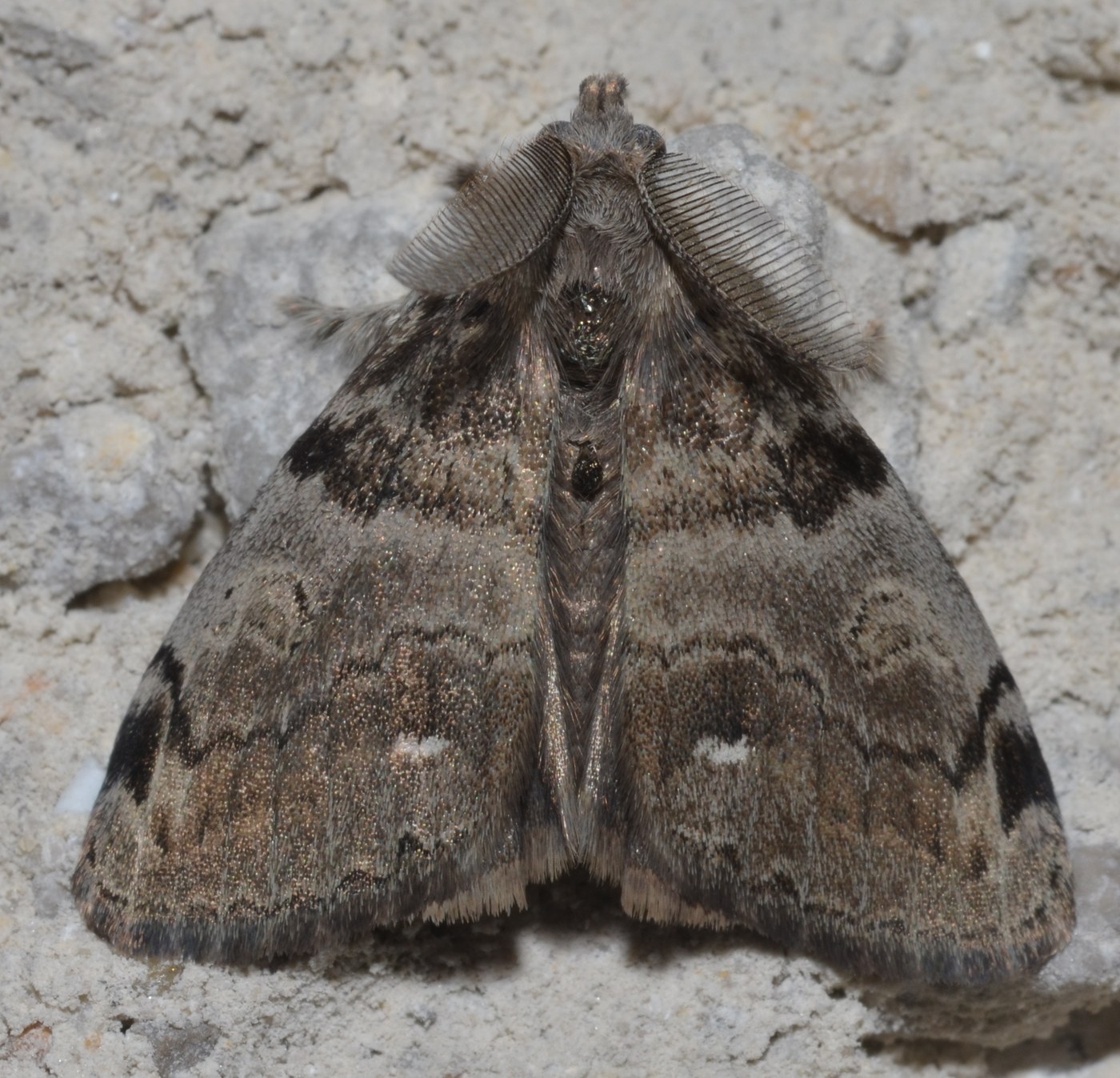
Tussock Moth
Deciduous forests, parks, gardens
Wax Moth
Beehives, apiaries, stored beeswax and comb
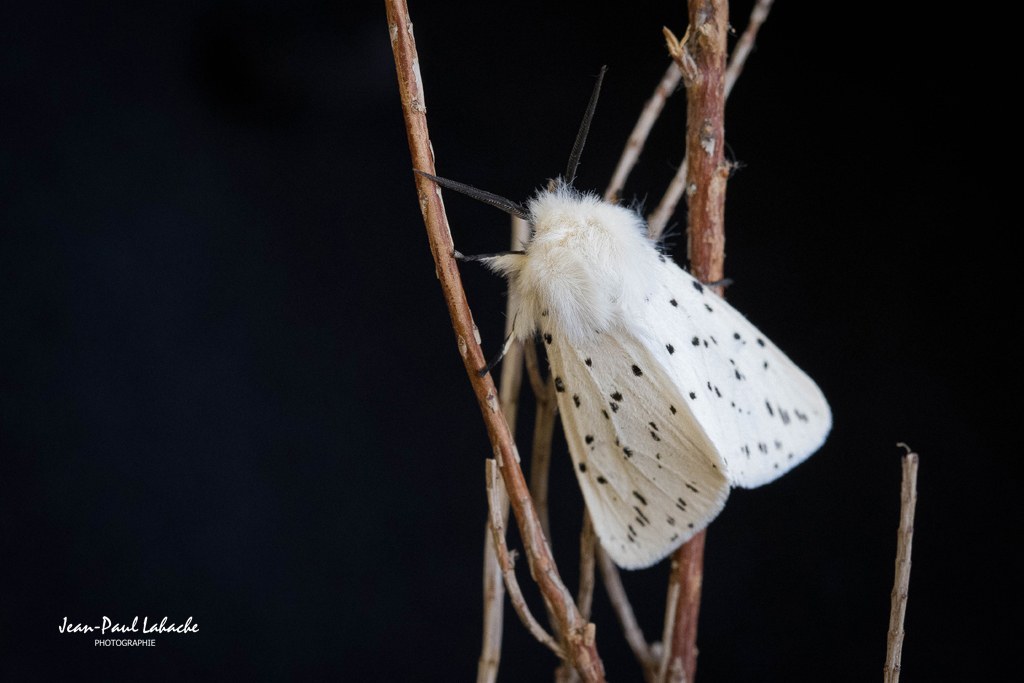
White Ermine Moth
Gardens, meadows, hedgerows
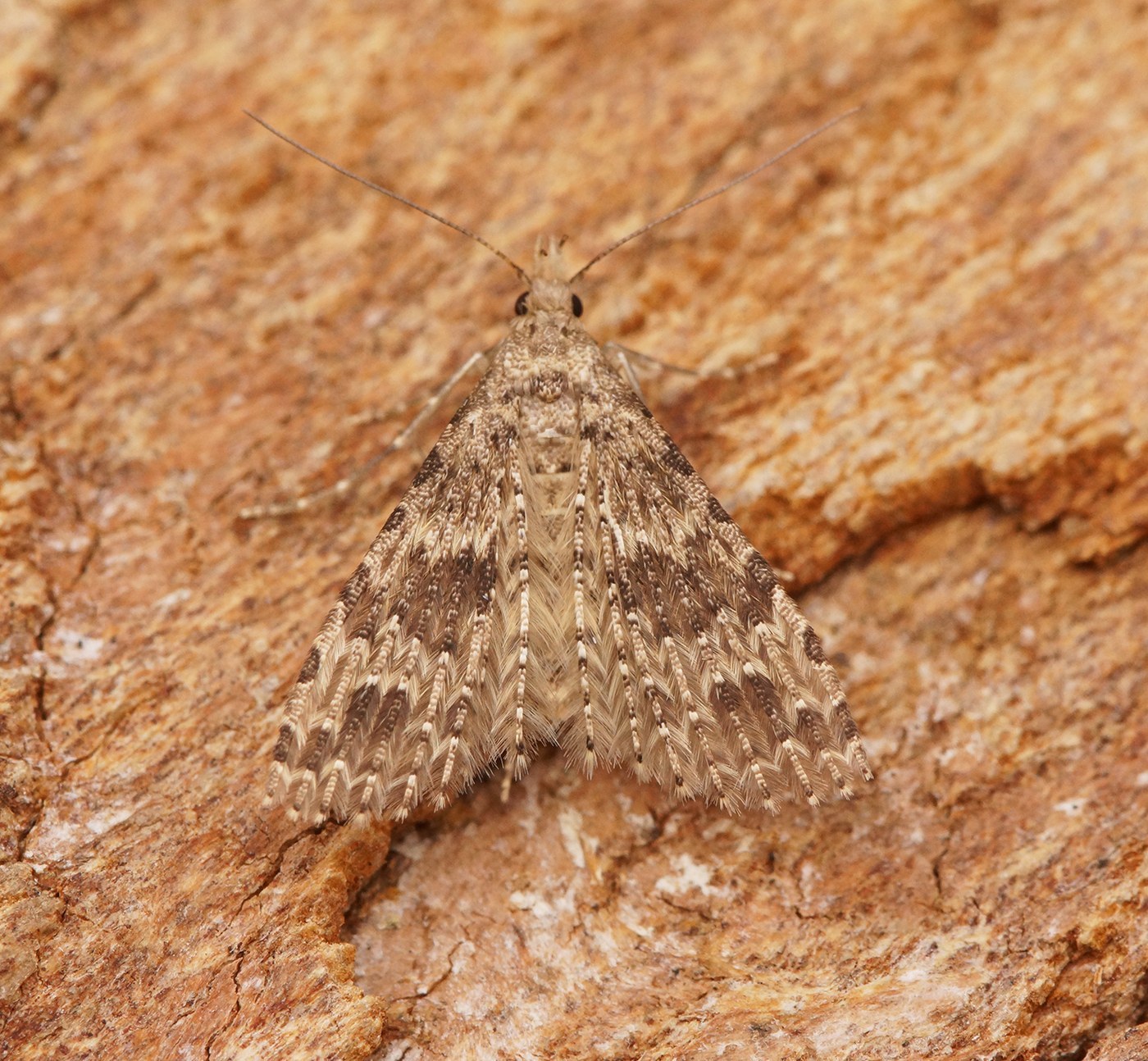
Twenty-plume Moth
Gardens, hedgerows, near honeysuckle
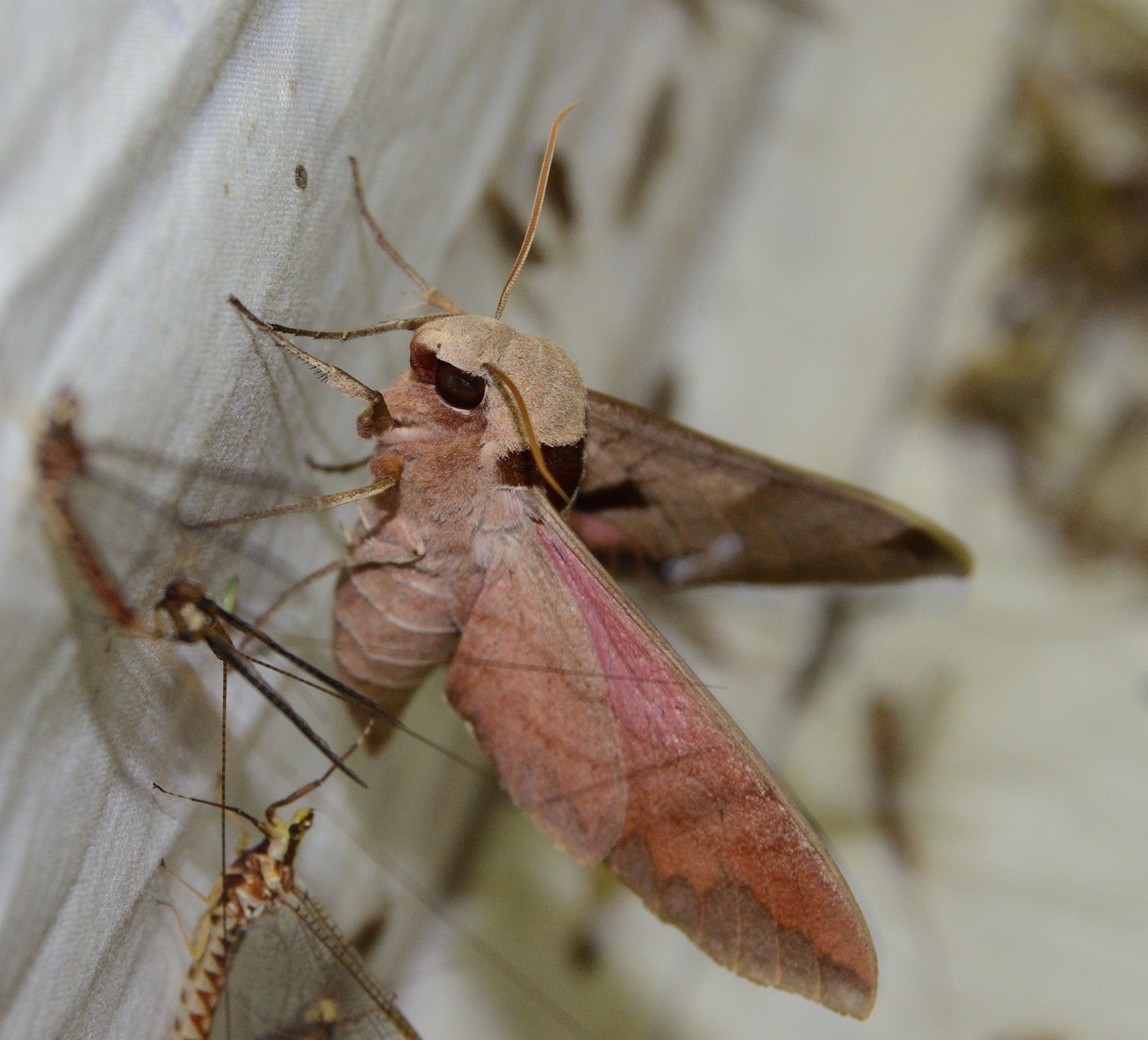
Achemon Sphinx Moth
Vineyards, woodland edges, gardens with wild grape
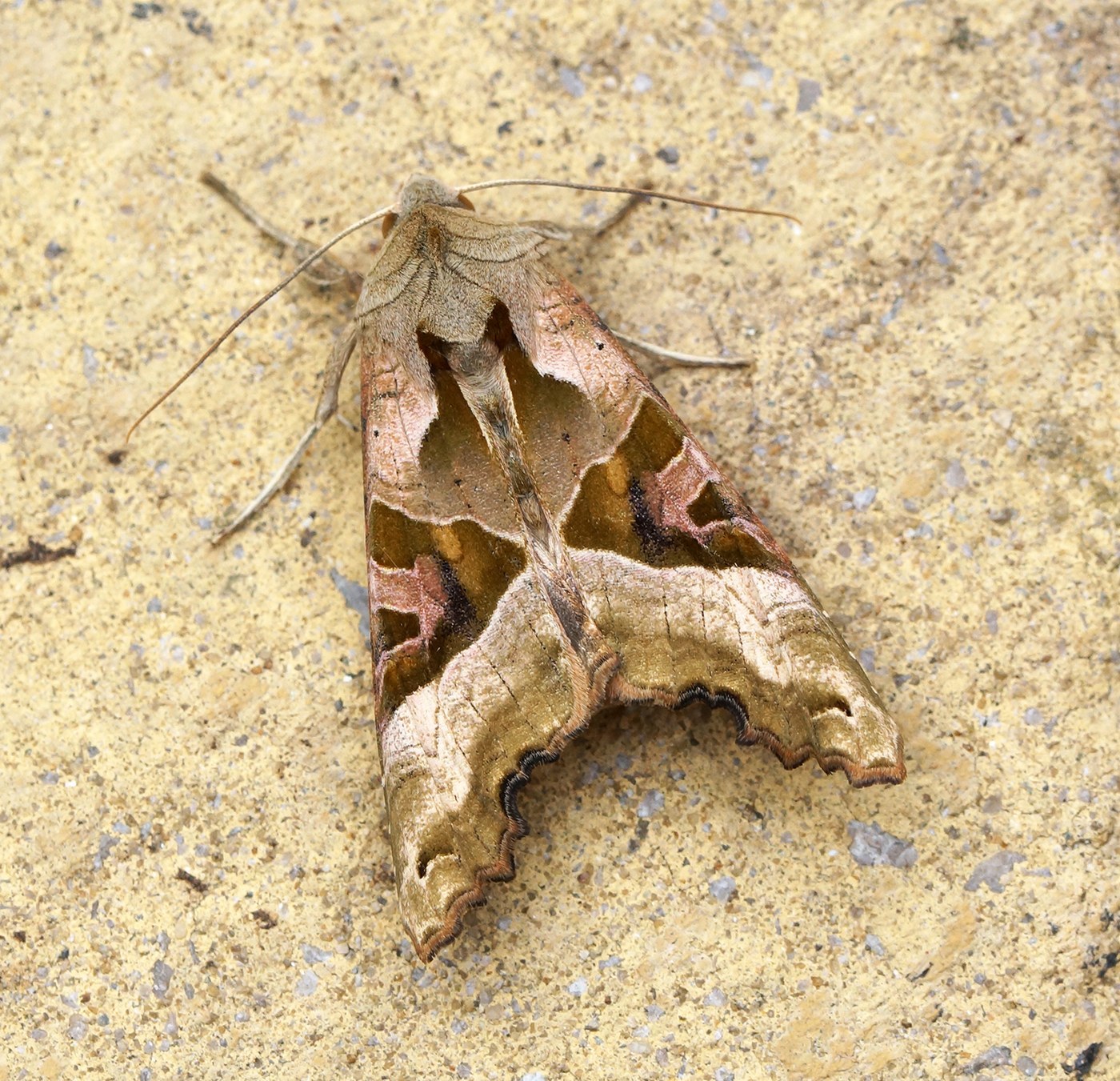
Angle Shades Moth
Gardens, hedgerows, woodland edges, urban parks
Atlas Moth
Tropical and subtropical lowland forests of Southeast Asia