Crane Fly Larva Identification Guide
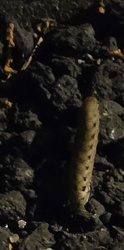
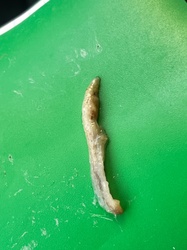
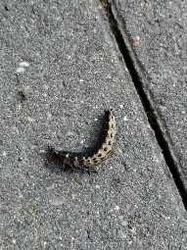
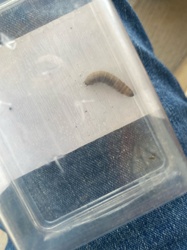
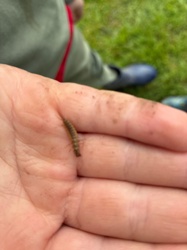
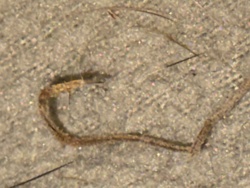
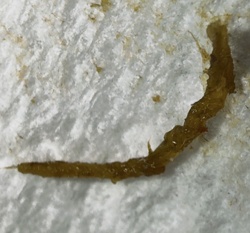
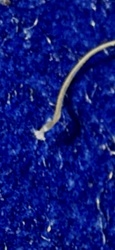
A tough-skinned, cylindrical larva nicknamed the leatherjacket, found burrowed in wet mud, soggy soil, or stream sediment.
Read the full Crane Fly Larva encyclopedia entry →Key Visual Features
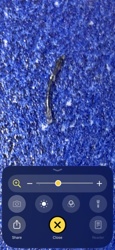
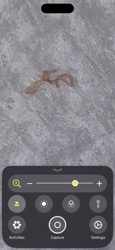
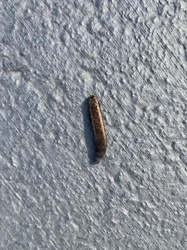
- Cylindrical, elongated body typically 0.5-2 inches (12-50 mm) long depending on species and age
- Tough, thick, leathery gray to grayish-brown skin, giving rise to the nickname "leatherjacket"
- No obvious head capsule visible from above; the head is often retracted into the thorax
- Body lacks true legs, though small fleshy bumps (pseudopods) may aid in movement
- Rear end features a flattened spiracular disc surrounded by several short, fleshy lobes used in breathing
- Overall smooth, worm-like, slightly wrinkled or segmented appearance
- Dull, muted coloring that blends in with mud, soil, or decaying plant matter
Where and When You'll See It
Crane fly larvae are found in wet mud, waterlogged soil, decaying leaf litter, and the sediment of ponds, streams, and marshy areas, as well as consistently damp soil away from open water. Aquatic and semi-aquatic species burrow through soft sediment or organic debris, while other species live in moist soil. They are most commonly encountered from fall through spring in cooler, wetter conditions, often turned up when digging through damp soil, leaf litter, or streambed sediment. Because many species take a year or more to complete their larval development, individuals of varying sizes can often be found together in the same patch of wet habitat. Their tough skin helps them withstand the abrasive, waterlogged conditions of their burrowing lifestyle.
Similar-Looking Bugs
- Horse fly larva: similarly elongated and pale, but tapers more sharply at both ends and has rings of small fleshy tubercles along the body rather than a smooth leathery skin.
- Black fly larva: much smaller with a distinct club shape and fan-like head structures, and anchored to rocks in fast current rather than burrowing in mud.
- Beetle grub (on land): typically has a curled C-shape and visible legs near the head, unlike the crane fly larva's straight, legless body.
- Non-biting midge larva: much thinner and often reddish, without the crane fly larva's thick, tough skin.
Quick ID Checklist
- Thick, tough, leathery gray-brown skin
- Cylindrical, legless, worm-like body
- No obvious head visible from above
- Flattened rear disc with short fleshy lobes
- Found burrowed in wet mud, damp soil, or streambed sediment
Frequently asked questions
Why is the crane fly larva called a leatherjacket?
The nickname comes from its thick, tough, leathery gray-brown skin, which gives the body a rugged, slightly wrinkled texture compared to the softer skin of many other insect larvae.
Does a crane fly larva have visible legs?
No, it lacks true legs; it may have small fleshy bumps that assist with movement, but overall the body appears smooth and legless.
Where do crane fly larvae live?
They are found in wet mud, waterlogged soil, decaying leaf litter, and stream or pond sediment, with some species living in consistently damp soil away from open water.
What is the disc at the rear of a crane fly larva used for?
The flattened spiracular disc at the tip of the abdomen, surrounded by fleshy lobes, is used for breathing and helps the larva access air even while burrowed in mud or soil.
Crane Fly Larva identified by the community
Recent Crane Fly Larva finds identified with Bug Identifier.