
Crane Fly Larva
Tipula spp.
Thick-skinned and worm-like, the crane fly larva, often called a leatherjacket, burrows through wet mud and decaying vegetation at the edges of ponds and streams, breaking down plant material as it grows.
- Size
- 20-40 mm
- Habitat
- Wet soil, mud, and margins of ponds and streams
- Danger
- Harmless
Spotted a bug like this?
Identify any bug or insect from a photo, free.
Overview
The crane fly larva, commonly nicknamed the leatherjacket for its tough, leathery outer skin, is the immature stage of the crane fly, a large, long-legged fly often mistaken for an oversized mosquito. While many crane fly species develop in moist soil or lawns, a number of species have larvae that are fully or semi-aquatic, living in the mud, decaying leaf litter, and shallow margins of ponds and slow streams.
Leatherjackets are stout, cylindrical, legless larvae with a tough, grayish-brown skin that gives them good protection as they burrow through mud and organic debris. They are primarily detritivores, feeding on decaying plant material, algae, and organic matter, and in doing so play an important role in breaking down and recycling nutrients within pond and stream-edge ecosystems.
As fly larvae, crane fly larvae undergo complete metamorphosis, eventually forming a pupa before emerging as the adult crane fly, a delicate, long-legged insect that does not bite and is often seen fluttering weakly near lights or vegetation in late summer.
How to Identify
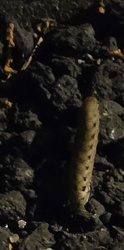
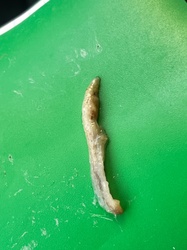
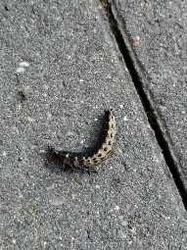
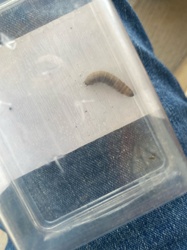
- Thick, cylindrical, worm-like body 20-40 mm long, tapering slightly at both ends, tough and leathery gray-brown skin
- No visible legs, moving instead by muscular contractions of the body
- Small, retractable head capsule that can withdraw into the front body segment
- Rear end often bears small fleshy lobes or spiracle openings arranged around the tip
- Skin notably tough and resistant compared to the softer bodies of many other fly larvae
- Distinguished from horse fly larvae by its blunter, uniformly cylindrical shape and lack of fleshy prolegs along the body
Habitat & Range
Aquatic and semi-aquatic crane fly larvae are found in wet mud, decaying leaf litter, and the shallow margins of ponds, marshes, and slow-moving streams across much of the world, often burrowing just beneath the surface of saturated soil or sediment. They are most abundant in cooler, moist seasons and can tolerate periodic drying and re-wetting of their habitat better than many fully aquatic larvae.
Behavior & Diet
Crane fly larvae burrow through wet mud, leaf litter, and decaying vegetation at the water's edge, feeding primarily on decomposing plant material, algae, and other organic matter, making them important detritivores within pond and stream-margin ecosystems. Their tough skin offers some protection from the abrasive, wet substrate they move through, and they can withdraw their head into the body for further protection. By breaking down plant debris, leatherjackets help recycle nutrients back into the ecosystem and serve as a food source for birds, fish, and other predators that forage in shallow water and wet soil.
Life Cycle
Females lay eggs in wet soil, mud, or shallow water near vegetation. The larvae that hatch burrow into the substrate and pass through four instars over the course of several months to a year, feeding on decaying organic matter and growing steadily, with many species overwintering as larvae. When mature, the larva forms a pupa either within the soil or partly emerged at the surface, and after a period of development the adult crane fly emerges, typically living only a short time as an adult focused on mating and egg-laying rather than feeding.
Frequently asked questions
Why is the crane fly larva called a leatherjacket?
Its tough, leathery gray-brown skin, well suited to burrowing through wet mud and soil, gives rise to the nickname.
Do crane fly larvae live in water?
Many species live in wet mud and vegetation at the margins of ponds and streams, while others develop in moist soil or lawns away from open water.
What do crane fly larvae eat?
They mainly feed on decaying plant material and organic matter, acting as detritivores that help recycle nutrients.
Does the adult crane fly bite?
No, adult crane flies lack biting mouthparts and are harmless despite their resemblance to giant mosquitoes.
Crane Fly Larva guides
In-depth guides for identifying, understanding, and living alongside Crane Fly Larva.
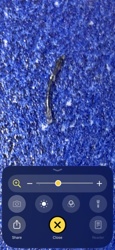
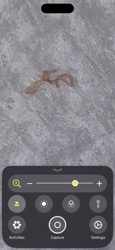
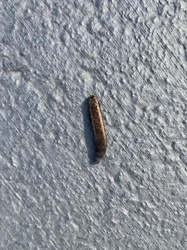
Crane Fly Larva identified by the community
Real finds identified with Bug Identifier.
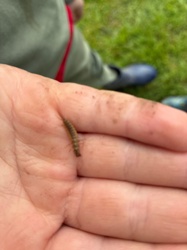
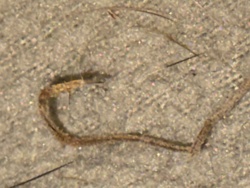
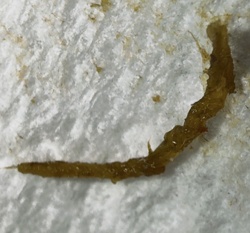

Other bugs you may enjoy
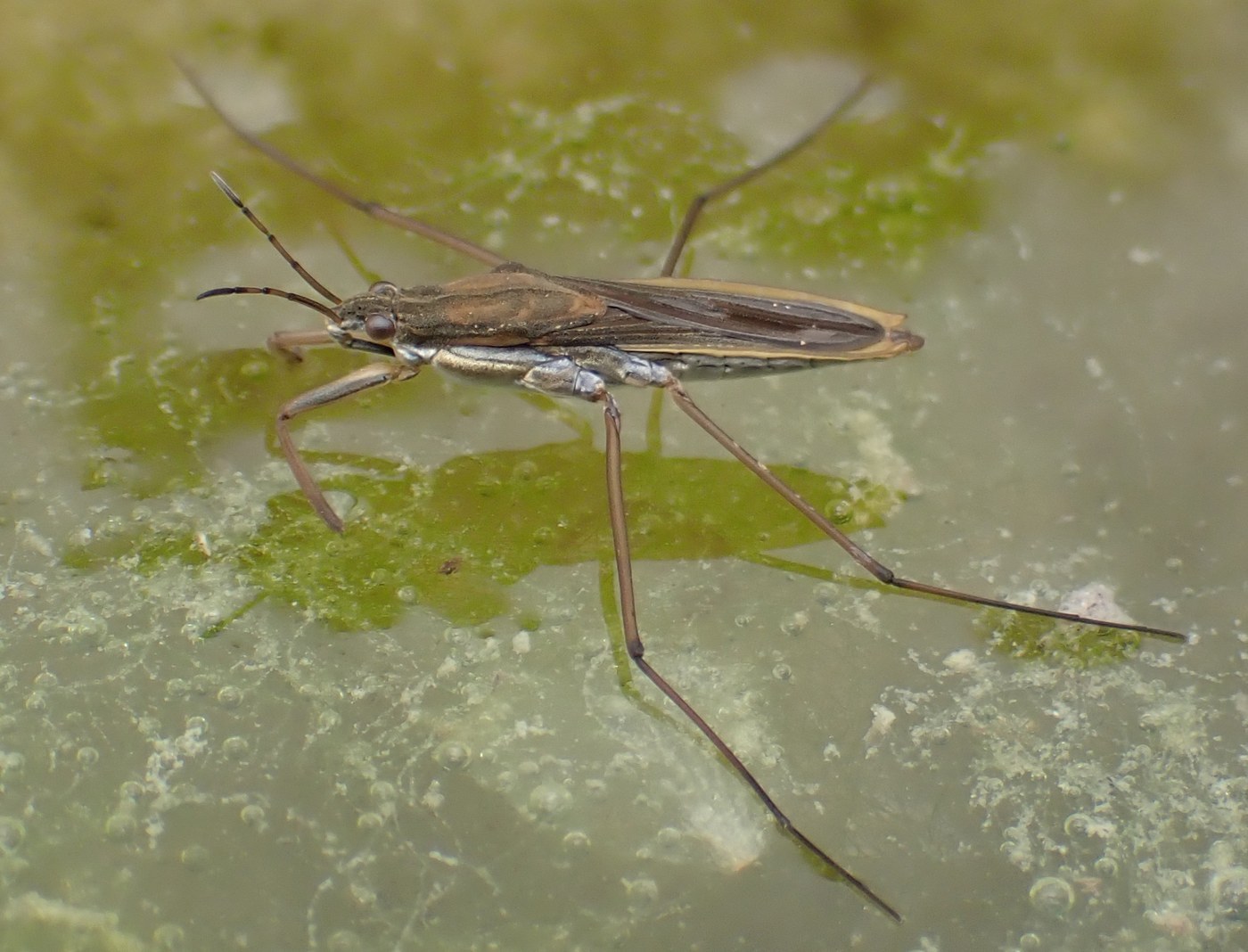
Water Strider
Still or slow-moving fresh water: ponds, lake edges, slow streams, puddles
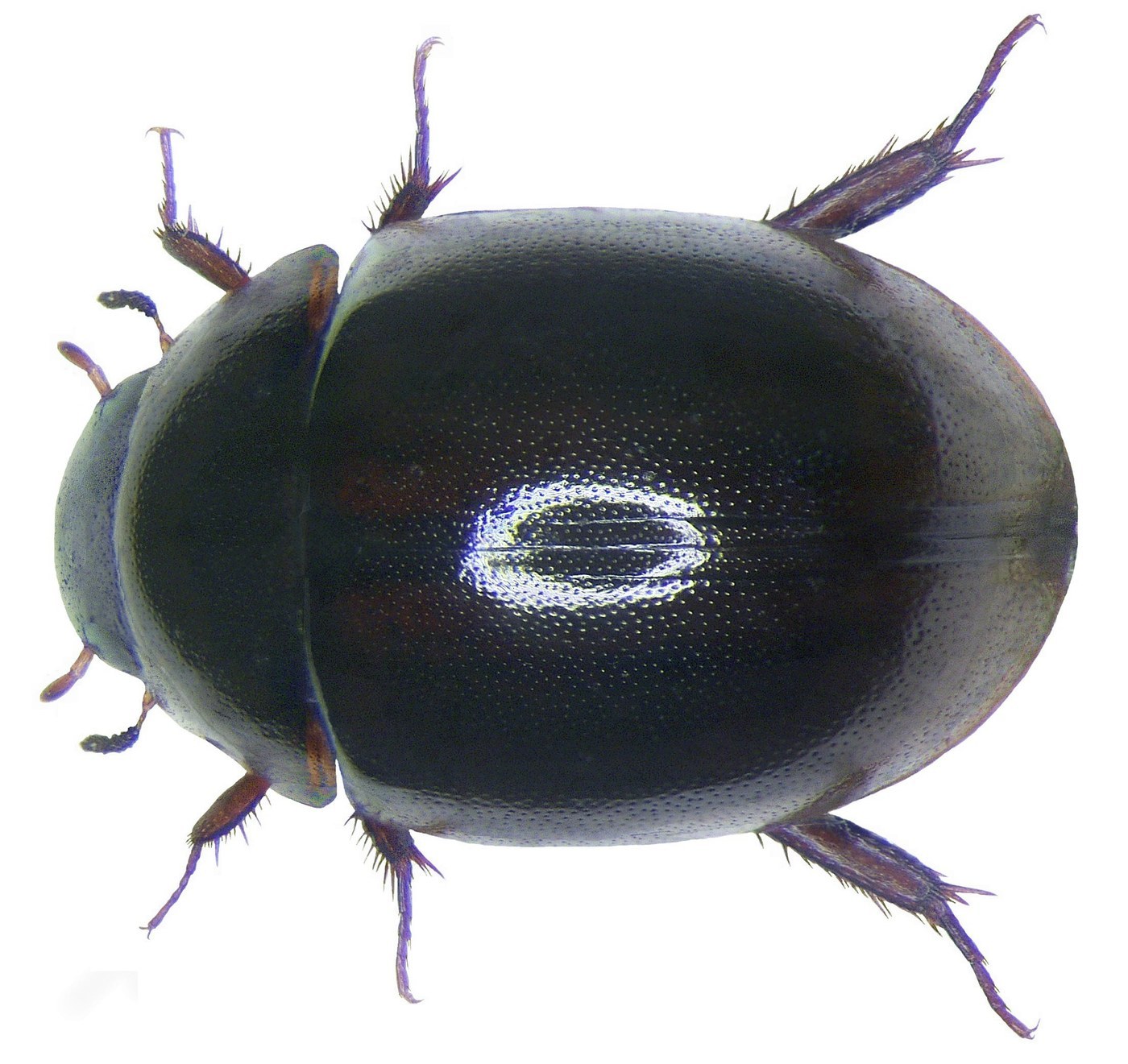
Water Beetle
Ponds, slow streams, marshes, still fresh water
Water Penny Beetle
Fast, rocky, well-oxygenated streams
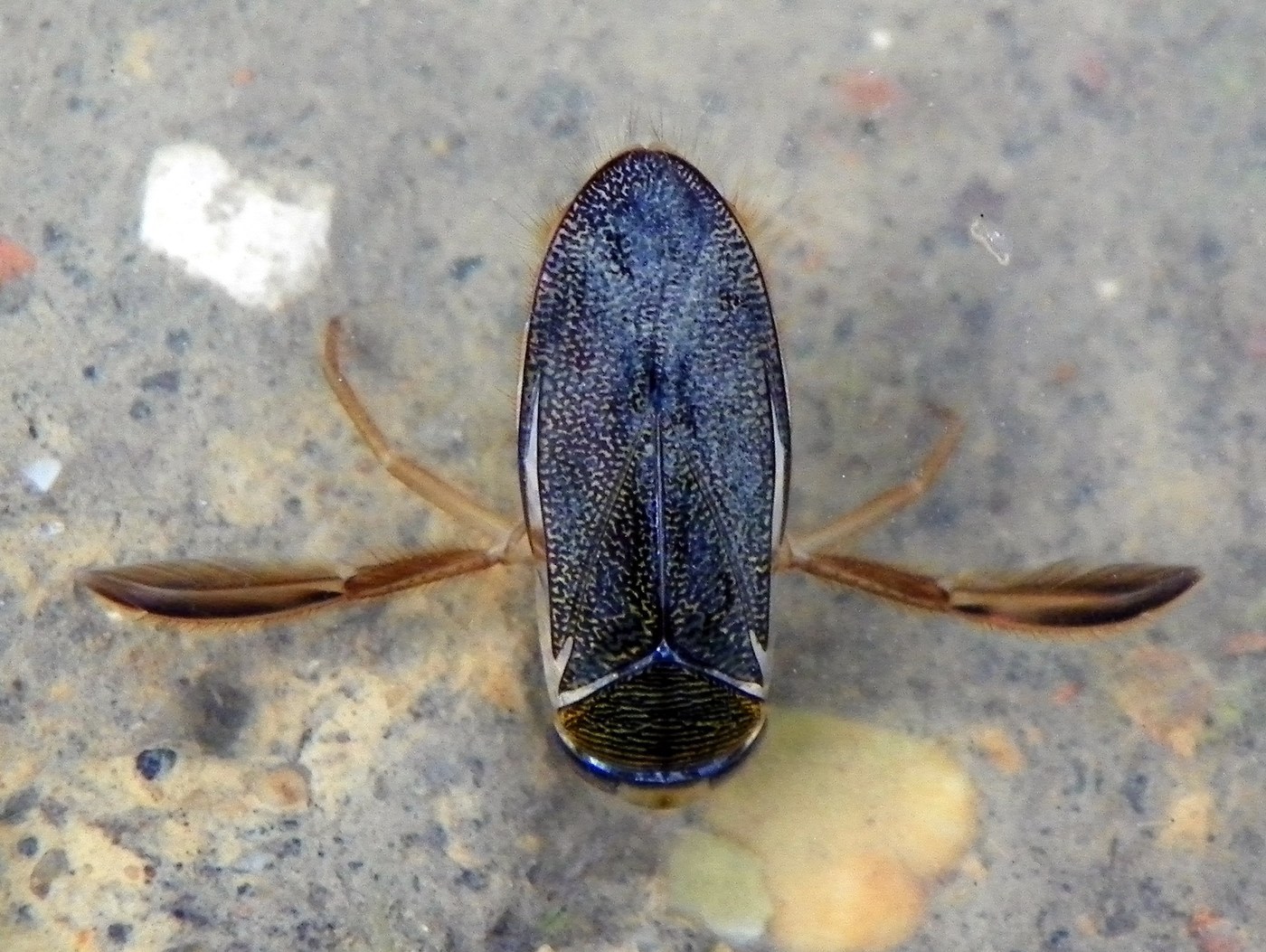
Water Boatman
Ponds, lakes, slow streams, freshwater with vegetation
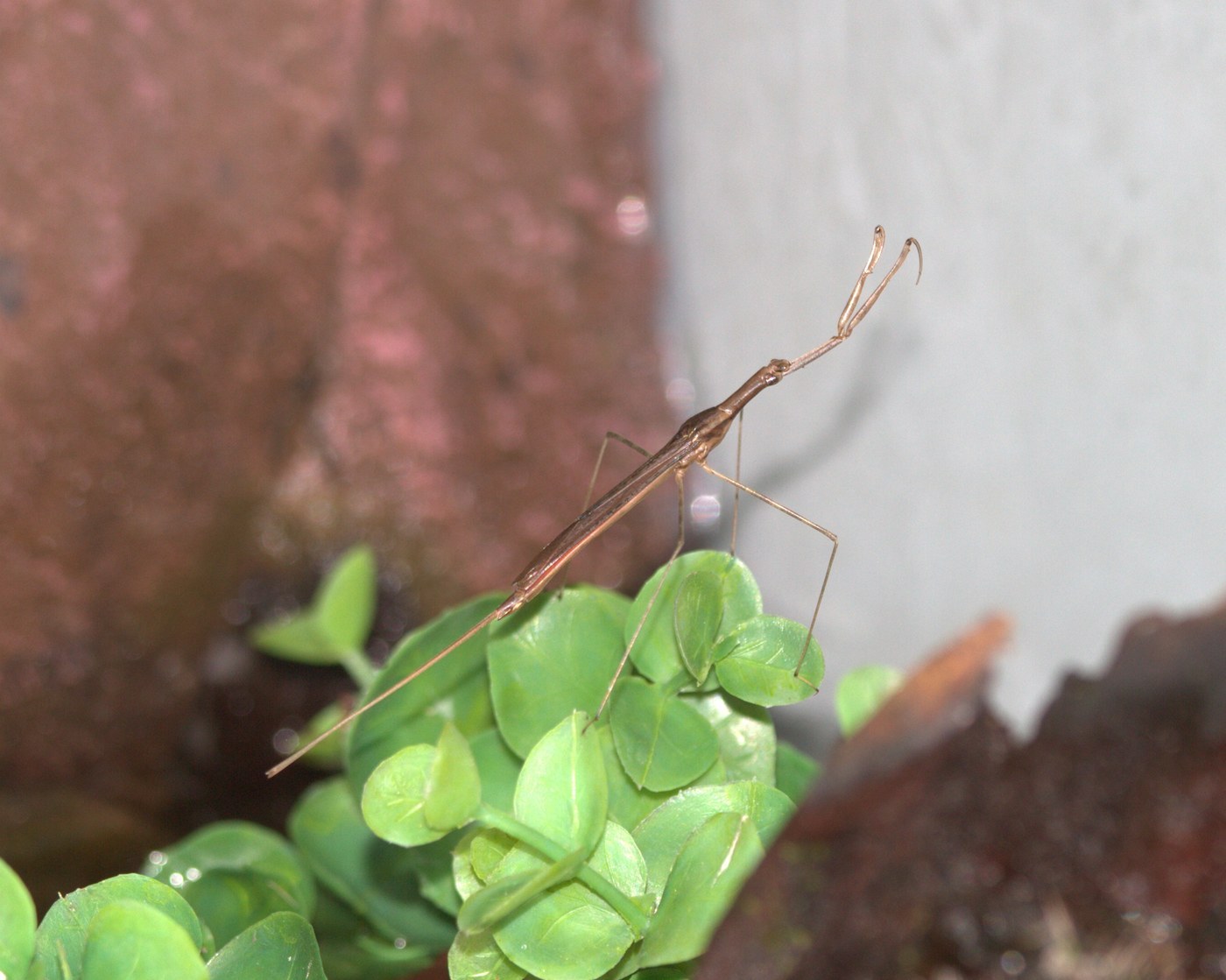
Water Scorpion
Still or slow-moving water with submerged vegetation
Stonefly
Cold, clean, well-oxygenated streams and rivers
Stonefly Nymph
Cold, fast-flowing, well-oxygenated streams
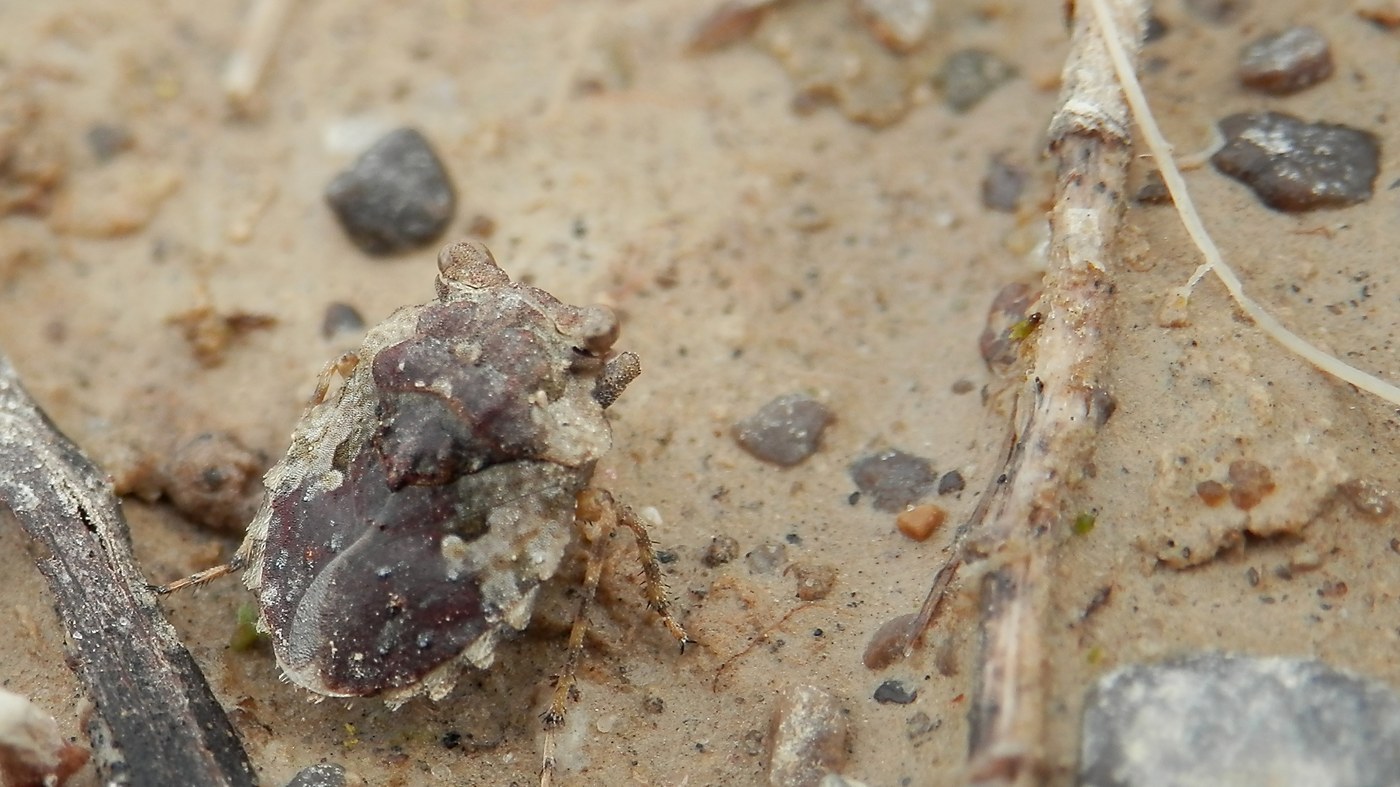
Toad Bug
Muddy or sandy shorelines of ponds, streams, and rivers
Soldier Fly Larva
Ponds, marshes, and slow streams with organic sediment
Mosquito Larva
Standing water in ponds, ditches, containers, and puddles
Whirligig Beetle
Surface of ponds, lakes, and slow streams
Rat-Tailed Maggot
Stagnant, oxygen-poor water such as manure pools, drains, and compost