
Flat Rock Scorpion
Hadogenes spp.
An extraordinarily flattened, long-tailed scorpion that squeezes into paper-thin rock crevices, among the largest scorpions in the world by length.
- Size
- 100-200 mm (4-8 inches) including tail
- Habitat
- Crevices in exposed rock faces and boulder outcrops
- Danger
- Stings
Spotted a bug like this?
Identify any bug or insect from a photo, free.
Overview
Flat rock scorpions, belonging to the genus Hadogenes, are native to rocky habitats across southern Africa and are renowned for having one of the most extremely flattened body forms of any scorpion, an adaptation that allows them to wedge into narrow cracks and crevices in exposed rock faces where few other animals can follow. Despite their impressively long, whip-like tails, which contribute to making them among the longest scorpions in the world, they possess unusually small stingers and rely far more on their well-developed pincers to subdue prey.
Their dorsoventrally flattened body, dark brown to blackish coloration, and elongated, multi-segmented tail give them a distinctive silhouette unlike most other scorpion families. The genus contains numerous species distributed across a range of rocky habitats, from open granite outcrops to shaded cliff faces.
Flat rock scorpions are slow-moving and highly sedentary compared to many other scorpions, often remaining within the same crevice system for extended periods and only venturing a short distance to forage at night.
How to Identify
- Extremely flattened, dorsoventrally compressed body, unusually thin compared to most other scorpion families.
- Dark brown to blackish coloration overall, sometimes with slightly paler leg segments.
- Exceptionally long, segmented tail (metasoma) that can make up a large portion of total body length, ending in a comparatively small, slender stinger.
- Robust, well-developed pincers (pedipalps) that are proportionally large relative to the flattened body and tail.
- Among the longest scorpions in the world by total length, with some individuals reaching 200 mm or more including the tail.
Habitat & Range
Flat rock scorpions are native to southern Africa, particularly South Africa and neighboring countries, where they inhabit exposed granite and sandstone rock formations, boulder fields, and cliff faces. They wedge themselves into narrow horizontal or vertical crevices during the day, sometimes occupying the same crevice for years, and emerge at night to forage on the rock surface nearby. Their distribution is closely tied to the availability of suitable rock crevice habitat rather than broader climatic zones.
Behavior & Diet
These scorpions are nocturnal predators that rely primarily on their strong pincers rather than their sting to capture and crush prey, which mainly consists of insects and other small arthropods found on or near their rock crevice home. They are notably slow-moving and sedentary, showing strong site fidelity to a particular crevice, and are thought to be relatively long-lived compared to many other scorpion species. Within their rocky habitat, they function as significant nocturnal predators of arthropods and are themselves prey for certain birds and reptiles adapted to foraging on rock faces.
Life Cycle
Flat rock scorpions reproduce in the ovoviviparous manner typical of scorpions, with females giving birth to live young after an internal gestation period rather than laying eggs. Newborn scorpions climb onto the mother's back and remain there for protection until after their first molt. Because of their sedentary lifestyle, members of this genus are believed to grow slowly and take several years to reach sexual maturity, with adults potentially living considerably longer than many other scorpion species.
Frequently asked questions
Why is the flat rock scorpion so flat?
Its extremely flattened body is an adaptation that lets it squeeze into narrow rock crevices for shelter, a habitat few other animals can access.
Where do flat rock scorpions live?
They are native to rocky habitats in southern Africa, wedging into crevices in granite and sandstone outcrops and cliff faces.
Does the flat rock scorpion rely on its sting to catch prey?
No, it relies mainly on its large, strong pincers to capture and crush prey, using its comparatively small stinger less than many other scorpions.
How big can flat rock scorpions get?
They are among the longest scorpions in the world, with some individuals reaching around 200 mm or more including their long, whip-like tail.
Flat Rock Scorpion guides
In-depth guides for identifying, understanding, and living alongside Flat Rock Scorpion.
Other bugs you may enjoy
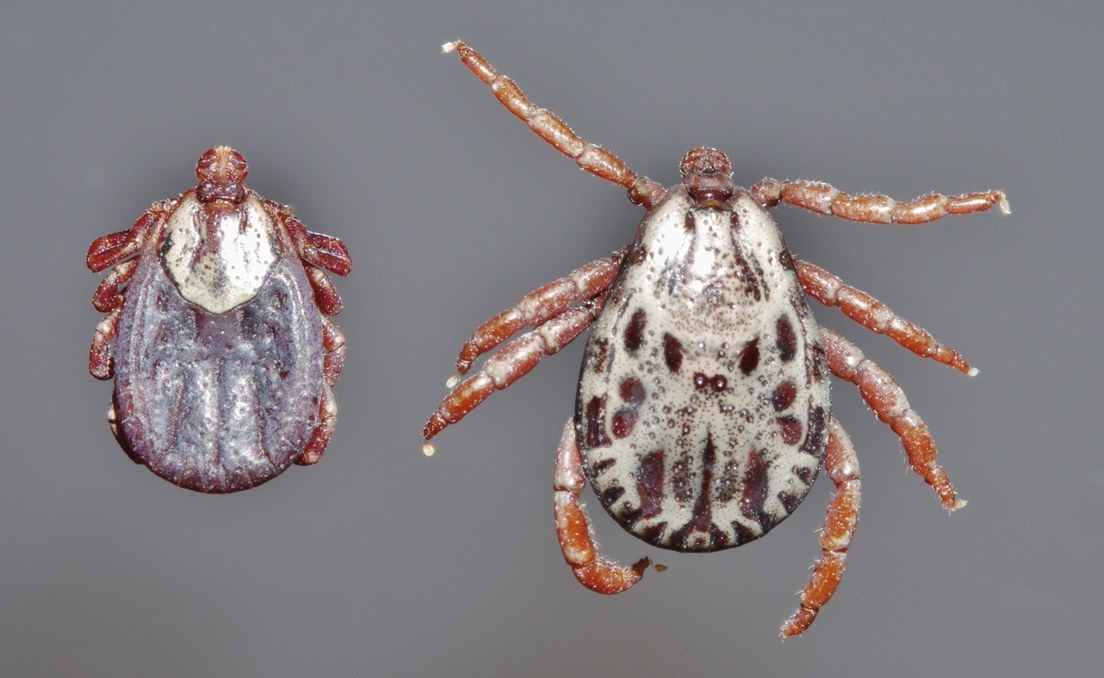
Wood Tick
Grassland, shrub-steppe, and open woodland of western North America
Yellow Scorpion
Arid scrubland, rocky slopes, and desert margins
Whip Spider
Tropical caves, rainforest leaf litter, and under bark
Water Mite
Ponds, lakes, streams, and other freshwater bodies
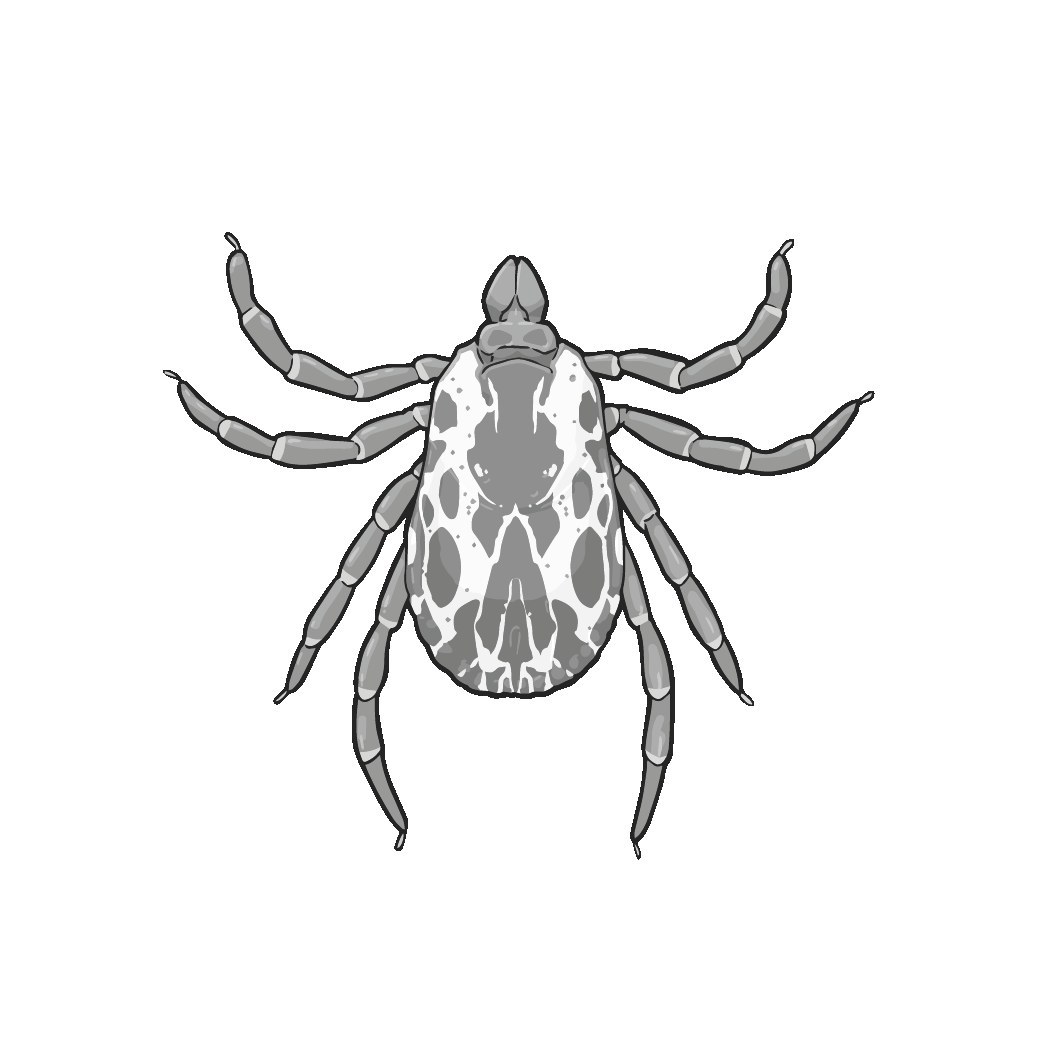
American Dog Tick
Grassy fields, trails, and low vegetation near woodlands
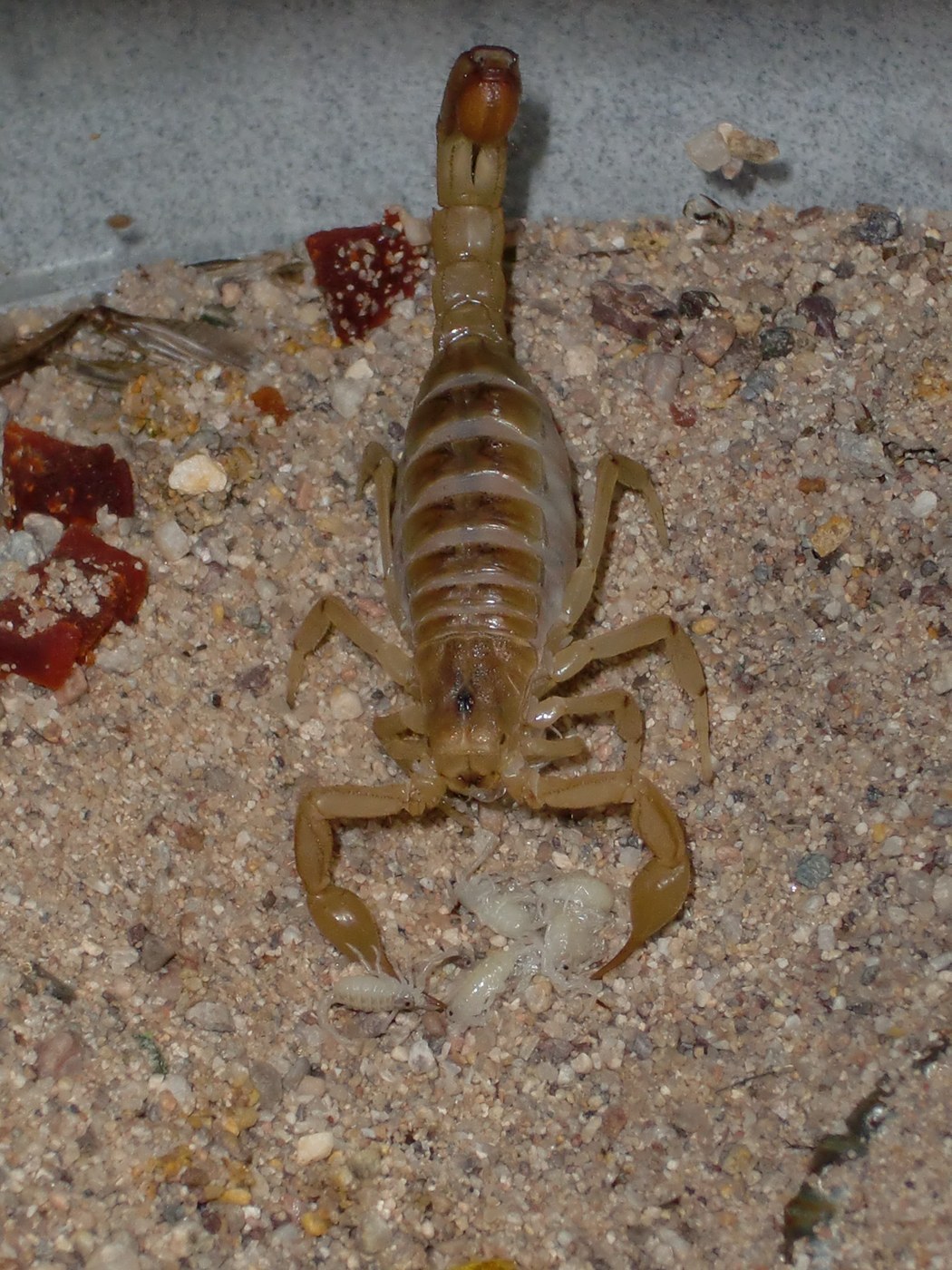
Arizona Bark Scorpion
Rocky desert terrain, tree bark, and structures in the Southwest
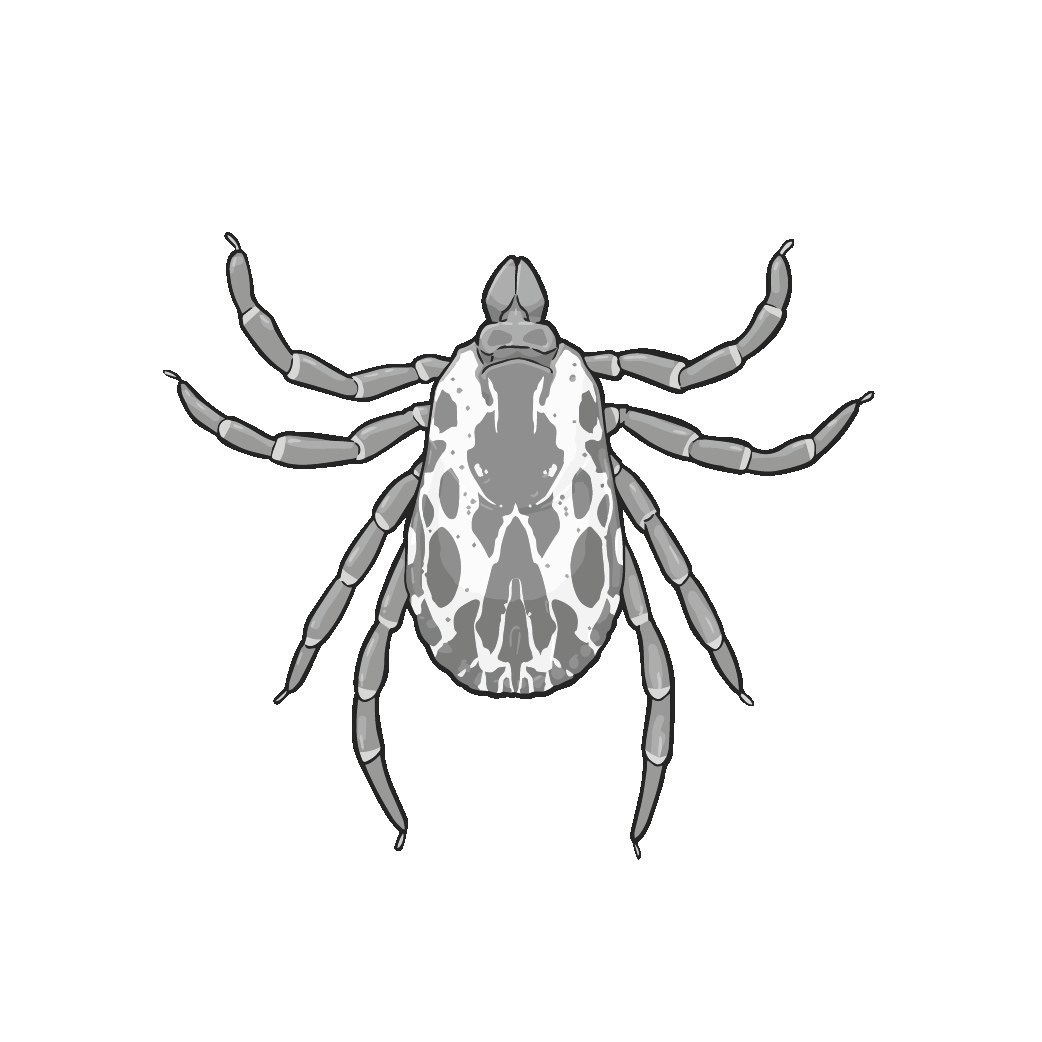
Tick
Tall grass, brush, woodland edges, and animal trails
Soil Mite
Soil, leaf litter, moss, and decaying organic matter worldwide
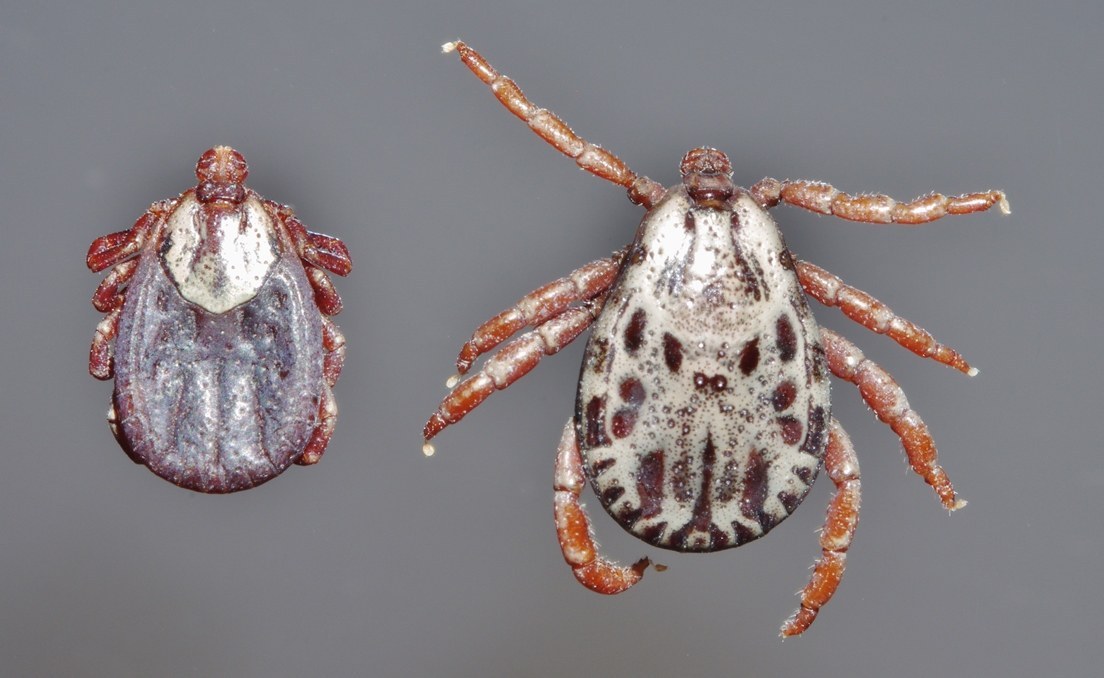
Rocky Mountain Wood Tick
Sagebrush shrublands, grasslands, and montane forest edges
Two-Spotted Spider Mite
Undersides of leaves on garden plants, crops, and houseplants
Spider Mite
Undersides of leaves on garden plants, houseplants, and field and orchard crops worldwide
Whip Scorpion
Tropical and subtropical caves, tree bark, and rock crevices worldwide