
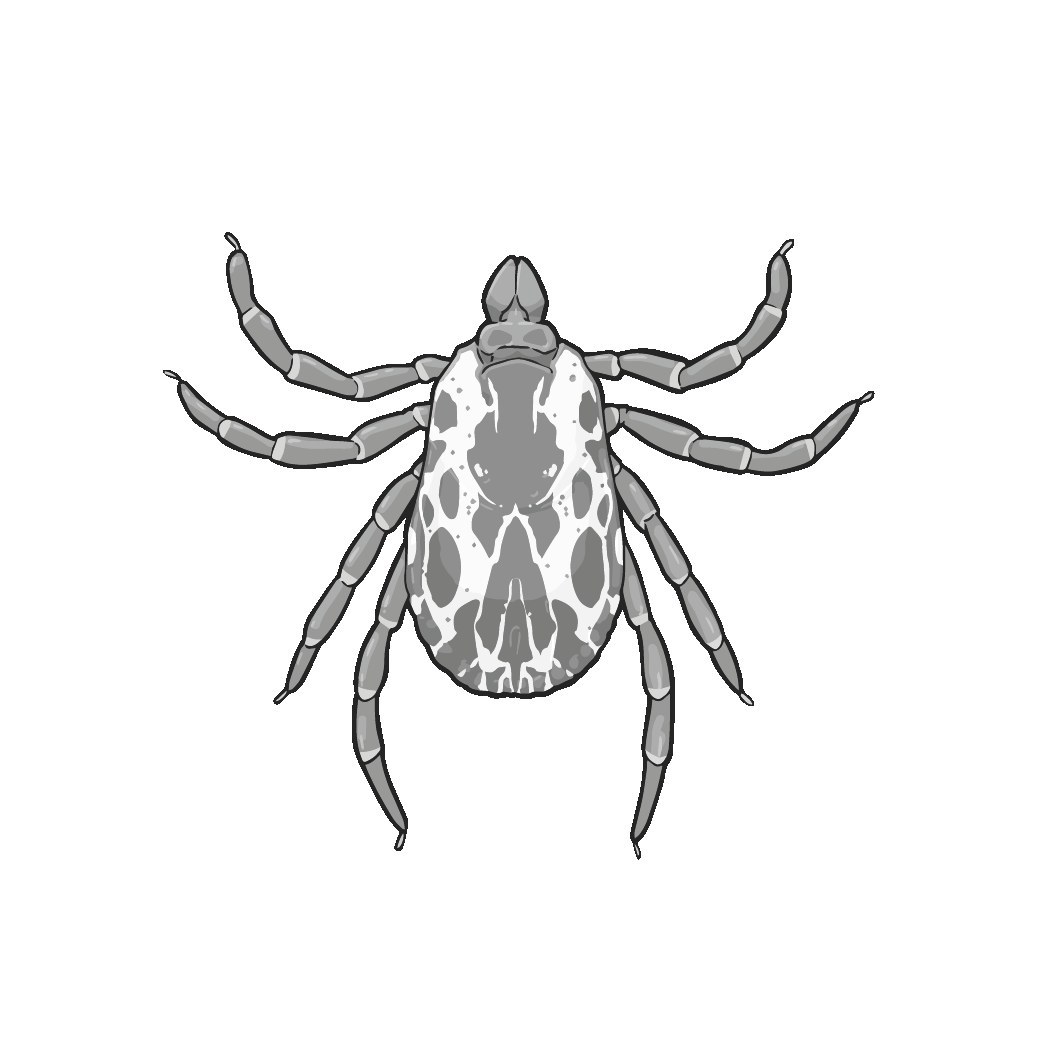
American Dog Tick
Dermacentor variabilis
A stout, mottled brown-and-silver tick that waits on grass blades with its front legs outstretched, ready to latch onto a passing host.
- Size
- 3-5 mm unfed; up to 15 mm engorged
- Habitat
- Grassy fields, trails, and low vegetation near woodlands
- Danger
- Bites
Spotted a bug like this?
Identify any bug or insect from a photo, free.
Overview
The American dog tick is one of the most frequently encountered hard ticks in the eastern and central United States, as well as along the Pacific Coast. Adults are easily recognized by the ornate, marbled silvery-white pattern on the scutum (the hardened dorsal shield) set against an otherwise reddish-brown body, which distinguishes them from the plainer blacklegged tick.
This species is a three-host tick, meaning it requires a different host animal at each of its three feeding stages (larva, nymph, and adult), typically feeding on small rodents as immatures and on medium-to-large mammals, including dogs and other wildlife, as adults. It is a member of the hard tick family Ixodidae, identifiable by its tough dorsal shield and the visible mouthparts when viewed from above.
American dog ticks are ambush parasites that use a behavior called questing, climbing onto vegetation and extending their front legs to grab hosts brushing past. They cannot jump or fly, and rely entirely on physical contact to find a host.
How to Identify
- Reddish-brown body with a distinctive silvery-gray mottled scutum (shield) on the back, especially bold in males which cover most of the body.
- Females have a smaller silver shield behind the head, leaving the rest of the abdomen dark brown and capable of expanding when engorged with a blood meal.
- Unfed adults measure roughly 3-5 mm; engorged females can swell to over 15 mm and turn a slate-gray color.
- Eight legs as an adult (six as a larva), short rounded body, and visible mouthparts (capitulum) projecting from the front when viewed from above.
- Lookalikes include the Rocky Mountain wood tick, which is very similar but found further west and has a slightly different scutal pattern.
Habitat & Range
This tick favors open, grassy habitats such as fields, meadows, trails, and roadsides bordering wooded areas, rather than deep forest interiors. It is widespread east of the Rocky Mountains and also occurs in disjunct populations along the Pacific coast of California, Oregon, and Washington. Adults quest most actively from spring through mid-summer, with activity tapering off in the heat of late summer.
Behavior & Diet
American dog ticks feed exclusively on vertebrate blood at every life stage after hatching, with larvae and nymphs targeting small mammals like voles and mice, while adults seek larger hosts such as dogs, raccoons, and deer. They locate hosts using carbon dioxide, body heat, and vibration rather than sight, waiting motionless on vegetation for a host to brush past. Within ecosystems, they serve as a food source for some birds and are part of the broader parasite-host web that helps regulate small mammal populations.
Life Cycle
Females lay a single enormous mass of several thousand eggs on the ground after a final blood meal, then die. Eggs hatch into six-legged larvae that seek a small mammal host, feed briefly, then drop off to molt into eight-legged nymphs. Nymphs repeat this process on another small-to-medium host before molting into adults, which seek a larger host for a final blood meal and mating. The full life cycle typically takes about one year but can extend to two years depending on host availability and climate, with unfed ticks able to survive many months without feeding.
Frequently asked questions
How can I tell an American dog tick from a blacklegged tick?
American dog ticks are larger and have an ornate silvery-white marbled pattern on their back, while blacklegged ticks are smaller, plain reddish-brown, and lack that mottled shield.
Where are American dog ticks most commonly found?
They favor grassy fields, trails, and vegetation edges near wooded areas rather than deep forest, and they wait on grass blades for a host to pass.
Do American dog ticks jump onto hosts?
No, they cannot jump or fly; they climb vegetation and use a behavior called questing, extending their front legs to grab onto a passing animal or person.
How many hosts does an American dog tick use in its lifetime?
It is a three-host tick, feeding on a different animal at each of its three active life stages: larva, nymph, and adult.
American Dog Tick guides
In-depth guides for identifying, understanding, and living alongside American Dog Tick.
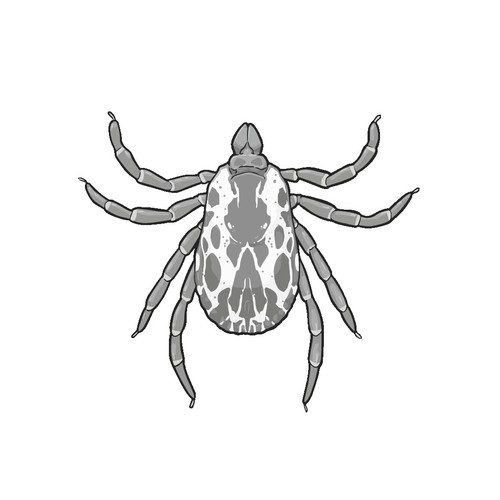
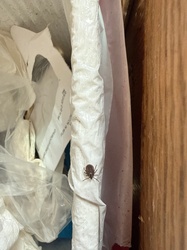
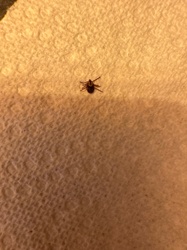
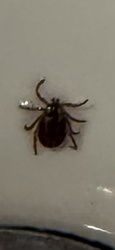
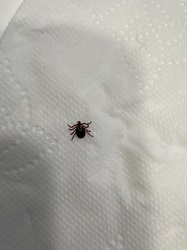
American Dog Tick identified by the community
Real finds identified with Bug Identifier.
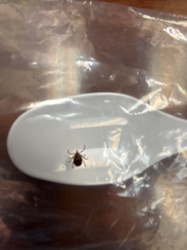
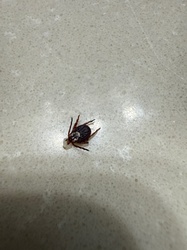
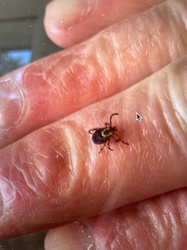
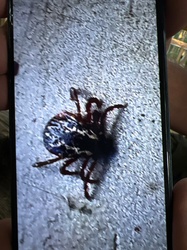

Other bugs you may enjoy
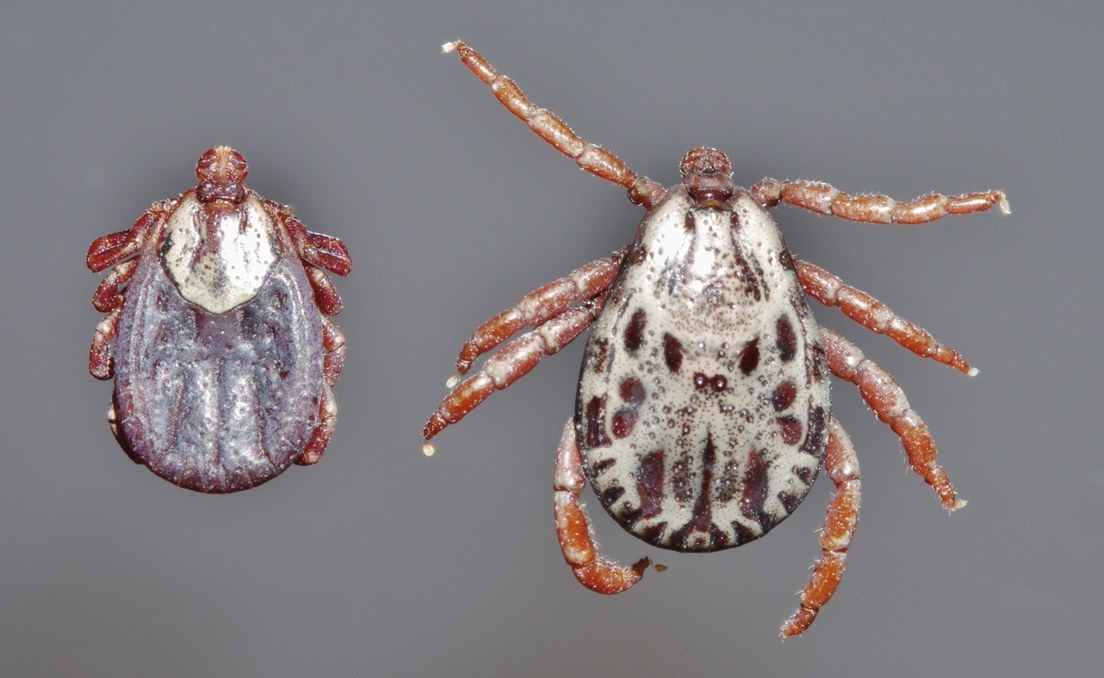
Wood Tick
Grassland, shrub-steppe, and open woodland of western North America
Yellow Scorpion
Arid scrubland, rocky slopes, and desert margins
Whip Spider
Tropical caves, rainforest leaf litter, and under bark
Water Mite
Ponds, lakes, streams, and other freshwater bodies
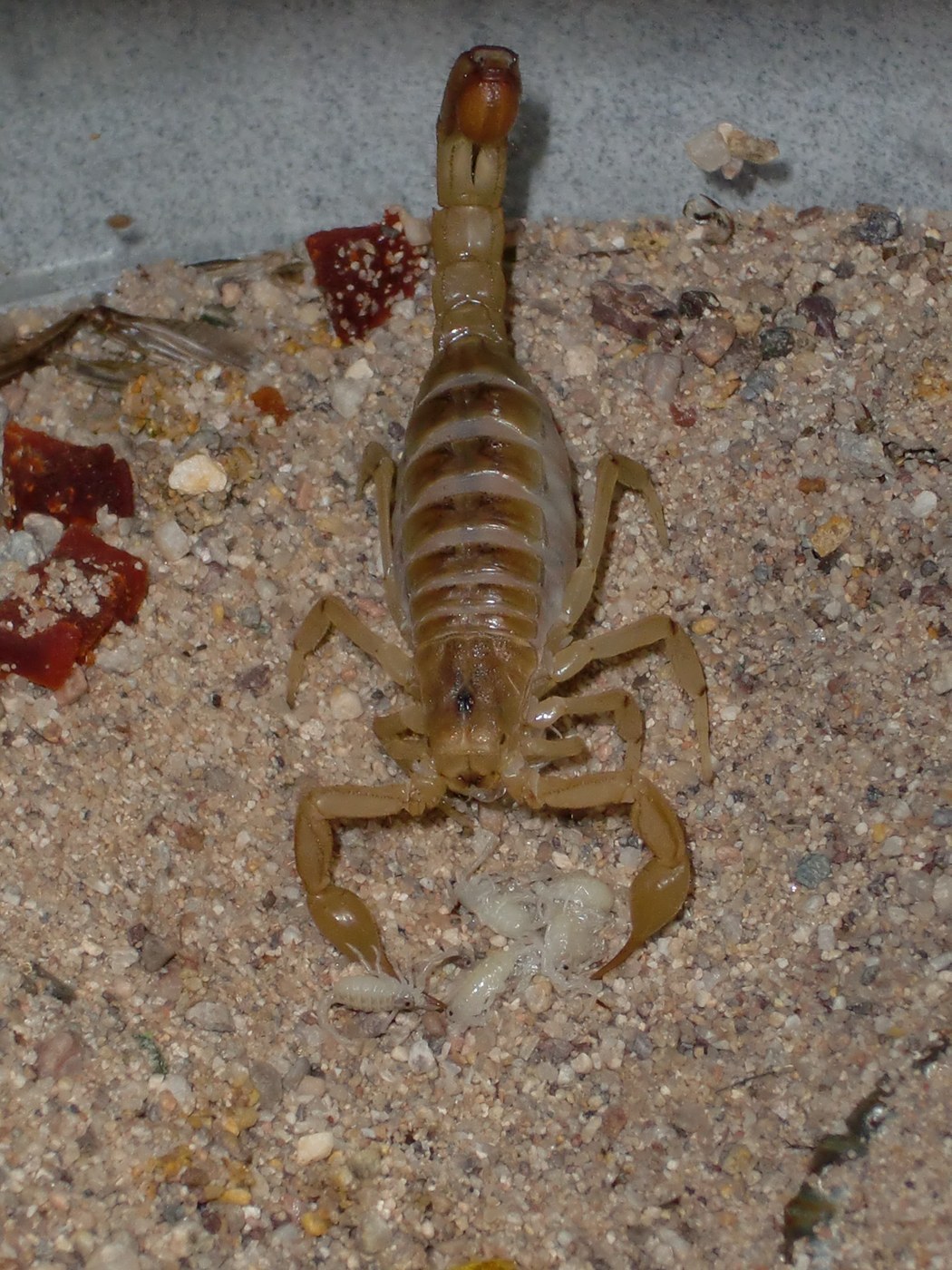
Arizona Bark Scorpion
Rocky desert terrain, tree bark, and structures in the Southwest
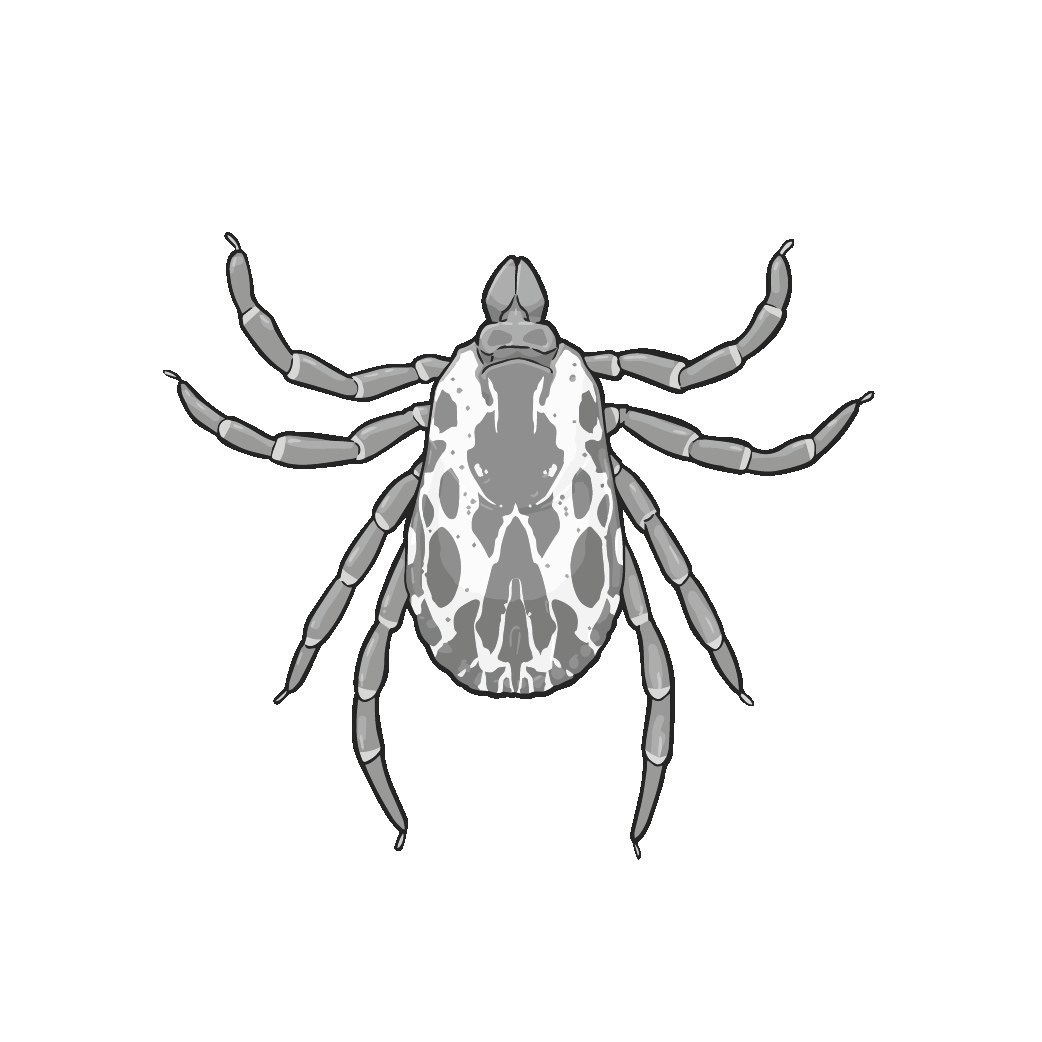
Tick
Tall grass, brush, woodland edges, and animal trails
Soil Mite
Soil, leaf litter, moss, and decaying organic matter worldwide
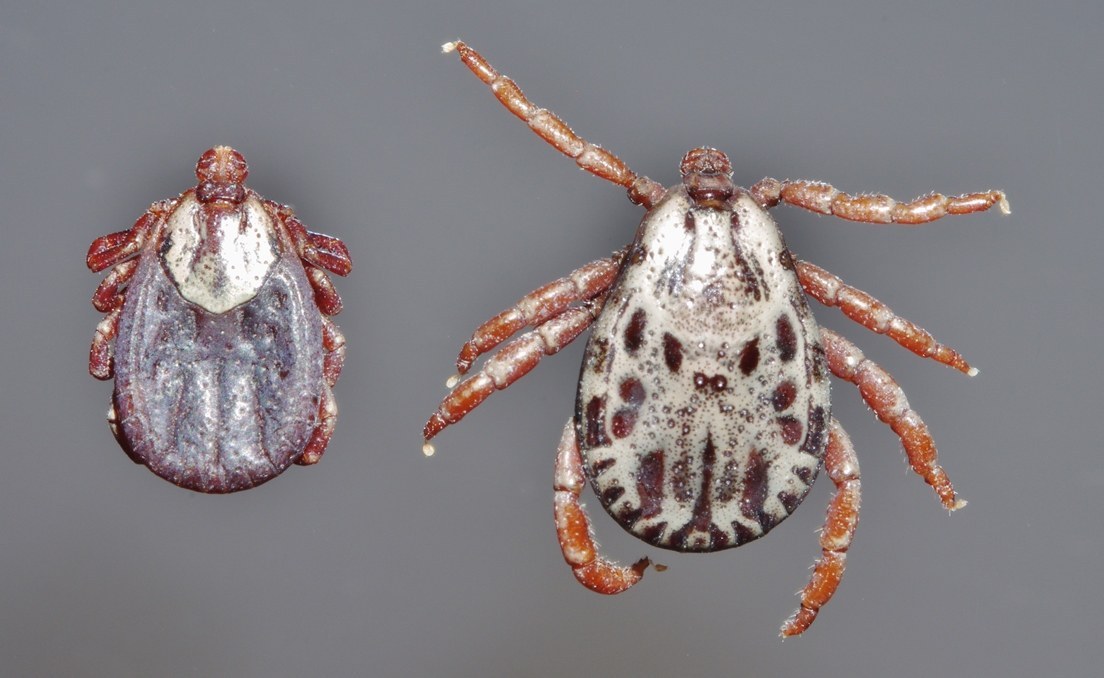
Rocky Mountain Wood Tick
Sagebrush shrublands, grasslands, and montane forest edges
Two-Spotted Spider Mite
Undersides of leaves on garden plants, crops, and houseplants
Spider Mite
Undersides of leaves on garden plants, houseplants, and field and orchard crops worldwide
Whip Scorpion
Tropical and subtropical caves, tree bark, and rock crevices worldwide
Scabies Mite
Within the outer skin layer of mammal hosts; no independent outdoor habitat