
Scabies Mite
Sarcoptes scabiei
A microscopic, eyeless mite that spends its entire life cycle burrowed within the outer layer of a mammal's skin, among the smallest arachnids known to science. Unlike free-living mites, it has no independent existence away from a host and is studied primarily through microscopic examination rather than direct observation.
- Size
- Adult females about 0.3–0.45 mm, males smaller at roughly 0.2 mm; microscopic
- Habitat
- Within the outer skin layer of mammal hosts; no independent outdoor habitat
- Danger
- Nuisance pest
Spotted a bug like this?
Identify any bug or insect from a photo, free.
Overview
The scabies mite is a member of the family Sarcoptidae, a group of obligate parasitic mites adapted to living within the outer skin layer of mammalian hosts. Several host-associated varieties of Sarcoptes scabiei are recognized, each broadly adapted to a particular group of mammals, including humans and numerous other species such as dogs and other domestic and wild animals, and the species as a whole is found wherever susceptible mammal populations occur worldwide.
Because it lives its entire life cycle within host skin rather than in the open environment, it is studied by parasitologists primarily through microscopic examination of skin samples rather than by observing free-living individuals, unlike ticks or free-living mites that can be collected from vegetation or soil.
How to Identify
- Body is oval to nearly circular and translucent white to cream colored
- Adults have four pairs of short, stubby legs; in females the front two pairs end in small stalked suckers
- Body surface is covered in fine spines, bristles, and ridges that help anchor the mite as it moves through skin
- No eyes and no elongated mouthparts of the kind seen in free-living mites
- Far too small to be seen without a microscope, so identification is based on microscopic examination of a skin sample rather than visual field spotting
Habitat & Range
This species is distributed worldwide wherever susceptible mammal hosts are found, with different host-associated strains occurring across human and animal populations on every continent. Its entire habitat is confined to the outer skin layer of a host; it has no meaningful free-living stage in soil, leaf litter, or vegetation the way most other mites do, and does not persist for long away from a host.
Behavior & Diet
As an obligate skin-dwelling parasite, a mated female excavates a shallow tunnel within the outer skin layer, feeding on skin material as she progresses and depositing eggs along the burrow, which she can extend by several millimeters over her lifetime. Spread between hosts occurs mainly through close, prolonged bodily contact. Biologically, Sarcoptes scabiei is part of a broader group of skin-dwelling mange mites that affect a wide range of mammal species in the wild as well as domestic animals, making it a subject of interest in both veterinary and wildlife parasitology.
Life Cycle
Eggs are laid within the skin burrow and hatch into six-legged larvae, which may create short branching tunnels of their own. Larvae molt into a protonymph and then a deutonymph, both eight-legged, before reaching the adult stage. The entire life cycle from egg to adult takes place within host skin and is completed in roughly two to three weeks, with adult females living several weeks and continuing to extend their burrow and lay eggs, allowing several generations to overlap within a single host.
Frequently asked questions
Is the scabies mite visible to the naked eye?
No. Adults are less than half a millimeter long and can only be identified through microscopic examination.
Where does the scabies mite live?
Exclusively within the outer skin layer of a mammal host; it has no independent free-living stage in soil or vegetation like most other mites.
Is the scabies mite an insect?
No. It is an arachnid, a relative of ticks, spiders, and other mites, classified in the family Sarcoptidae.
Does the scabies mite affect animals other than humans?
Yes. Various host-associated strains of Sarcoptes scabiei occur across many mammal species worldwide, both domestic and wild.
Scabies Mite guides
In-depth guides for identifying, understanding, and living alongside Scabies Mite.
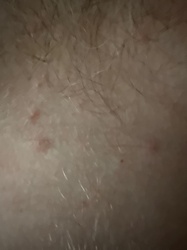
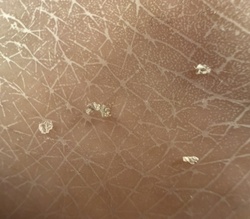
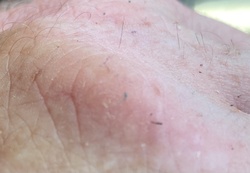
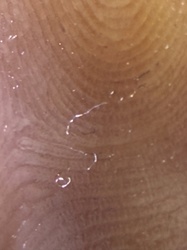
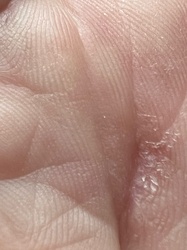
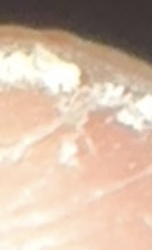
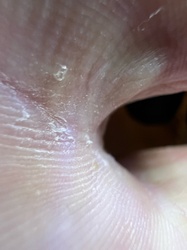
Scabies Mite identified by the community
Real finds identified with Bug Identifier.

Other bugs you may enjoy
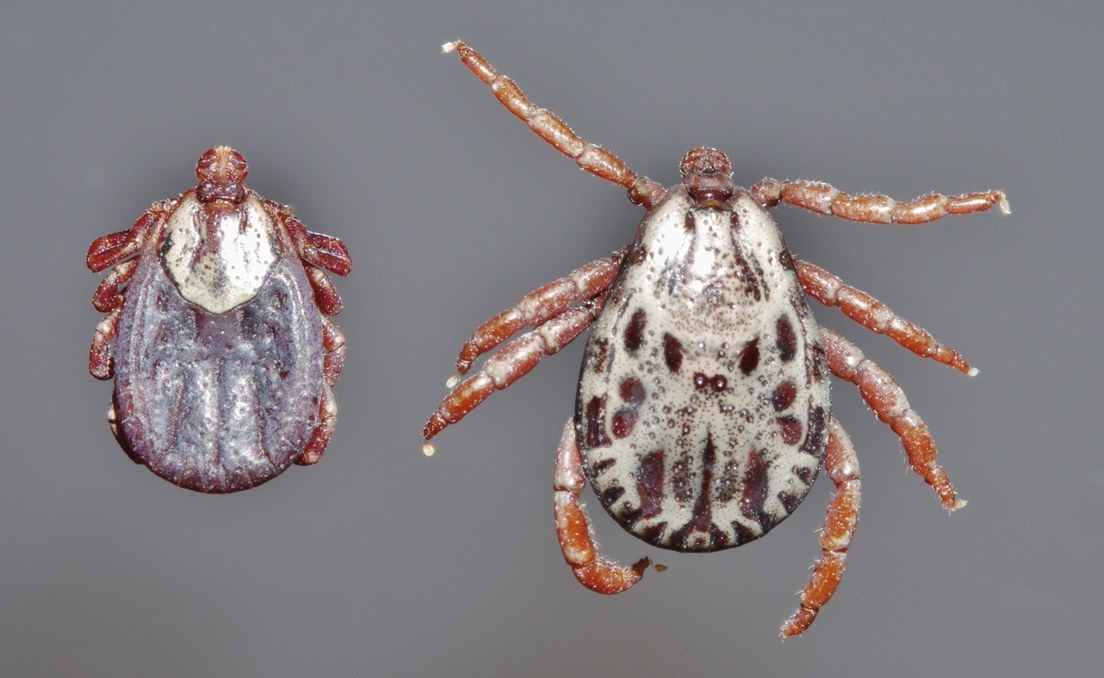
Wood Tick
Grassland, shrub-steppe, and open woodland of western North America
Yellow Scorpion
Arid scrubland, rocky slopes, and desert margins
Whip Spider
Tropical caves, rainforest leaf litter, and under bark
Water Mite
Ponds, lakes, streams, and other freshwater bodies
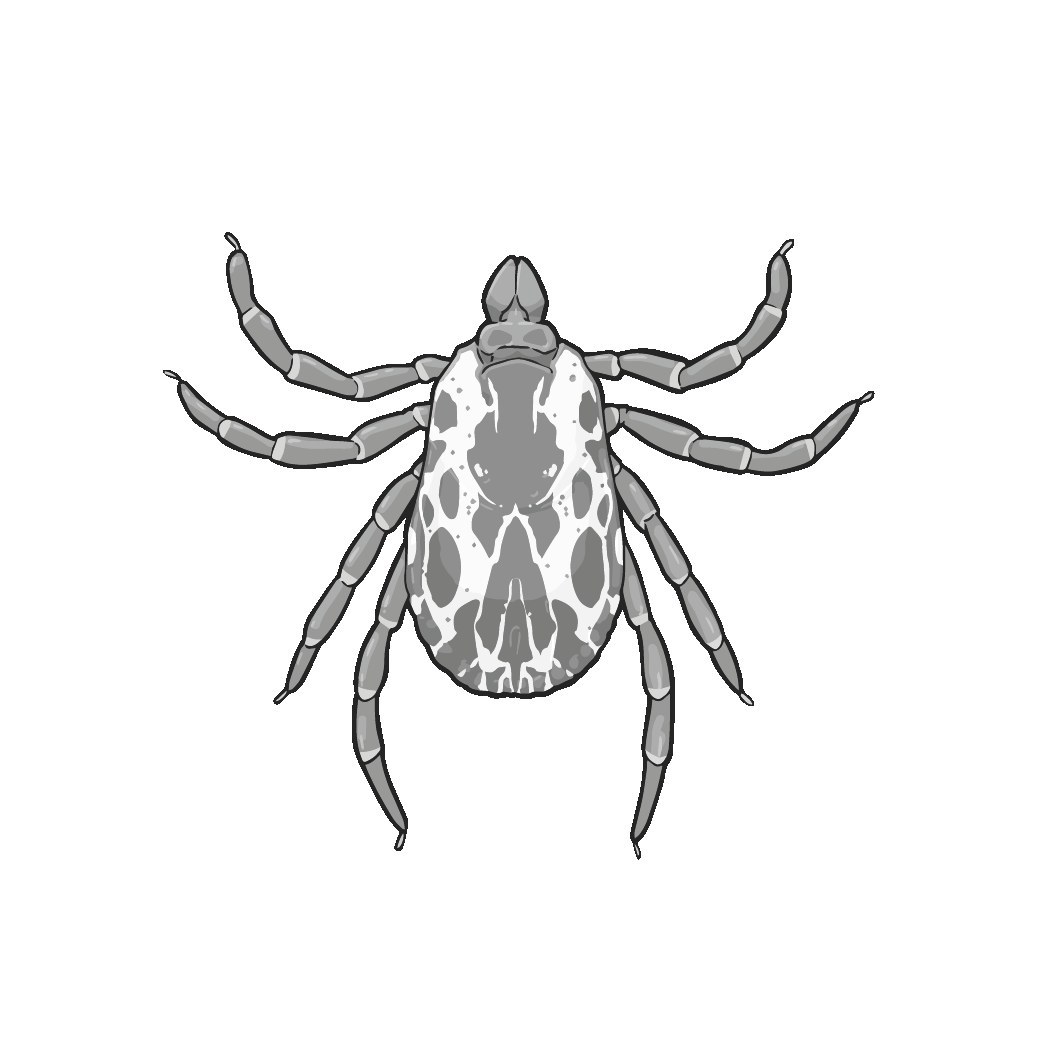
American Dog Tick
Grassy fields, trails, and low vegetation near woodlands
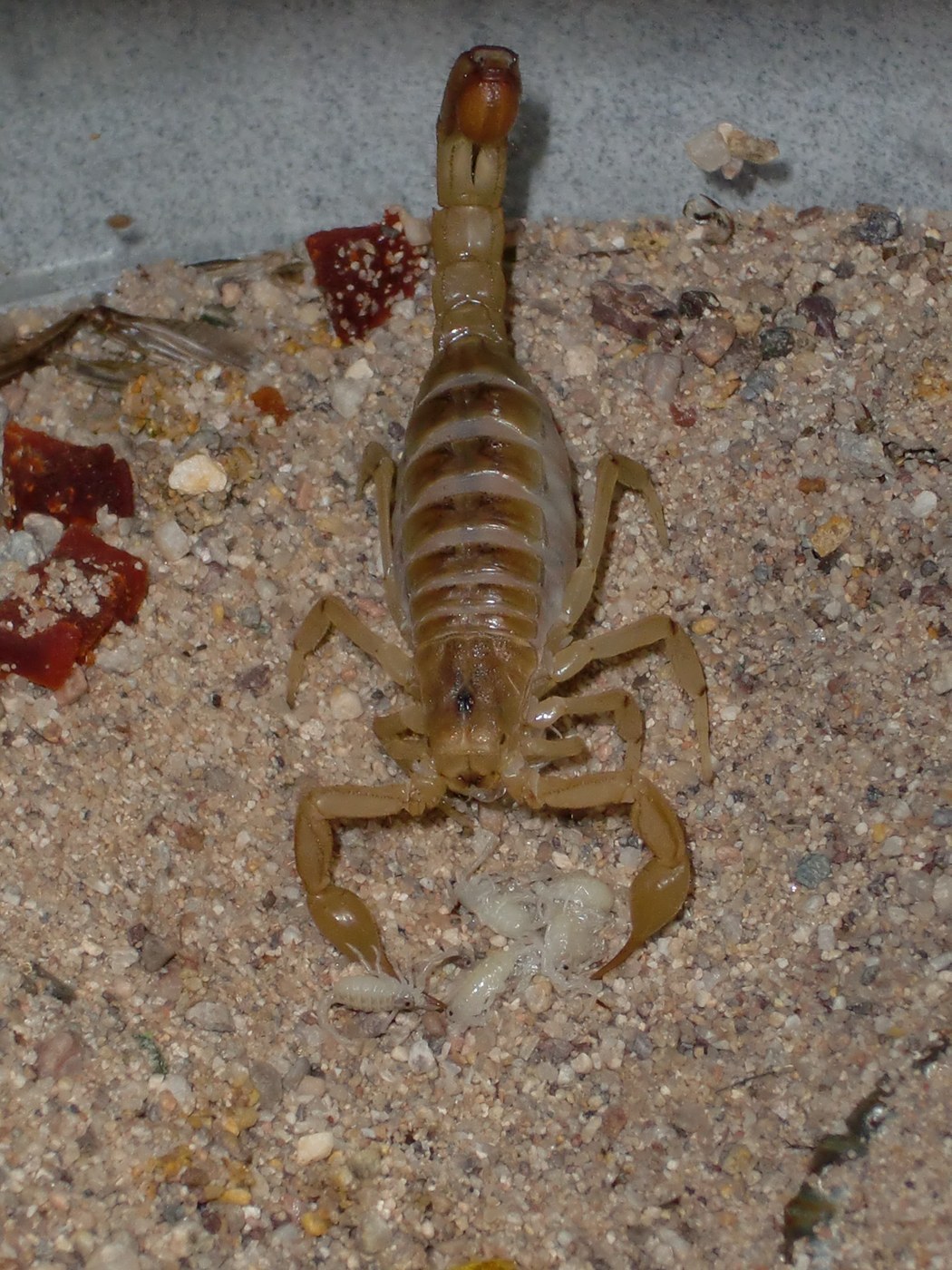
Arizona Bark Scorpion
Rocky desert terrain, tree bark, and structures in the Southwest
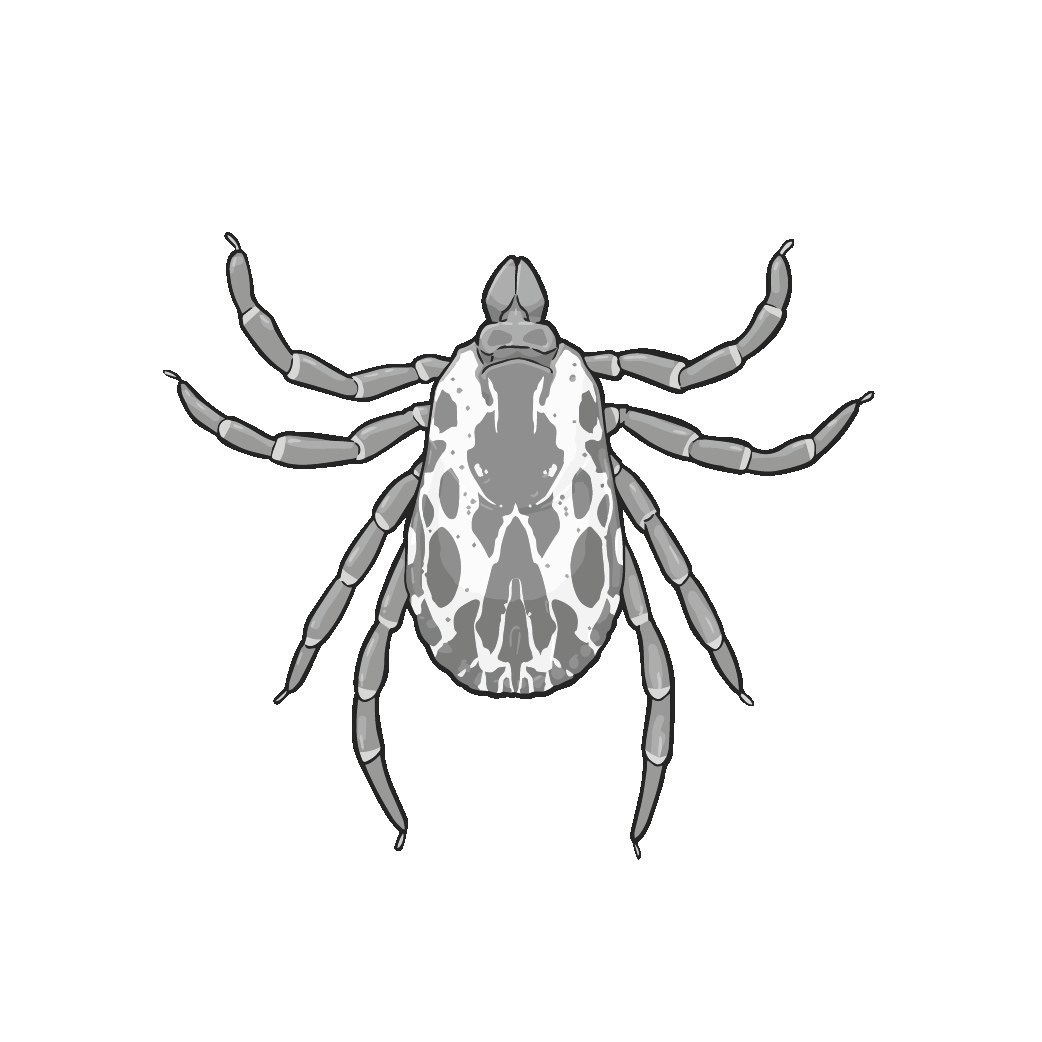
Tick
Tall grass, brush, woodland edges, and animal trails
Soil Mite
Soil, leaf litter, moss, and decaying organic matter worldwide
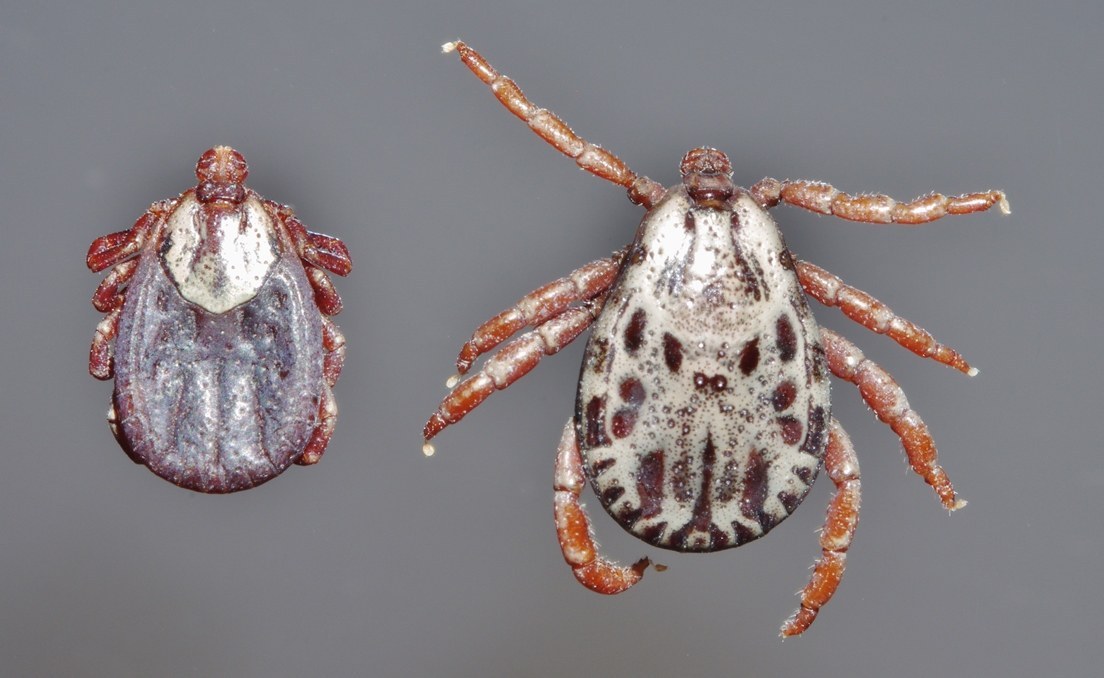
Rocky Mountain Wood Tick
Sagebrush shrublands, grasslands, and montane forest edges
Two-Spotted Spider Mite
Undersides of leaves on garden plants, crops, and houseplants
Spider Mite
Undersides of leaves on garden plants, houseplants, and field and orchard crops worldwide
Whip Scorpion
Tropical and subtropical caves, tree bark, and rock crevices worldwide