
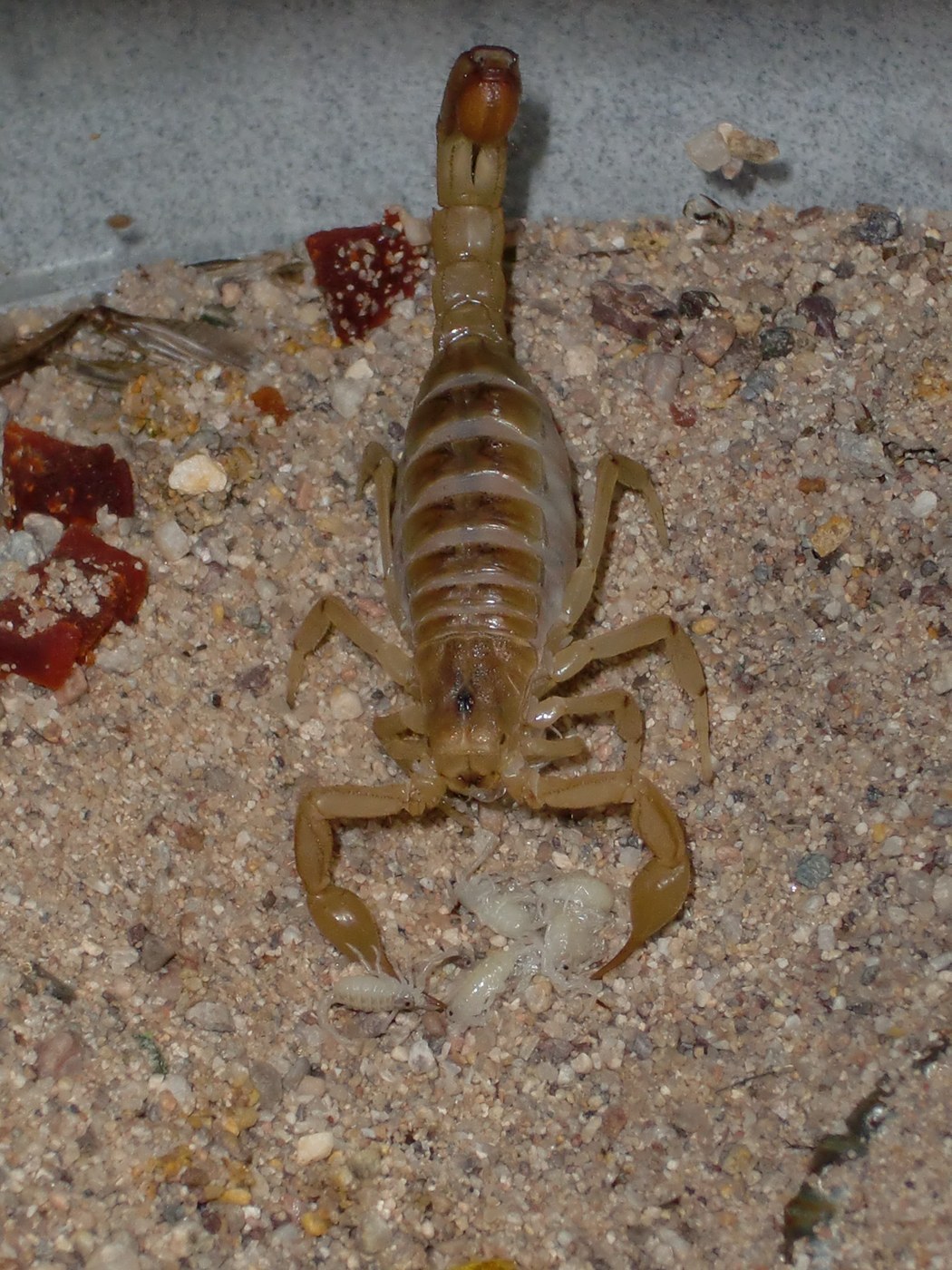
Arizona Bark Scorpion
Centruroides sculpturatus
A slim, pale tan scorpion of the Sonoran Desert that climbs trees, walls, and even ceilings with equal ease thanks to its excellent grip.
- Size
- 50-75 mm (2-3 inches) including tail
- Habitat
- Rocky desert terrain, tree bark, and structures in the Southwest
- Danger
- Stings
Spotted a bug like this?
Identify any bug or insect from a photo, free.
Overview
The Arizona bark scorpion is the most well-known scorpion species in the American Southwest, found throughout Arizona and parts of neighboring states including California, Nevada, New Mexico, and Utah, as well as into Mexico. It is a slender, uniformly pale yellowish-tan scorpion without the bold stripes seen in some related species, and it is notable among North American scorpions for its strong climbing ability.
True to its common name, this species is frequently found climbing tree bark, rock faces, and even the exterior and interior walls of buildings, using specialized claw structures on its legs to grip rough and smooth surfaces alike. It is primarily nocturnal, sheltering during the day in crevices, under bark, or in similarly tight, shaded spaces.
The Arizona bark scorpion has long been a subject of scientific interest and is one of the more thoroughly studied scorpion species in North America, in part due to its abundance and close association with human dwellings in the desert Southwest.
How to Identify
- Slender body that is uniformly pale yellow to light tan, without the dark stripes present on some related bark scorpion species.
- Long, thin pedipalps and legs relative to body size, giving it a delicate, elongated appearance.
- A narrow, whip-like tail with a small, slender stinger at the tip.
- Adults typically reach 50-75 mm including the tail.
- Distinguished from the striped bark scorpion by its lack of dark markings and from thicker-bodied desert hairy scorpions by its slimmer build.
Habitat & Range
This species is found throughout the Sonoran Desert region, most notably in Arizona, and extends into parts of California, Nevada, New Mexico, Utah, and northern Mexico. It favors rocky outcrops, riparian areas with trees, and desert scrub, and is well known for climbing into palm trees, block walls, and homes, often entering structures through small gaps. It remains active year-round in warmer climates but is most commonly seen after dark during the warmer months.
Behavior & Diet
The Arizona bark scorpion is a nocturnal hunter that preys on small insects, spiders, and other arthropods, using its pincers to grasp prey while its tail delivers a subduing sting. Unlike many ground-dwelling scorpions, it is an agile climber and is frequently found several feet off the ground on tree trunks, rock faces, and walls. It sometimes forms loose aggregations in favorable shelter sites, and within its desert ecosystem it serves as both a predator of small arthropods and prey for larger animals such as owls, lizards, and other scorpions.
Life Cycle
Like other scorpions, Arizona bark scorpions are ovoviviparous, with females giving live birth to broods of miniature young after an internal gestation period. The newborn scorpions climb onto the mother's back immediately after birth and remain there through their first molt for protection. After leaving the mother, juveniles pass through several molting stages over roughly one to two years before reaching adulthood, and adults may live for multiple years thereafter.
Frequently asked questions
What does an Arizona bark scorpion look like?
It has a slender, uniformly pale tan to yellow body with long thin legs and pincers and a narrow tail, lacking the dark stripes seen on some other scorpion species.
Where are Arizona bark scorpions found?
They occur throughout the Sonoran Desert region, primarily in Arizona and nearby parts of California, Nevada, New Mexico, and Utah, often near rocky areas, trees, and buildings.
Can Arizona bark scorpions climb?
Yes, they are unusually agile climbers among scorpions and are often found on tree bark, rock walls, and building exteriors.
What do Arizona bark scorpions eat?
They hunt small insects, spiders, and other arthropods at night, capturing prey with their pincers.
Arizona Bark Scorpion guides
In-depth guides for identifying, understanding, and living alongside Arizona Bark Scorpion.
Other bugs you may enjoy

Wood Tick
Grassland, shrub-steppe, and open woodland of western North America
Yellow Scorpion
Arid scrubland, rocky slopes, and desert margins
Whip Spider
Tropical caves, rainforest leaf litter, and under bark
Water Mite
Ponds, lakes, streams, and other freshwater bodies
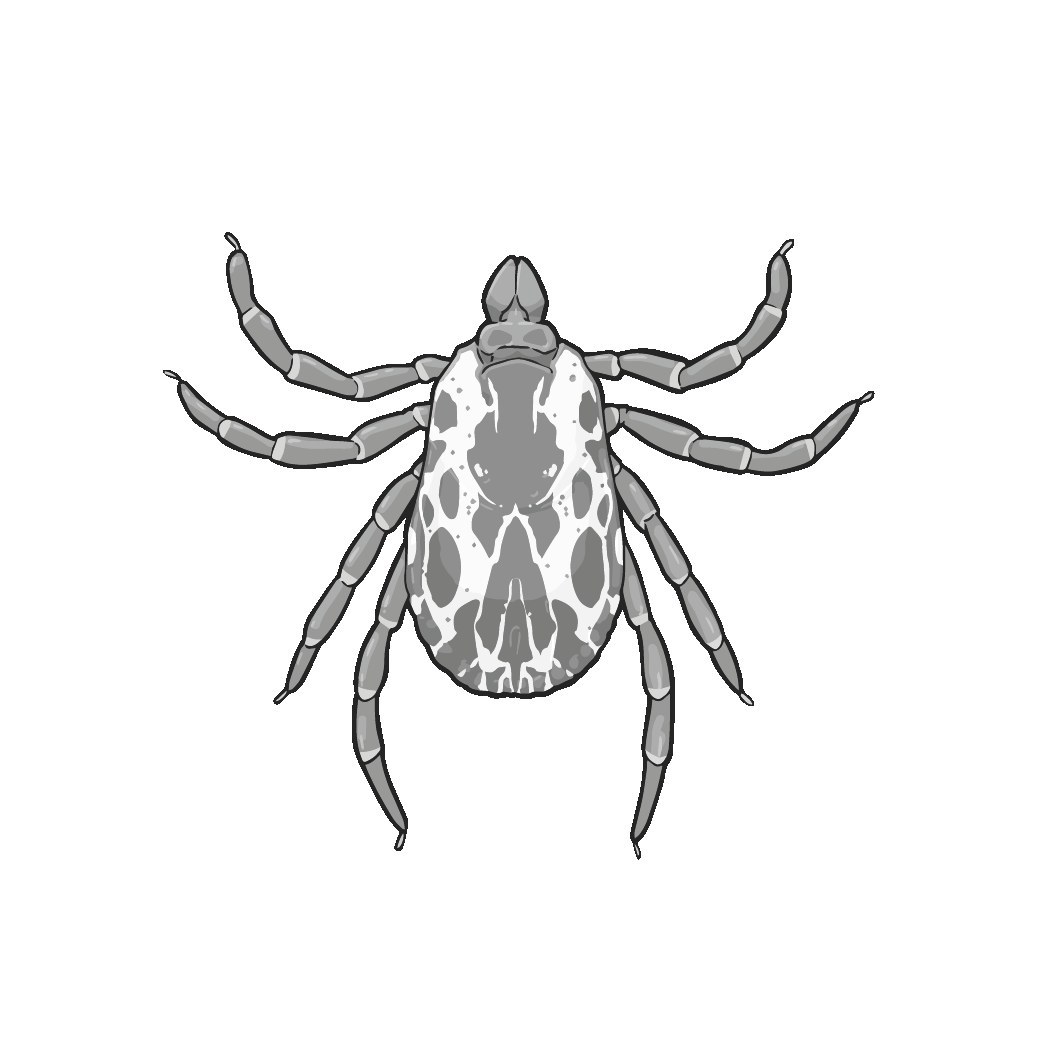
American Dog Tick
Grassy fields, trails, and low vegetation near woodlands
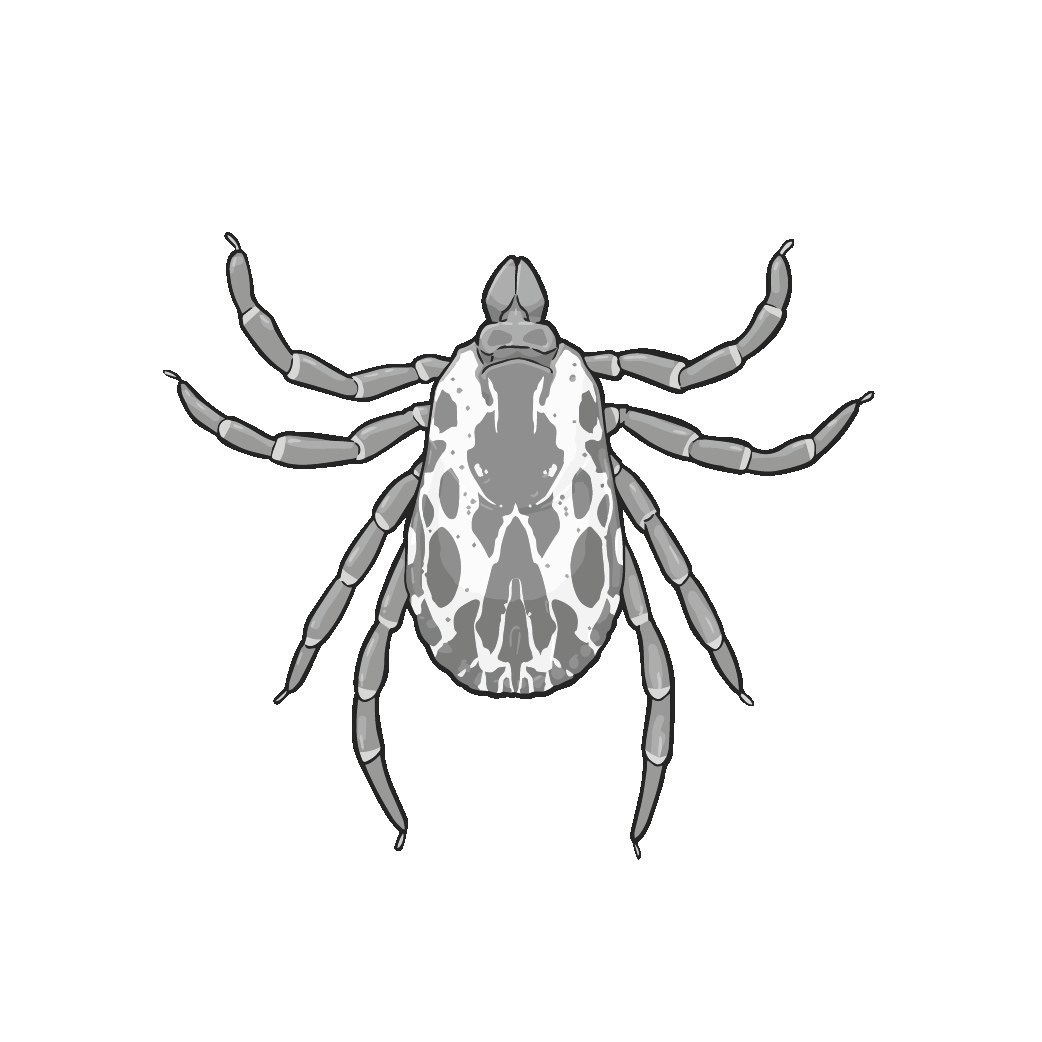
Tick
Tall grass, brush, woodland edges, and animal trails
Soil Mite
Soil, leaf litter, moss, and decaying organic matter worldwide

Rocky Mountain Wood Tick
Sagebrush shrublands, grasslands, and montane forest edges

Two-Spotted Spider Mite
Undersides of leaves on garden plants, crops, and houseplants

Spider Mite
Undersides of leaves on garden plants, houseplants, and field and orchard crops worldwide
Whip Scorpion
Tropical and subtropical caves, tree bark, and rock crevices worldwide
Scabies Mite
Within the outer skin layer of mammal hosts; no independent outdoor habitat